Loading video…


 8 Concepts
 54.8K views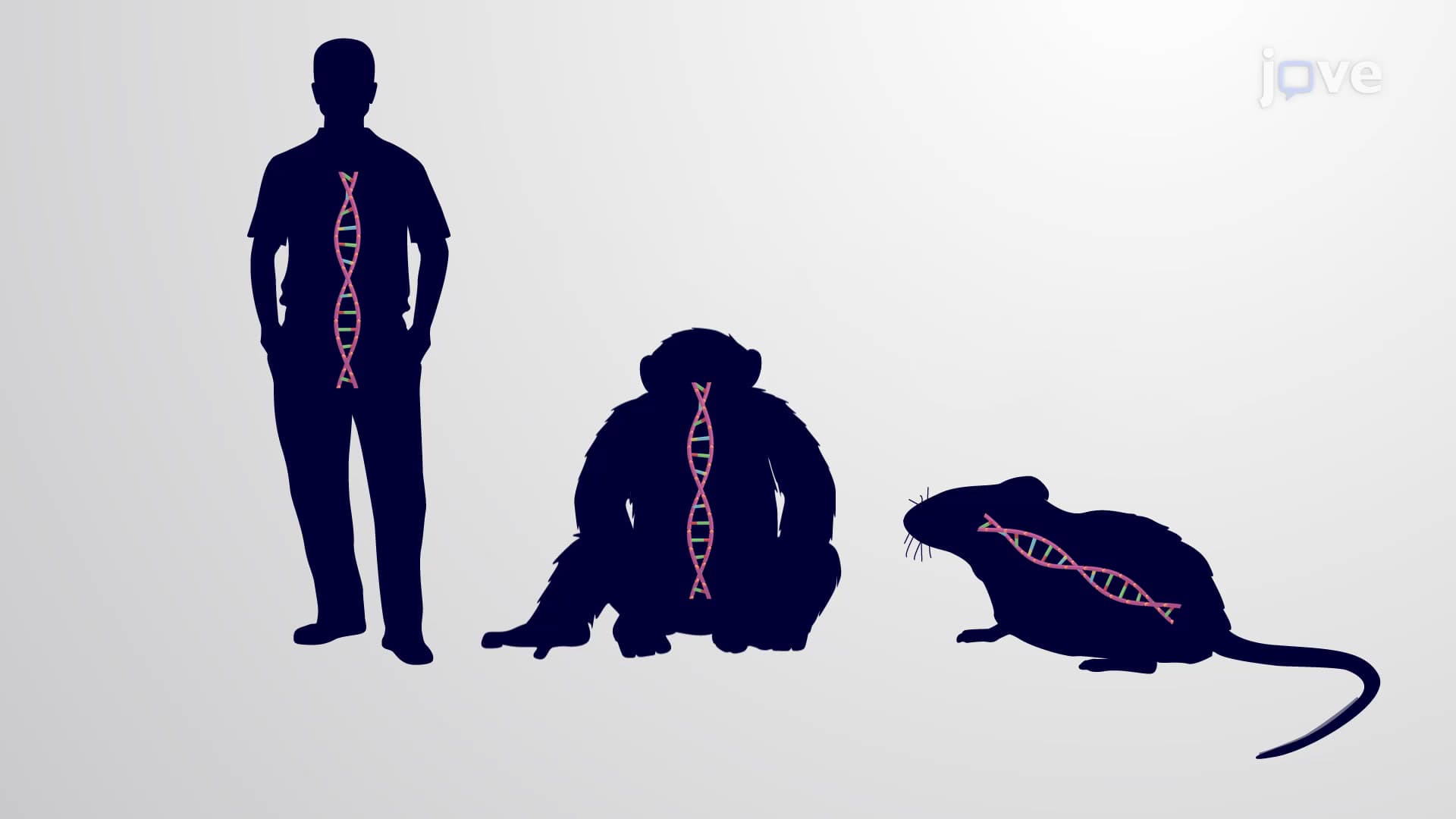

Video Summary: Evolutionary Relationships Through Genome Comparisons Explained
Did you know humans share 99.9% of their DNA with each other but only about 96% with chimpanzees? Evolutionary relationships through genome comparisons reveal these fascinating genetic connections by analyzing DNA sequences across different species. Scientists at institutions like the CDC use whole-genome sequencing to track disease outbreaks, comparing bacterial genomes to understand how pathogens spread and evolve. This powerful approach has revolutionized how we understand life's family tree, moving beyond traditional physical characteristics to examine the genetic code itself. Watch the full video on JoVE Coach to master this concept with expert-led visuals and step-by-step explanations.
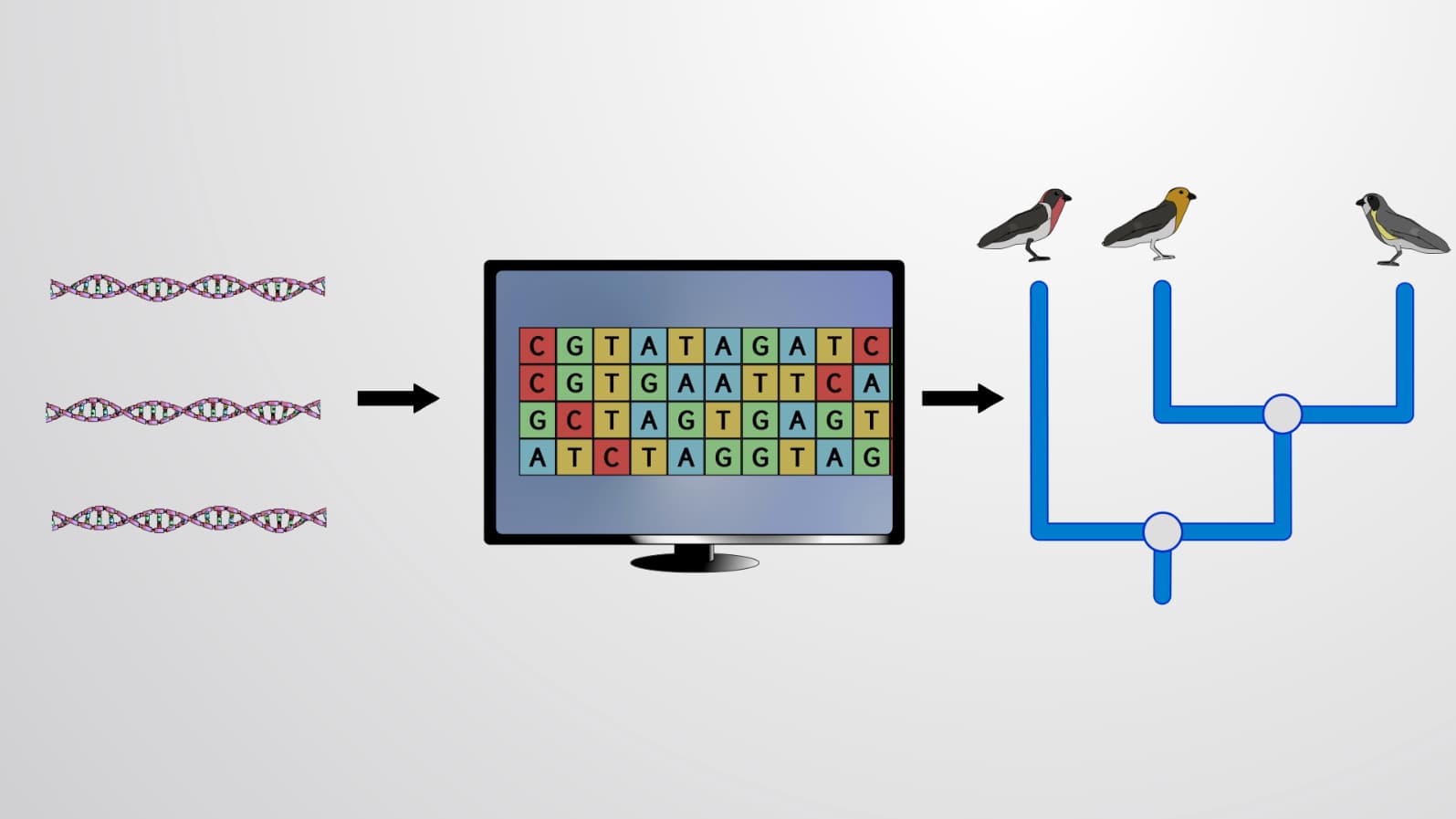
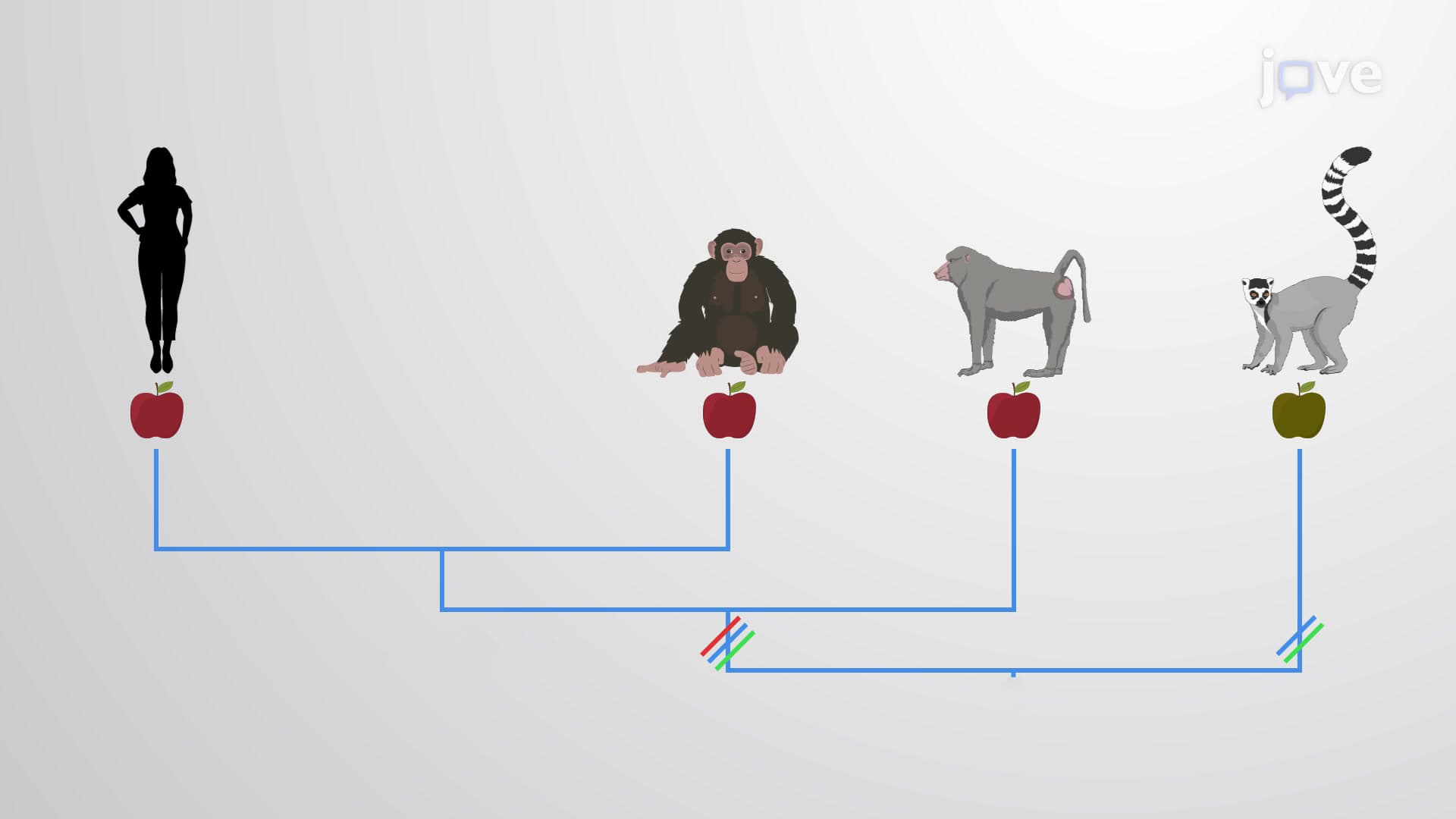
The field of comparative genomics has transformed our understanding of evolutionary biology by providing unprecedented insight into species relationships. Unlike traditional taxonomy based on physical characteristics, genome comparisons offer a molecular foundation for constructing phylogenetic trees that reflect true evolutionary history.
Molecular phylogeny represents the foundational approach, focusing on one or two specific genetic loci to compare species. However, this method has significant limitations. Individual genes may evolve at different rates across species, and horizontal gene transfer-particularly common in bacteria-can transfer genetic material between unrelated organisms, skewing results. For example, antibiotic resistance genes frequently jump between bacterial species in hospital settings, making single-gene analysis unreliable for tracking disease outbreaks.
Multi-locus sequence typing (MLST) addresses these limitations by examining multiple housekeeping genes simultaneously. These genes, essential for basic cellular functions like protein synthesis and energy metabolism, remain relatively stable across evolutionary time. The CDC employs MLST extensively for bacterial surveillance, tracking foodborne pathogens like *Salmonella* by comparing sequences across seven standard housekeeping genes. However, MLST's reliance on slowly-evolving genes limits its ability to distinguish between closely related strains.
Whole-genome sequencing (WGS) represents the gold standard for comparative genomics. By analyzing complete genetic blueprints-including nuclear DNA, mitochondrial DNA in animals, and chloroplast DNA in plants-WGS provides unparalleled resolution for evolutionary analysis. The Human Genome Project, completed in 2003, exemplified this approach's power, revealing that humans share approximately 50% of their genes with bananas and 85% with mice.
Understanding genome comparisons is crucial for success in advanced biology courses and standardized exams. AP Biology frequently includes questions about phylogenetic analysis and molecular evolution, while the MCAT emphasizes comparative genomics in its biological sciences section. College-level genetics and evolution courses rely heavily on these concepts, particularly in laboratory exercises involving sequence alignment and phylogenetic tree construction.
Related Micro-courses