Loading video…


 8 Concepts
 54.8K views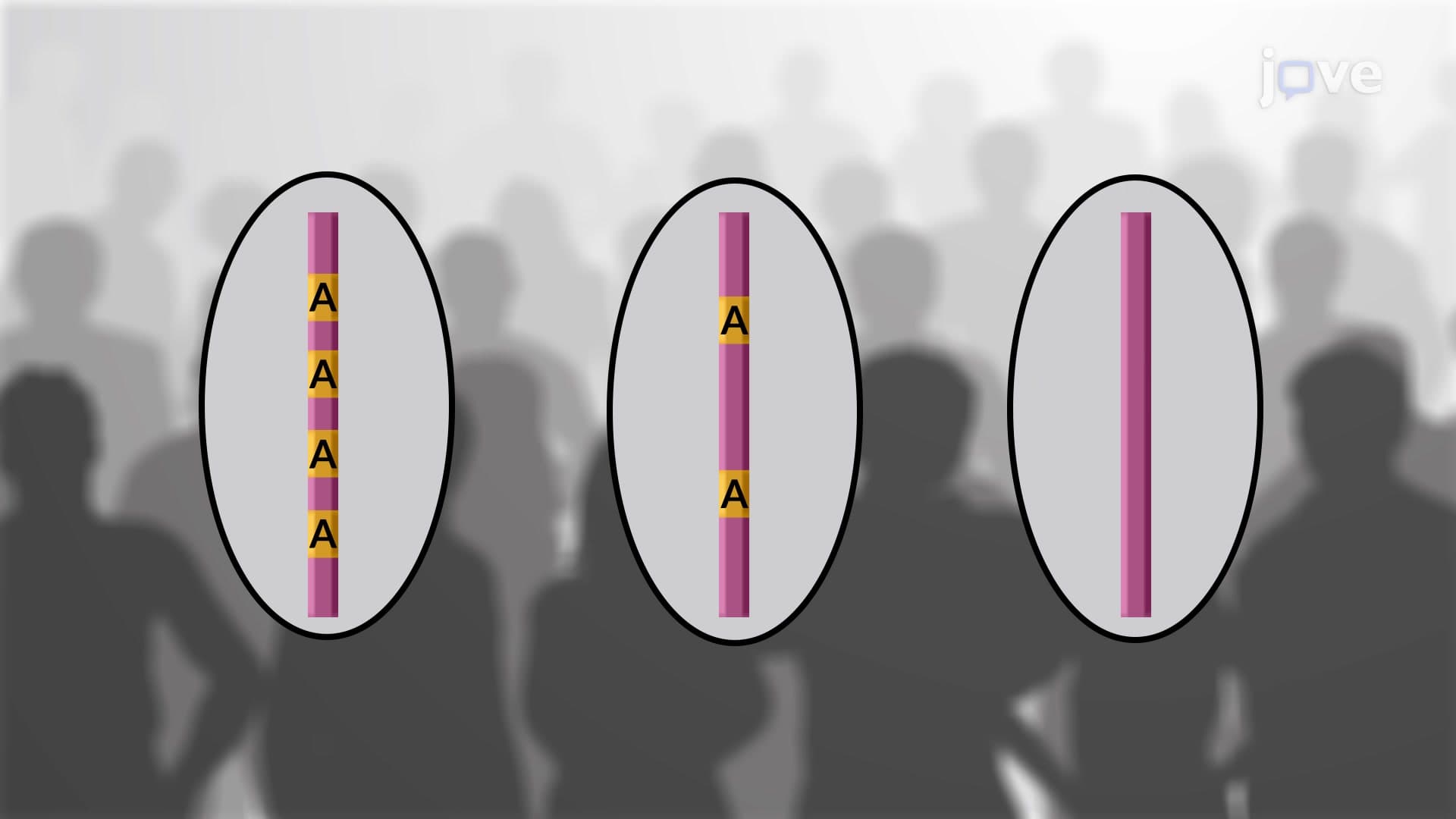

Video Summary: Comparing Copy Number Variations and Snps Explained
Did you know that some Americans of European descent carry zero copies of the gene that determines Rh-positive blood type, while others have two? This fascinating example highlights the importance of comparing copy number variations and SNPs in understanding human genetic diversity. Copy number variations (CNVs) involve large DNA segments over 1,000 base pairs, while single nucleotide polymorphisms (SNPs) represent single base changes occurring roughly once every 1,000 nucleotides. Watch the full video on JoVE Coach to master this concept with expert-led visuals and step-by-step explanations.
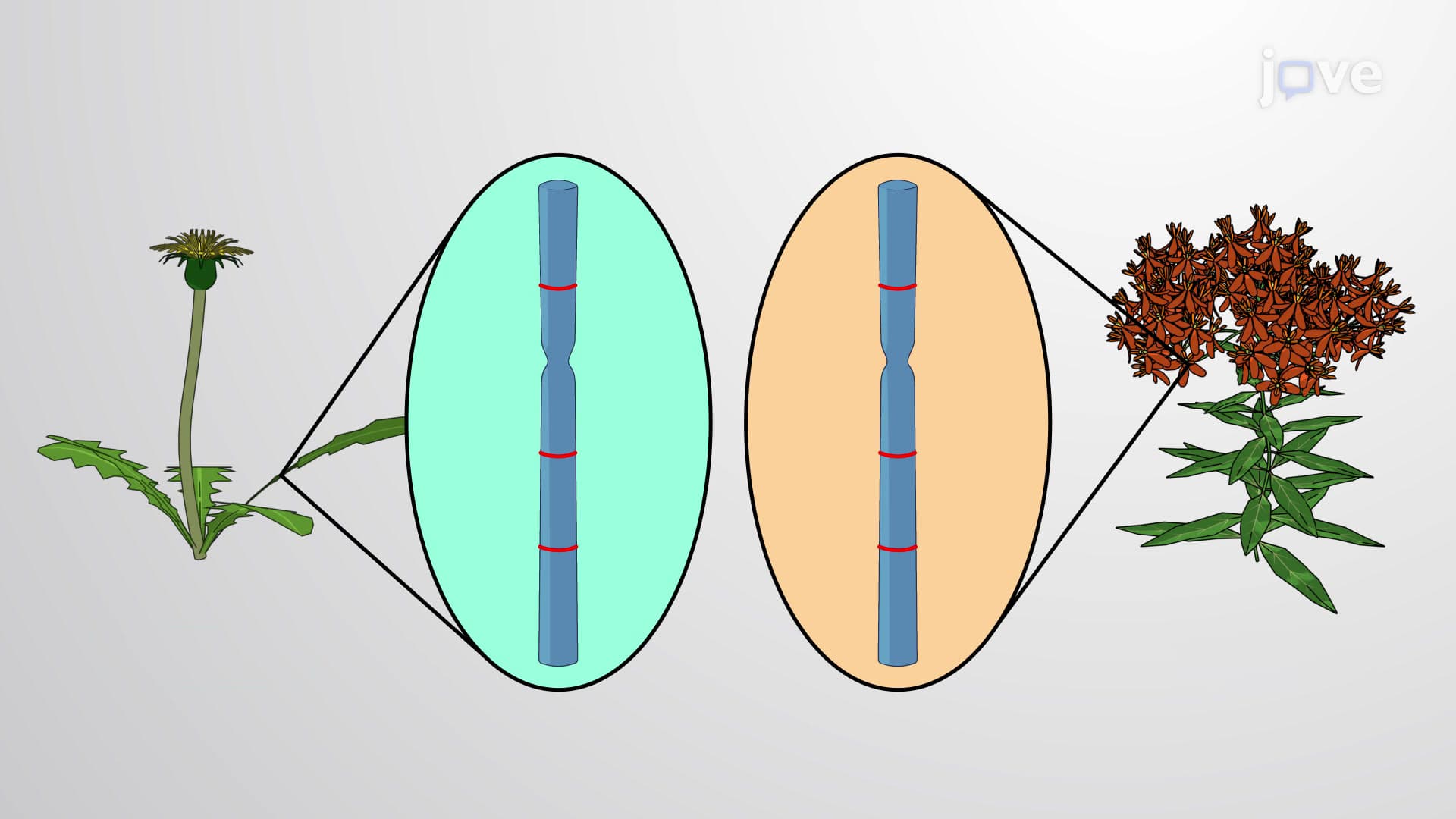
When comparing copy number variations and SNPs, the most fundamental distinction lies in their scale and structural impact. Copy number variations represent large-scale genomic alterations affecting DNA segments exceeding 1,000 base pairs, while single nucleotide polymorphisms involve changes to individual DNA bases. This size difference creates dramatically different consequences for gene function and human health.
CNVs fundamentally alter the genomic landscape by changing how many copies of specific genes individuals possess. Unlike the typical two-copy system inherited from each parent, CNVs can result in zero, one, three, or even more gene copies. The AMY1 gene provides a compelling example relevant to American populations: individuals with European and Asian ancestry, whose diets historically emphasized starchy foods like potatoes and rice, carry higher AMY1 copy numbers to enhance starch digestion. This adaptation demonstrates how CNVs respond to environmental pressures over generations.
The clinical implications extend far beyond metabolism. CNVs contribute to neurological conditions including autism spectrum disorders and schizophrenia, conditions extensively studied in American medical research. Parkinson's disease research at institutions like the Mayo Clinic has identified specific CNV patterns that influence disease susceptibility and progression rates.
SNPs represent the most common form of human genetic variation, occurring approximately once every 300-1,000 nucleotides throughout the genome. However, not every single base change qualifies as an SNP-only variations present in more than 1% of the population earn this designation. This frequency threshold ensures SNPs represent meaningful genetic diversity rather than rare mutations.
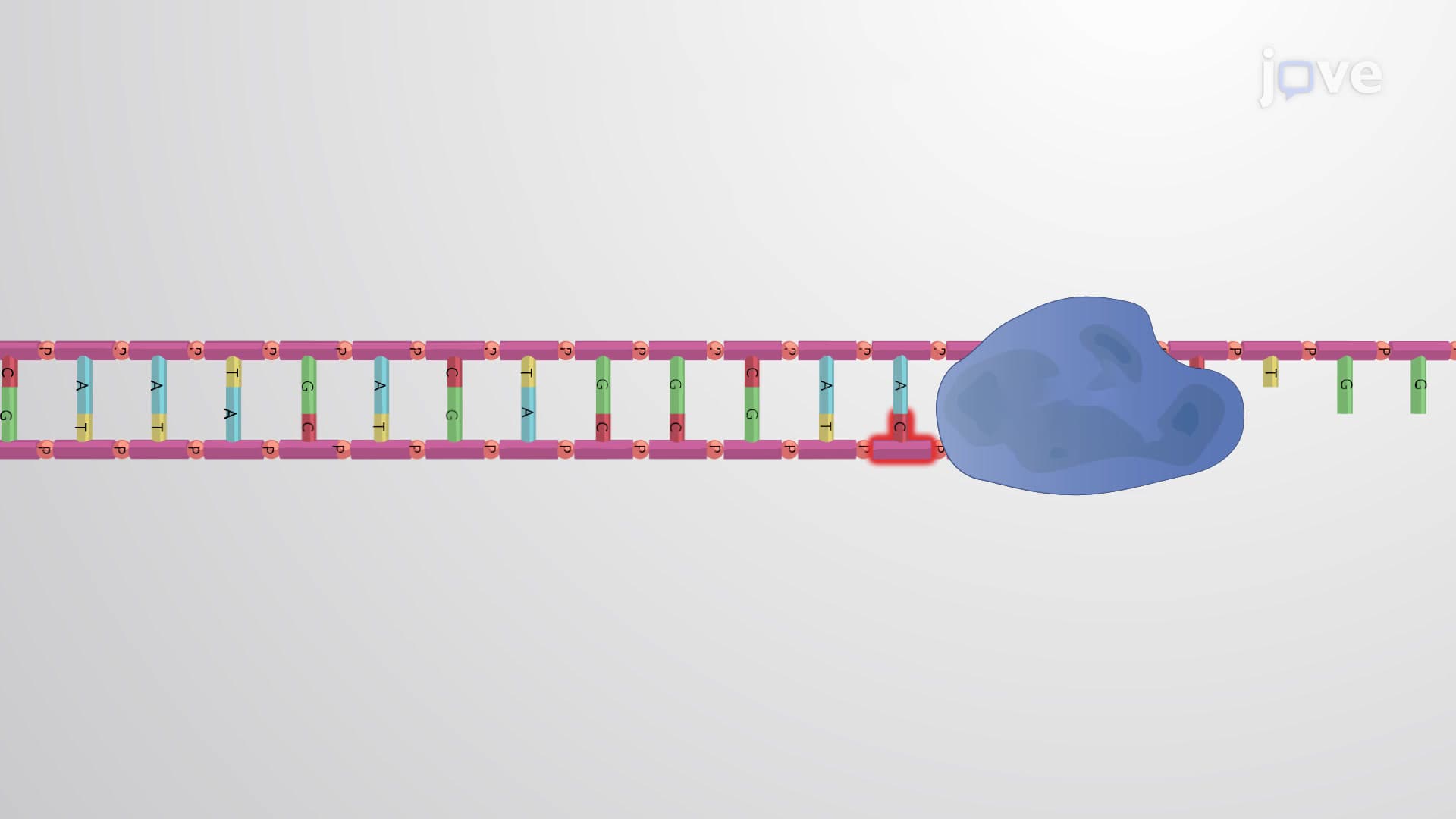
The classic example of SNP-mediated disease remains sickle cell anemia, where a single adenine-to-thymine substitution in the beta-globin gene transforms normal disc-shaped red blood cells into characteristic sickle shapes. This condition predominantly affects African American populations and serves as a cornerstone example in AP Biology and MCAT preparation courses.
Understanding these concepts proves essential for students pursuing healthcare careers. The MCAT extensively tests knowledge of genetic variations, while AP Biology courses emphasize population genetics principles underlying both CNVs and SNPs. Medical schools across the United States, from Harvard to UCLA, incorporate these concepts into genetics curricula as foundational knowledge for future physicians.
Research institutions like the National Institutes of Health continue advancing our understanding of both variation types, particularly their roles in personalized medicine approaches tailored to individual genetic profiles.
Related Micro-courses