Loading subject page…

- Molecular Biology
- Genomes and Evolution
- Phylogenetic Trees
Micro-course: Genomes and Evolution
54,808 views
Learn key concepts and earn your certificate.




Phylogenetic Trees

00:00
03:21
Video Summary: What are Phylogenetic Trees
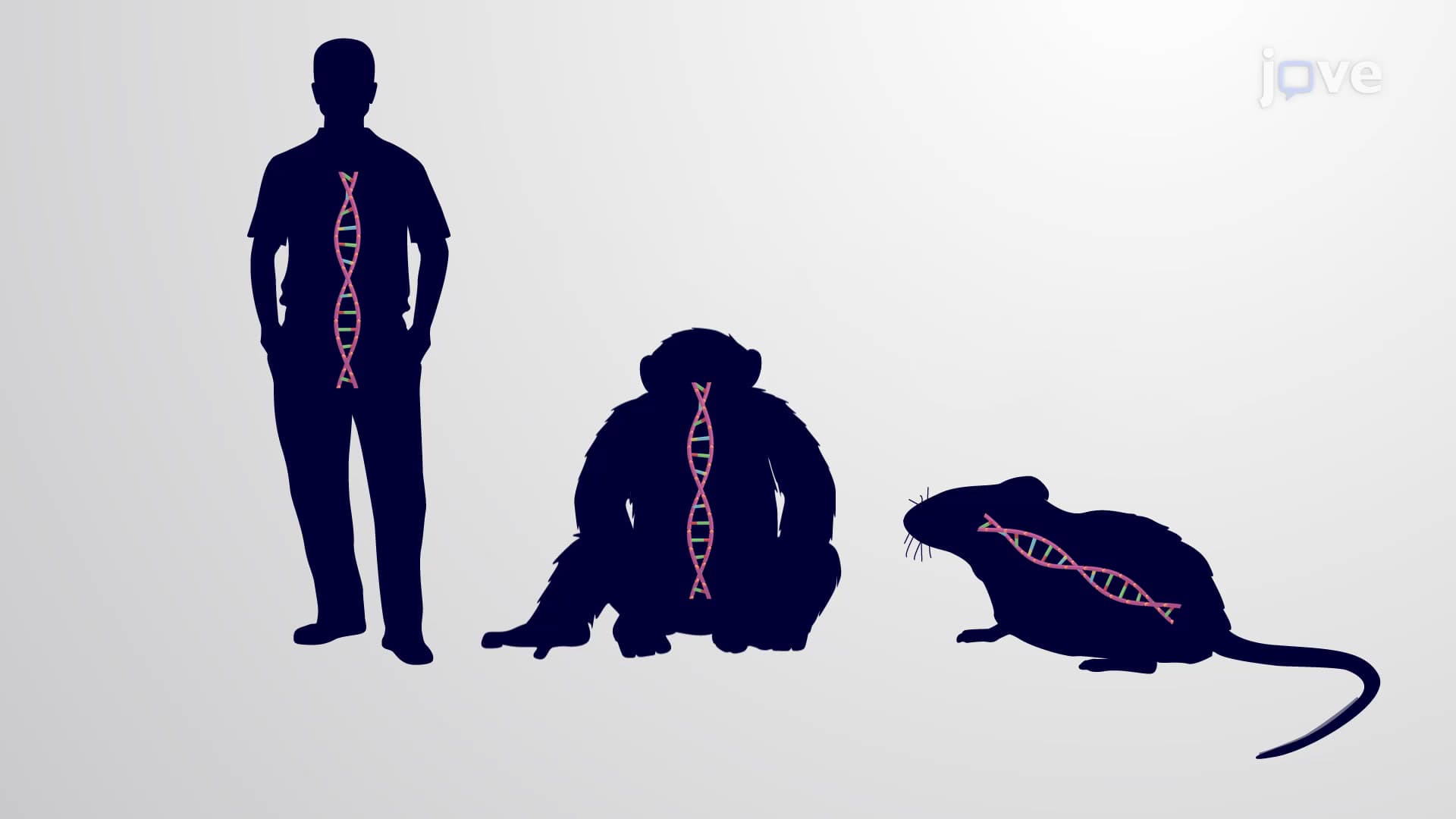
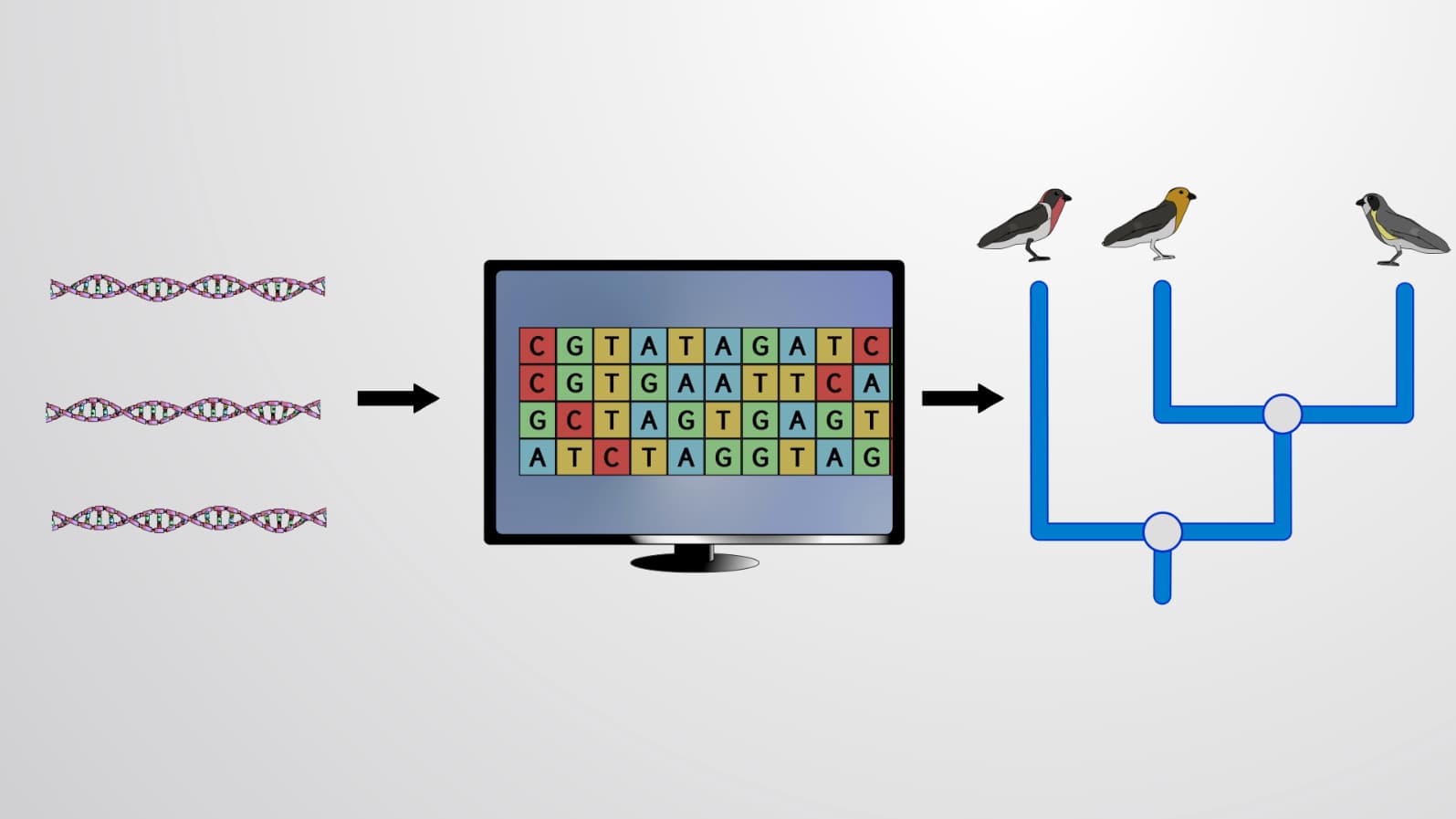
Ever wondered how scientists prove that humans and chimpanzees share a common ancestor from 6-7 million years ago? Phylogenetic trees are the evolutionary family trees that reveal these relationships by mapping how species diverged over time. These branching diagrams use molecular and morphological data to trace ancestry, helping researchers at institutions like the Smithsonian National Museum of Natural History classify new species and track disease outbreaks. Watch the full video on JoVE Coach to master this concept with expert-led visuals and step-by-step explanations.
- Understand what phylogenetic trees represent and how they illustrate evolutionary relationships among organisms through branching patterns
- Identify the key components of phylogenetic trees, including nodes, branches, and terminal taxa
- Analyze different tree construction methods such as maximum parsimony, maximum likelihood, and neighbor-joining approaches
- Compare molecular versus morphological data sources used in building accurate phylogenetic reconstructions
- Evaluate the reliability of phylogenetic hypotheses using statistical support measures and bootstrap values
- Apply phylogenetic principles to solve problems in taxonomy, conservation biology, and medical research
- Recognize real-world applications in tracking pathogen evolution and understanding biodiversity patterns
- Explore how the molecular clock hypothesis helps estimate divergence times between species
Understanding What Phylogenetic Trees Represent
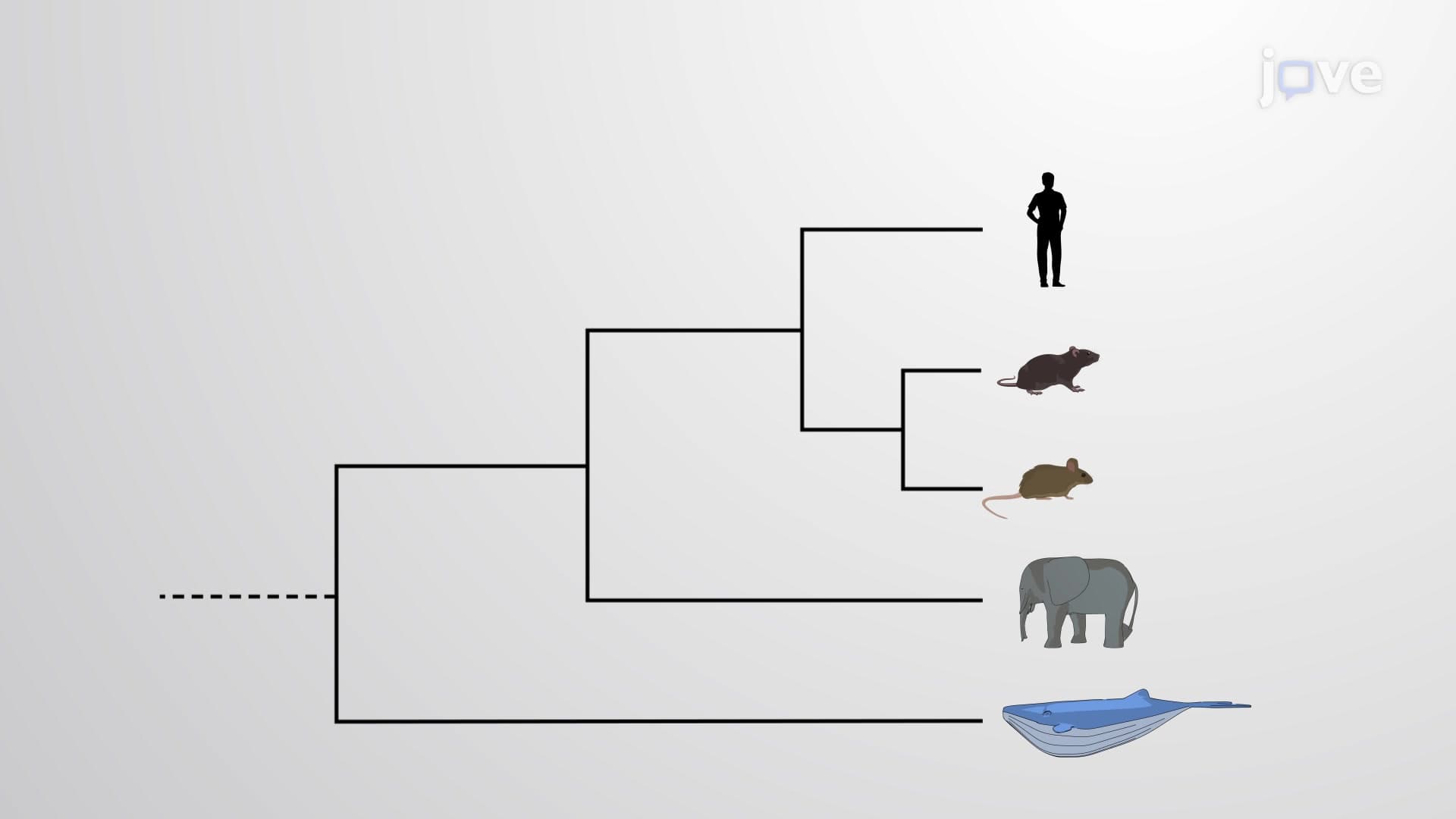
Phylogenetic trees serve as evolutionary roadmaps, illustrating how different species, genes, or other biological entities are related through common ancestry. Think of them as family trees for all life on Earth, but instead of showing relationships between individuals, they reveal connections between entire species or groups of organisms. These branching diagrams are fundamental tools in biology courses from AP Biology to college-level evolution and systematics classes.
Construction Methods and Data Sources
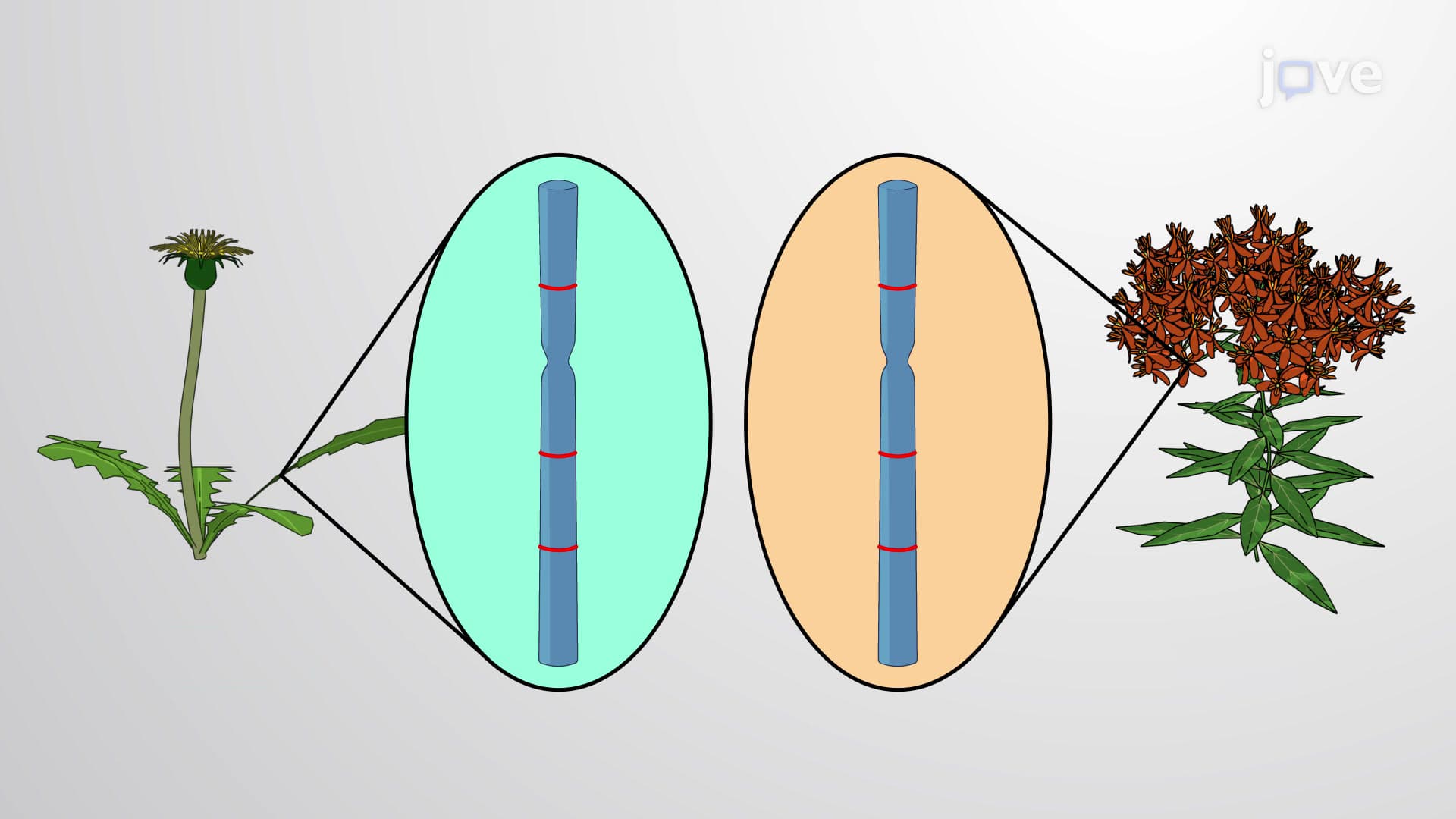
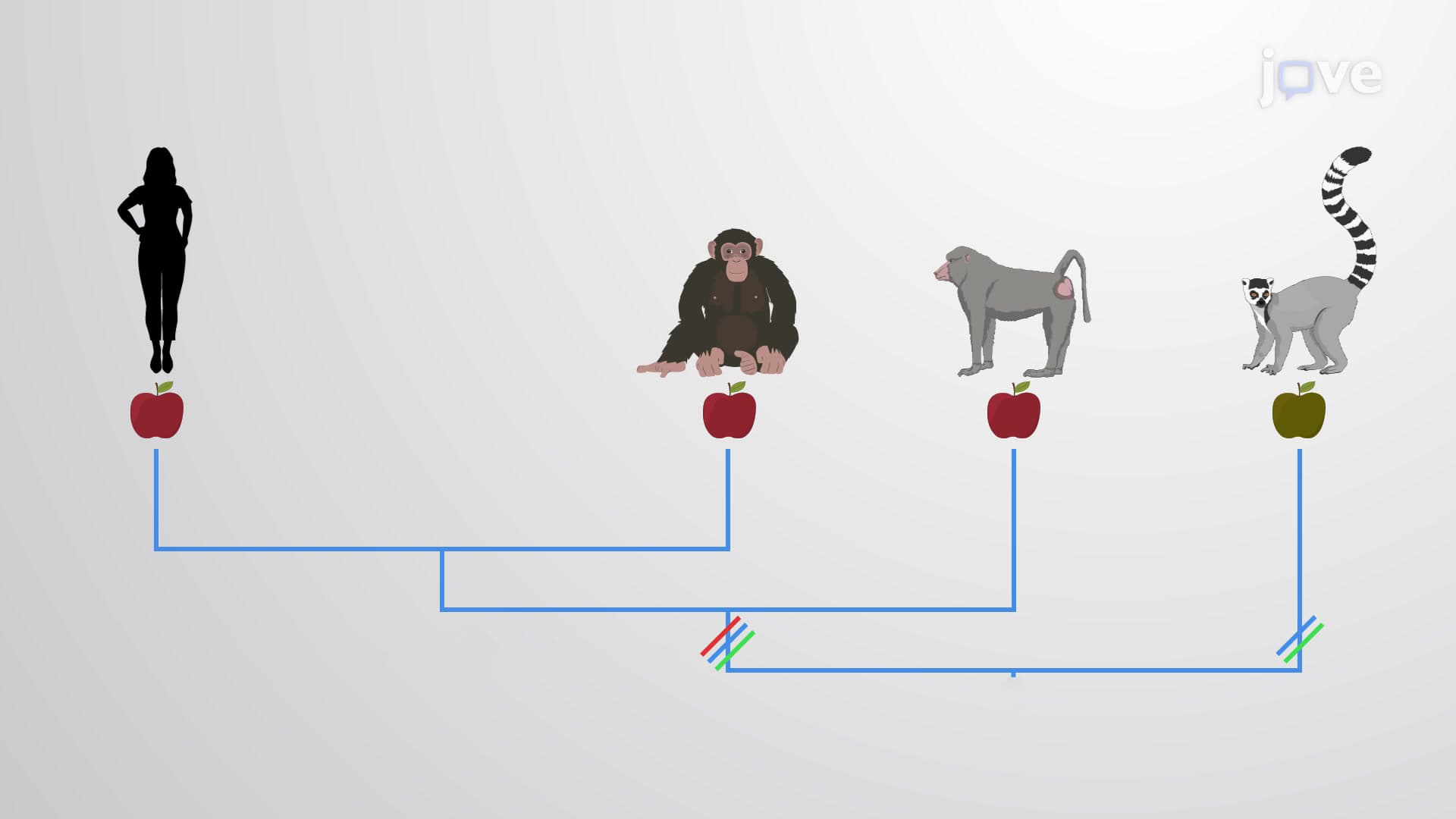
Scientists build phylogenetic trees using sophisticated computational methods that analyze similarities and differences in biological data. Distance-based approaches like Neighbor-Joining create trees by calculating evolutionary distances between species based on DNA sequences or physical characteristics. Maximum parsimony methods assume the simplest evolutionary pathway, the one requiring the fewest changes, is most likely correct. Meanwhile, maximum likelihood and Bayesian inference use statistical models to find the tree that best explains the observed data.
The data feeding these analyses comes from two primary sources. Molecular data includes DNA sequences, RNA sequences, and protein structures, while morphological data encompasses physical characteristics like bone structure, leaf shape, or cellular features. For example, researchers at Harvard's Museum of Comparative Zoology use both DNA analysis and fossil morphology to understand primate evolution.
Reading and Interpreting Tree Structure
Every phylogenetic tree contains specific components that convey evolutionary information. Nodes represent common ancestors, points where lineages split into separate evolutionary paths. Branches show the evolutionary relationships and can indicate time or genetic change. Terminal taxa (the tips) represent the species or groups being studied. Understanding these elements is crucial for success on standardized tests like the MCAT Biology section or AP Biology exam questions about evolutionary relationships.
Real-World Applications in Research and Medicine
Phylogenetic analysis drives cutting-edge research across multiple fields. During the COVID-19 pandemic, scientists at the CDC used phylogenetic trees to track how SARS-CoV-2 variants emerged and spread globally. Conservation biologists employ these tools to identify evolutionarily distinct species that deserve protection priority. In medicine, understanding the phylogenetic relationships of pathogens helps predict drug resistance patterns and design more effective treatments.
The molecular clock hypothesis adds a temporal dimension to these trees, allowing scientists to estimate when species diverged. This principle assumes that DNA changes accumulate at relatively constant rates over time, enabling researchers to date evolutionary events even without fossil evidence.
Frequently Asked Questions
A phylogenetic tree is a branching diagram that shows evolutionary relationships between species or other biological entities based on their shared ancestry. It's like a family tree for organisms, revealing how different species evolved from common ancestors over time. These trees help scientists understand biodiversity patterns and classify organisms into related groups.
Phylogenetic trees are essential tools for understanding evolution, classifying organisms, tracking disease outbreaks, and guiding conservation efforts. Scientists use them to identify new species, predict drug resistance in pathogens, and determine which organisms should receive protection priority. They're fundamental to fields ranging from taxonomy to epidemiology and appear frequently in biology coursework.
MCAT questions often ask you to interpret tree diagrams, identify closest relatives, or determine the sequence of evolutionary events. You might need to analyze which species share the most recent common ancestor or explain how molecular data supports specific branching patterns. Practice reading trees and understanding that closer branches indicate more recent common ancestry.
Yes, phylogenetic trees are a key component of AP Biology's evolution unit and frequently appear in both multiple-choice and free-response questions. Students must demonstrate ability to construct simple trees, interpret branching patterns, and explain how molecular evidence supports evolutionary relationships. The College Board emphasizes understanding trees as evidence for evolution.
During disease outbreaks, scientists sequence pathogen genomes and build phylogenetic trees to trace transmission patterns and identify outbreak sources. For example, CDC researchers used phylogenetic analysis during COVID-19 to understand how variants like Delta and Omicron evolved and spread. This helps public health officials make informed decisions about containment strategies and vaccine development.
While phylogenetic trees might seem complex initially, they follow logical principles that become intuitive with practice. Start by understanding that closer branches mean more recent common ancestry, and remember that trees can be rotated without changing meaning. Most high school biology students successfully master tree interpretation with focused study and practice problems.
Practice with diverse tree formats and focus on identifying sister groups (closest relatives) and common ancestors. Create your own simple trees using familiar organisms, and work through sample problems that ask you to determine evolutionary relationships. Pay attention to how molecular data like DNA sequences support specific branching patterns, as this connection frequently appears in exam questions.
Once comfortable with phylogenetic trees, explore related topics like molecular evolution, speciation mechanisms, and comparative genomics. These concepts build naturally on tree-reading skills and deepen your understanding of evolutionary biology. Consider studying how phylogenetic analysis applies to specific fields like conservation biology or medical research.
Related Micro-courses

15 Concepts

17 Concepts

19 Concepts