Loading subject page…

- Molecular Biology
- Genomes and Evolution
- Exon Recombination
Micro-course: Genomes and Evolution
54,808 views
Learn key concepts and earn your certificate.

Exon Recombination

00:00
02:32
Video Summary: What Is Exon Recombination
Did you know that genetic mutations can sometimes create entirely new genes rather than just breaking existing ones? Exon recombination occurs when protein-coding DNA segments from the same or different genes shuffle together, potentially forming novel genetic blueprints. This fascinating process helps explain how diseases like chronic granulomatous disease develop in American patients when their immune system genes malfunction. Watch the full video on JoVE Coach to master this concept with expert-led visuals and step-by-step explanations.
- Understand what is exon recombination and how it creates new genetic combinations from existing DNA segments
- Identify the two main mechanisms of exon recombination: non-homologous recombination and retrotransposition
- Analyze how exon recombination contributes to genetic diseases like chronic granulomatous disease in human patients
- Compare the roles of exons and introns in eukaryotic gene structure and recombination events
- Evaluate real-world examples of exon recombination, including the NADPH oxidase gene mutations
- Apply knowledge of exon recombination to understand evolutionary gene development processes
- Recognize the molecular mechanisms behind reactive oxygen species production in immune responses
- Explore how retrotransposition events can lead to new gene formation over evolutionary timescales
Understanding Exon Recombination Fundamentals
Exon recombination represents one of nature's most creative genetic processes, where protein-coding DNA segments called exons shuffle and combine to create new genetic arrangements. Unlike simple point mutations that typically damage genes, exon recombination can actually generate novel genetic functions by mixing and matching existing genetic modules.
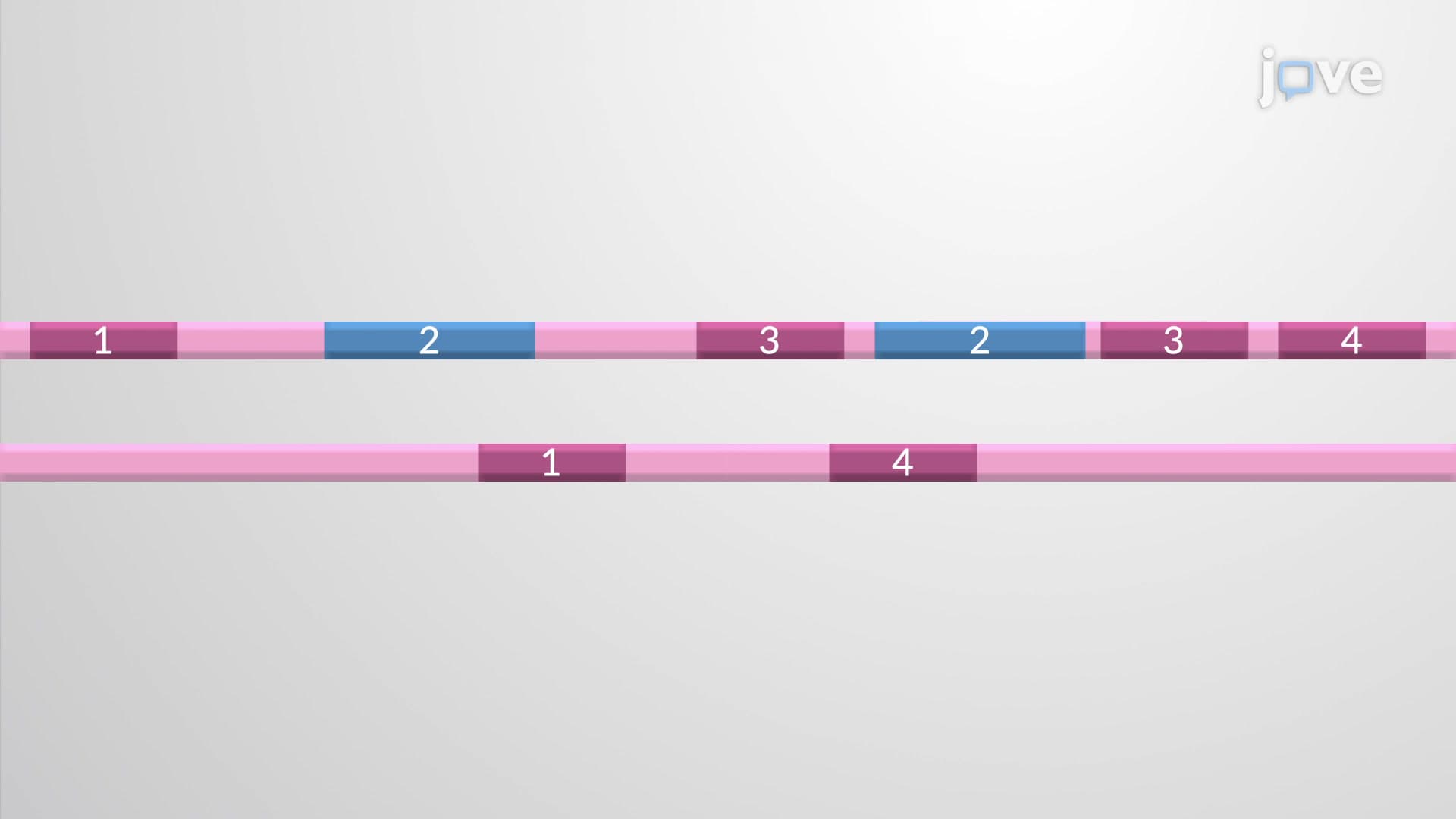
In eukaryotic organisms, genes consist of alternating segments: exons (protein-coding sequences) and introns (non-coding sequences that are removed during RNA processing). Think of exons as LEGO blocks that can be rearranged to build different structures, while introns serve as spacers between these functional units.
Mechanisms of Exon Recombination
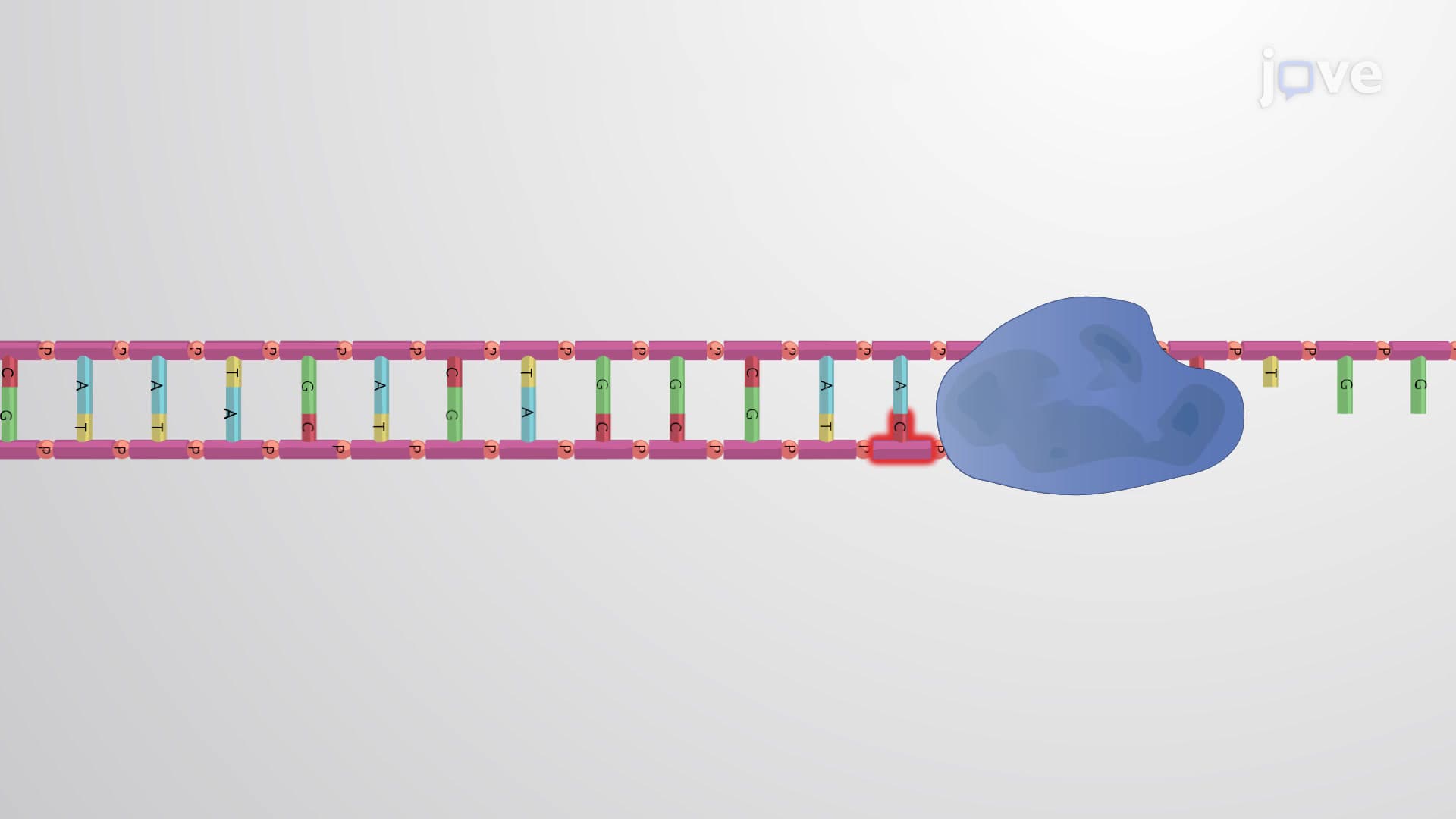
Two primary mechanisms drive exon recombination events. Non-homologous recombination occurs when DNA segments with little or no sequence similarity accidentally recombine during cellular processes. This "illegitimate" recombination can duplicate, delete, or rearrange exons in unexpected ways.
The second mechanism, retrotransposition, involves reverse transcription of messenger RNA back into DNA, which then integrates into new genomic locations. This process can capture exons from one gene and insert them into another, creating hybrid genes with combined functions.
Clinical Significance in American Healthcare
Exon recombination has significant medical implications for American patients. Chronic granulomatous disease (CGD) affects approximately 1 in 250,000 Americans, with many cases resulting from exon recombination events in the CYBB gene (also called the phox gene). This gene encodes NADPH oxidase, a crucial enzyme that immune cells use to generate reactive oxygen species for killing bacteria.
When non-homologous recombination duplicates exons 9 and 10 of this gene, the resulting enzyme shows reduced activity. Patients cannot effectively clear bacterial infections, leading to the formation of granulomas-characteristic clusters of immune cells attempting to contain persistent infections. This condition requires lifelong antibiotic therapy and careful monitoring at specialized medical centers like those found at Johns Hopkins or the NIH Clinical Center.
Academic and Examination Relevance
Students preparing for the MCAT Biology section frequently encounter exon recombination questions, particularly in genetics and molecular biology passages. AP Biology exam questions often test understanding of gene structure and recombination mechanisms. College-level genetics courses at institutions like MIT, Stanford, and UC Berkeley extensively cover these concepts in molecular evolution contexts.
Understanding exon recombination helps explain how genetic diversity arises and how new protein functions evolve-concepts central to modern evolutionary biology and medical genetics curricula across American universities.
Frequently Asked Questions
Exon recombination is a genetic process where protein-coding DNA segments (exons) from the same or different genes combine in new arrangements, potentially creating novel genes with different functions. It's like genetic "copy-and-paste" that can generate entirely new genetic blueprints from existing components.
The MCAT frequently tests exon recombination through passages about genetic diseases, evolutionary biology, or molecular genetics. Questions typically focus on identifying recombination mechanisms, predicting protein changes, or explaining disease pathogenesis. Students should understand both non-homologous recombination and retrotransposition pathways for comprehensive exam preparation.
Yes, AP Biology exams commonly include exon recombination in genetics and evolution units. Questions might ask you to analyze gene structure diagrams, explain recombination mechanisms, or connect these processes to evolutionary change. Understanding exon-intron organization and recombination outcomes helps with both multiple-choice and free-response sections.
In CGD patients, non-homologous recombination duplicates exons 9 and 10 in the NADPH oxidase gene, reducing enzyme activity. This impairs the immune system's ability to generate reactive oxygen species needed to kill bacteria, leading to persistent infections and granuloma formation requiring specialized treatment at major medical centers.
Not at all! While the molecular details can seem complex, the basic concept is quite accessible-think of it as genetic "mix-and-match." Start with understanding exon-intron structure, then learn the two main recombination types. Many successful pre-med students master this topic during junior or senior year of high school.
Focus on drawing diagrams showing before-and-after gene structures, memorize the two main mechanisms (non-homologous recombination and retrotransposition), and practice explaining real examples like CGD or evolutionary cases. Create comparison charts between normal and recombined genes to visualize functional changes.
Exon recombination knowledge builds foundation skills for understanding genetic diseases, molecular diagnostics, and evolutionary medicine concepts essential in medical school. It appears in genetics courses, pathology discussions, and clinical case studies, making it valuable preparation for future healthcare professionals.
Progress to alternative splicing mechanisms, gene duplication events, and comparative genomics. Explore how exon shuffling contributes to protein domain evolution and investigate modern techniques like CRISPR gene editing that can create artificial exon recombination events for therapeutic purposes.
Related Micro-courses

15 Concepts

17 Concepts
19 Concepts