Loading subject page…

- Molecular Biology
- Genomes and Evolution
- Gene Duplication and Divergence
Micro-course: Genomes and Evolution
54,808 views
Learn key concepts and earn your certificate.

Gene Duplication and Divergence

00:00
02:37
Video Summary: What Is Gene Duplication and Divergence
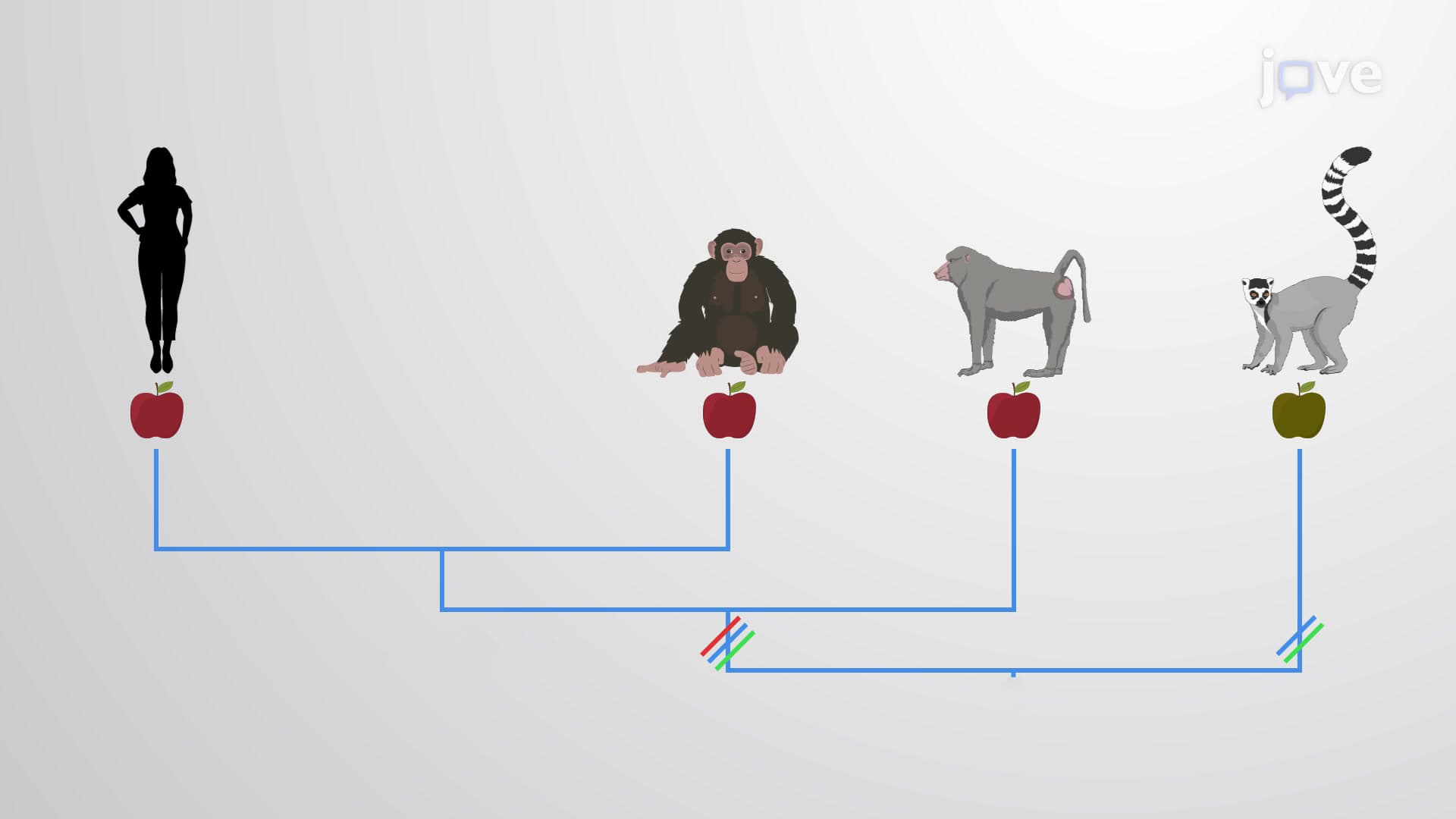
Did you know that humans can see millions of colors because an ancient gene accidentally copied itself? Gene duplication and divergence is the evolutionary process where genes make copies of themselves and then evolve in different directions, creating entirely new functions. For example, primates originally had only two color vision genes, but when one duplicated and diverged, it created the red vision gene that gives humans tricolor sight. This fundamental mechanism drives evolution by providing raw material for new traits without losing essential functions. Watch the full video on JoVE Coach to master this concept with expert-led visuals and step-by-step explanations.
- Understand what gene duplication and divergence is and how it creates genetic diversity through the formation of paralogous genes
- Identify the three main evolutionary pathways following gene duplication: pseudogenization, subfunctionalization, and neofunctionalization
- Analyze how subfunctionalization divides original gene functions between duplicate copies while maintaining overall protein function
- Compare neofunctionalization with other divergence pathways and explain how it creates entirely new gene functions
- Evaluate real-world examples like hemoglobin evolution and human color vision development as evidence of gene duplication processes
- Apply knowledge of gene duplication mechanisms to predict evolutionary outcomes in different organisms
- Recognize the evolutionary significance of gene duplication as a source of genetic innovation and adaptation
- Explore how gene duplication events have shaped major evolutionary transitions in vertebrate development
Understanding Gene Duplication and Divergence Mechanisms
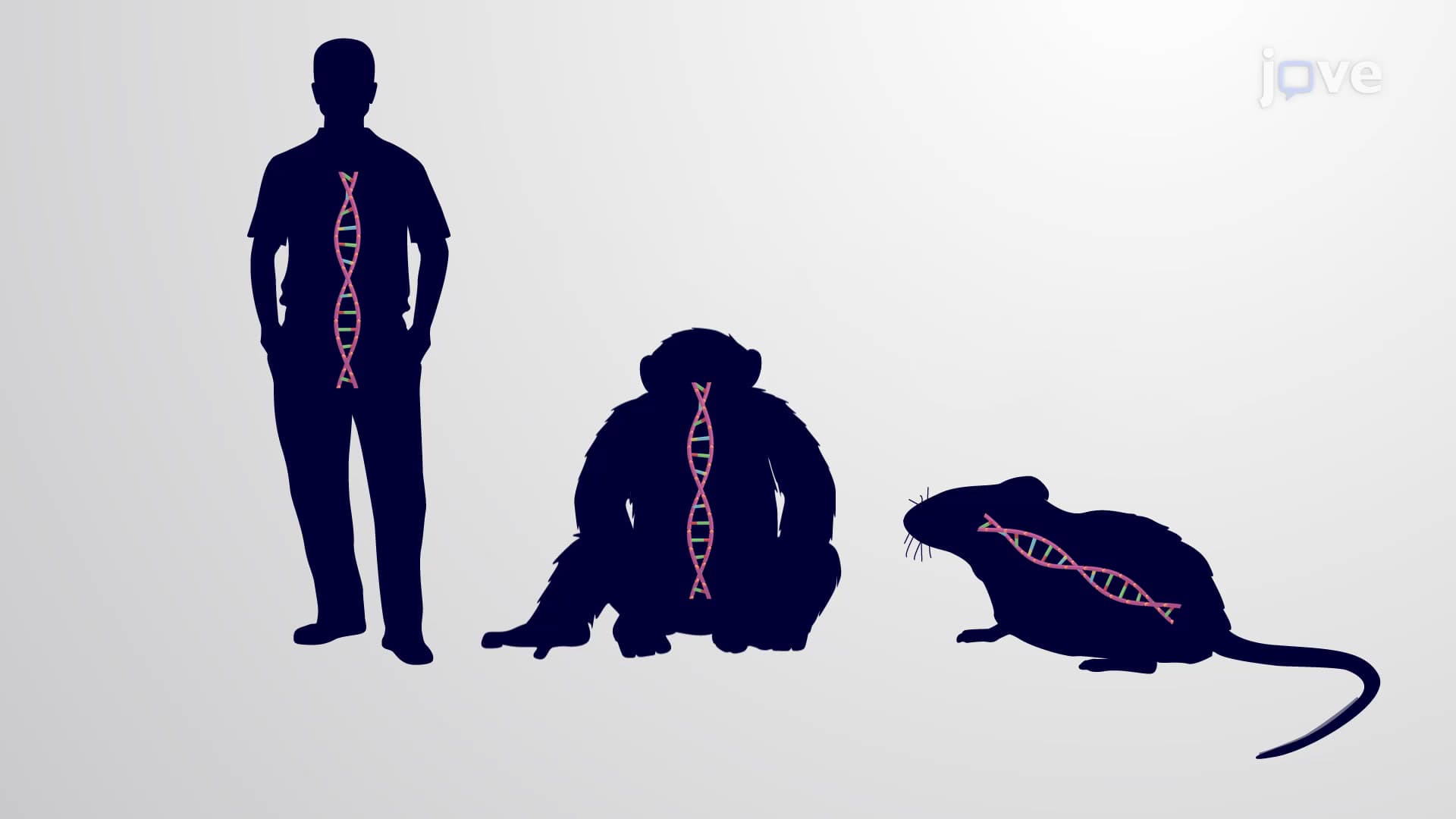
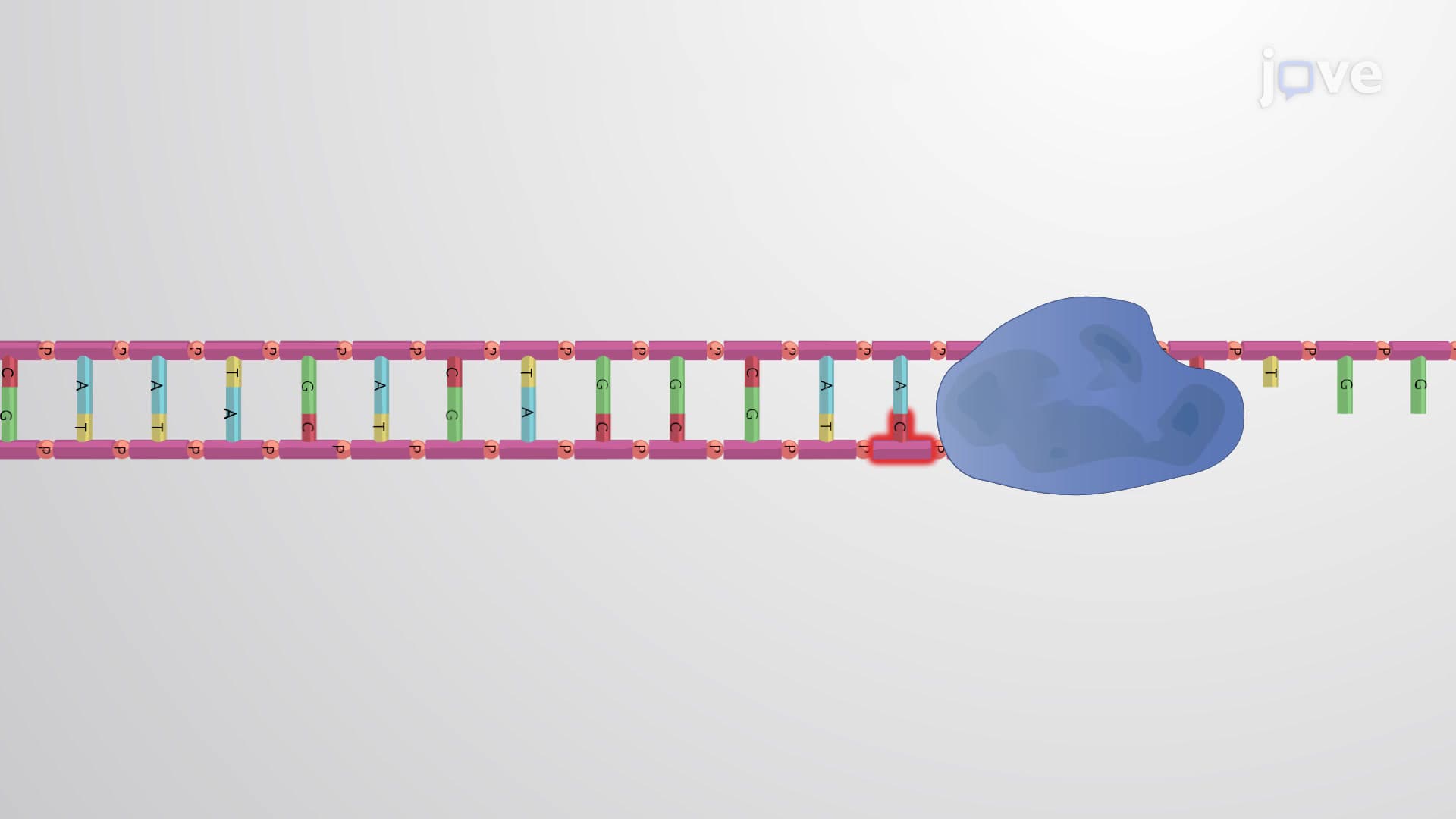
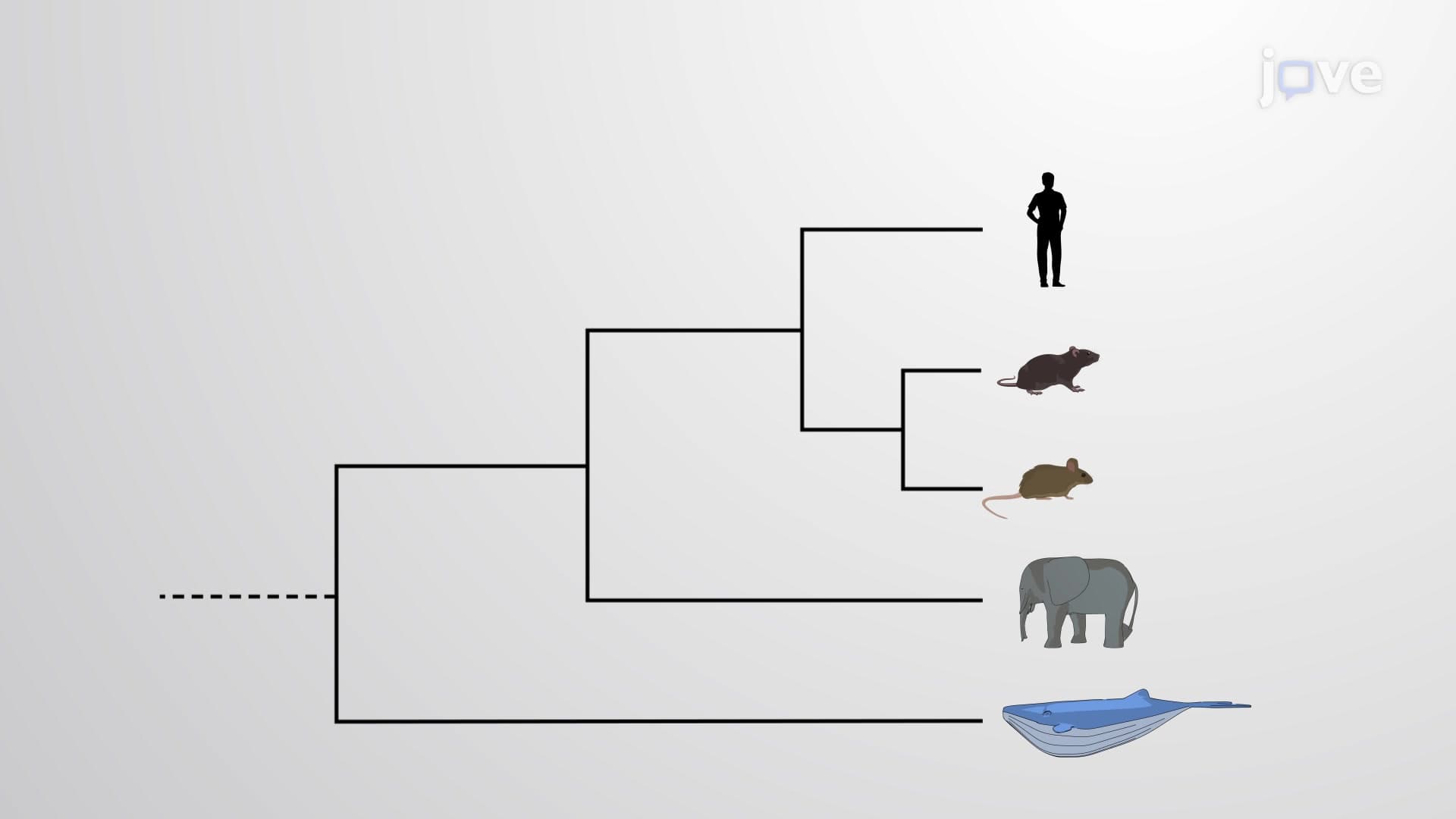
Gene duplication and divergence represents one of evolution's most powerful tools for creating biological complexity. When a DNA segment containing a gene accidentally copies itself during cellular reproduction, it creates what scientists call paralogous genes-essentially genetic twins within the same organism's genome. Unlike simple mutations that modify existing genes, duplication provides a safety net, allowing one copy to maintain essential functions while the other explores new evolutionary possibilities.
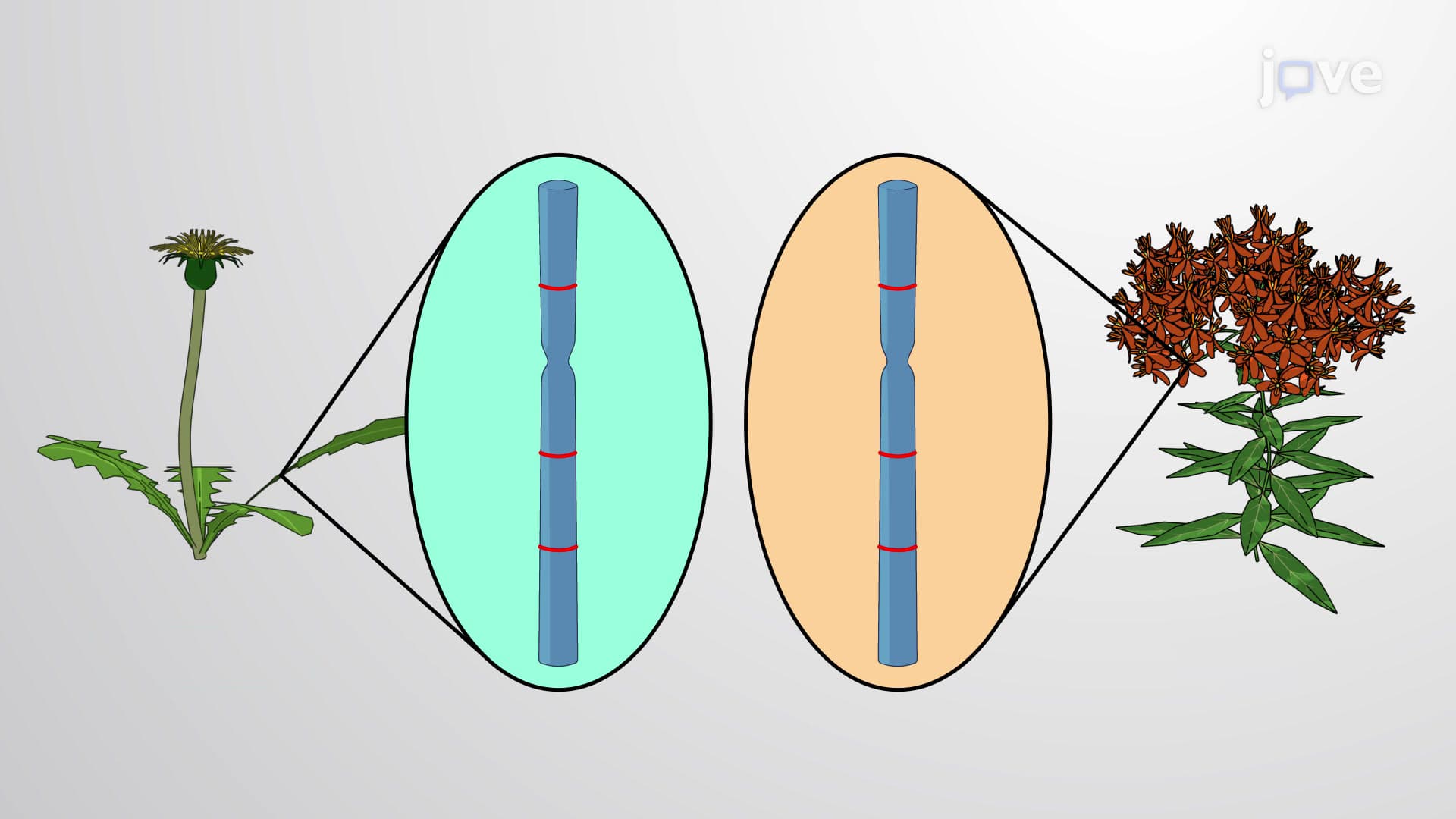
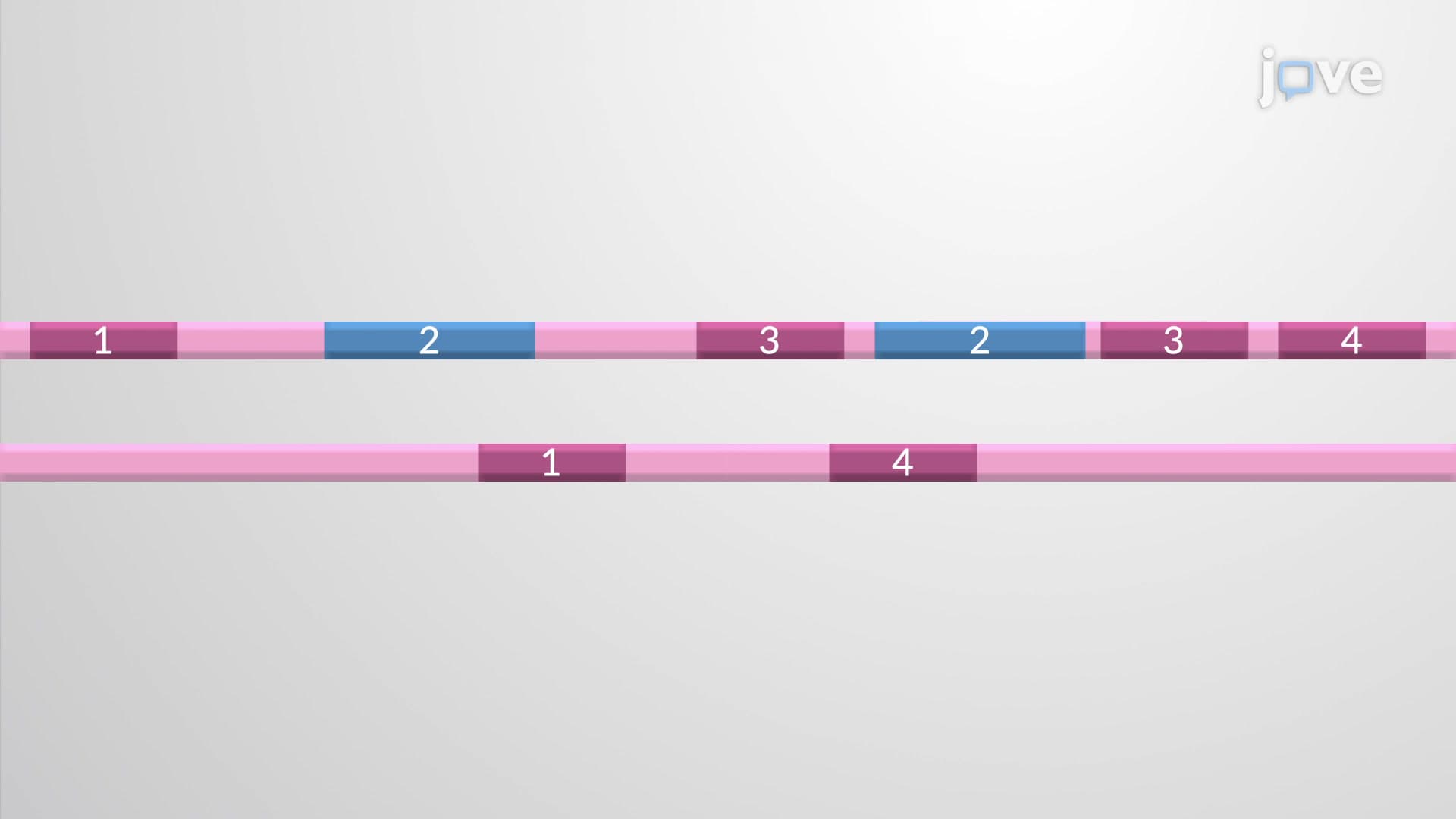
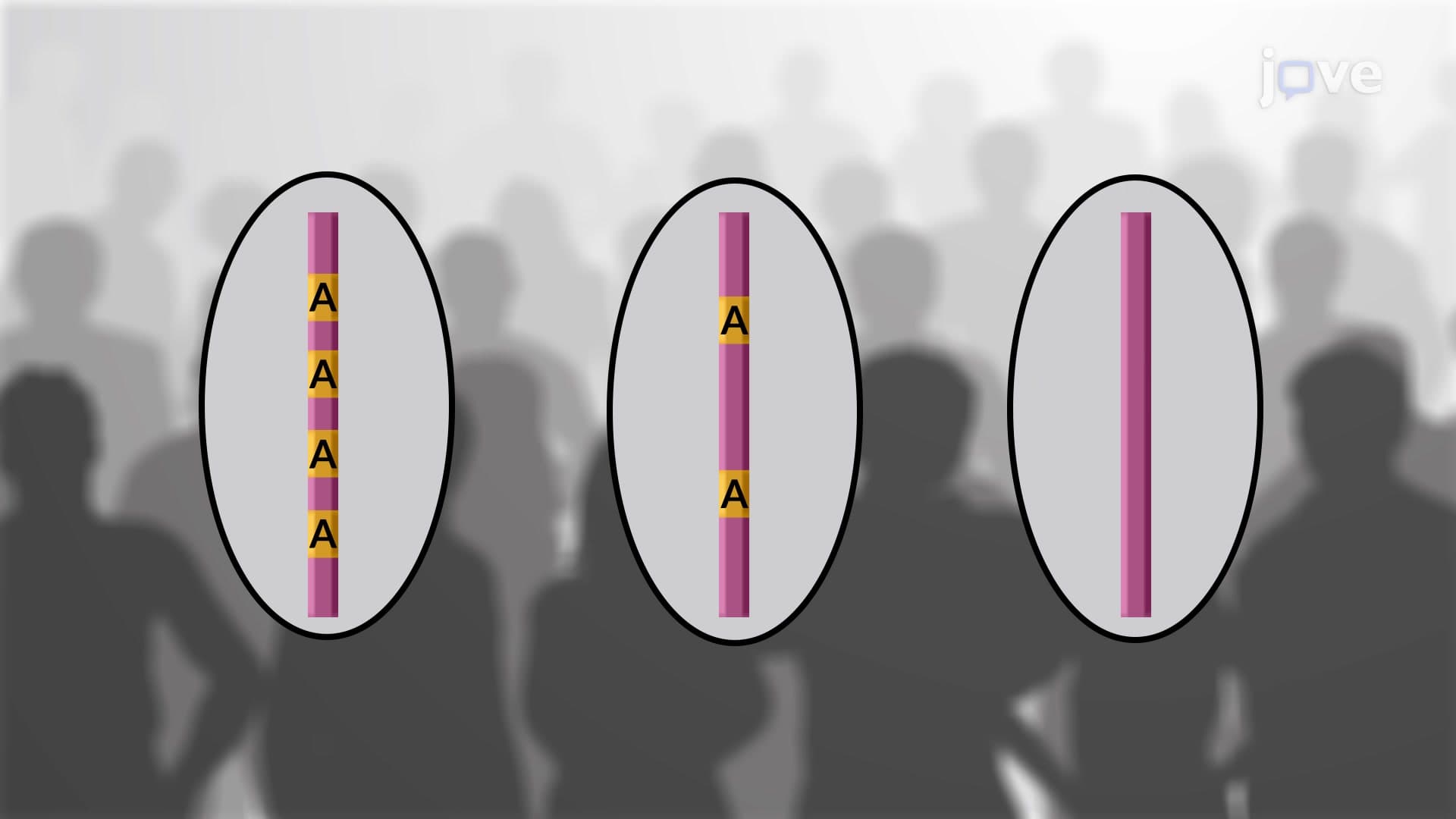
This process occurs through several mechanisms, including unequal crossing over during meiosis, transposable element activity, and whole genome duplications. The frequency varies significantly across species, but studies of the human genome reveal that approximately 5% of our genes exist in duplicated families, highlighting the importance of this evolutionary strategy.
Three Evolutionary Pathways Following Gene Duplication
After duplication occurs, the gene copies face three possible evolutionary fates. Pseudogenization represents the most common outcome, where one copy accumulates harmful mutations and becomes non-functional-a molecular fossil called a pseudogene. Researchers estimate that roughly 80-90% of duplicated genes follow this path, eventually being silenced or deleted from the genome.
Subfunctionalization offers a more constructive alternative, where both gene copies remain functional but divide the original gene's responsibilities. Consider the evolution of hemoglobin in vertebrates: primitive fish possessed a single globin gene producing a simple oxygen-carrying protein. Through duplication and subfunctionalization, this evolved into separate alpha and beta globin genes that work together to create the four-subunit hemoglobin molecule found in modern mammals, including humans.
Neofunctionalization: Creating Evolutionary Innovation
The most exciting pathway is neofunctionalization, where one gene copy evolves entirely new functions while the other maintains original duties. Human fetal hemoglobin provides an excellent example-the beta-globin gene duplicated and acquired mutations creating gamma-globin, which binds oxygen more tightly than adult hemoglobin, ensuring efficient oxygen transfer from mother to fetus during pregnancy.
The evolution of human color vision demonstrates neofunctionalization's profound impact. Early primates possessed only blue and green opsin genes, limiting them to dichromatic vision. Approximately 30-40 million years ago, the green opsin gene duplicated in Old World primates. One copy retained green sensitivity while the other neofunctionalized to detect red wavelengths, giving humans and other Old World primates trichromatic vision capable of distinguishing millions of color combinations.
Clinical and Academic Relevance
Understanding gene duplication and divergence proves crucial for pre-med students preparing for the MCAT, as these concepts frequently appear in evolutionary biology and genetics sections. AP Biology students encounter these mechanisms when studying molecular evolution and comparative genomics. Medical students must grasp how gene duplications contribute to genetic diseases-for instance, unequal crossing over in globin gene clusters can cause thalassemias, serious inherited blood disorders common in Mediterranean and Asian populations.
Frequently Asked Questions
Gene duplication and divergence is when a gene accidentally copies itself in an organism's DNA, and then these twin genes evolve in different directions over time. This process creates genetic diversity and new biological functions without losing the original gene's essential role, much like having a backup copy that can be modified safely.
Gene duplication and divergence is the evolutionary mechanism where DNA segments containing genes replicate within a genome, creating paralogous copies that subsequently acquire different mutations and functions. The process includes three main outcomes: pseudogenization (loss of function), subfunctionalization (division of original function), and neofunctionalization (gain of new function).
MCAT questions often test your understanding of evolutionary mechanisms and genetic diversity. You might encounter passages about hemoglobin variants, opsin gene families, or enzyme evolution that require you to identify which type of gene divergence occurred and predict evolutionary outcomes based on selection pressures.
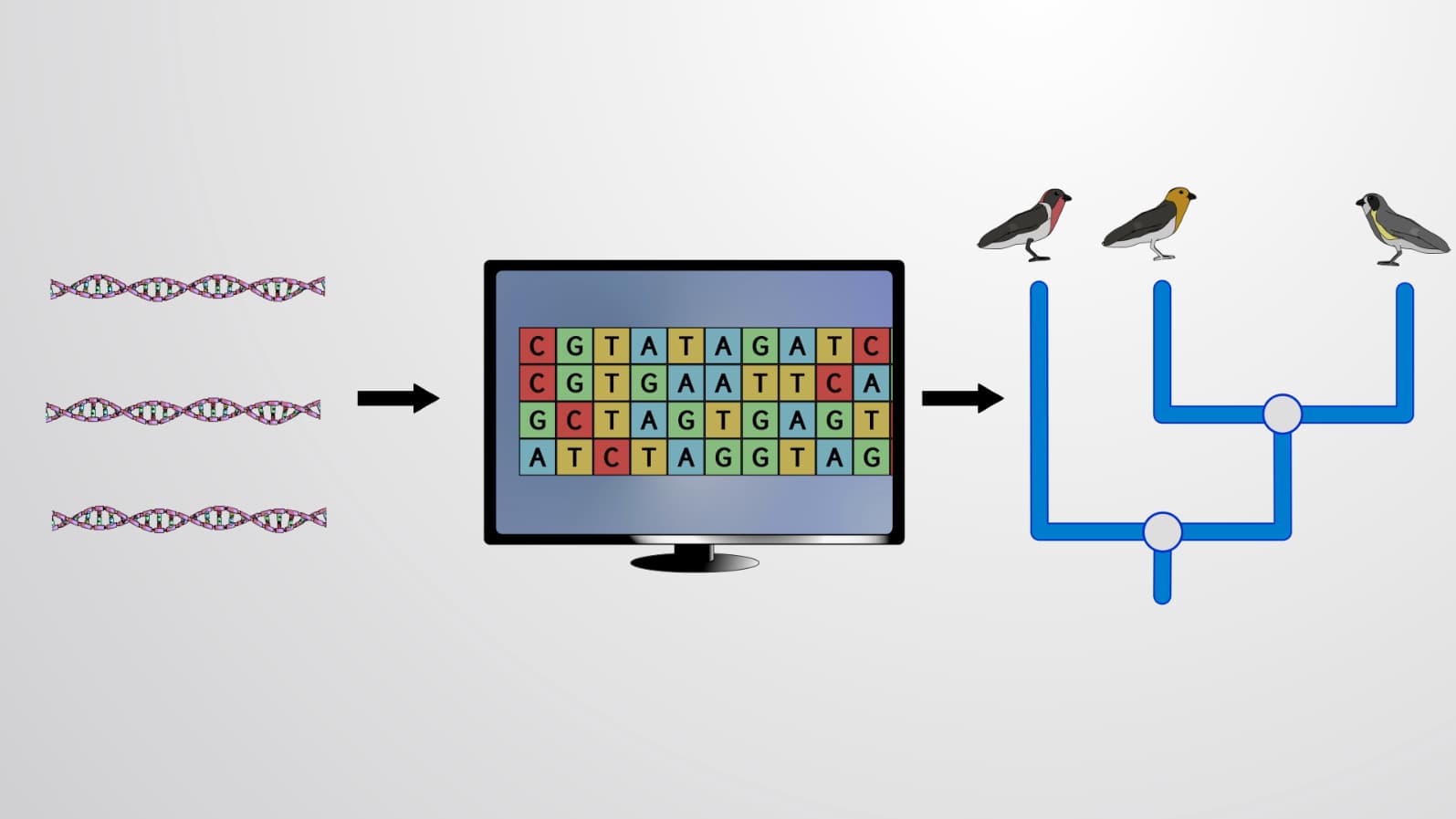
Yes, these concepts frequently appear in AP Biology free-response questions about molecular evolution and comparative genomics. You should be able to analyze phylogenetic trees showing gene duplication events, explain how new gene functions evolve, and connect these processes to biodiversity and speciation.
Gene duplication events contribute to genetic diseases when unequal crossing over occurs in duplicated gene clusters, causing conditions like alpha-thalassemia. Additionally, understanding how genes acquire new functions helps researchers develop targeted therapies and predict how pathogens might evolve drug resistance through gene duplication mechanisms.
Not at all! While the molecular details can be complex, the basic concept builds on fundamental genetics principles you already know. If you understand DNA replication, mutation, and natural selection, you have the foundation needed to grasp how duplicated genes can evolve different functions over time.
Focus on real examples like hemoglobin and color vision evolution rather than memorizing definitions. Create concept maps showing the three divergence pathways, practice identifying which type occurred in different scenarios, and understand the evolutionary advantages each pathway provides to organisms.
Explore comparative genomics, molecular phylogenetics, and gene regulatory evolution. Understanding how whole genome duplications shaped vertebrate evolution and learning about synteny (conserved gene order) will deepen your appreciation for how duplication events drive evolutionary complexity across different species.
Related Micro-courses

15 Concepts

17 Concepts
19 Concepts