Loading subject page…

- Molecular Biology
- Genomes and Evolution
- Synteny and Evolution
Micro-course: Genomes and Evolution
54,808 views
Learn key concepts and earn your certificate.

Synteny and Evolution

00:00
02:31
Video Summary: What Is Synteny and Evolution
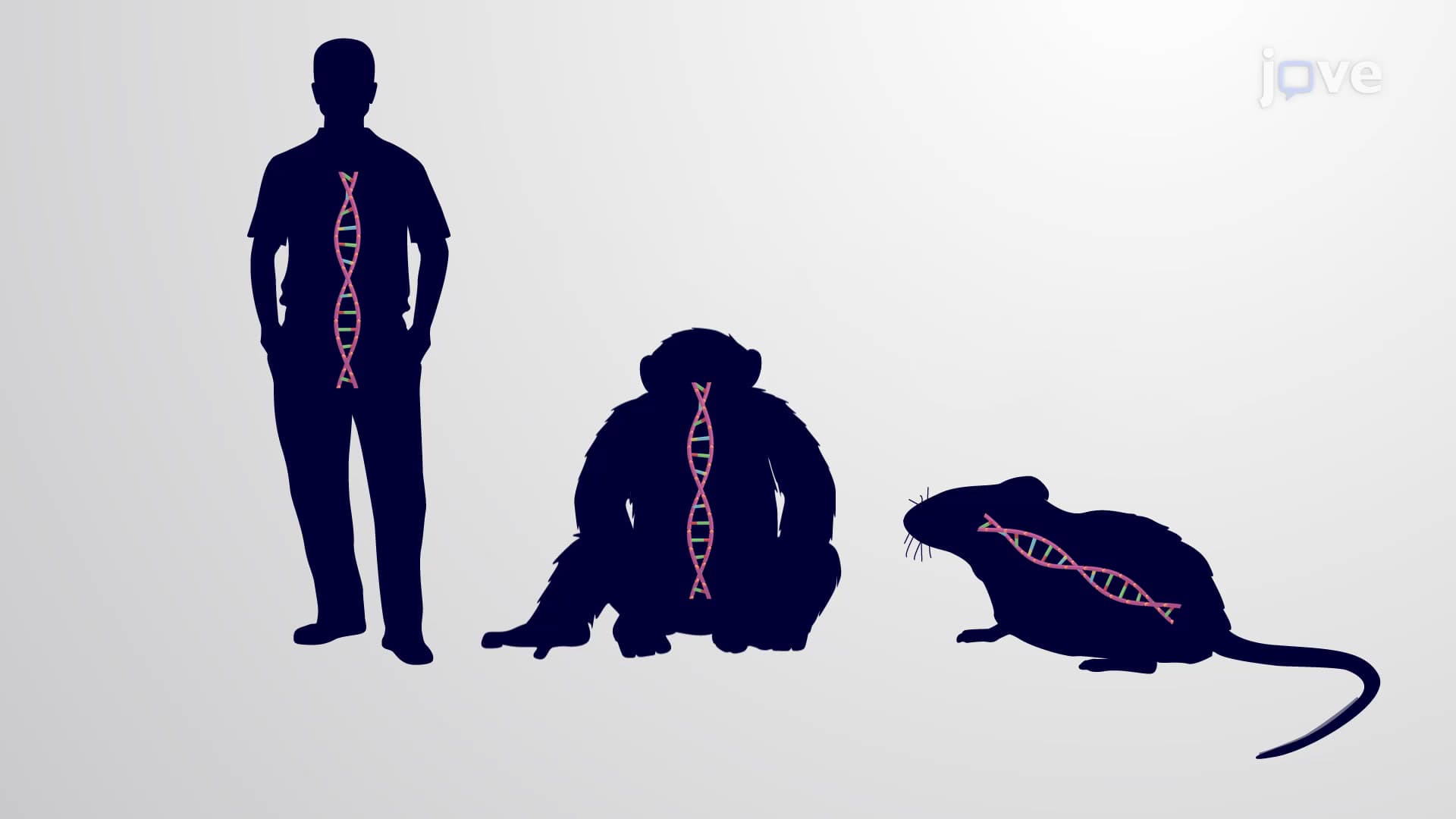
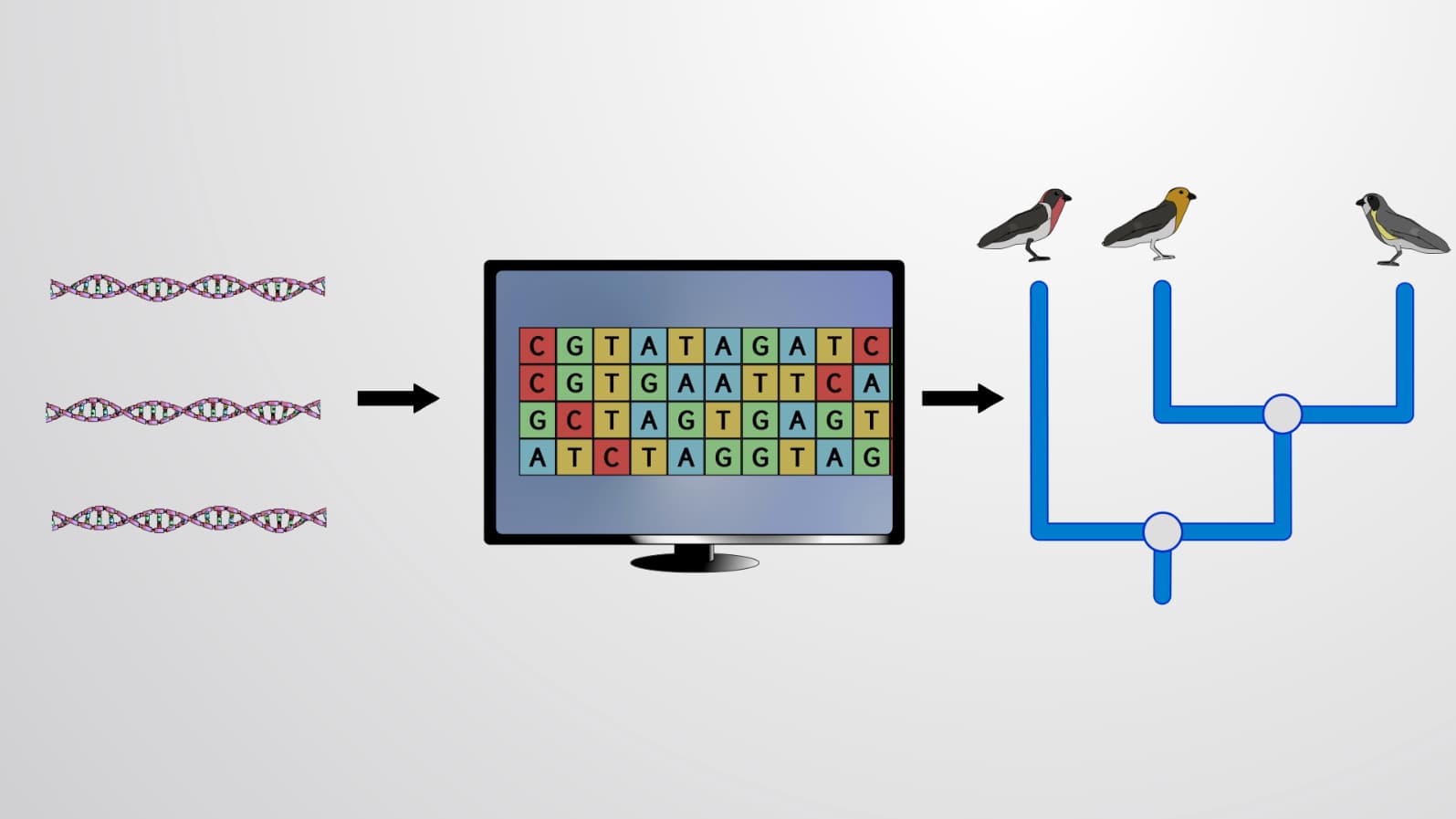
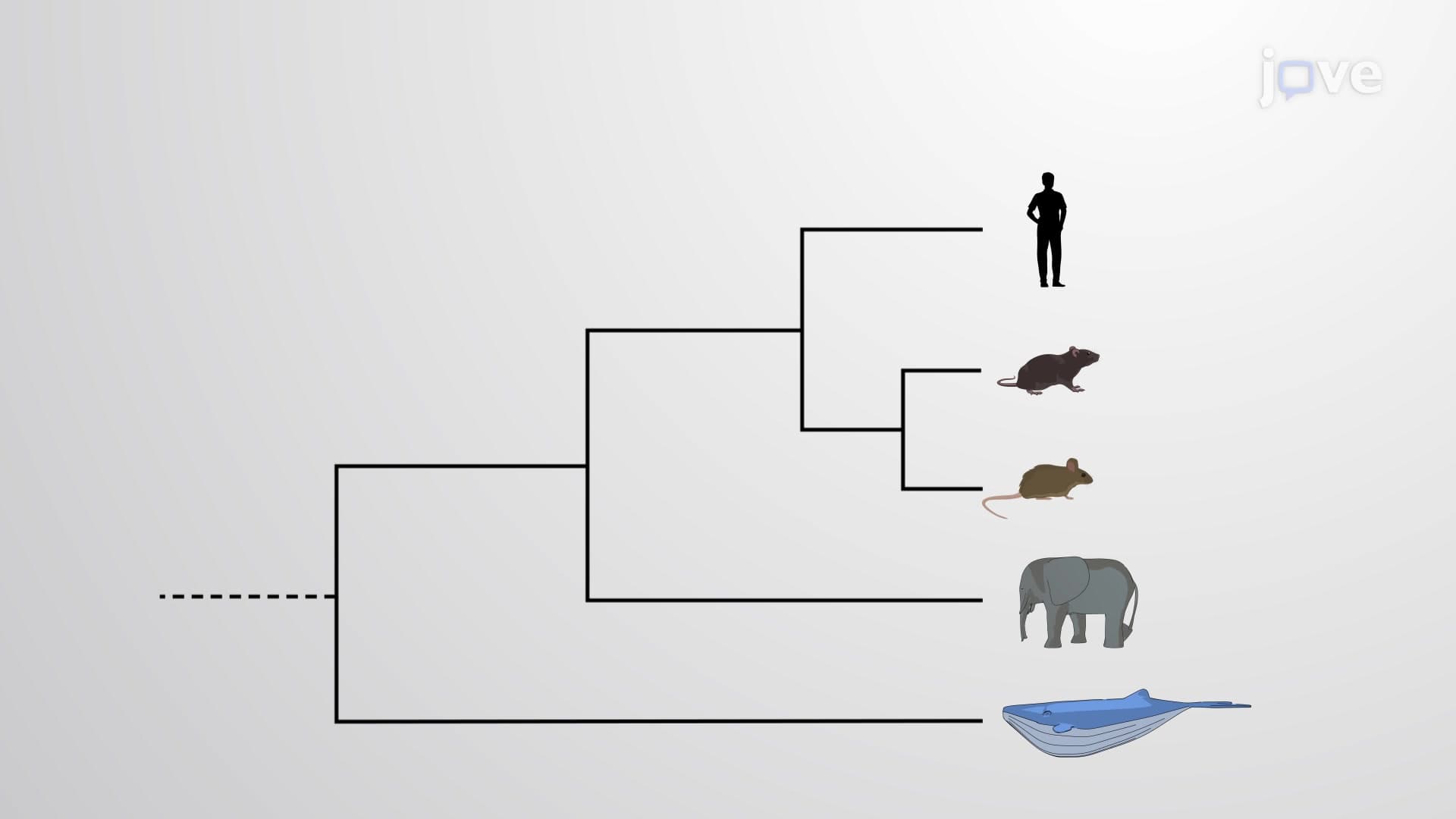
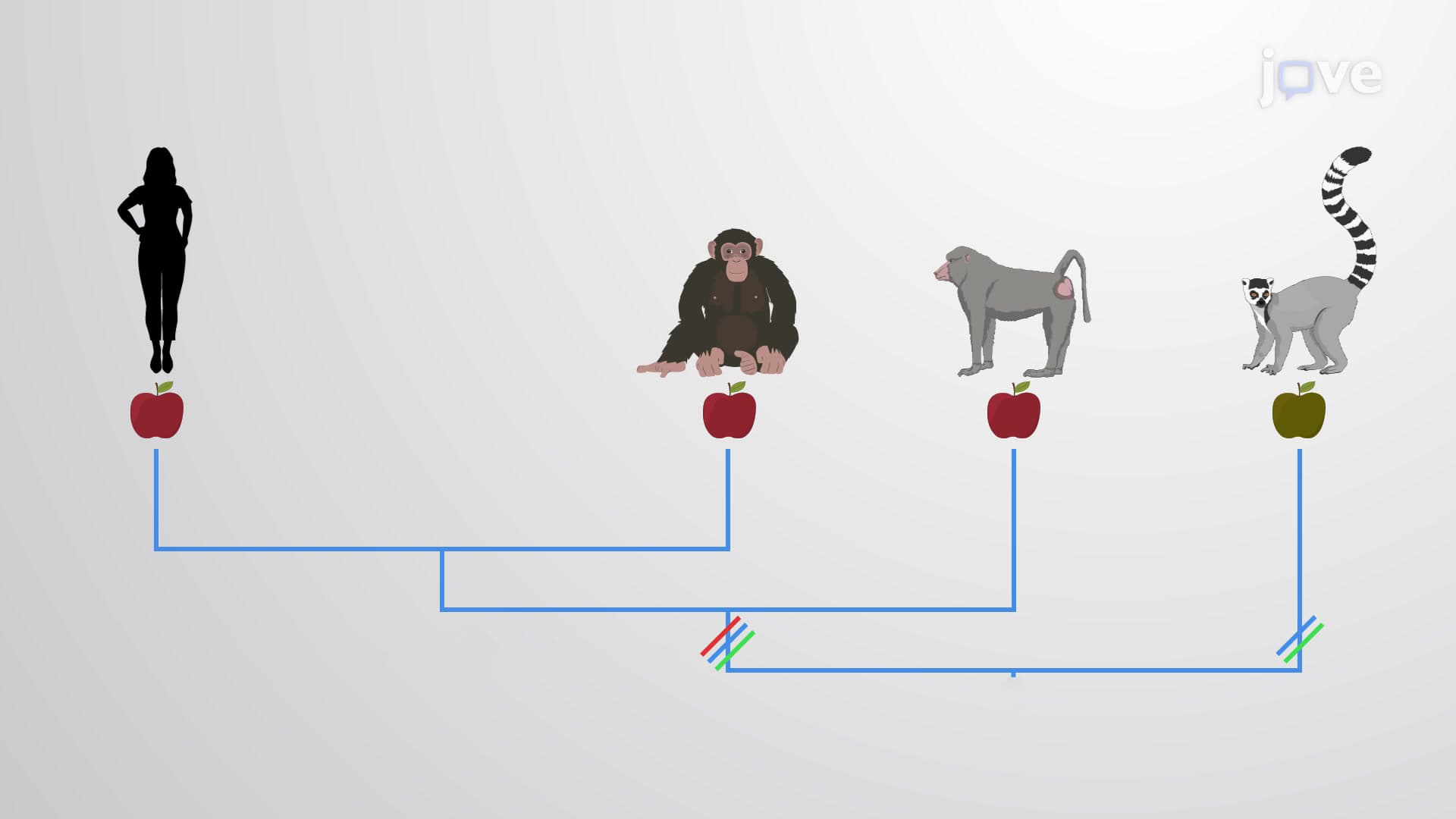
Did you know that humans and tree shrews still share similar gene arrangements on their chromosomes despite diverging 85 million years ago? Synteny and evolution explains how genes maintain their positions on chromosomes across different species over millions of years. This phenomenon helps scientists at institutions like Stanford University trace evolutionary relationships and reconstruct ancestral genomes. Understanding what is synteny and evolution reveals the remarkable conservation of genetic organization throughout mammalian evolution. Watch the full video on JoVE Coach to master this concept with expert-led visuals and step-by-step explanations.
- Understand what is synteny and evolution by examining how genes maintain chromosomal positions across species over evolutionary time
- Identify conserved syntenic blocks between different species and explain their evolutionary significance
- Analyze how ancestral chromosomes underwent rearrangements, fusions, and breakages to produce modern species diversity
- Compare gene arrangements between humans and other mammals to trace evolutionary relationships
- Evaluate the role of synteny analysis in reconstructing ancestral karyotypes and phylogenetic relationships
- Apply synteny concepts to predict evolutionary relationships between newly discovered species
- Recognize how synteny data supports molecular clock theories and species divergence timelines
- Explore the connection between chromosomal rearrangements and speciation events in primate evolution
Understanding What is Synteny and Evolution
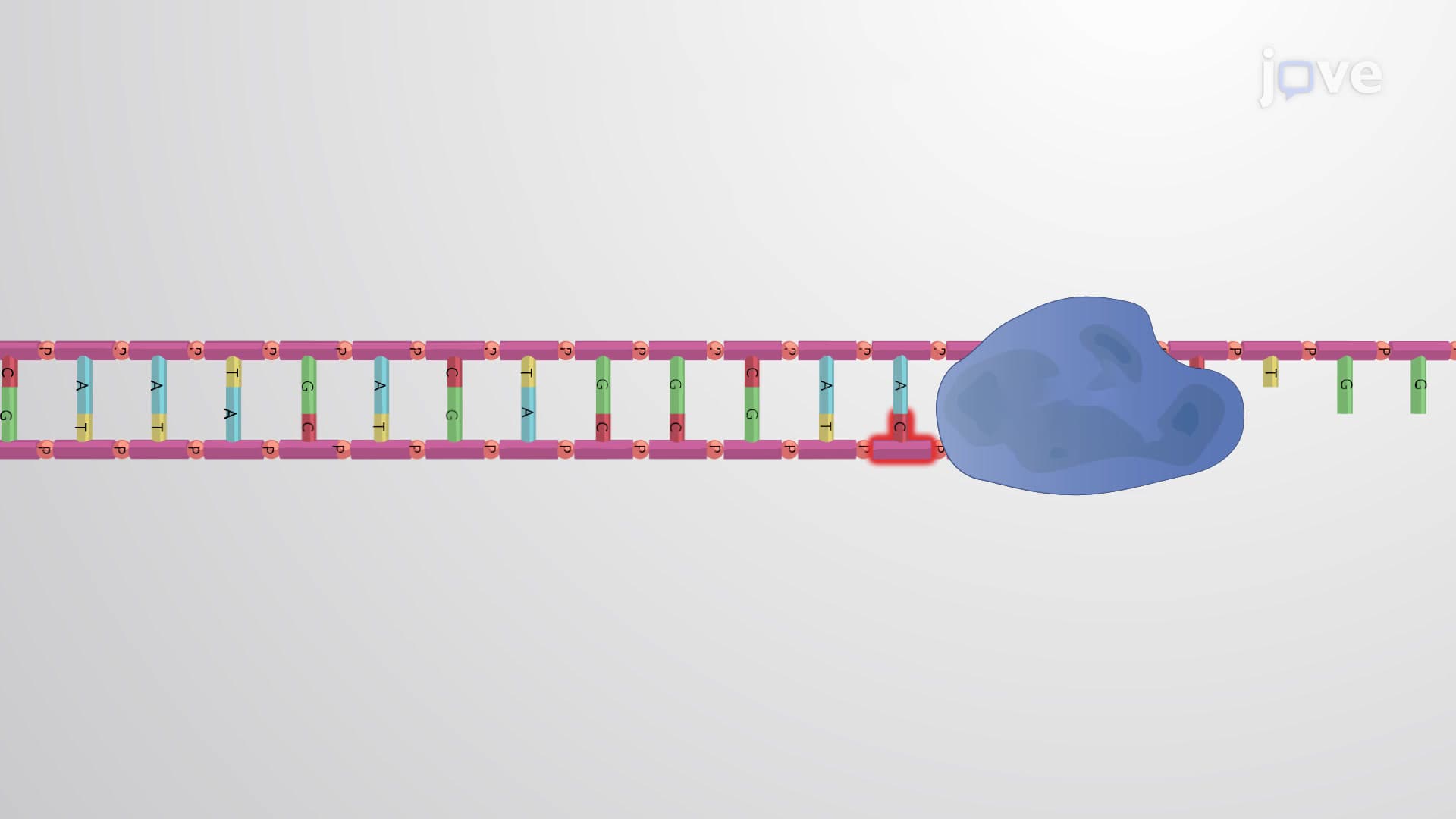
Synteny represents one of the most powerful tools in evolutionary biology for understanding how species are related and how genomes evolve over time. At its core, synteny describes the conservation of gene order and chromosomal organization across different species, providing a molecular fingerprint of evolutionary history.
Classical vs. Evolutionary Synteny: Two Complementary Perspectives
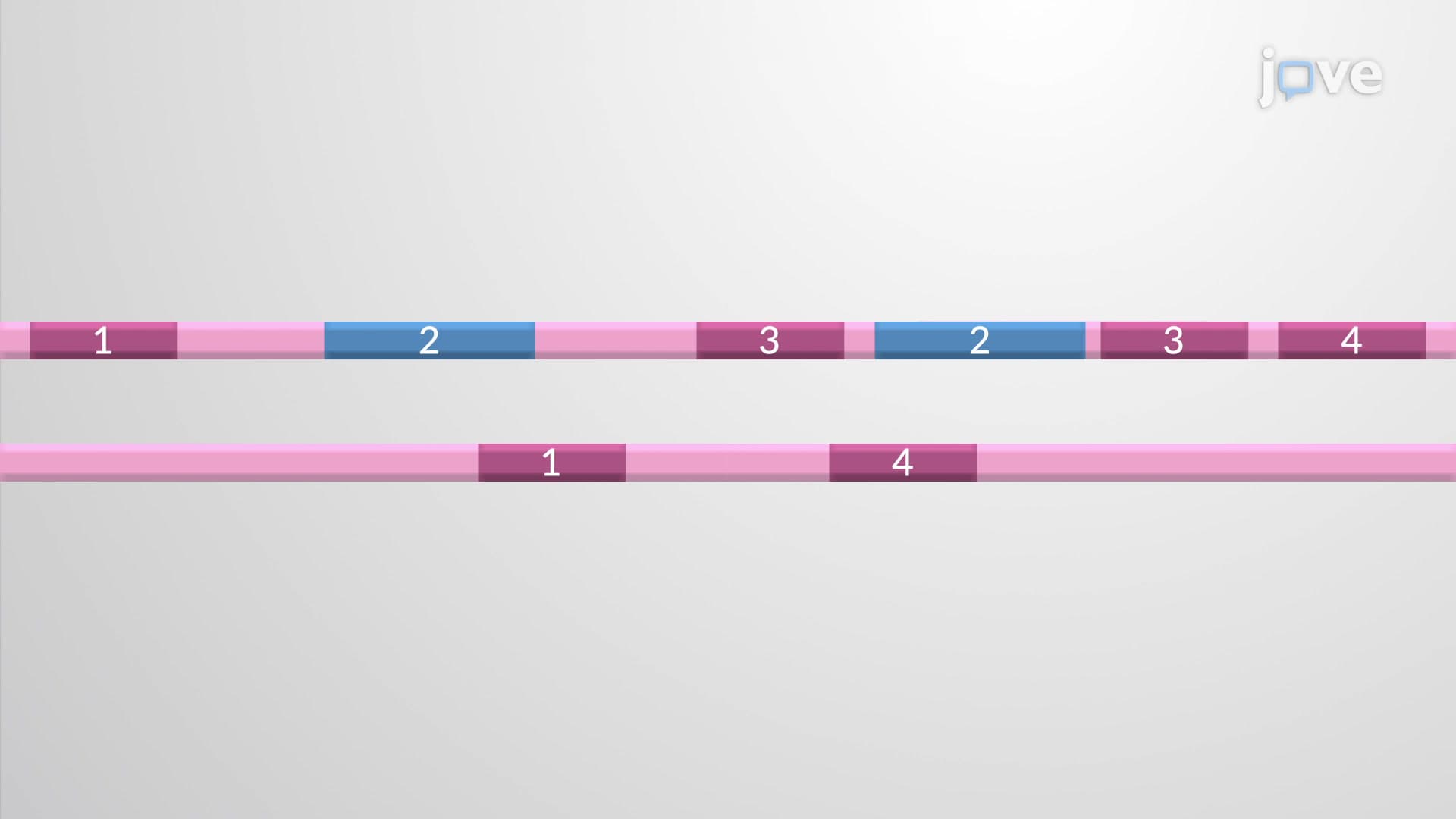
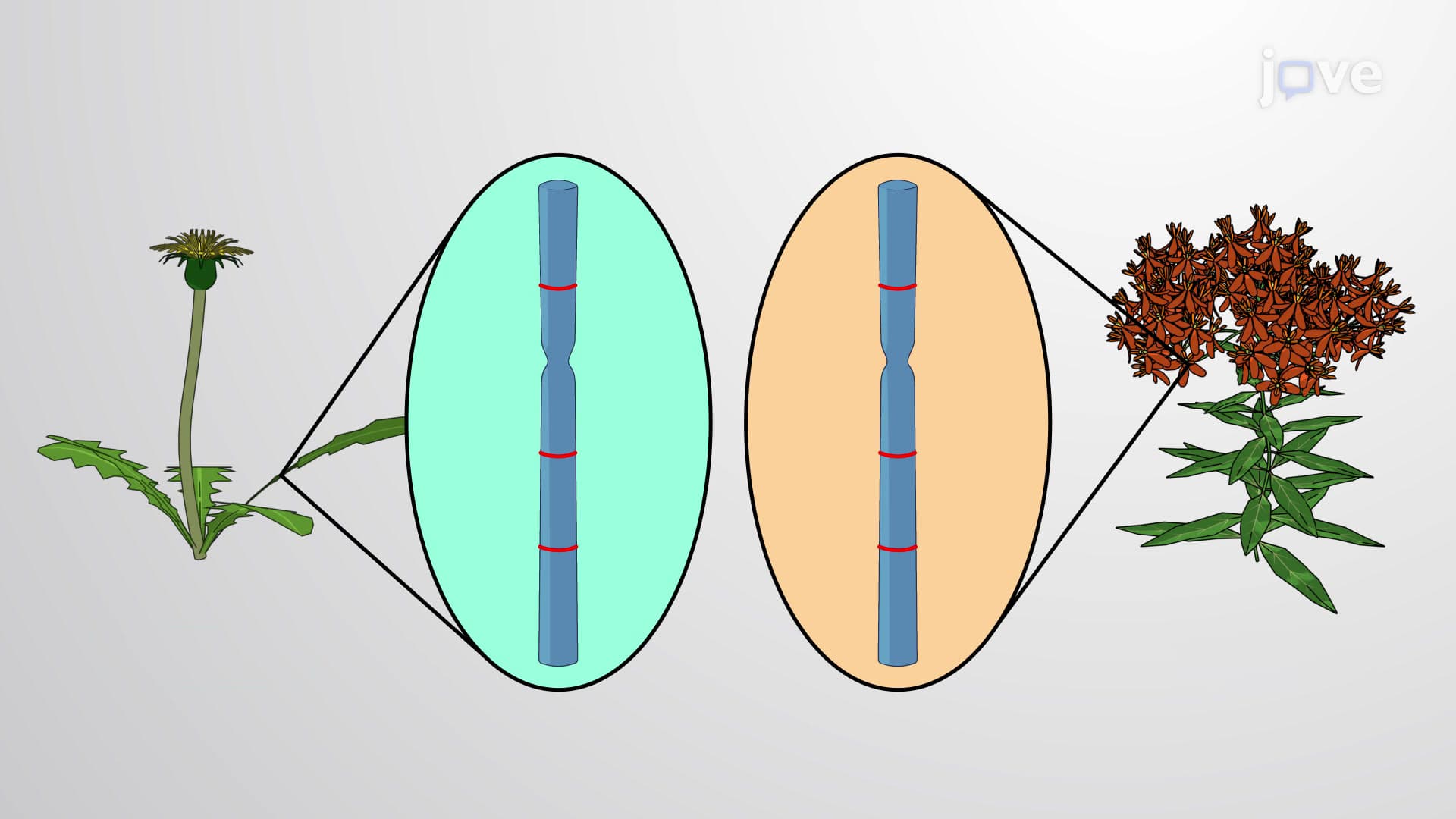
Classical synteny simply refers to genes located on the same chromosome within a single species-imagine genes as pearls strung on the same necklace. However, evolutionary synteny takes this concept further by examining how these "necklaces" of genes are preserved across different species over millions of years. This broader perspective reveals that evolution tends to conserve functional gene clusters, suggesting these arrangements provide selective advantages.
Conserved Syntenic Blocks: Windows into Evolutionary History
The most fascinating aspect of synteny analysis involves identifying conserved syntenic blocks-regions where gene order remains remarkably stable across species. Consider the human-mouse comparison: despite 95 million years of divergent evolution, researchers at institutions like the Jackson Laboratory have identified hundreds of syntenic regions between human and mouse genomes. These conserved blocks suggest that certain gene arrangements are so functionally important that natural selection actively maintains them.
Chromosomal Rearrangements and Speciation
Evolution doesn't preserve synteny perfectly-chromosomal rearrangements, fusions, and fissions create the diversity we observe today. The human karyotype of 46 chromosomes differs from our closest relatives, chimpanzees, who have 48 chromosomes. Detailed synteny analysis revealed that human chromosome 2 formed from the fusion of two ancestral chromosomes that remain separate in chimpanzees. This type of chromosomal rearrangement can contribute to reproductive isolation and ultimately speciation.
For students preparing for AP Biology or college-level genetics courses, understanding synteny helps explain several key evolutionary principles. The concept frequently appears on MCAT questions testing knowledge of molecular evolution and phylogenetics. Students should be able to interpret synteny maps and explain how they support theories of common descent while also accounting for the chromosomal changes that drive speciation.
Frequently Asked Questions
Synteny and evolution describes how genes maintain their positions on chromosomes across different species over millions of years. It's like comparing how books stay organized on similar shelves in different libraries-even though the libraries evolved separately, the organization patterns remain remarkably consistent. This conservation helps scientists trace evolutionary relationships and understand how genomes change over time.
Synteny questions typically test your ability to interpret phylogenetic trees and chromosomal maps showing gene conservation across species. You might analyze synteny data to determine evolutionary relationships or explain how chromosomal rearrangements contribute to speciation. The MCAT often includes passages about comparative genomics where synteny analysis supports evolutionary hypotheses.
College genetics and evolution courses frequently test synteny through data interpretation problems. You might compare synteny maps between humans and model organisms, calculate divergence times based on syntenic conservation, or explain how synteny analysis supports molecular clock theories. These questions assess your understanding of both molecular mechanisms and evolutionary principles.
Researchers at the National Institutes of Health use synteny analysis to identify disease genes by comparing human patients with mouse models. If a disease-causing mutation occurs in a syntenic region, scientists can study the corresponding mouse genes to understand disease mechanisms and develop treatments. This approach has been crucial for cancer research and genetic disorder studies.
Basic understanding of chromosomes, genes, and evolution is sufficient to grasp synteny concepts. If you know that genes are located on chromosomes and that species share common ancestors, you have the foundation needed. The concept builds naturally on introductory biology principles taught in high school, making it accessible to most students.
Focus on practicing synteny map interpretation and drawing connections between chromosomal conservation and evolutionary relationships. Create comparison charts showing syntenic regions between humans and model organisms, and practice explaining how synteny data supports or challenges phylogenetic hypotheses. Visual learning tools work particularly well for this spatial concept.
Synteny analysis integrates with molecular clocks, phylogenetics, and population genetics to provide comprehensive evolutionary insights. It supports studies of adaptive radiation, helps identify selection pressures on genome organization, and contributes to understanding how chromosomal rearrangements drive reproductive isolation. This makes synteny a central concept linking molecular and evolutionary biology.
Pre-med students should investigate synteny's role in comparative medicine, particularly how syntenic relationships between humans and model organisms facilitate drug development and disease research. Understanding synteny breakpoints and their association with genetic disorders provides valuable context for future medical studies and research applications.
Related Micro-courses

15 Concepts

17 Concepts
19 Concepts