Loading subject page…


304,932 views
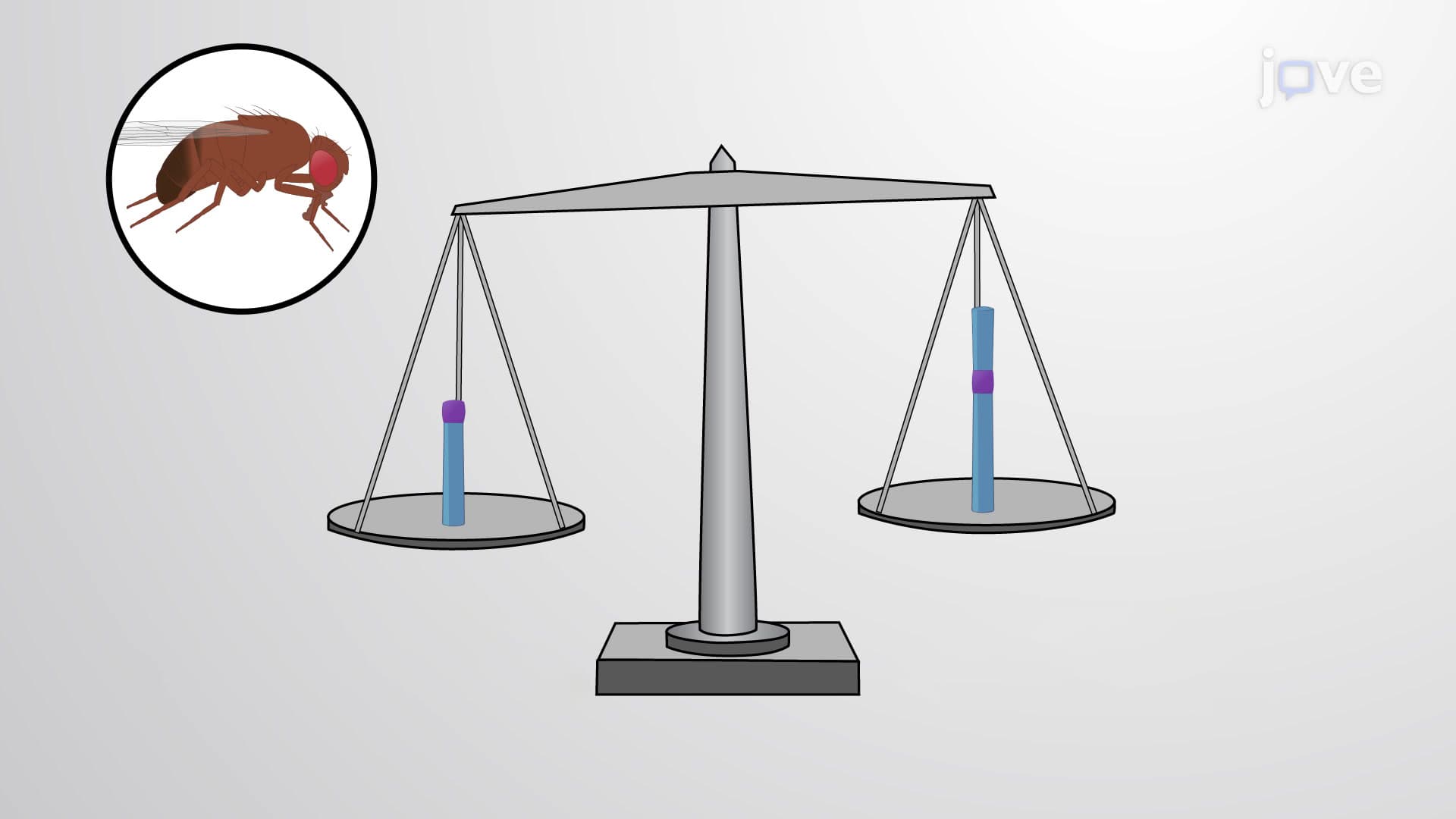

Video Summary: The Ratio of X Chromosome Explained
Ever wonder why fruit flies in your high school biology lab exhibit such predictable sex ratios? The ratio of X chromosome to autosomes actually controls whether Drosophila embryos develop as male or female-a fascinating contrast to human XY sex determination. In research labs across universities like Harvard and MIT, scientists study this 1:2 versus 2:2 chromosomal ratio system to understand fundamental genetic mechanisms. This X-to-autosome balance triggers a cascade of gene activation that ultimately determines sexual development in these model organisms. Watch the full video on JoVE Coach to master this concept with expert-led visuals and step-by-step explanations.
Unlike mammals, fruit flies use a sophisticated balance system where the ratio of X chromosome to autosomes determines sexual fate. This mechanism, discovered through decades of research at institutions like Caltech and Stanford, reveals how mathematical precision governs biological outcomes. The critical ratios-1:2 in males and 2:2 in females-create distinct protein landscapes that trigger opposing developmental pathways.
The system centers on three key proteins working in precise stoichiometric relationships. X chromosomes produce Sisterless-a and Sisterless-b proteins, while autosomes generate Deadpan proteins. Each Deadpan molecule binds one Sisterless protein, creating an inhibitory complex. In females (XX:2A), excess Sisterless proteins remain free to activate transcription. In males (X:2A), equal amounts result in complete Sisterless sequestration. This protein math directly translates to transcriptional outcomes-a concept frequently tested on AP Biology exams and college genetics courses.
Free Sisterless proteins function as transcription factors, activating Sex-lethal gene expression. This creates a molecular domino effect: Sex-lethal proteins stimulate Transformer synthesis, which subsequently activates the Doublesex gene. The resulting female-specific Doublesex protein orchestrates feminine developmental programs. When Sisterless proteins are bound (as in males), this entire cascade remains silent, producing male-specific Doublesex variants instead.
This chromosomal balance system has profound implications for understanding genetic disorders and developmental biology. Researchers at major US medical schools study similar balance mechanisms in human genetic conditions, particularly those involving sex chromosome aneuploidies like Turner syndrome (45,X) or Klinefelter syndrome (47,XXY). The Drosophila model provides insights into how cells interpret chromosomal dosage, informing treatments for genetic imbalances. Students preparing for the MCAT or graduate school often encounter this concept when studying gene regulation, developmental biology, and medical genetics.
Related Micro-courses