Loading subject page…


304,921 views

Video Summary: The Y Chromosome Determines Maleness Explained
Did you know that a single gene on the smallest human chromosome dictates whether a developing baby becomes male or female? The Y chromosome determines maleness through a remarkable genetic switch that occurs just weeks after conception. Consider how genetic counselors at Johns Hopkins Medical Center use this knowledge to help families understand sex determination disorders. This fundamental concept in genetics reveals how the SRY gene transforms an initially identical embryo into a male fetus through precise hormonal cascades. Watch the full video on JoVE Coach to master this concept with expert-led visuals and step-by-step explanations.
The process by which the Y chromosome determines maleness represents one of biology's most elegant developmental switches. Unlike other chromosomes that carry thousands of genes, the Y chromosome contains only about 50-60 genes, yet one of these-the SRY gene-holds extraordinary power over human sexual development.
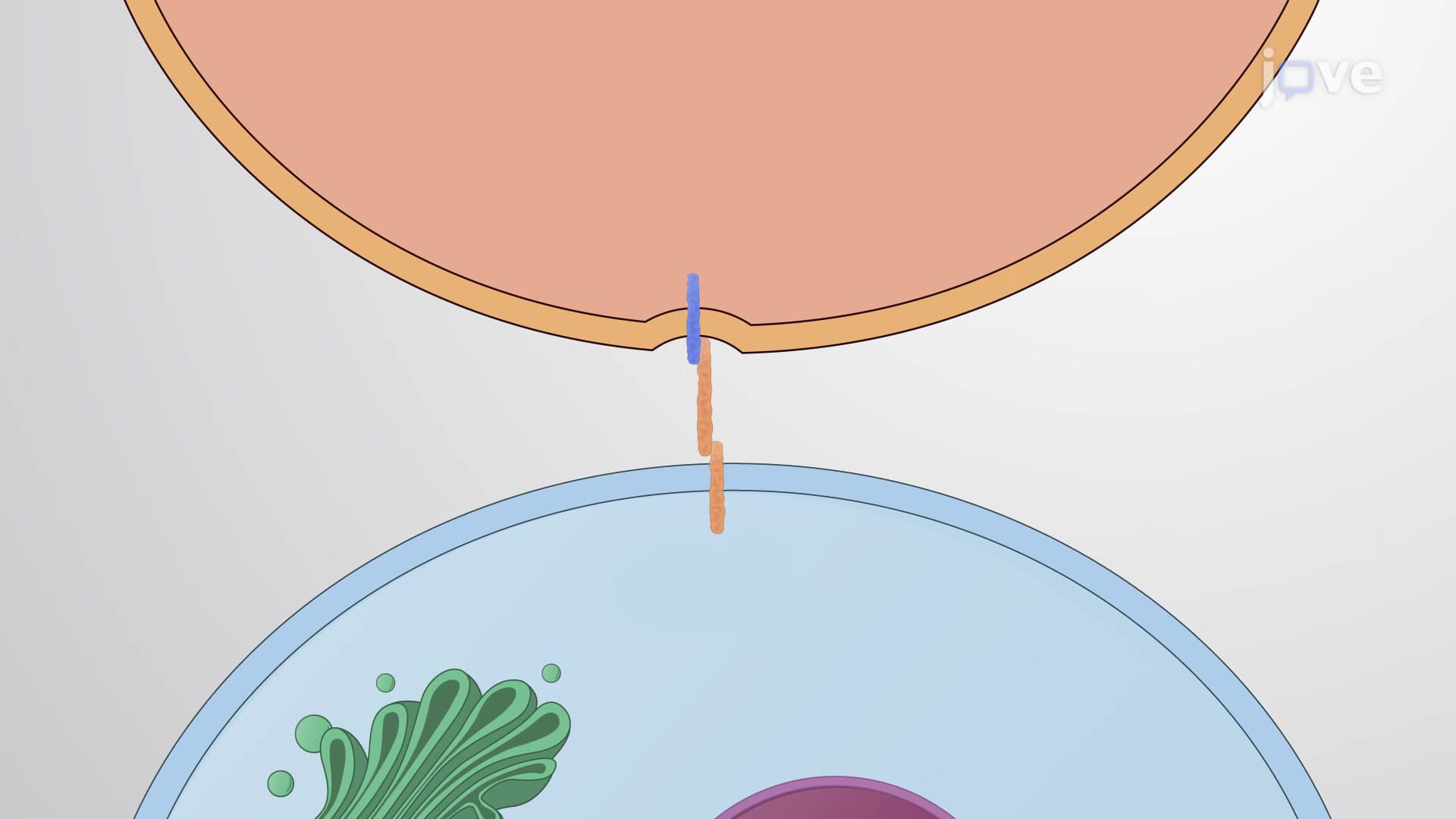
Located in the euchromatic region of the Y chromosome, the SRY (Sex-determining Region Y) gene serves as the primary genetic switch for male development. This gene encodes a transcription factor that binds to specific DNA sequences, activating a cascade of genes responsible for testis formation. When SRY protein is produced around the 6th week of embryonic development, it triggers the transformation of indifferent gonadal tissue into testes-the defining moment when male development begins.
Students preparing for the MCAT or AP Biology exams should understand that SRY acts as a transcriptional activator, not just a simple "male gene." It initiates a complex regulatory network involving genes like SOX9 and FGF9, which maintain testis development and suppress female developmental pathways.
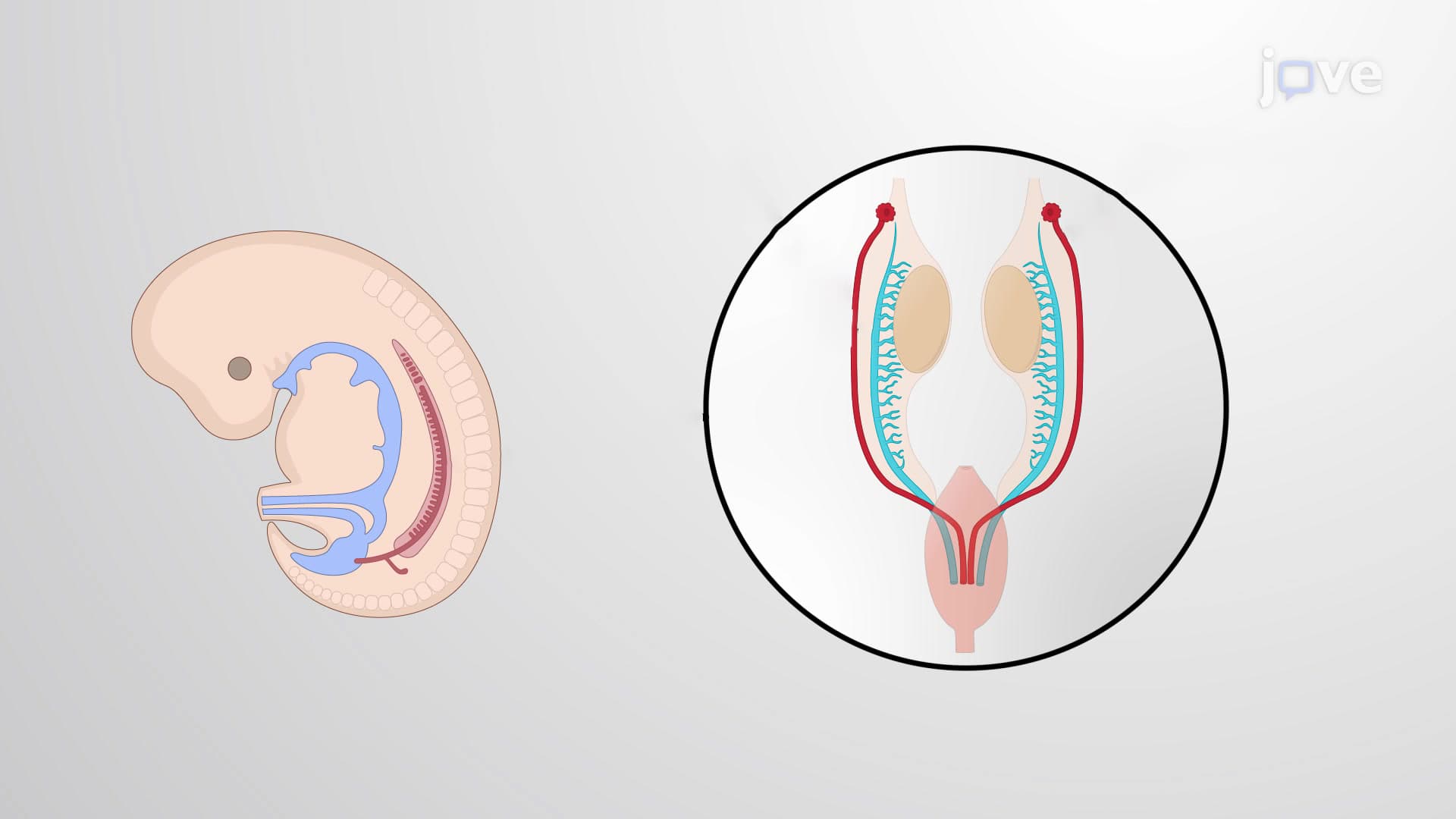
Once testes form under SRY guidance, they produce two crucial hormones that shape male anatomy. Anti-Müllerian hormone (AMH) actively suppresses female reproductive tract development by causing Müllerian duct regression. Simultaneously, testosterone promotes Wolffian duct development into male reproductive structures including the vas deferens, epididymis, and seminal vesicles.
This dual hormonal action explains why male development requires active genetic intervention-female development represents the "default" pathway that occurs without Y chromosome influence. Understanding this concept proves essential for medical students studying disorders of sexual development, as seen in conditions treated at specialized clinics like those at Boston Children's Hospital.
The Y chromosome's role in determining maleness has profound clinical implications. Individuals with XY chromosomes but non-functional SRY genes may develop Swyer syndrome, presenting with female external genitalia despite having Y chromosomes. Conversely, XX males can occur when SRY translocates to an X chromosome during meiosis, leading to male development without a complete Y chromosome.
These concepts frequently appear on standardized exams, particularly in genetics courses at institutions like UCLA and Stanford, where students learn to apply sex determination principles to genetic counseling scenarios and medical case studies.
Related Micro-courses