Loading subject page…


304,922 views

Video Summary: What are Blood Types
Ever wonder why you can't donate blood to just anyone? Blood types determine compatibility for transfusions and organ transplants, making this knowledge crucial for medical professionals. The ABO system classifies human blood into four distinct categories based on specific antigens present on red blood cells. For instance, patients at Mayo Clinic must have their blood type verified before any surgical procedure to prevent dangerous immune reactions. Understanding what are blood types involves recognizing how genetic inheritance creates these distinct classifications through dominant and recessive alleles. Watch the full video on JoVE Coach to master this concept with expert-led visuals and step-by-explanations.
Blood types represent one of the most clinically significant genetic classification systems in human biology. The ABO blood grouping system divides human blood into four primary categories based on the presence or absence of specific antigens-molecular markers that trigger immune responses-on red blood cell surfaces. This system directly impacts medical procedures across American hospitals, from routine surgeries at Cleveland Clinic to emergency transfusions in trauma centers nationwide.
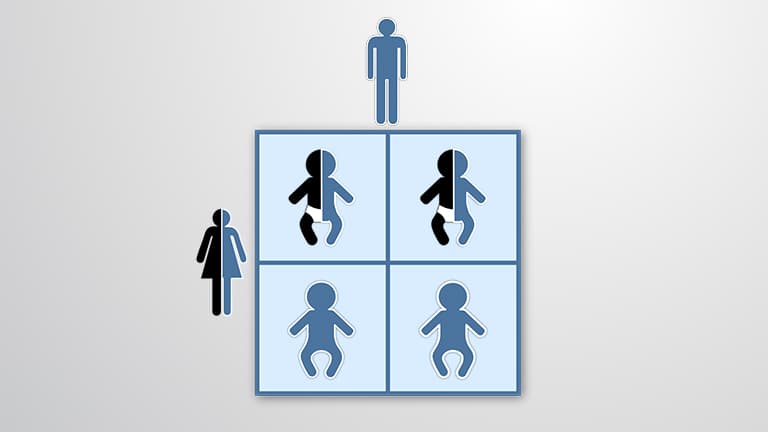
The genetic foundation involves three alleles: A, B, and O (represented as lowercase i). Alleles A and B are codominant, meaning both can be expressed simultaneously, while allele O is recessive to both A and B. This creates four possible phenotypes: Type A (genotypes AA or AO), Type B (genotypes BB or BO), Type AB (genotype AB), and Type O (genotype OO).
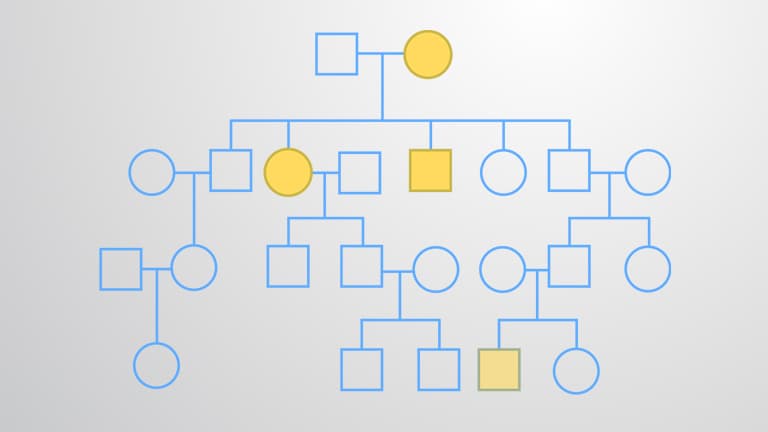
The inheritance of types of blood types follows predictable Mendelian patterns that appear frequently on AP Biology exams and MCAT questions. For example, if one parent has Type AB blood (genotype AB) and the other has Type O blood (genotype OO), their children can only inherit Type A or Type B blood-never AB or O. This principle proves essential for paternity testing and genetic counseling in American medical practice.
Healthcare professionals at institutions like Johns Hopkins Hospital use these patterns daily when matching blood donors with recipients. The universal donor (Type O-negative) and universal recipient (Type AB-positive) classifications stem directly from antigen-antibody interactions that determine transfusion compatibility.
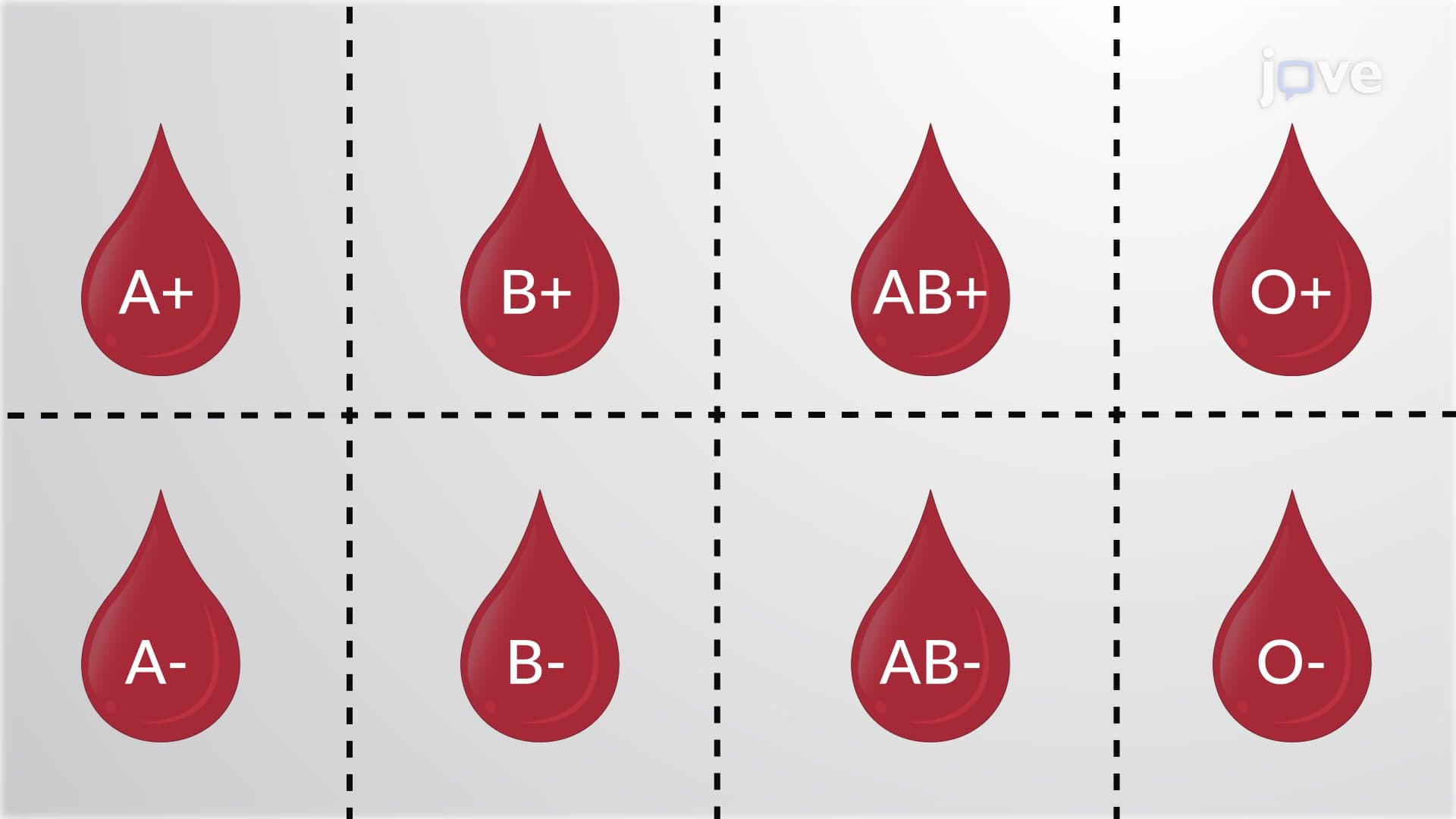
Beyond the basic ABO system, the Rh factor adds another layer to blood types overview. The presence (+) or absence (-) of the D antigen creates eight common blood types: A+, A-, B+, B-, AB+, AB-, O+, and O-. This classification system becomes particularly critical during pregnancy when Rh incompatibility between mother and fetus can cause hemolytic disease of the newborn, a condition monitored closely in American obstetric care.
Students preparing for the MCAT or nursing entrance exams like HESI A2 should understand that Rh-negative mothers carrying Rh-positive babies may develop antibodies that could affect future pregnancies, making RhoGAM injections standard preventive care in U.S. hospitals.
Related Micro-courses