Loading subject page…


304,922 views

Video Summary: What are Multiple Allele Traits
Did you know that determining your blood type for a medical emergency involves more than just two genetic possibilities? Multiple allele traits occur when a single gene has more than two allelic forms in a population, creating complex inheritance patterns beyond simple dominant-recessive relationships. The human ABO blood group system perfectly demonstrates what are multiple allele traits are-with three alleles (IA, IB, i) producing four distinct blood types essential for safe transfusions in US hospitals. Watch the full video on JoVE Coach to master this concept with expert-led visuals and step-by-step explanations.
Multiple allele traits represent one of genetics' most fascinating complexities, where a single gene locus can have three or more alternative forms (alleles) within a population. While each individual still inherits only two alleles-one from each parent-the population-level diversity creates rich phenotypic variation that extends far beyond simple dominant-recessive inheritance patterns.
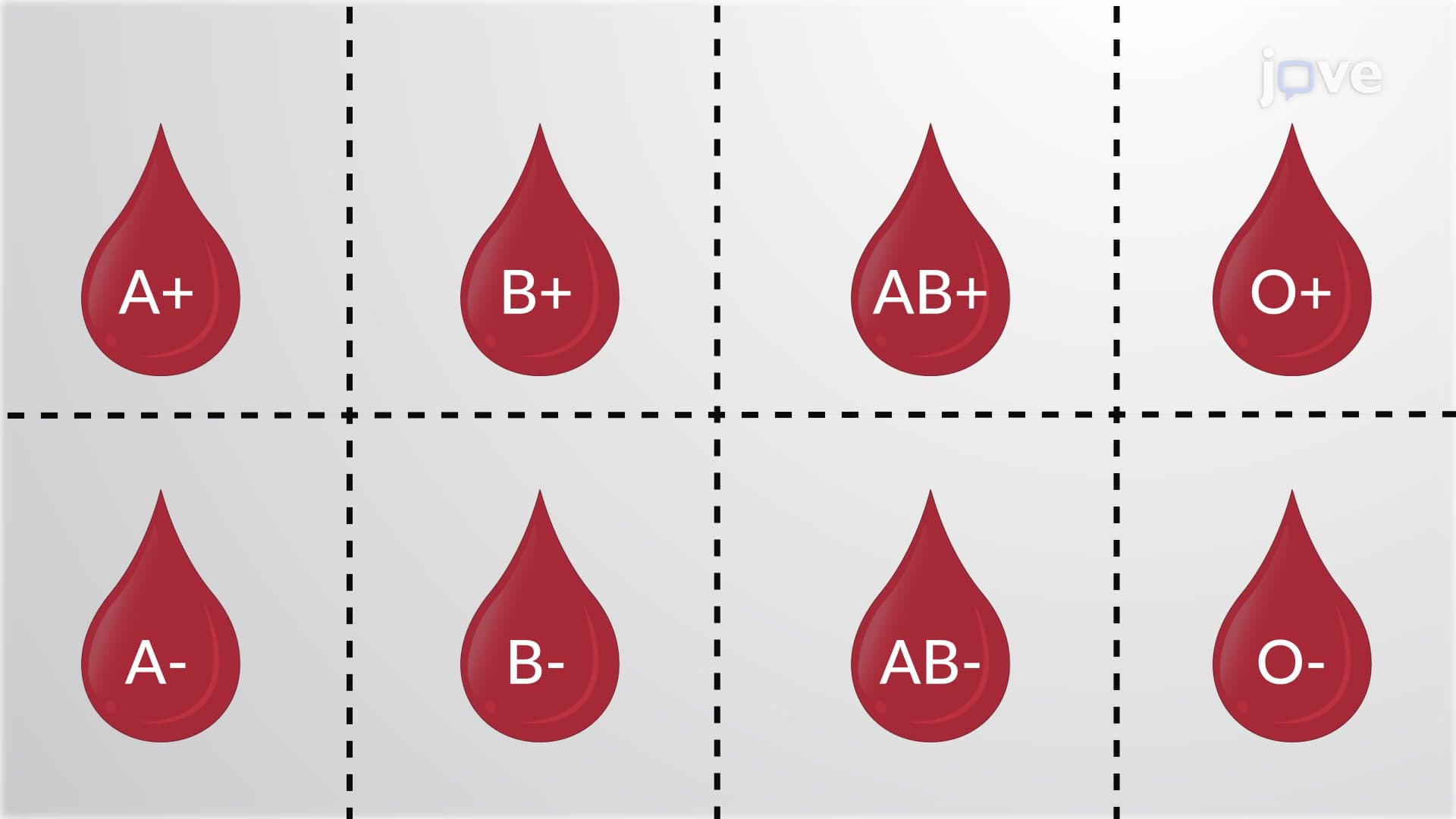
The human ABO blood group system serves as the gold standard for understanding multiple allele traits definition explained. Three alleles control this system: IA (codes for A antigen), IB (codes for B antigen), and i (produces no antigen). These alleles demonstrate different dominance relationships-IA and IB show codominance when paired together, producing the AB phenotype, while both are dominant over the recessive i allele.
Students preparing for the AP Biology exam or MCAT should master how these alleles combine: genotype IAIA or IAi produces Type A blood, IBIB or IBi produces Type B, IAIB creates Type AB, and ii results in Type O. This knowledge proves crucial for healthcare careers, as blood type compatibility determines transfusion safety across US medical facilities.
Multiple allele traits concept explained involves understanding complex dominance hierarchies that differ from simple Mendelian patterns. In complete dominance series, alleles arrange in specific dominance orders-for instance, coat color in rabbits involves four alleles: C (full color) > cch (chinchilla) > ch (Himalayan) > c (albino). Each allele dominates all alleles below it in the hierarchy.
These concepts frequently appear on college genetics midterms and standardized exams like the MCAT, where students must predict phenotypic ratios from crosses involving multiple alleles. Understanding these patterns helps explain why genetic diversity within populations exceeds what simple two-allele systems could produce.
Knowledge of multiple allele traits extends beyond academic study into practical medical applications throughout US healthcare systems. Blood banks rely on ABO typing for safe transfusions, while organ transplantation programs consider HLA (human leukocyte antigen) systems-another multiple allele complex-for compatibility matching.
Forensic laboratories use multiple allele systems for paternity testing and criminal investigations, while genetic counselors help families understand inheritance risks involving multiple allele traits. These applications demonstrate why mastering this concept proves essential for pre-med students and anyone pursuing careers in clinical laboratory science or genetic research.
Related Micro-courses