Loading subject page…


304,922 views
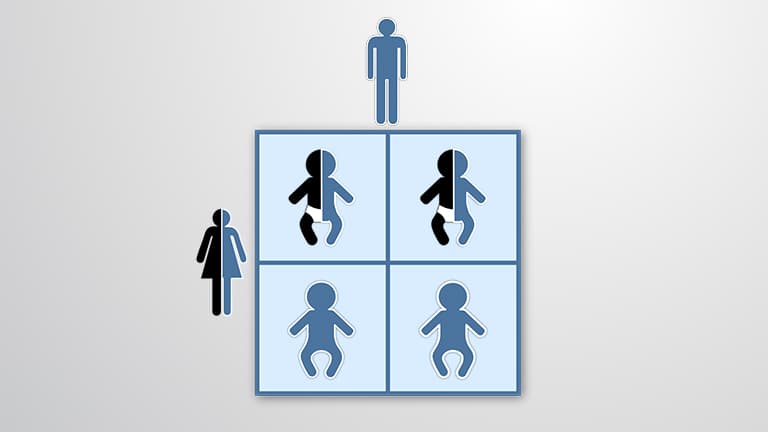

Video Summary: What are Punnett Squares
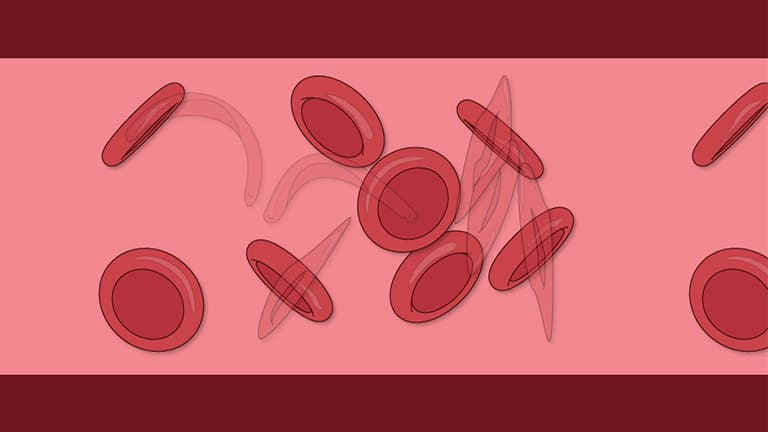
Did you know that genetic counselors at hospitals like Johns Hopkins use the same prediction method Gregor Mendel developed in his pea garden? Punnett squares are visual grids that predict the genetic outcomes when two organisms reproduce, showing all possible combinations of inherited traits. When parents visit genetic counselors to understand their child's risk of inheriting conditions like sickle cell anemia, these professionals rely on Punnett square principles to calculate probabilities. Watch the full video on JoVE Coach to master this concept with expert-led visuals and step-by-step explanations.
Punnett squares function as organized grids that systematically display all possible genetic combinations resulting from sexual reproduction. Developed by British geneticist Reginald Punnett in 1905, this method transforms abstract genetic concepts into visual, manageable formats that students and professionals can easily interpret.
Creating an effective Punnett square requires understanding several key elements. The grid structure places one parent's possible gametes along the top axis and the other parent's gametes along the side axis. Each cell within the grid represents one possible offspring genotype, formed by combining the intersecting parental alleles. For example, when crossing a heterozygous brown-eyed parent (Bb) with a blue-eyed parent (bb), the resulting 2×2 grid reveals a 50% probability of brown-eyed offspring and 50% probability of blue-eyed offspring.
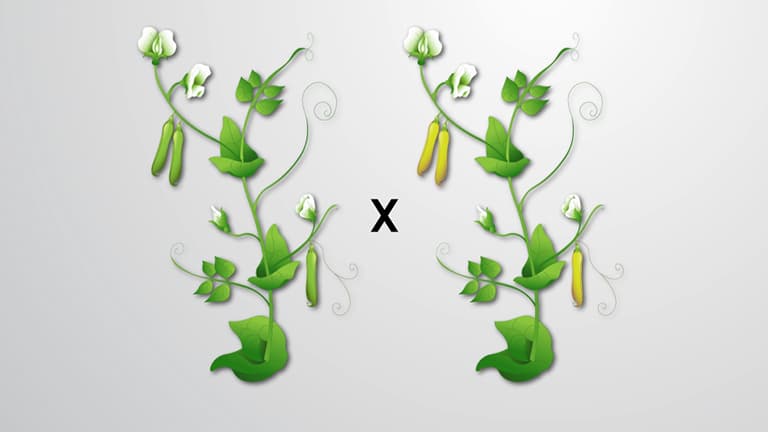
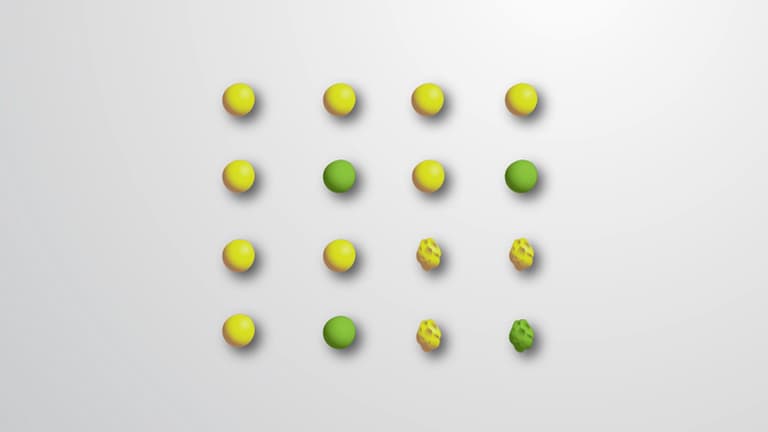
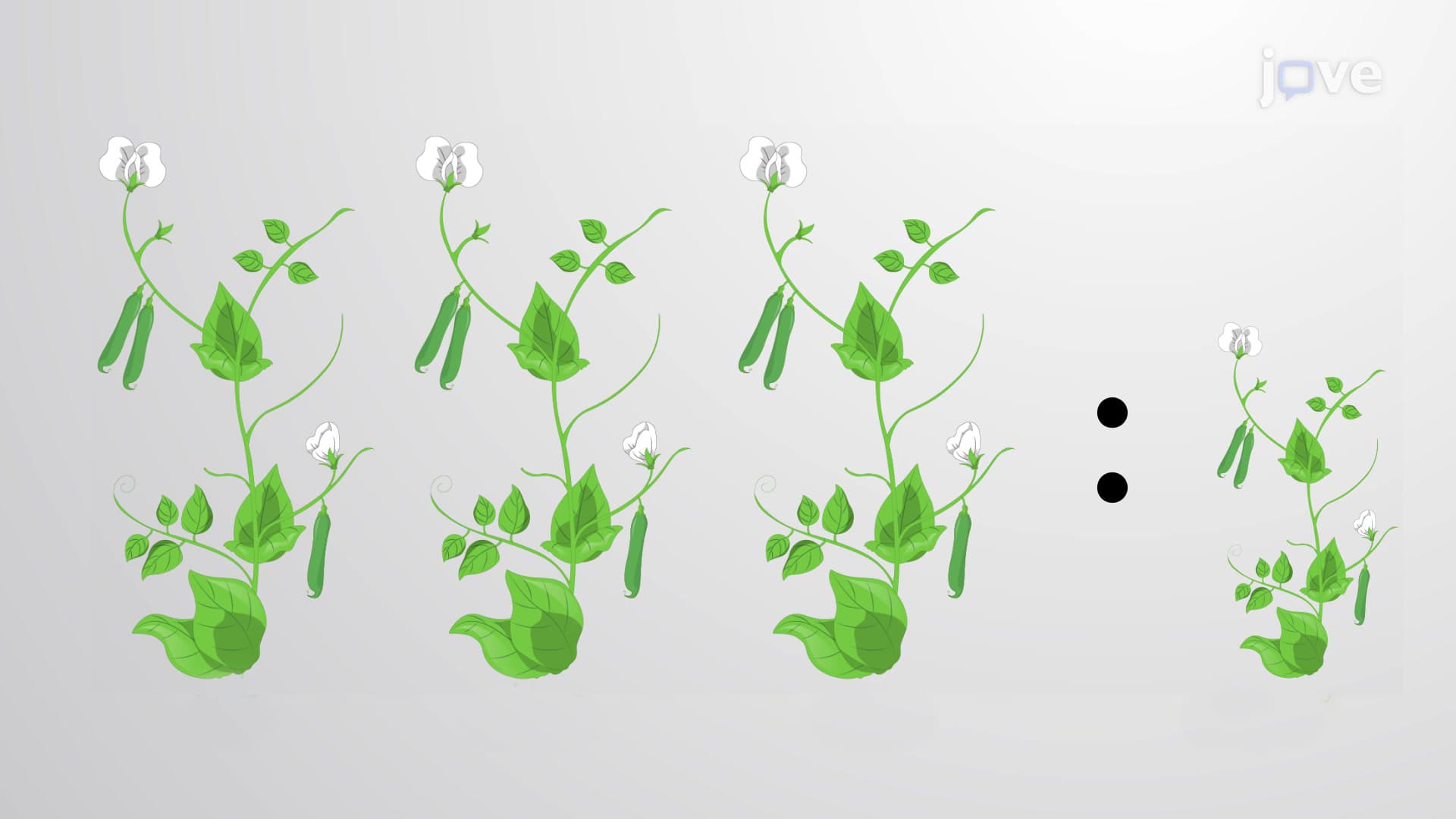
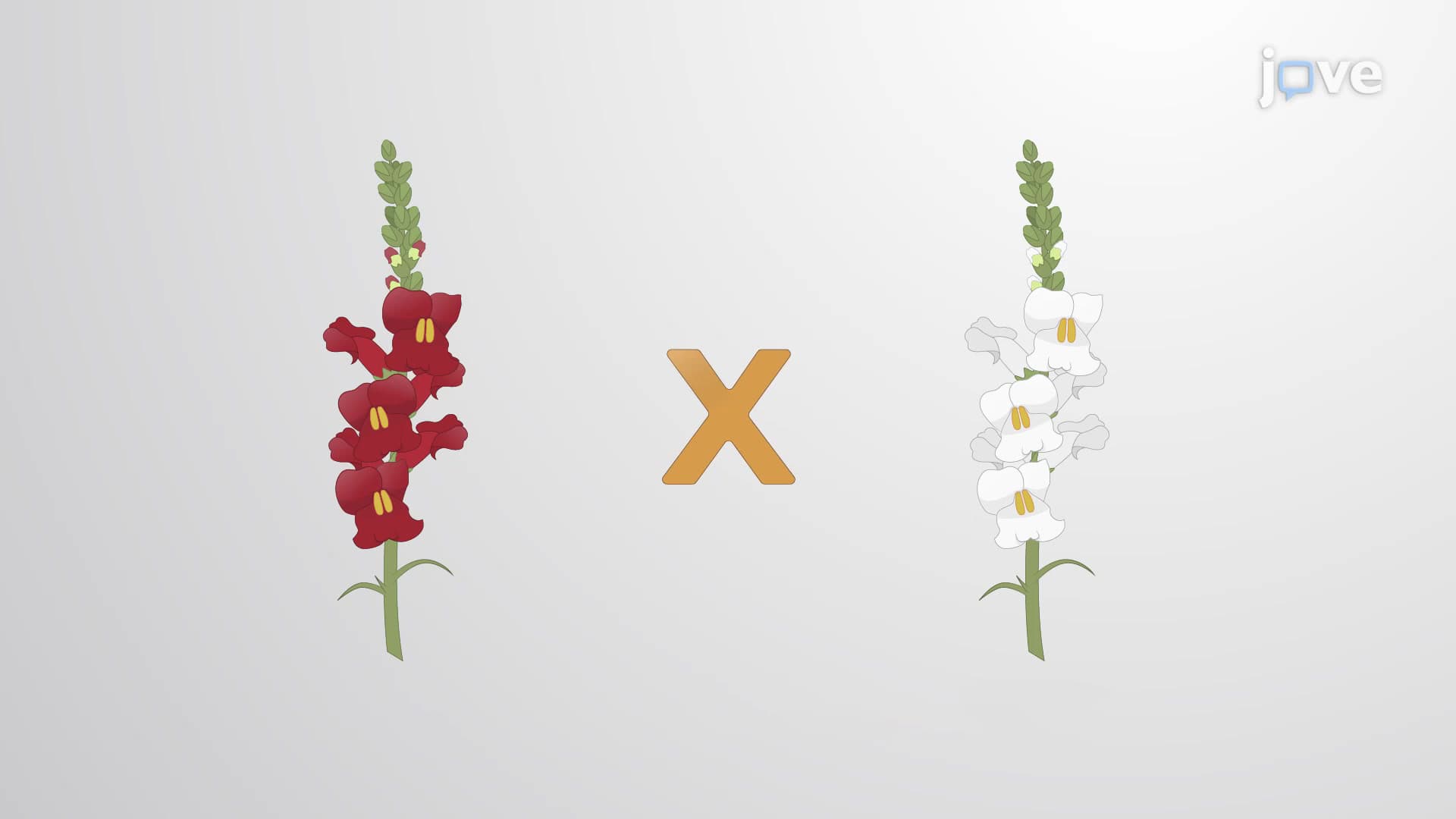
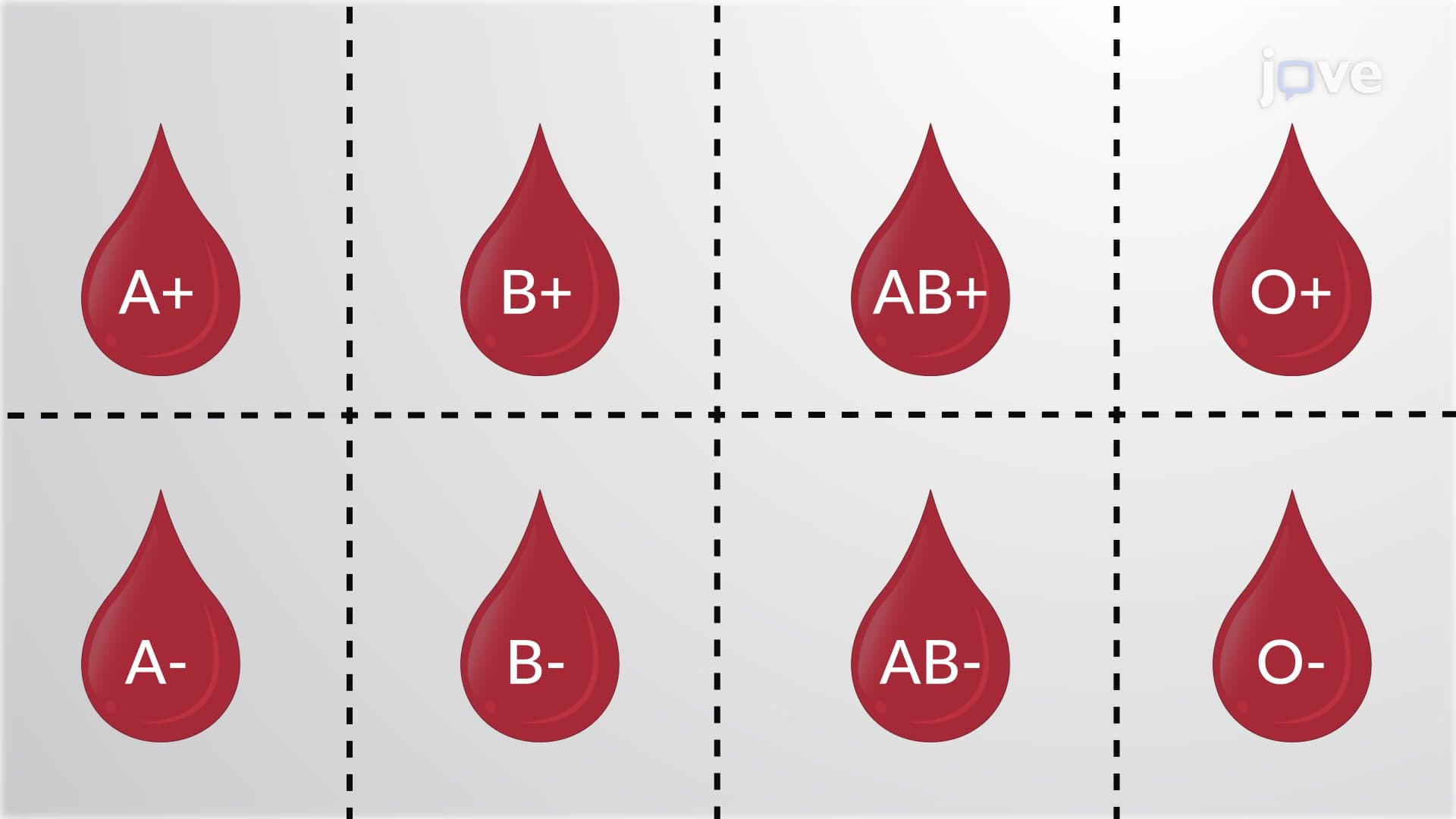
Monohybrid crosses examine single traits, such as flower color in garden peas or ABO blood type inheritance in humans. These crosses typically produce predictable ratios like 3:1 (dominant:recessive) in F2 generations. Dihybrid crosses become more complex, tracking two traits simultaneously. When studying seed color and texture in peas, a classic dihybrid cross yields the famous 9:3:3:1 phenotypic ratio, demonstrating Mendel's law of independent assortment.
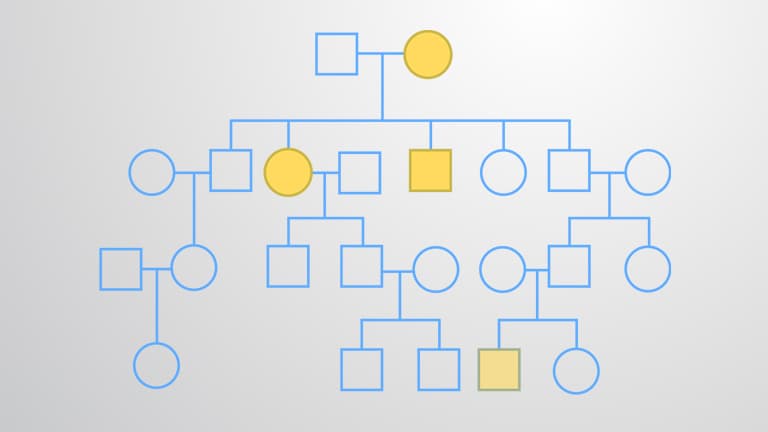
Medical professionals extensively use Punnett square principles in genetic counseling sessions across major US medical centers. At institutions like Mayo Clinic and Cleveland Clinic, counselors help families understand inheritance risks for conditions including cystic fibrosis, Huntington's disease, and various cancer predispositions. Agricultural scientists employ similar methodologies in crop and livestock breeding programs, optimizing desirable traits while minimizing harmful recessive characteristics. Students preparing for AP Biology, SAT Subject Tests, or MCAT examinations frequently encounter Punnett square problems requiring probability calculations and ratio interpretations.
Related Micro-courses