Loading subject page…


304,930 views
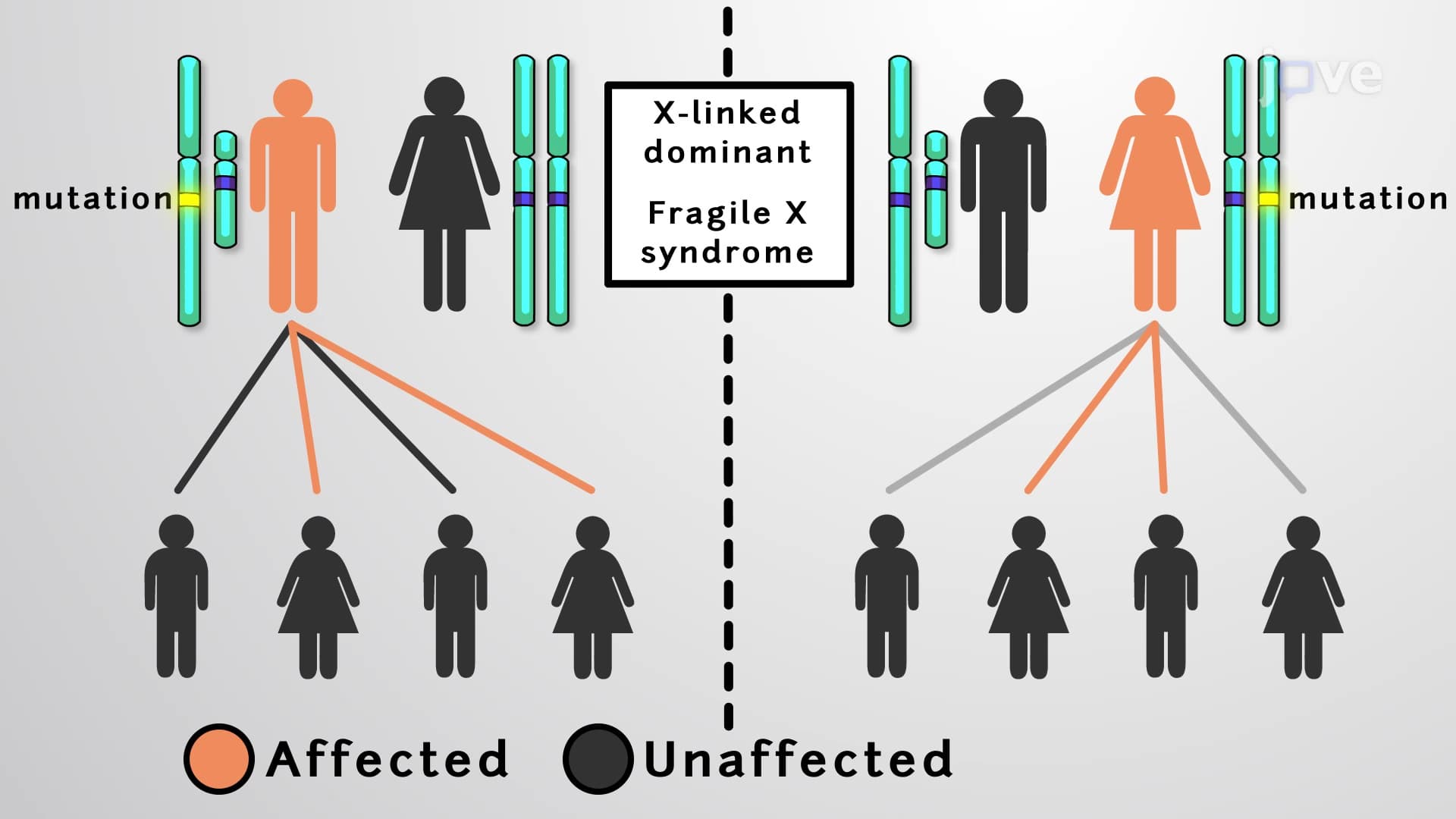

Video Summary: What are Sex Linked Disorders
Did you know that color blindness affects about 8% of men but less than 1% of women in the United States? This striking difference illustrates the fascinating world of sex linked disorders, genetic conditions caused by mutations on the X or Y chromosomes. Unlike autosomal disorders, these conditions follow unique inheritance patterns-sons inherit X-linked traits from mothers, while daughters become carriers. From hemophilia in the British royal family to Duchenne muscular dystrophy affecting 1 in 3,500 boys, understanding what are sex linked disorders reveals how chromosome biology directly impacts human health. Watch the full video on JoVE Coach to master this concept with expert-led visuals and step-by-step explanations.
Sex linked disorders represent a fascinating category of genetic conditions that demonstrate how the location of genes on chromosomes directly influences disease patterns. Unlike autosomal disorders that affect males and females equally, sex-linked conditions show distinct inheritance patterns tied to the X and Y chromosomes. This fundamental concept appears regularly on AP Biology exams, MCAT questions, and college genetics courses, making it essential for students pursuing healthcare careers.
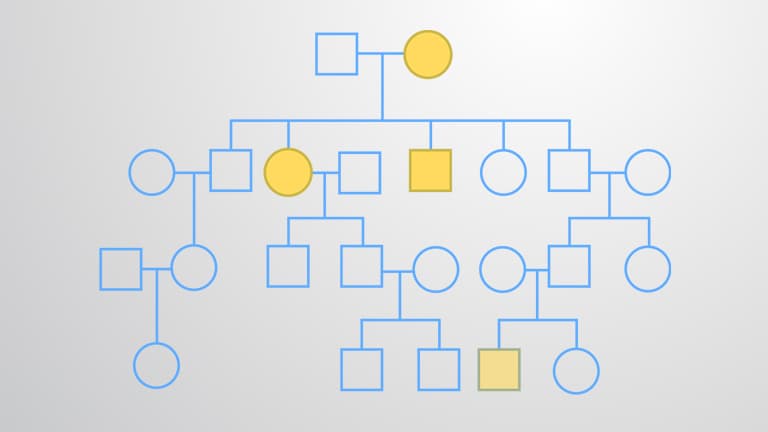
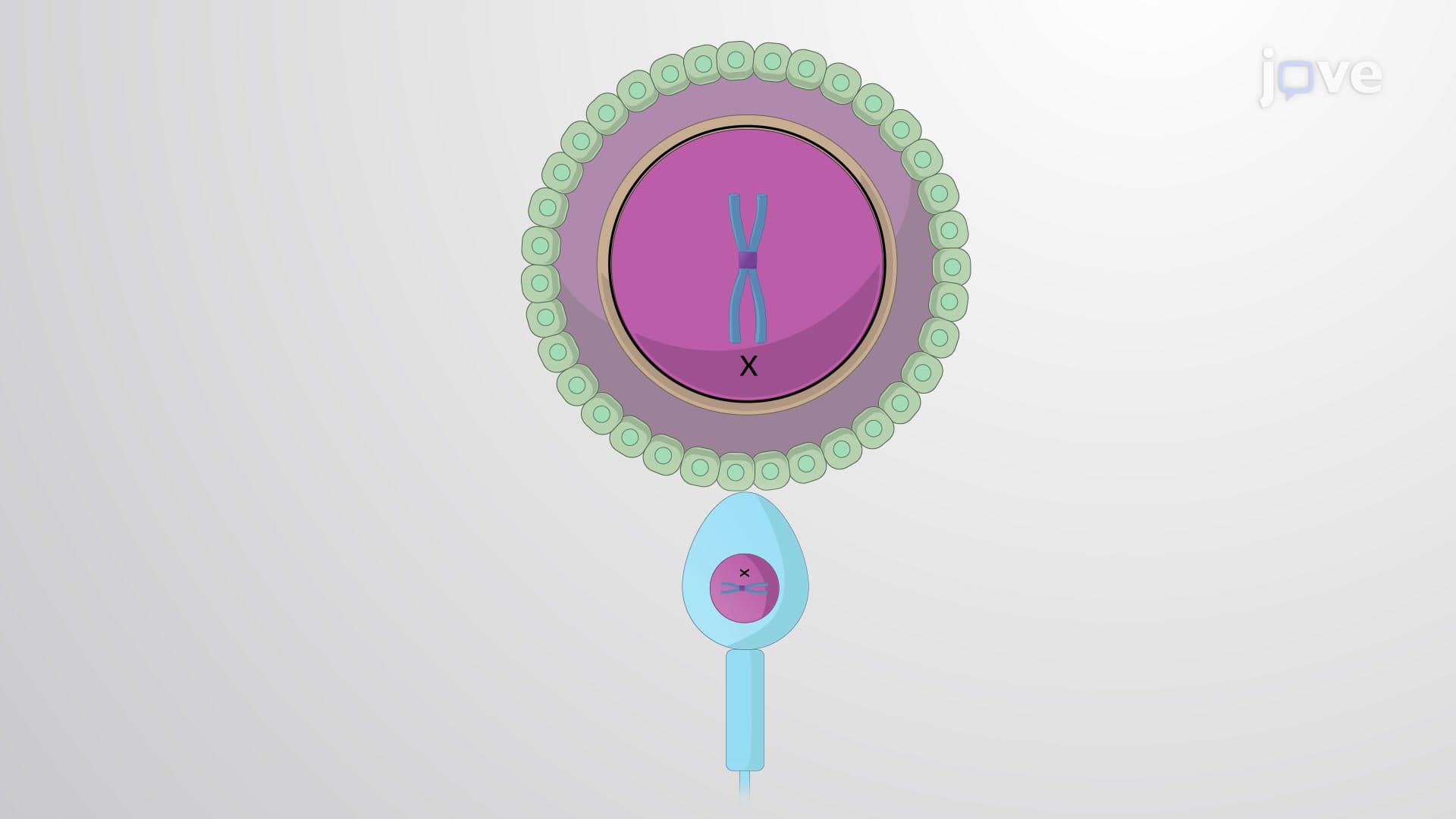
The majority of clinically significant sex-linked disorders follow X-linked recessive inheritance. Since males possess only one X chromosome (XY), they need just one copy of a recessive mutation to express the disorder. Females, with two X chromosomes (XX), typically need mutations on both copies to be affected, making them more likely to be asymptomatic carriers.
Hemophilia A exemplifies this pattern perfectly. This bleeding disorder, caused by mutations in the Factor VIII gene on the X chromosome, affected several European royal families throughout history. In the United States, approximately 1 in 5,000 males are born with hemophilia A, while affected females are extremely rare. Color blindness presents another classic example-about 8% of American men experience red-green color blindness compared to only 0.5% of women.
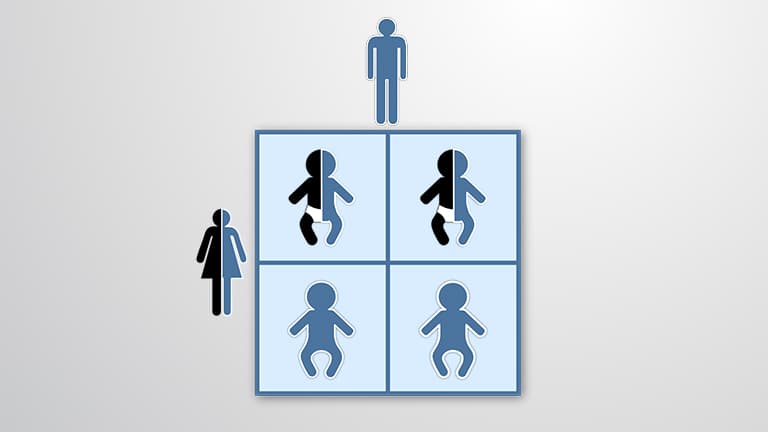
Understanding sex-linked inheritance proves crucial for genetic counseling and family planning. When an affected male marries an unaffected female, all daughters become carriers while all sons remain unaffected. Conversely, when a carrier female marries an unaffected male, each child has a 50% chance of inheriting the mutation-sons become affected, daughters become carriers.
Duchenne muscular dystrophy (DMD) illustrates the clinical importance of these patterns. This progressive muscle disorder affects approximately 1 in 3,500 boys in the United States. Early genetic testing allows families to make informed reproductive decisions and access emerging gene therapies like Exondys 51, approved by the FDA for certain DMD patients.
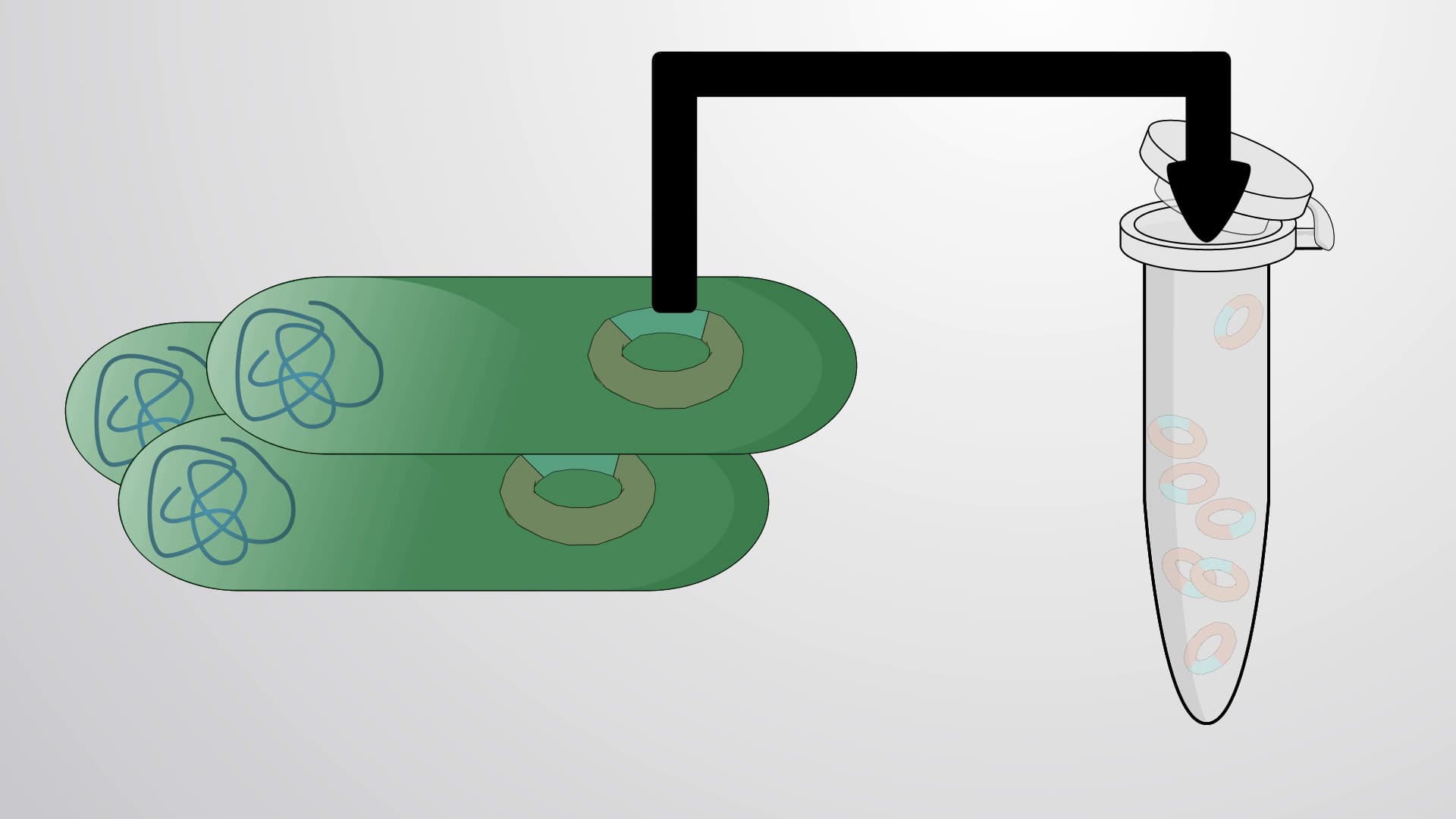
Contemporary research into sex-linked disorders has yielded breakthrough treatments. Gene therapy approaches, including viral vector delivery systems, show promise for conditions like hemophilia and DMD. The FDA's approval of Hemgenix for hemophilia B represents a milestone in sex-linked disorder treatment, offering hope for single-treatment cures.
These advances underscore why mastering sex-linked genetics remains essential for students entering medicine, genetic counseling, or biomedical research. MCAT questions frequently test these concepts, and medical schools expect incoming students to understand how chromosomal location influences disease inheritance and treatment strategies.
Related Micro-courses