Loading subject page…


304,932 views

Video Summary: What are X and Y Chromosomes
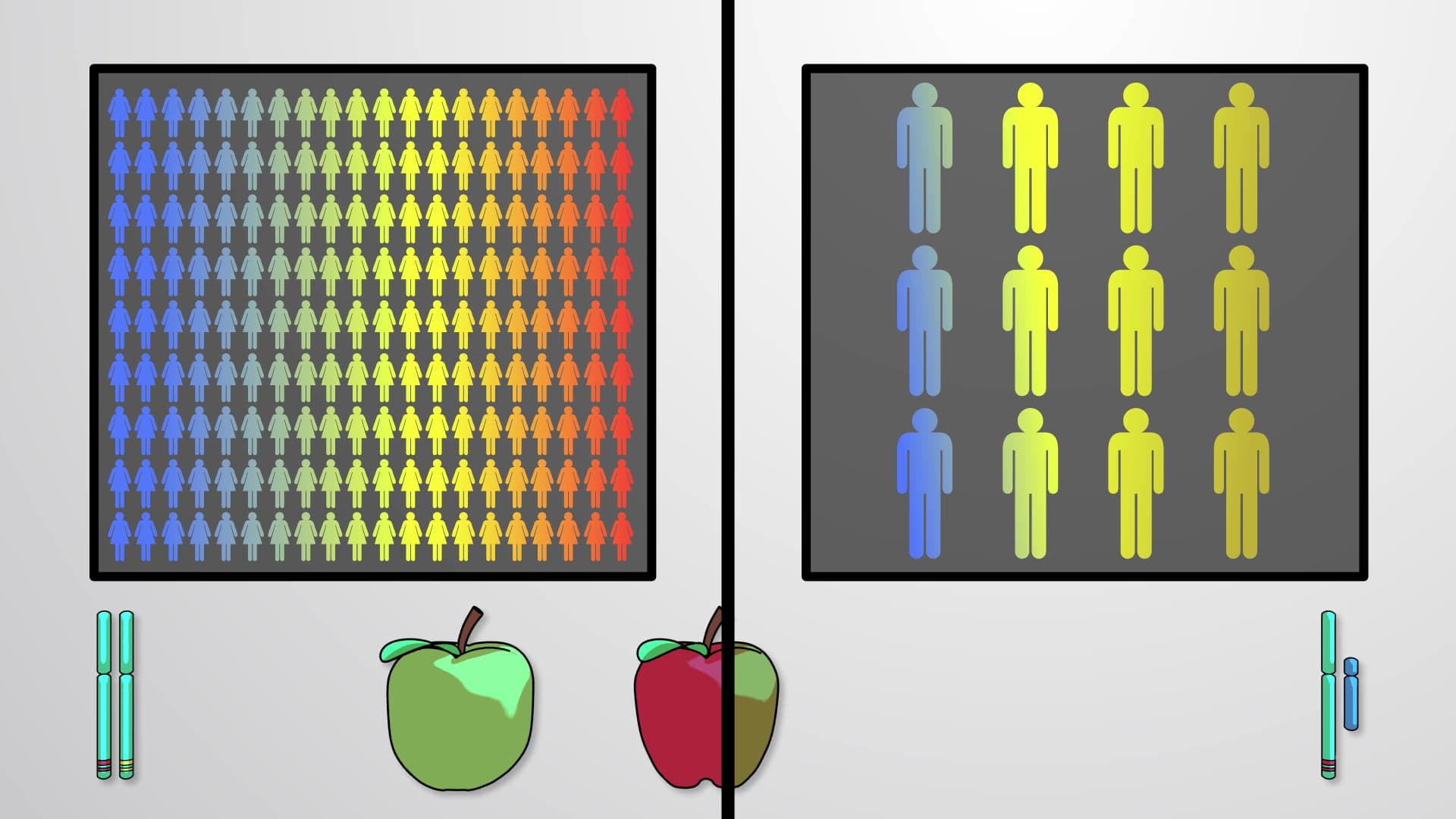
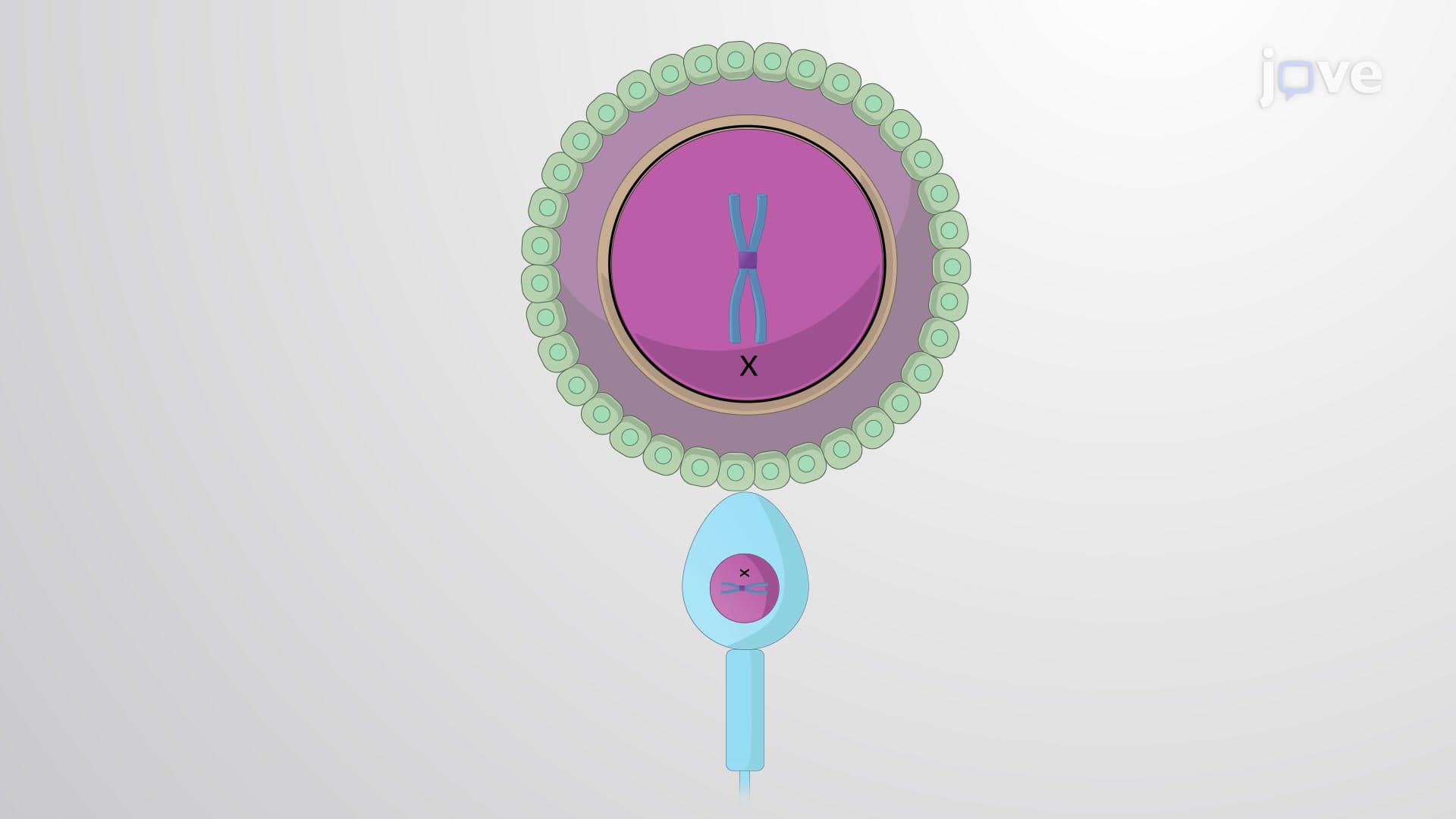
Did you know that a single chromosome determines whether you're male or female? X and Y chromosomes are the specialized genetic structures that control sex determination in humans, with females carrying two X chromosomes (XX) and males having one X and one Y chromosome (XY). This fundamental concept explains why conditions like color blindness affect approximately 8% of American men but only 0.5% of women. What are X and Y chromosomes and how do they influence inheritance patterns in your own family? Watch the full video on JoVE Coach to master this concept with expert-led visuals and step-by-step explanations.
X and Y chromosomes represent one of biology's most elegant systems for determining biological sex. Unlike the 22 pairs of autosomes that contain nearly identical genetic information, these sex chromosomes carry distinct genetic blueprints that fundamentally shape human development. In the United States, this chromosomal system affects everything from genetic counseling decisions to understanding disease patterns across different populations.
The X chromosome spans approximately 155 million base pairs and contains around 1,000 genes, making it significantly larger than the Y chromosome's 59 million base pairs and roughly 200 genes. This size disparity creates unique inheritance challenges. The X chromosome carries essential genes for brain development, blood clotting, and color vision, while the Y chromosome primarily focuses on male sexual development through genes like SRY (Sex-determining Region Y).
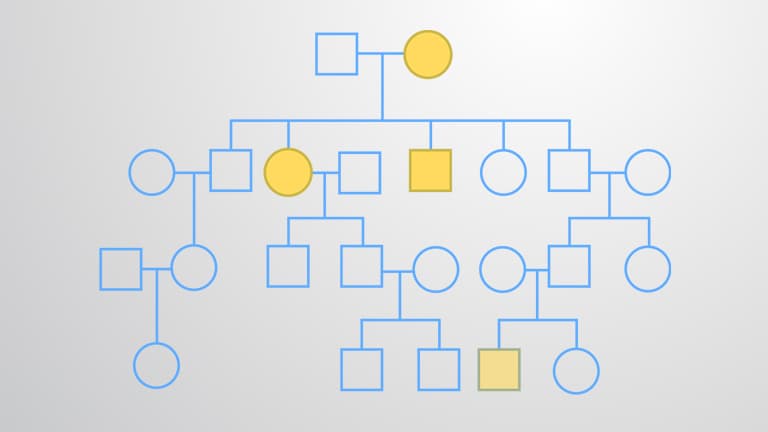
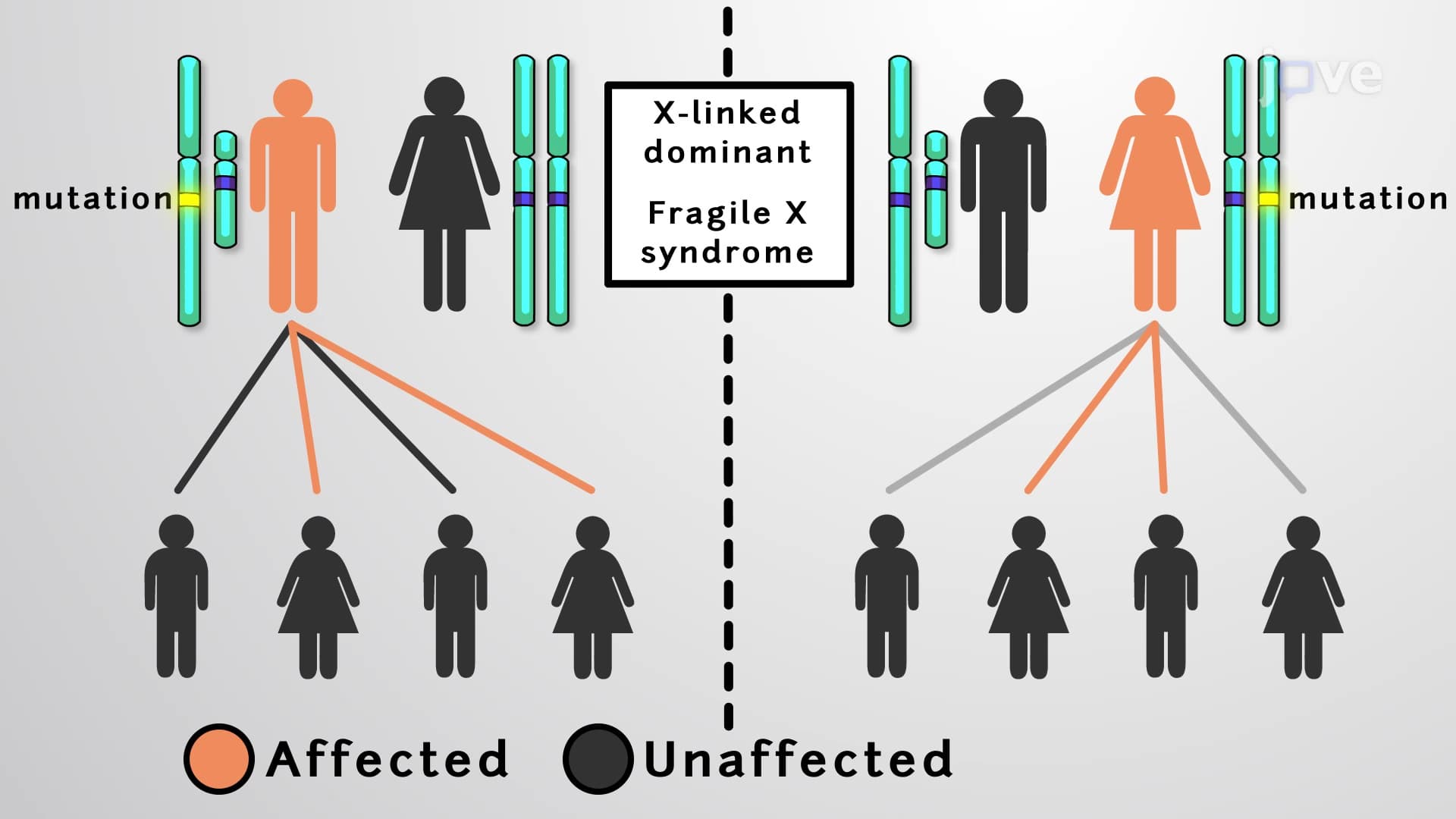
This structural difference explains why X-linked disorders disproportionately affect American males. When a male inherits a defective gene on his single X chromosome, he has no second X chromosome to compensate. The Centers for Disease Control reports that X-linked conditions like Duchenne muscular dystrophy affect 1 in 3,500 American boys, while females with one defective copy typically remain unaffected carriers.
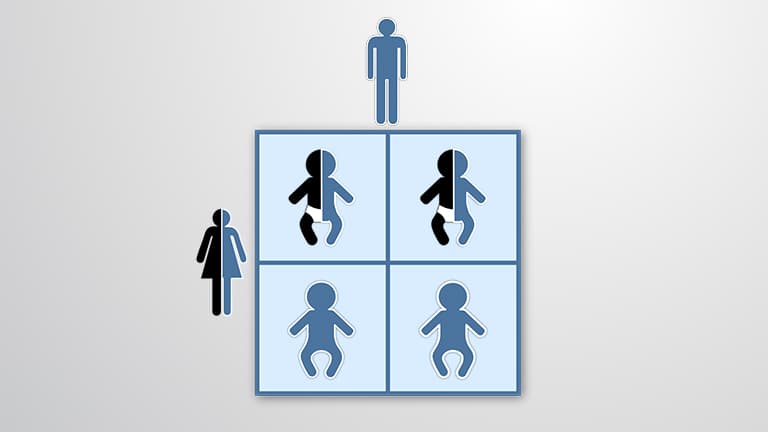
During fertilization, the father's sperm determines offspring sex since mothers always contribute an X chromosome while fathers contribute either X or Y. This creates the familiar 1:1 sex ratio observed in human populations. AP Biology students frequently encounter this concept in genetics units, where understanding sex-linked inheritance becomes crucial for solving complex inheritance problems.
Healthcare professionals in the United States routinely use sex chromosome knowledge for genetic counseling. Prenatal testing can identify sex chromosome abnormalities like Klinefelter syndrome (XXY) or Turner syndrome (X), conditions that affect approximately 1 in 500 to 1 in 2,500 births respectively. Medical schools emphasize these concepts because they directly impact patient care and family planning decisions.
For pre-med students preparing for the MCAT, mastering sex chromosome genetics proves essential since these topics frequently appear in biological sciences sections, particularly when analyzing inheritance patterns and genetic disorders.
Related Micro-courses