Loading subject page…


304,922 views

Video Summary: What are X Linked Traits
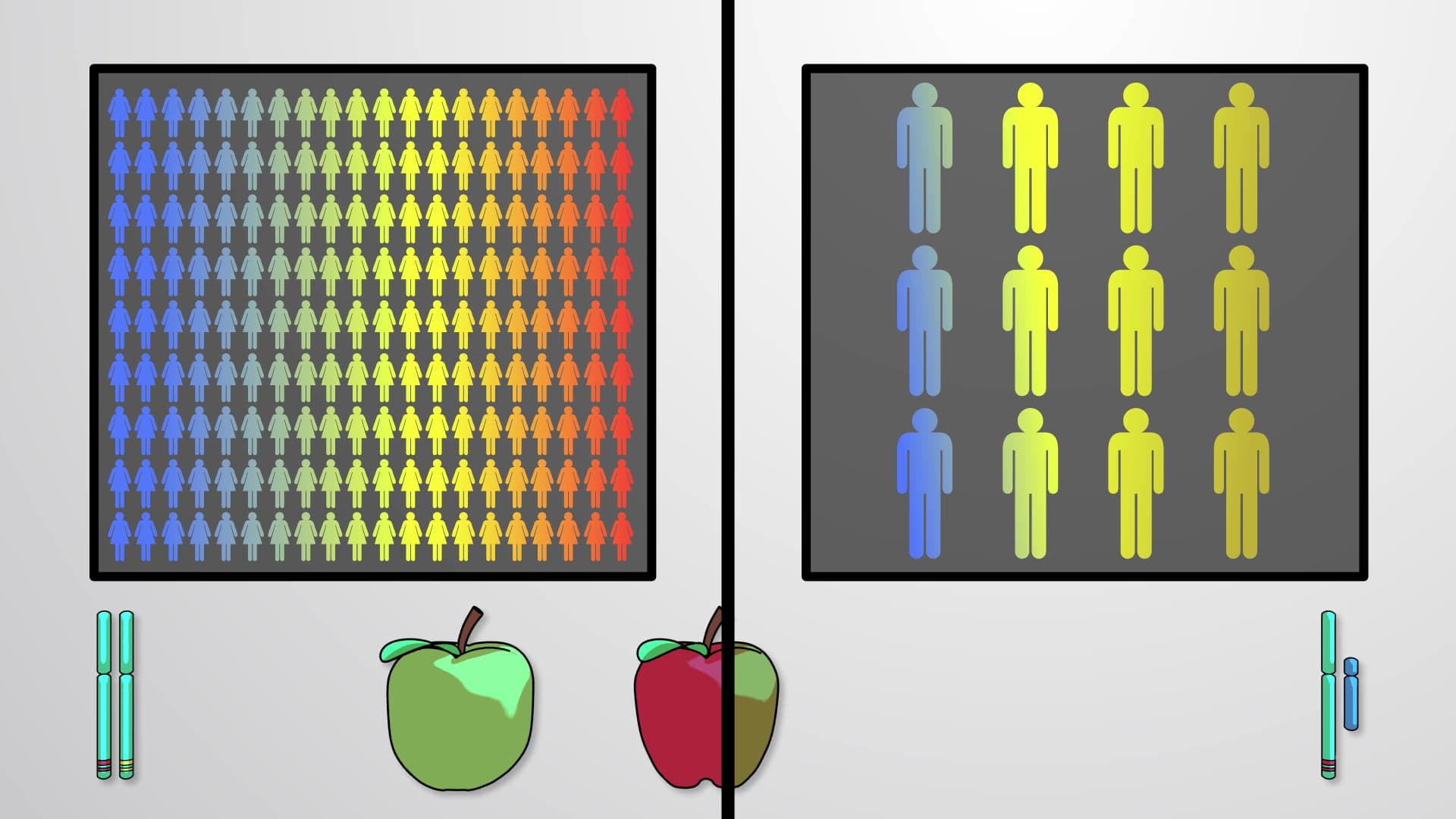
Did you know that color blindness affects 1 in 12 men but only 1 in 200 women in the United States? This dramatic difference stems from x linked traits, genetic characteristics controlled by genes on the X chromosome. Unlike typical inheritance patterns, these traits show unique patterns because males have only one X chromosome while females have two. From hemophilia in European royal families to Duchenne muscular dystrophy, understanding what are X linked traits reveals fascinating insights into human genetics and disease inheritance. Watch the full video on JoVE Coach to master this concept with expert-led visuals and step-by-step explanations.
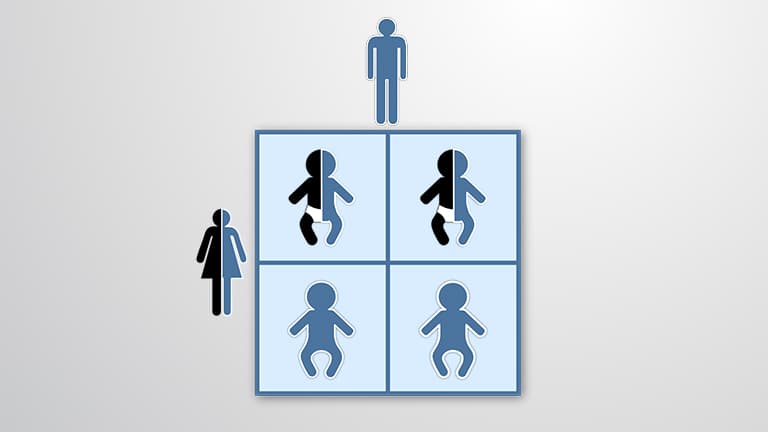
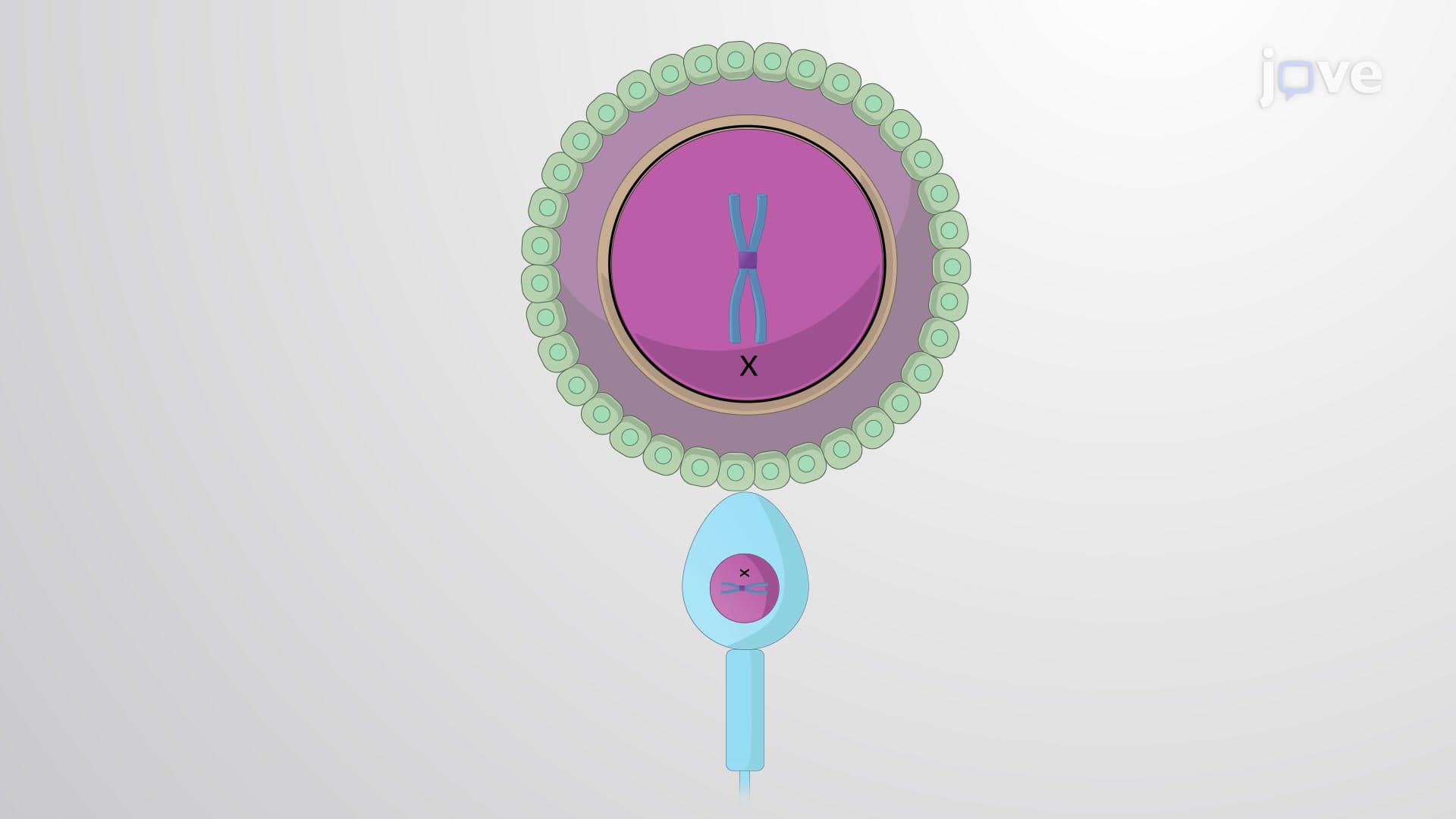
X linked traits represent a fundamental category of genetic inheritance where the responsible genes reside on the X chromosome. Unlike autosomal traits that follow predictable dominant-recessive patterns regardless of sex, X-linked characteristics exhibit distinctive inheritance patterns directly tied to an individual's sex chromosomes. This unique behavior occurs because females possess two X chromosomes (XX) while males have one X and one Y chromosome (XY).
The chromosomal difference creates what geneticists call hemizygosity in males, having only one copy of X-linked genes. Consequently, males express any trait present on their single X chromosome, whether typically classified as dominant or recessive. Females, with two X chromosomes, can be homozygous dominant, homozygous recessive, or heterozygous carriers for X-linked traits.
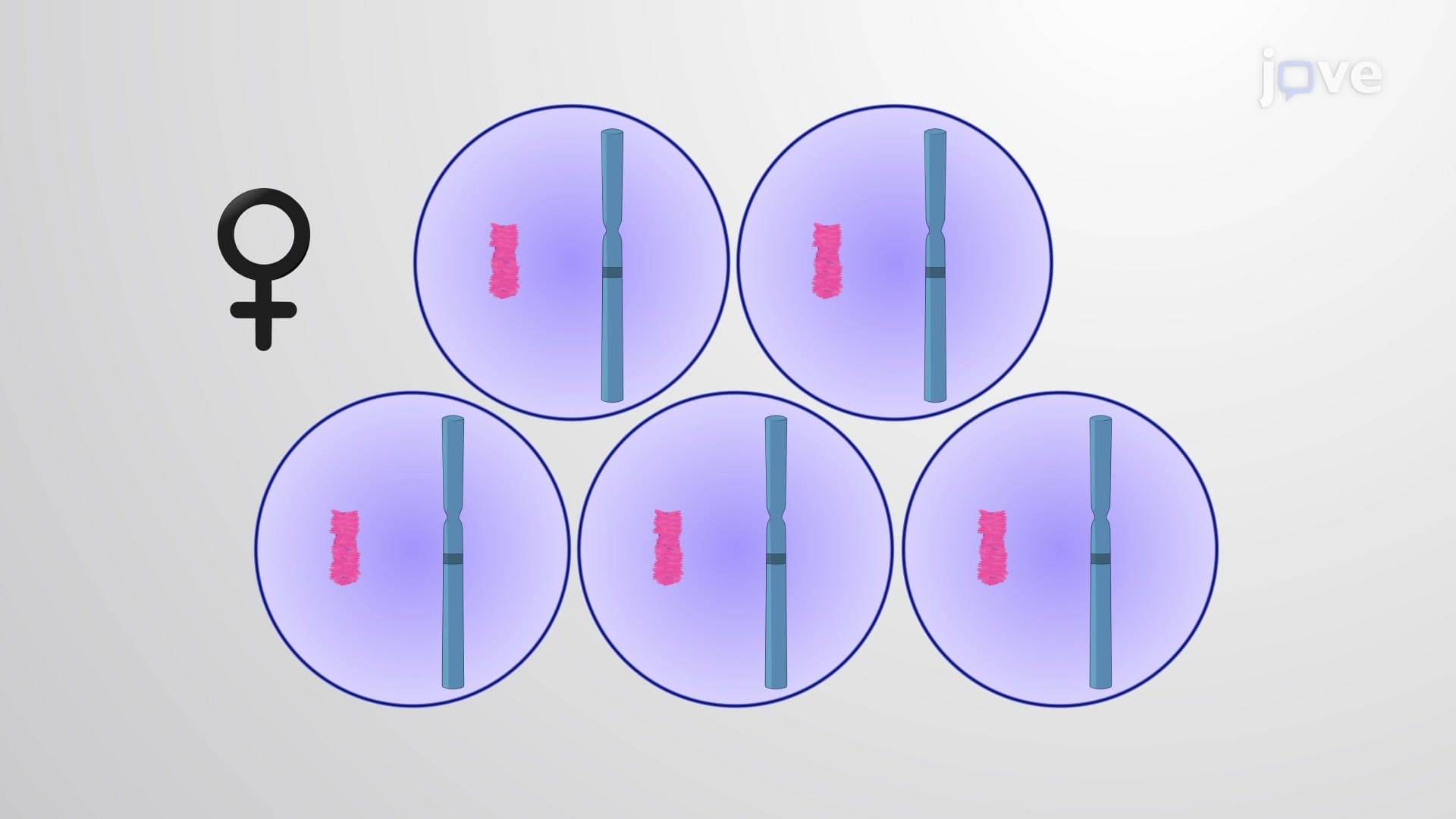
In female mammals, including humans, one X chromosome becomes randomly inactivated in each cell during early development through a process called X-inactivation or lyonization. This mechanism equalizes gene expression between males and females, preventing females from having twice the X-linked gene products. The inactivated X chromosome condenses into a structure called a Barr body.
For heterozygous females carrying one normal and one mutant X-linked allele, X-inactivation creates a mosaic pattern. Some cells express the normal allele while others express the mutant version. This explains why female carriers of X-linked disorders sometimes show mild symptoms, the proportion of cells expressing the mutant allele determines symptom severity.
Several medically important conditions follow X-linked inheritance patterns. Color blindness, particularly red-green color blindness, affects approximately 8% of American men but less than 1% of women. The genes responsible for red and green cone opsins locate on the X chromosome, making this trait a classic example for genetics students.
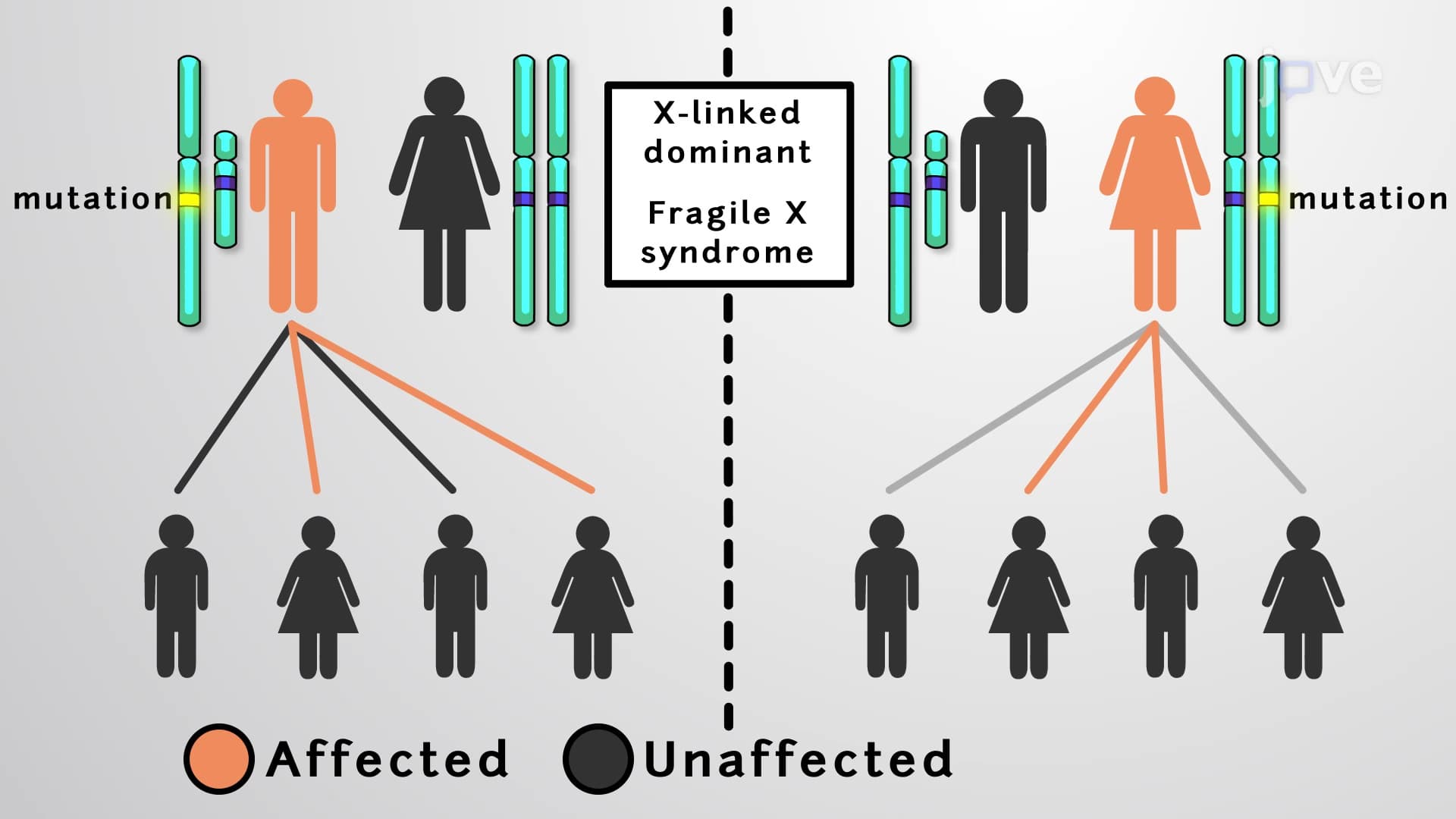
Hemophilia A and B represent more serious X-linked bleeding disorders. Hemophilia A results from mutations in the factor VIII gene, while hemophilia B involves factor IX mutations. Both conditions predominantly affect males, with affected fathers never passing the condition to sons (since fathers give sons the Y chromosome) but always passing carrier status to daughters.
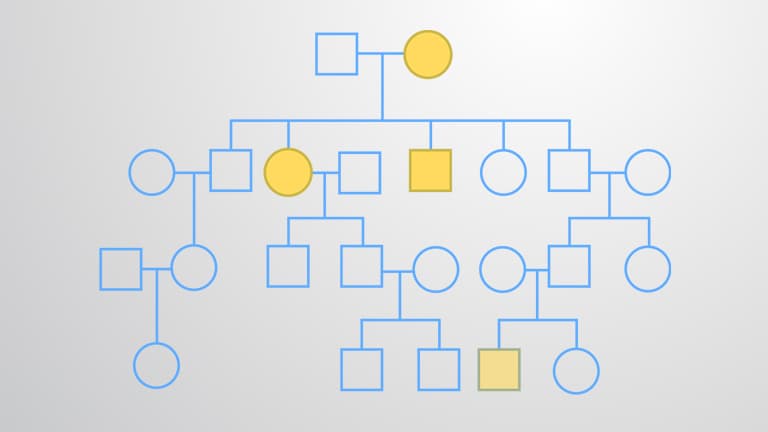
X-linked inheritance appears frequently on standardized exams including the AP Biology exam, MCAT, and college genetics courses. Students must master pedigree analysis, recognizing that X-linked traits typically show affected males connected through carrier females, never direct father-to-son transmission, and more affected males than females in family trees.
When solving X-linked genetics problems, use the notation X^A for dominant alleles and X^a for recessive alleles, clearly indicating the chromosomal location. Remember that male genotypes require only one allele (X^A Y or X^a Y) while female genotypes need two alleles (X^A X^A, X^A X^a, or X^a X^a).
Related Micro-courses