Loading subject page…


304,932 views


Video Summary: What Is Blood Transfusion and Agglutination
Did you know that receiving the wrong blood type can trigger a life-threatening immune reaction within minutes? Blood transfusion and agglutination form the scientific foundation behind every blood donation at American Red Cross centers nationwide. When blood types are incompatible, red blood cells clump together through agglutination, potentially blocking vital blood vessels. Understanding what is blood transfusion and agglutination reveals how hospitals ensure patient safety through precise blood typing and crossmatching procedures. Watch the full video on JoVE Coach to master this concept with expert-led visuals and step-by-step explanations.
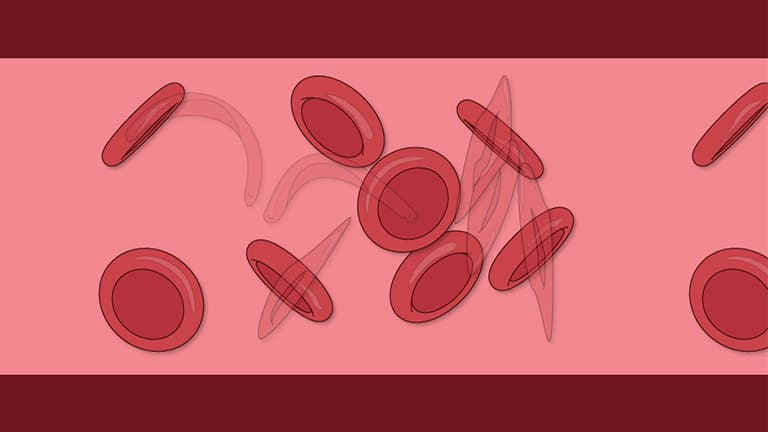
Blood transfusion and agglutination represent interconnected processes that ensure safe blood transfer between individuals. Agglutination occurs when antibodies bind to specific antigens on red blood cell surfaces, causing cells to clump together. This reaction serves as both a diagnostic tool for blood typing and a protective immune response against incompatible blood.
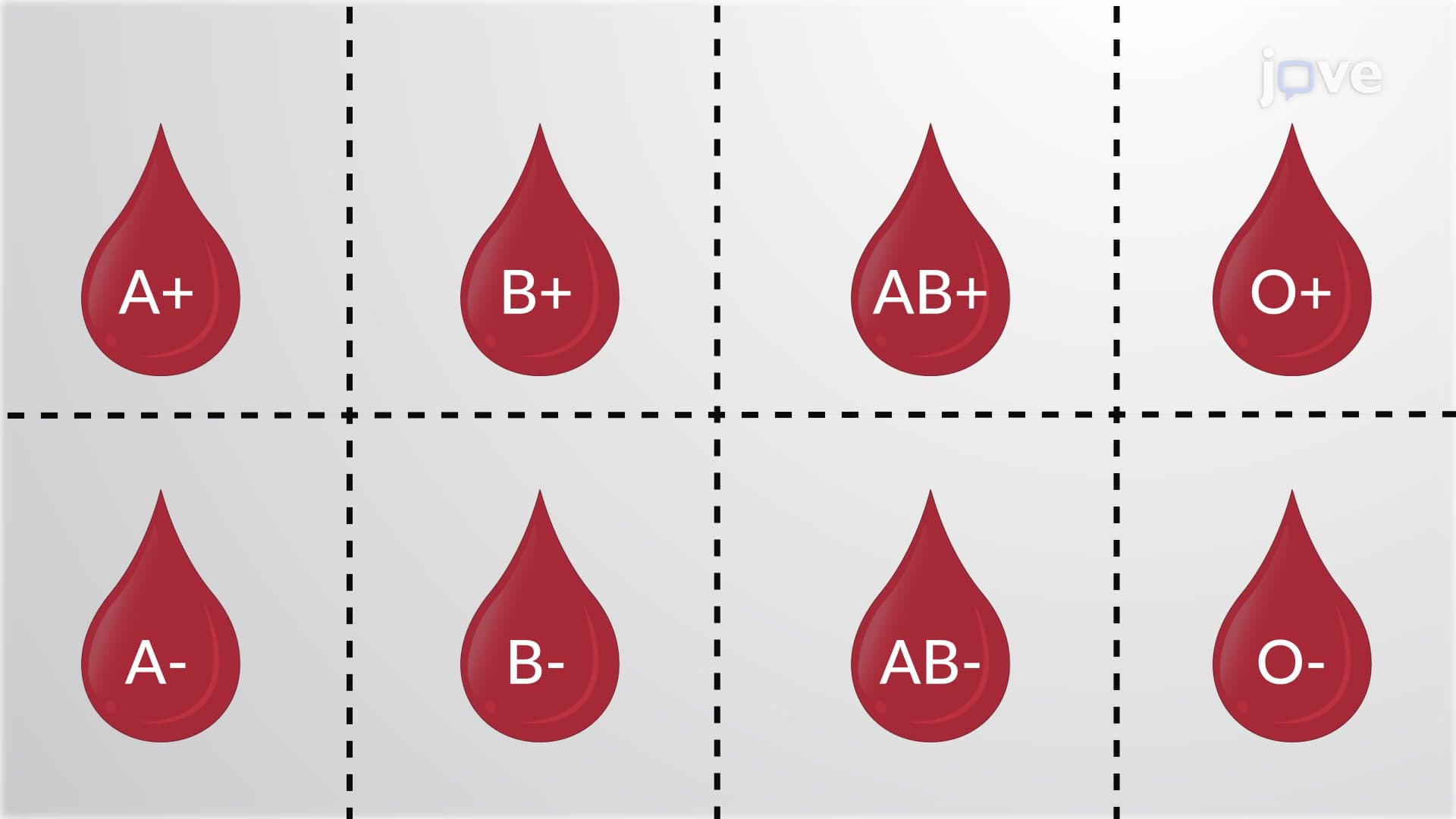
The ABO blood group system, discovered by Karl Landsteiner in 1901, forms the basis of modern transfusion medicine. Each blood type carries specific surface antigens: Type A has A antigens, Type B has B antigens, Type AB has both, and Type O has neither. Correspondingly, plasma contains antibodies against the opposite antigens-Type A blood contains anti-B antibodies, while Type B contains anti-A antibodies.
Hospital blood banks across the United States rely on agglutination tests to ensure transfusion safety. When a drop of patient blood mixes with anti-A serum, visible clumping indicates Type A blood. Similarly, anti-B serum causes agglutination in Type B samples. This simple yet crucial test prevents potentially fatal transfusion reactions that could occur in emergency rooms from California to New York.
The Rh factor adds another layer of complexity. Approximately 85% of Americans are Rh-positive, carrying the D antigen. Rh-negative individuals lack this antigen and will produce anti-D antibodies if exposed to Rh-positive blood. This becomes critical during pregnancy, where Rh incompatibility between mother and fetus can cause hemolytic disease of the newborn.
Type O-negative blood earns the title "universal donor" because it lacks ABO and Rh antigens, making it compatible with all recipients during emergencies. Major trauma centers like those at Johns Hopkins and Mayo Clinic stock O-negative blood for immediate transfusion before blood typing is complete. Conversely, Type AB-positive individuals serve as universal recipients, accepting any blood type due to their lack of opposing antibodies.
This concept appears frequently on Advanced Placement Biology exams, MCAT questions, and college anatomy courses. Students studying for the NCLEX or HESI A2 nursing exams must understand compatibility charts and recognize signs of transfusion reactions. Medical school curricula emphasize these principles in immunology and pathophysiology courses, as future physicians must make critical decisions about blood product administration.
Related Micro-courses