Loading subject page…


304,922 views
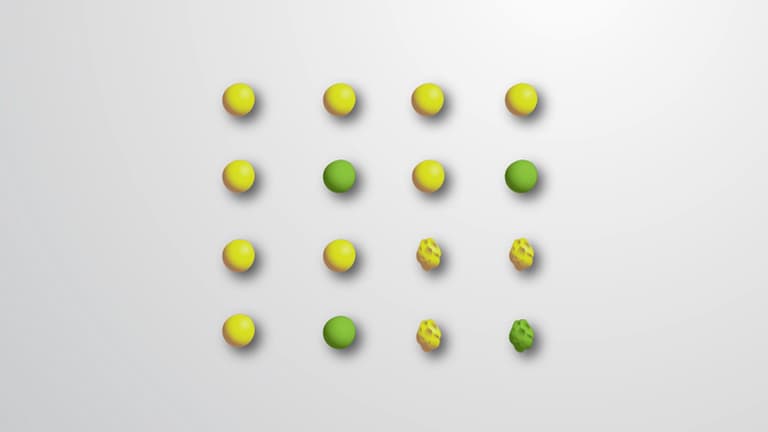

Video Summary: What Is Dihybrid Crosses
Ever wonder how corn can be simultaneously yellow and wrinkled, or purple and smooth? Dihybrid crosses reveal how organisms inherit two different traits at once, following predictable patterns that farmers at Iowa State University use to breed crops with multiple desired characteristics. These genetic crosses involve heterozygous parents for two traits, producing the famous 9:3:3:1 phenotypic ratio in offspring. Watch the full video on JoVE Coach to master this concept with expert-led visuals and step-by-step explanations.
Dihybrid crosses represent a cornerstone concept in genetics, examining how two different traits are simultaneously inherited from parents to offspring. Unlike monohybrid crosses that track a single trait, dihybrid crosses reveal the intricate dance of multiple genetic factors working together. When Gregor Mendel first conducted these experiments with pea plants in the 1860s, he discovered fundamental principles that still guide genetic research at institutions like Stanford University and the University of California system today.
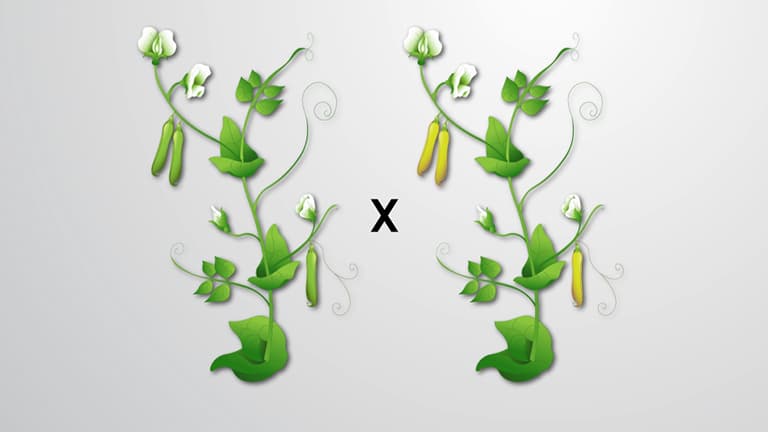
The magic of dihybrid crosses lies in Mendel's Law of Independent Assortment, which states that alleles for different genes segregate independently during gamete formation. Consider a classic example: crossing pea plants that are heterozygous for both seed color (yellow/green) and seed texture (round/wrinkled). Each parent with genotype YyRr can produce four different gamete types: YR, Yr, yR, and yr. This independent segregation creates the foundation for genetic diversity that plant breeders at universities like Cornell and UC Davis exploit when developing new crop varieties.
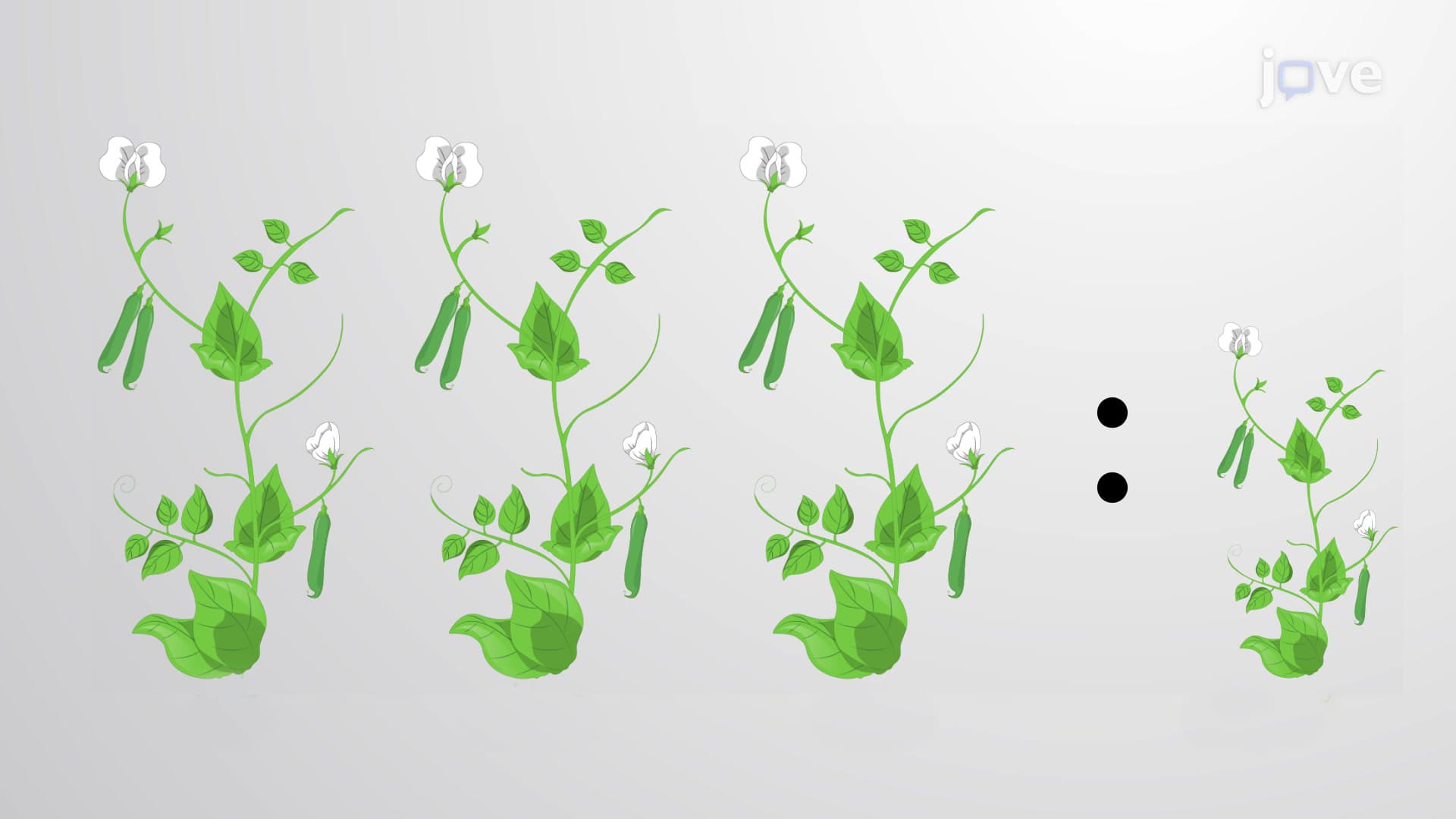
Constructing a 16-square Punnett square for dihybrid crosses reveals the famous 9:3:3:1 phenotypic ratio. This ratio breaks down as: 9 offspring showing both dominant traits, 3 showing the first dominant and second recessive, 3 showing the first recessive and second dominant, and 1 showing both recessive traits. Students preparing for AP Biology exams or college genetics courses must master this ratio, as it frequently appears on standardized tests and serves as a benchmark for identifying when genes assort independently.
Modern agricultural research demonstrates dihybrid cross principles daily. At agricultural research stations across the Midwest, scientists use these concepts to develop corn varieties that combine high yield with pest resistance, or soybeans that are both herbicide-tolerant and high in protein content. However, students must also understand exceptions to independent assortment, particularly gene linkage. When genes are located close together on the same chromosome, they tend to be inherited together, deviating from the expected 9:3:3:1 ratio. This concept becomes crucial for MCAT preparation and advanced genetics coursework, where understanding chromosomal mapping and recombination frequencies builds upon dihybrid cross foundations.
Related Micro-courses