Loading subject page…


304,922 views

Video Summary: What Is Dosage Compensation
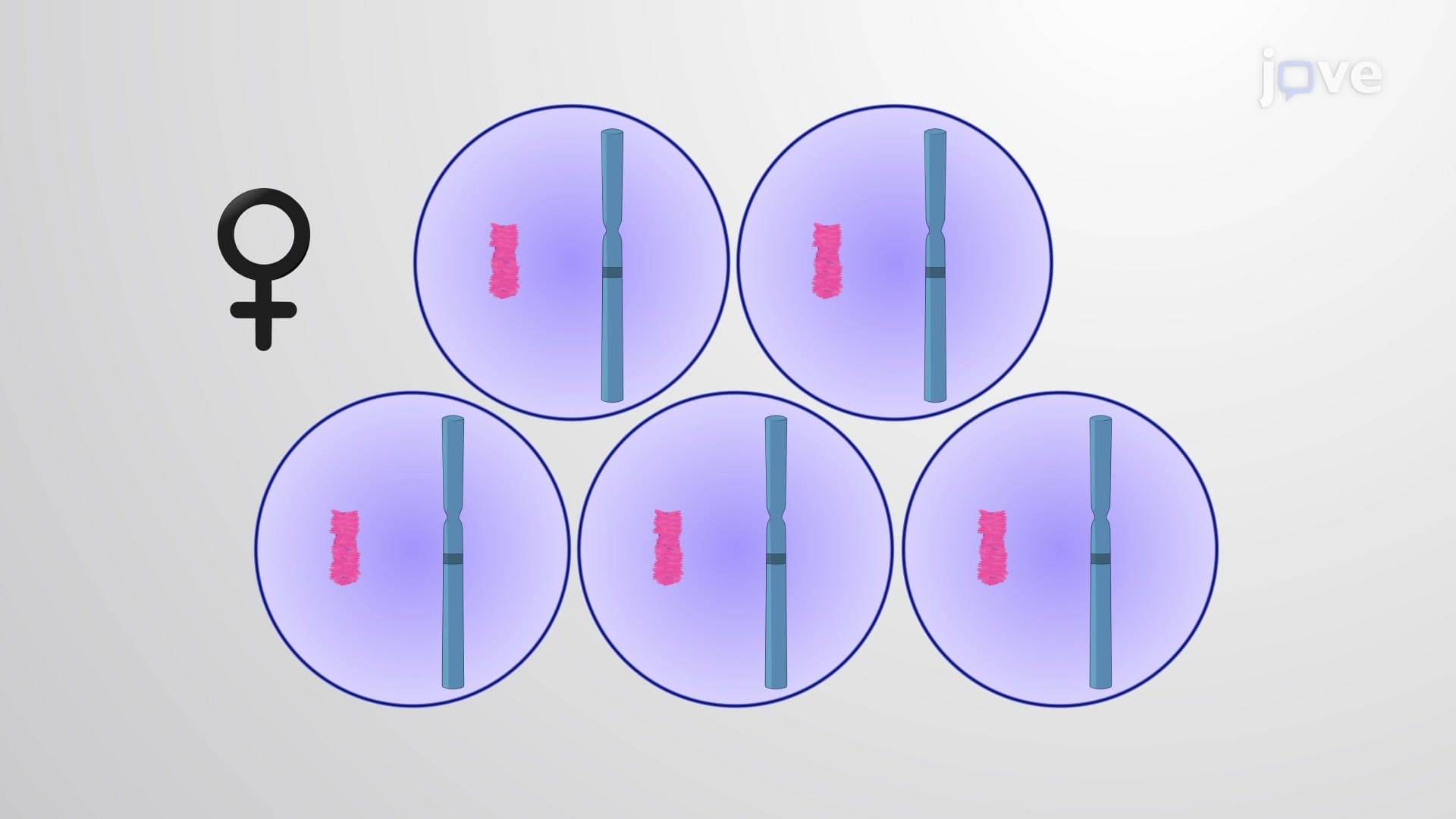
Ever wondered why women don't have twice the expression of X-linked genes despite having two X chromosomes? Dosage compensation is the cellular mechanism that equalizes gene expression between males and females who differ in sex chromosome number. In humans, this process creates Barr bodies in female cells, ensuring balanced gene expression despite chromosomal differences. This fundamental concept explains how organisms maintain genetic equilibrium across sexes. Watch the full video on JoVE Coach to master this concept with expert-led visuals and step-by-step explanations.
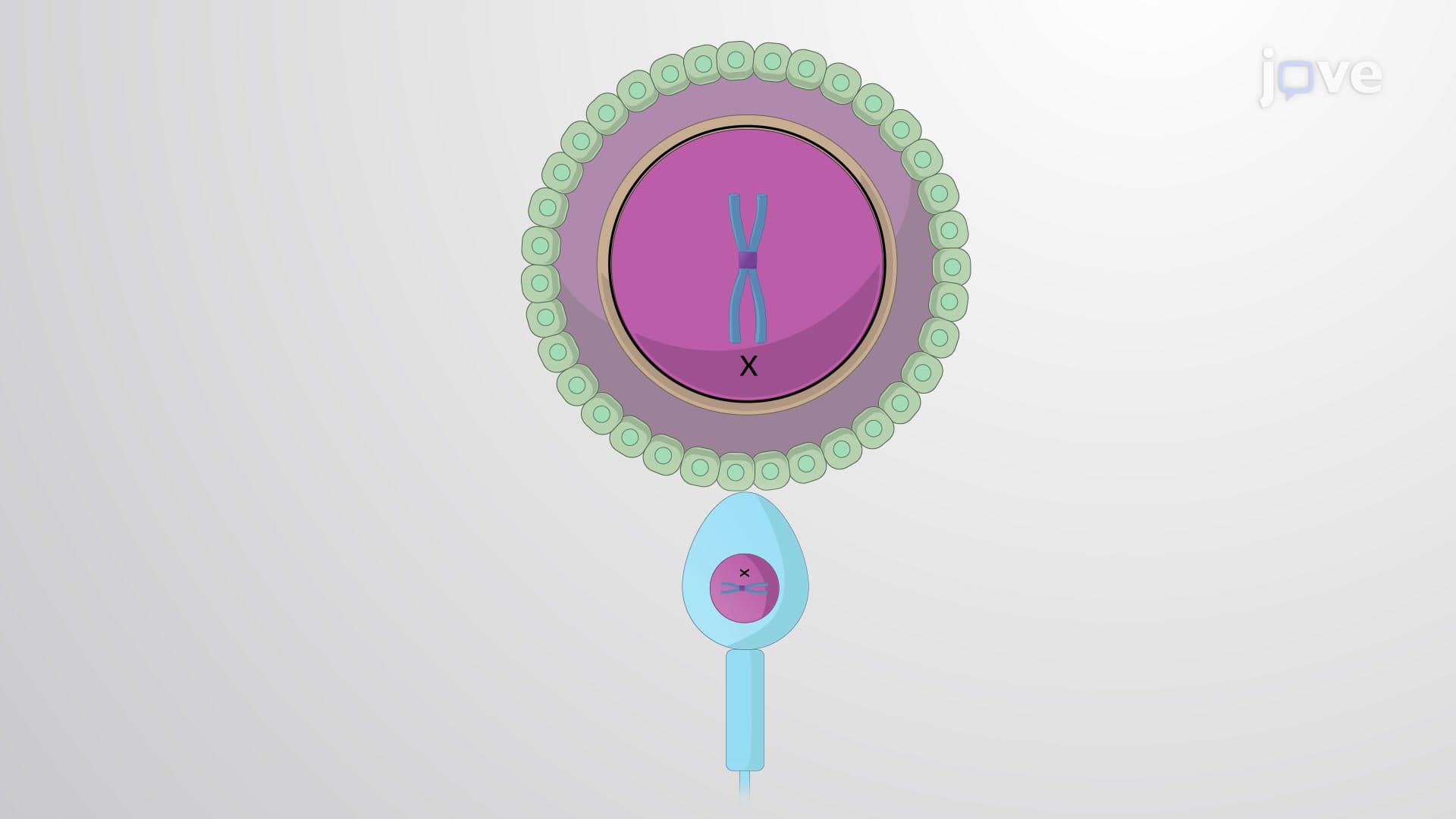
Dosage compensation represents one of biology's most elegant solutions to a fundamental problem: how do organisms ensure equal gene expression when males and females have different numbers of sex chromosomes? This process is crucial because without it, females with two X chromosomes would produce twice as much of every X-linked protein compared to males with only one X chromosome, potentially causing cellular chaos.
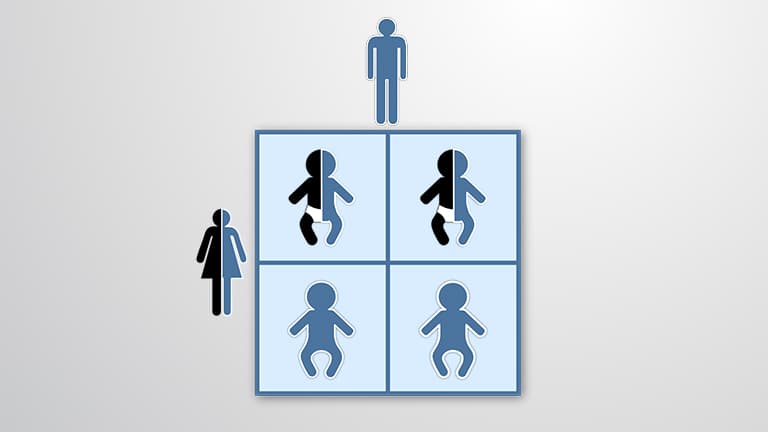
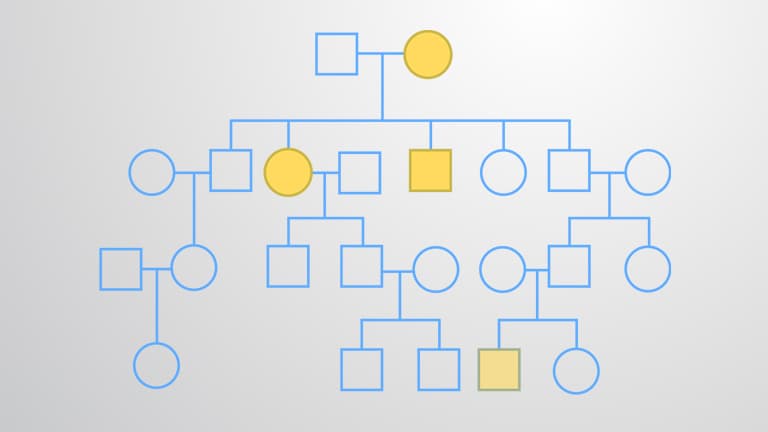
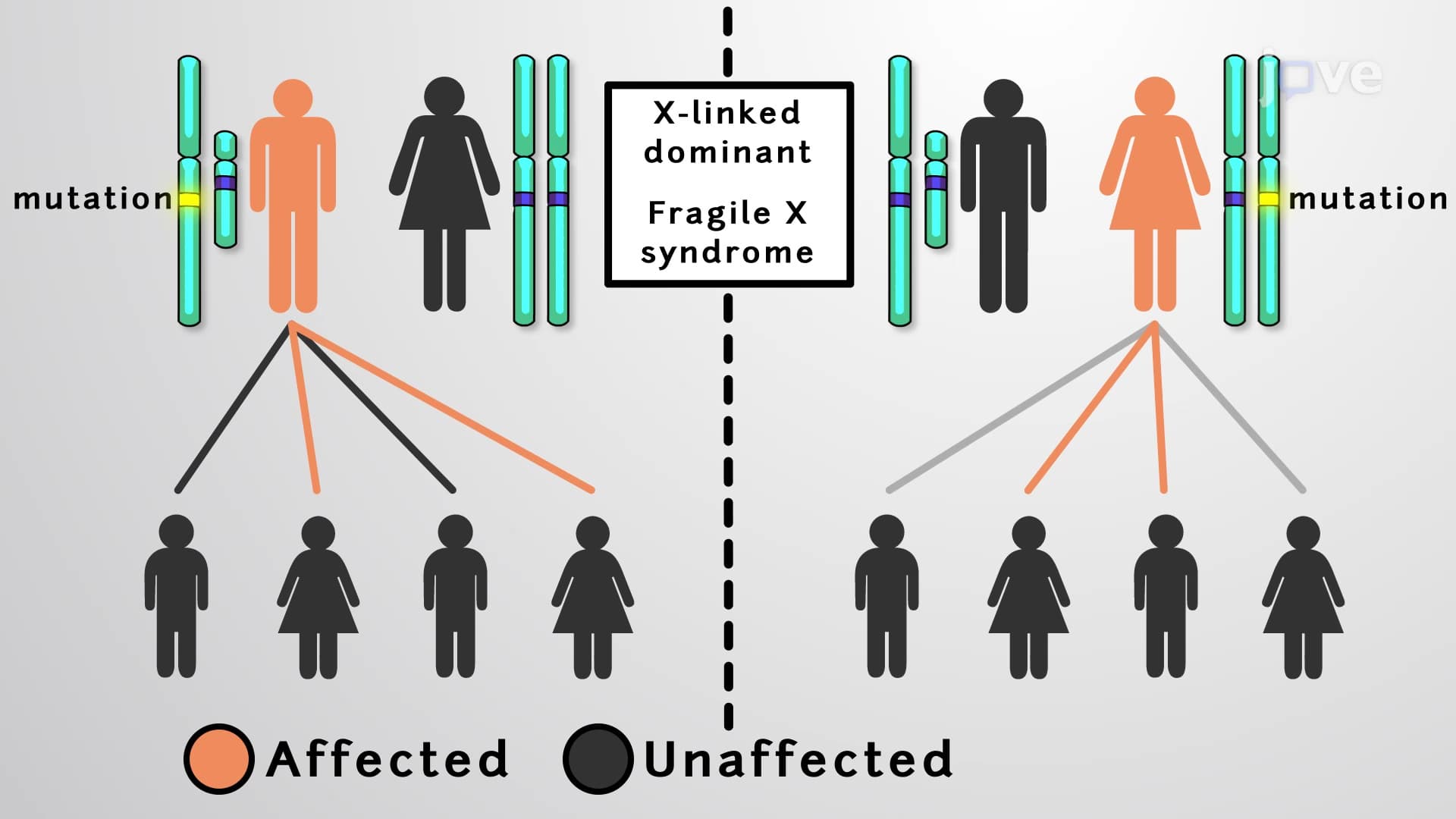
The concept becomes particularly relevant when studying X-linked disorders like hemophilia or color blindness, conditions that disproportionately affect males precisely because they lack a second X chromosome to compensate for defective genes. Understanding dosage compensation helps explain why these disorders follow specific inheritance patterns that students encounter on the AP Biology exam and college genetics courses.
In humans, dosage compensation occurs through X-chromosome inactivation, a process that begins during early embryonic development at the blastocyst stage. This mechanism involves the XIST gene (X-inactive specific transcript), which produces a large non-coding RNA molecule that coats one of the two X chromosomes in female cells.
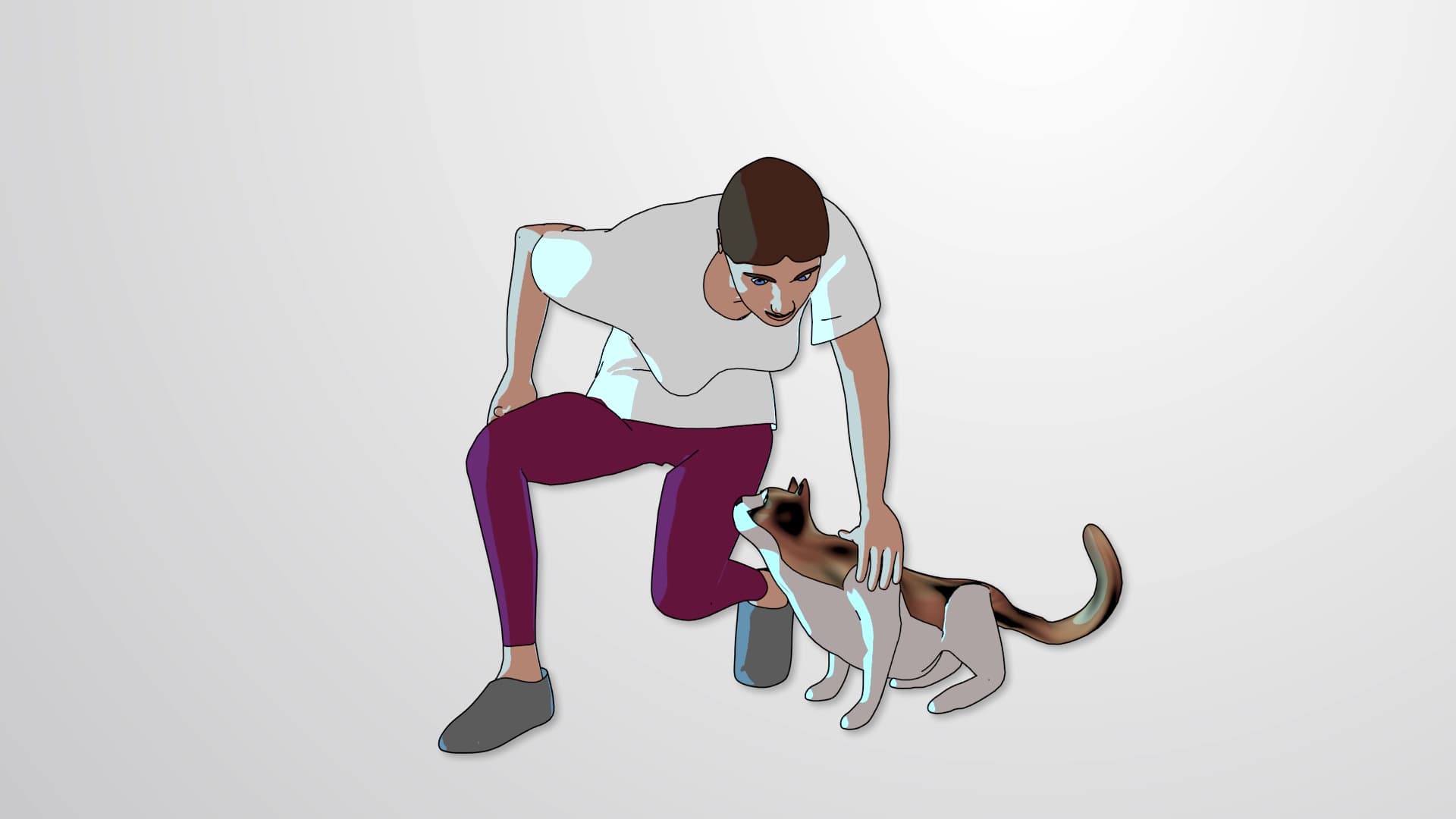
The inactivated X chromosome condenses into a structure called a Barr body, named after Canadian geneticist Murray Barr who first observed these structures in 1949. This process is random in each cell, meaning some cells inactivate the maternal X chromosome while others inactivate the paternal one. This randomness explains the mosaic pattern seen in calico cats and why some women show mild symptoms of X-linked disorders.
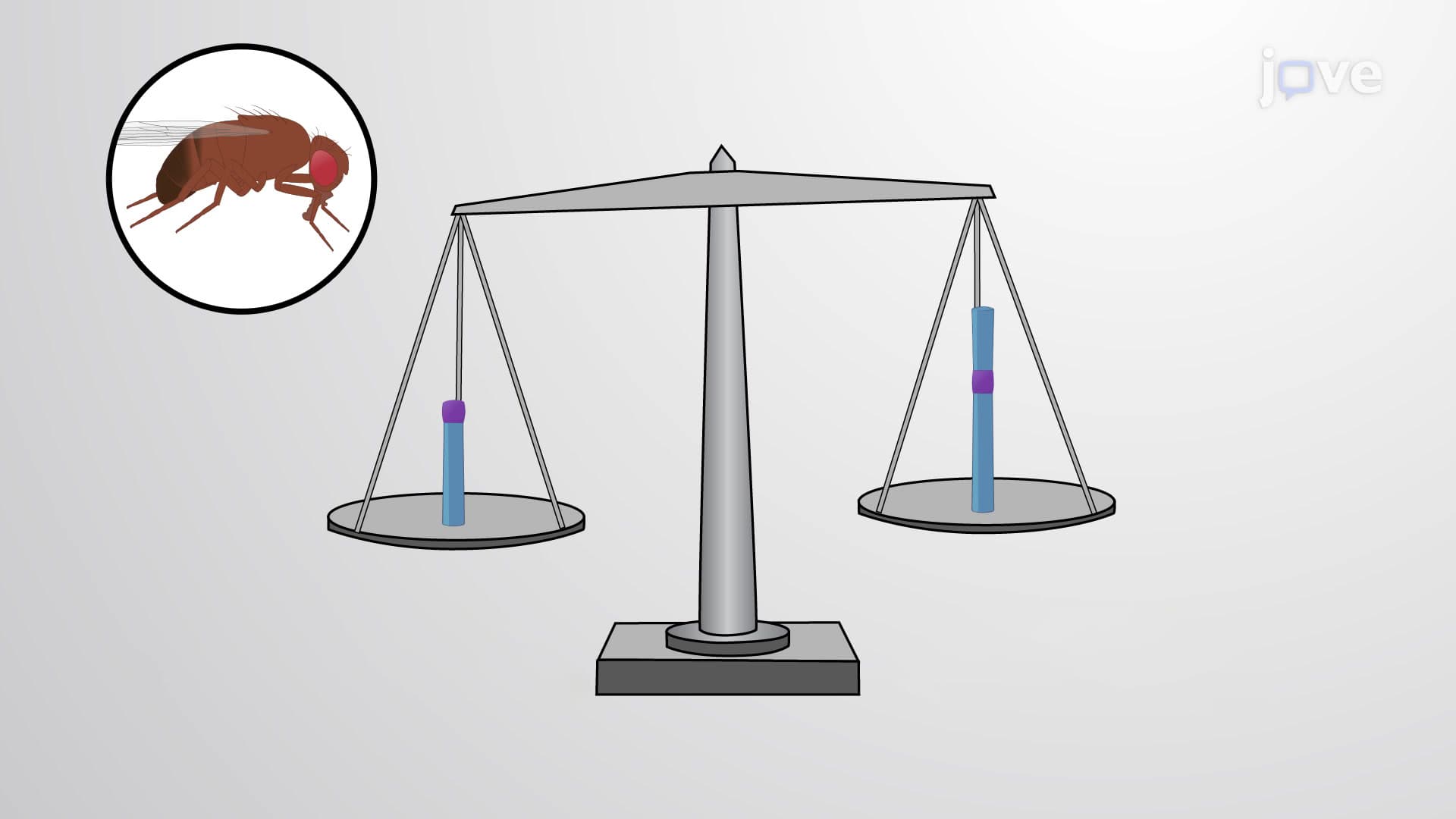
While humans silence one X chromosome, other organisms take different approaches. In fruit flies (Drosophila), males upregulate their single X chromosome by twofold through the action of Male-Specific Lethal (MSL) proteins. This mechanism ensures that males produce the same amount of X-linked proteins as females despite having only one copy of each gene.
The nematode C. elegans uses yet another strategy, downregulating both X chromosomes in hermaphrodites by approximately 50%. This demonstrates how evolution has found multiple solutions to the same fundamental problem, a concept frequently tested on the MCAT and advanced placement exams.
Understanding dosage compensation has profound implications for medical genetics and biotechnology. Researchers at institutions like the National Institutes of Health study dosage compensation defects that can lead to intellectual disabilities and developmental disorders. Additionally, this knowledge informs gene therapy approaches and helps clinicians understand why certain genetic conditions manifest differently in males versus females.
Related Micro-courses