Loading video…


 21 Concepts
 304.9K views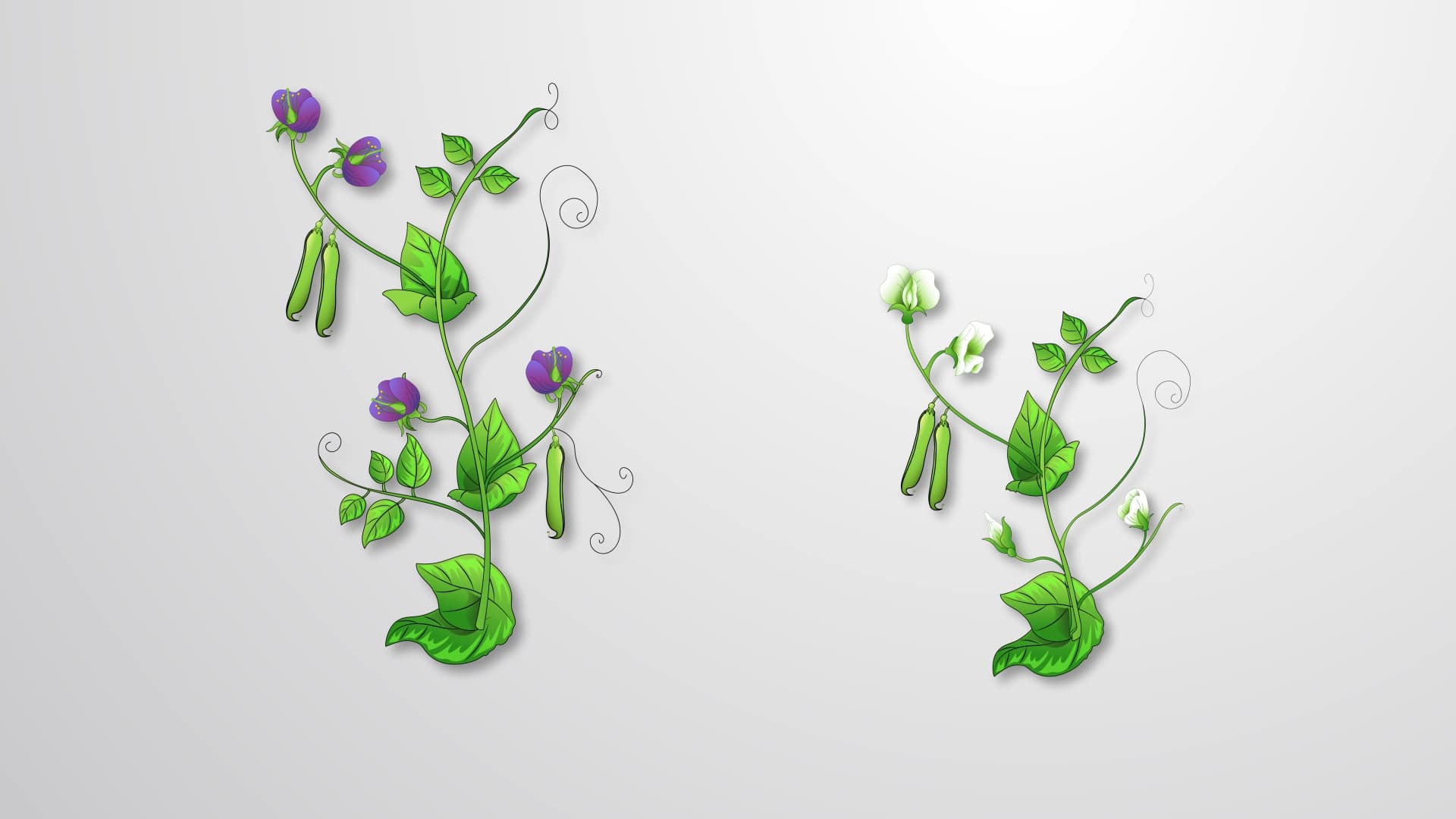

Video Summary: What Is Law of Independent Assortment
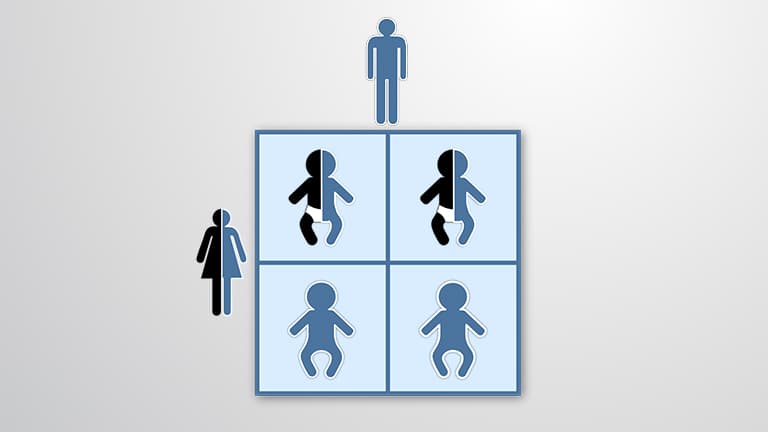
Ever wonder why children can have their mother's eyes but their father's height? The law of independent assortment reveals how traits shuffle independently during reproduction, creating endless genetic combinations. This fundamental principle explains why corn plants in Iowa can display various combinations of kernel color and texture from the same parent plants. Understanding What is Law of Independent Assortment helps decode the genetic lottery that determines every organism's unique characteristics. Watch the full video on JoVE Coach to master this concept with expert-led visuals and step-by-explanations.
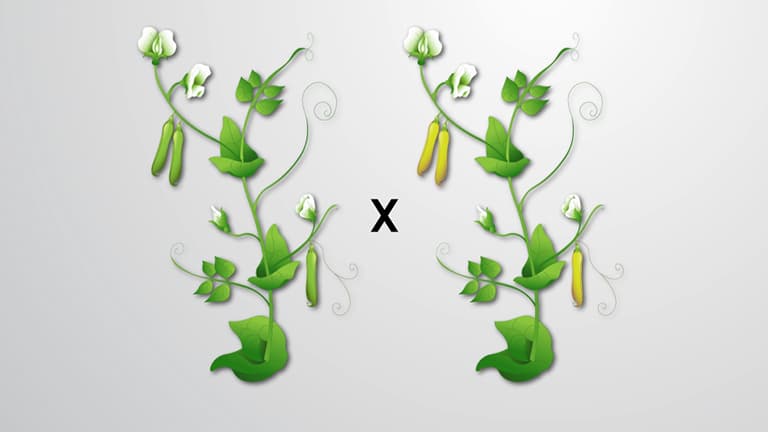
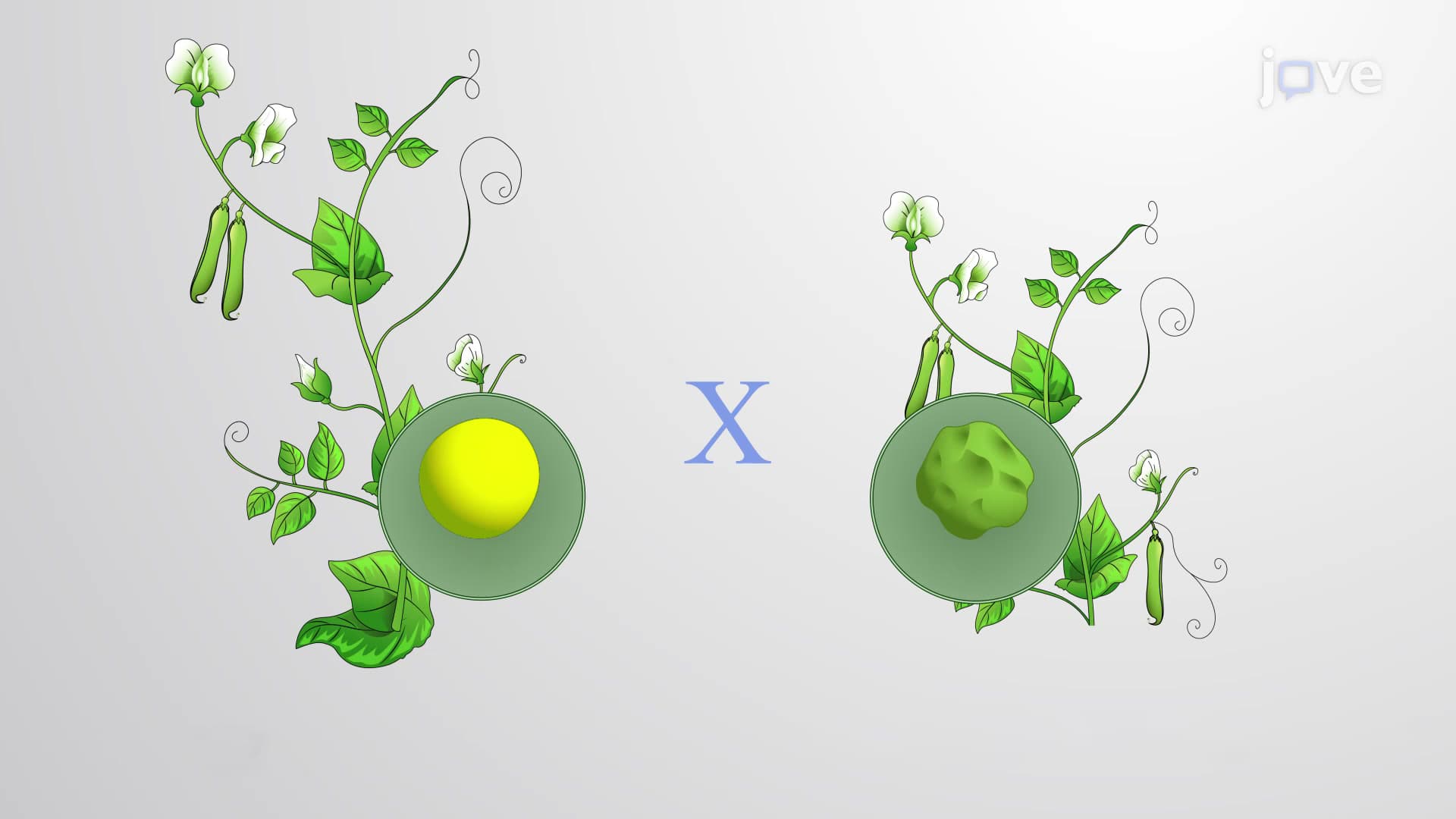
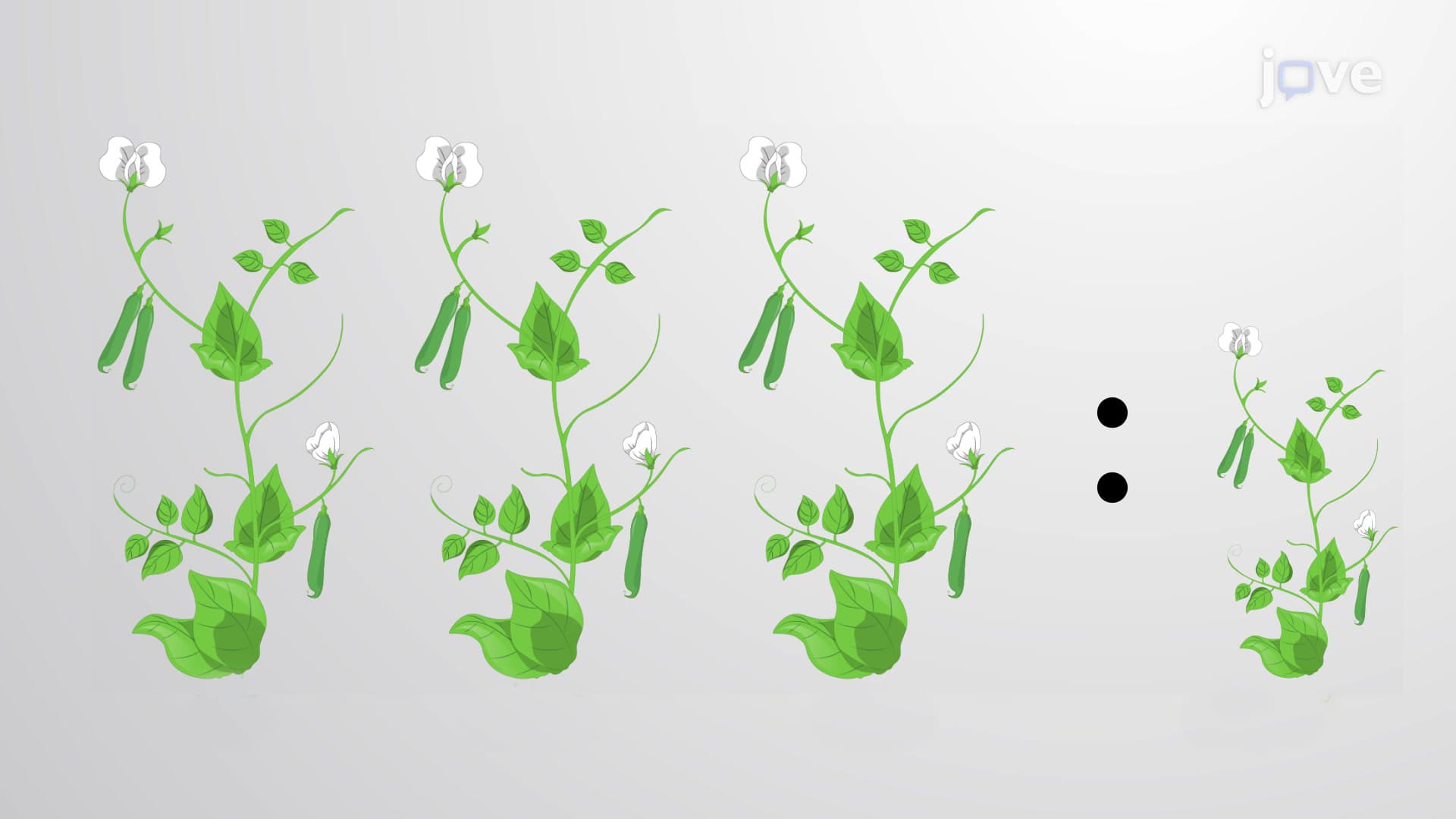
The Law of Independent Assortment represents one of Gregor Mendel's most revolutionary discoveries in genetics, fundamentally changing how we understand inheritance. This principle states that different genes segregate independently during gamete formation, provided they're located on separate chromosomes or sufficiently far apart on the same chromosome. When Mendel crossed pea plants with different seed shapes and colors, he discovered that the inheritance of seed shape had no influence on seed color inheritance-each trait behaved as an independent entity.
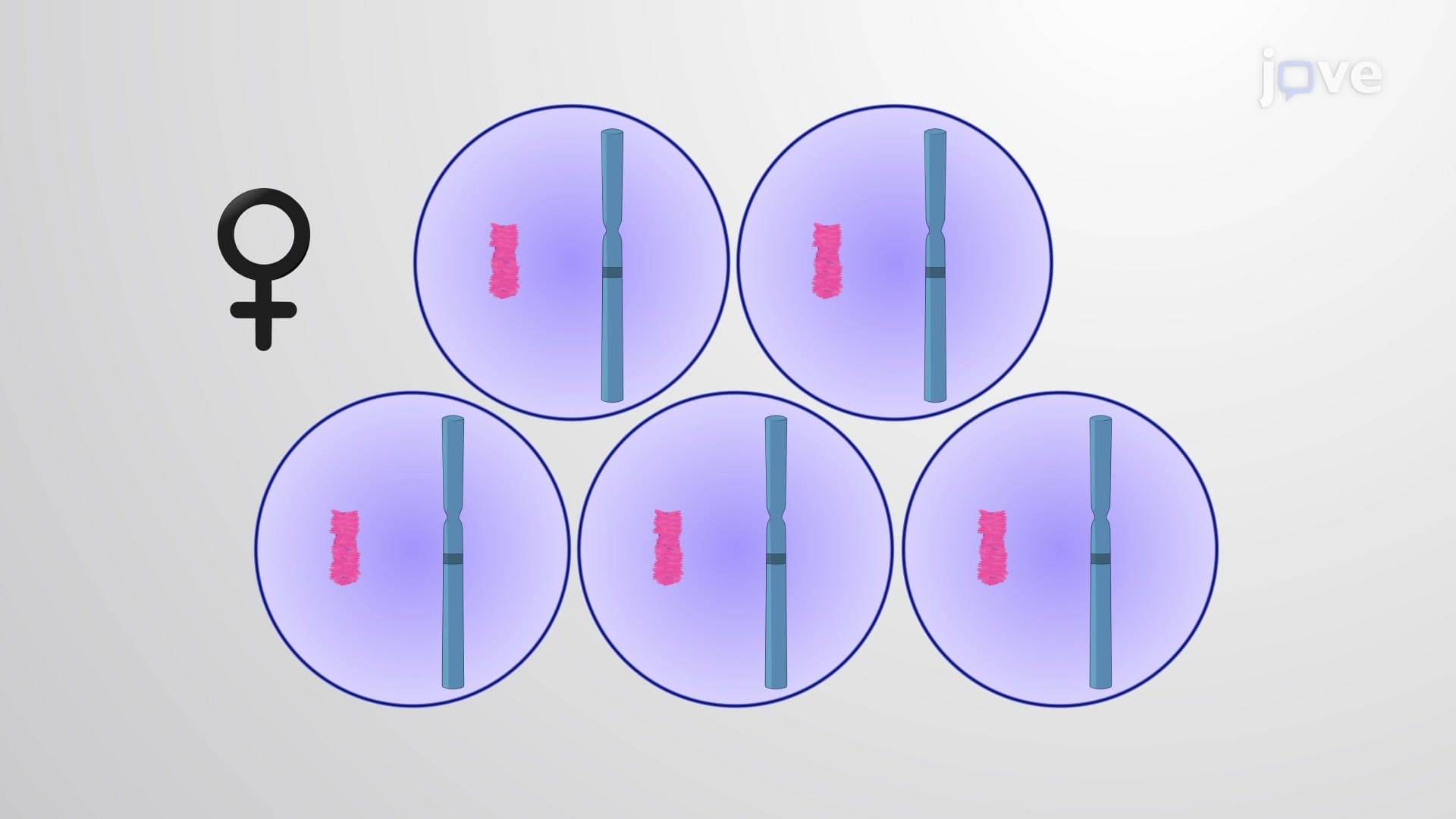
During meiosis, homologous chromosome pairs align randomly at the cell's equator during metaphase I. This random orientation, called independent orientation, ensures that maternal and paternal chromosomes distribute independently into daughter cells. For example, if examining genes A and B on different chromosomes, a parent with genotype AaBb can produce four equally likely gamete types: AB, Ab, aB, and ab. This 25% probability for each gamete combination forms the mathematical foundation for predicting offspring ratios.
The physical basis lies in chromosome structure and behavior. Humans possess 23 chromosome pairs, allowing for 2^23 (over 8 million) possible chromosome combinations in gametes through independent assortment alone. This astronomical number explains the genetic uniqueness of siblings, except identical twins.
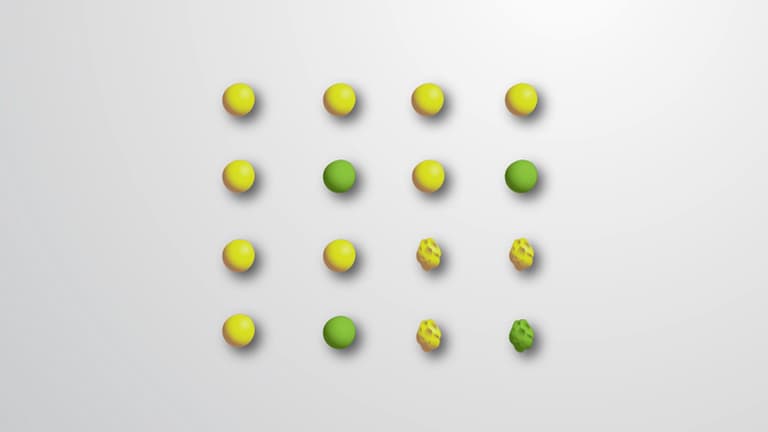
Mendel's dihybrid crosses provided concrete evidence for independent assortment. When crossing plants differing in two traits-such as seed shape (round vs. wrinkled) and color (yellow vs. green)-the F2 generation exhibited a consistent 9:3:3:1 phenotypic ratio. This ratio emerges only when genes assort independently, making it a diagnostic tool for determining genetic linkage.
In AP Biology exams and college genetics courses, students frequently encounter problems requiring calculation of these ratios. For instance, crossing RrYy × RrYy (where R = round, r = wrinkled, Y = yellow, y = green) yields: 9 round yellow : 3 round green : 3 wrinkled yellow : 1 wrinkled green. This predictable pattern has practical applications in agricultural breeding programs across American farms, from corn production in Iowa to cattle breeding in Texas.
Independent assortment faces limitations when genes exhibit linkage-physical proximity on the same chromosome. Linked genes tend to inherit together, violating independent assortment principles. The closer two genes sit on a chromosome, the stronger their linkage. This phenomenon explains why certain trait combinations appear more frequently than others in breeding populations.
American agriculture extensively utilizes independent assortment principles. Plant breeders at universities like Cornell and UC Davis develop crop varieties by selecting independently assorting traits-combining disease resistance genes with yield-enhancing genes. Similarly, animal breeders use these principles to develop livestock with desired combinations of milk production, disease resistance, and physical characteristics. Understanding these patterns helps predict breeding outcomes and optimize genetic improvement programs.
Related Micro-courses