Loading subject page…


304,921 views

Video Summary: What Is Lethal Alleles
Lethal alleles cause organisms to die, yet surprisingly, some persist in populations for generations. These genetic variants affecting essential survival genes explain why certain genetic crosses don't follow expected Mendelian ratios, as seen in Huntington's disease cases across American families. Understanding lethal alleles reveals how dominant variants kill both homozygotes and heterozygotes, while recessive types only affect homozygotes. Watch the full video on JoVE Coach to master this concept with expert-led visuals and step-by-explanations.
Lethal alleles represent genetic variants that cause organism death when present in specific combinations. These mutations affect essential genes-DNA sequences critical for basic survival functions like metabolism, development, or cellular maintenance. Unlike typical genetic variants that might alter appearance or minor traits, lethal alleles impact fundamental biological processes that organisms cannot survive without.
The concept becomes particularly important when studying inheritance patterns that deviate from Mendel's classic ratios. Students preparing for AP Biology exams or college genetics courses frequently encounter problems where expected 3:1 or 1:1 ratios don't appear due to lethal allele effects eliminating certain genotype classes.
Dominant lethal alleles kill both heterozygous and homozygous individuals carrying the mutation. These variants rarely persist in populations because affected individuals die before reproducing. Huntington's disease provides a notable exception-this neurodegenerative condition affects approximately 30,000 Americans, persisting because symptoms don't appear until age 40-50, allowing reproduction before death occurs.
Recessive lethal alleles only kill homozygous individuals while heterozygous carriers survive normally. These variants can persist indefinitely in populations through heterozygous carriers who show no harmful effects. Cystic fibrosis exemplifies this pattern, affecting about 1 in 2,500-3,500 newborns in the United States while maintaining carrier frequencies around 1 in 25 individuals.
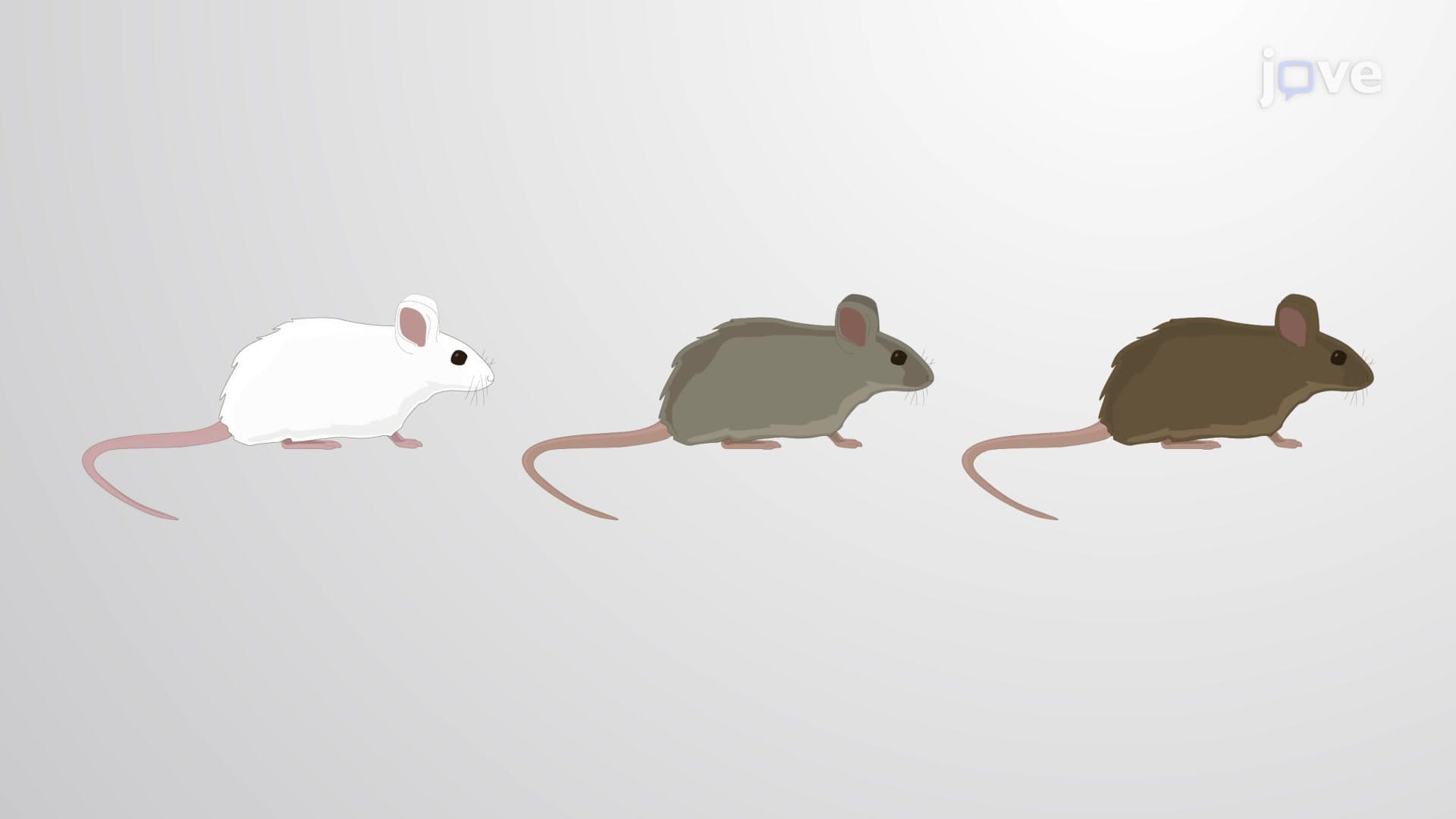
Lucien Cuénot's 1905 experiments with mouse coat color provided foundational evidence for lethal alleles. His crosses between yellow mice consistently produced 2:1 ratios instead of expected 3:1 ratios, puzzling researchers until later work revealed that homozygous yellow genotypes died during embryonic development.
Castle and Little's 1910 follow-up studies confirmed that 25% of embryos from heterozygous crosses died in utero, explaining the missing genotype class. This research established key principles still taught in modern genetics courses and tested on MCAT examinations.
Today's genetic counselors and medical professionals regularly encounter lethal alleles when advising families about inherited disorders. Conditions like Tay-Sachs disease, particularly prevalent in Ashkenazi Jewish populations, demonstrate how recessive lethal alleles persist through carrier screening programs now standard in American healthcare.
Understanding lethal alleles proves essential for students pursuing healthcare careers, forming foundational knowledge for advanced courses in medical genetics, genetic counseling, and molecular biology research programs at major American universities.
Related Micro-courses