Loading subject page…


304,922 views


Video Summary: What Is Monohybrid Crosses
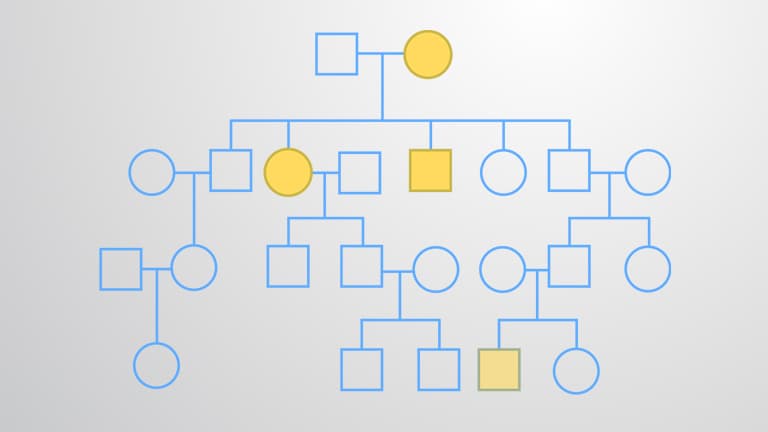
Ever wondered why some families have children with brown eyes while others have blue, or why certain genetic diseases skip generations? Monohybrid crosses provide the foundation for understanding how single traits pass from parents to offspring. This fundamental genetic concept explains inheritance patterns through Mendel's Law of Segregation, helping predict outcomes like the 25% chance of inheriting cystic fibrosis when both parents are carriers. What is monohybrid crosses becomes clear through Punnett square analysis and real-world applications in medicine and agriculture. Watch the full video on JoVE Coach to master this concept with expert-led visuals and step-by-step explanations.
Monohybrid crosses represent the simplest form of genetic inheritance, focusing on how a single gene with two possible alleles (versions) passes from parents to offspring. Named after Gregor Mendel's groundbreaking pea plant experiments in the 1860s, these crosses follow the Law of Segregation, which states that paired alleles separate during gamete formation, with each parent contributing only one allele per gene to their offspring.
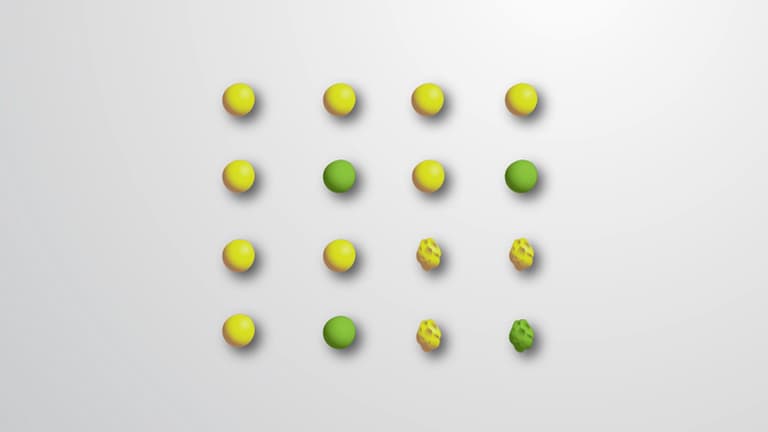
In practical terms, imagine crossing two pea plants where one parent is homozygous dominant (RR) for round seeds and the other is homozygous recessive (rr) for wrinkled seeds. The F1 generation will be 100% heterozygous (Rr), displaying the dominant round phenotype. However, when these F1 individuals are crossed, the F2 generation shows the classic 3:1 phenotypic ratio-three round-seeded plants for every one wrinkled-seeded plant.
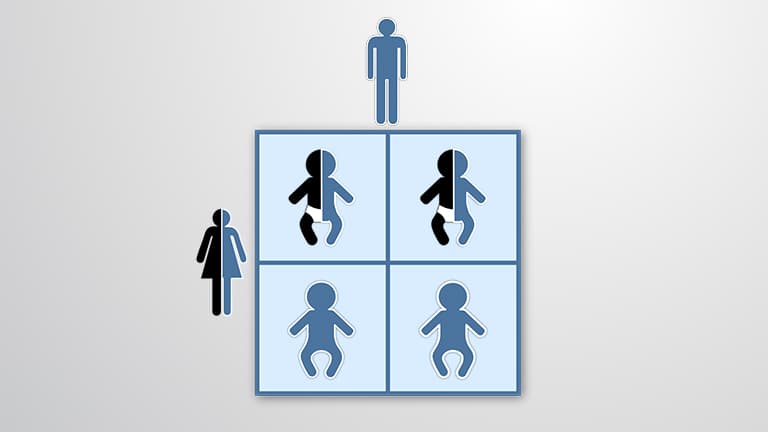
Punnett squares serve as the primary tool for visualizing monohybrid cross outcomes. These 2×2 grids help students systematically determine all possible genetic combinations. For a typical heterozygous cross (Aa × Aa), the Punnett square reveals a 1:2:1 genotypic ratio (1 AA : 2 Aa : 1 aa) and a 3:1 phenotypic ratio (3 dominant : 1 recessive expression).
This predictive power proves invaluable for AP Biology students tackling genetic probability problems. College-level genetics courses expand these concepts to include test crosses, where an individual with an unknown genotype is crossed with a homozygous recessive individual to determine the mystery parent's genetic makeup.
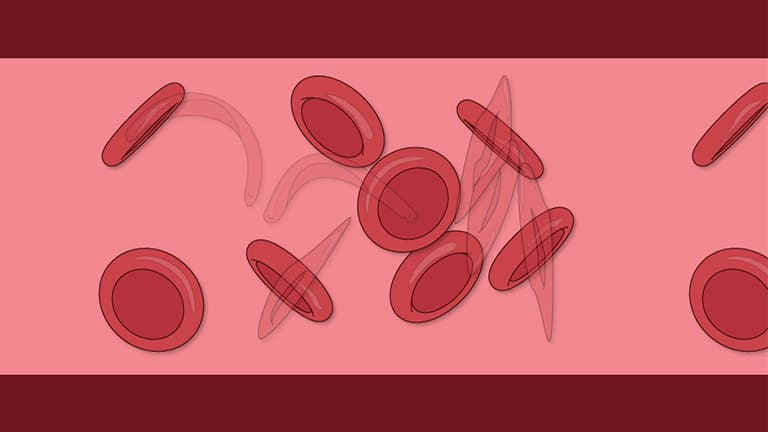
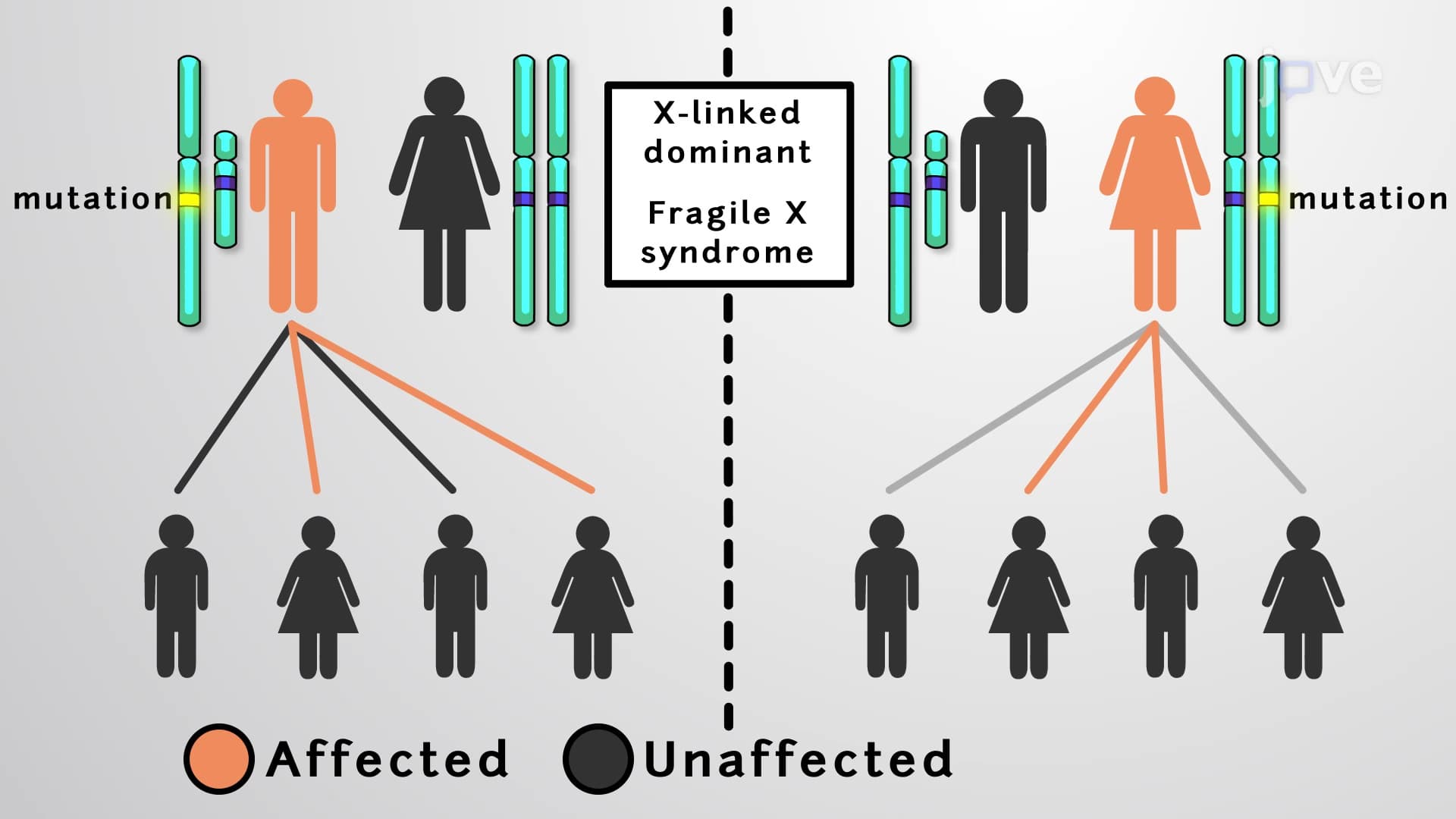
Monohybrid crosses have profound implications in human genetics and healthcare. Medical geneticists use these principles to counsel families about inherited conditions like sickle cell anemia, where two carrier parents (heterozygous) have a 25% chance with each pregnancy of having a child with the disease. Similarly, Huntington's disease, caused by a dominant allele, demonstrates how monohybrid inheritance affects genetic counseling decisions.
In American agriculture, plant breeders apply monohybrid cross principles to develop crops with desired traits. The University of California system has used these methods to create disease-resistant tomato varieties, while corn breeders select for traits like kernel color and sweetness levels.
For students preparing for standardized exams, monohybrid crosses frequently appear on the AP Biology exam, MCAT, and college biology assessments. Questions typically involve calculating probability ratios, identifying parental genotypes from offspring data, or explaining the genetic basis for observed inheritance patterns. Understanding these crosses provides the foundation for more complex topics like dihybrid crosses, gene linkage, and population genetics covered in upper-level coursework.
Related Micro-courses