Loading subject page…


304,922 views


Video Summary: What Is X Inactivation
Ever wondered why calico cats in veterinary clinics across the United States are almost always female? X inactivation holds the answer to this fascinating genetic phenomenon. This essential molecular mechanism randomly silences one X chromosome in each female mammalian cell during early development, creating the distinctive patched coat patterns we observe. The process ensures genetic balance between males and females by equalizing X-linked gene expression. Watch the full video on JoVE Coach to master this concept with expert-led visuals and step-by-step explanations.
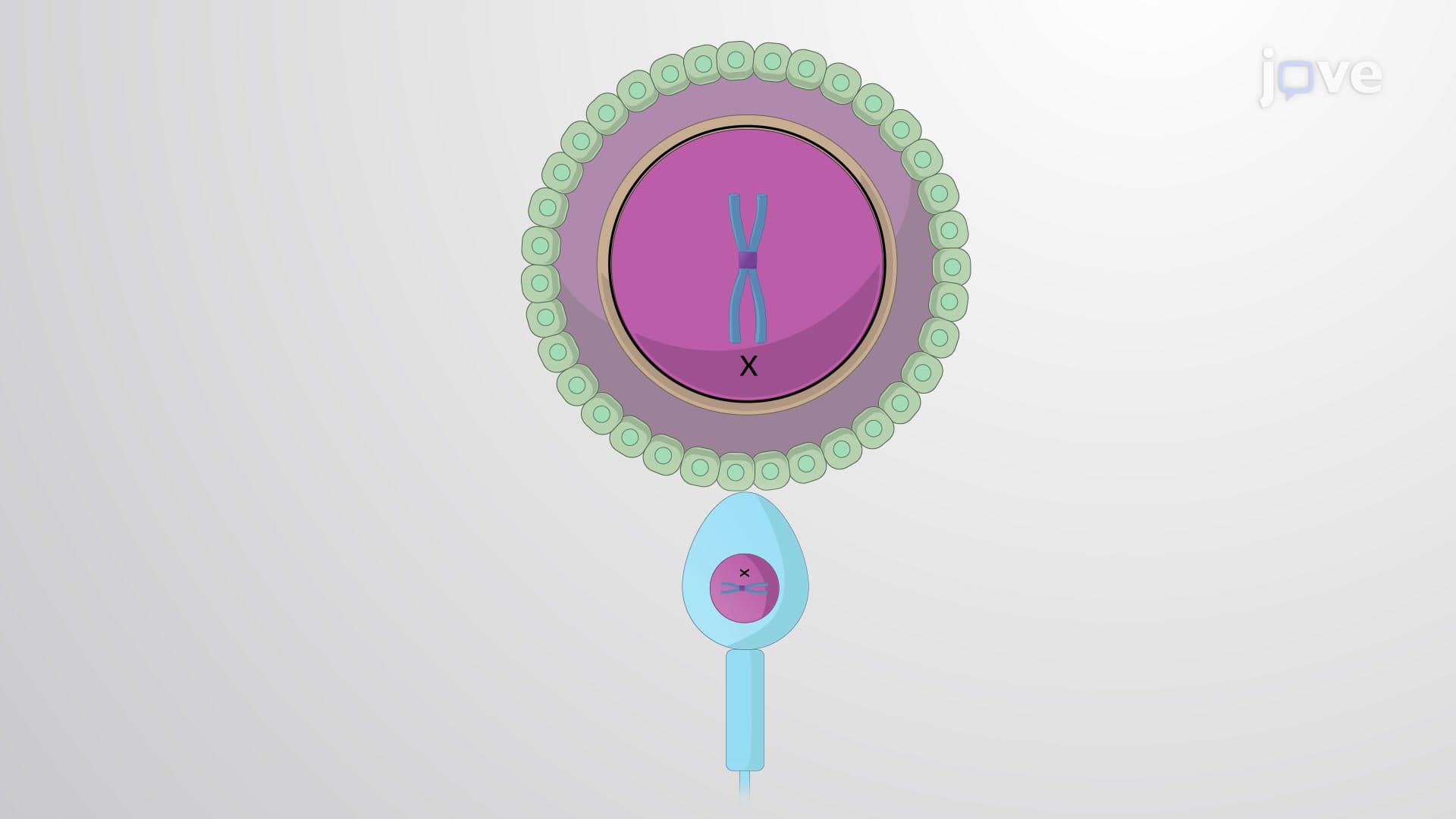
X inactivation represents one of nature's most elegant solutions to a fundamental genetic imbalance. In mammals, females possess two X chromosomes (XX) while males have only one (XY). Without compensation, females would express twice the amount of X-linked genes compared to males, potentially causing developmental abnormalities or lethality. This sophisticated epigenetic mechanism randomly silences one X chromosome in each female cell, creating genetic equilibrium between the sexes.
The process begins early in female embryonic development, typically during the blastocyst stage around days 6-7 in humans. The XIST (X-inactive specific transcript) gene serves as the master regulator, producing a long non-coding RNA that coats the chromosome destined for inactivation. This RNA recruits chromatin-modifying complexes that establish repressive histone marks, including H3K27me3 and H2AK119ub1. Subsequently, DNA methylation of CpG islands in gene promoters locks in the inactive state, forming the densely packed Barr body visible under microscopy.
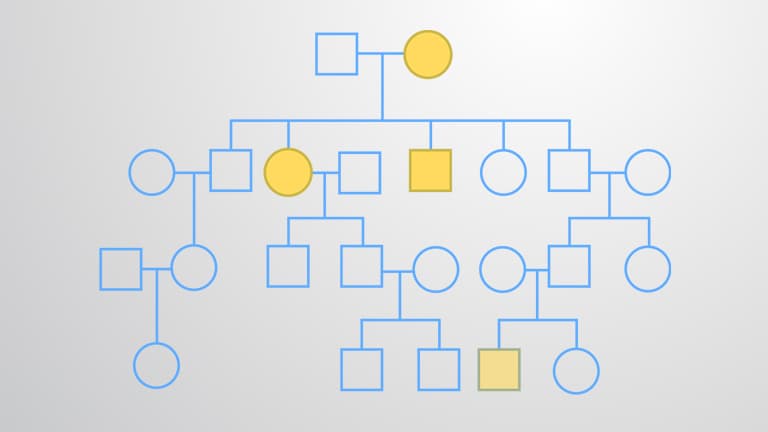
X inactivation profoundly impacts medical practice across the United States. Female carriers of X-linked disorders like hemophilia A or Duchenne muscular dystrophy may show variable symptoms depending on which X chromosome remains active in relevant tissues. In cardiology departments at major medical centers like Johns Hopkins and Mayo Clinic, physicians observe that some female carriers of X-linked cardiomyopathy exhibit mild symptoms while others remain asymptomatic.
The phenomenon also explains why certain genetic conditions affect males more severely. Color blindness, affecting approximately 8% of American males but less than 1% of females, demonstrates this principle. When studying for the MCAT or AP Biology exams, students frequently encounter questions about X-linked inheritance patterns that require understanding X inactivation mechanisms.
Not all X-linked genes undergo complete inactivation. Approximately 15-25% of genes on the human X chromosome escape silencing, maintaining expression from both chromosomes. These "escapee genes" often have functional copies on the Y chromosome or play crucial roles in development. Current research at institutions like Stanford and Harvard focuses on how skewed X inactivation patterns contribute to autoimmune diseases, which disproportionately affect women, and neurodevelopmental disorders.
Related Micro-courses