Loading…
Loading video…

169,800 views
Did you know that collagen makes up nearly 30% of all proteins in your body, forming the foundation of everything from your bones to your blood vessels? Structural protein function involves providing essential support, shape, and organization to cells and tissues throughout living organisms. These remarkable proteins create the cytoskeleton that maintains cell structure and enable movement at the cellular level, much like how steel beams support skyscrapers in cities like New York. Watch the full video on JoVE Coach to master this concept with expert-led visuals and step-by-step explanations.
Structural protein function represents one of the most fundamental biological processes, providing the architectural framework that enables life as we know it. Unlike enzymes that catalyze reactions or transport proteins that move molecules, structural proteins serve as the body's construction materials, creating and maintaining the physical infrastructure of cells and tissues.
Collagen exemplifies structural protein excellence, comprising approximately 25-30% of total body protein in mammals. This remarkable protein demonstrates the hierarchical nature of structural organization - individual collagen molecules wind into triple helices, which then polymerize into fibrils, ultimately assembling into the strong fibers found in tendons, ligaments, and skin. In clinical settings like those at Mayo Clinic or Johns Hopkins, physicians regularly encounter collagen-related disorders such as Ehlers-Danlos syndrome, where genetic mutations affect collagen synthesis and lead to joint hypermobility and tissue fragility.
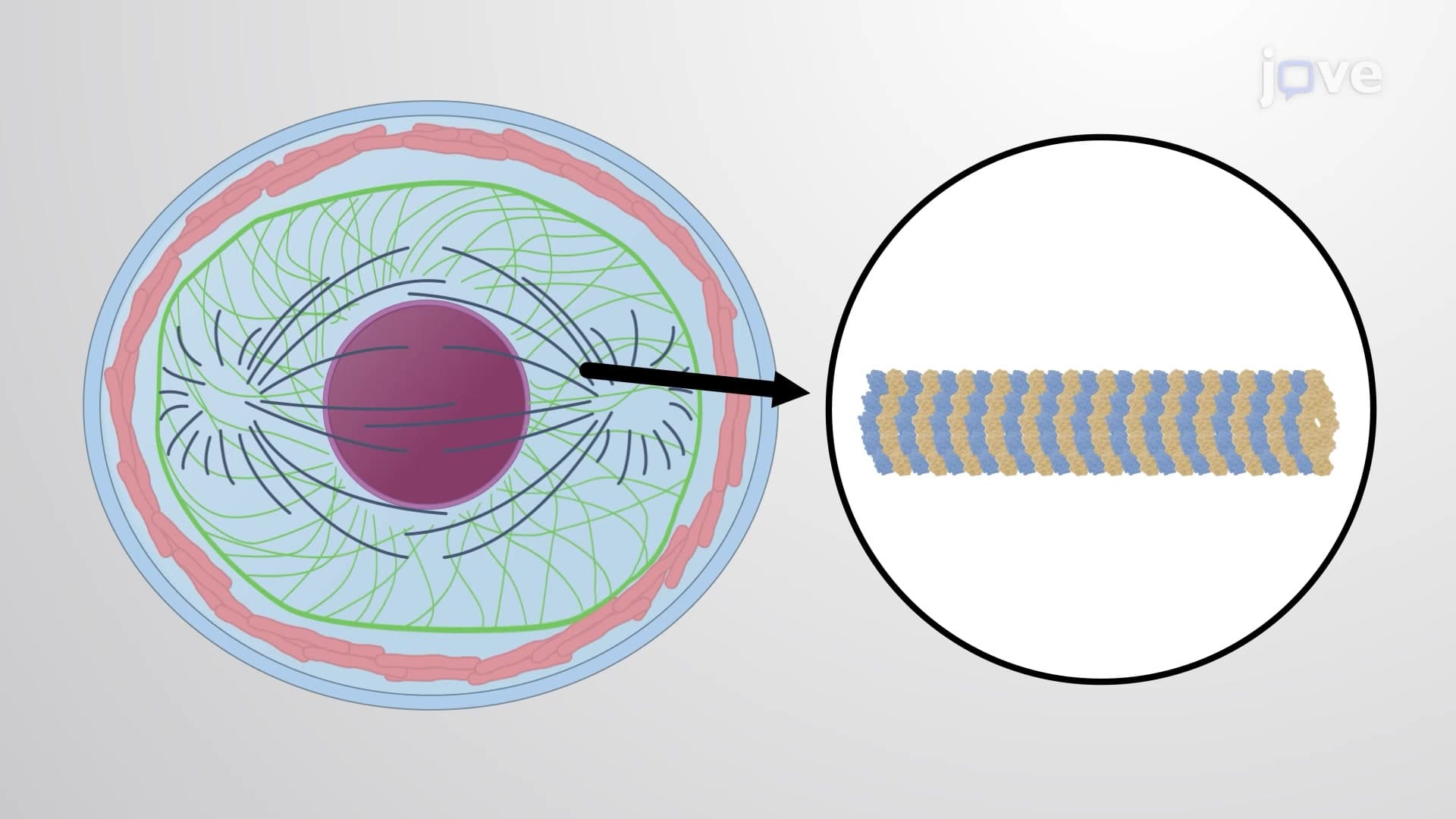
The cytoskeleton showcases structural protein diversity through three distinct filament systems. Actin microfilaments, measuring about 7 nanometers in diameter, enable cell movement and division - a process students observe in AP Biology labs when studying cell motility. Intermediate filaments, varying from 8-12 nanometers, provide mechanical strength through proteins like keratin in skin cells or neurofilaments in neurons. Microtubules, the largest at 25 nanometers, consist of tubulin proteins that organize cellular contents and facilitate intracellular transport.
Understanding structural protein function proves essential for students preparing for MCAT or pursuing pre-health tracks. Muscular dystrophy results from dystrophin protein defects, affecting muscle fiber integrity. Alzheimer's disease involves tau protein dysfunction in microtubules, while sickle cell anemia demonstrates how even small structural changes in hemoglobin can have devastating effects. These examples frequently appear on standardized exams and emphasize why mastering structural protein concepts benefits both academic success and future healthcare careers.
Frequently Asked Questions
Structural protein function involves providing physical support, shape, and organization to cells and tissues, unlike enzymes that catalyze reactions or hormones that signal. These proteins act like biological building materials, creating frameworks that maintain cellular architecture and enable mechanical properties essential for life.
MCAT questions frequently test cytoskeletal components, collagen structure, and protein-disease relationships, making this a high-yield topic. AP Biology exams often include structural protein questions in cellular structure units and connecting biological concepts to human health applications.
Focus on collagen (extracellular matrix), actin (microfilaments), tubulin (microtubules), keratin (intermediate filaments), and dystrophin (muscle structure). Understanding their locations, functions, and associated diseases provides comprehensive exam coverage for most undergraduate biology courses.
Structural protein defects cause numerous conditions treated in US hospitals, including osteogenesis imperfecta from collagen mutations, Duchenne muscular dystrophy from dystrophin defects, and various skin disorders from keratin abnormalities. These examples demonstrate direct clinical relevance.
Not at all - structural protein function builds on basic chemistry concepts like protein folding and cellular organization already covered in biology classes. The key is connecting molecular structure to visible functions like muscle contraction and bone strength.
Create comparison charts showing protein type, location, function, and associated diseases, then practice drawing cytoskeletal organization diagrams. Focus on understanding hierarchical assembly from molecules to tissues rather than memorizing isolated facts.
Consider studying protein synthesis and folding mechanisms, extracellular matrix biology, cell adhesion molecules, and tissue engineering principles. These topics build naturally on structural protein foundations and appear frequently in advanced biology courses.
Structural proteins enable critical processes like chromosome separation during mitosis (microtubules), cell migration during development (actin), and tissue differentiation (intermediate filaments). Understanding these connections helps students see biology as an integrated system rather than isolated concepts.
Related Micro-courses


Related Subjects