- Molecular Biology
- DNA Replication
Micro-courses:20

DNA Replication
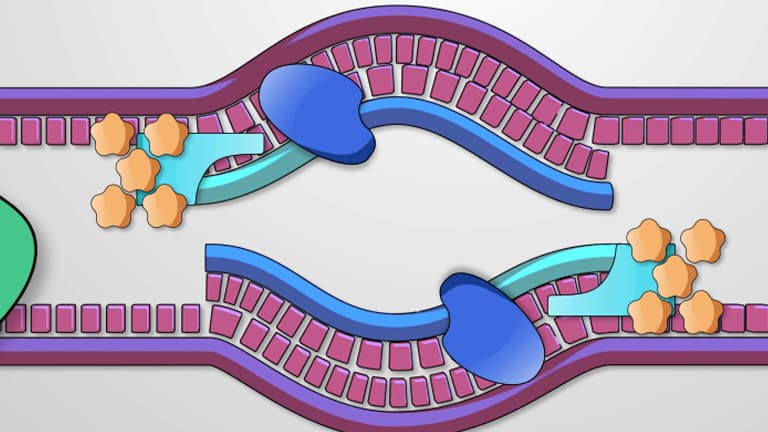
1. Replication in Prokaryotes
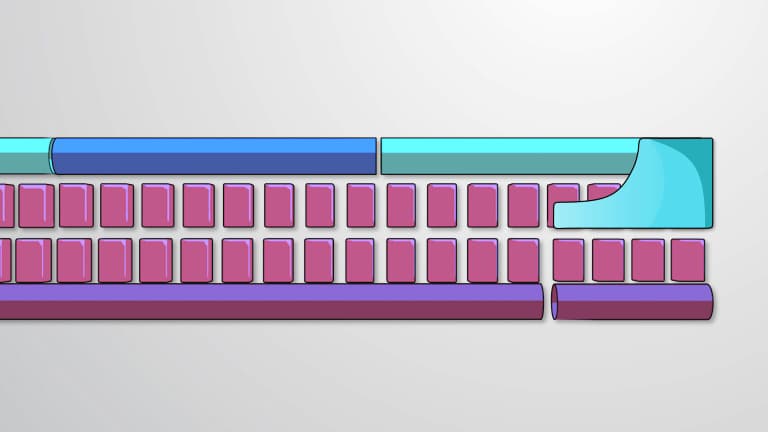
2. Replication in Eukaryotes
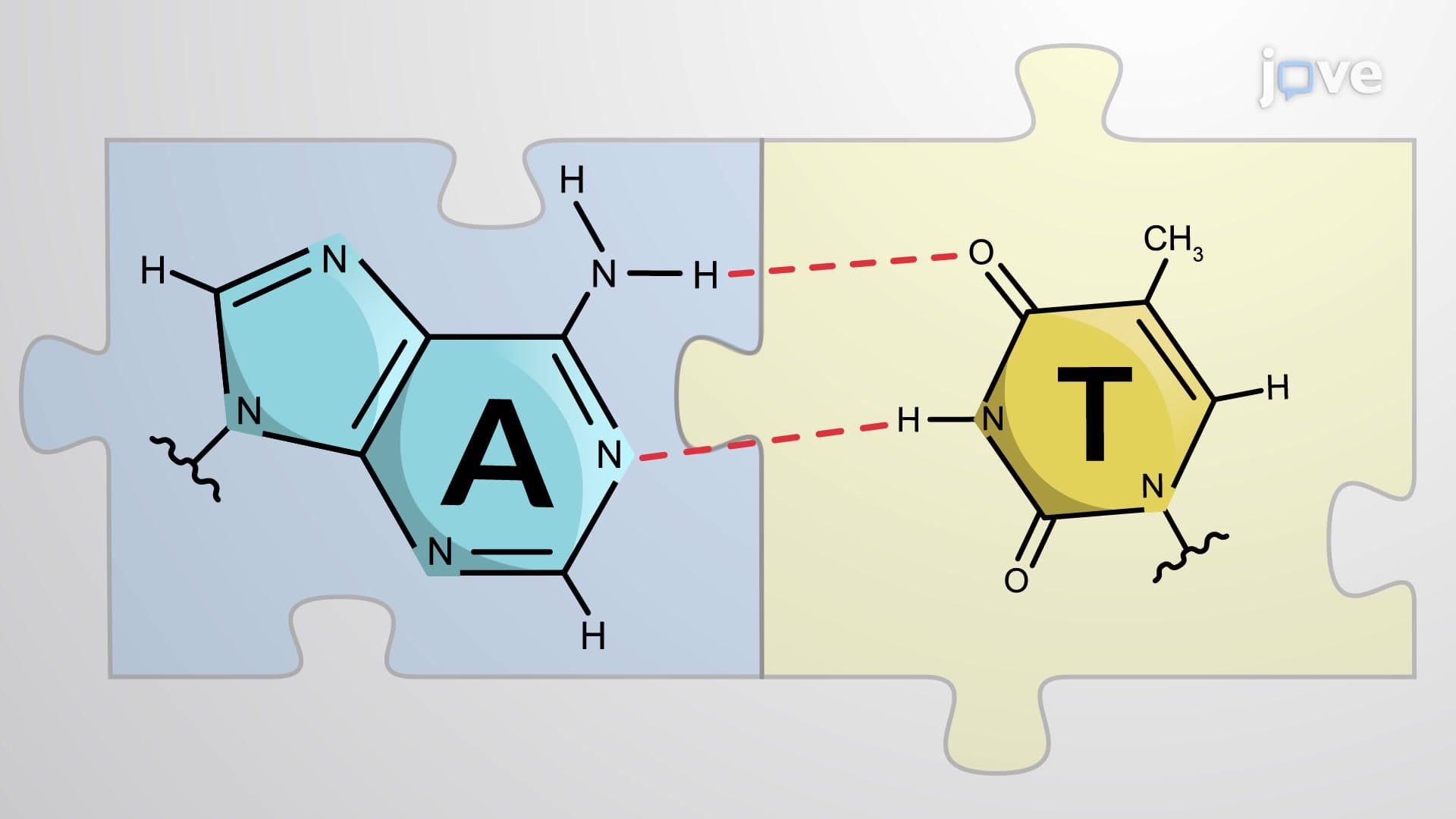
3. DNA Base Pairing
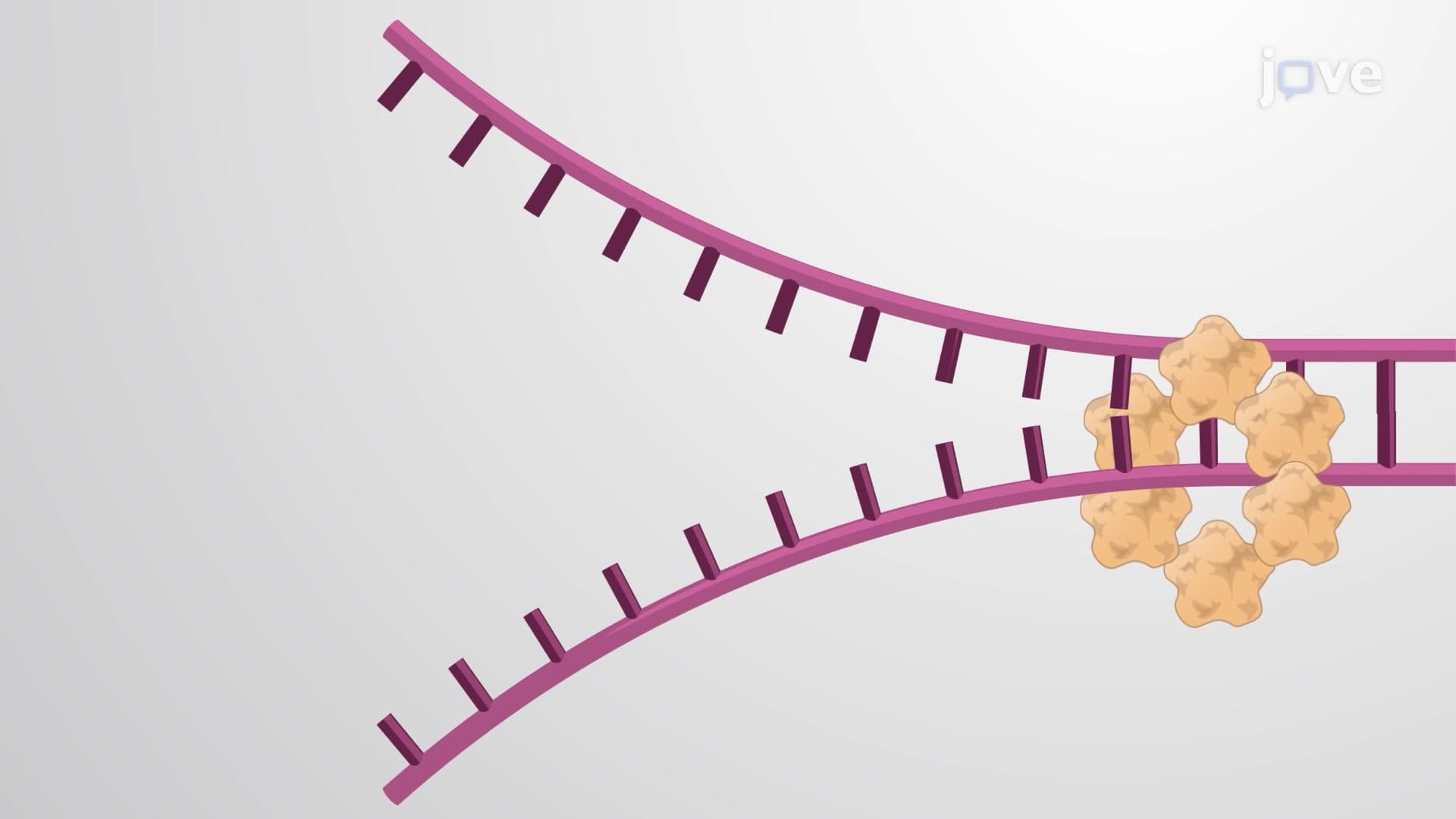
4. The DNA Replication Fork
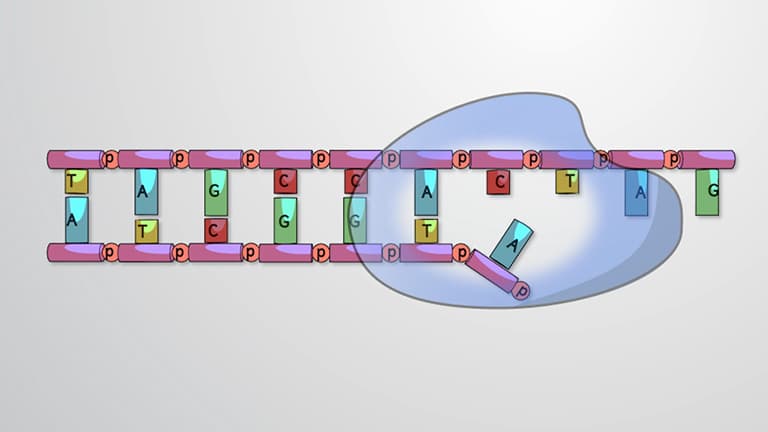
5. Proofreading
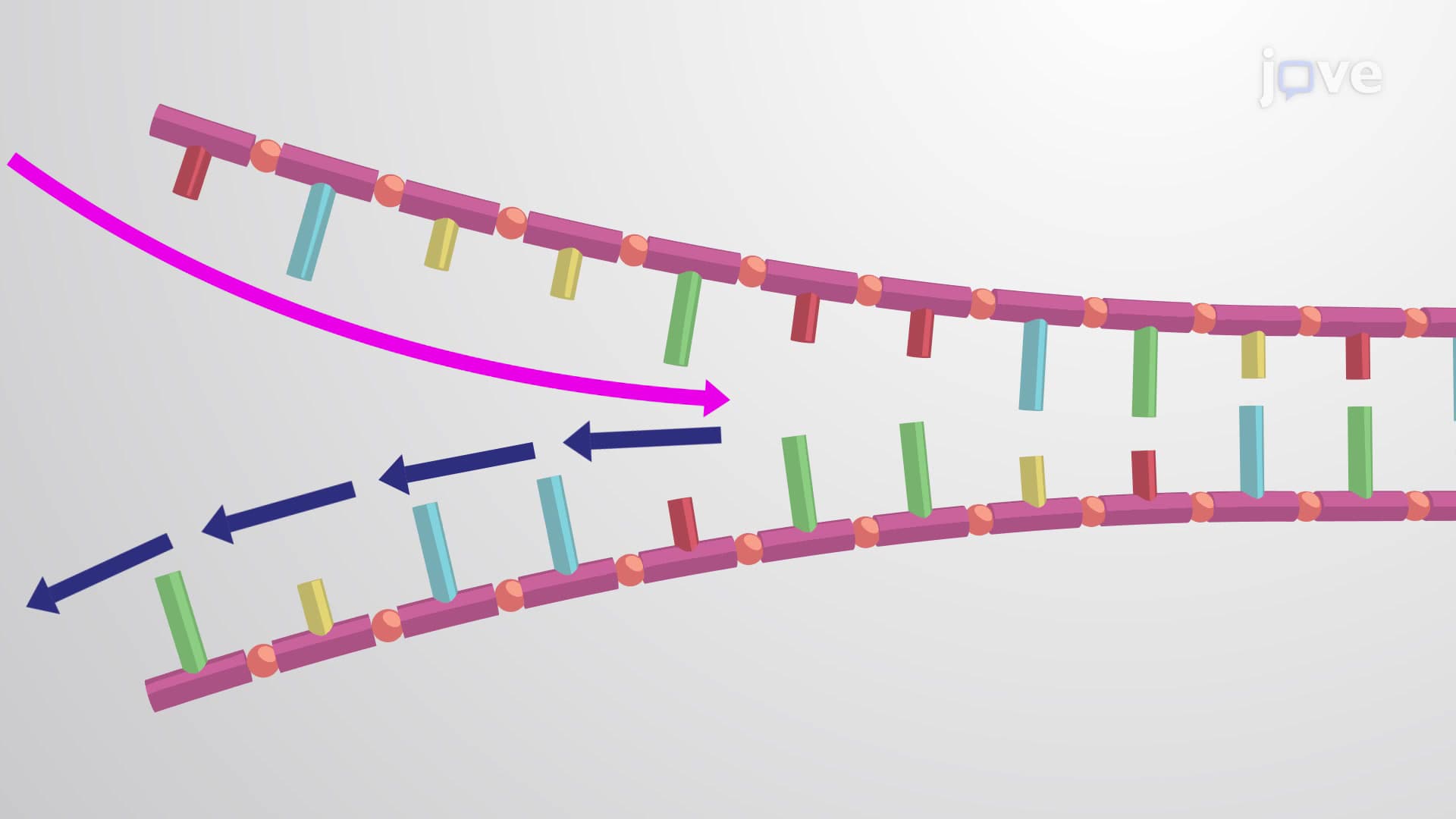
6. Lagging Strand Synthesis
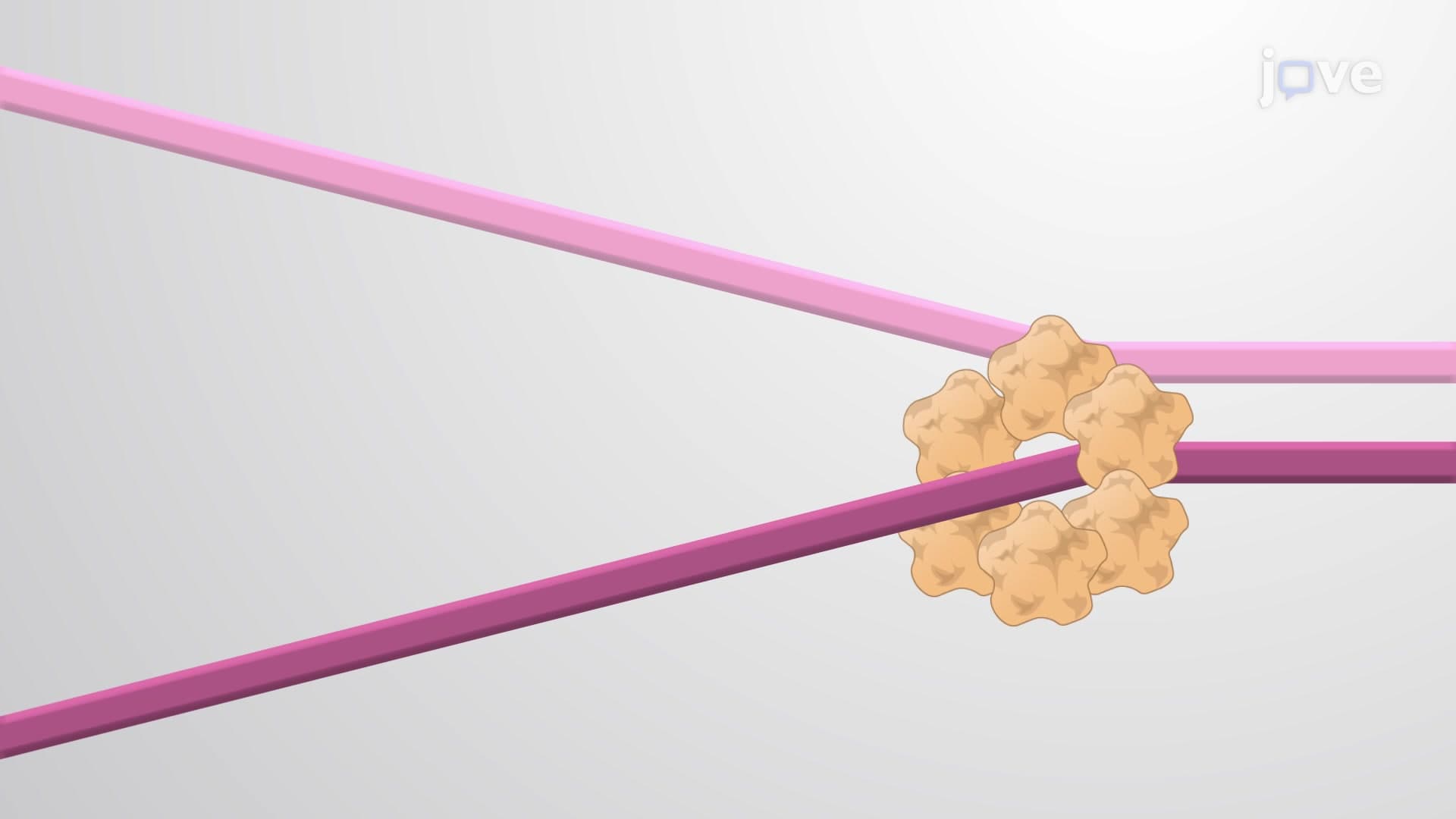
7. DNA Helicases
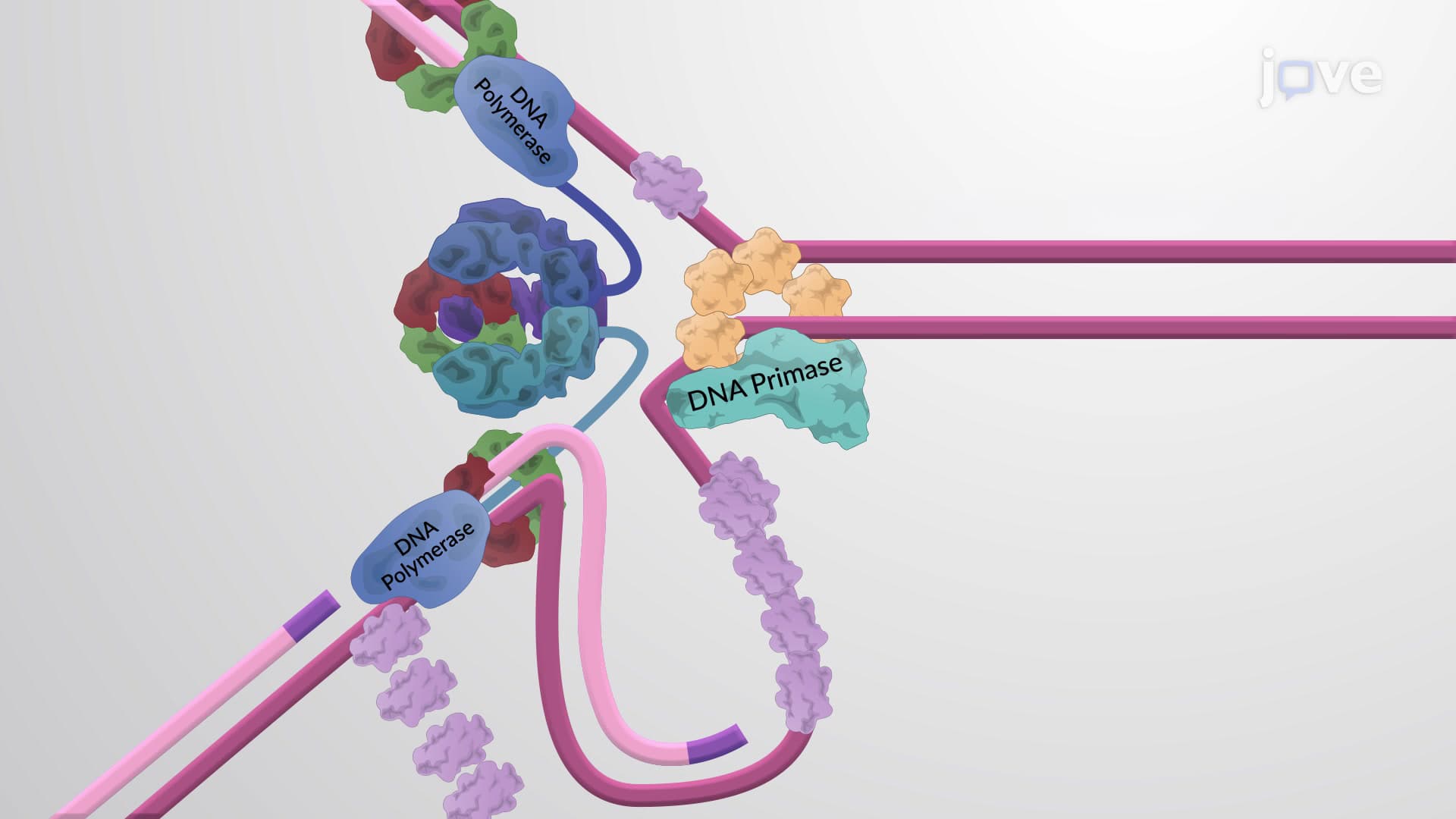
8. The Replisome
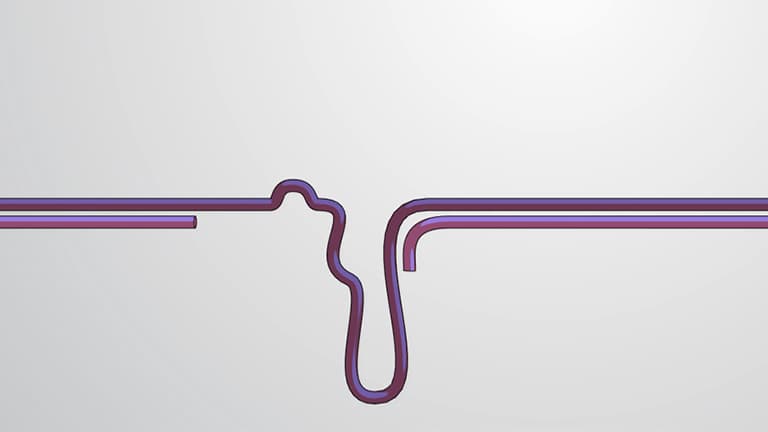
9. Mismatch Repair
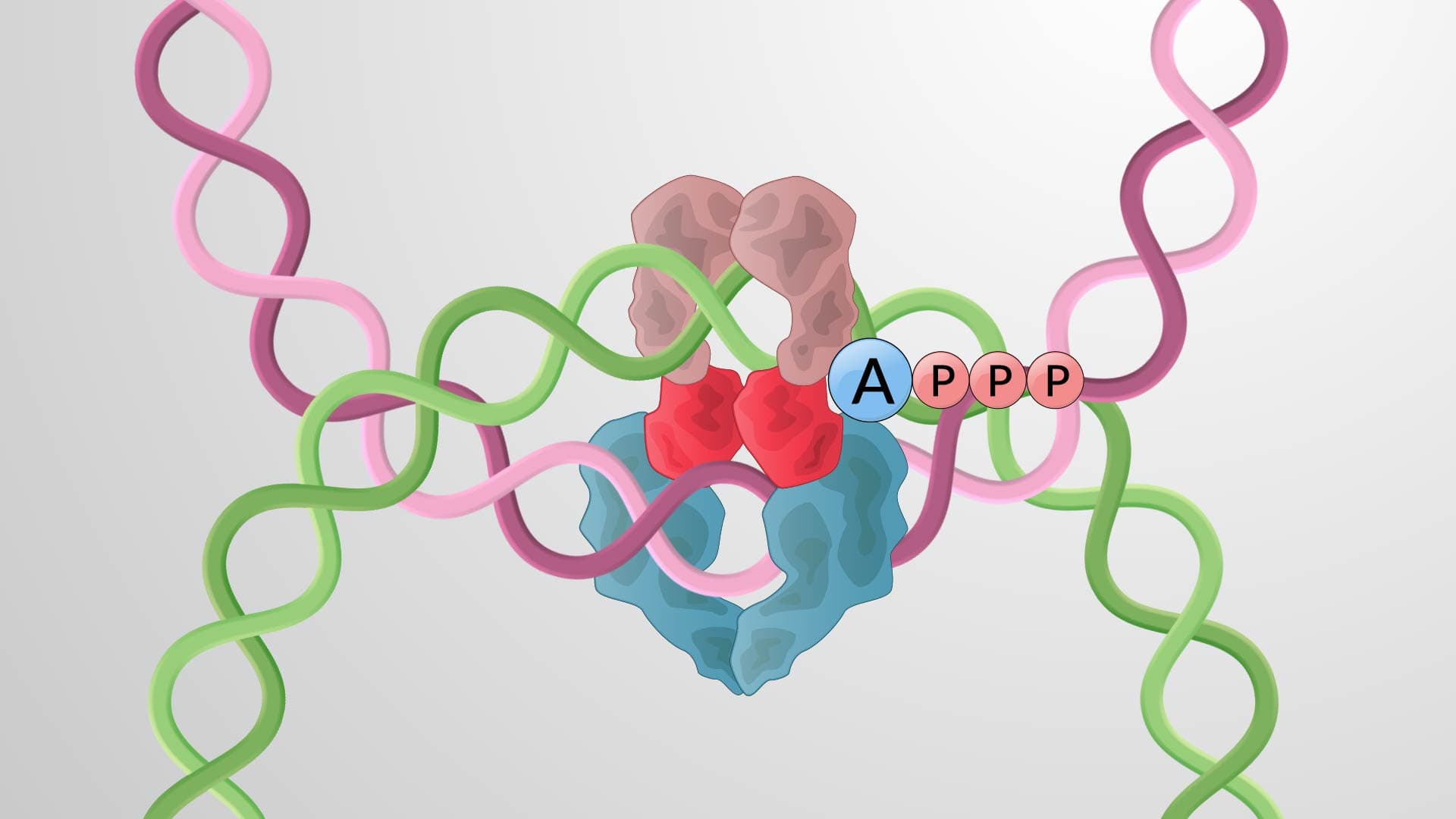
10. DNA Topoisomerases
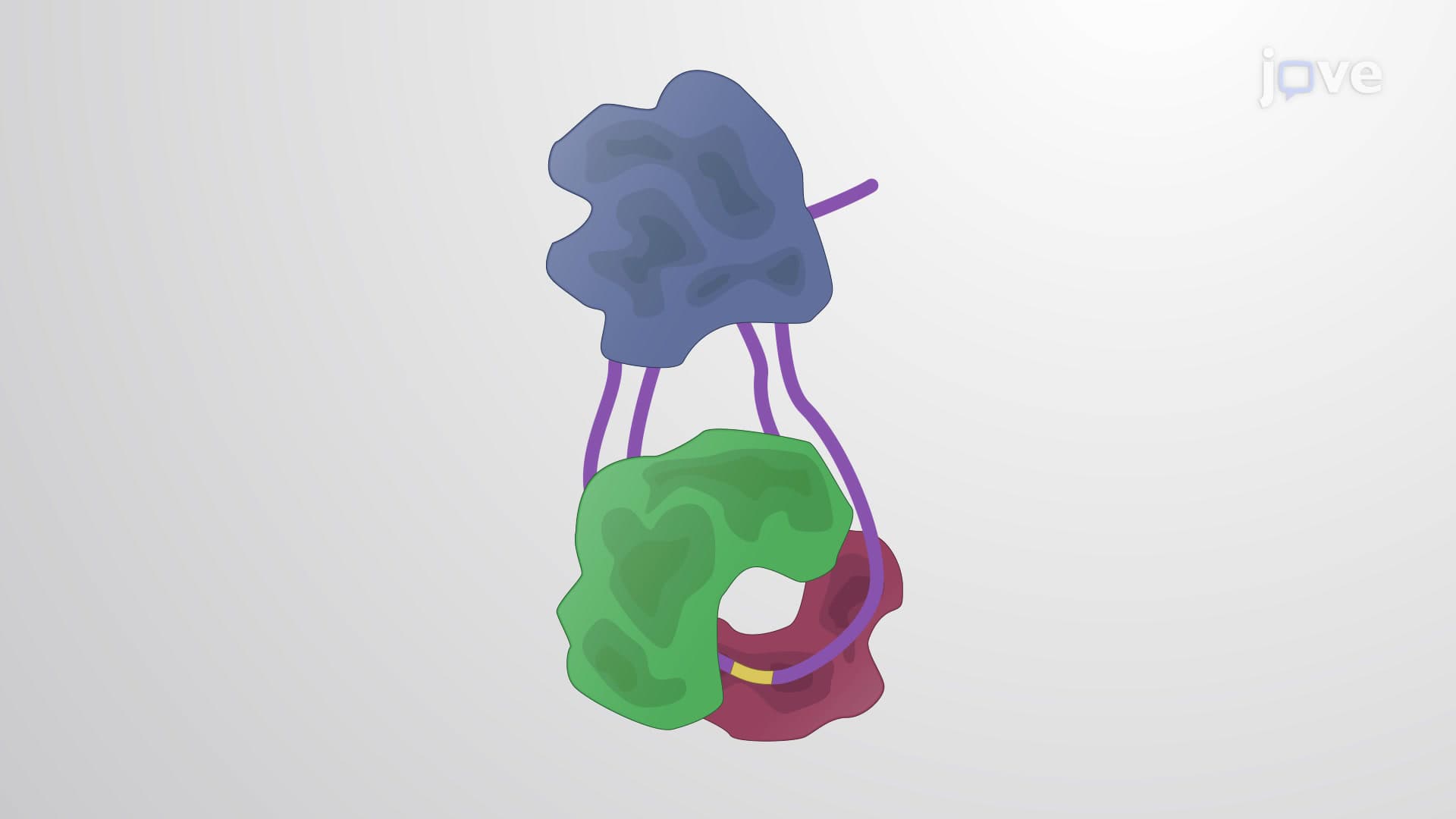
11. Telomeres and Telomerase
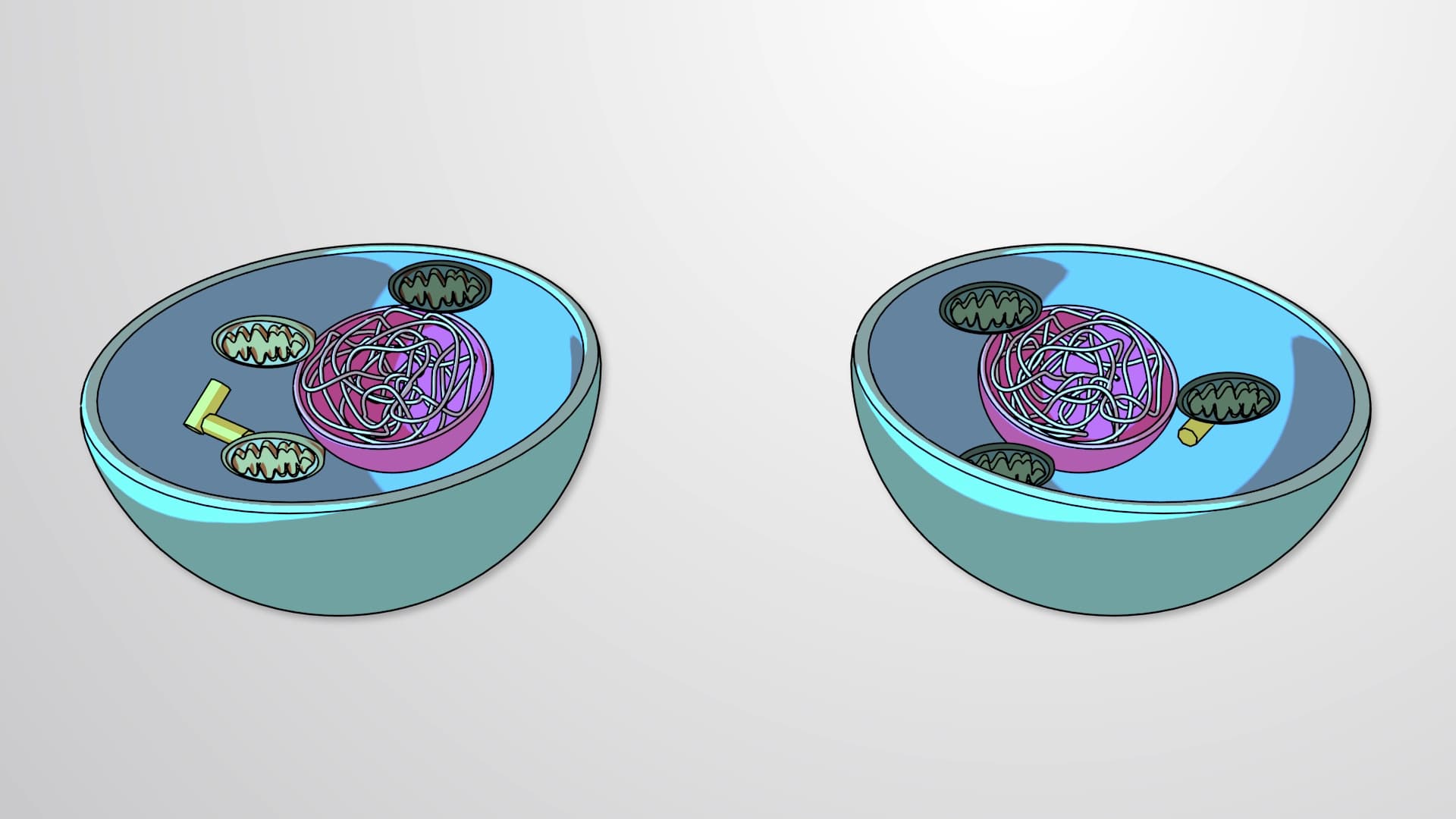
12. Non-nuclear Inheritance
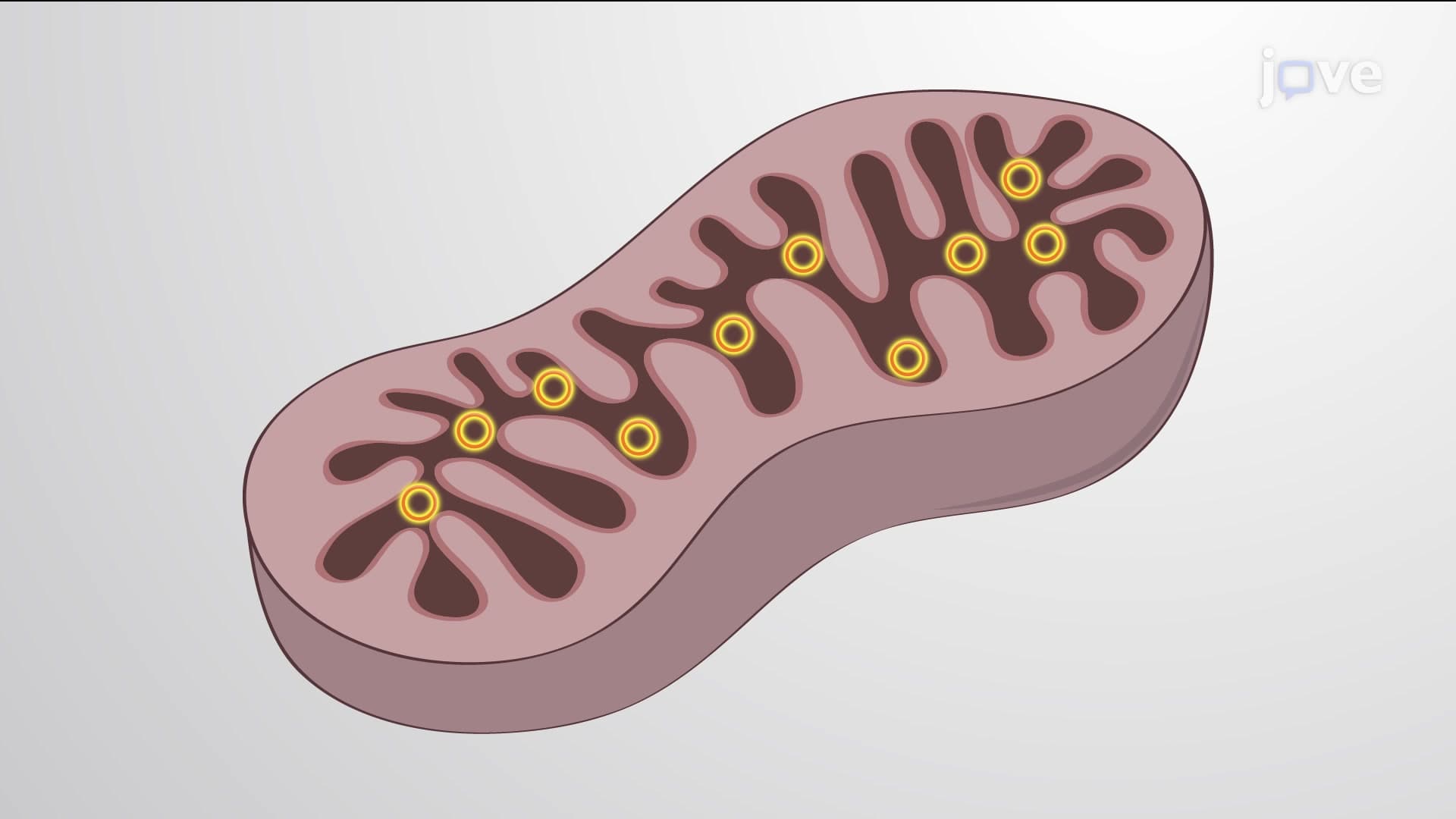
13. Animal Mitochondrial Genetics
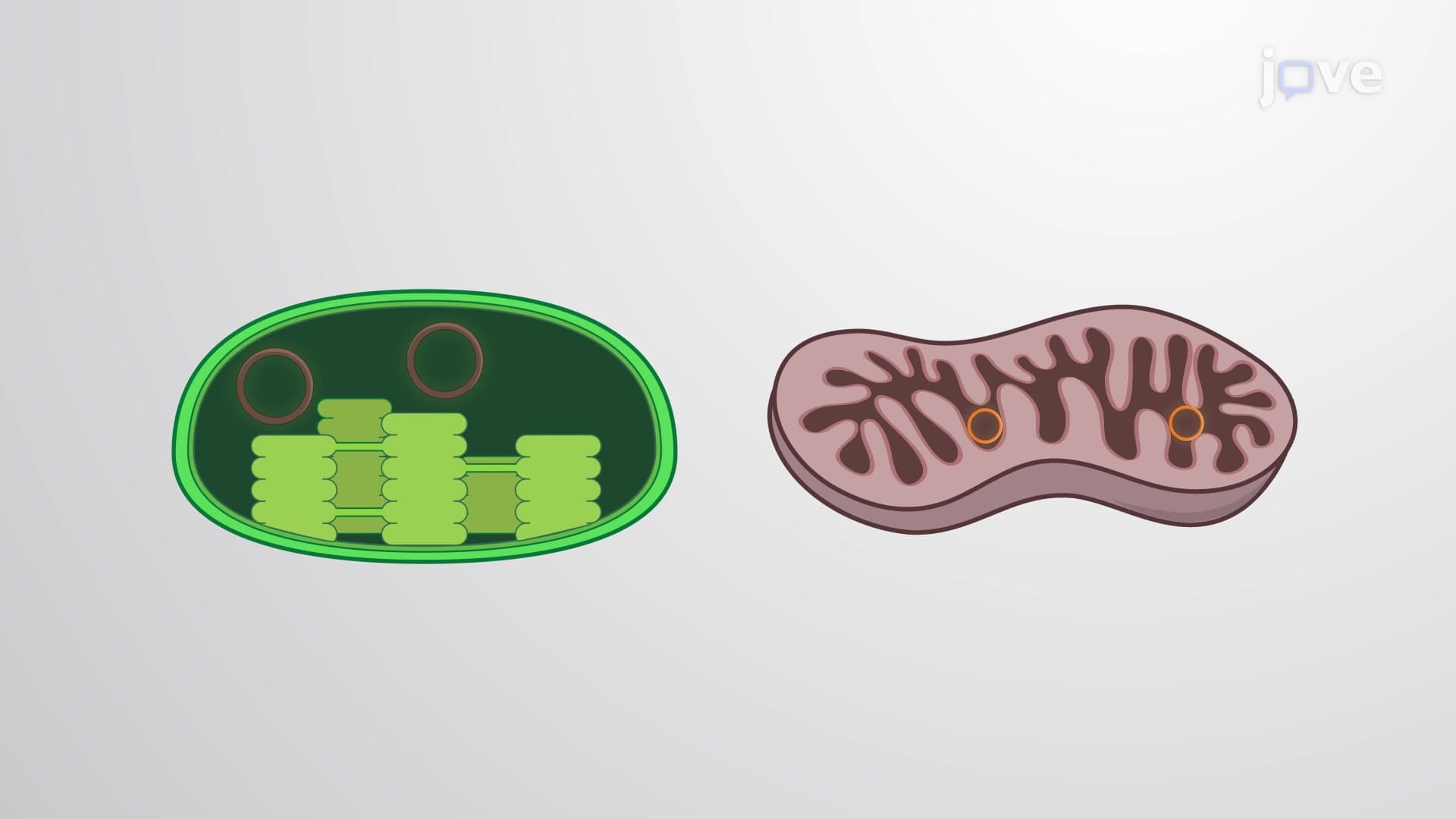
14. Comparing Mitochondrial, Chloroplast, and Prokaryotic Genomes
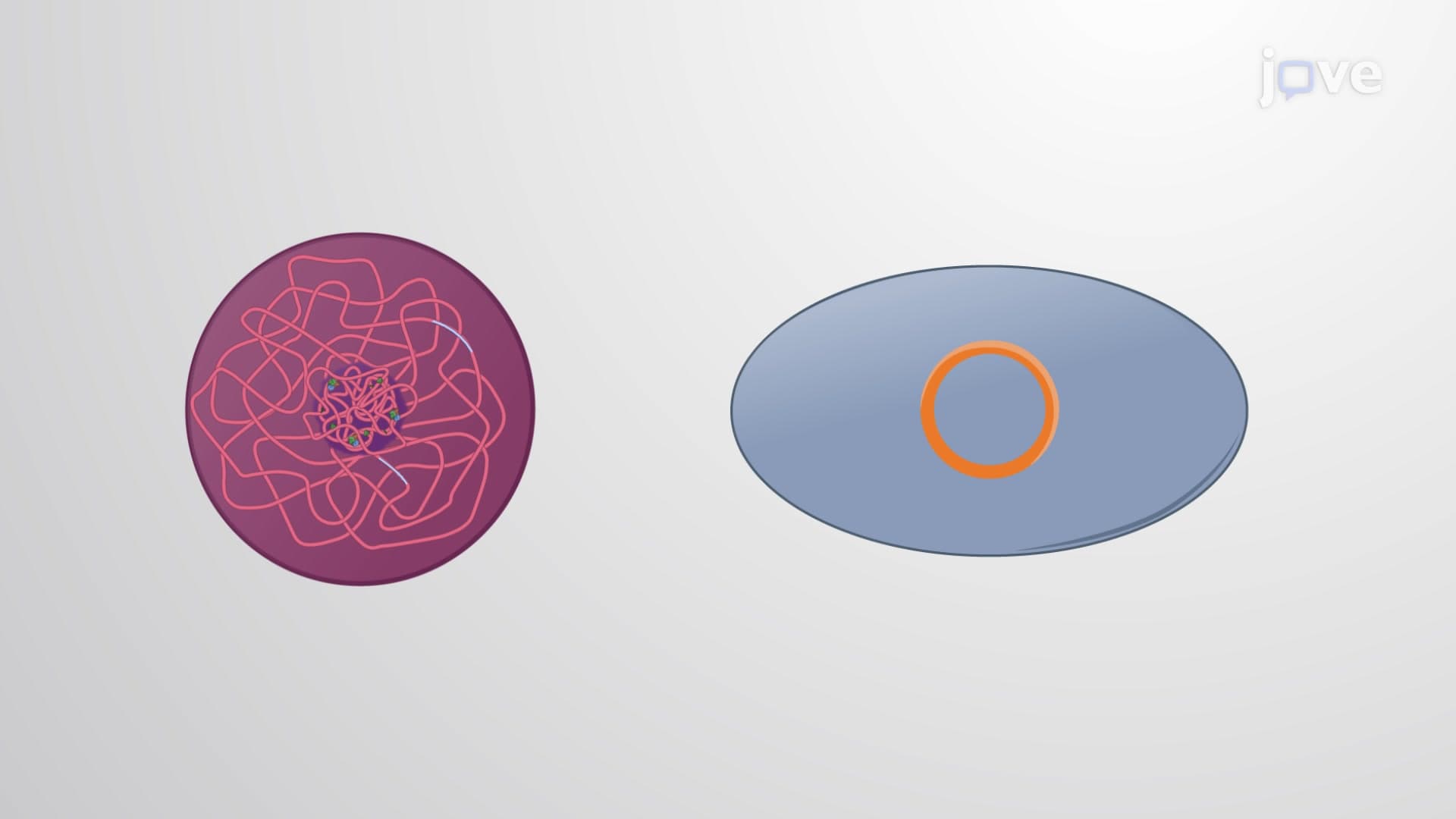
15. Export of Mitochondrial and Chloroplast Genes
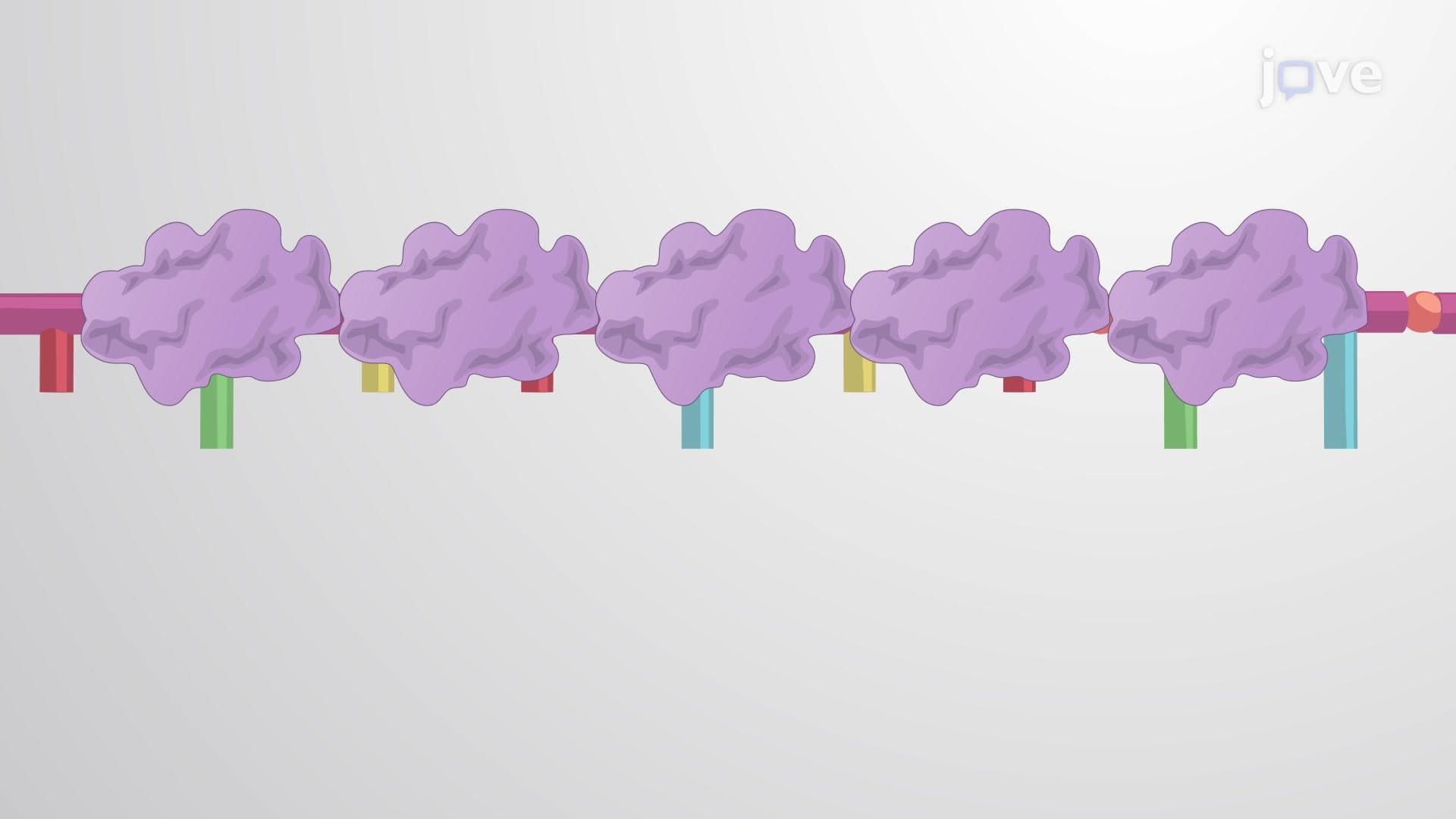
16. Single-Strand DNA Binding Proteins
DNA replication is the fundamental process by which cells duplicate their genetic material before division, ensuring accurate transmission of hereditary information. This comprehensive course examines the molecular mechanisms driving replication in both prokaryotic and eukaryotic systems, from the initial unwinding at replication origins to the final synthesis of telomeres. Students explore key enzymes like DNA polymerase, helicase, and primase, while understanding critical processes including proofreading, mismatch repair, and organellar inheritance patterns essential for US medical and scientific education through JoVE Coach.
- Understand the molecular mechanisms of DNA replication in prokaryotic and eukaryotic cells
- Identify key enzymes and proteins involved in the replication machinery, including DNA polymerase and helicase
- Analyze the formation and function of replication forks in continuous and discontinuous synthesis
- Explore the role of complementary base pairing in ensuring replication fidelity
- Learn proofreading mechanisms that maintain genomic integrity during DNA synthesis
- Apply knowledge of Okazaki fragment synthesis and lagging strand replication
- Examine telomere replication and the cellular aging process
- Understand non-nuclear inheritance patterns in mitochondrial and chloroplast genomes
1. Prokaryotic DNA Replication Mechanisms Prokaryotic DNA replication begins at a single origin called oriC, where initiator proteins like DnaA bind to unwind the circular chromosome. The process involves key enzymes including DnaB helicase for unwinding, primase for RNA primer synthesis, and DNA polymerase III for continuous synthesis. E. coli serves as the primary model organism, with applications in molecular cloning and PCR technology used extensively in US biotechnology companies and research laboratories. Understanding bacterial replication mechanisms is crucial for antibiotic development, as many antimicrobial drugs target bacterial DNA synthesis pathways.
2. Eukaryotic DNA Replication Complexity Eukaryotic replication involves multiple origins across linear chromosomes, requiring sophisticated coordination through pre-replication complex assembly during G1 phase. Three main DNA polymerases (alpha, delta, epsilon) work together with cyclin-dependent kinases regulating S-phase progression. This knowledge directly applies to cancer research at institutions like the National Cancer Institute, where replication dysregulation contributes to tumorigenesis. Medical applications include chemotherapy drugs that target rapidly dividing cancer cells by disrupting DNA synthesis, making this concept essential for understanding oncology treatments in US healthcare systems.
3. Complementary Base Pairing Fundamentals Watson-Crick base pairing rules govern DNA structure through specific hydrogen bonding: adenine pairs with thymine (2 bonds) and cytosine pairs with guanine (3 bonds). This complementarity enables accurate template-directed synthesis and forms the basis for molecular diagnostic techniques used in US clinical laboratories. Applications include DNA fingerprinting in forensic investigations, genetic testing for hereditary diseases, and hybridization-based diagnostic assays. Understanding base pairing thermodynamics is essential for designing PCR primers and probes used in COVID-19 testing and other molecular diagnostics across American healthcare facilities.
4. Replication Fork Dynamics and Enzyme Coordination The replication fork represents the active site where DNA unwinding and synthesis occur simultaneously. Helicase enzymes use ATP hydrolysis to separate DNA strands, while single-strand binding proteins prevent re-annealing. This coordinated process creates the foundation for leading and lagging strand synthesis, with applications in understanding replication stress and genomic instability. US pharmaceutical companies study fork dynamics to develop cancer therapeutics that exploit replication vulnerabilities in tumor cells. The hexameric helicase structure and its mechanism provide insights relevant to drug design targeting DNA processing enzymes.
5. Leading and Lagging Strand Synthesis DNA polymerase synthesizes DNA exclusively in the 5' to 3' direction, creating asymmetric replication patterns. The leading strand undergoes continuous synthesis, while the lagging strand requires discontinuous Okazaki fragment formation through repeated primer synthesis and extension cycles. This process involves coordinated action of primase, DNA polymerase, RNase H, and DNA ligase to create seamless double-stranded products. Understanding this mechanism is crucial for biotechnology applications including DNA sequencing technologies developed by US companies like Illumina and explaining genetic disorders involving DNA ligase deficiencies seen in American medical genetics clinics.
6. Proofreading and Quality Control Mechanisms DNA polymerases possess 3' to 5' exonuclease activity enabling immediate error correction during synthesis, improving fidelity from 1 in 10,000 to 1 in 10 million nucleotides. This proofreading function prevents mutations that could lead to genetic diseases or cancer development. High-fidelity polymerases used in research and diagnostic applications, such as Pfu polymerase in PCR reactions, exemplify practical applications of proofreading mechanisms. Defective proofreading contributes to hereditary cancer syndromes studied at major US cancer centers, making this concept essential for understanding mutation accumulation and therapeutic resistance in oncology.
7. Replisome Assembly and Processivity Enhancement The replisome represents a coordinated multi-protein machine including helicase, primase, polymerases, and accessory factors working together at replication forks. Sliding clamp proteins dramatically increase polymerase processivity from 10 to 1,000 nucleotides, enabling efficient genome replication. The trombone model explains simultaneous leading and lagging strand synthesis through DNA looping mechanisms. This sophisticated coordination has inspired development of artificial replication systems used in biotechnology applications, including DNA amplification techniques employed by US diagnostic companies for genetic testing and pathogen detection in clinical laboratories.
8. Mismatch Repair and Genomic Stability Mismatch repair systems recognize and correct base-pairing errors escaping proofreading, involving MutS and MutL protein families that enhance replication fidelity 100-1000 fold. Defective mismatch repair causes microsatellite instability leading to Lynch syndrome, a hereditary colorectal cancer predisposition studied extensively in US medical genetics programs. Mismatch repair status serves as a biomarker for immunotherapy response in cancer treatment, with FDA-approved tests determining pembrolizumab eligibility. This pathway exemplifies the connection between fundamental DNA repair mechanisms and clinical applications in American oncology practices.
9. Telomere Replication and Cellular Aging Telomeres consist of repetitive TTAGGG sequences protecting chromosome ends, with telomerase enzyme extending these sequences using an internal RNA template. The end-replication problem causes telomere shortening with each cell division, eventually triggering replicative senescence. Telomerase activity correlates with cellular immortalization in cancer cells, making it a therapeutic target studied at US research institutions like Johns Hopkins and Memorial Sloan Kettering. Understanding telomere biology explains aging processes and has applications in regenerative medicine research conducted at American universities and biotechnology companies developing anti-aging interventions.
10. Organellar DNA Replication and Inheritance Mitochondrial and chloroplast genomes represent evolutionary remnants of bacterial endosymbionts, maintaining independent replication systems with maternal inheritance patterns. Mitochondrial DNA mutations cause metabolic disorders affecting energy production, with specialized diagnostic testing available at US medical centers. The unique genetic code variations in mitochondria and rapid evolution rates due to oxidative stress exposure create distinct inheritance patterns important for genetic counseling. Understanding organellar genetics applies to agricultural biotechnology in developing cytoplasmic male sterility systems for hybrid crop production, supporting American agricultural research and food security initiatives.
Frequently Asked Questions
DNA replication maintains high fidelity through multiple quality control mechanisms working in sequence. DNA polymerases possess built-in 3' to 5' exonuclease activity for immediate proofreading, correcting errors during synthesis. Mismatch repair systems provide a second layer of error correction, recognizing and fixing mistakes that escape proofreading. Together, these mechanisms reduce error rates from 1 in 10,000 to less than 1 in 10 billion nucleotides, ensuring genetic information passes accurately to daughter cells despite replication speeds exceeding 1,000 nucleotides per second.
MCAT questions typically focus on the directionality of DNA synthesis (5' to 3'), enzyme functions (helicase, primase, DNA polymerase, ligase), and the difference between leading and lagging strand synthesis. Understanding Okazaki fragment formation, the role of primers in initiating synthesis, and the semi-conservative nature of replication are high-yield concepts. Students should also know the basic differences between prokaryotic and eukaryotic replication, including the number of origins and the involvement of telomerase in eukaryotic cells.
AP Biology exams often present scenarios requiring students to predict outcomes of enzyme deficiencies or analyze experimental data from replication studies. Common question types include interpreting DNA synthesis curves, explaining why certain mutations affect replication fidelity, and connecting replication errors to cancer development. Students should be prepared to draw and label replication fork diagrams, explain the necessity of primers, and describe how replication ensures genetic continuity across cell generations.
Medical schools emphasize clinical correlations, particularly how replication errors contribute to genetic diseases and cancer development. Key topics include mismatch repair deficiencies causing Lynch syndrome, telomerase activation in cancer cells, and mitochondrial DNA inheritance patterns affecting metabolic disorders. Students learn about chemotherapy drugs targeting DNA replication, such as nucleoside analogs and topoisomerase inhibitors, connecting molecular mechanisms to therapeutic interventions used in clinical practice.
DNA replication principles underlie many medical technologies Americans encounter, including genetic testing for hereditary diseases, paternity testing, and COVID-19 PCR diagnostics. Fertility treatments consider mitochondrial inheritance patterns, while cancer screenings may analyze microsatellite instability indicating mismatch repair defects. Understanding replication helps explain why some genetic conditions show maternal inheritance patterns and why cancer treatments target rapidly dividing cells through disruption of DNA synthesis pathways.
Students often struggle with the three-dimensional nature of DNA unwinding and the coordinated action of multiple enzymes at replication forks. The concept that DNA polymerase can only synthesize in one direction while replication must proceed bidirectionally creates confusion about leading versus lagging strand synthesis. Visualizing how Okazaki fragments are processed into continuous strands and understanding the temporal coordination of enzyme activities requires practice with dynamic models and step-by-step analysis of the replication process.
Effective study approaches include creating flowcharts showing enzyme activities in sequence, drawing replication fork diagrams from memory, and practicing with molecular animations to visualize three-dimensional processes. Students should focus on understanding the functional relationships between enzymes rather than memorizing isolated facts. Connecting replication concepts to clinical examples, such as how chemotherapy drugs disrupt DNA synthesis, helps reinforce learning through real-world applications relevant to healthcare and biotechnology careers.
This microcourse includes 16 concept videos that walk you through the building blocks of Molecular Biology. Each video is short, about 2 minutes, so you can cover a full topic during a coffee break or between classes. The full sequence starts with Replication in Prokaryotes and ends with Single-Strand DNA Binding Proteins.
The playlist moves from big-picture ideas to the precise vocabulary used in Molecular Biology. Early videos introduce Replication in Prokaryotes, Replication in Eukaryotes, and DNA Base Pairing. The middle of the series focuses on Proofreading, Lagging Strand Synthesis, and DNA Helicases. The final stretch covers The Replisome, Mismatch Repair, DNA Topoisomerases, Telomeres and Telomerase, Non-nuclear Inheritance, Animal Mitochondrial Genetics, and Single-Strand DNA Binding Proteins.
The natural next step is DNA Repair and Recombination. From there, you can move to Transcription: DNA to RNA, Translation: RNA to Protein, and Gene Expression. Once you finish those, the full Molecular Biology curriculum of 20 microcourses on JoVE Coach opens up, taking you from foundational concepts to advanced systems.
Related Subjects

