- Molecular Biology
- Biochemistry of the Cell
Micro-courses:20

Biochemistry of the Cell
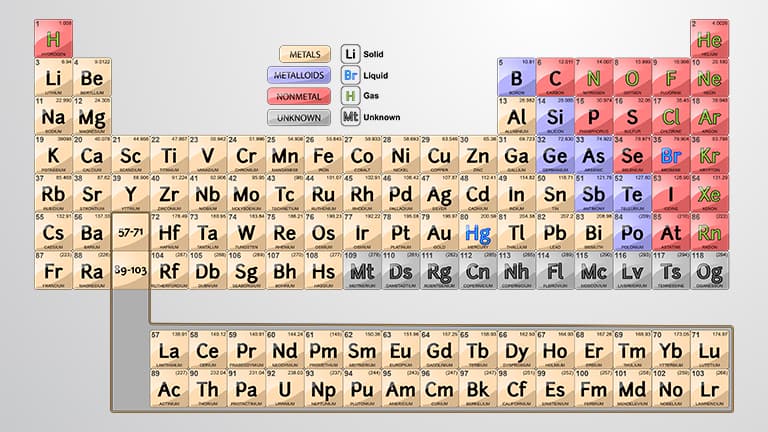
1. The Periodic Table and Organismal Elements
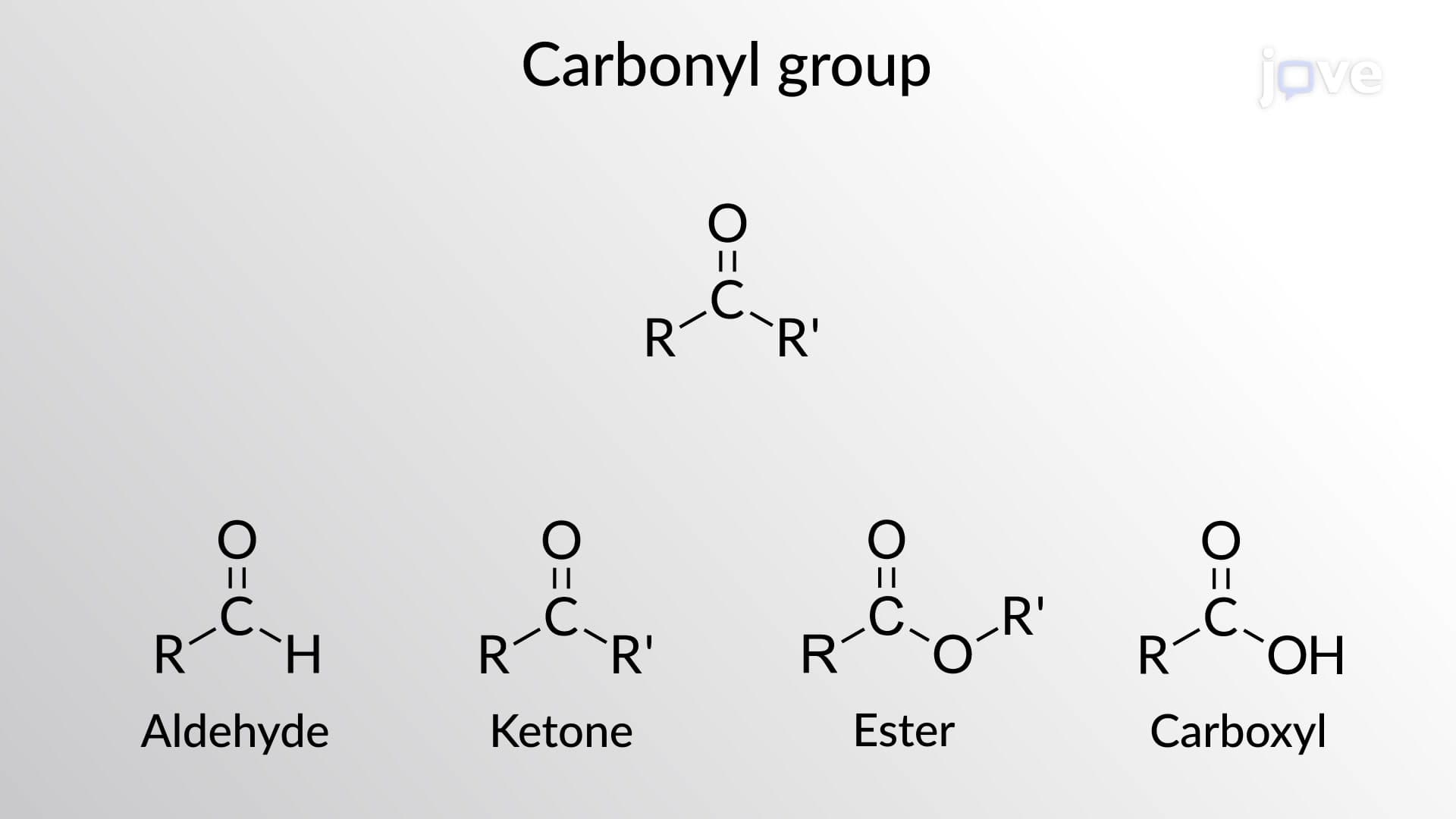
2. Functional Groups
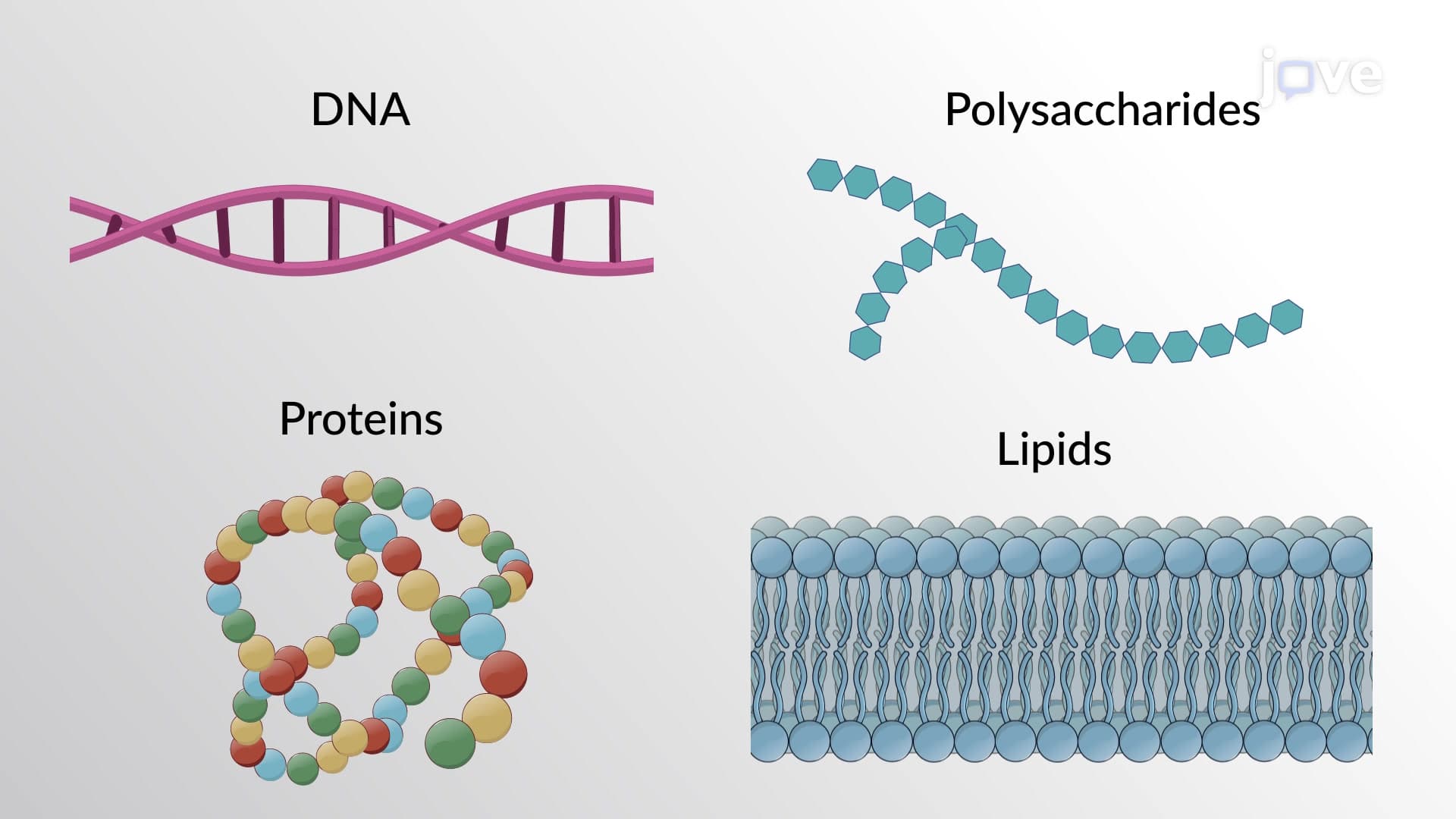
3. Polymers
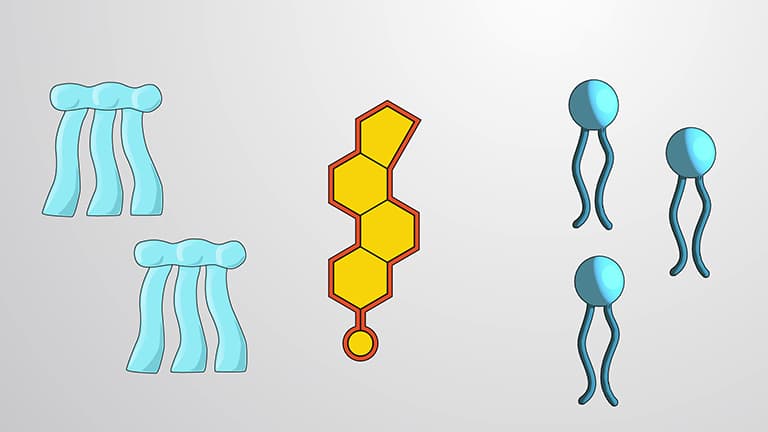
4. What are Lipids?

5. Structure of Lipids
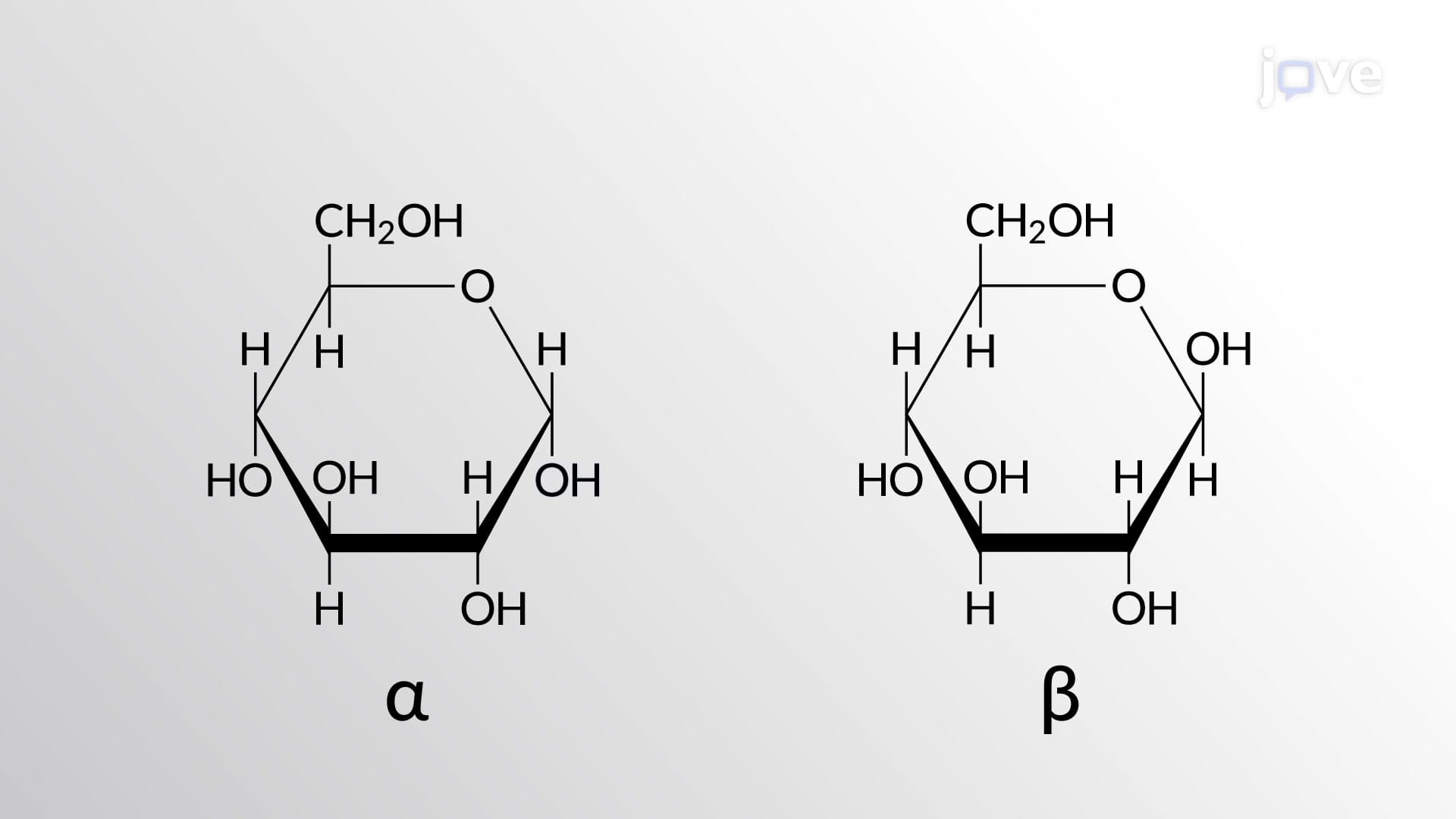
6. Chemistry of Carbohydrates
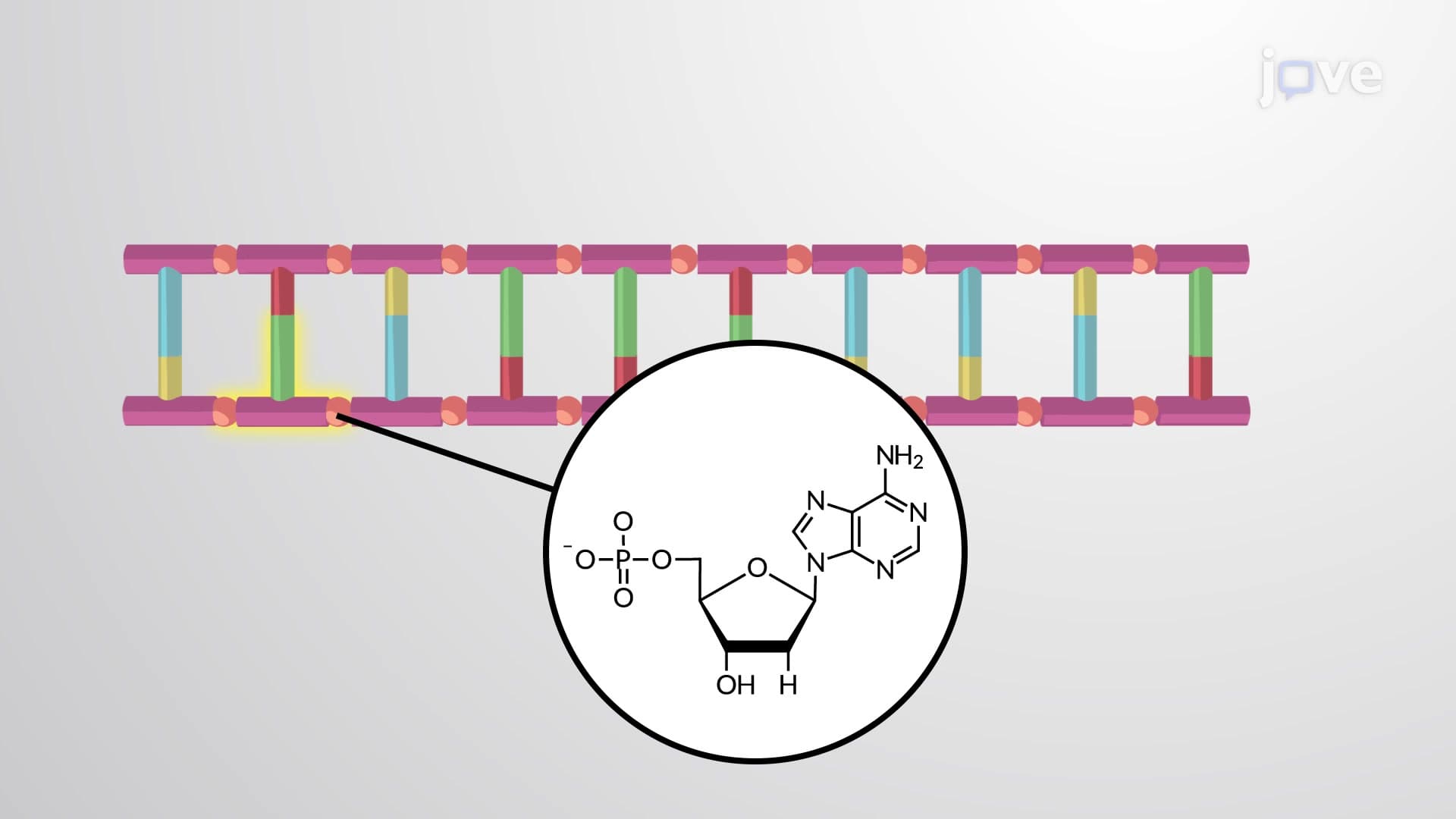
7. Nucleic Acids
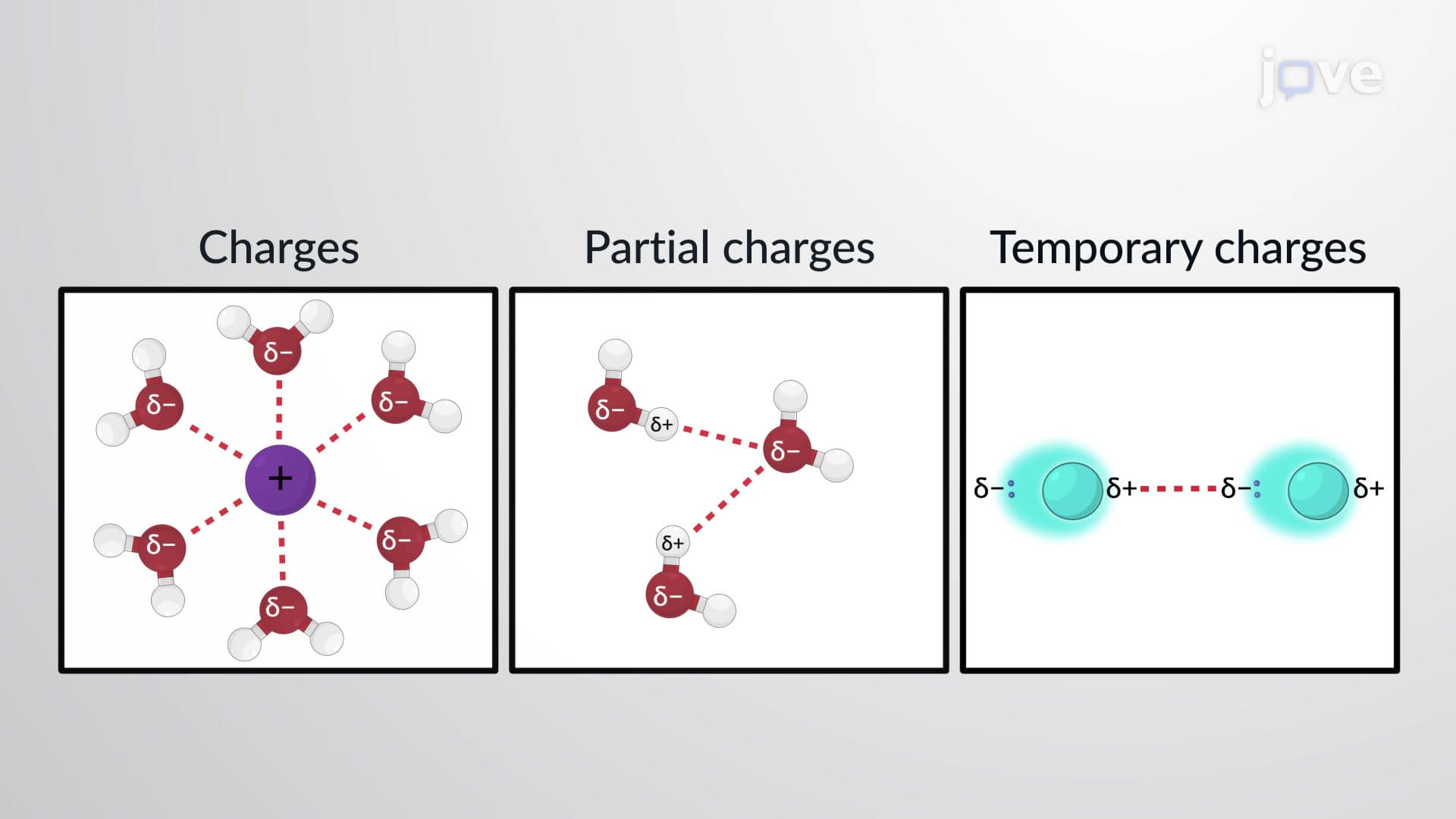
8. Intermolecular Forces
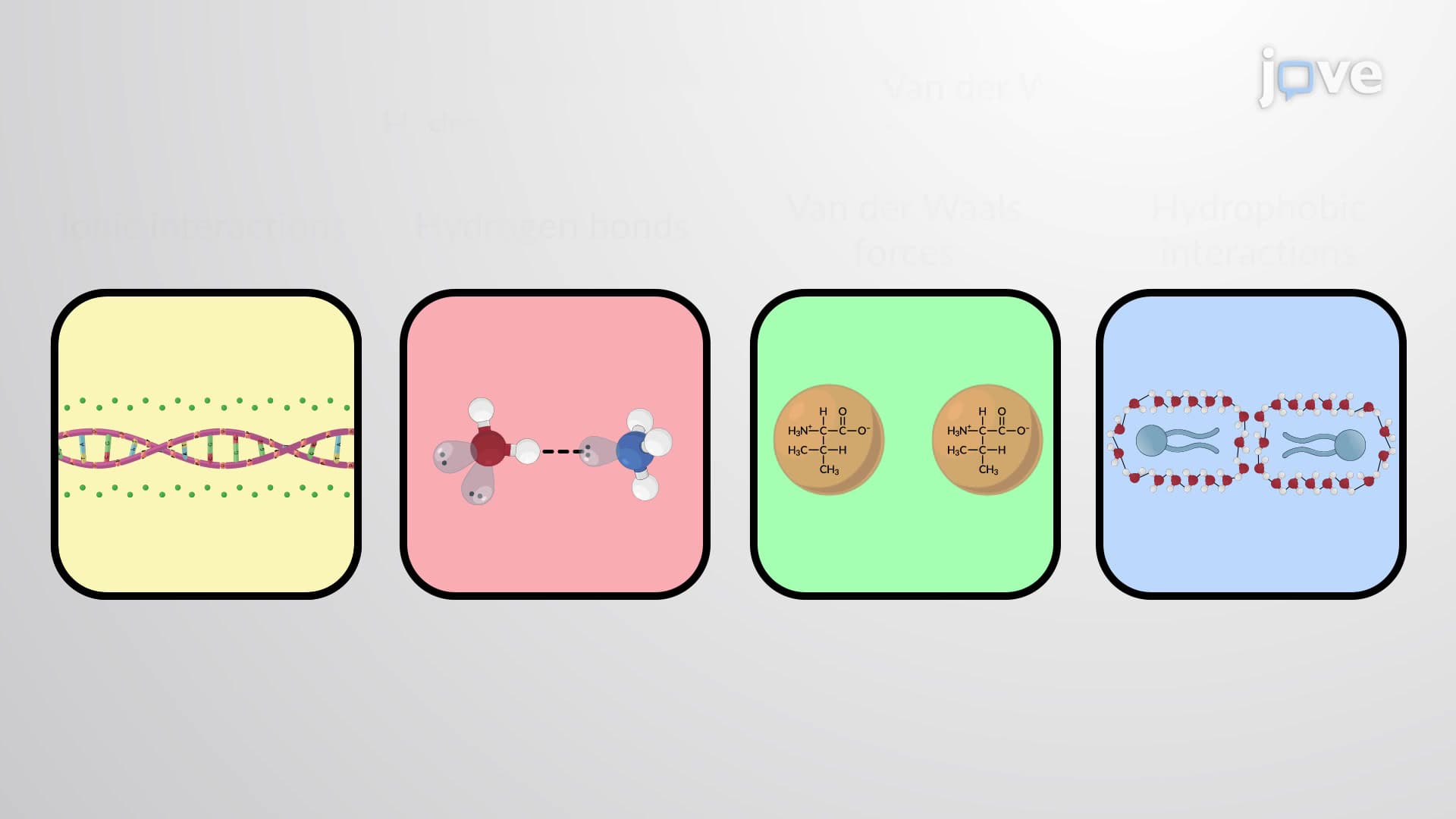
9. Noncovalent Attractions in Biomolecules
10. pH
11. Hydrolysis of ATP
Cell biochemistry explained encompasses the fundamental molecular processes that sustain life in human cells. This comprehensive course covers essential biomolecules including carbohydrates, lipids, proteins, and nucleic acids, alongside critical cellular processes like enzyme catalysis, ATP energy storage, and pH homeostasis. Students explore how these key biochemical processes in living cells work together to maintain cellular function, from metabolic pathways in muscle cells to neurotransmitter synthesis in neurons. JoVE Coach provides interactive learning tools to master these cellular biochemistry fundamentals essential for success in advanced biology and pre-health curricula.
- Understand the structure and function of major biomolecules: carbohydrates, lipids, proteins, and nucleic acids
- Analyze enzyme kinetics and catalytic mechanisms that drive cellular metabolism
- Explore ATP synthesis and energy storage systems in human cells
- Learn how pH homeostasis maintains optimal cellular environments
- Identify functional groups and their roles in biological molecules
- Apply knowledge of metabolic pathways including glycolysis and beta-oxidation
- Understand protein folding, denaturation, and structure-function relationships
- Examine nucleic acid structure and its relationship to genetic information storage
- Analyze electrolyte balance and its impact on cellular processes
- Explore membrane biochemistry and lipid-protein interactions
1. Essential Biomolecules and Cellular Components The human body relies on four major classes of biomolecules: carbohydrates, lipids, proteins, and nucleic acids. Carbohydrates like glucose serve as primary energy sources, while complex polysaccharides like glycogen store energy in liver and muscle cells. Lipids function in energy storage as triglycerides and form cellular membranes through phospholipids. Proteins perform diverse roles from catalysis (enzymes like pepsin) to structure (collagen in connective tissue) to transport (hemoglobin carrying oxygen). Nucleic acids store and transmit genetic information through DNA and RNA. Understanding these biomolecules' structures and functions provides the foundation for comprehending all cellular processes, from metabolism in cardiac muscle to neurotransmitter synthesis in brain cells.
2. Water, Electrolytes, and Cellular Environment Water comprises 50-60% of human body weight and creates the essential environment for biochemical reactions. Its excellent solvent properties enable nutrient transport through blood plasma and waste elimination through urine. Water's high heat capacity helps regulate body temperature through sweating and circulation. Electrolytes like sodium, potassium, and chloride ions maintain cellular membrane potentials crucial for nerve impulse transmission and muscle contraction. The sodium-potassium pump in neurons exemplifies how electrolyte gradients power cellular processes. Imbalances can cause serious complications: low potassium leads to muscle paralysis, while high potassium triggers irregular heartbeats. Understanding electrolyte homeostasis is essential for healthcare professionals managing patients with dehydration, kidney disease, or cardiac arrhythmias.
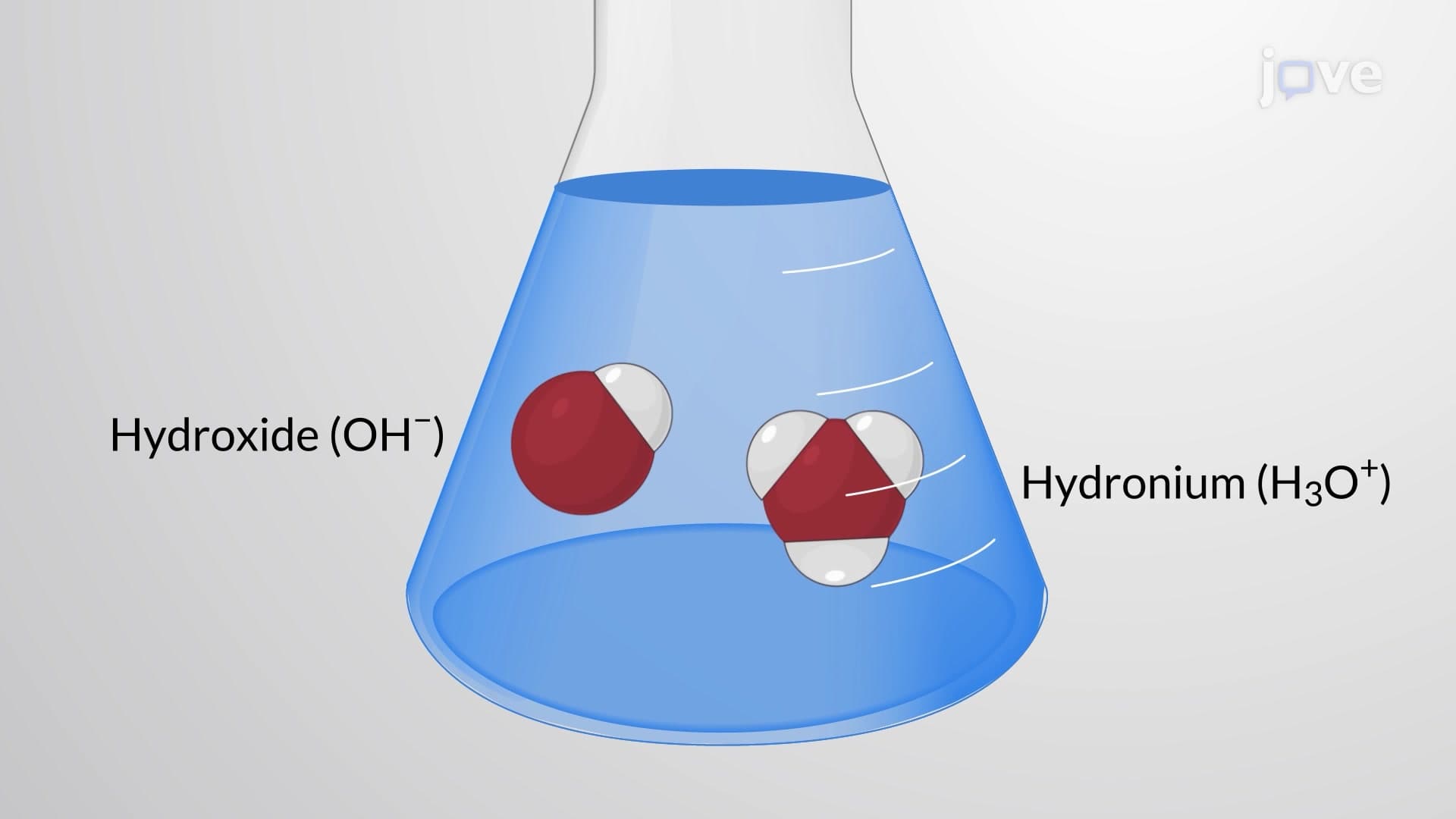
3. pH Regulation and Acid-Base Homeostasis Cellular pH homeostasis maintains optimal conditions for enzyme function and metabolic processes. Human blood plasma maintains a narrow pH range of 7.35-7.45 through buffer systems including bicarbonate, phosphate, and protein buffers. Acidosis (pH below 7.35) can affect the central nervous system and potentially cause coma, while alkalosis (pH above 7.45) leads to muscle cramps and pain. Different body regions require specific pH ranges: stomach acid reaches pH 1.5-2.0 for pepsin activity, while pancreatic juice maintains pH 8.0 for digestive enzyme function. Healthcare professionals must understand pH regulation when treating diabetic ketoacidosis, respiratory disorders affecting carbon dioxide levels, or kidney diseases impacting bicarbonate reabsorption.
4. Enzyme Structure, Function, and Catalysis Enzymes are protein catalysts that accelerate biochemical reactions by lowering activation energy without being consumed. They exhibit specificity through active sites that bind particular substrates, following induced-fit mechanisms that optimize substrate positioning. Salivary amylase breaks down starch in the mouth, while pancreatic enzymes digest nutrients in the small intestine. Enzyme activity depends on optimal temperature and pH conditions; denaturation occurs when these parameters exceed tolerance ranges. Cofactors like metal ions (zinc in carbonic anhydrase) or coenzymes (NAD+ in cellular respiration) assist many enzymatic reactions. Understanding enzyme kinetics helps healthcare professionals comprehend drug metabolism through liver enzymes, diagnostic enzyme markers in blood tests, and therapeutic enzyme replacements for genetic deficiencies.
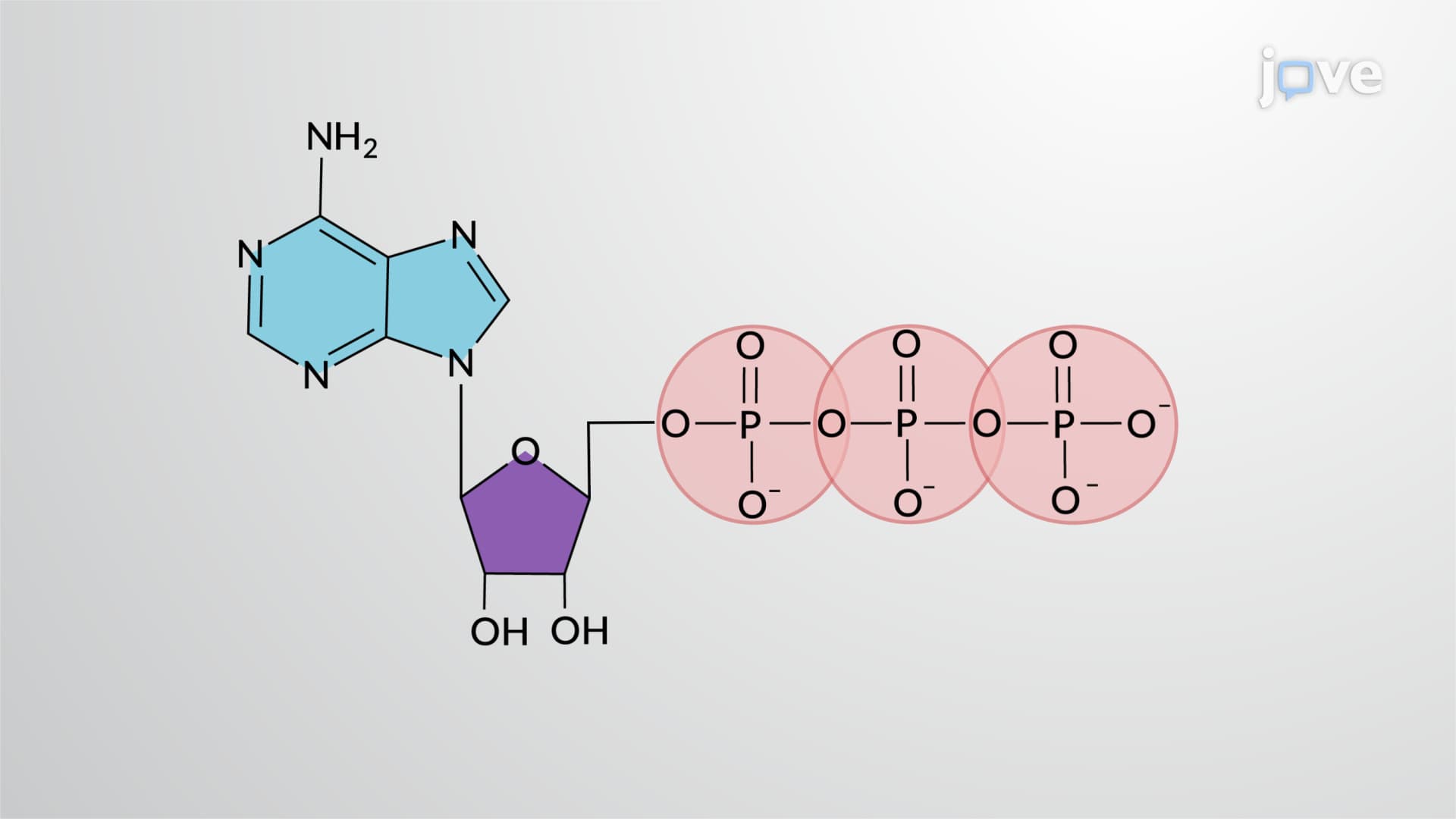
5. Energy Storage and Metabolic Pathways Cellular energy storage involves multiple systems adapted for different timeframes and energy demands. Glucose provides immediate energy through glycolysis, producing ATP and pyruvate in muscle cells during exercise. Glycogen stores glucose in liver and muscle for intermediate-term energy needs, breaking down during fasting or physical activity. Triglycerides offer long-term energy storage in adipocytes, releasing fatty acids during beta-oxidation that produces more ATP per gram than carbohydrates. The ATP-ADP cycle powers cellular work from muscle contraction to protein synthesis. Metabolic pathways interconnect: excess glucose converts to fat storage, while amino acids can enter energy production during starvation. Understanding these pathways helps explain metabolic disorders like diabetes, obesity, and metabolic syndrome affecting millions of Americans.
6. Protein Structure and Function Relationships Protein function directly relates to structure through four organizational levels: primary (amino acid sequence), secondary (alpha-helices and beta-sheets), tertiary (3D folding), and quaternary (multi-subunit assembly). Globular proteins like hemoglobin exhibit compact structures ideal for transport functions, while fibrous proteins like collagen provide structural support in connective tissues. Protein denaturation disrupts these structures through heat, pH changes, or chemical exposure, explaining why fever affects enzyme function and why cooking denatures egg proteins. Specific examples include insulin's role in blood glucose regulation, antibodies' immune defense functions, and contractile proteins enabling muscle movement. Healthcare applications include understanding protein misfolding diseases like Alzheimer's, therapeutic protein drugs like insulin, and dietary protein requirements for tissue repair and growth.
Frequently Asked Questions
Competitive inhibitors bind to the enzyme's active site, directly competing with the substrate and increasing the apparent Km value. Non-competitive inhibitors bind to a different site (allosteric site), changing the enzyme's shape and decreasing Vmax without affecting Km. For example, statins competitively inhibit HMG-CoA reductase to lower cholesterol synthesis, while heavy metals like lead non-competitively inhibit various enzymes by binding to sulfur groups in cysteine residues.
The MCAT Biological and Biochemical Foundations section extensively covers enzyme kinetics, metabolic pathways, and biomolecule structures. Expect questions on Michaelis-Menten kinetics, glycolysis regulation, protein folding, and membrane transport mechanisms. The exam often presents experimental data requiring interpretation of enzyme assays or metabolic flux studies. Practice with passages involving enzyme inhibition studies, pH effects on protein structure, and energy calculations in metabolic pathways.
AP Biology emphasizes glycolysis, cellular respiration, and photosynthesis as major energy-converting pathways. Focus on enzyme regulation through allosteric control and feedback inhibition. Understand how ATP synthesis couples exergonic and endergonic reactions. The exam frequently tests knowledge of enzyme structure-function relationships and factors affecting enzyme activity including temperature, pH, and substrate concentration.
Focus on functional groups and their properties rather than memorizing individual molecules. Recognize that hydroxyl groups increase water solubility (glucose), carbonyl groups are reactive sites (aldehydes in sugars), and phosphate groups store energy (ATP). Use mnemonic devices: "Glucose Has Six Carbons" for hexose sugars, or "CHONPS" for life's essential elements. Practice drawing structures repeatedly and connect structure to function through real examples like why saturated fats are solid while unsaturated fats are liquid.
Even small pH changes dramatically affect enzyme shape and function through protonation of amino acid side chains. Pepsin requires acidic conditions (pH 1.5-2.0) for optimal activity, while trypsin needs alkaline conditions (pH 8.0) in the small intestine. Blood pH must stay within 7.35-7.45 because outside this range causes protein denaturation, affecting oxygen transport by hemoglobin and enzyme catalysis throughout the body. Buffer systems prevent dangerous pH fluctuations that could be fatal.
Biochemistry knowledge directly applies to patient care and medical decision-making. Understanding enzyme kinetics helps predict drug interactions and dosing schedules. Knowledge of metabolic pathways explains why diabetic patients develop ketoacidosis and how insulin therapy works. Protein biochemistry underlies understanding of genetic diseases like sickle cell anemia, where single amino acid changes affect hemoglobin function. Lipid biochemistry explains atherosclerosis development and statin therapy mechanisms.
Students often struggle with connecting molecular details to physiological processes and memorizing complex pathway interactions. The key is building conceptual frameworks rather than rote memorization. Start with major themes like energy transformation, molecular recognition, and regulation, then add specific details. Use active learning techniques like drawing pathways, explaining concepts aloud, and solving quantitative problems involving enzyme kinetics and energy calculations.
NCLEX-RN and nursing entrance exams emphasize clinical applications of biochemistry. Focus on acid-base balance in blood gas interpretation, electrolyte imbalances and their symptoms, protein metabolism in wound healing, and glucose regulation in diabetes management. Practice applying biochemical concepts to patient scenarios: why does dehydration affect kidney function, how does liver disease impact protein synthesis, and why do cardiac enzymes indicate heart attack damage.
After solid foundation knowledge, explore signal transduction pathways involving second messengers like cAMP, advanced enzyme regulation mechanisms including covalent modification, and metabolic integration during different physiological states. Study protein trafficking through cellular compartments, advanced lipid biochemistry including prostaglandins and steroid hormones, and nucleic acid modifications affecting gene expression. These topics provide deeper understanding of cellular regulation and disease mechanisms.
This microcourse includes 11 concept videos that walk you through the building blocks of Molecular Biology. Each video is short, about 2 minutes, so you can cover a full topic during a coffee break or between classes. The full sequence starts with The Periodic Table and Organismal Elements and ends with Hydrolysis of ATP.
The playlist moves from big-picture ideas to the precise vocabulary used in Molecular Biology. Early videos introduce The Periodic Table and Organismal Elements, Functional Groups, and Polymers. The middle of the series focuses on Structure of Lipids, Chemistry of Carbohydrates, and Nucleic Acids. The final stretch covers Intermolecular Forces, Noncovalent Attractions in Biomolecules, pH, and Hydrolysis of ATP.
The natural next step is Protein Structure. From there, you can move to Protein Function, DNA and Chromosome Structure, and DNA Replication. Once you finish those, the full Molecular Biology curriculum of 20 microcourses on JoVE Coach opens up, taking you from foundational concepts to advanced systems.
Related Subjects

