Loading subject page…


10 Concepts
11 Concepts
11 Concepts
17 Concepts
20 Concepts
16 Concepts
16 Concepts
21 Concepts
11 Concepts
15 Concepts
14 Concepts
21 Concepts
8 Concepts
15 Concepts
17 Concepts
19 Concepts
11 Concepts
18 Concepts
6 Concepts
21 Concepts
 21 Concepts
 421.3K Views
 Popular topics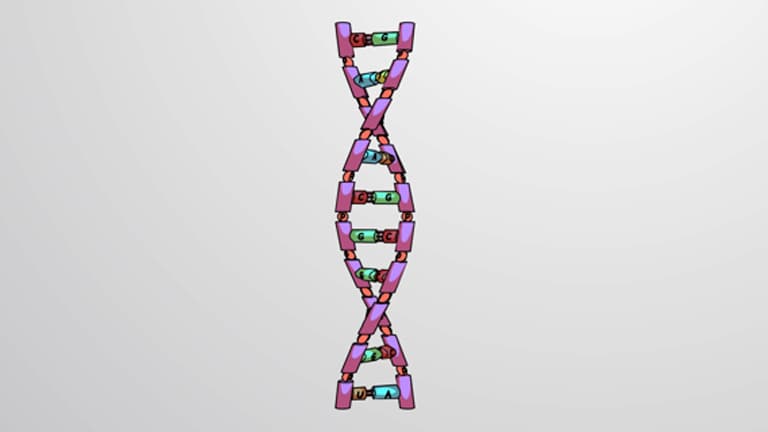




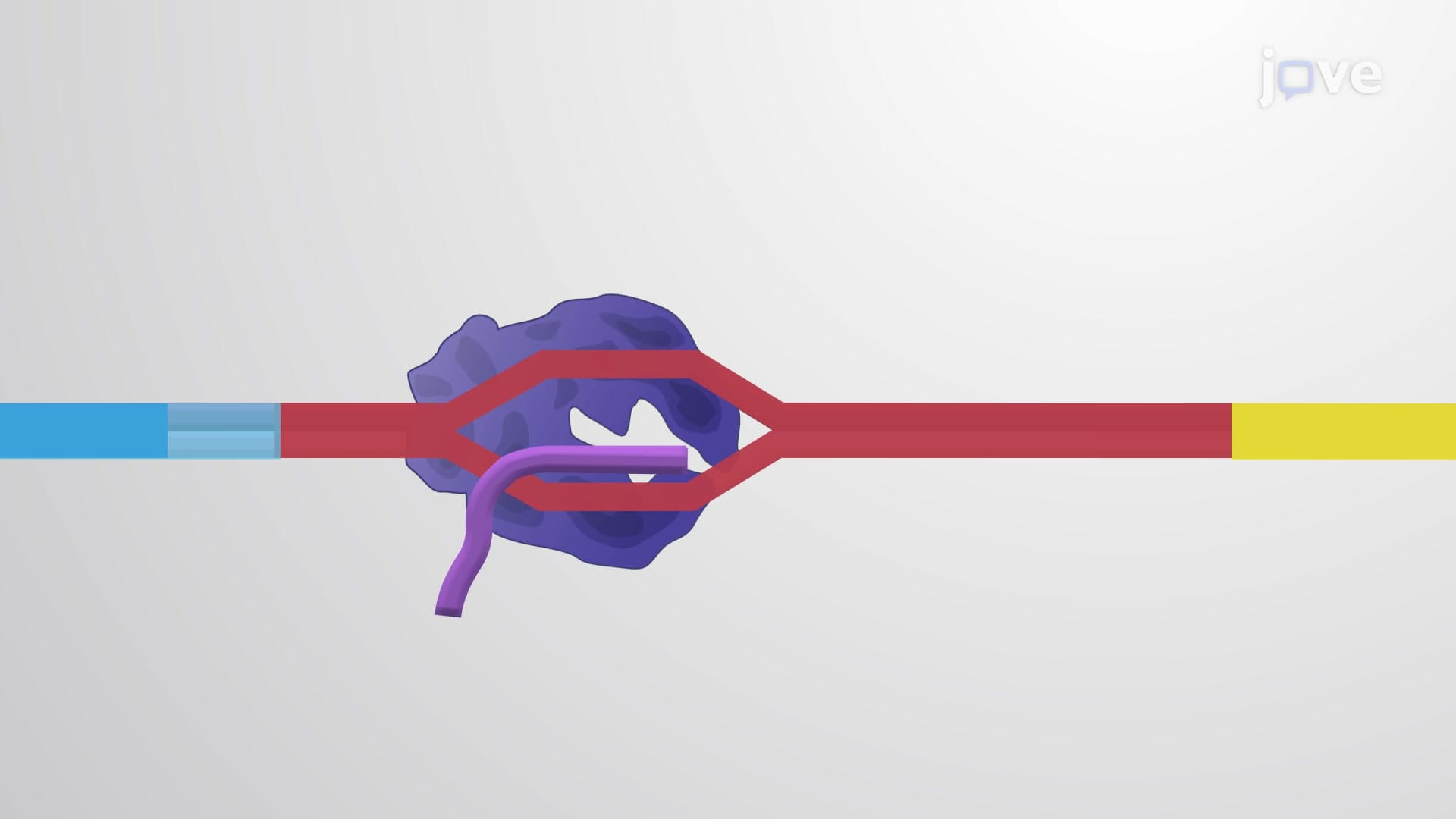
Transcription: DNA to RNA is the fundamental process where genetic information flows from DNA to messenger RNA through RNA polymerase activity. This comprehensive course covers bacterial and eukaryotic transcription mechanisms, RNA processing, and regulatory factors essential for gene expression. Students explore real-world applications including biotechnology research at institutions like MIT and Stanford, pharmaceutical development, and genetic engineering used in US agricultural and medical industries. Master these concepts with JoVE Coach's visual learning approach.
1. Gene Expression and the Central Dogma: Gene expression represents the process by which DNA information becomes functional proteins through transcription and translation. The central dogma describes information flow from DNA to RNA to protein, forming the foundation of molecular biology. This concept explains how cells like those in human liver tissue can express different genes than brain cells despite identical DNA. Understanding gene expression regulation helps explain development, disease mechanisms, and therapeutic targets used by US pharmaceutical companies like Pfizer and Moderna in developing treatments.
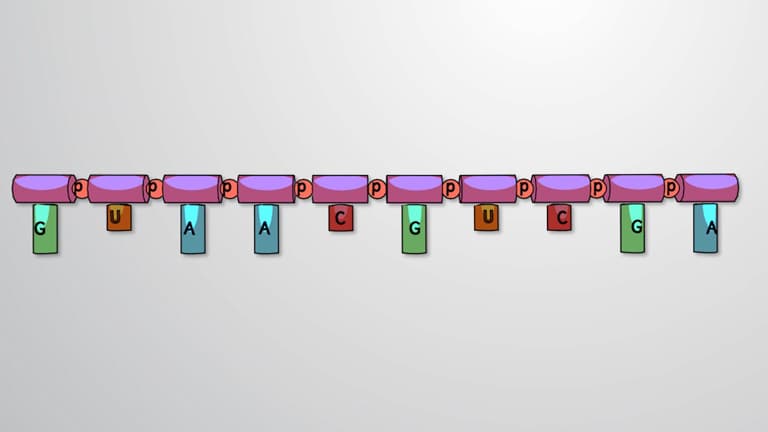
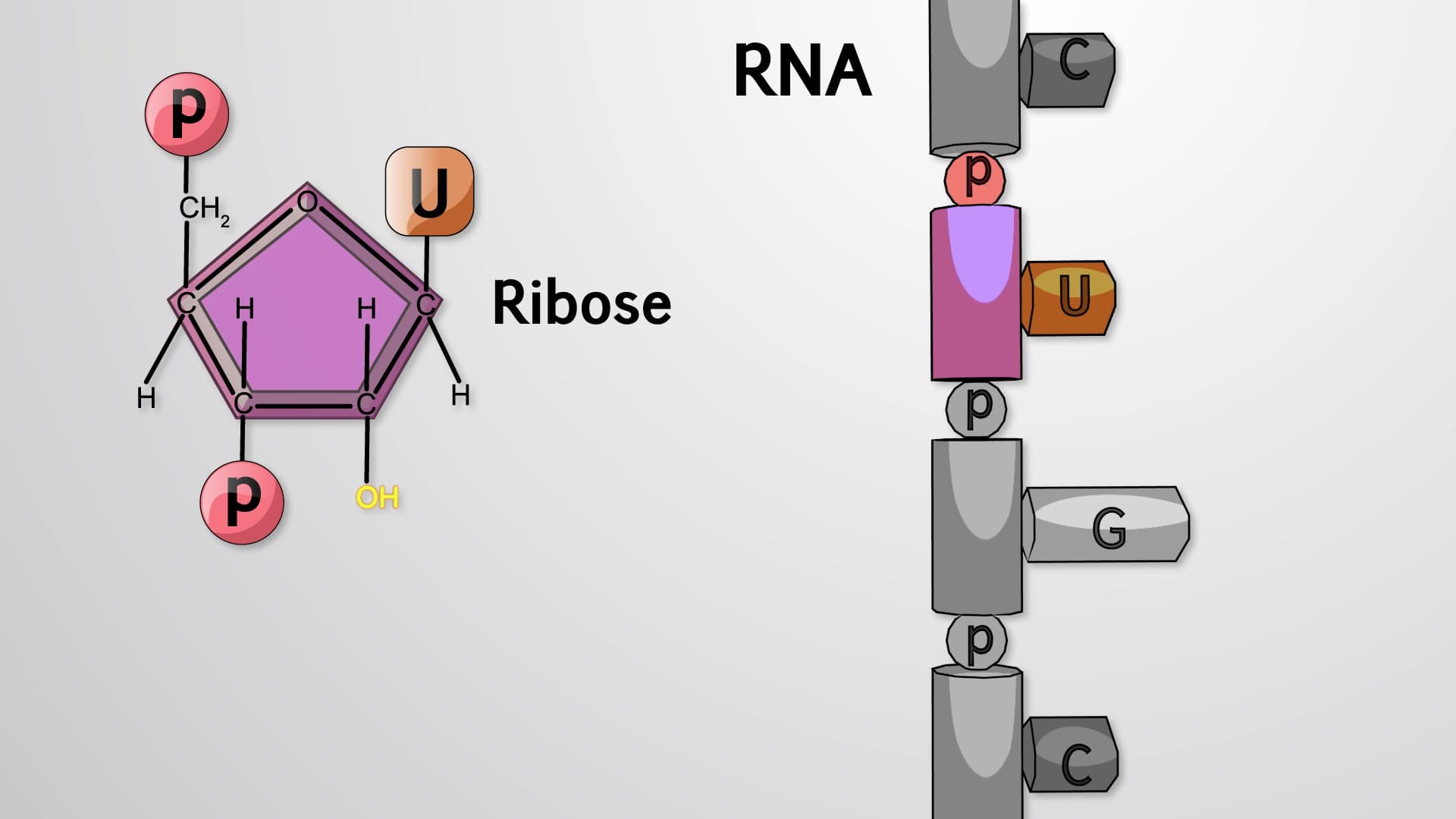
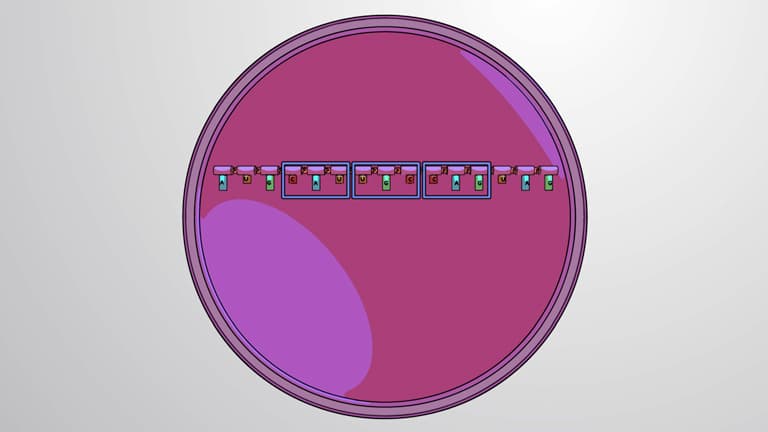
2. RNA Structure and Chemical Properties: RNA molecules contain ribose sugars and uracil bases, creating unique structural properties compared to DNA. Secondary structures like hairpins, loops, and stems enable RNA's diverse functions from protein synthesis to gene regulation. The 2'-OH group makes RNA less stable than DNA, requiring cellular protection mechanisms. These structural features allow RNA molecules to function as enzymes (ribozymes) and regulatory elements, principles utilized in developing RNA-based therapeutics like those approved by the FDA for treating genetic disorders.
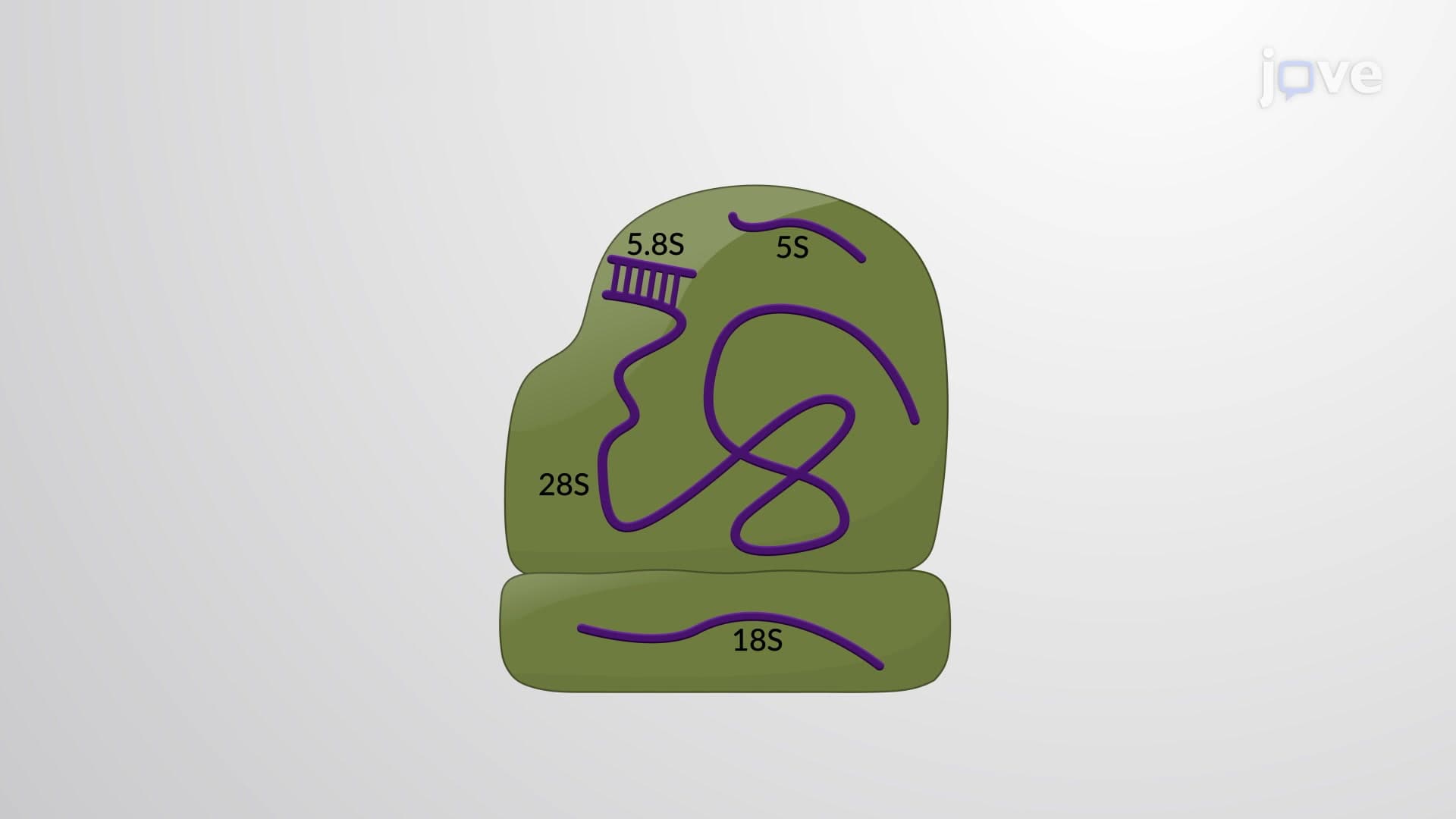
3. Types of RNA and Cellular Functions: Cells produce multiple RNA types including messenger RNA (mRNA) for protein coding, transfer RNA (tRNA) for amino acid delivery, and ribosomal RNA (rRNA) for protein synthesis machinery. Small nuclear RNAs (snRNAs) facilitate splicing while microRNAs (miRNAs) regulate gene expression post-transcriptionally. Long non-coding RNAs (lncRNAs) serve diverse regulatory roles in development and disease. Understanding these RNA types helps explain cellular complexity and provides targets for therapeutic intervention in diseases studied at research institutions like Johns Hopkins and Harvard Medical School.
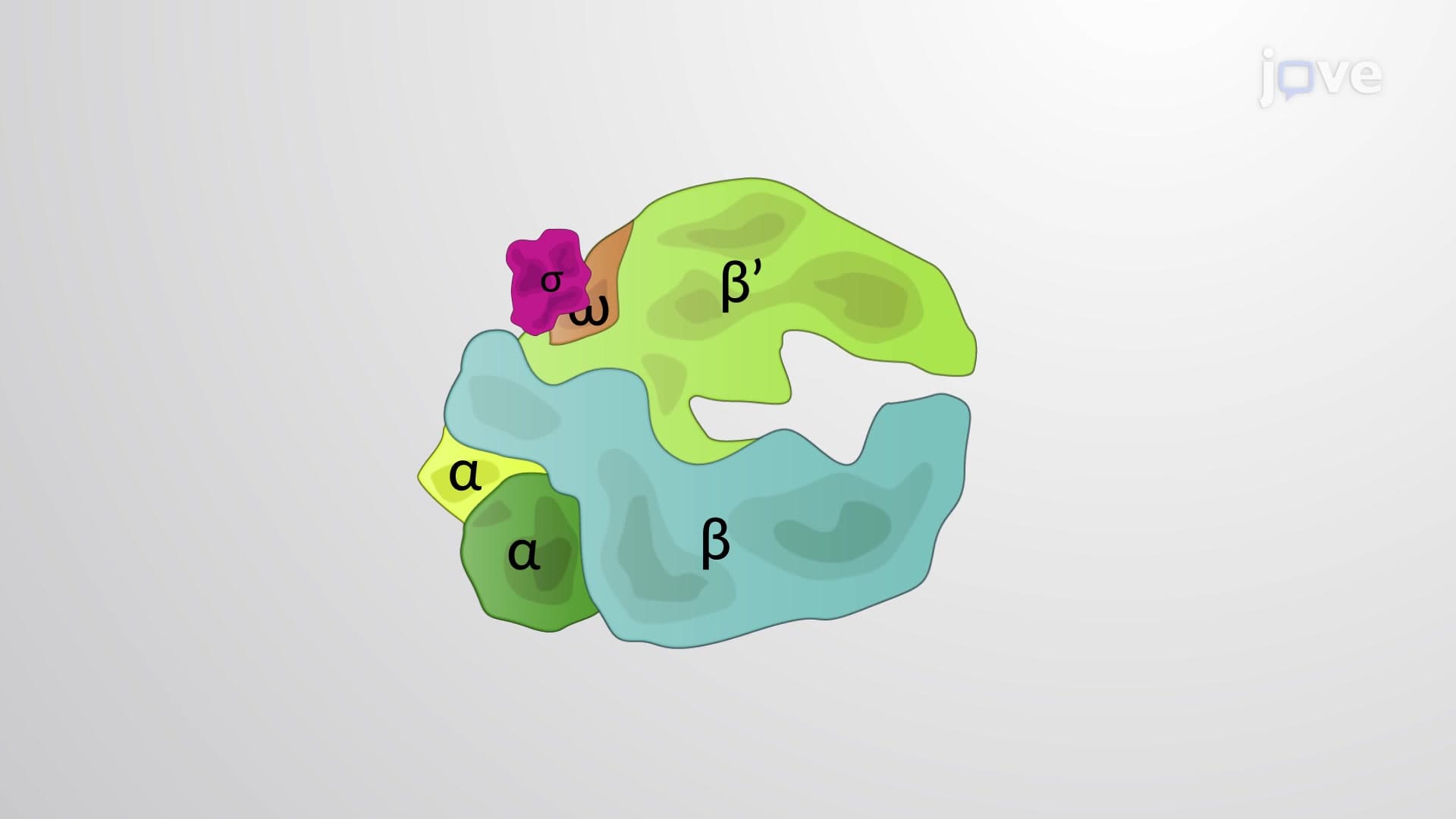
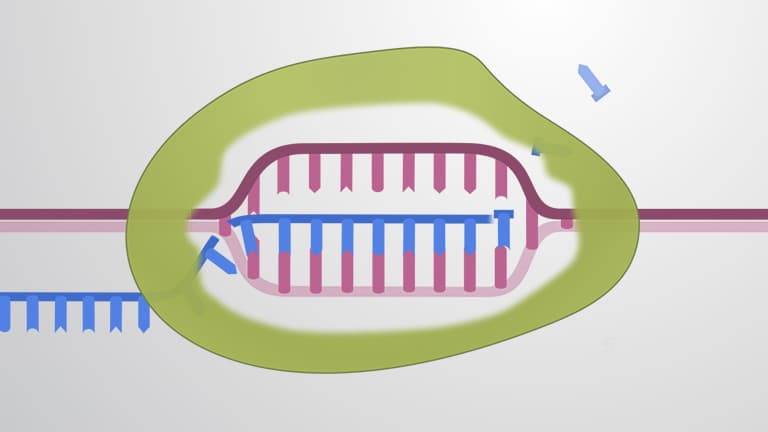
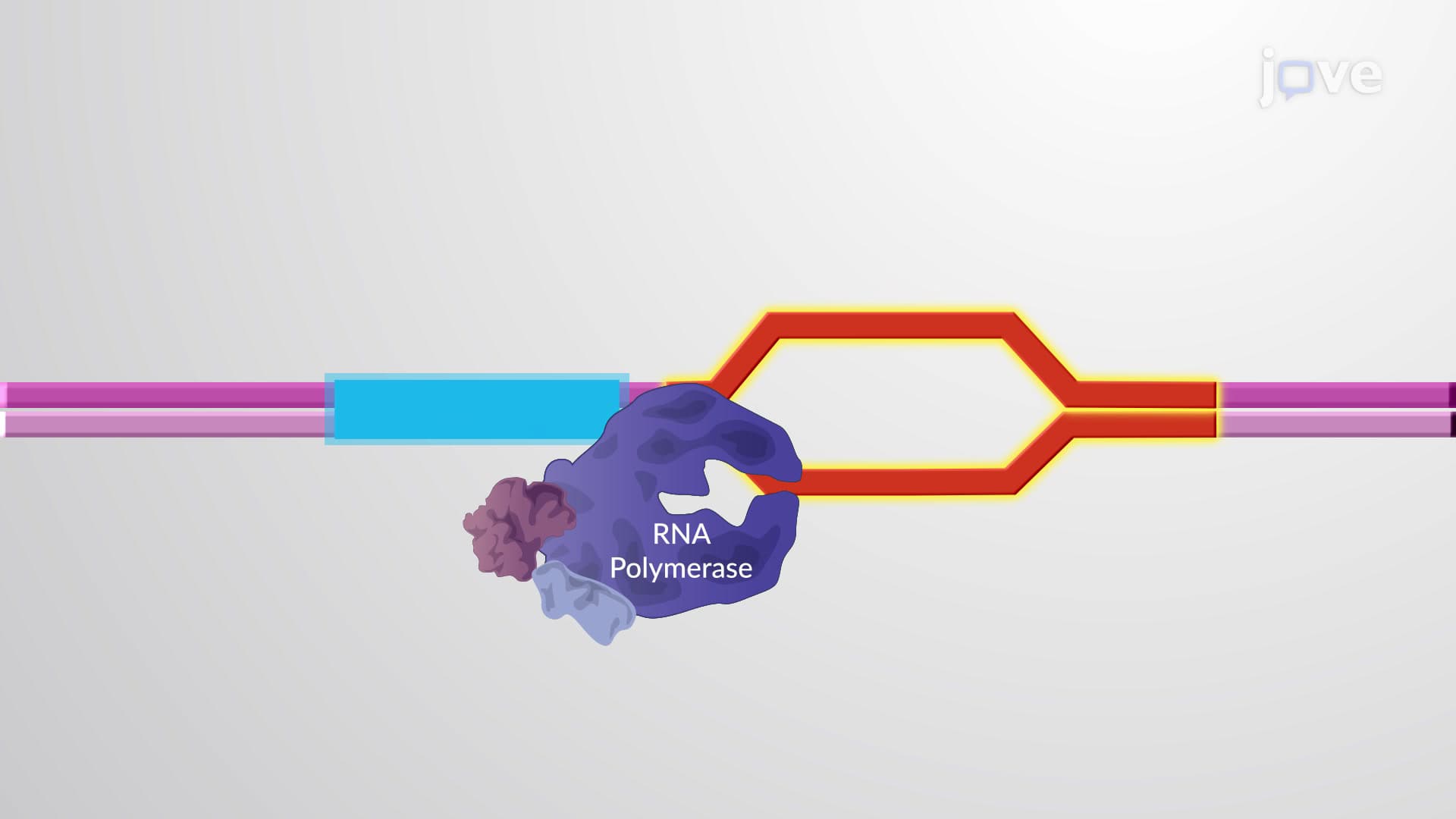
4. Bacterial Transcription Mechanisms: Bacterial RNA polymerase consists of core subunits (α₂ββ'ω) that associate with sigma factors to recognize specific promoter sequences. This holoenzyme initiates transcription at -10 and -35 consensus sequences, enabling rapid gene expression changes in response to environmental conditions. Bacterial transcription occurs in the cytoplasm without RNA processing, allowing immediate translation. These mechanisms serve as models for understanding basic transcription principles and provide targets for antibiotic development by US pharmaceutical companies researching bacterial infections.
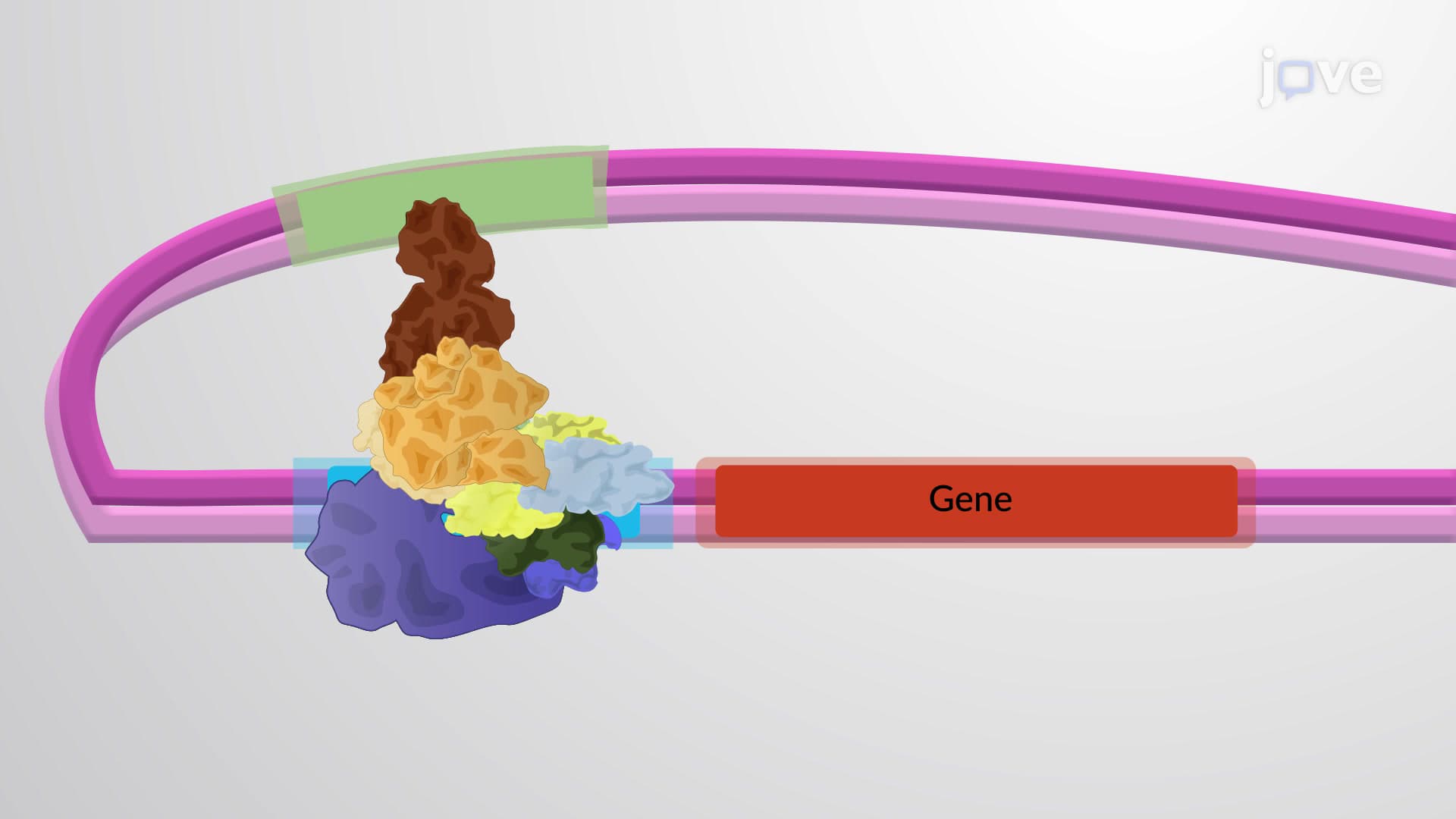
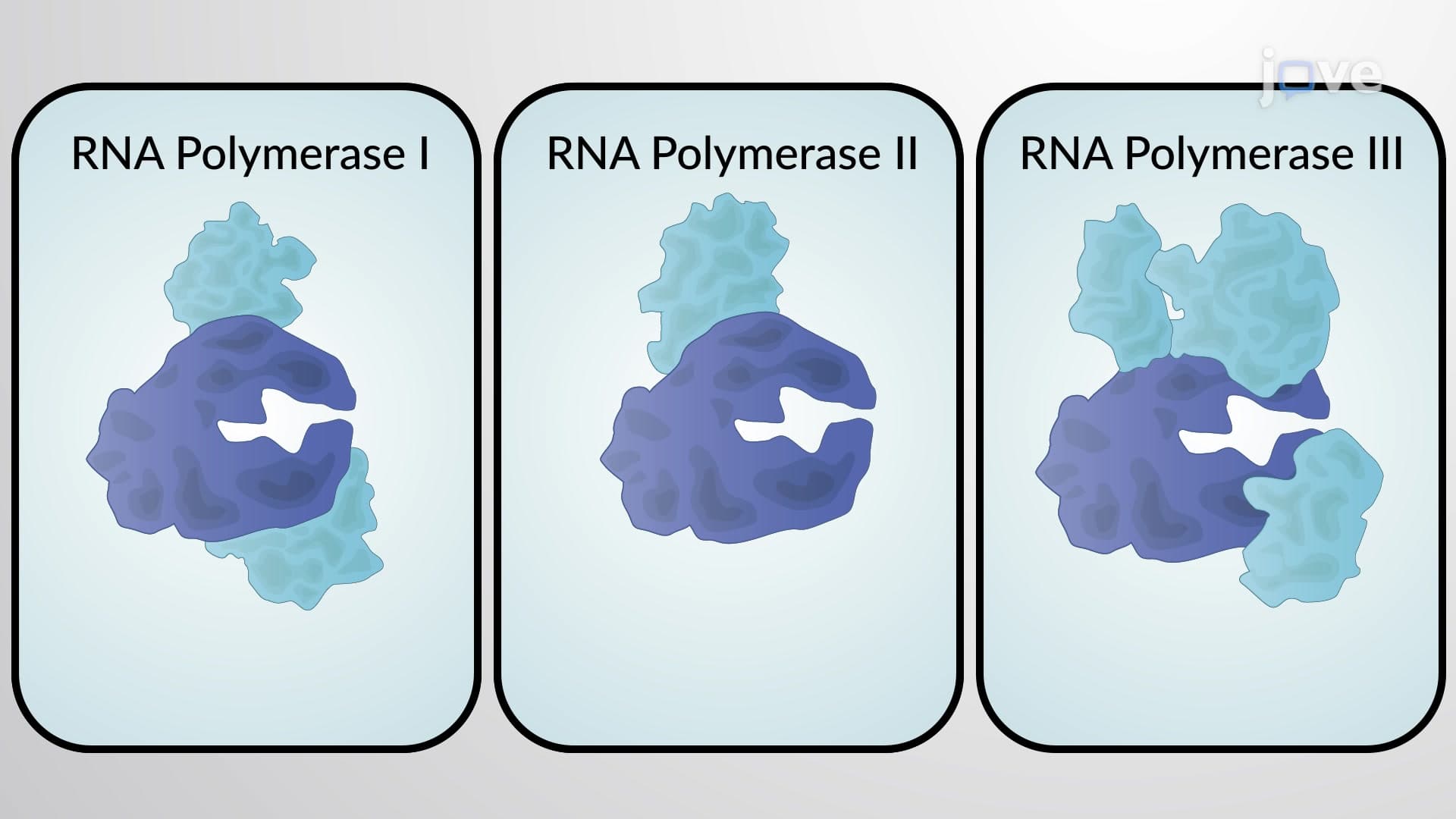
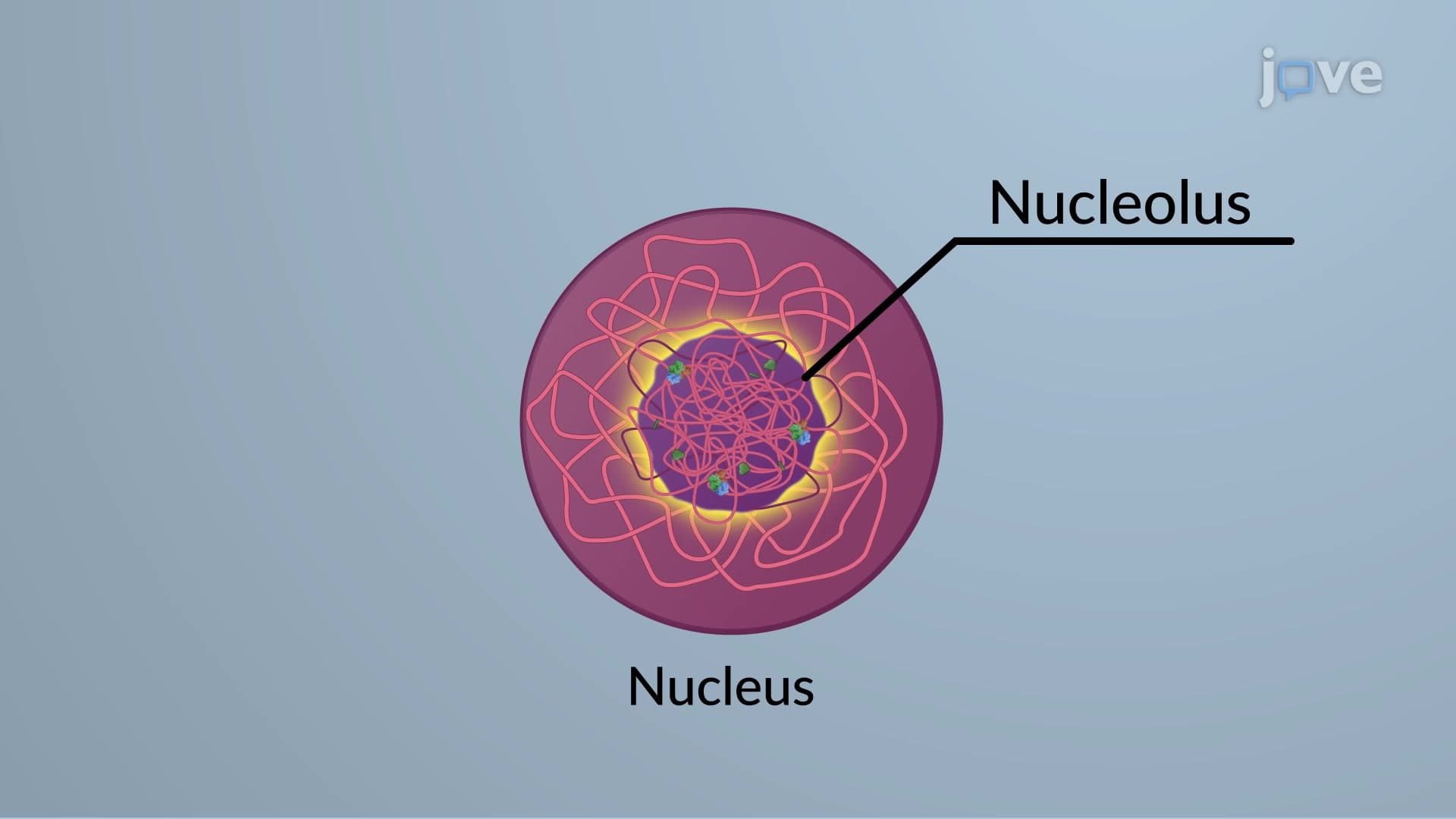
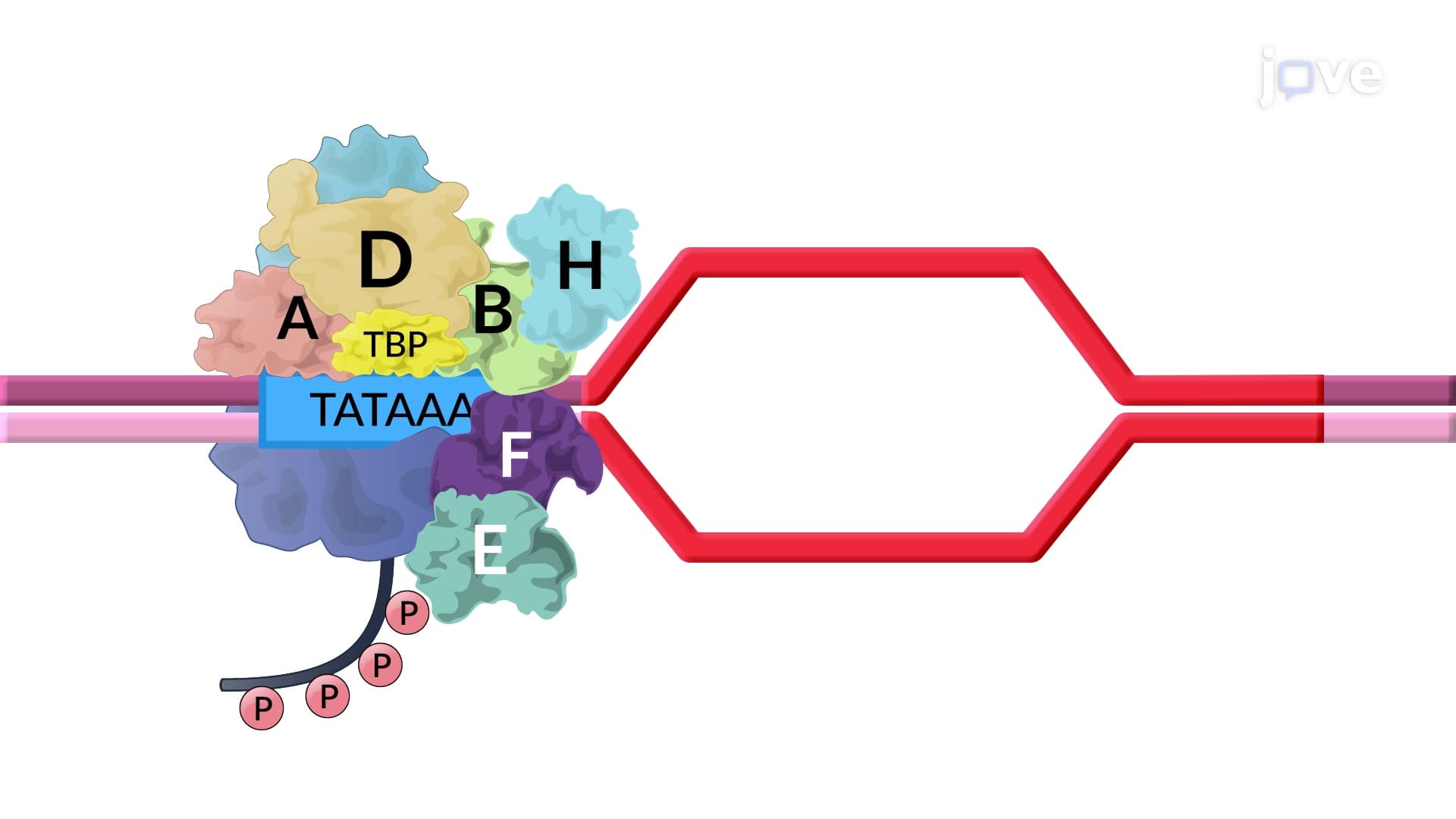
5. Eukaryotic RNA Polymerases and Transcription Factors: Eukaryotes utilize three RNA polymerases: RNA Pol I transcribes ribosomal RNAs, RNA Pol II transcribes protein-coding genes, and RNA Pol III transcribes transfer RNAs and small RNAs. RNA Pol II requires general transcription factors (TFIIA, TFIIB, TFIID, TFIIE, TFIIF, TFIIH) for promoter recognition and transcription initiation. The C-terminal domain of RNA Pol II coordinates with processing factors during transcription elongation. These complex regulatory mechanisms enable sophisticated gene expression control essential for multicellular development and cellular differentiation.
6. Transcriptional Regulation and Chromatin Effects: Transcriptional activators bind enhancer sequences and interact with mediator complexes to stimulate RNA polymerase II activity. Repressor proteins inhibit transcription through various mechanisms including blocking activator binding or interfering with polymerase function. Chromatin structure significantly impacts transcription, requiring chromatin remodeling complexes and histone chaperones to access DNA templates. These regulatory networks control development, tissue-specific gene expression, and cellular responses to environmental changes, principles applied in epigenetic research at US cancer centers.
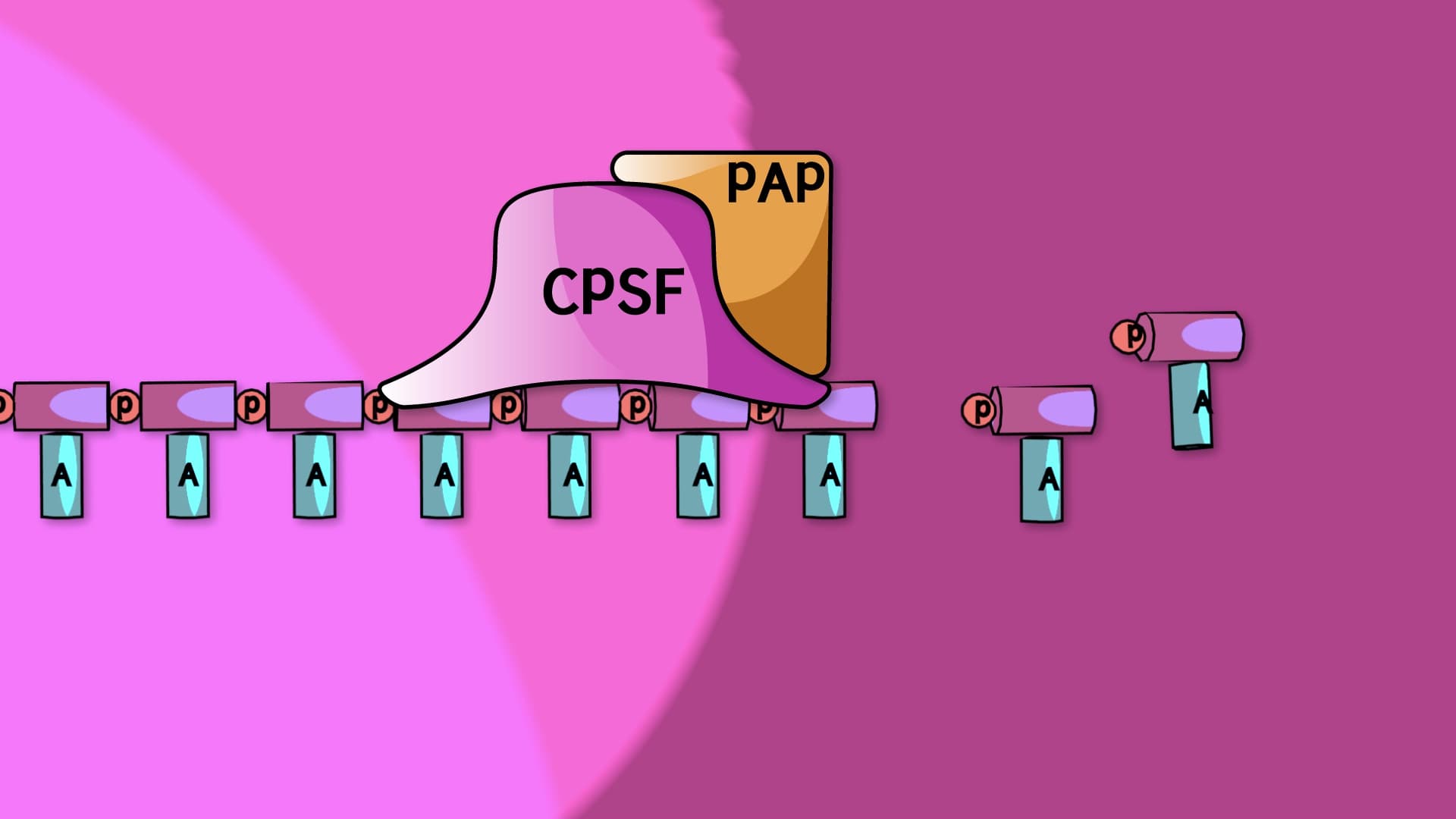
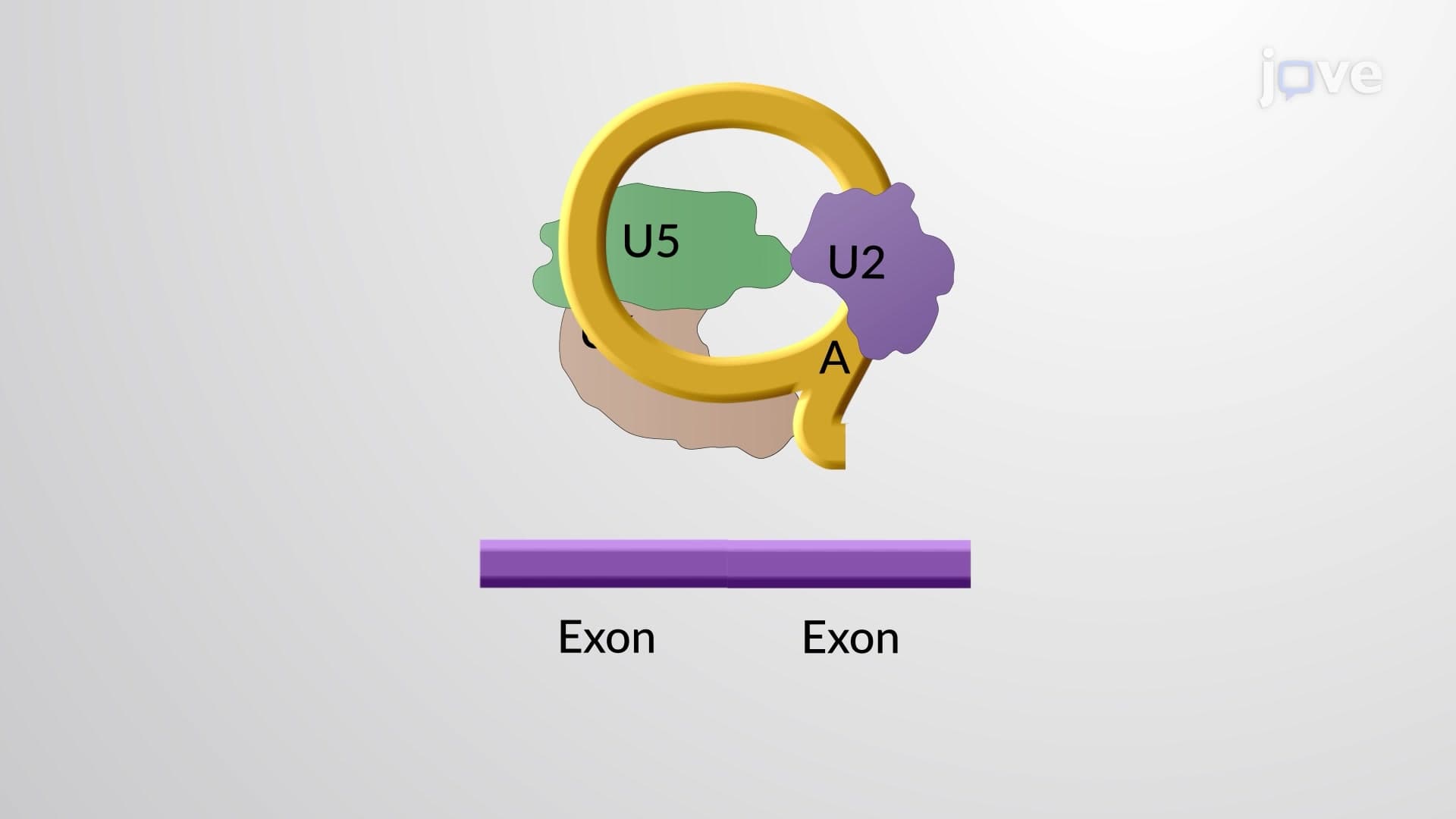
7. Pre-mRNA Processing and Modification: Newly transcribed pre-mRNAs undergo extensive processing including 5' capping with 7-methylguanosine, 3' polyadenylation, and intron removal through splicing. The spliceosome, composed of snRNAs and proteins, catalyzes precise intron removal and exon joining. Alternative splicing enables single genes to produce multiple protein variants, dramatically increasing proteomic diversity. These processing steps occur co-transcriptionally and are essential for mRNA stability, nuclear export, and translation efficiency, representing targets for therapeutic intervention in genetic diseases.
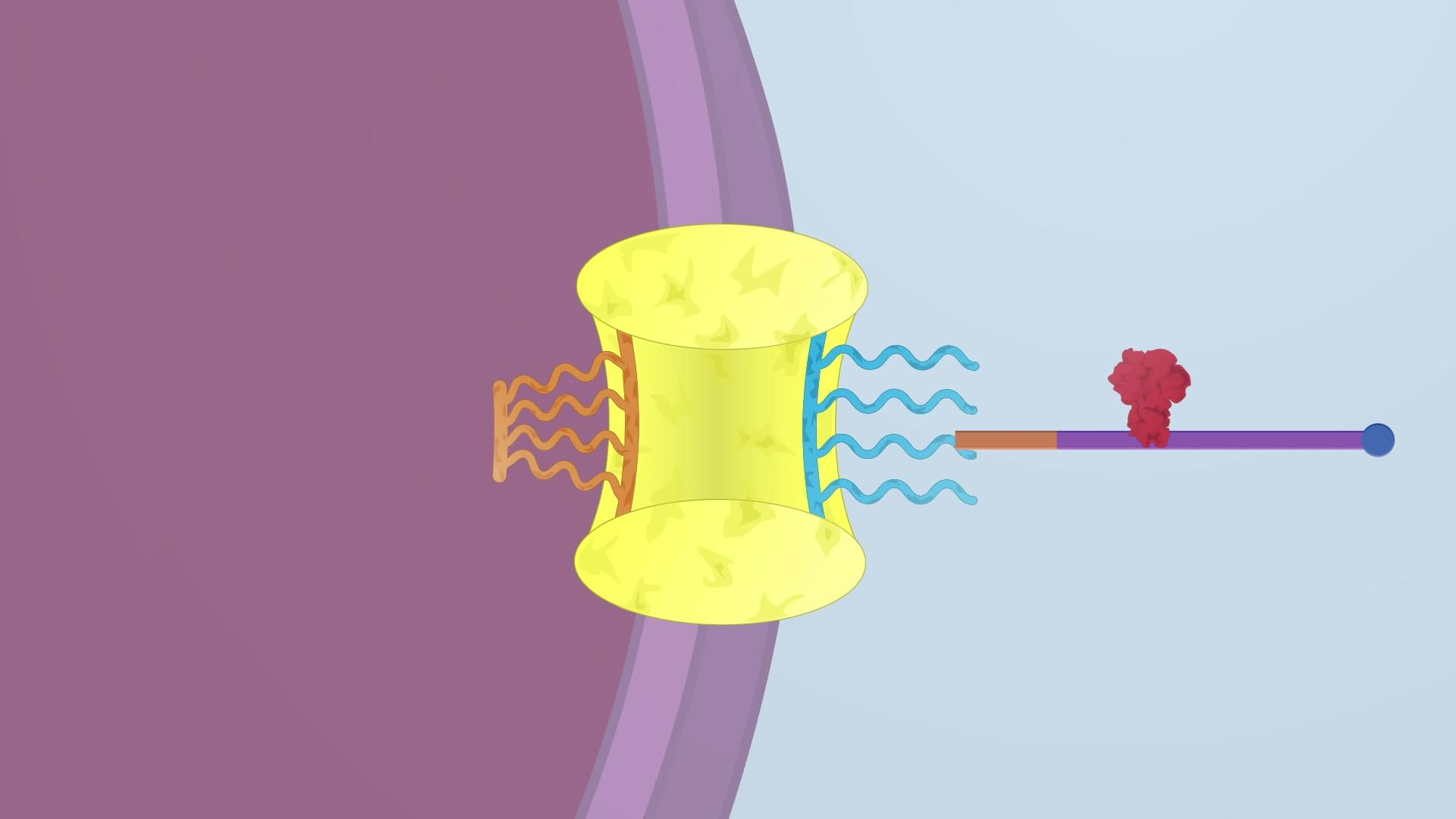
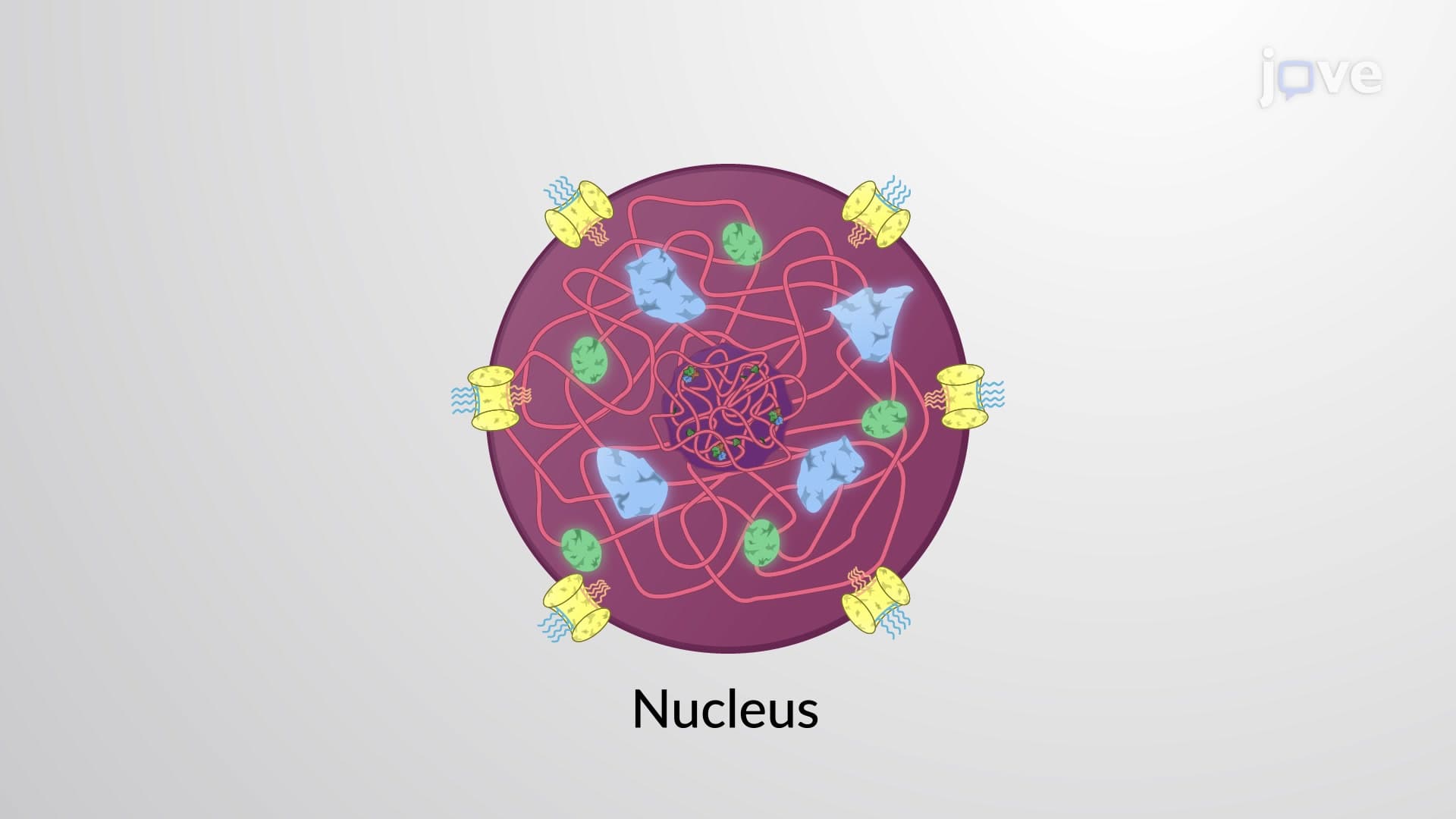
8. Nuclear Export and Quality Control: Mature mRNAs associate with nuclear export factors and pass through nuclear pore complexes to reach the cytoplasm for translation. Quality control mechanisms ensure only properly processed mRNAs exit the nucleus while defective transcripts are degraded by nuclear exosome complexes. Export-competent mRNAs contain proper 5' caps, 3' poly(A) tails, and associated proteins like cap-binding complexes and exon junction complexes. Understanding these mechanisms helps explain genetic diseases caused by splicing defects and provides insights for developing RNA-based therapeutics in US biotechnology companies.