- Molecular Biology
- Analyzing Gene Expression and Function
Micro-courses:20

Analyzing Gene Expression and Function

1. In vitro Mutagenesis
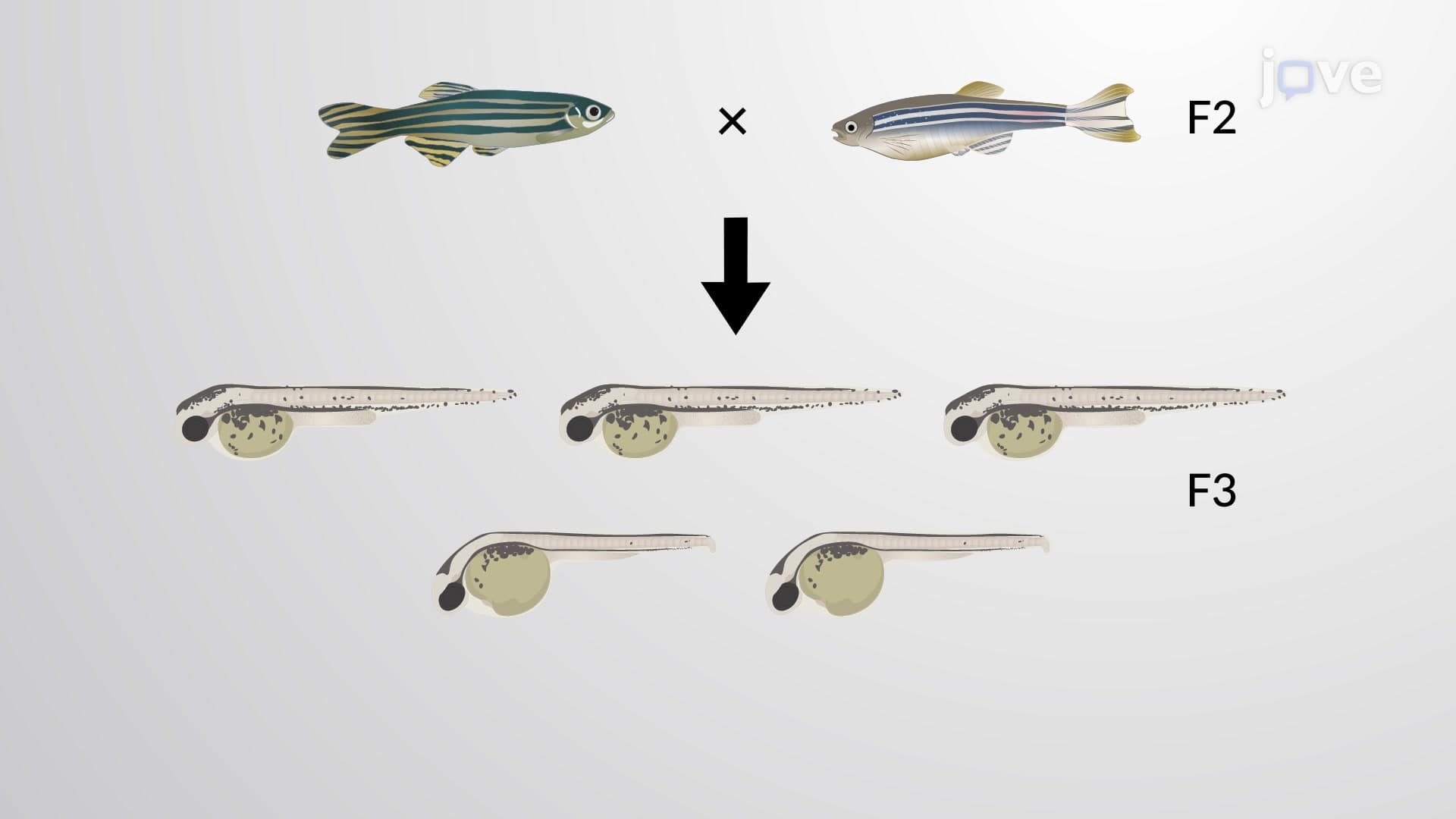
2. Genetic Screens

3. Test Cross

4. Complementation Tests
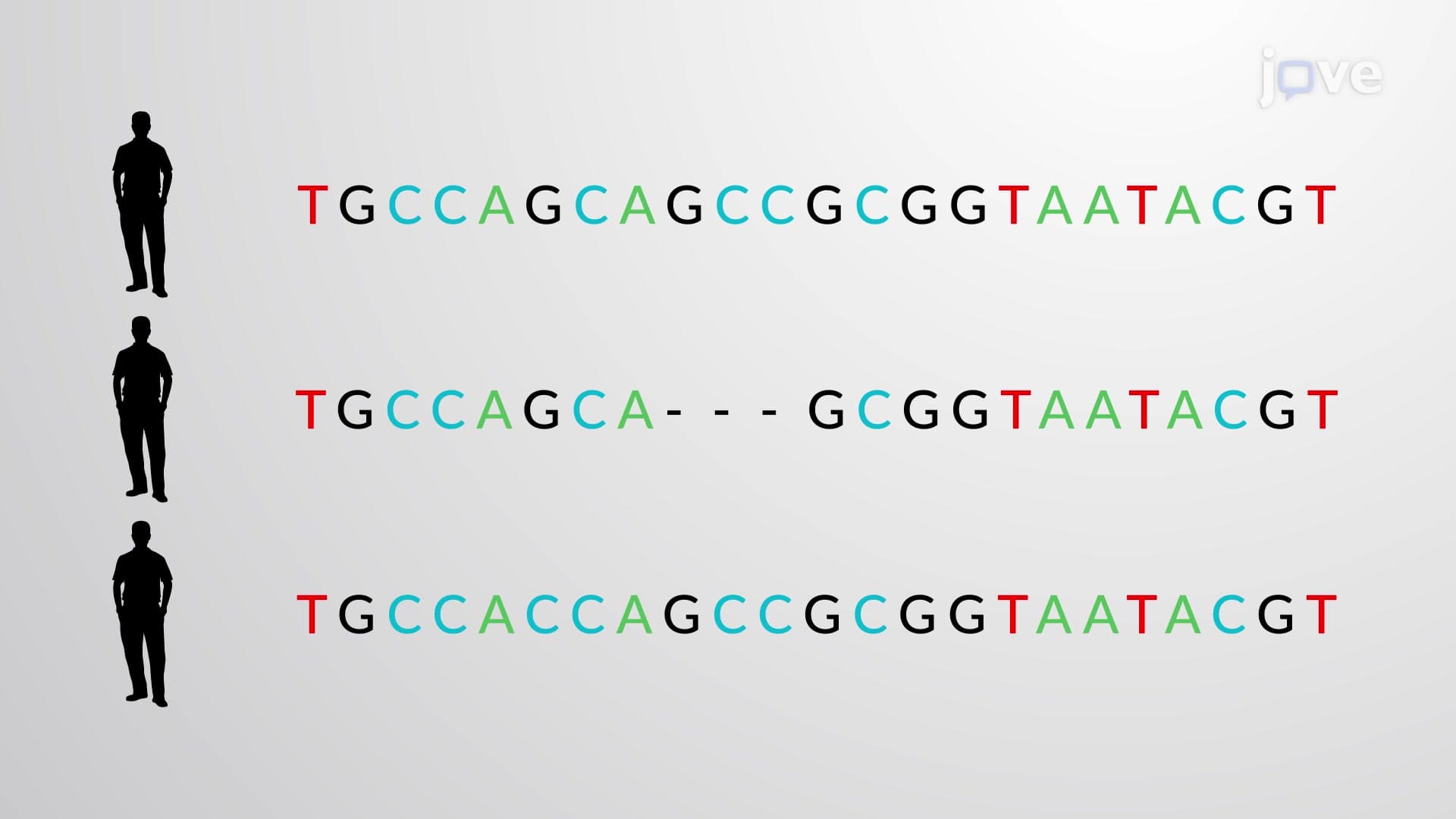
5. Single Nucleotide Polymorphisms-SNPs

6. Bacterial Transformation

7. Transgenic Organisms

8. Reproductive Cloning
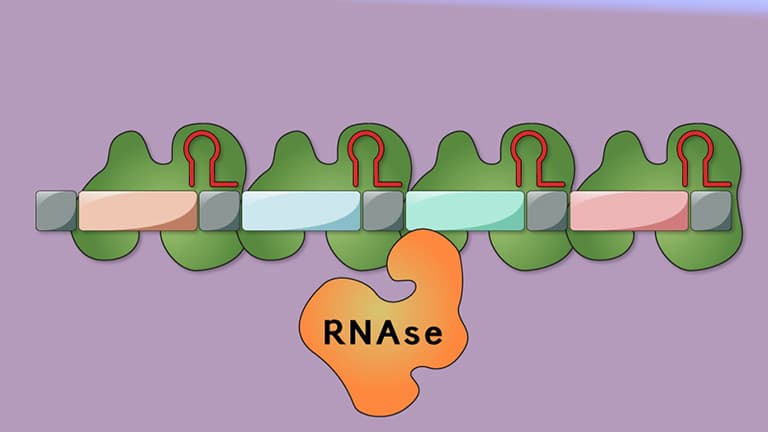
9. CRISPR
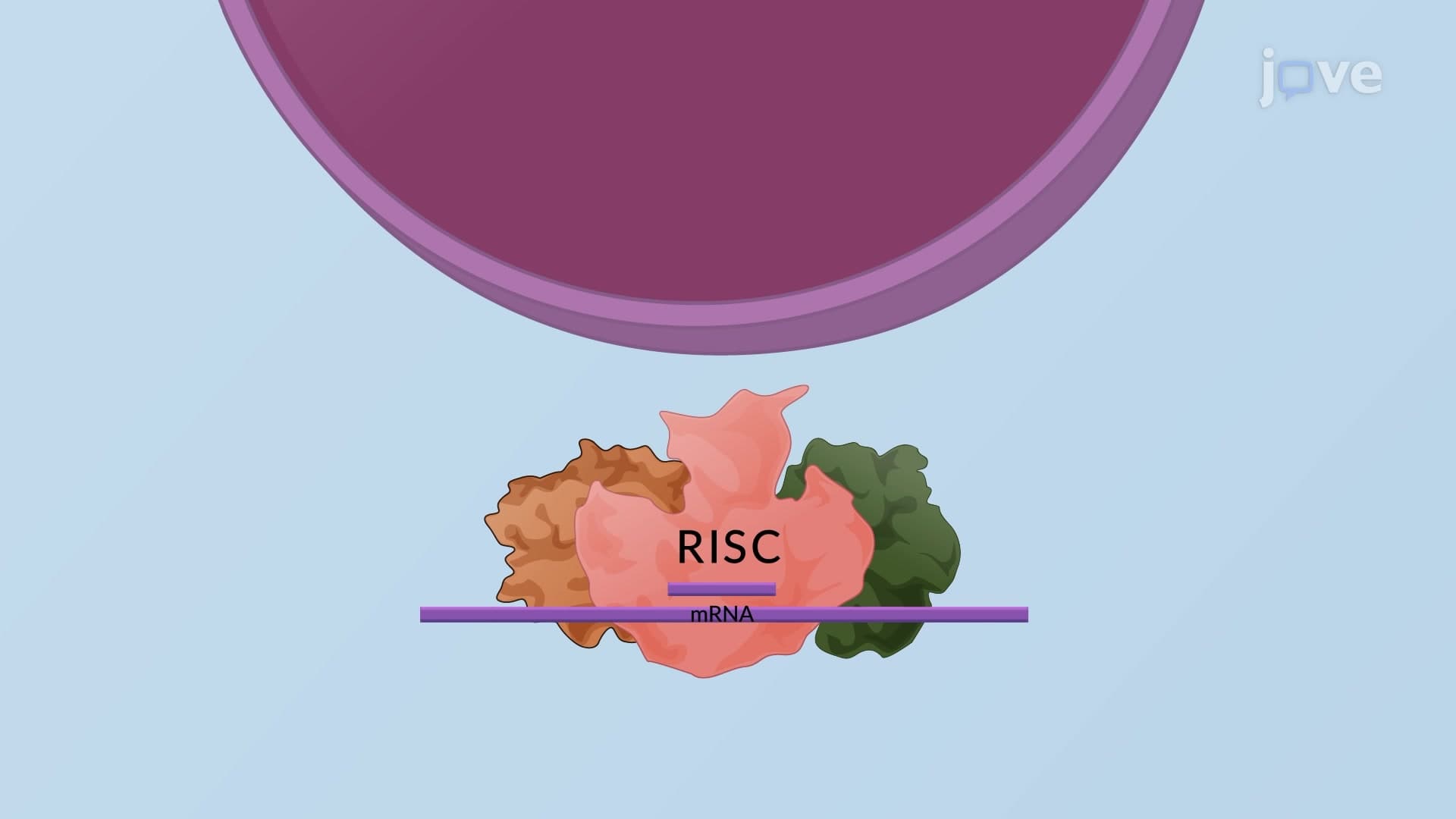
10. Experimental RNAi
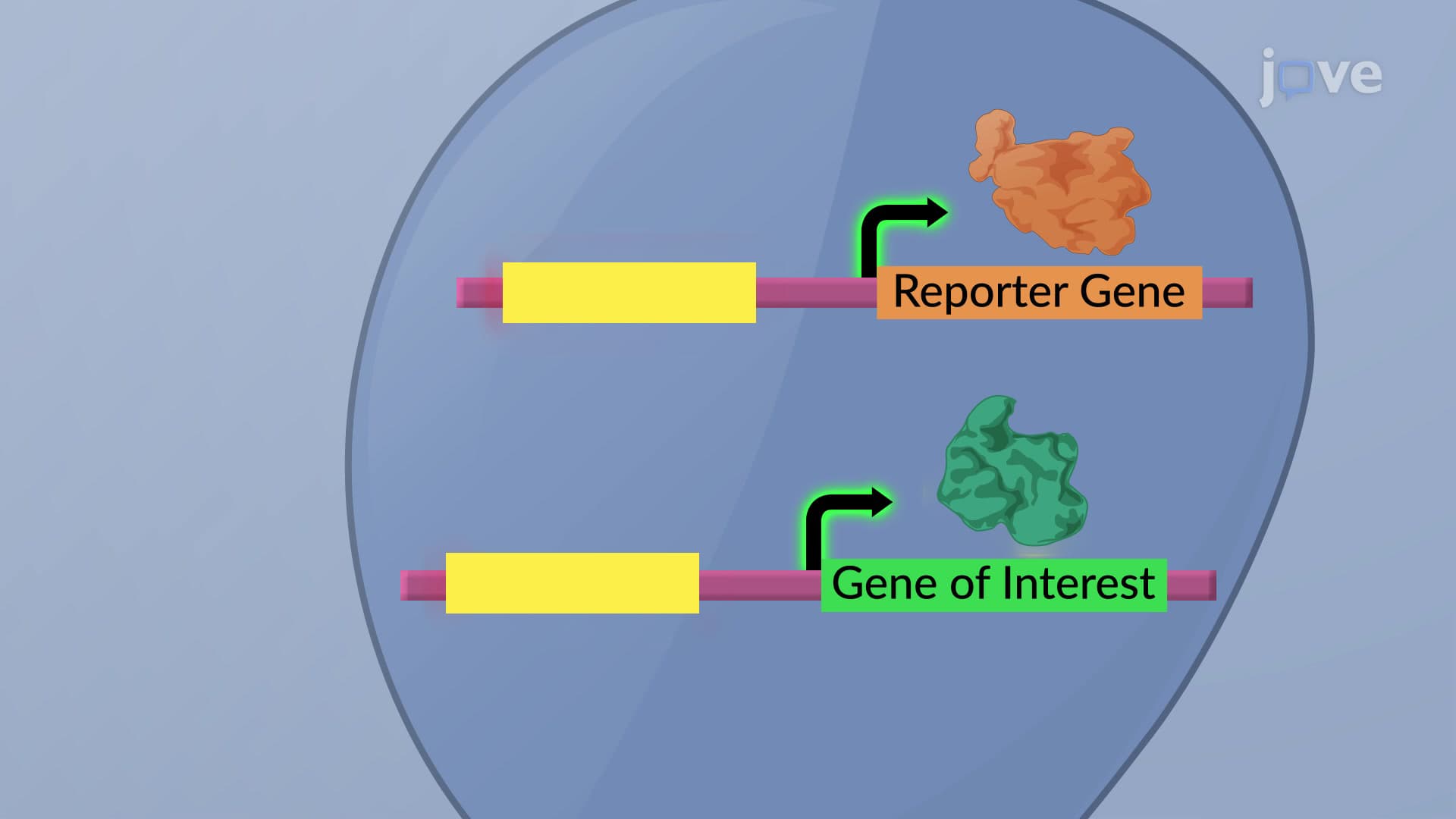
11. Reporter Genes

12. In-situ Hybridization

13. Chromatin Immunoprecipitation- ChIP
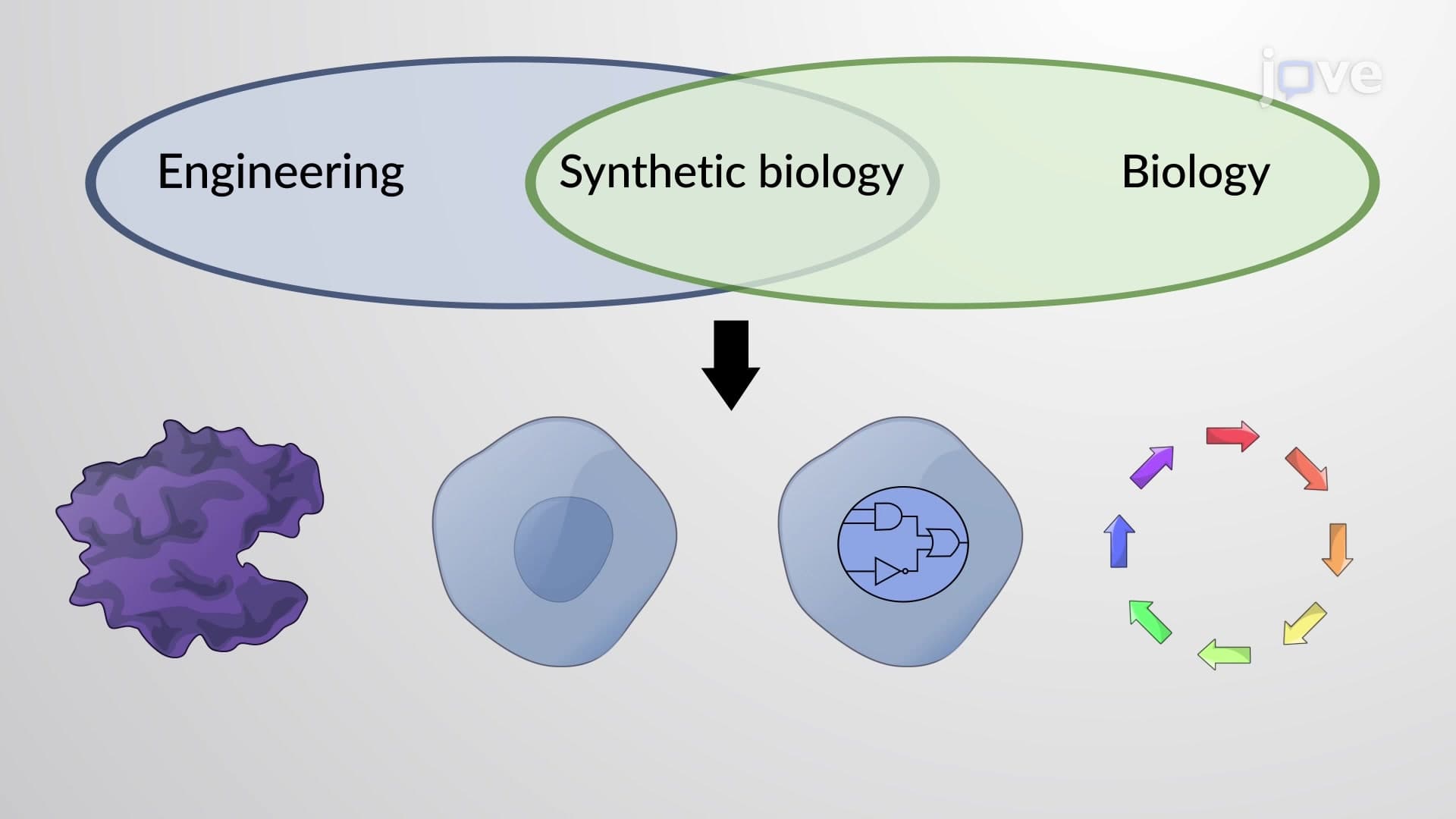
14. Synthetic Biology

15. Ribosome Profiling

16. Transgenic Plants
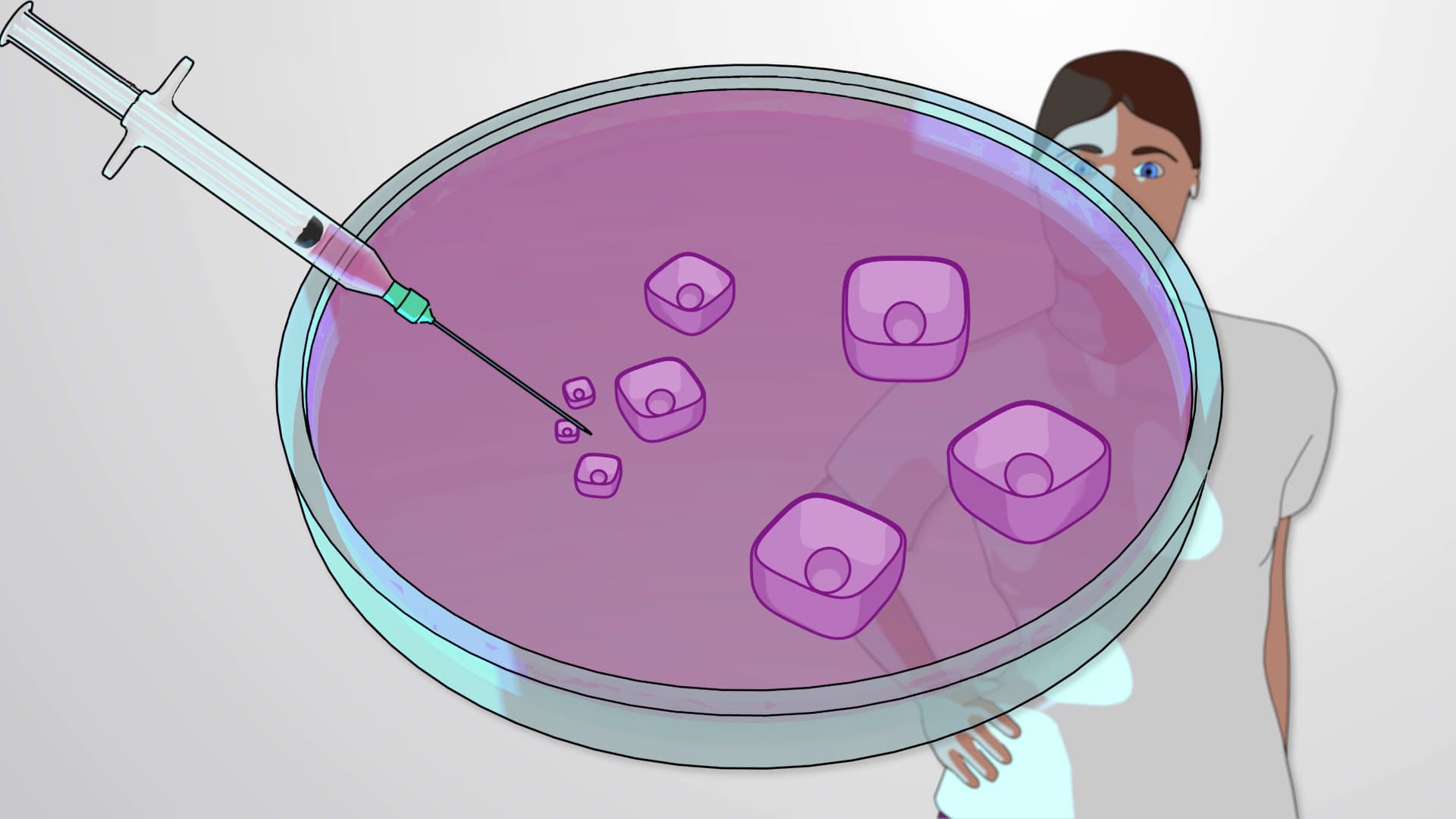
17. Gene Therapy
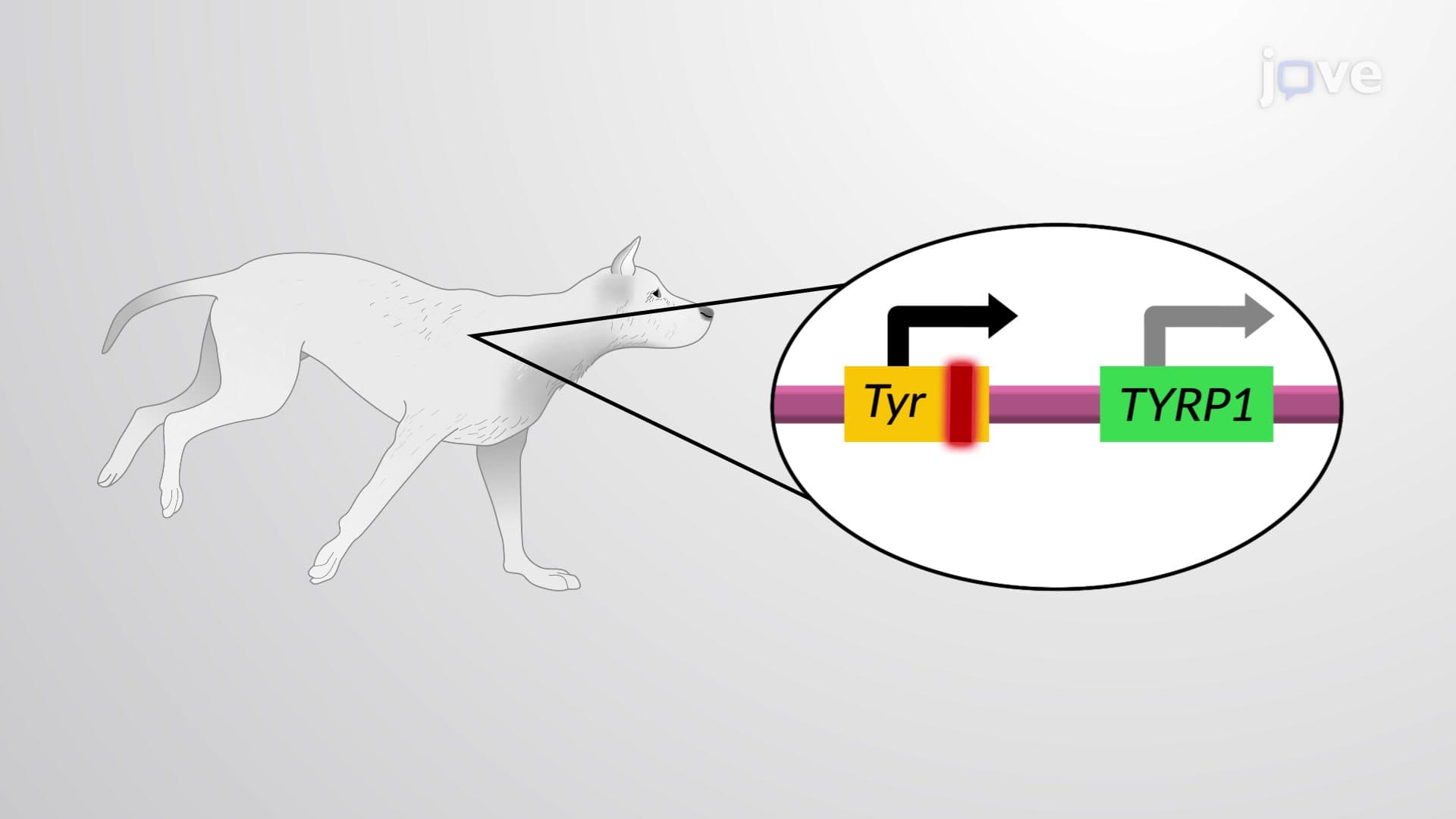
18. Epistasis Analysis

19. Genome-wide Association Studies-GWAS
Gene expression analysis encompasses cutting-edge molecular techniques used to study how genes are activated, regulated, and function within living systems. From CRISPR genome editing to ribosome profiling, these methods enable researchers at institutions like MIT and Stanford to decode genetic mechanisms underlying human disease, develop gene therapies approved by the FDA, and create genetically modified crops. JoVE Coach provides comprehensive training in these essential biotechnology skills.
- Understand fundamental principles of gene expression regulation and analysis techniques
- Learn to design and interpret genetic screens for identifying gene function
- Analyze single nucleotide polymorphisms (SNPs) and their role in genome-wide association studies
- Explore CRISPR-Cas9 technology for precise genome editing applications
- Apply bacterial transformation methods for recombinant protein production
- Identify gene expression patterns using reporter genes and in-situ hybridization
- Understand chromatin immunoprecipitation (ChIP) for studying protein-DNA interactions
- Examine synthetic biology approaches for engineering biological systems
- Analyze ribosome profiling data to map active protein synthesis
1. Forward and Reverse Genetic Screens: Genetic screens represent powerful analytical approaches for establishing genotype-phenotype relationships. Forward screens identify genes responsible for observable traits by randomly mutating organisms and screening for phenotypes of interest, as demonstrated in zebrafish developmental studies at major research universities. Reverse screens examine phenotypic outcomes when specific genes are disrupted, commonly used in Drosophila research to understand essential gene functions. These complementary approaches have been instrumental in discovering disease genes and understanding developmental pathways in model organisms used throughout American research institutions.
2. CRISPR-Cas9 Genome Editing Technology: CRISPR represents a revolutionary genome editing system derived from bacterial immune mechanisms, enabling precise DNA modifications in living cells. The technology uses guide RNAs to direct Cas9 nuclease to specific genomic locations, creating double-strand breaks that trigger cellular repair mechanisms. American biotech companies like Editas Medicine and Intellia Therapeutics are advancing CRISPR-based therapies for genetic diseases including sickle cell anemia and inherited blindness. Clinical trials across US medical centers demonstrate CRISPR's therapeutic potential, while agricultural applications produce disease-resistant crops approved for American markets.
3. Chromatin Immunoprecipitation (ChIP) and Epigenetic Analysis: ChIP technology enables researchers to map protein-DNA interactions and histone modifications that regulate gene expression. This technique involves crosslinking proteins to DNA, fragmenting chromatin, and using specific antibodies to isolate target protein-DNA complexes. Major pharmaceutical companies use ChIP-seq data to identify drug targets and understand how epigenetic modifications contribute to diseases like cancer and neurological disorders. American research institutions employ ChIP analysis to study transcription factor binding patterns and chromatin states associated with development and disease progression.
4. Single Nucleotide Polymorphisms and Genome-Wide Association Studies: SNPs represent the most common form of genetic variation among humans, occurring approximately once every 300 base pairs throughout the genome. These variations serve as molecular markers for genome-wide association studies (GWAS) that identify genetic factors contributing to complex diseases. The NIH-funded Human Genome Project and subsequent initiatives have cataloged millions of SNPs, enabling researchers to associate genetic variants with conditions like diabetes, heart disease, and psychiatric disorders prevalent in American populations. Pharmaceutical companies utilize GWAS data for personalized medicine approaches and drug development strategies.
5. Synthetic Biology and Engineered Biological Systems: Synthetic biology applies engineering principles to design novel biological components and systems not found in nature. This interdisciplinary field combines molecular biology, engineering, and computational approaches to create programmable biological circuits and metabolic pathways. American companies like Ginkgo Bioworks and Synthetic Genomics engineer microorganisms for producing pharmaceuticals, biofuels, and specialty chemicals. Academic institutions across the US integrate synthetic biology into curriculum through competitions like iGEM, where students design genetically engineered machines to address real-world challenges in healthcare, environment, and manufacturing.
Frequently Asked Questions
Forward genetic screens start with an observable trait (phenotype) and work to identify the responsible gene, while reverse genetic screens begin with a known gene and examine what happens when it's disrupted. Think of forward screens as asking "which gene causes this disease?" and reverse screens as asking "what disease does this gene cause when mutated?"
MCAT questions often focus on CRISPR's mechanism of action, including guide RNA design, Cas9 function, and DNA repair pathways. You might encounter passages describing CRISPR applications in gene therapy or research, requiring analysis of experimental design and potential outcomes. AP Biology exams may test understanding of genome editing principles and ethical considerations.
AP Biology emphasizes understanding reporter genes, basic genetic screens, and DNA transformation concepts. Focus on how these techniques reveal gene function and regulation patterns. While advanced methods like ChIP-seq appear in college-level courses, AP students should understand fundamental principles of gene expression analysis and experimental design.
Scientists compare SNP patterns between healthy individuals and those with specific diseases across large populations. When certain SNP variants consistently appear in disease groups, they indicate genomic regions potentially containing disease-associated genes. This approach has identified genetic factors for conditions like Alzheimer's disease, diabetes, and various cancers affecting American populations.
Career paths include biomedical research at universities and pharmaceutical companies, clinical genetics in hospitals, agricultural biotechnology, forensic genetics for law enforcement, and bioinformatics analysis for genomics companies. Many positions require advanced degrees, while laboratory technician roles may accept bachelor's degrees with relevant coursework and experience.
Start by mastering fundamental concepts like DNA structure, gene expression, and protein synthesis before advancing to specialized techniques. Practice interpreting experimental data and understanding how each method answers specific biological questions. Connect techniques to real-world applications in medicine, agriculture, and research to reinforce learning and retention.
Gene expression analysis enables doctors to tailor treatments based on individual genetic profiles. For example, cancer patients undergo genetic testing to determine which therapies will be most effective for their specific tumor mutations. Pharmacogenomics uses genetic information to predict drug responses, helping physicians select optimal medications and dosages for individual patients.
This microcourse includes 19 concept videos that walk you through the building blocks of Molecular Biology. Each video is short, about 2 minutes, so you can cover a full topic during a coffee break or between classes. The full sequence starts with In vitro Mutagenesis and ends with Genome-wide Association Studies-GWAS.
The playlist moves from big-picture ideas to the precise vocabulary used in Molecular Biology. Early videos introduce In vitro Mutagenesis, Genetic Screens, and Test Cross. The middle of the series focuses on Single Nucleotide Polymorphisms-SNPs, Bacterial Transformation, and Transgenic Organisms. The final stretch covers Reproductive Cloning, CRISPR, Experimental RNAi, Reporter Genes, In-situ Hybridization, Chromatin Immunoprecipitation- ChIP, and Genome-wide Association Studies-GWAS.
The natural next step is Cell Proliferation. From there, you can move to Cell Division, Meiosis, and Cancer. Once you finish those, the full Molecular Biology curriculum of 20 microcourses on JoVE Coach opens up, taking you from foundational concepts to advanced systems.
Related Subjects

