Loading subject page…

- Molecular Biology
- Analyzing Gene Expression and Function
- Reproductive Cloning
Micro-course: Analyzing Gene Expression and Function
152,901 views
Learn key concepts and earn your certificate.





Reproductive Cloning

00:00
01:27
Video Summary: What Is Reproductive Cloning
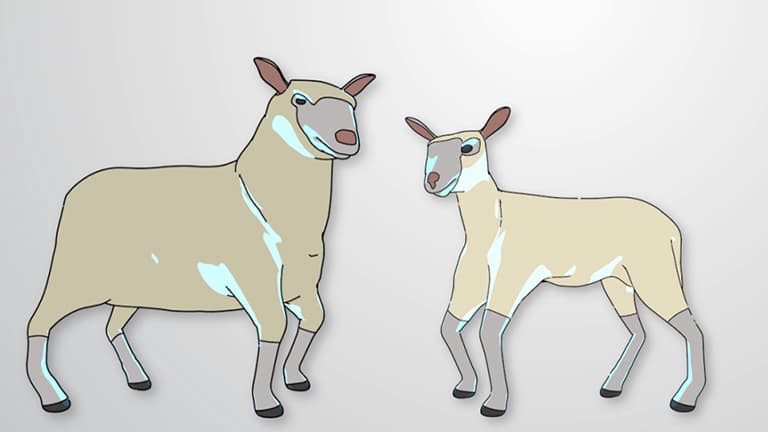
Did you know that scientists can create genetically identical copies of living organisms using just a single cell? Reproductive cloning makes this possible by transferring genetic material from one organism into an egg cell to produce an exact genetic duplicate. This groundbreaking biotechnology gained fame when researchers at the Roslin Institute created Dolly the sheep in 1996, proving that adult cells could be reprogrammed to develop into complete organisms. Watch the full video on JoVE Coach to master this concept with expert-led visuals and step-by-step explanations.
- Understand what is reproductive cloning and how it differs from therapeutic cloning techniques
- Identify the key steps in somatic cell nuclear transfer (SCNT) and the role of enucleated egg cells
- Analyze the biological mechanisms behind nuclear reprogramming and cellular dedifferentiation
- Compare reproductive cloning applications in livestock breeding, species conservation, and research
- Evaluate the ethical, legal, and biological challenges associated with reproductive cloning procedures
- Apply knowledge of epigenetics and developmental biology to explain cloning success rates
- Recognize the historical significance of Dolly the sheep and subsequent cloning milestones
- Explore connections between reproductive cloning and regenerative medicine research
What is Reproductive Cloning: The Science Behind Genetic Duplication
Reproductive cloning represents one of biotechnology's most revolutionary achievements, enabling scientists to create genetically identical organisms through laboratory techniques. Unlike natural reproduction, which combines genetic material from two parents, reproductive cloning produces offspring with DNA identical to a single donor organism. This process fundamentally challenges traditional concepts of inheritance and development.
Somatic Cell Nuclear Transfer: The Core Methodology
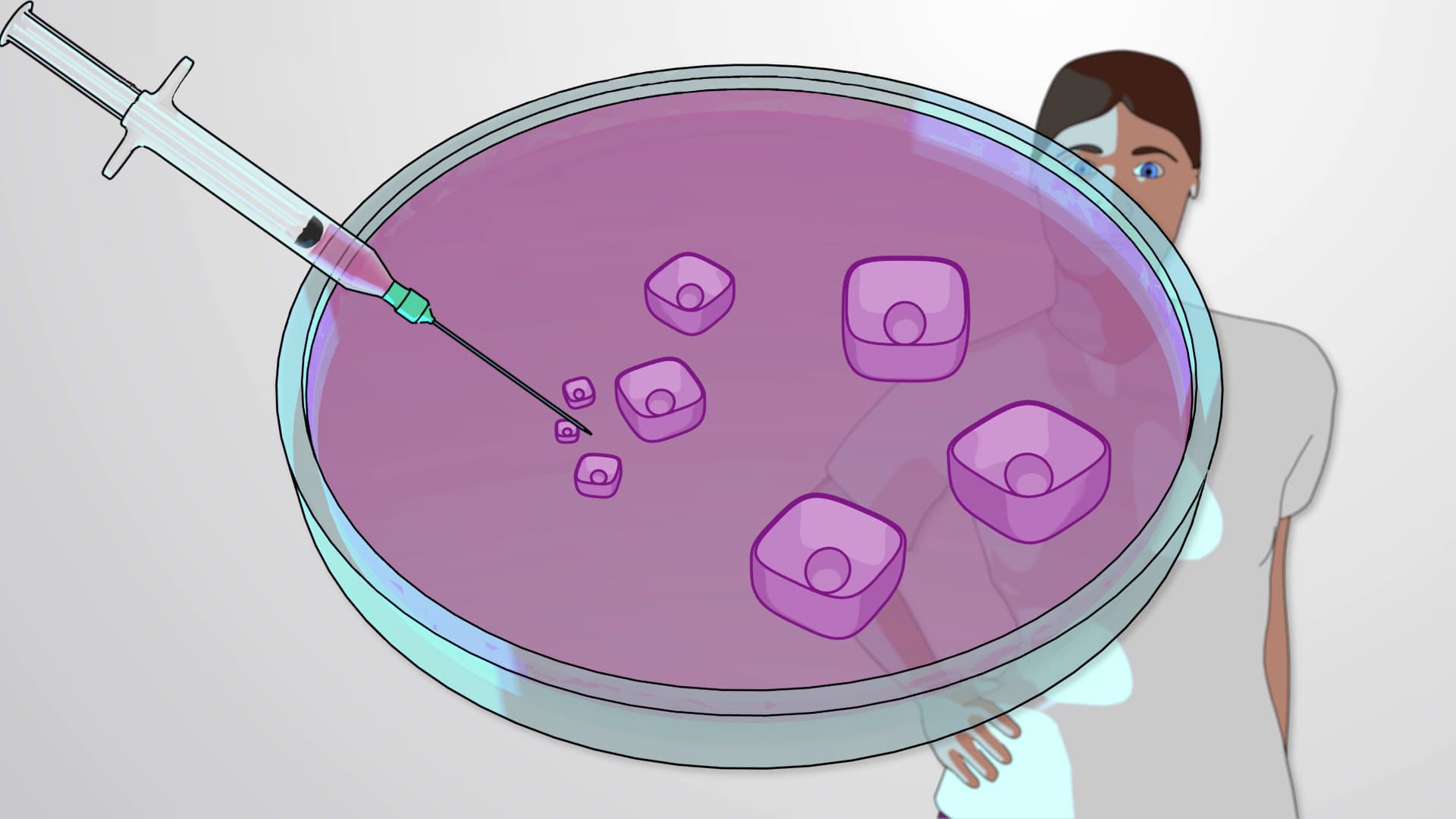
The primary technique for reproductive cloning is somatic cell nuclear transfer (SCNT), a sophisticated laboratory procedure requiring precise molecular manipulation. Scientists begin by extracting the nucleus from an adult somatic cell-any body cell except reproductive cells-which contains the complete genetic blueprint of the donor organism. Simultaneously, researchers prepare an egg cell by removing its nucleus, creating an enucleated oocyte that retains the cellular machinery necessary for development.
The extracted donor nucleus is then inserted into the enucleated egg through microinjection or cell fusion techniques. This reconstructed egg must be activated using electrical pulses or chemical treatments to initiate the developmental program. The resulting embryo develops in laboratory conditions before being implanted into a surrogate mother, where it can potentially develop to full term.
Real-World Applications and US Research Examples
American agricultural companies have successfully applied reproductive cloning to livestock breeding, particularly in Texas and California cattle operations. Companies like ViaGen Pets in Texas offer cloning services for valuable breeding animals, demonstrating the technology's commercial viability. Conservation efforts at institutions like the San Diego Zoo have explored reproductive cloning for preserving endangered species, including attempts to clone the gaur and banteng.
Academic and Exam Relevance
Reproductive cloning frequently appears on Advanced Placement Biology exams, particularly in questions addressing biotechnology applications and ethical considerations. College-level genetics courses at institutions like Stanford University and MIT incorporate SCNT mechanisms into their curricula, emphasizing the molecular biology underlying nuclear reprogramming. MCAT preparation often includes reproductive cloning scenarios in biological sciences passages, testing students' understanding of cellular differentiation and developmental biology principles.
The concept connects directly to epigenetics-how environmental factors influence gene expression without changing DNA sequences. Students studying for medical school admissions must understand how cloning research contributes to regenerative medicine and stem cell therapy development, topics increasingly relevant in clinical practice.
Frequently Asked Questions
Reproductive cloning is a biotechnology process that creates genetically identical organisms using somatic cell nuclear transfer (SCNT). Scientists transfer the nucleus from an adult cell into an enucleated egg, stimulate development, and implant the resulting embryo into a surrogate mother. This produces offspring with DNA identical to the original donor organism.
AP Biology frequently includes reproductive cloning in biotechnology units, testing SCNT mechanisms and ethical considerations. Students encounter multiple-choice questions about nuclear reprogramming and free-response questions comparing reproductive versus therapeutic cloning applications. Understanding the molecular basis of dedifferentiation and developmental biology principles is essential for success.
MCAT Biological and Biochemical Foundations sections often feature reproductive cloning in research passages testing genetics and developmental biology knowledge. Questions typically focus on SCNT methodology, epigenetic reprogramming, and experimental design in cloning studies. Students must analyze data from cloning experiments and evaluate research conclusions.
US companies like ViaGen Pets in Texas commercially clone valuable livestock and pets for agricultural and personal purposes. Research institutions including the Scripps Research Institute conduct cloning studies for biomedical applications. The FDA regulates food products from cloned animals, though most focus on preserving superior breeding genetics rather than mass production.
Basic high school biology provides sufficient foundation for understanding reproductive cloning concepts. Knowledge of cell structure, DNA function, and general developmental biology helps, but complex genetic mechanisms can be learned progressively. Most introductory college biology courses build these concepts systematically without requiring extensive prerequisites.
Create concept maps connecting SCNT steps, nuclear reprogramming, and epigenetic modifications to visualize the complete process. Practice drawing the cloning procedure from memory and explaining each step's molecular basis. Focus on comparing reproductive cloning with natural reproduction and therapeutic cloning applications for comprehensive understanding.
Explore therapeutic cloning and stem cell research to understand cloning's medical applications. Study induced pluripotent stem cells (iPSCs) as alternative reprogramming methods developed by researchers like Shinya Yamanaka. Investigate CRISPR gene editing and synthetic biology as complementary biotechnology advances expanding genetic manipulation possibilities.
Cloning success rates remain low due to incomplete nuclear reprogramming and epigenetic abnormalities that occur during the dedifferentiation process. Many cloned embryos fail to develop properly or exhibit developmental abnormalities throughout gestation. Even successful clones often experience shortened lifespans and increased health problems compared to naturally conceived organisms.
Related Micro-courses


