Loading subject page…

- Molecular Biology
- Analyzing Gene Expression and Function
- Bacterial Transformation
Micro-course: Analyzing Gene Expression and Function
152,901 views
Learn key concepts and earn your certificate.

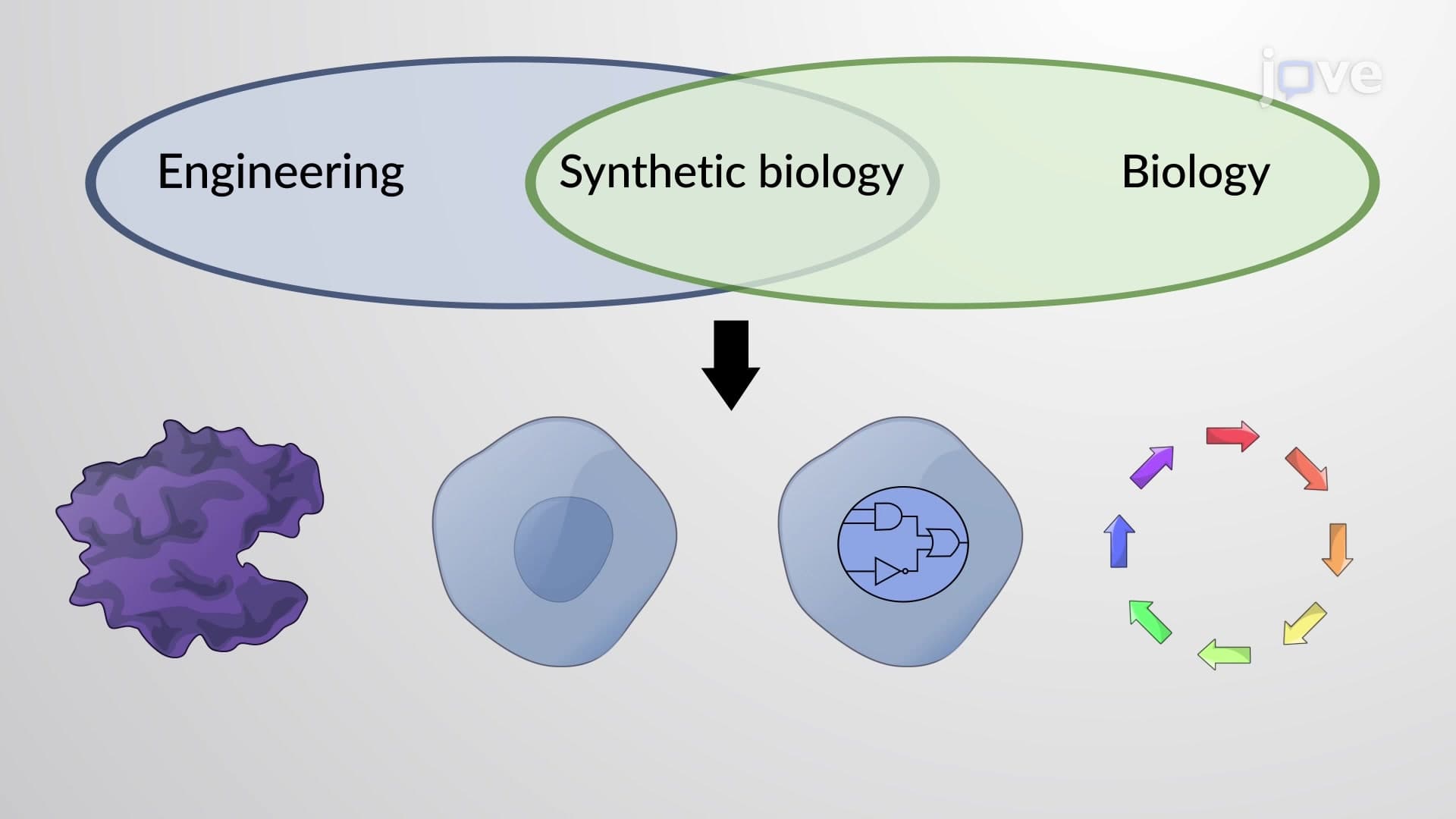

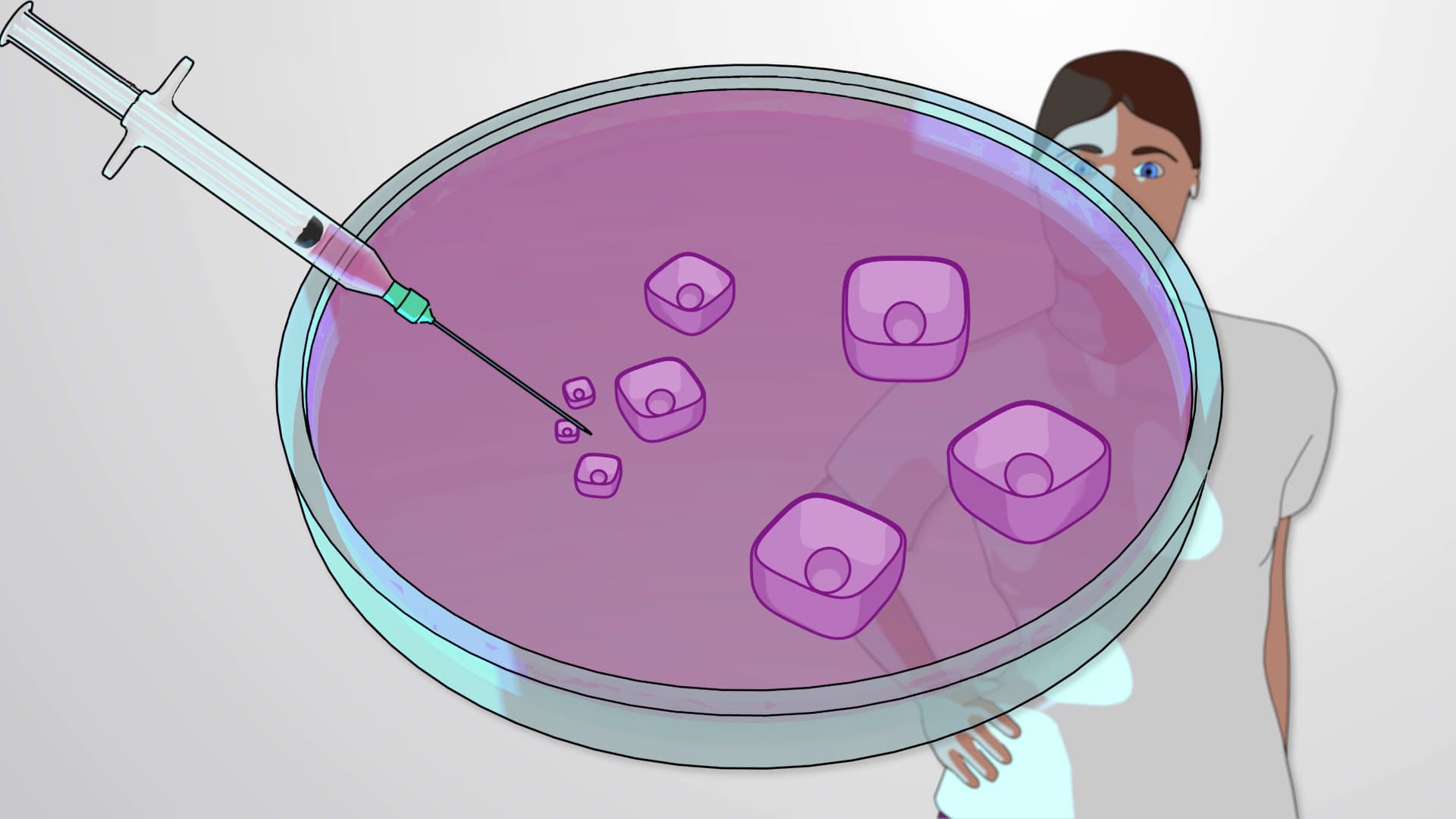

Bacterial Transformation


00:00
01:33
Video Summary: What Is Bacterial Transformation
Did you know that the insulin used by millions of Americans with diabetes is produced by genetically modified bacteria? Bacterial transformation makes this life-saving treatment possible by introducing human DNA into bacterial cells. This fundamental technique allows scientists to engineer bacteria that can produce human proteins, creating everything from insulin to growth hormones in laboratories across the United States. Watch the full video on JoVE Coach to master this concept with expert-led visuals and step-by-step explanations.
- Understand what bacterial transformation is and how it enables bacteria to acquire new genetic traits through foreign DNA uptake
- Identify the key methods used to induce transformation, including chemical treatments and electroporation techniques
- Compare natural versus artificial transformation processes and their applications in biotechnology
- Analyze the role of plasmids and selectable markers in successful bacterial transformation experiments
- Evaluate the historical significance of Frederick Griffith's 1928 experiments in establishing transformation principles
- Apply knowledge of transformation efficiency and bacterial competence to optimize laboratory protocols
- Recognize real-world applications including therapeutic protein production and genetic engineering projects
- Explore the connection between bacterial transformation and modern recombinant DNA technology
Understanding Bacterial Transformation Fundamentals
Bacterial transformation represents one of the most powerful tools in modern molecular biology, enabling researchers to introduce foreign genetic material into bacterial cells. This process fundamentally changes how bacteria function by giving them new capabilities, such as antibiotic resistance or the ability to produce human proteins. Students preparing for AP Biology or college-level microbiology courses must grasp both the theoretical principles and practical applications of this technique.
Natural vs. Artificial Transformation Methods
While some bacteria naturally uptake DNA from their environment during states of competence, laboratory applications typically rely on artificial methods. Chemical transformation using calcium chloride solutions temporarily makes bacterial cell membranes permeable, allowing DNA to enter. Electroporation, a more advanced technique used in research institutions like Stanford University and the National Institutes of Health, applies controlled electrical pulses to create temporary pores in cell membranes. These methods are essential for students to understand when tackling MCAT questions about genetic engineering techniques.
Plasmids and Selection Strategies
The success of bacterial transformation often depends on plasmid vectors-small, circular DNA molecules that replicate independently within bacterial cells. These plasmids typically carry selectable markers, such as antibiotic resistance genes, allowing researchers to identify successfully transformed bacteria. For example, if a plasmid contains ampicillin resistance, only transformed bacteria will survive on ampicillin-containing growth media. This selection process is crucial for maintaining pure cultures of genetically modified organisms in biotechnology applications.
Real-World Applications and Clinical Relevance
Bacterial transformation has revolutionized medicine and biotechnology in the United States. Companies like Genentech pioneered the use of transformed E. coli bacteria to produce human insulin, eliminating the need for insulin extracted from animal pancreases. Today, transformation techniques enable production of vaccines, growth hormones, and cancer treatments. Students studying for healthcare-related exams like the HESI A2 or TEAS should understand how this fundamental process connects to modern pharmaceutical manufacturing and personalized medicine approaches used in American hospitals and clinics.
Frequently Asked Questions
Bacterial transformation is the process of introducing foreign DNA into bacterial cells, allowing them to gain new genetic abilities. It's like giving bacteria new instructions that change what they can do, such as producing human proteins or resisting antibiotics. This technique is fundamental to genetic engineering and biotechnology applications.
AP Biology frequently tests transformation through laboratory-based questions and experimental design scenarios. Students might encounter questions about plasmid vectors, selection markers, or analyzing transformation efficiency data. The College Board emphasizes understanding both the process and its applications in biotechnology, making it essential for scoring well on free-response questions.
The MCAT tests bacterial transformation under molecular biology and genetics sections, particularly in passages about recombinant DNA technology. Students should know transformation methods, plasmid characteristics, and applications in producing therapeutic proteins. Understanding these connections helps with both discrete questions and research-based passages common on the exam.
U.S. hospitals rely on medications produced through bacterial transformation, including insulin for diabetes patients and clotting factors for hemophilia treatment. Many vaccines and cancer therapeutics are also manufactured using transformed bacteria in facilities regulated by the FDA, making this technique directly relevant to patient care.
Basic high school chemistry is sufficient to grasp bacterial transformation concepts. Understanding DNA structure, protein synthesis, and cell membrane properties provides adequate background. Most students in Biology I or AP Biology have the necessary prerequisites to master this topic successfully.
Focus on creating flowcharts showing the transformation process from DNA uptake through protein expression. Practice identifying components in experimental scenarios and explaining how selection markers work. Drawing diagrams of plasmids and bacterial cells helps visualize the process for both multiple-choice and essay questions.
Students can explore CRISPR gene editing, viral vectors for gene therapy, and synthetic biology applications. Understanding transformation provides foundation knowledge for advanced genetics courses, biotechnology programs, and pre-professional studies leading to careers in medicine, research, or pharmaceutical development.
While laboratory transformation uses antibiotic resistance as a selection tool, natural transformation contributes to the spread of resistance genes among bacterial populations. Understanding both processes helps students grasp how resistance develops in healthcare settings and why proper antibiotic stewardship is crucial in American hospitals.
Related Micro-courses


