Loading subject page…

- Molecular Biology
- Analyzing Gene Expression and Function
- In vitro Mutagenesis
Micro-course: Analyzing Gene Expression and Function
152,901 views
Learn key concepts and earn your certificate.

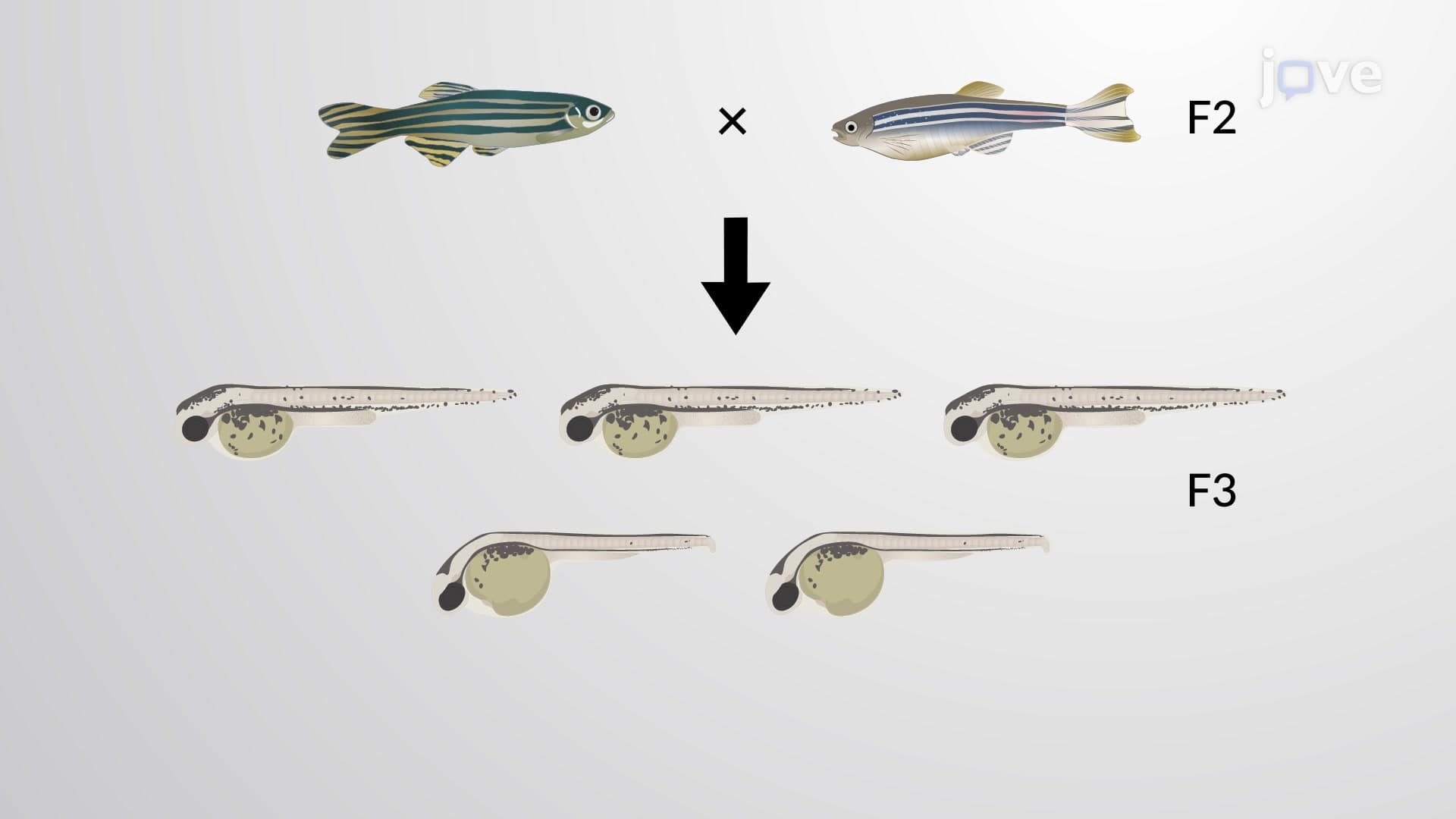


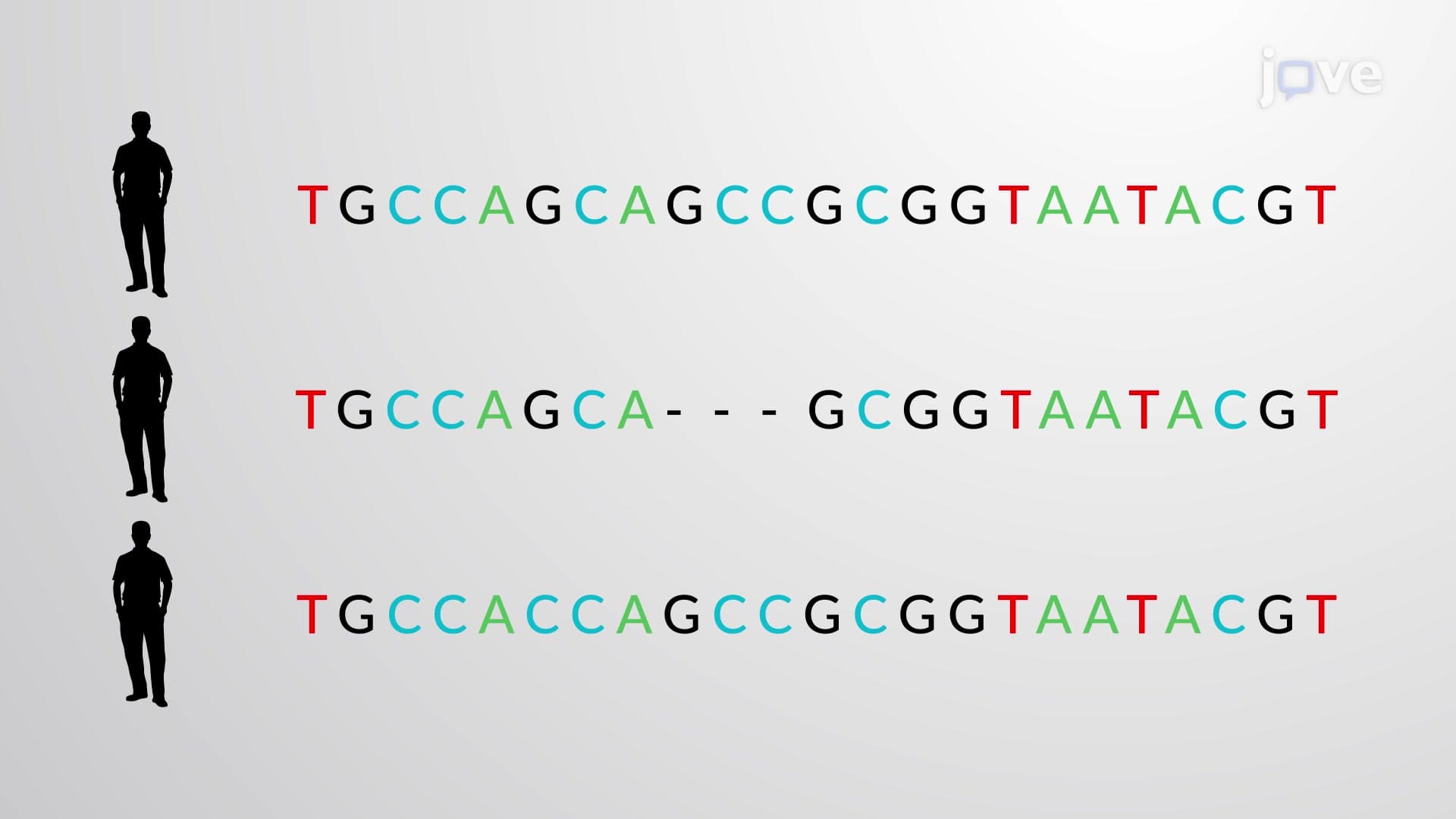

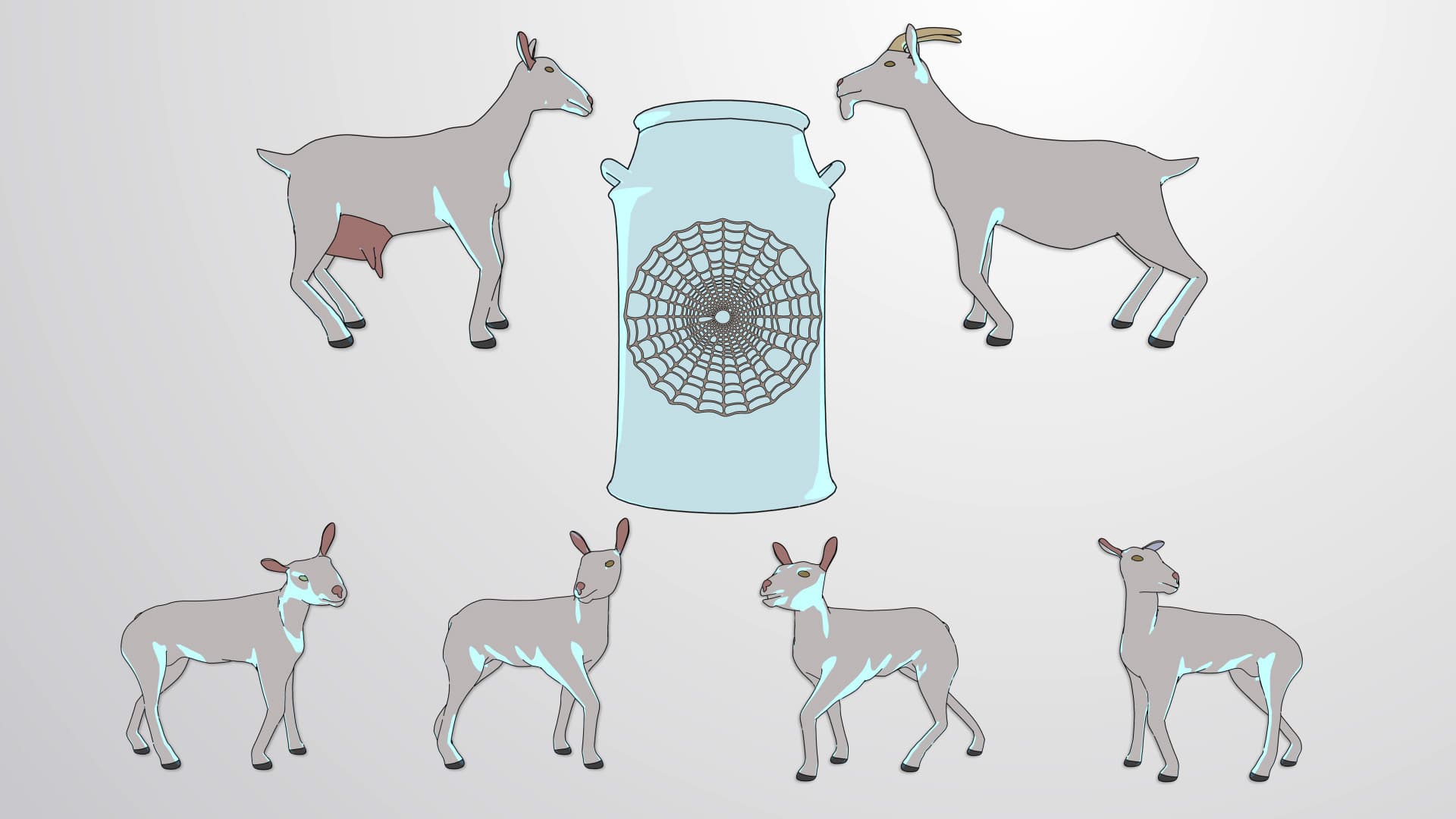

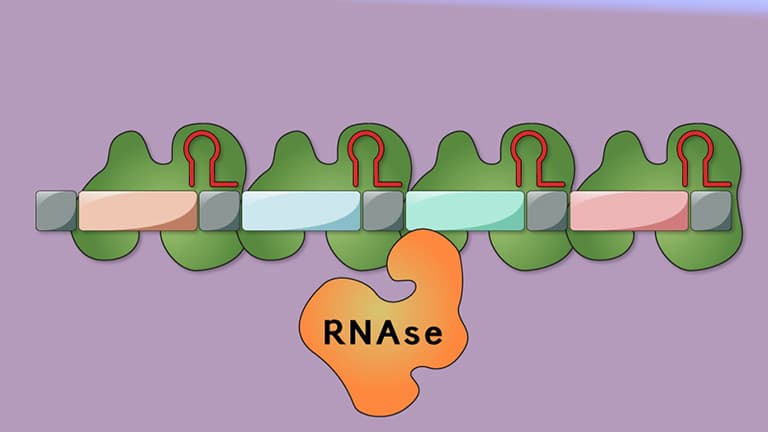



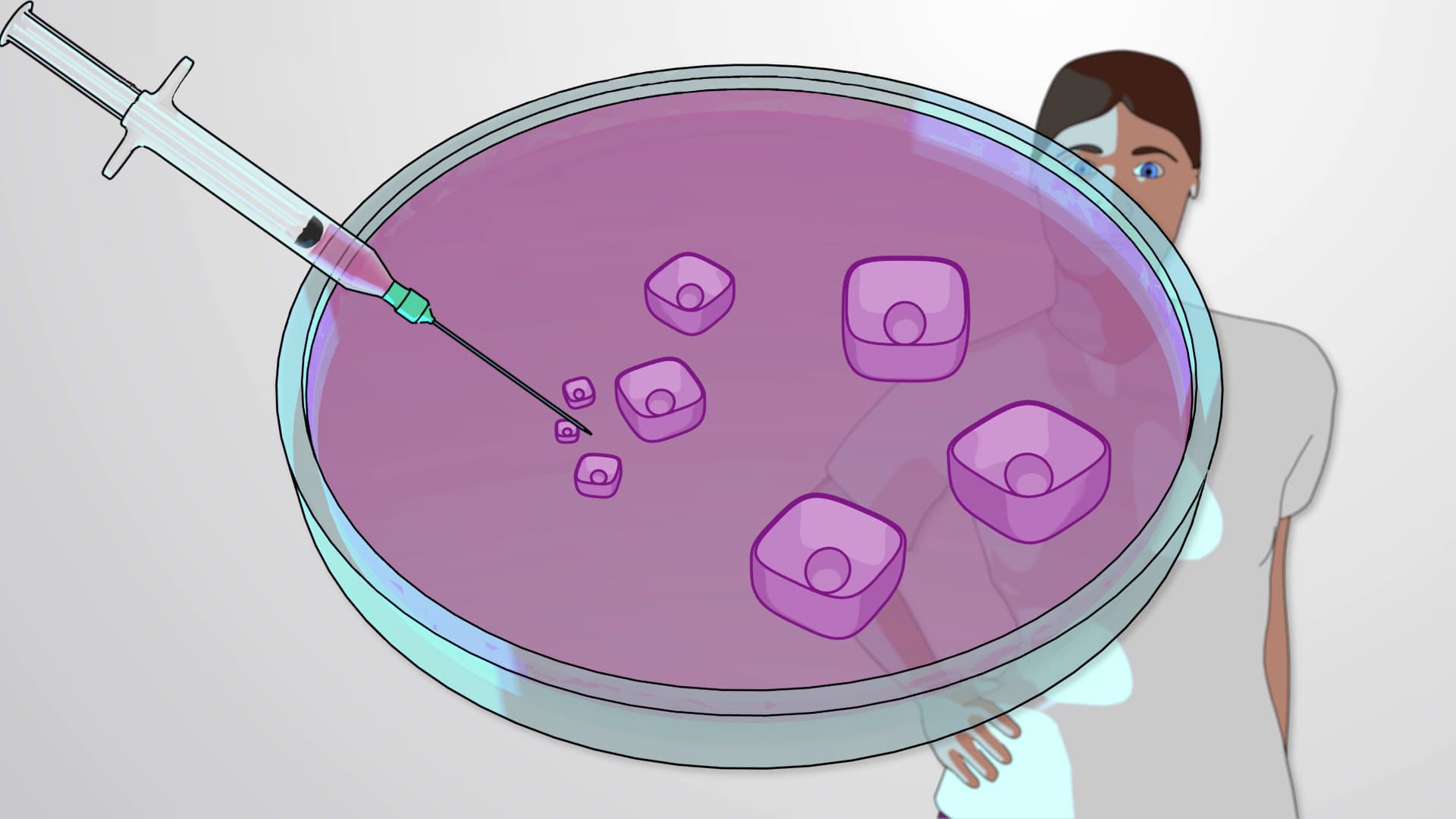
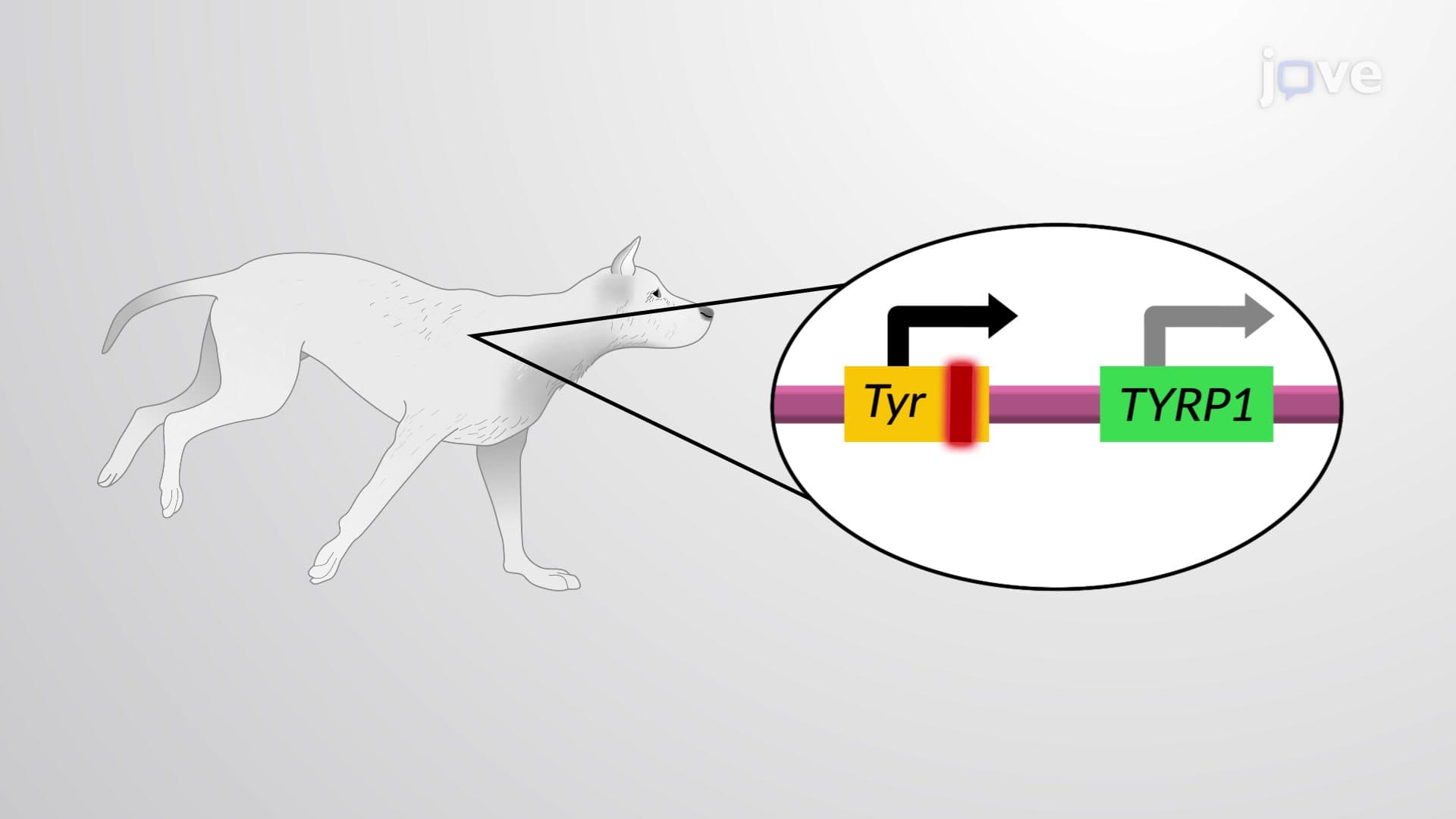

In vitro Mutagenesis


00:00
01:16
Video Summary: What Is in Vitro Mutagenesis
Ever wondered how scientists at companies like Moderna engineer better vaccines by tweaking genetic codes? In vitro mutagenesis allows researchers to precisely modify DNA sequences in the laboratory, creating controlled mutations that reveal how genes function and proteins behave. This powerful molecular biology technique has revolutionized drug development, with pharmaceutical companies using it to optimize therapeutic proteins and study disease mechanisms. What is in vitro mutagenesis becomes clearer when you see its real-world impact on medicine and biotechnology. Watch the full video on JoVE Coach to master this concept with expert-led visuals and step-by-step explanations.
- Understand what is in vitro mutagenesis and how it enables precise genetic modifications outside living organisms
- Identify the key differences between site-directed and random mutagenesis approaches
- Analyze how PCR-based techniques facilitate targeted DNA sequence alterations
- Compare various mutation types including missense, nonsense, and frameshift mutations
- Evaluate the role of primer design in successful site-directed mutagenesis experiments
- Apply knowledge of DNA repair mechanisms to predict mutagenesis outcomes
- Recognize real-world applications in drug development, protein engineering, and disease research
- Explore the historical development of mutagenesis techniques alongside PCR technology
Understanding In Vitro Mutagenesis Fundamentals
In vitro mutagenesis represents one of molecular biology's most precise tools for genetic manipulation. Unlike natural mutations that occur randomly in living cells, this technique allows scientists to make exact changes to DNA sequences in controlled laboratory conditions. The "in vitro" designation means "in glass," referring to the test tube environment where these modifications take place outside of living organisms.
Site-Directed vs. Random Mutagenesis Strategies
Two primary approaches dominate the field of vitro mutagenesis. Site-directed mutagenesis targets specific nucleotides for modification, using specially designed DNA primers that contain the desired mutations. When these primers undergo PCR amplification, they incorporate the planned changes into the final DNA product. This precision makes it invaluable for studying protein active sites or regulatory sequences.
Random mutagenesis takes a different approach, introducing mutations throughout an entire DNA sequence to create libraries of genetic variants. Researchers at biotechnology companies like Genentech use this method to generate thousands of protein variants, then screen for versions with improved characteristics such as enhanced stability or catalytic activity.
Technical Implementation and Laboratory Procedures
The success of in vitro mutagenesis biology explained hinges on careful experimental design. Primer sequences must be optimized for proper annealing temperatures, typically calculated using the Wallace rule or more sophisticated algorithms. PCR conditions require precise temperature cycling, with denaturation at 94-98°C, annealing at primer-specific temperatures, and extension at 72°C.
Modern techniques often employ high-fidelity DNA polymerases to minimize unwanted mutations during amplification. Companies like New England Biolabs have developed specialized enzyme formulations that reduce error rates to less than one mistake per 100,000 nucleotides incorporated.
Applications in Medicine and Biotechnology
American pharmaceutical companies extensively use in vitro mutagenesis for drug development. Researchers studying cystic fibrosis have used this technique to recreate the CFTR protein mutations found in patients, allowing them to test potential therapies in laboratory models. Similarly, oncology researchers use mutagenesis to study cancer-causing mutations in genes like p53 and BRCA1.
Students preparing for the MCAT or AP Biology exams should understand how mutagenesis connects to broader topics like protein structure-function relationships and genetic regulation. College biochemistry courses often include laboratory experiments using site-directed mutagenesis to modify enzyme active sites, demonstrating how single amino acid changes can dramatically alter protein function.
Frequently Asked Questions
In vitro mutagenesis is a laboratory technique that allows scientists to make precise changes to DNA sequences outside of living cells. It's like editing a document on a computer - researchers can change specific genetic "letters" to study how genes and proteins work, or to create improved versions of biological molecules.
The MCAT frequently tests mutagenesis in biochemistry and molecular biology sections, often asking about experimental design or data interpretation. AP Biology exams may include questions about mutation types and their effects on protein function. Students should know the difference between site-directed and random mutagenesis approaches.
Most molecular biology, biochemistry, and genetics courses at universities like UC Berkeley or MIT include mutagenesis in their curricula. Laboratory courses often provide hands-on experience with PCR-based mutagenesis. Advanced courses may cover protein engineering applications using directed evolution techniques.
Companies like Pfizer and Johnson & Johnson use mutagenesis to develop better drugs by modifying therapeutic proteins for improved stability or effectiveness. They also use it to study how disease-causing mutations work, helping them design targeted treatments for genetic disorders and cancers.
Basic understanding of DNA structure and PCR is sufficient to grasp the fundamentals. High school chemistry and biology provide adequate background, though college-level biochemistry helps with deeper mechanistic understanding. The key concepts build logically from foundational molecular biology principles.
Focus on understanding the experimental workflow from primer design through mutation verification. Practice drawing out the PCR steps and predicting how different mutations affect protein structure. Create concept maps linking mutagenesis to related topics like DNA repair and protein folding.
Consider studying directed evolution, protein engineering, and CRISPR gene editing technologies. These fields build upon mutagenesis principles and represent cutting-edge applications in biotechnology and medicine.
The conceptual understanding is moderate difficulty, similar to learning PCR or cloning techniques. The experimental execution requires careful attention to detail but follows established protocols. Most students find it manageable after mastering basic molecular biology concepts.
Absolutely - researchers use mutagenesis to recreate disease-causing mutations in laboratory models, allowing them to study conditions like sickle cell anemia or Huntington's disease. This approach has been crucial for developing treatments at institutions like Johns Hopkins and the NIH.
Related Micro-courses


