- Molecular Biology
- Cell Division
Micro-courses:20

Cell Division
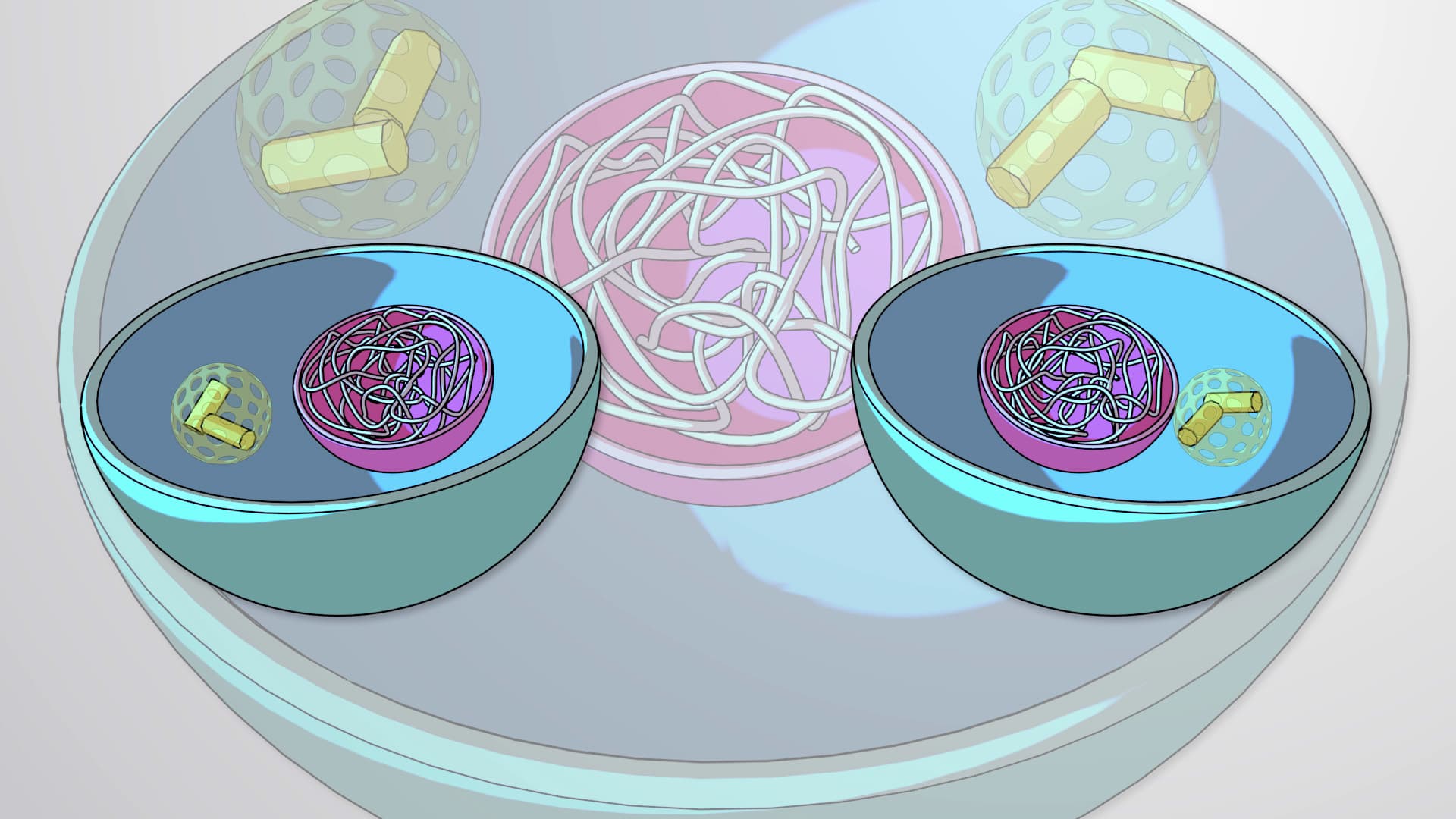
1. Mitosis and Cytokinesis
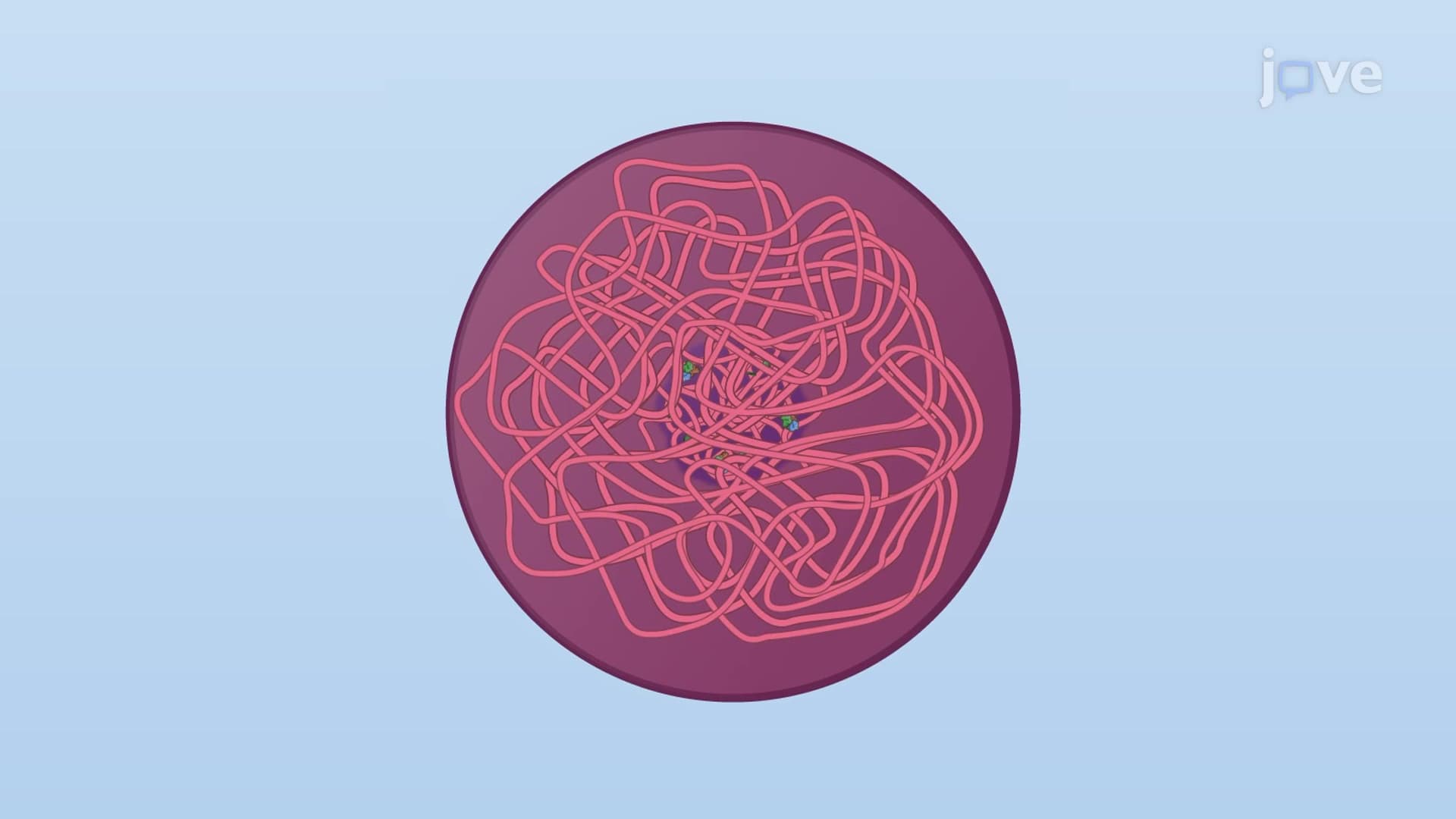
2. Duplication of Chromatin Structure
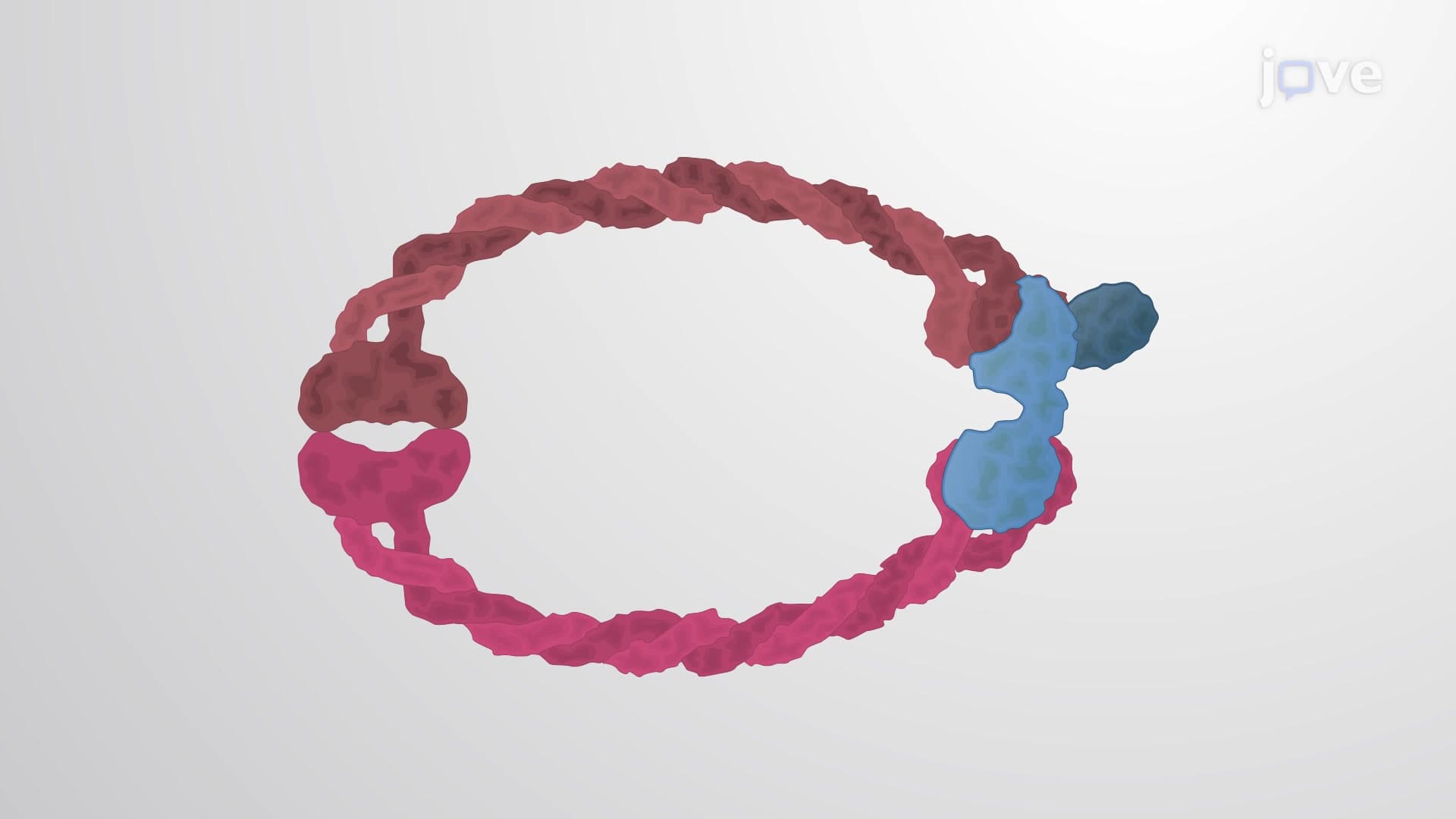
3. Cohesins
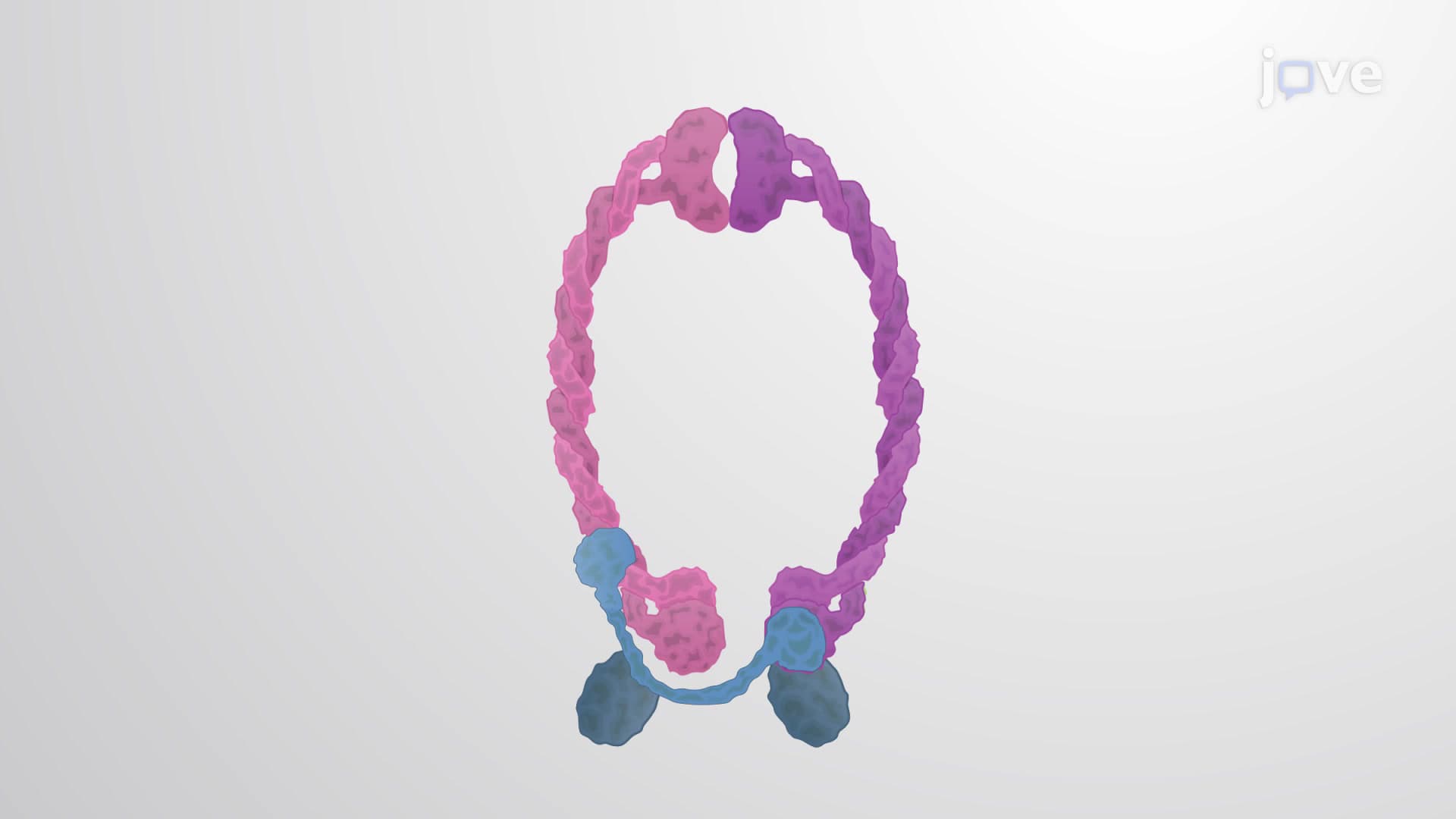
4. Condensins
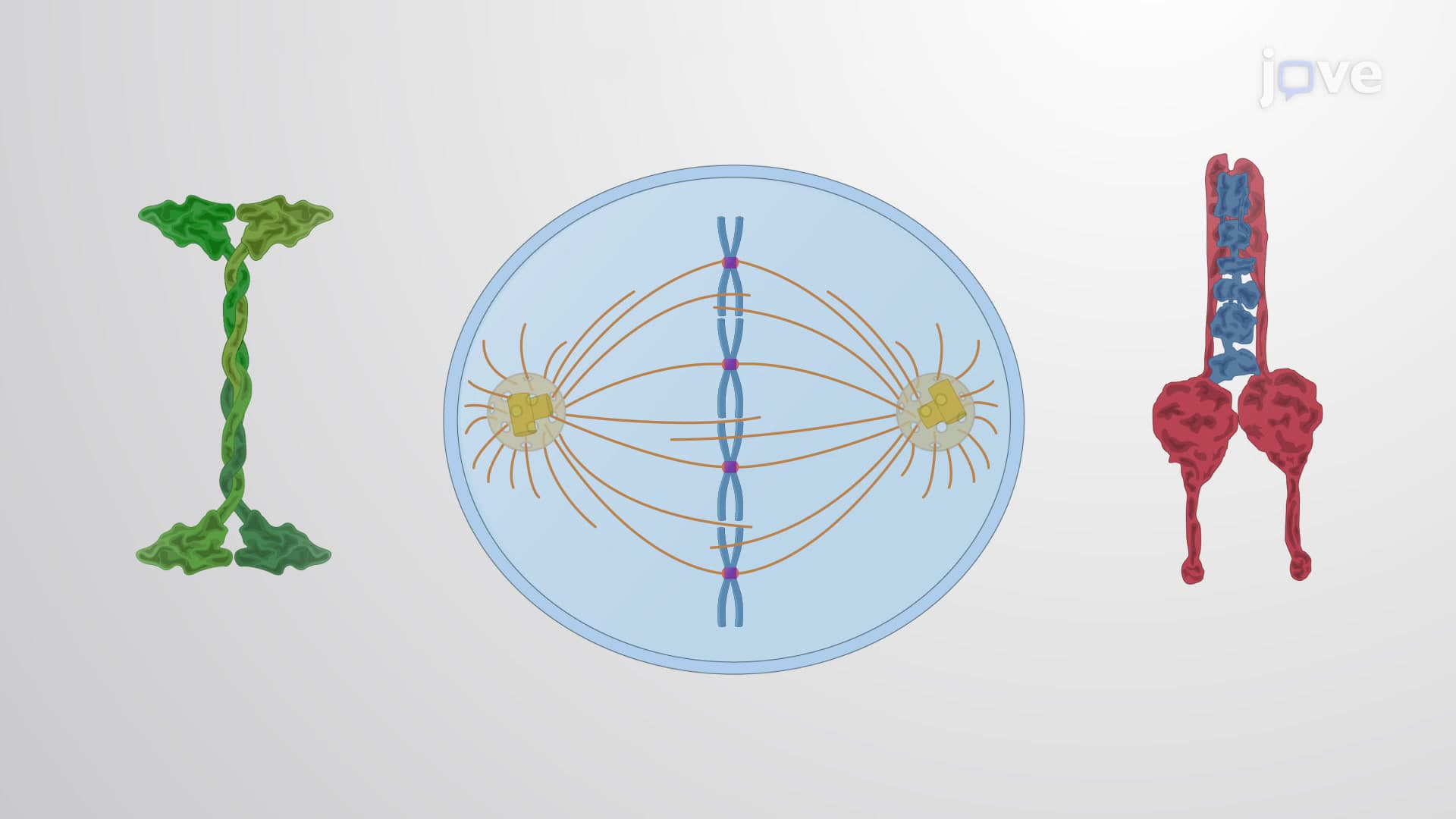
5. The Mitotic Spindle
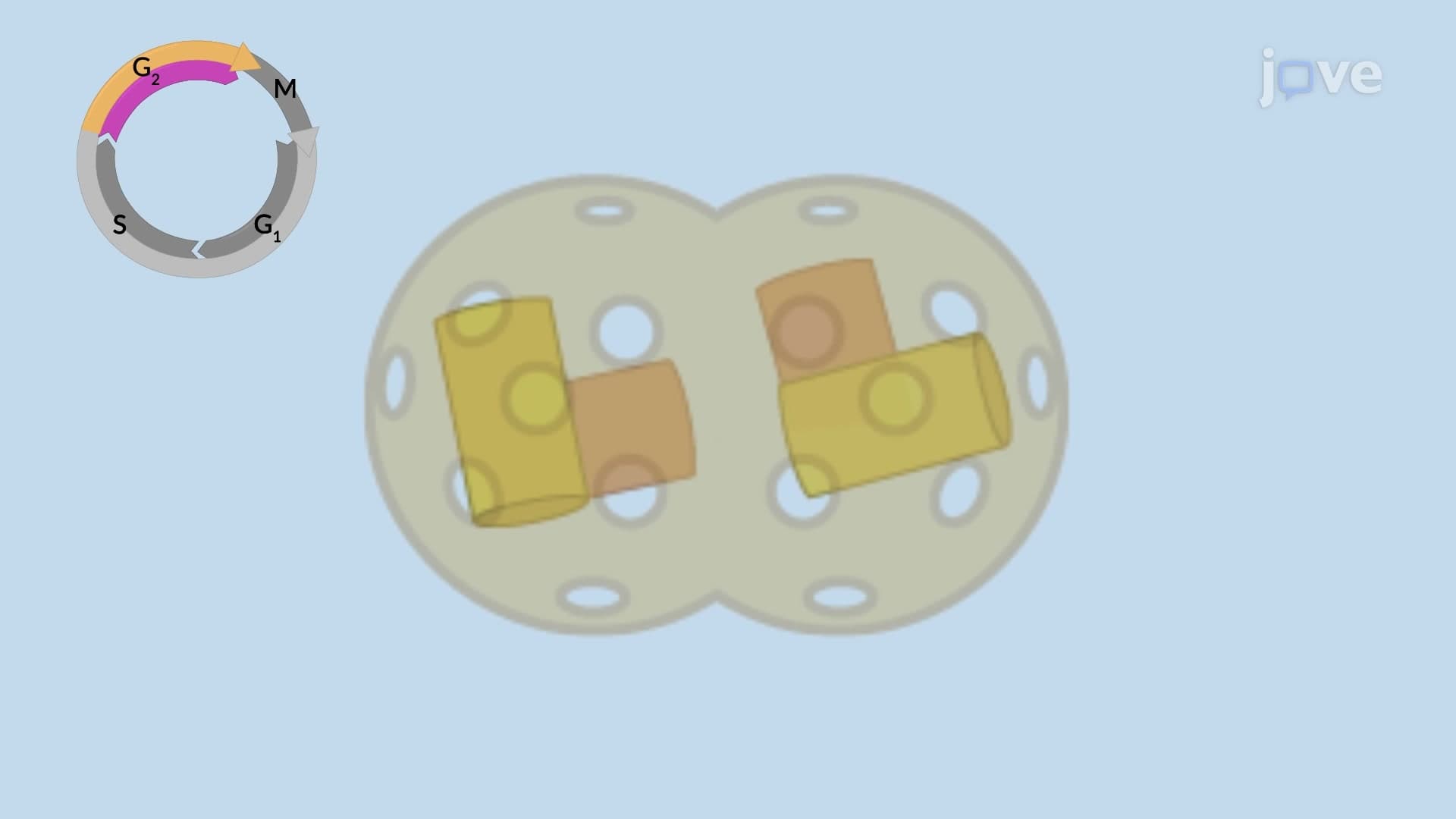
6. Centrosome Duplication
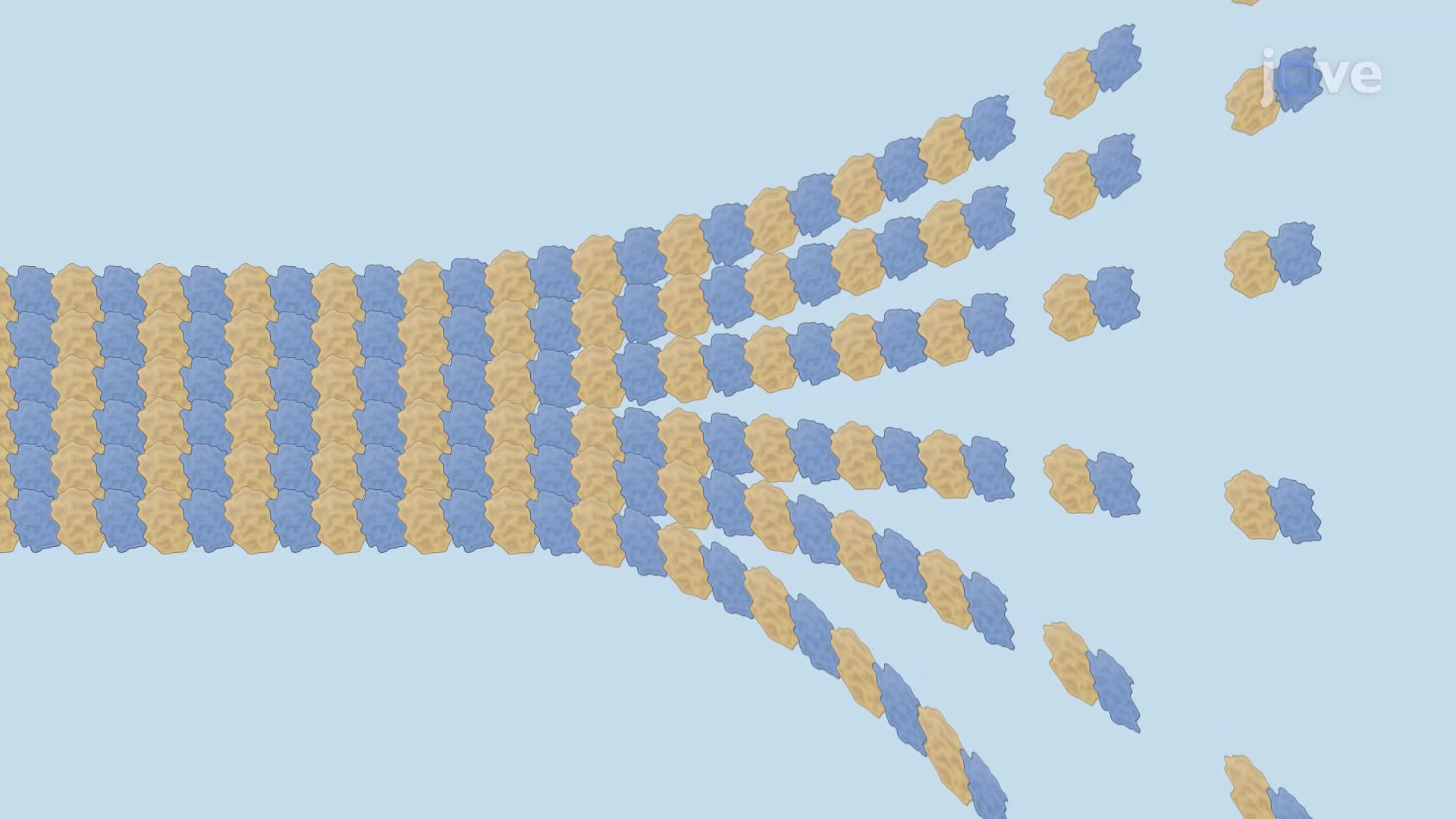
7. Microtubule Instability

8. Spindle Assembly
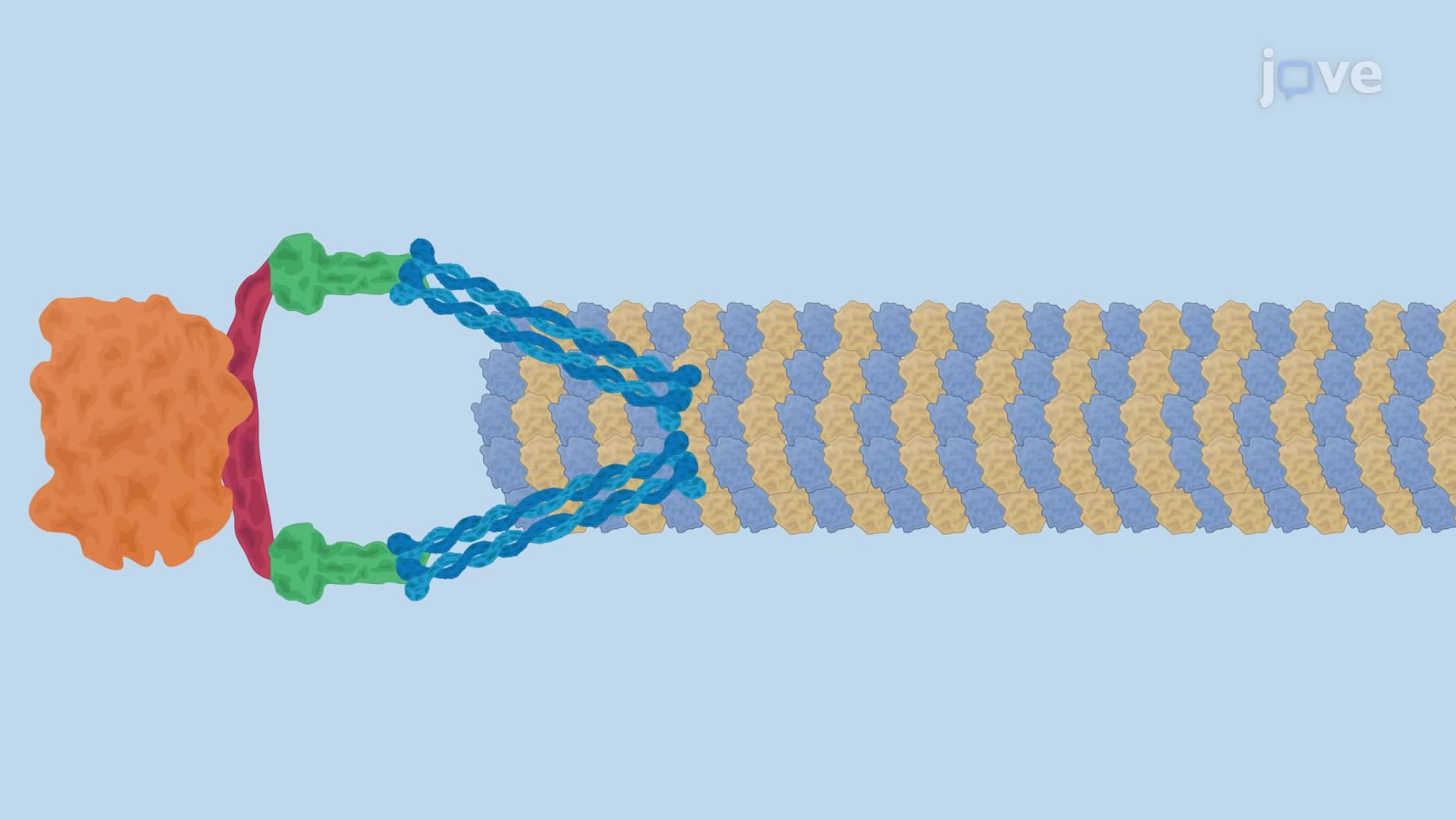
9. Attachment of Sister Chromatids
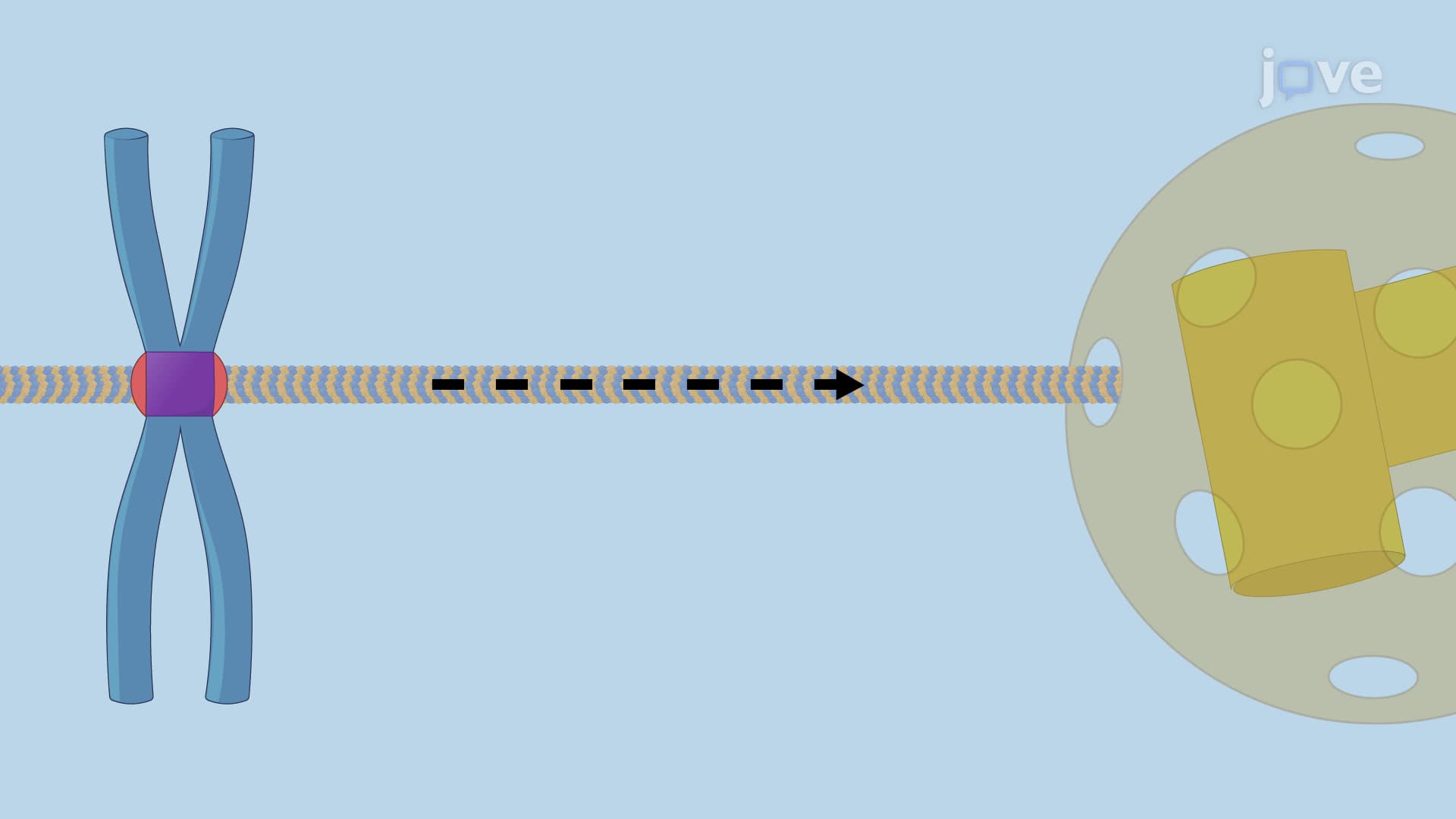
10. Forces Acting on Chromosomes

11. Separation of Sister Chromatids
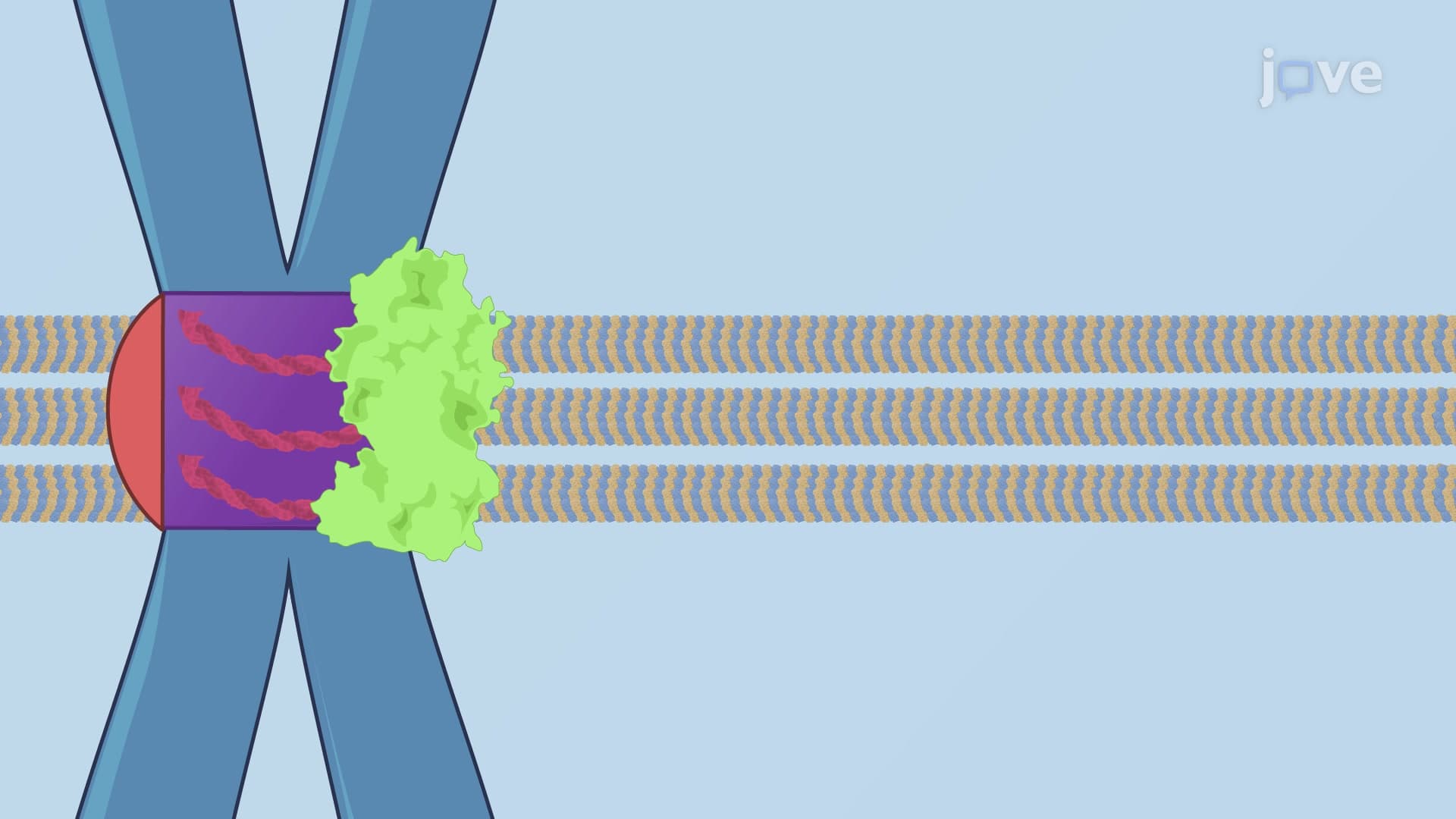
12. The Spindle Assembly Checkpoint
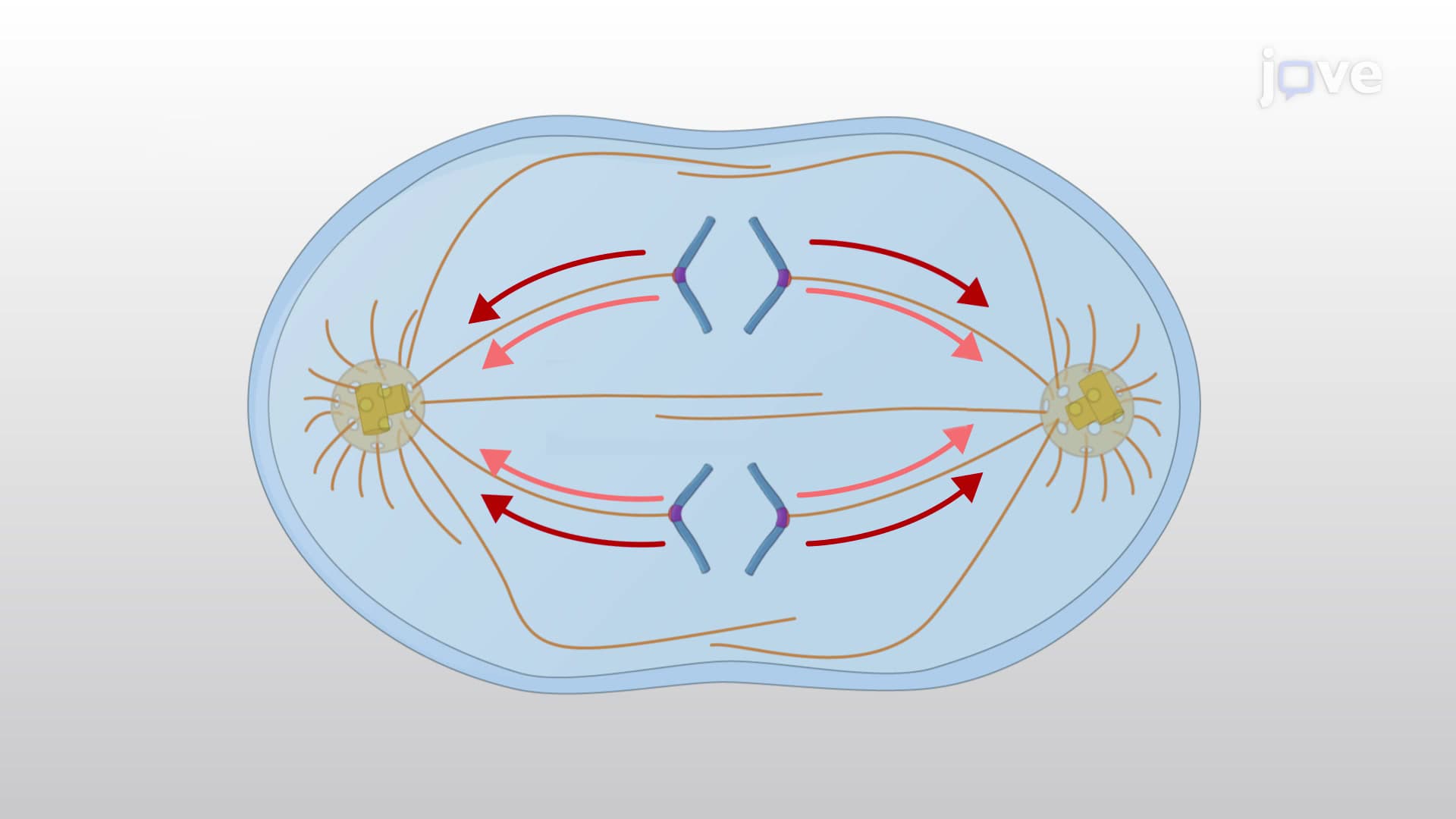

13. Anaphase A and B
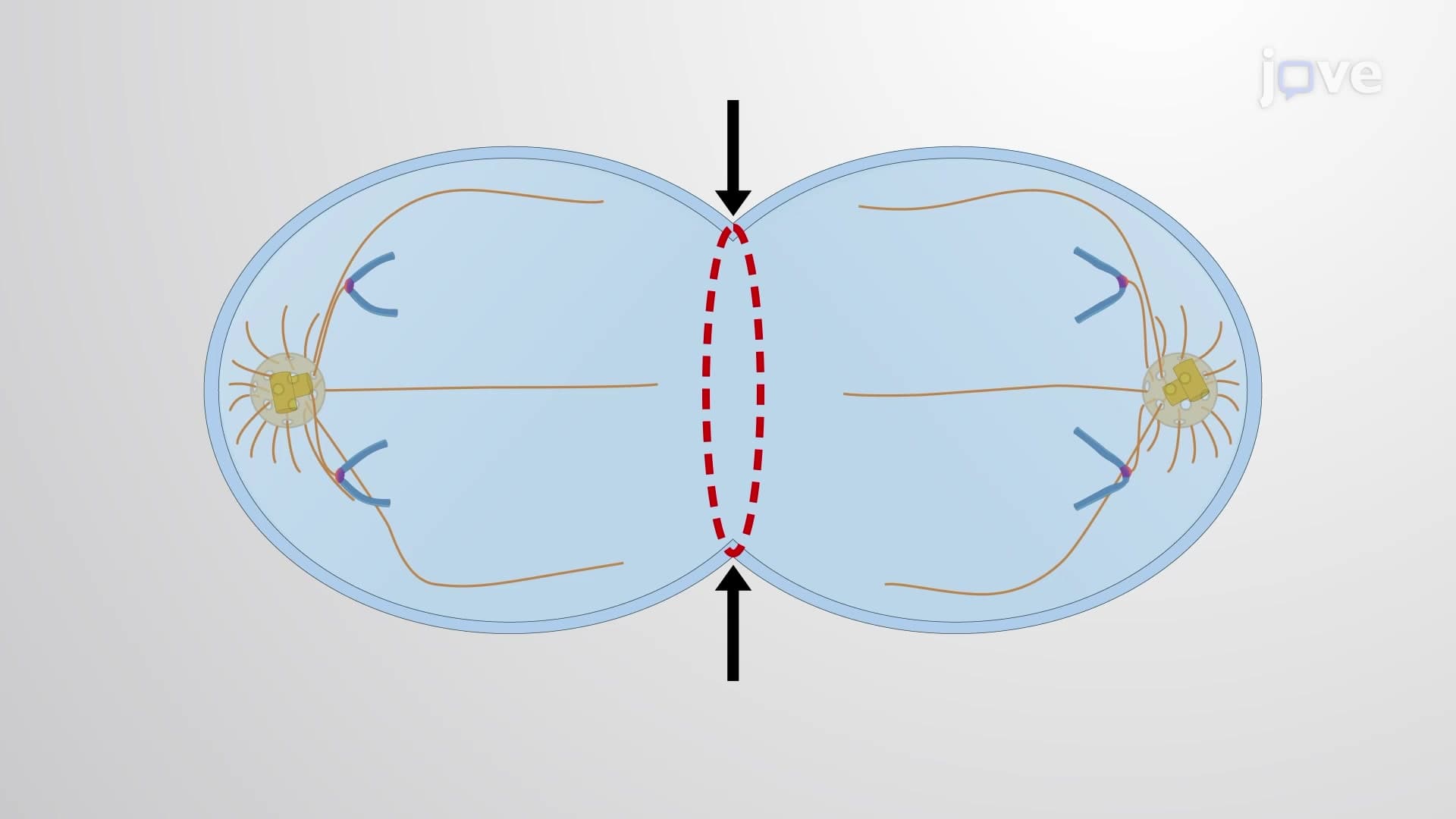
14. The Contractile Ring
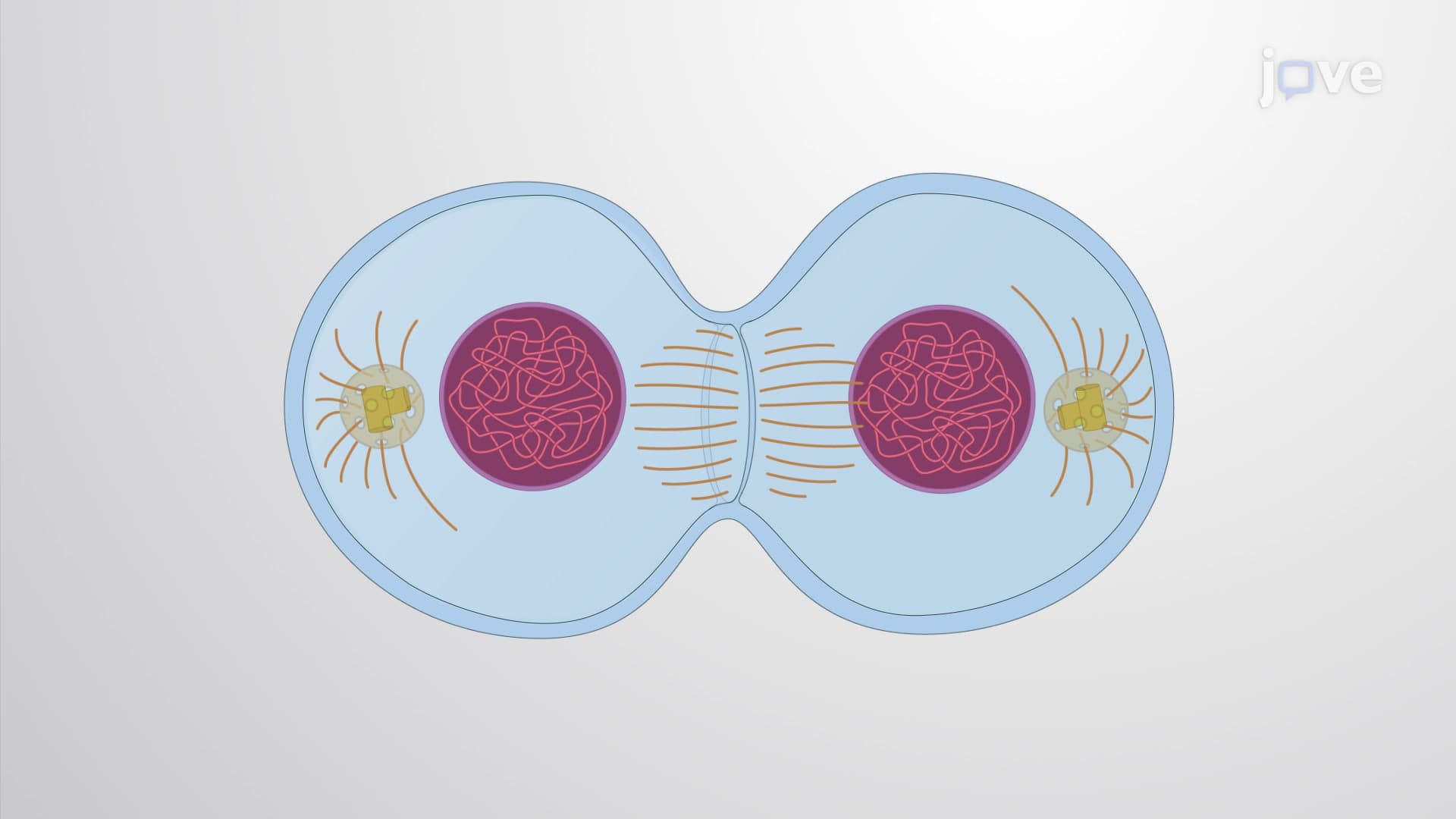
15. Determining the Plane of Cell Division
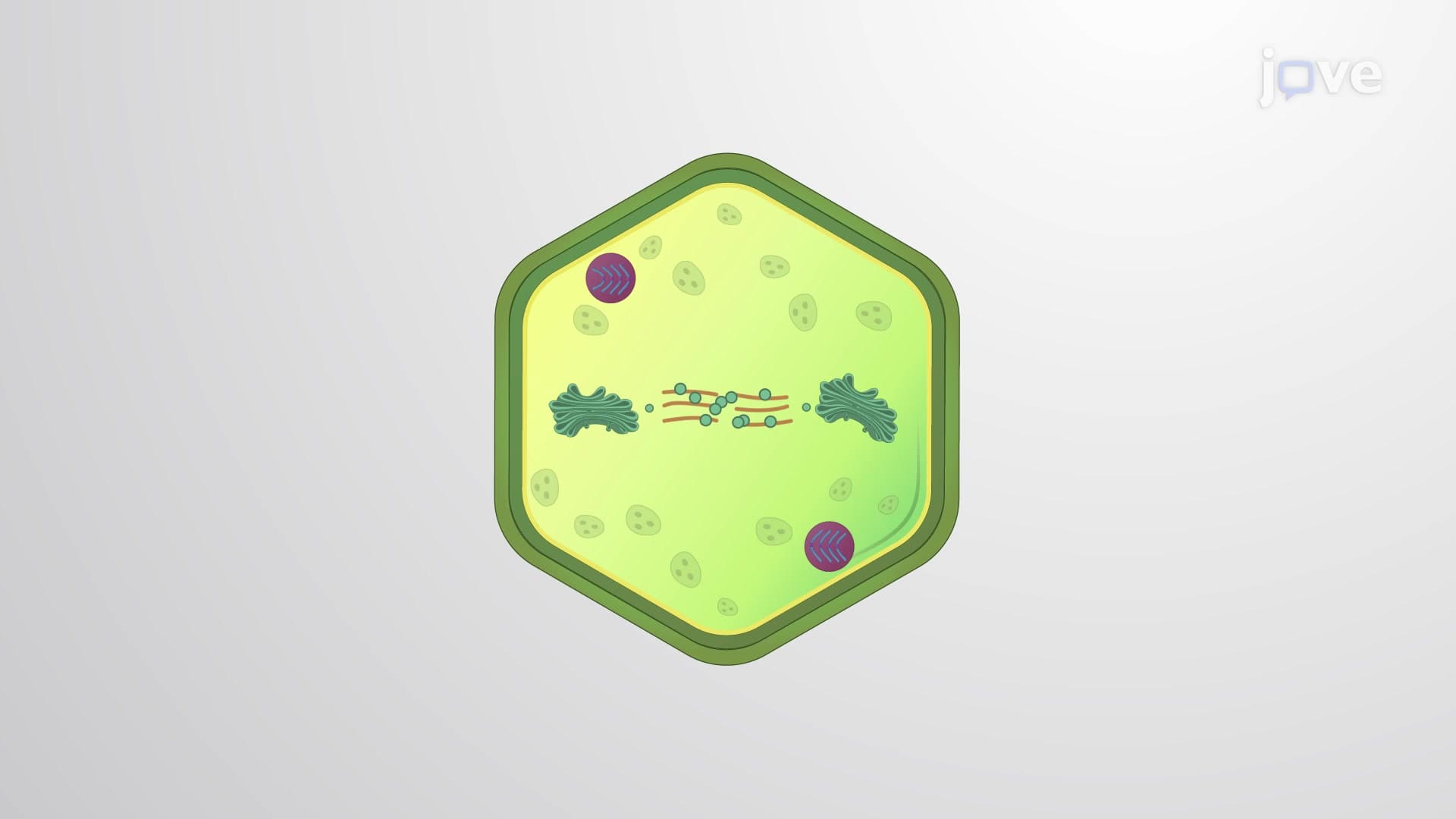
16. The Phragmoplast
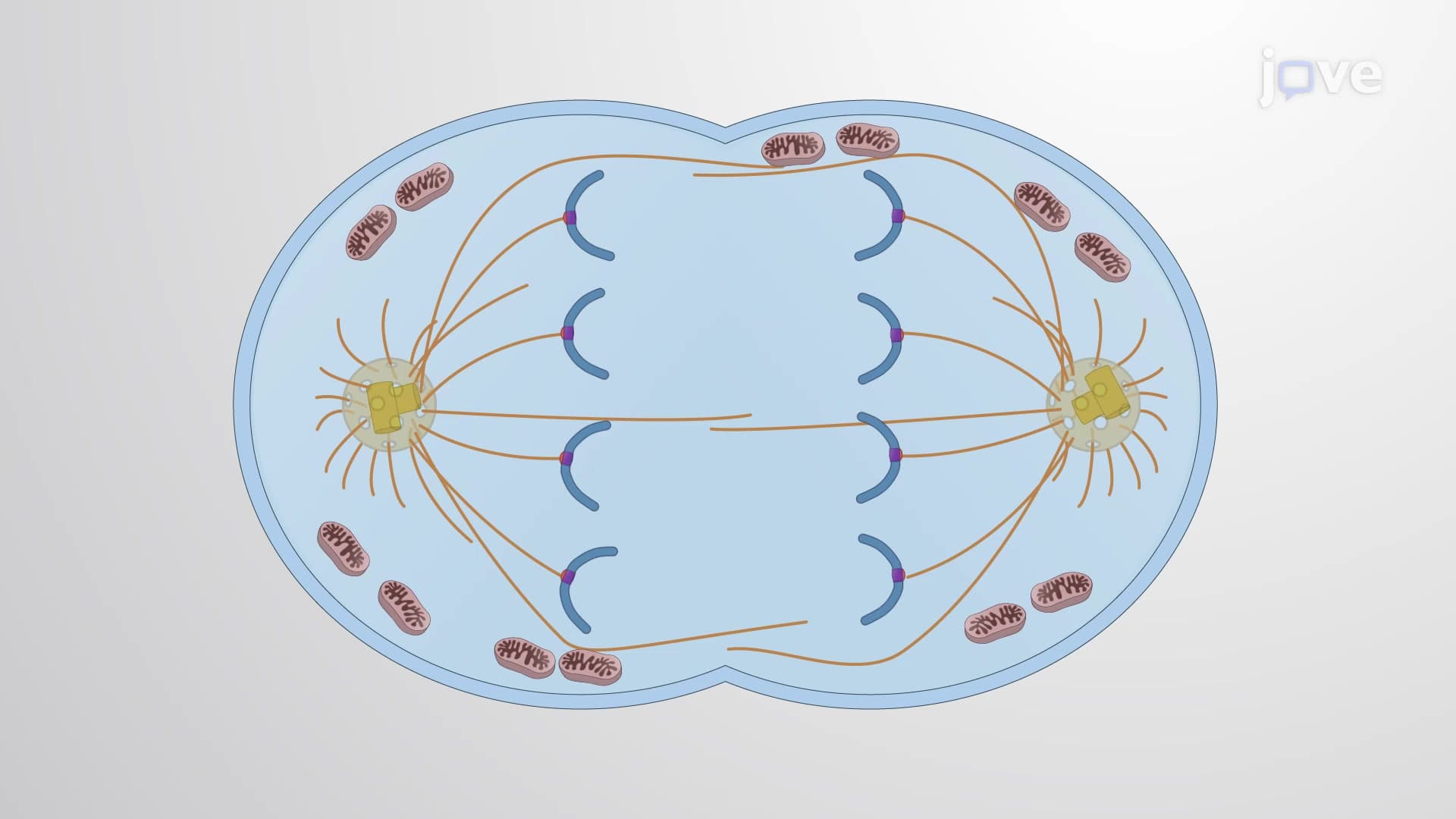
17. Distribution of Cytoplasmic Content

18. Anaphase Promoting Complex
Cell division is the fundamental biological process by which a single cell creates two genetically identical daughter cells through mitosis and cytokinesis. This essential mechanism drives growth, tissue repair, and reproduction in all eukaryotic organisms, from human development to plant regeneration. Understanding cell division is crucial for comprehending cancer biology, genetic disorders, and regenerative medicine applications throughout the United States healthcare system. JoVE Coach provides comprehensive coverage of this vital cellular process.
- Understand the complete cell cycle and identify the distinct phases of mitosis: prophase, metaphase, anaphase, and telophase
- Learn how chromosomes duplicate during S-phase and become organized by cohesin and condensin protein complexes
- Explore the structure and function of the mitotic spindle apparatus and centrosome duplication mechanisms
- Analyze how sister chromatids attach to spindle microtubules and achieve proper bi-orientation
- Identify the forces acting on chromosomes during mitotic progression and chromosome segregation
- Understand the spindle assembly checkpoint system that ensures accurate chromosome distribution
- Learn how the contractile ring forms and drives cytokinesis to physically separate daughter cells
- Apply knowledge of cell division regulation to understand cancer development and therapeutic targets
1. Chromosome Duplication and Sister Chromatid Formation During S-phase of the cell cycle, DNA replication creates identical copies of each chromosome called sister chromatids. This semi-conservative process involves DNA helicase unwinding the double helix, DNA polymerase synthesizing new strands, and ligase sealing DNA fragments. Sister chromatids remain attached at the centromere through cohesin protein complexes until separation during anaphase. Understanding this process is essential for comprehending genetic diseases, cancer development, and the mechanisms targeted by chemotherapy drugs used in American cancer treatment centers.
2. Cohesin and Condensin Protein Complexes Cohesin proteins form ring-like structures that hold sister chromatids together from S-phase through metaphase. These complexes contain SMC1, SMC3, SCC1, and SCC3 subunits that create a molecular clamp around DNA. Condensin proteins reorganize long, tangled chromatin into compact, separable chromosomes during mitosis. These processes prevent chromosome breaks and ensure proper segregation. Defects in these systems contribute to chromosomal instability observed in various cancers treated at major US medical institutions like MD Anderson and Memorial Sloan Kettering.
3. Mitotic Spindle Assembly and Organization The mitotic spindle consists of microtubule arrays organized around centrosomes that separate chromosomes during cell division. Three types of microtubules form the spindle: kinetochore microtubules that attach to chromosomes, interpolar microtubules that overlap at the spindle midzone, and astral microtubules that position the spindle within the cell. Motor proteins including kinesin and dynein generate forces that assemble and operate the spindle. This intricate machinery is targeted by cancer drugs like paclitaxel, commonly used in American oncology practices.
4. Centrosome Duplication Cycle Centrosomes serve as microtubule organizing centers and duplicate once per cell cycle to form the two spindle poles required for mitosis. Each centrosome contains two centrioles surrounded by pericentriolar matrix proteins. Duplication begins in G1-phase with centriole disengagement, followed by daughter centriole formation during S-phase. Errors in centrosome duplication can cause chromosomal instability and contribute to cancer development. Research at institutions like Harvard Medical School and Stanford University continues to investigate centrosome abnormalities in human diseases.
5. Chromosome Attachment and Bi-orientation Kinetochores are multi-protein complexes assembled at centromeres that link chromosomes to spindle microtubules. The NDC80 complex forms the critical connection between kinetochores and microtubule plus-ends, allowing continued attachment during microtubule dynamics. Proper bi-orientation occurs when sister chromatids attach to opposite spindle poles, creating tension that stabilizes attachments. Aurora B kinase acts as a tension sensor, destabilizing incorrect attachments until proper bi-orientation is achieved. These mechanisms are studied extensively in US research laboratories developing targeted cancer therapeutics.
6. Spindle Assembly Checkpoint Control The spindle assembly checkpoint prevents anaphase onset until all chromosomes achieve proper bi-orientation on the spindle. Unattached kinetochores recruit checkpoint proteins including Mad2, forming the mitotic checkpoint complex (MCC) that inhibits the anaphase-promoting complex (APC/C). Only when all chromosomes are correctly attached does the checkpoint signal disappear, allowing APC/C activation and anaphase progression. Checkpoint defects contribute to aneuploidy in cancer cells. Major pharmaceutical companies in the United States are developing drugs that exploit checkpoint weaknesses in cancer therapy.
7. Anaphase Progression and Chromosome Segregation Anaphase consists of two overlapping processes: Anaphase A involves chromosome movement toward spindle poles through kinetochore microtubule shortening, while Anaphase B involves spindle pole separation through interpolar microtubule sliding. The anaphase-promoting complex triggers sister chromatid separation by degrading securin protein, activating separase protease to cleave cohesin rings. Multiple forces including microtubule depolymerization, microtubule flux, and motor protein activity drive chromosome segregation. Understanding these mechanisms helps explain chromosomal abnormalities observed in genetic disorders diagnosed in US medical facilities.
8. Cytokinesis and Contractile Ring Formation Cytokinesis physically divides the cytoplasm through contractile ring formation and function. RhoA GTPase regulates contractile ring assembly at the cell equator, promoting actin filament polymerization and myosin II motor recruitment. The contractile ring generates force through myosin-driven actin filament sliding, creating the cleavage furrow that deepens until cell division is complete. Cytokinesis defects can lead to multinucleated cells and genomic instability. Research at institutions like the National Institutes of Health investigates how cytokinesis failures contribute to cancer progression and therapeutic resistance.
Frequently Asked Questions
Mitosis divides the duplicated chromosomes into two identical sets and distributes them to opposite sides of the cell, while cytokinesis physically separates the cytoplasm to create two distinct daughter cells. Mitosis ensures genetic consistency through precise chromosome segregation, whereas cytokinesis provides each daughter cell with necessary organelles, proteins, and cellular machinery. Both processes must be coordinated to produce viable daughter cells capable of normal function and further division.
The AP Biology exam emphasizes understanding the sequence and key events of each mitotic phase. Prophase involves chromosome condensation and nuclear envelope breakdown, metaphase features chromosome alignment at the cell equator, anaphase includes sister chromatid separation and movement to opposite poles, and telophase involves nuclear envelope reformation and chromosome decondensation. You should be able to identify these phases in microscope images and explain the molecular mechanisms controlling each transition.
MCAT questions on cell division often integrate multiple concepts, such as relating checkpoint failures to cancer development, analyzing experimental data on spindle function, or predicting outcomes of protein mutations affecting cell division. Focus on understanding regulatory mechanisms like cyclin-CDK complexes, checkpoint pathways, and motor protein functions. Practice interpreting graphs showing cell cycle progression and connecting molecular events to physiological consequences relevant to human health and disease.
These exams test fundamental biological concepts including cell division as part of cellular biology and genetics sections. Focus on understanding how normal cell division supports tissue repair and growth, while abnormal cell division contributes to cancer development. Know the basic phases of mitosis, the role of chromosomes in heredity, and how cell division relates to wound healing and tissue regeneration - concepts directly relevant to nursing practice and patient care.
Checkpoint mechanisms ensure accurate chromosome segregation and prevent the formation of daughter cells with abnormal chromosome numbers (aneuploidy). The spindle assembly checkpoint specifically prevents anaphase until all chromosomes are properly attached to the spindle apparatus. When checkpoints fail, cells may divide with missing or extra chromosomes, leading to genomic instability, developmental abnormalities, or cancer. Many cancer cells have defective checkpoints, allowing them to tolerate chromosomal abnormalities that would normally trigger cell death.
Create visual diagrams connecting the phases of mitosis with specific molecular events, such as cohesin cleavage during anaphase or contractile ring formation during cytokinesis. Use active recall by drawing the mitotic spindle structure and labeling key components like kinetochores, centrosomes, and different microtubule types. Practice explaining cause-and-effect relationships, such as how checkpoint protein activation prevents premature chromosome separation. Connect molecular mechanisms to clinical examples like cancer drug targets to reinforce understanding.
Cell division involves multiple simultaneous processes with complex spatial and temporal coordination, making it challenging to visualize how all components work together. The abundance of protein names and molecular interactions can be overwhelming. Overcome these challenges by focusing first on the overall purpose of each phase, then gradually adding molecular details. Use animations or interactive models to visualize three-dimensional processes like spindle assembly and chromosome movement. Practice with microscopy images to connect theoretical knowledge with observable cellular structures.
Understanding cell division is crucial for cancer research, as many cancers result from defects in cell cycle control mechanisms. Chemotherapy drugs like paclitaxel target the mitotic spindle, while other drugs inhibit cyclin-dependent kinases to prevent cancer cell division. In regenerative medicine, controlling cell division is essential for tissue engineering and stem cell therapy. Agricultural biotechnology uses knowledge of plant cell division to develop crops with improved growth characteristics. Genetic counselors use understanding of meiotic cell division to explain inheritance patterns and chromosomal disorders to patients.
Advanced topics include the molecular mechanisms of cell cycle checkpoints, the role of epigenetic modifications in controlling cell division timing, and how mechanical forces influence spindle positioning and cytokinesis. Explore cancer cell biology to understand how oncogenes and tumor suppressors regulate cell division, and investigate stem cell biology to learn how different cell types control their division rates. Consider studying meiotic cell division to understand gamete formation and genetic recombination, or explore plant-specific mechanisms like phragmoplast formation during cytokinesis.
This microcourse includes 18 concept videos that walk you through the building blocks of Molecular Biology. Each video is short, about 2 minutes, so you can cover a full topic during a coffee break or between classes. The full sequence starts with Mitosis and Cytokinesis and ends with Anaphase Promoting Complex.
The playlist moves from big-picture ideas to the precise vocabulary used in Molecular Biology. Early videos introduce Mitosis and Cytokinesis, Duplication of Chromatin Structure, and Cohesins. The middle of the series focuses on The Mitotic Spindle, Centrosome Duplication, and Microtubule Instability. The final stretch covers Spindle Assembly, Attachment of Sister Chromatids, Forces Acting on Chromosomes, Separation of Sister Chromatids, The Spindle Assembly Checkpoint, Anaphase A and B, and Anaphase Promoting Complex.
The natural next step is Meiosis. From there, you can move to Cancer. Once you finish those, the full Molecular Biology curriculum of 20 microcourses on JoVE Coach opens up, taking you from foundational concepts to advanced systems.
Related Subjects

