Loading subject page…

- Molecular Biology
- Cell Division
- Centrosome Duplication
Micro-course: Cell Division
101,001 views
Learn key concepts and earn your certificate.

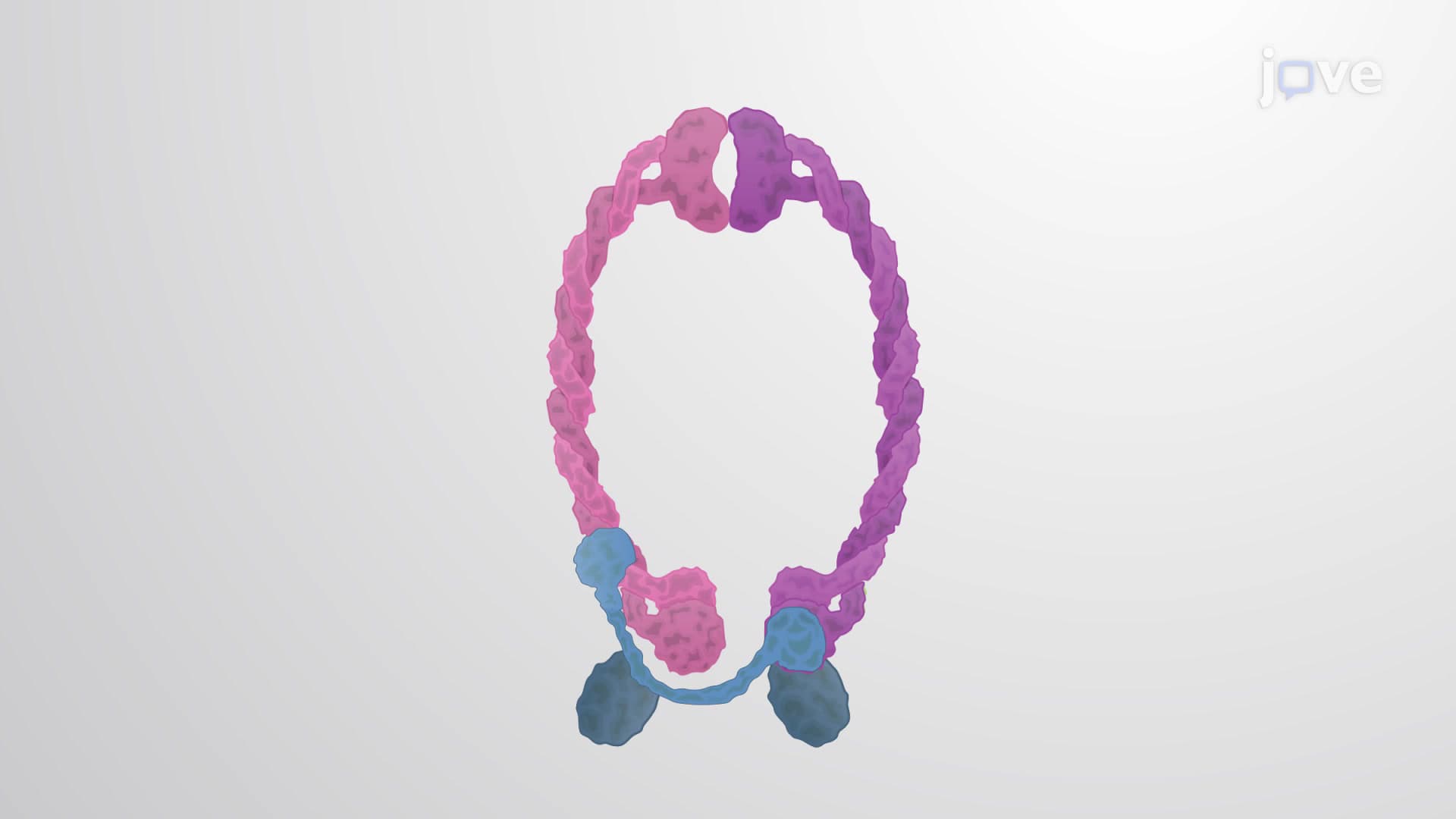
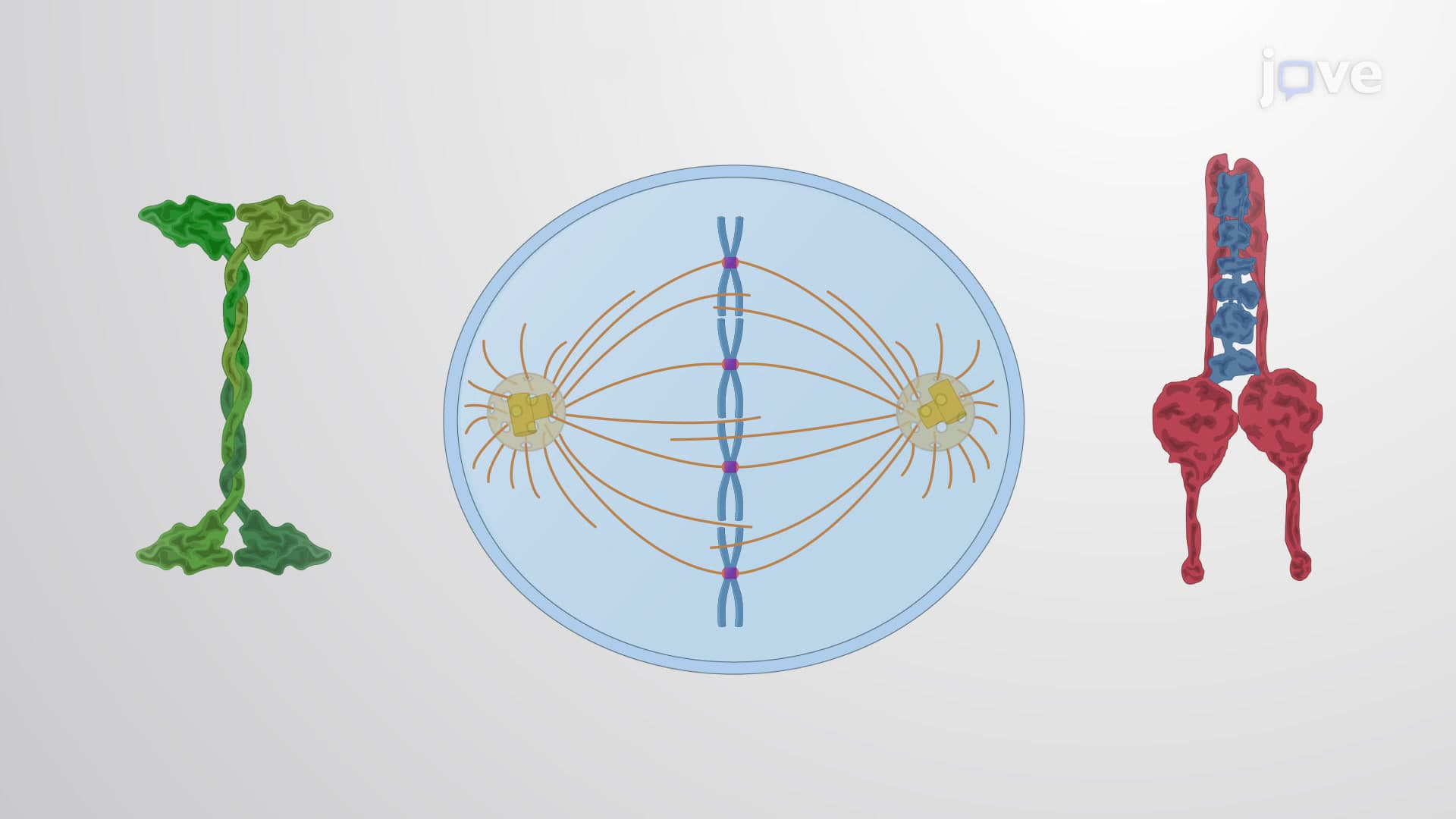
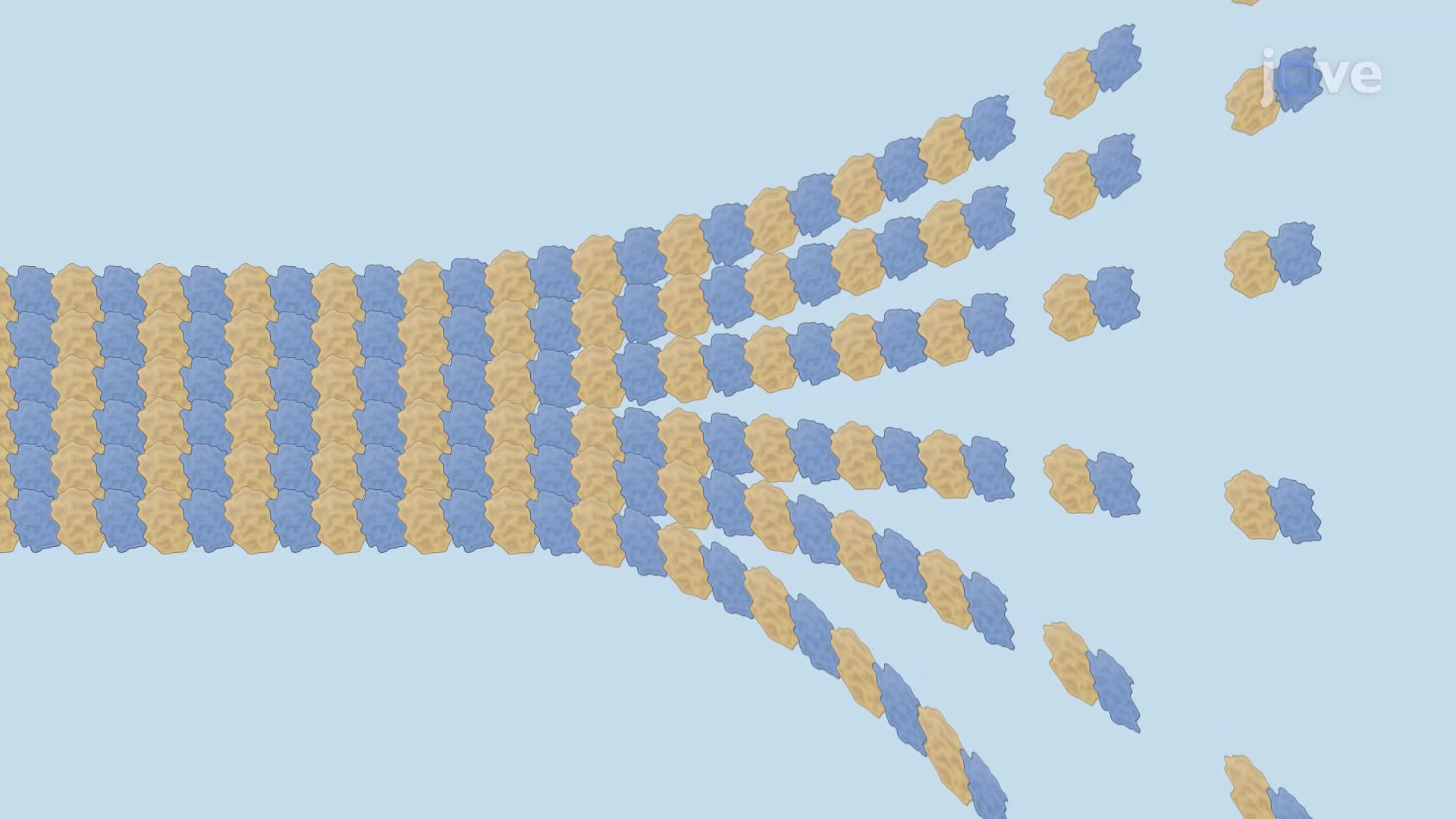

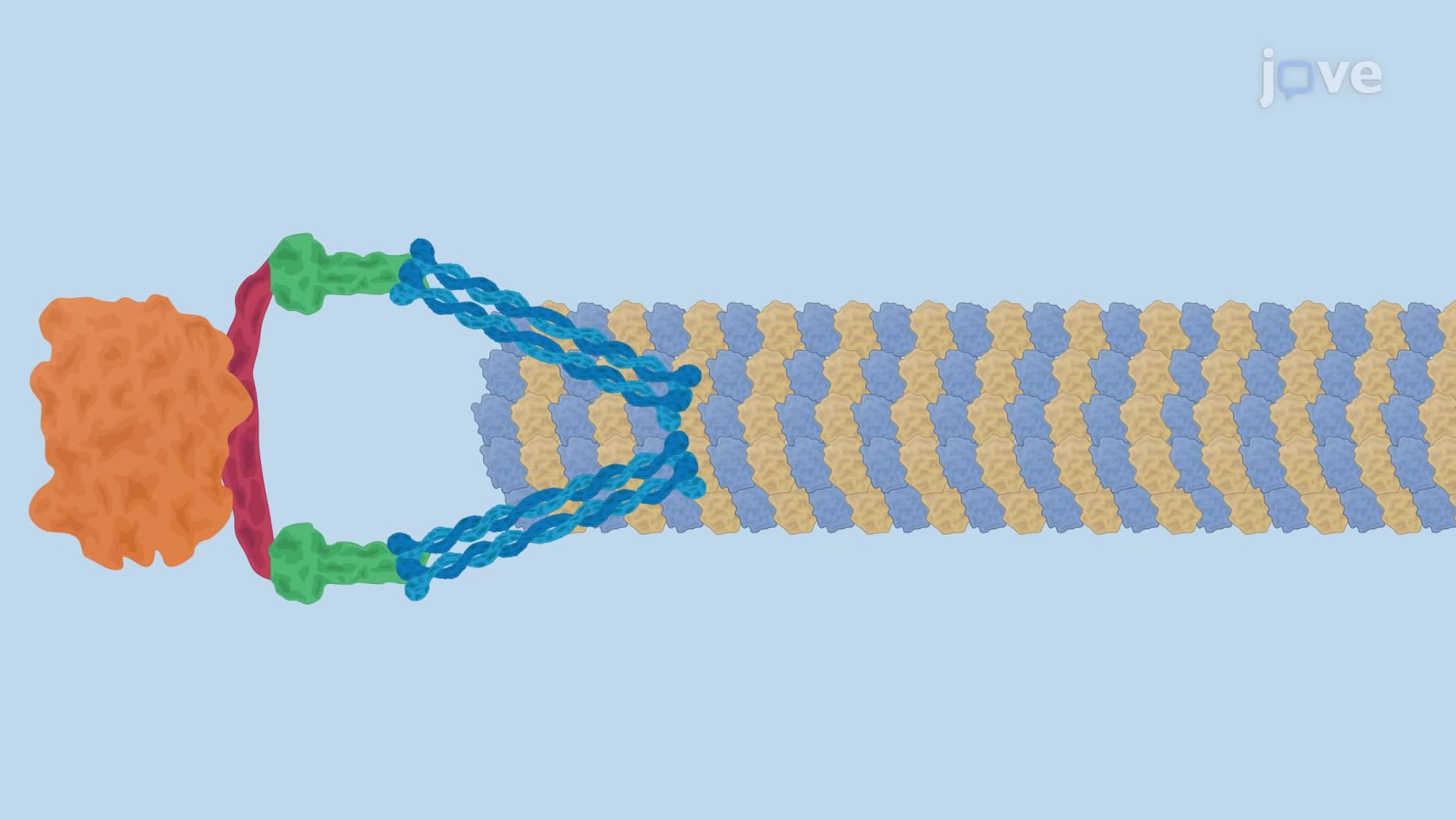


Centrosome Duplication

00:00
02:25
Video Summary: What Is Centrosome Duplication
Every time a cell divides, it faces a critical challenge: how to precisely duplicate its cellular machinery while maintaining perfect organization. Centrosome duplication is the tightly regulated process that ensures each new cell receives exactly one centrosome-the cell's primary microtubule organizing center. At Johns Hopkins University research labs, scientists study how errors in this process can lead to cancer when cells end up with too many centrosomes. Watch the full video on JoVE Coach to master this concept with expert-led visuals and step-by-step explanations.
- Understand what is centrosome duplication and its essential role in maintaining proper cell division and chromosome separation
- Identify the key phases of the cell cycle when centrosome duplication occurs, from G1 through mitosis
- Analyze the molecular machinery involved, including Cdk2, cyclin E, Plk-4, and separase proteins
- Compare centrosome duplication to DNA replication, noting their shared semiconservative mechanisms
- Recognize the structural components of centrosomes, including centrioles and pericentriolar matrix
- Evaluate the consequences of defective centrosome duplication in disease development
- Apply knowledge of centrosome behavior to predict outcomes of mitotic spindle assembly
- Explore the connection between centrosome duplication errors and chromosomal instability
Understanding Centrosome Duplication Fundamentals
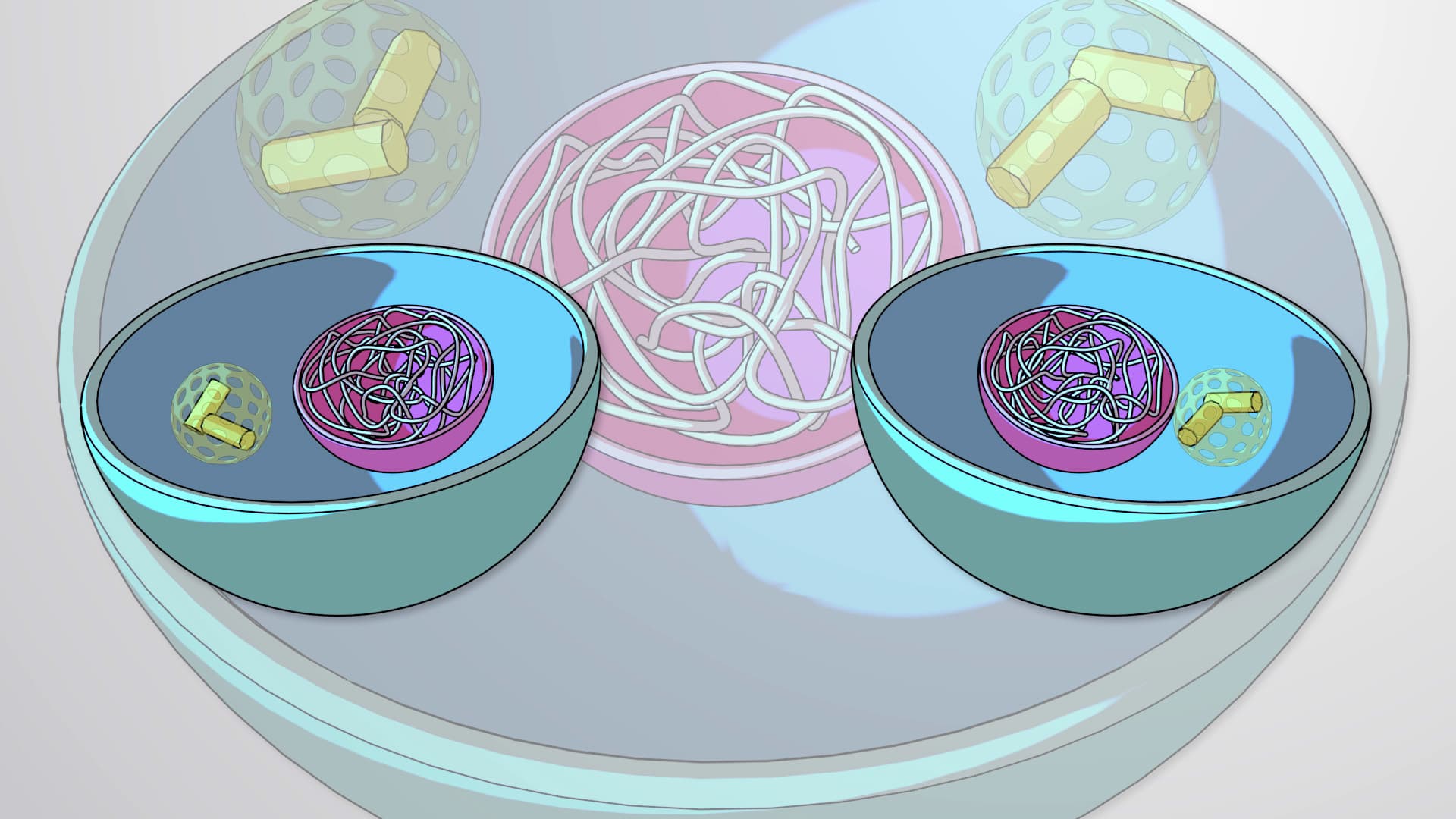
Centrosome duplication represents one of cell biology's most precisely orchestrated events, ensuring that dividing cells maintain proper organization of their microtubule networks. This process transforms a single centrosome into two identical structures, each capable of organizing one pole of the mitotic spindle during cell division.
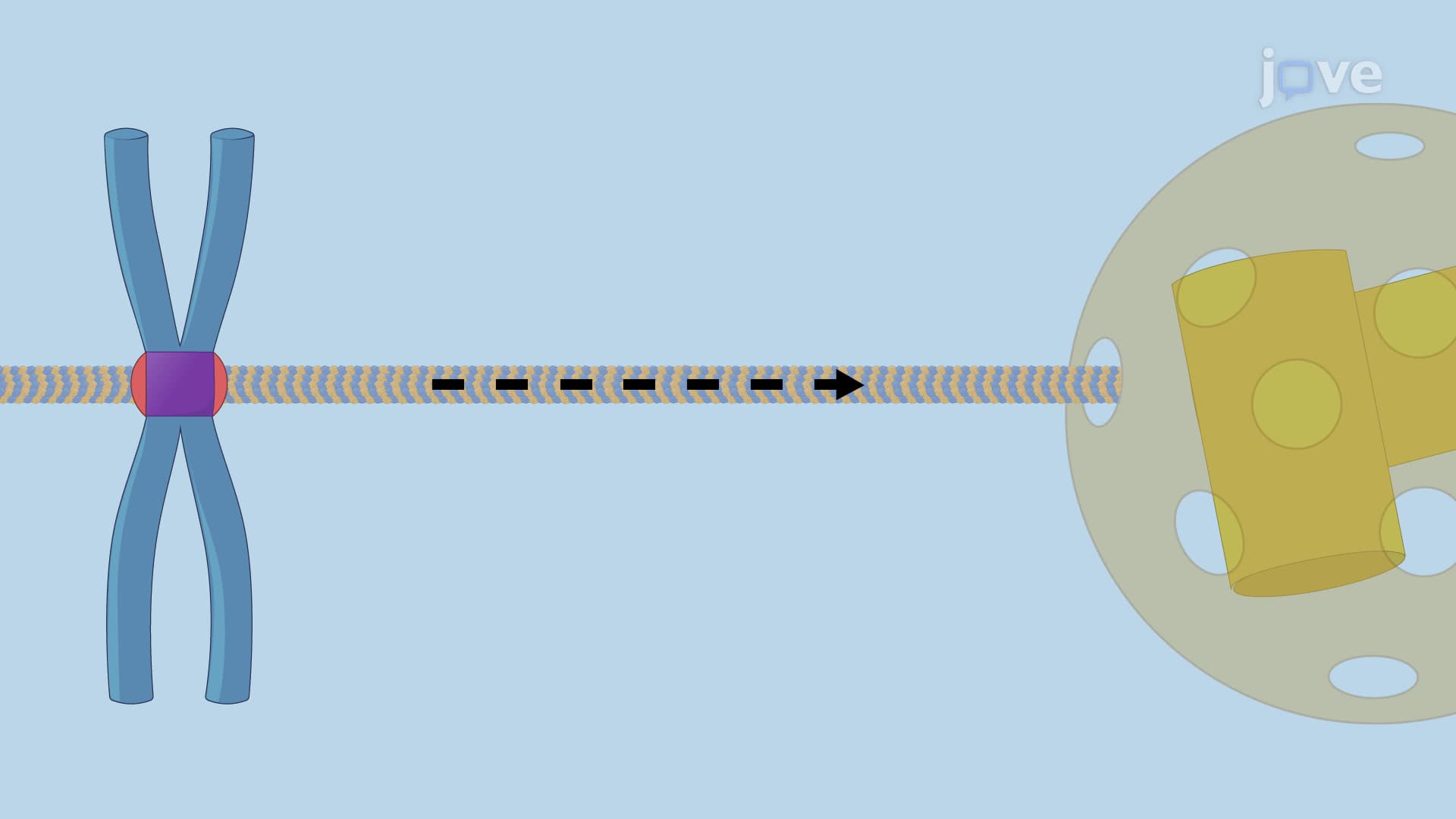
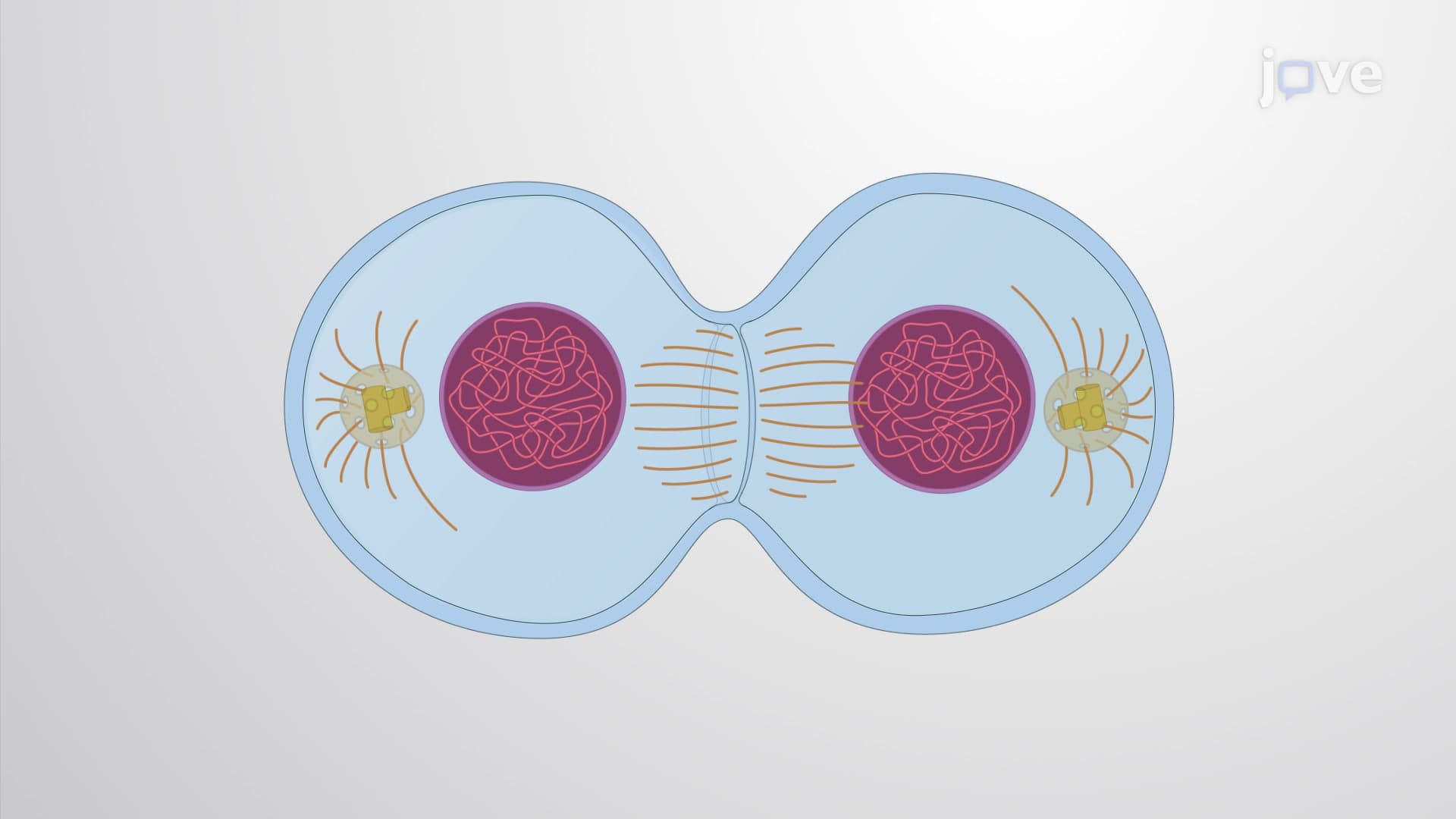
The centrosome itself consists of two barrel-shaped centrioles surrounded by a dense protein matrix called the pericentriolar material. Think of it as the cell's construction headquarters-without proper duplication, the cellular "construction crews" (microtubules) cannot organize effectively to build the mitotic spindle.
Cell Cycle Coordination and Molecular Control
Centrosome duplication follows a strict timeline coordinated with DNA replication. During G1 phase, the enzyme separase breaks the connection between paired centrioles from the previous cell cycle. As cells approach S phase, the Cdk2-cyclin E complex activates the duplication machinery, with Plk-4 (polo-like kinase 4) serving as the master regulator.
This timing ensures that centrosome duplication occurs exactly once per cell cycle-a principle crucial for maintaining cellular stability. Students preparing for the MCAT or AP Biology exam should remember that this "once and only once" rule parallels DNA replication, making it easier to understand both processes together.
The Duplication Process in Detail
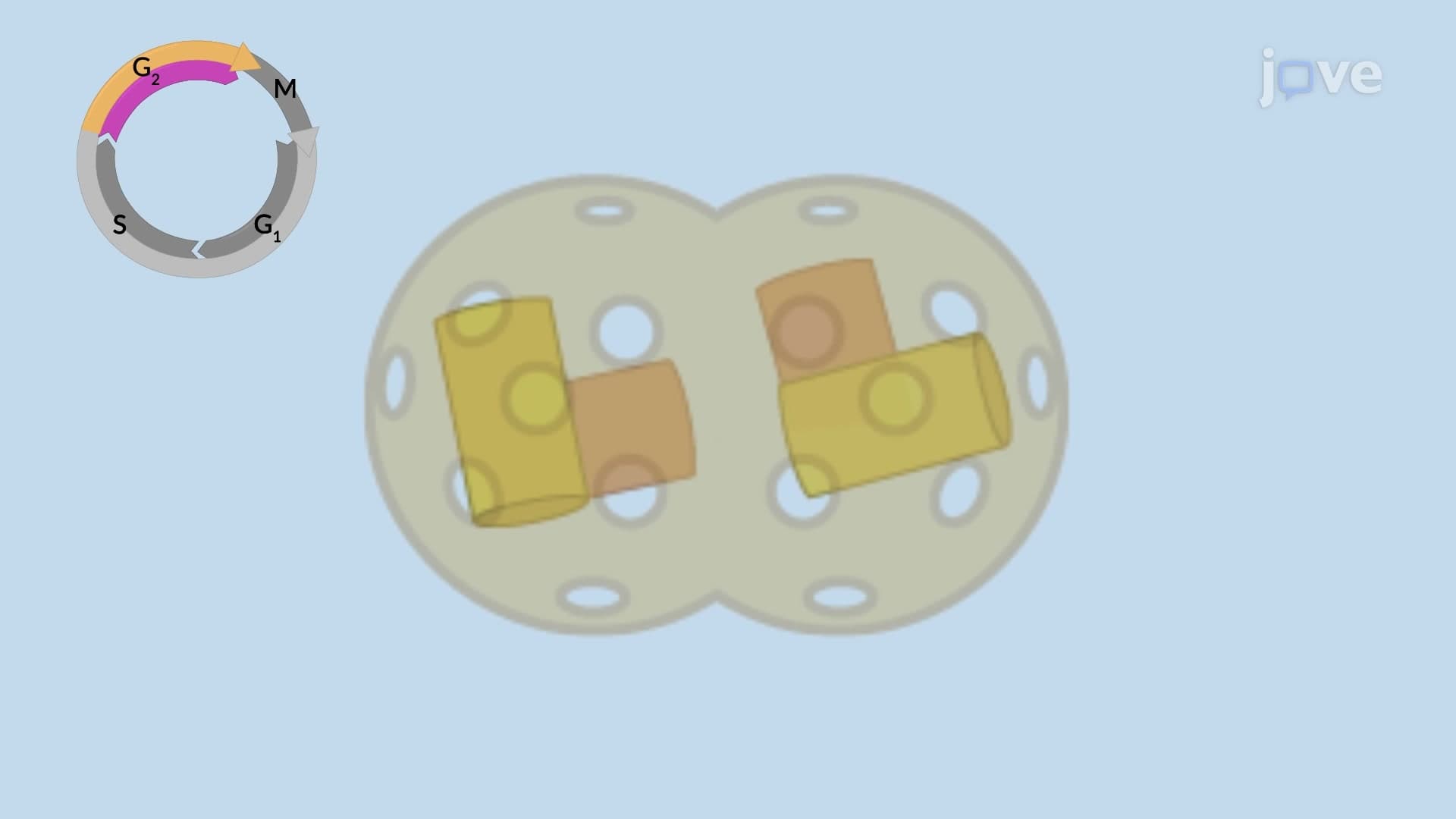
During S phase, each existing centriole serves as a template for growing a new "daughter" centriole at a precise 90-degree angle. This semiconservative mechanism means each new centrosome contains one original and one newly synthesized centriole-similar to how DNA replication preserves one original strand in each new double helix.
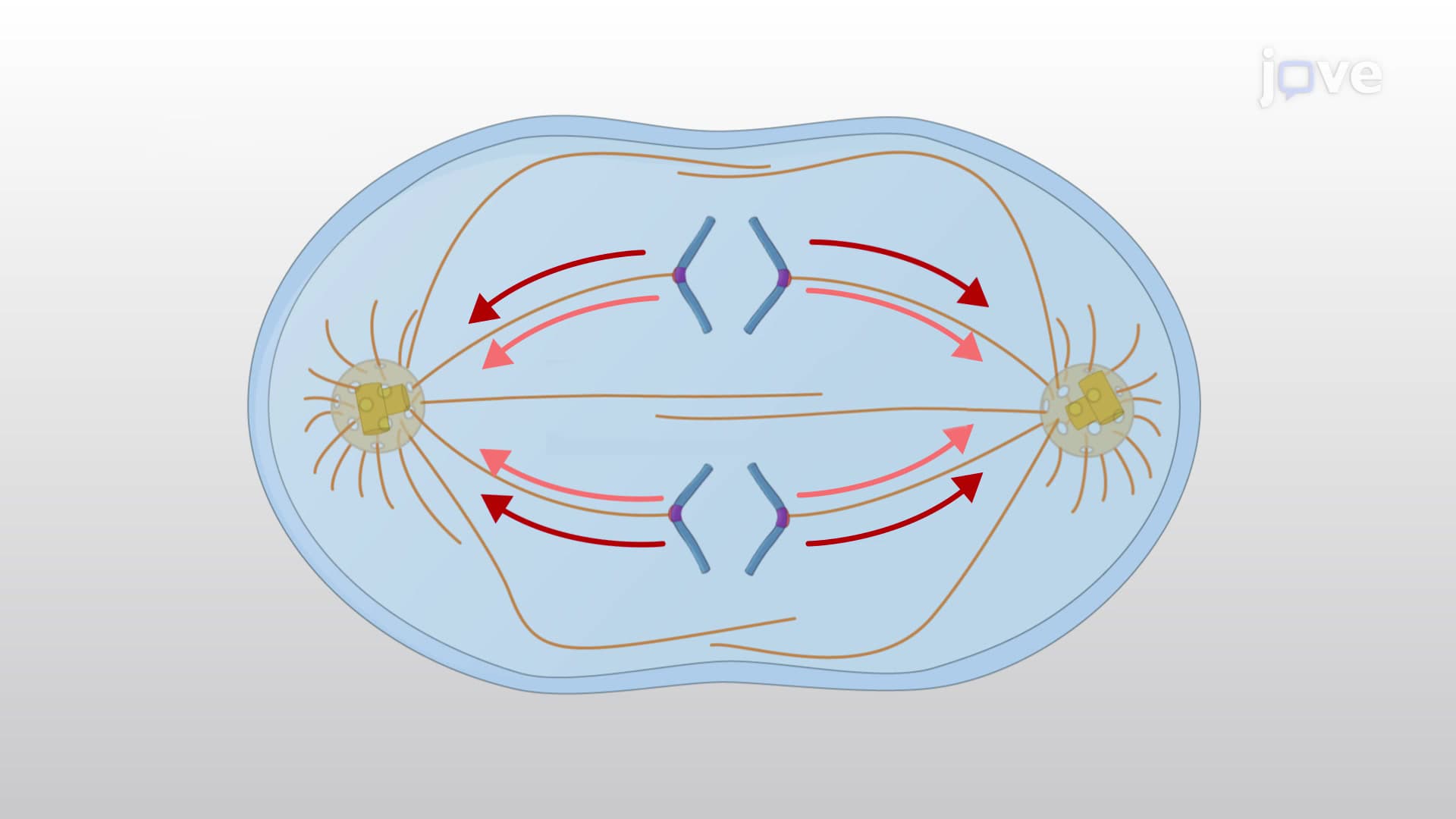
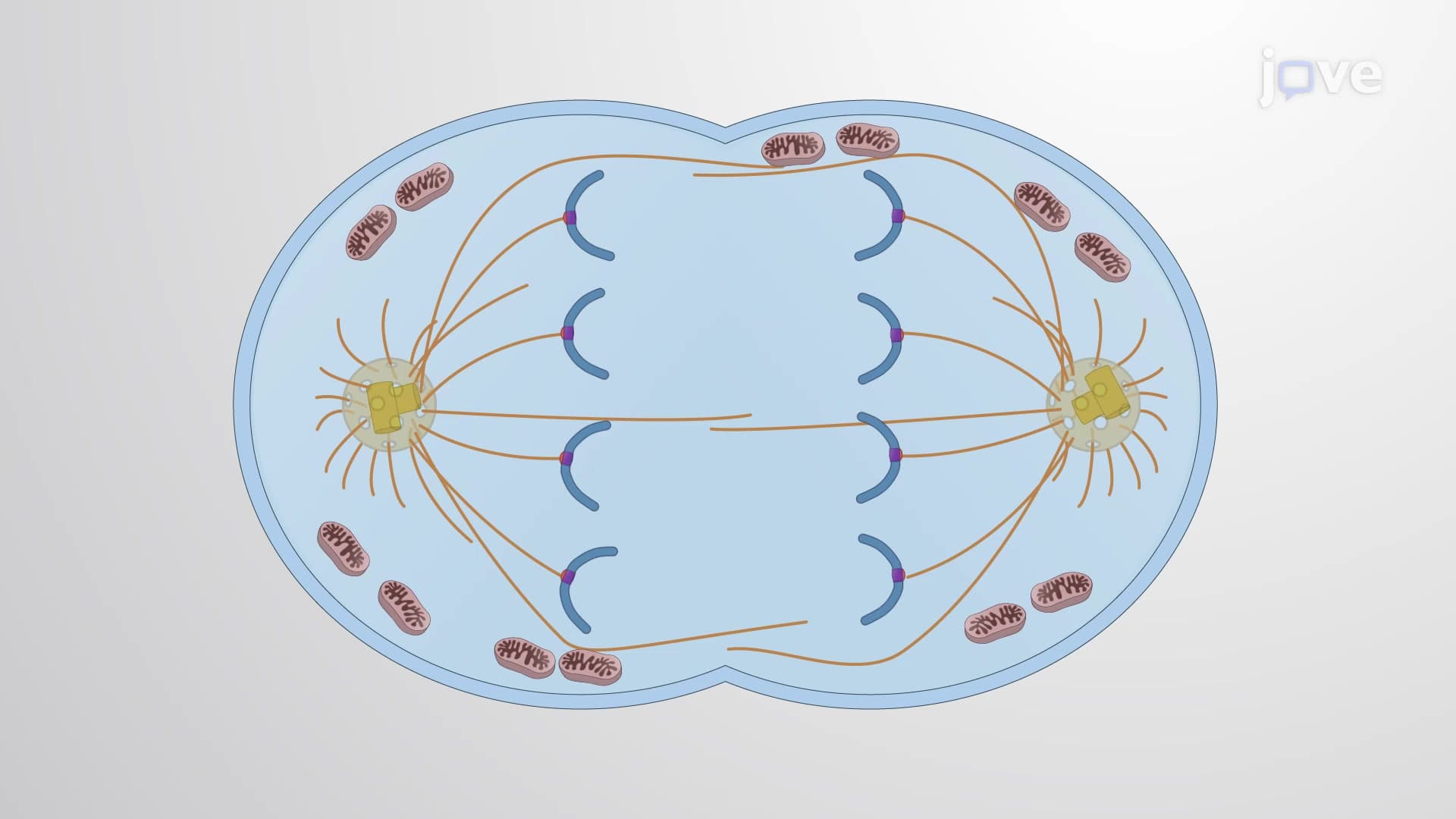
Throughout G2 phase, daughter centrioles elongate and mature while remaining tightly associated with their parent structures. Only during mitosis does centrosome disjunction occur, separating the duplicated centrosomes to opposite sides of the cell where they nucleate the bipolar spindle.
Clinical Significance and Disease Connections
Centrosome duplication errors have profound medical implications. Research at institutions like Harvard Medical School and the National Cancer Institute has shown that cells with extra centrosomes-a condition called centrosome amplification-often exhibit chromosomal instability, a hallmark of cancer cells. When cells contain multiple centrosomes, they form abnormal multipolar spindles that distribute chromosomes unequally, potentially activating oncogenes or inactivating tumor suppressor genes.
For pre-med students, understanding this connection helps explain why certain chemotherapy drugs target centrosome function and why centrosome abnormalities serve as prognostic markers in cancer diagnosis.
Frequently Asked Questions
Centrosome duplication is the process where a cell creates an exact copy of its centrosome-the structure that organizes microtubules. This ensures each daughter cell receives one centrosome after division, maintaining proper cellular organization and enabling accurate chromosome separation during mitosis.
For AP Biology, define centrosome duplication as the semiconservative replication of centrosomes during the cell cycle, coordinated with DNA synthesis. Emphasize that it occurs once per cell cycle, involves centriole templating, and requires specific regulatory proteins like Plk-4 and Cdk2-cyclin E complexes.
MCAT questions often focus on the timing relative to cell cycle phases, the semiconservative mechanism, and connections to cancer biology. Practice identifying when duplication begins (G1/S transition), the role of regulatory proteins, and consequences of duplication errors for genomic stability.
Most introductory cell biology courses cover centrosome duplication when discussing cell division and cytoskeleton organization. Expect questions about the molecular mechanisms, cell cycle coordination, and clinical relevance, especially in advanced courses at universities with strong research programs.
Centrosome duplication errors contribute to various cancers, including breast, colon, and brain tumors studied at major US cancer centers. Researchers at institutions like MD Anderson and Memorial Sloan Kettering investigate how centrosome abnormalities drive tumor progression and drug resistance.
While complex, centrosome duplication builds on familiar concepts like DNA replication and cell division. Focus on the basic principle-making one copy per cell cycle-then add molecular details gradually. Many successful AP Biology students master this topic with proper scaffolding.
Create a timeline showing duplication events across cell cycle phases, then practice drawing the process from memory. Compare it to DNA replication to reinforce the semiconservative concept, and use clinical examples to understand why proper regulation matters for preventing disease.
Explore related topics like mitotic spindle assembly, chromosome segregation mechanisms, and cell cycle checkpoints. Advanced students might investigate centrosome biogenesis pathways or research current cancer therapeutics targeting centrosome function in clinical trials.
Related Micro-courses