Loading video…


 18 Concepts
 101K views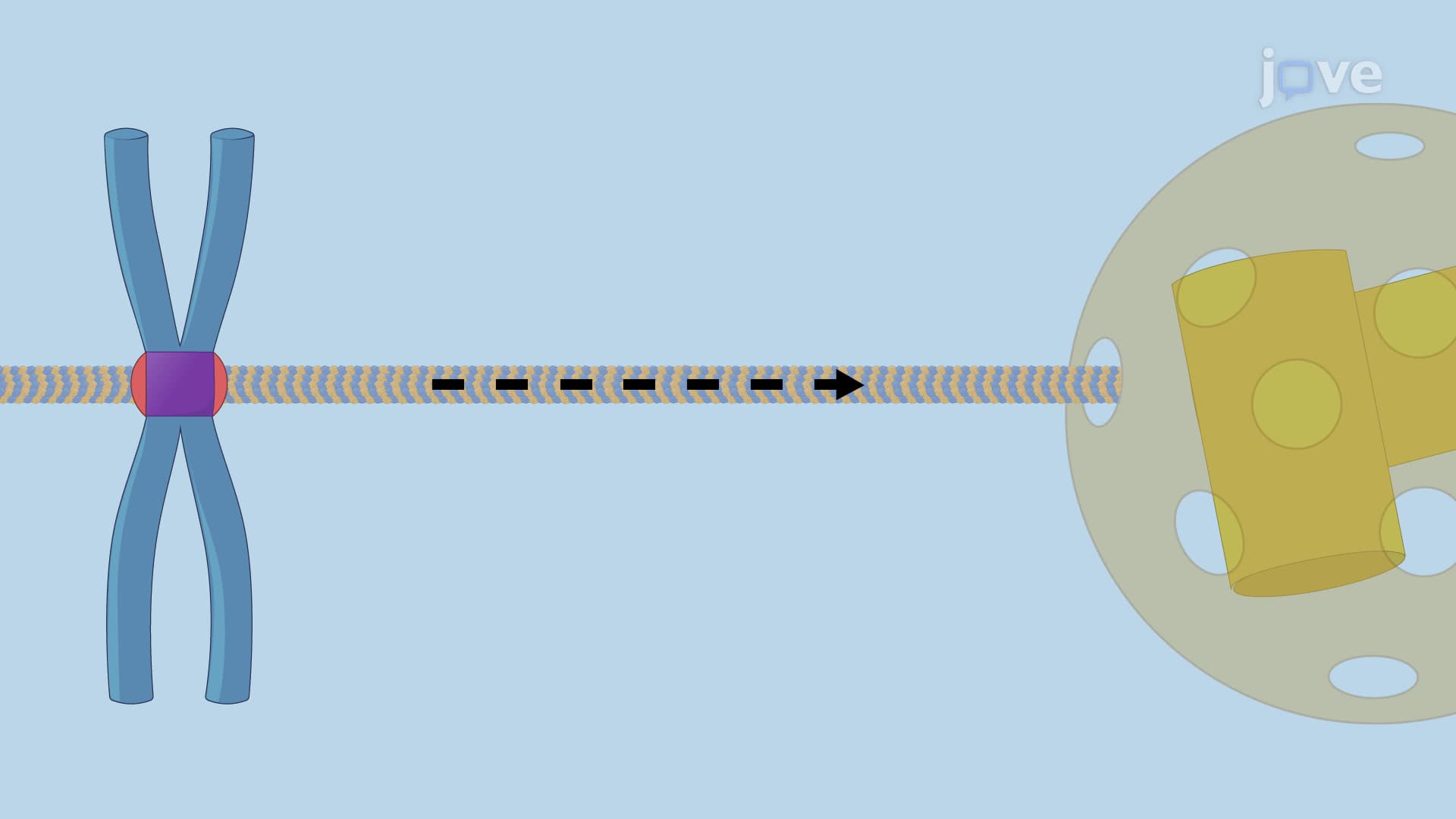

Video Summary: What are Forces Acting on Chromosomes
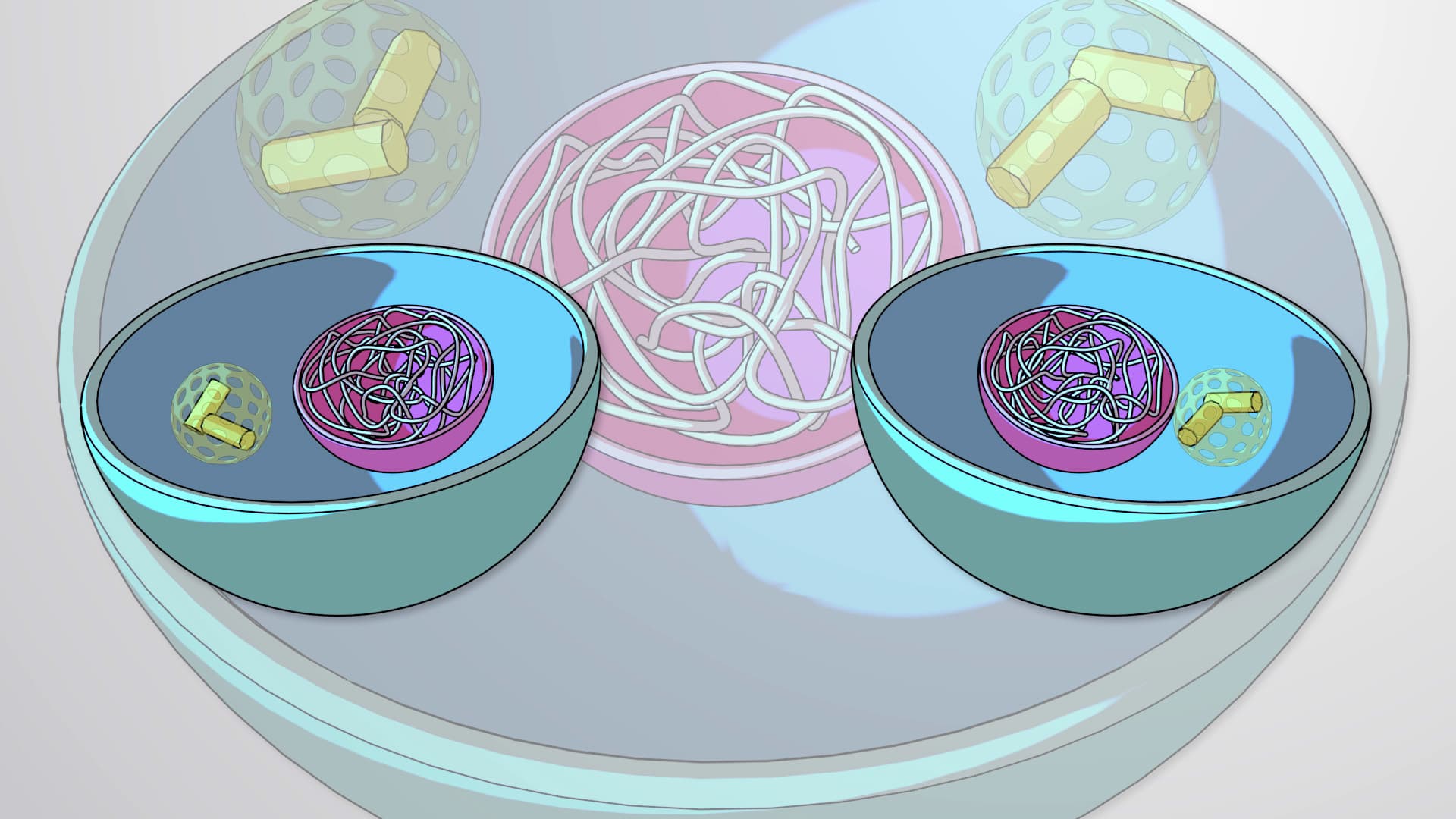
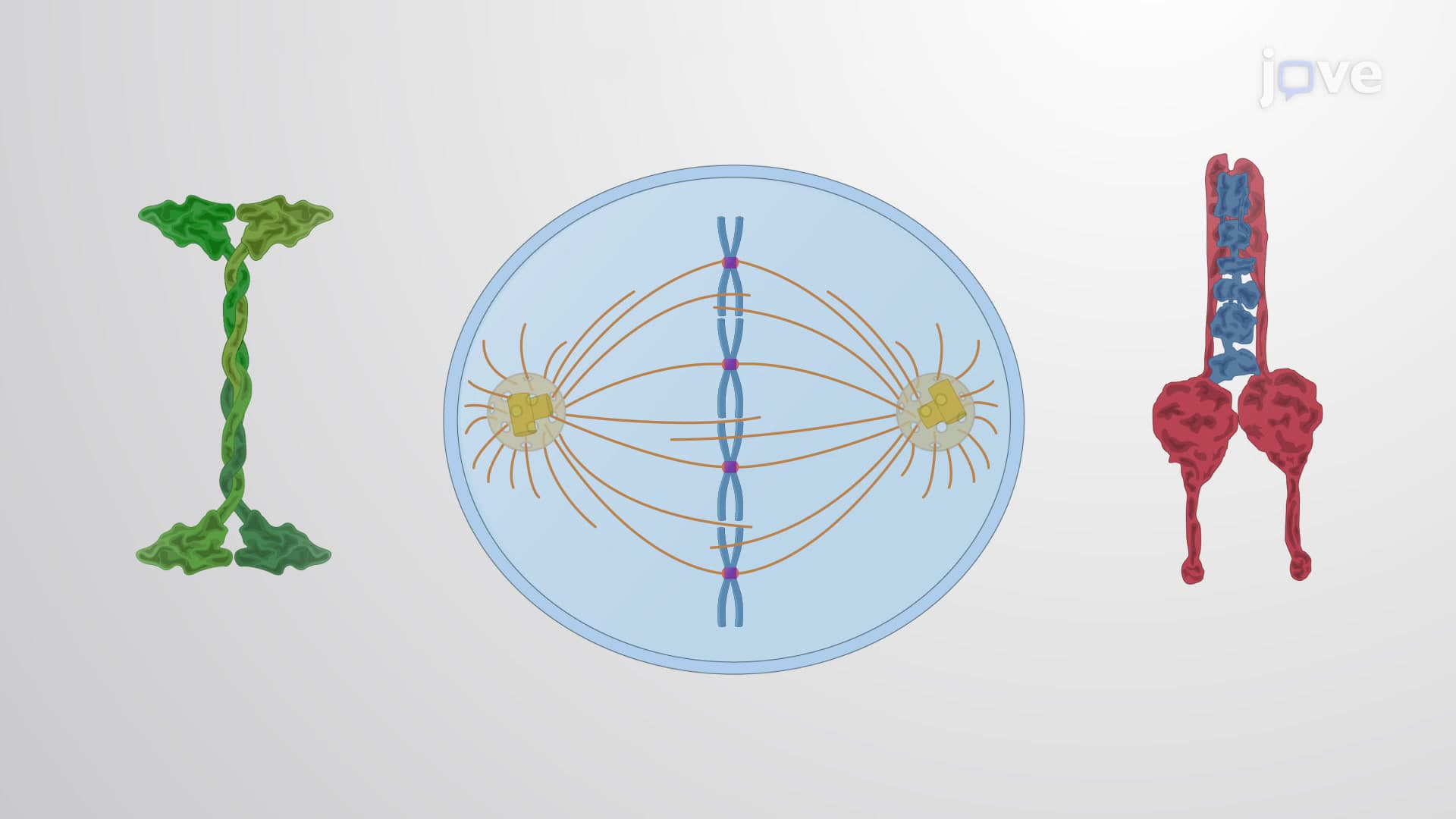
Every second, millions of cells in your body precisely divide their genetic material-but what keeps chromosomes from getting lost during this critical process? The forces acting on chromosomes create a sophisticated tug-of-war system that ensures accurate cell division, similar to how air traffic controllers at busy airports like LAX coordinate hundreds of flights simultaneously. Three distinct forces work together to position chromosomes perfectly along the cell's equator before division begins. Watch the full video on JoVE Coach to master this concept with expert-led visuals and step-by-step explanations.
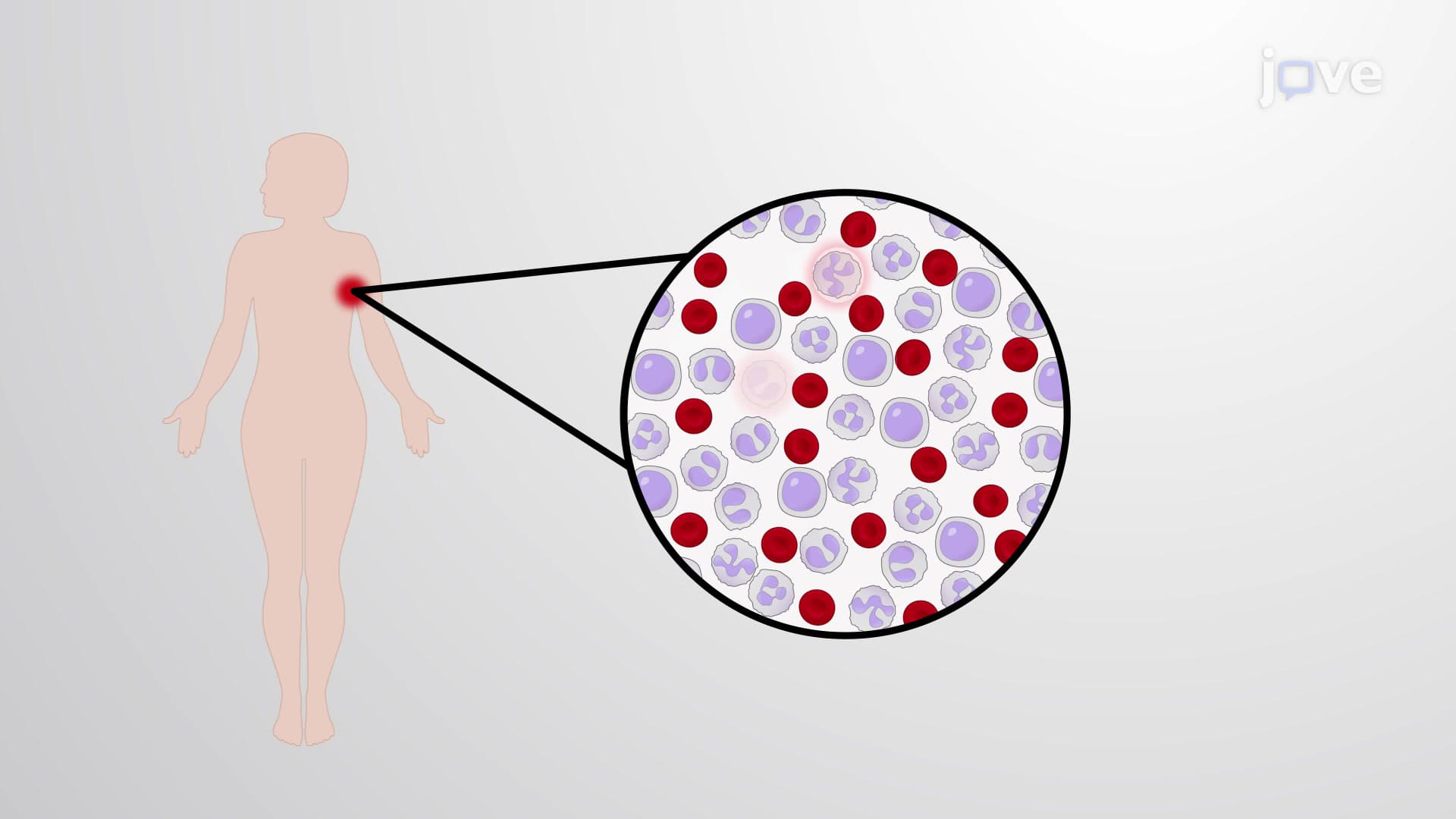
Cell division represents one of biology's most precisely orchestrated events, where forces acting on chromosomes must achieve perfect balance to ensure genetic material distributes accurately. During mitosis, chromosomes don't simply drift into position-they experience multiple competing forces that work together like a complex mechanical system. This force coordination is so critical that even minor disruptions can lead to cancer, making this concept essential for students preparing for AP Biology exams or pursuing pre-med studies.
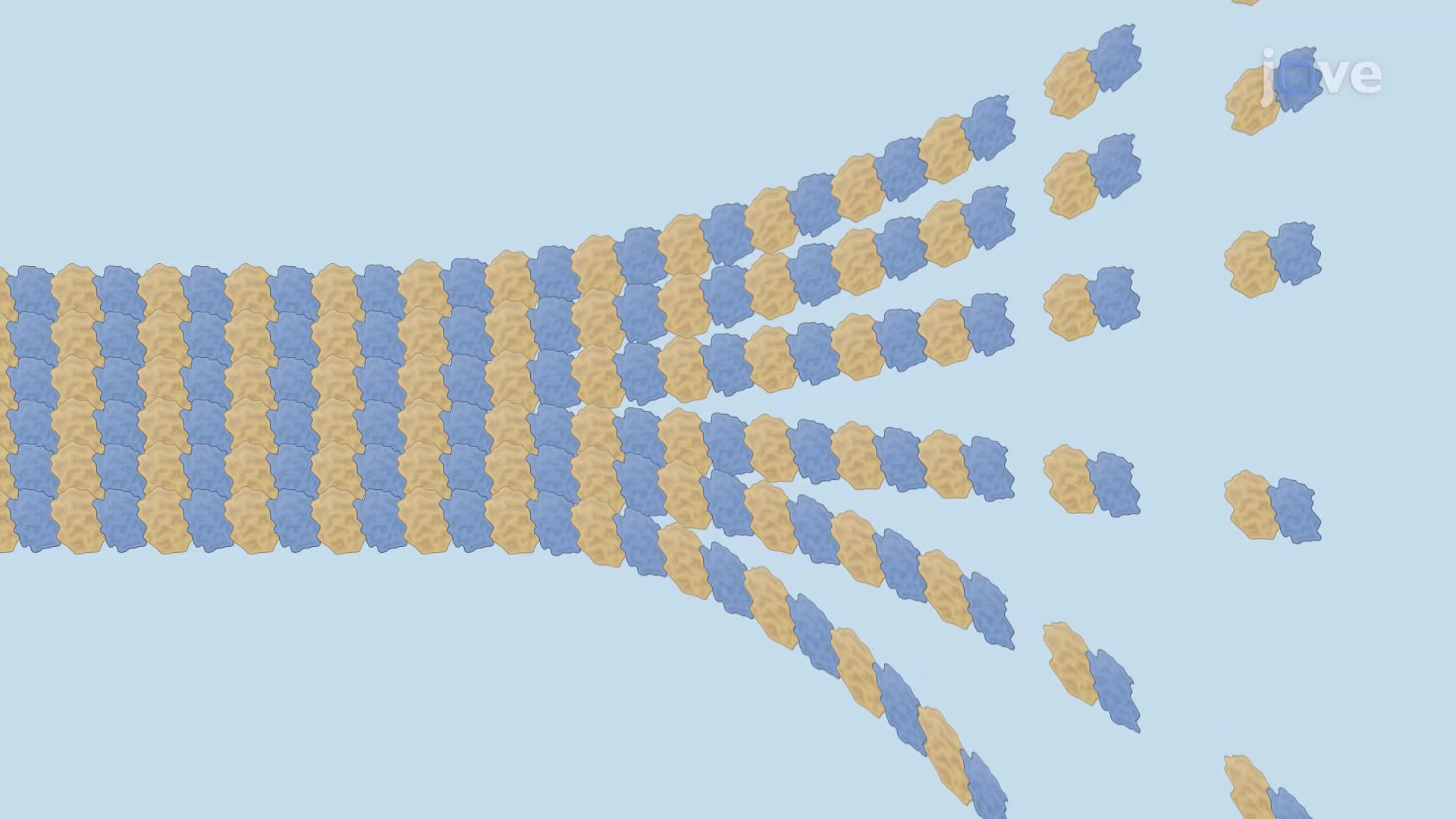
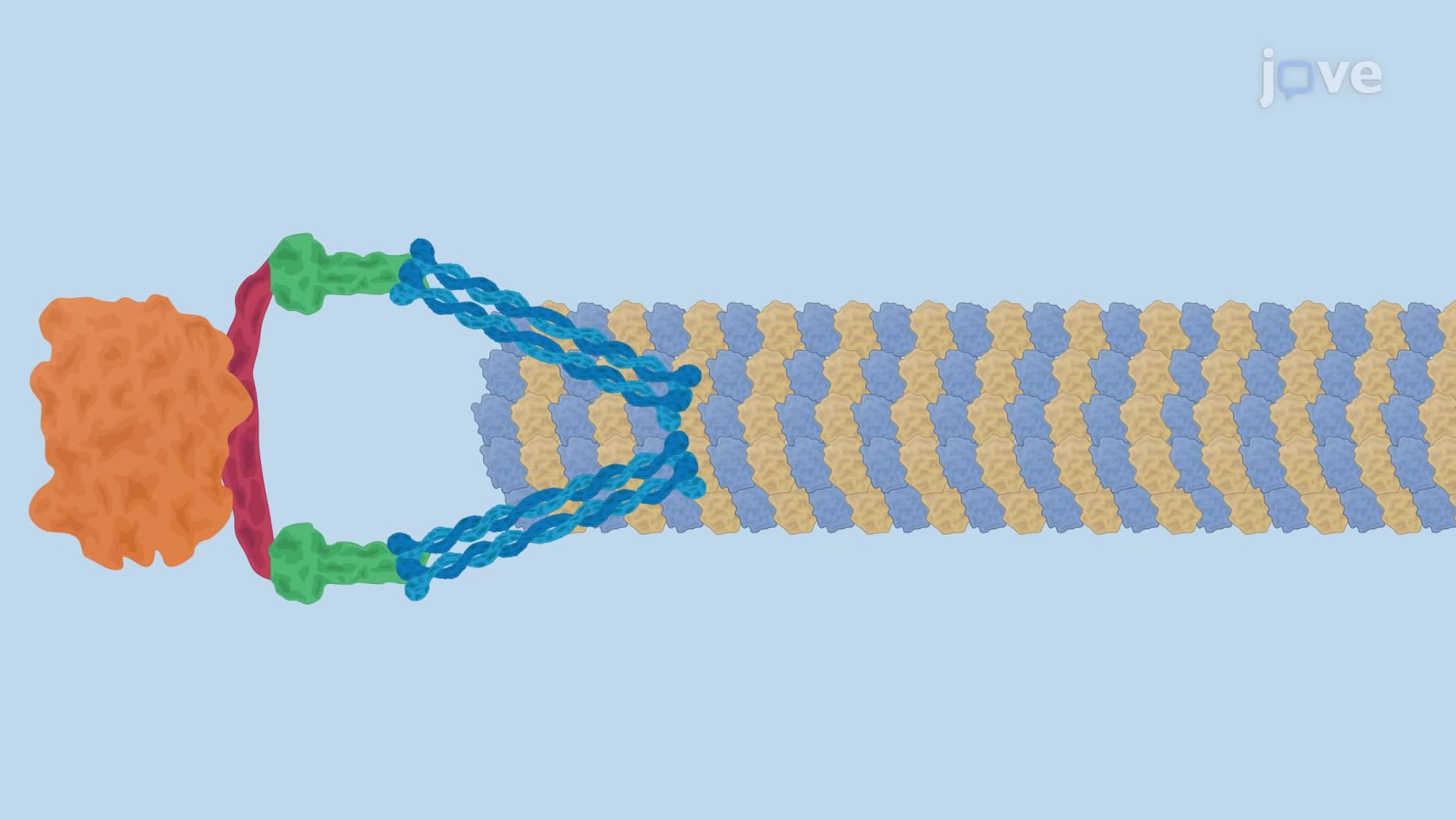
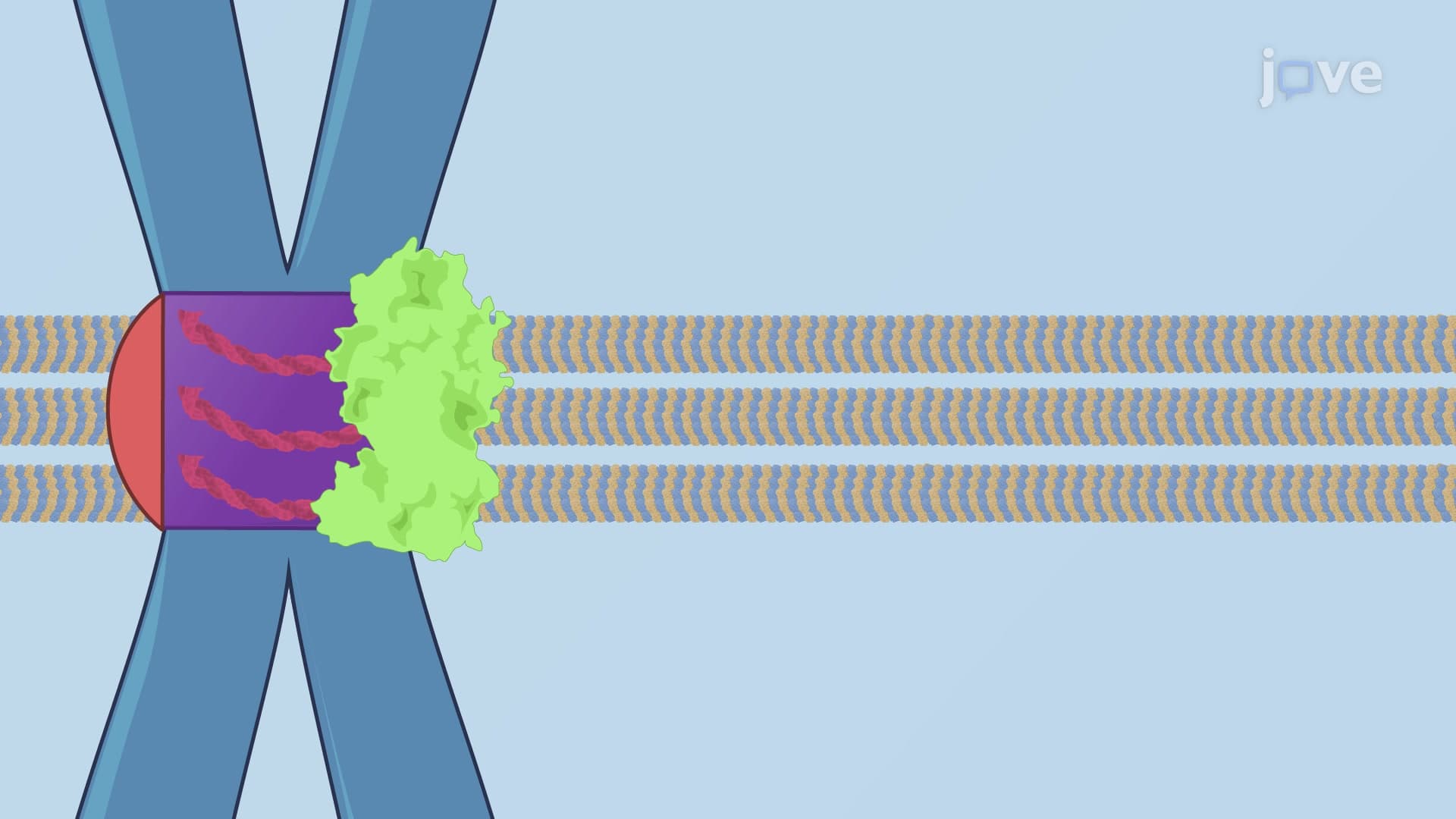
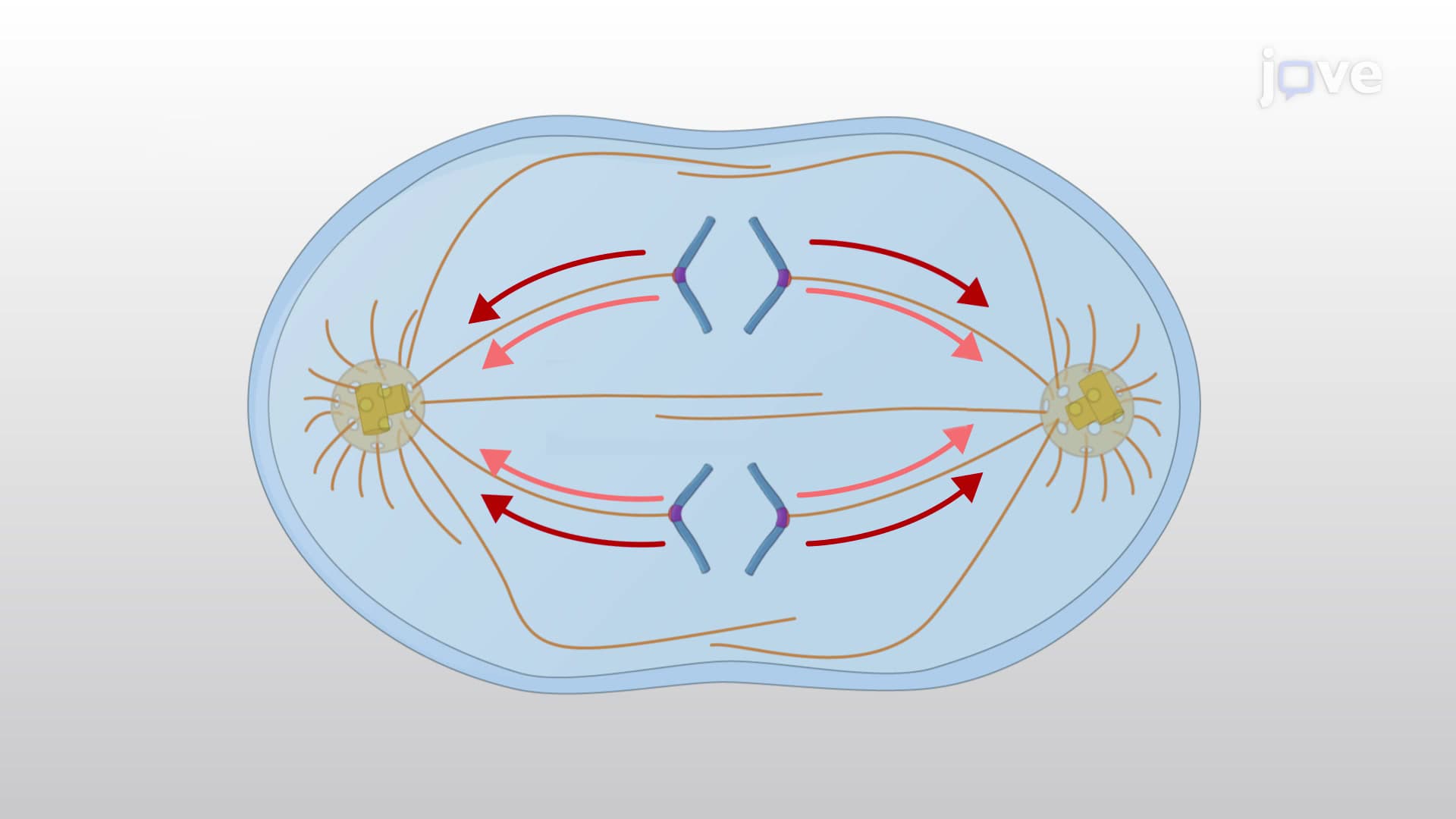
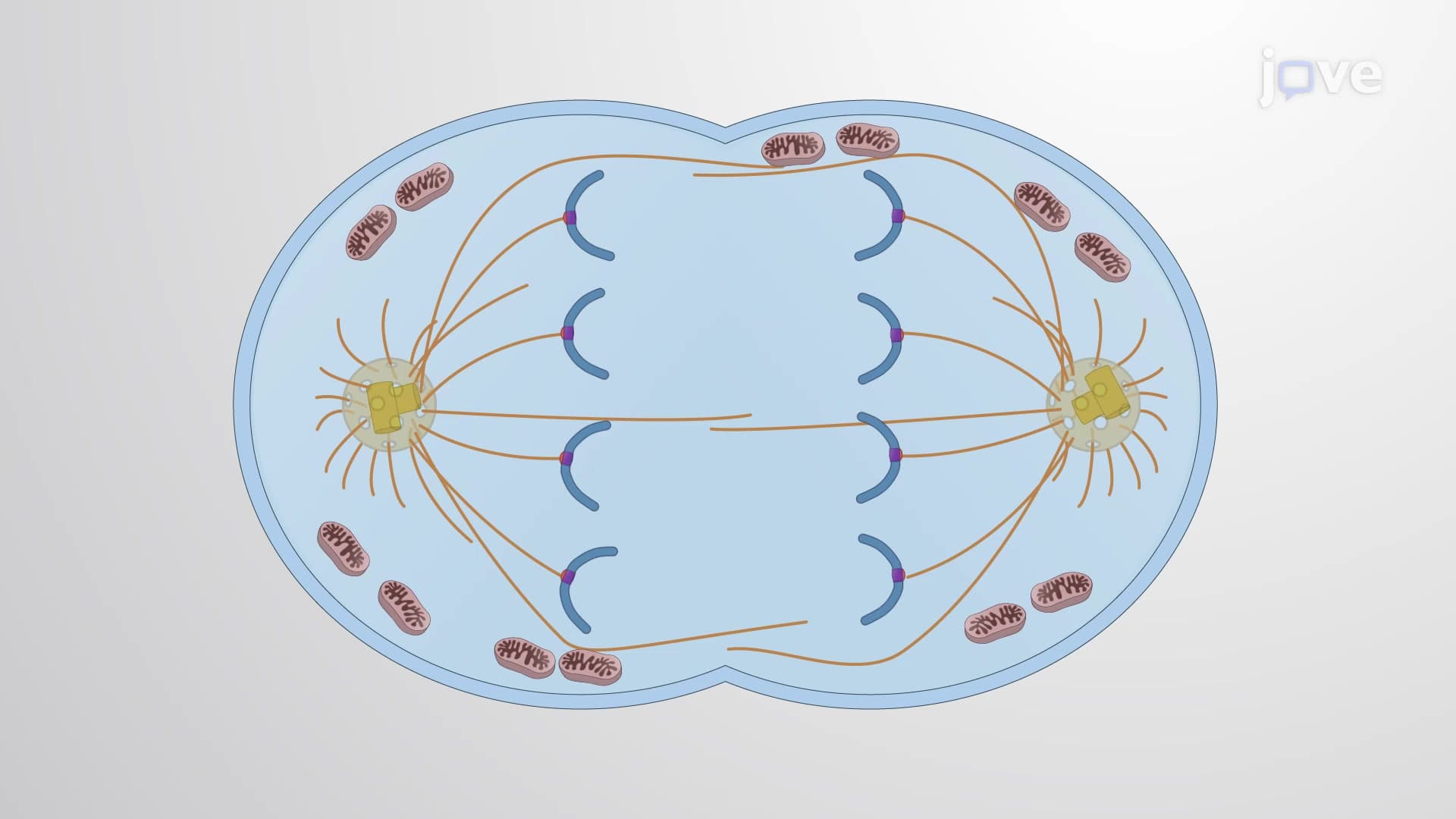
The primary types of forces acting on chromosomes include two distinct poleward mechanisms. First, kinetochore-microtubule interactions generate pulling forces as microtubules undergo plus-end depolymerization. The Ndc80 protein complex acts like molecular velcro, forming multiple weak attachments that constantly break and reform as microtubules shorten. This creates a ratcheting mechanism that gradually pulls chromosomes toward spindle poles-imagine a rock climber using dynamic rope techniques to maintain grip while descending.
The second poleward force emerges from microtubule flux, where minus-end depolymerization creates a conveyor belt effect. As microtubules lose subunits at their minus ends near spindle poles, the entire structure flows poleward while plus-end polymerization maintains overall length. This mechanism resembles how escalators at major transit hubs like Grand Central Station move passengers while maintaining constant length through continuous step replacement.
Opposing these poleward forces, the polar ejection force (or "polar wind") pushes chromosomes away from spindle poles toward the cell's equator. Kinesin-4 and kinesin-10 motor proteins generate this force by linking chromosome arms to interpolar microtubules. These plus-end directed motors literally walk chromosomes toward the spindle equator, creating outward pressure that balances inward pulling forces.
Understanding chromosome force dynamics proves crucial for MCAT preparation, particularly in passages involving cell cycle regulation and cancer biology. Medical schools emphasize this concept because force imbalances contribute to aneuploidy-abnormal chromosome numbers linked to conditions like Down syndrome and various cancers. Students at institutions like Johns Hopkins or UCLA frequently encounter this topic in cell biology courses, where professors expect detailed explanations of how force coordination ensures genomic stability.
Related Micro-courses