Loading subject page…


101,001 views


Video Summary: What Is Anaphase Promoting Complex
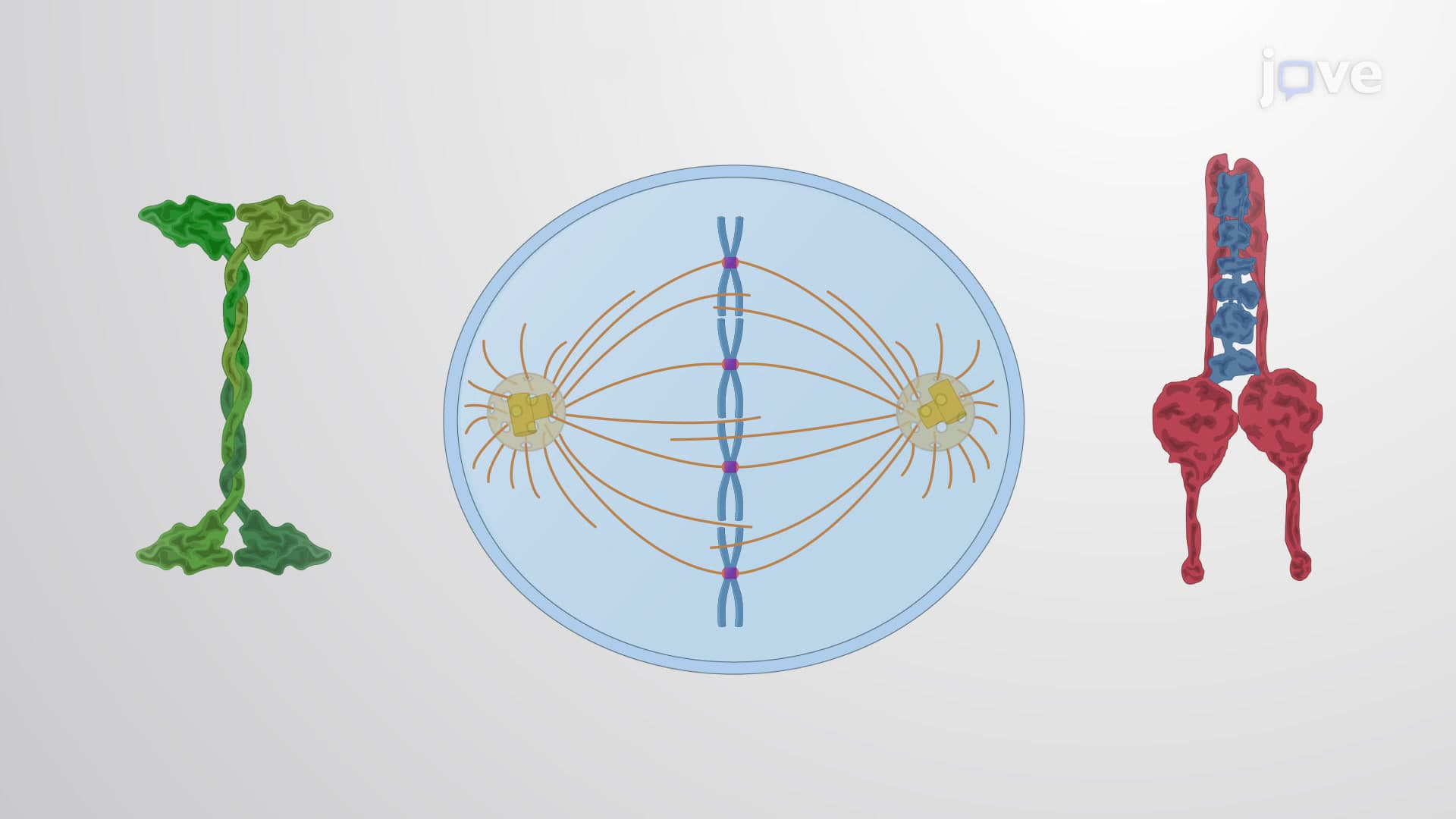
Did you know that cancer cells often lose control of cell division because they can't properly activate the anaphase promoting complex? The anaphase promoting complex (APC/C) acts as a molecular switch that determines when chromosomes can safely separate during cell division. This protein complex is so crucial that researchers at Harvard Medical School study its dysfunction in leukemia patients to develop targeted therapies. Understanding what is anaphase promoting complex reveals how cells prevent dangerous genetic errors during reproduction. Watch the full video on JoVE Coach to master this concept with expert-led visuals and step-by-step explanations.
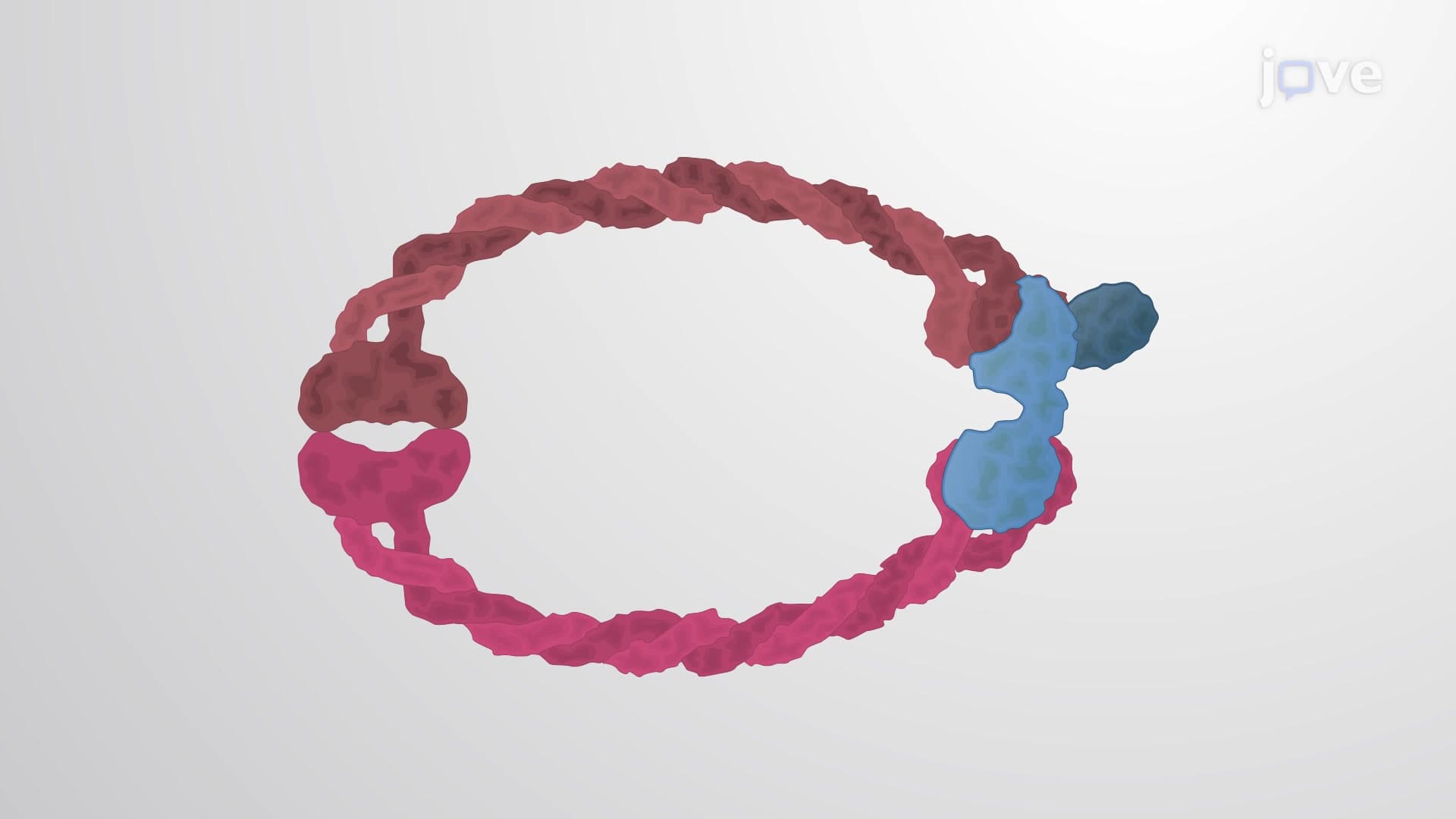
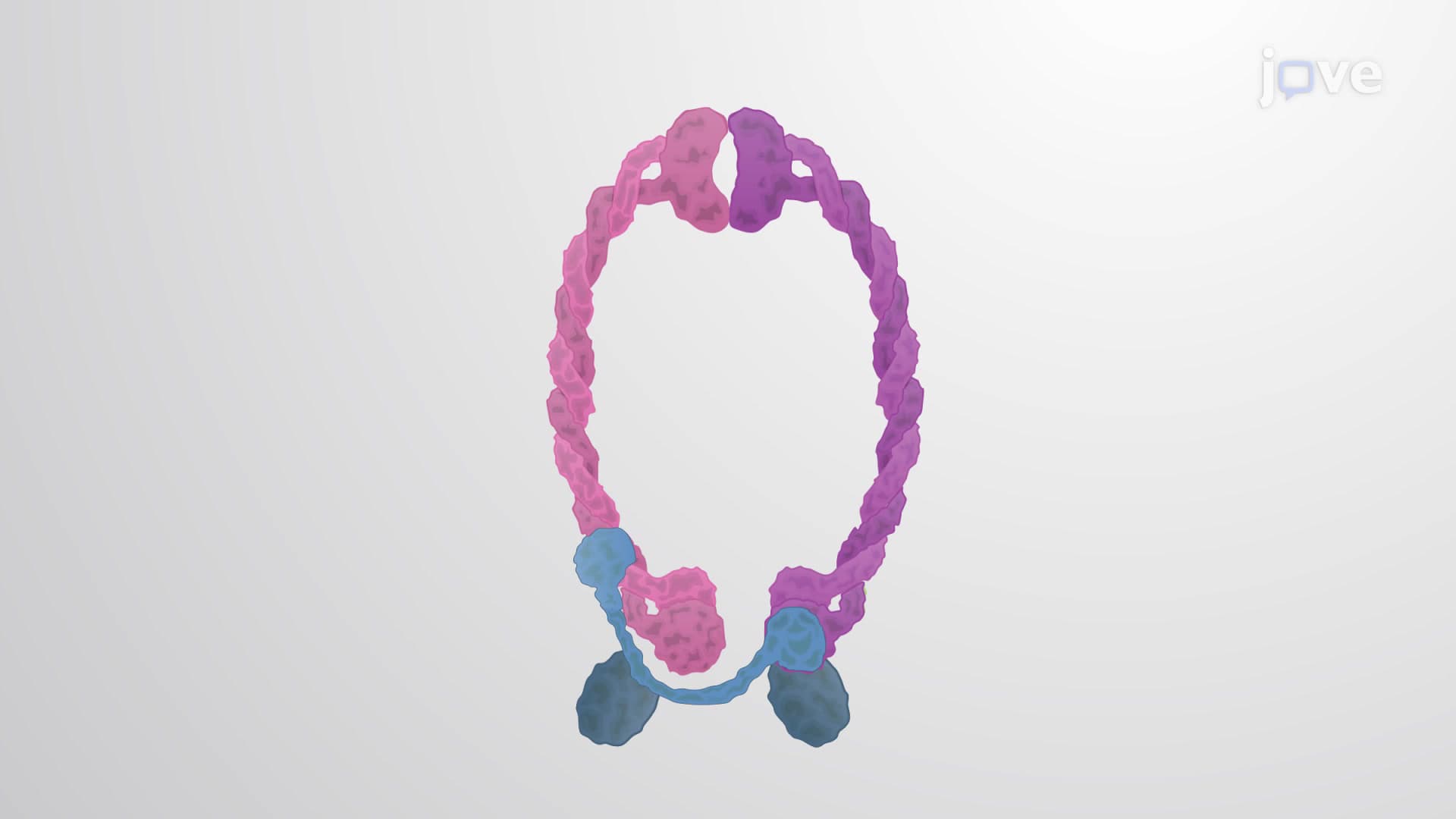
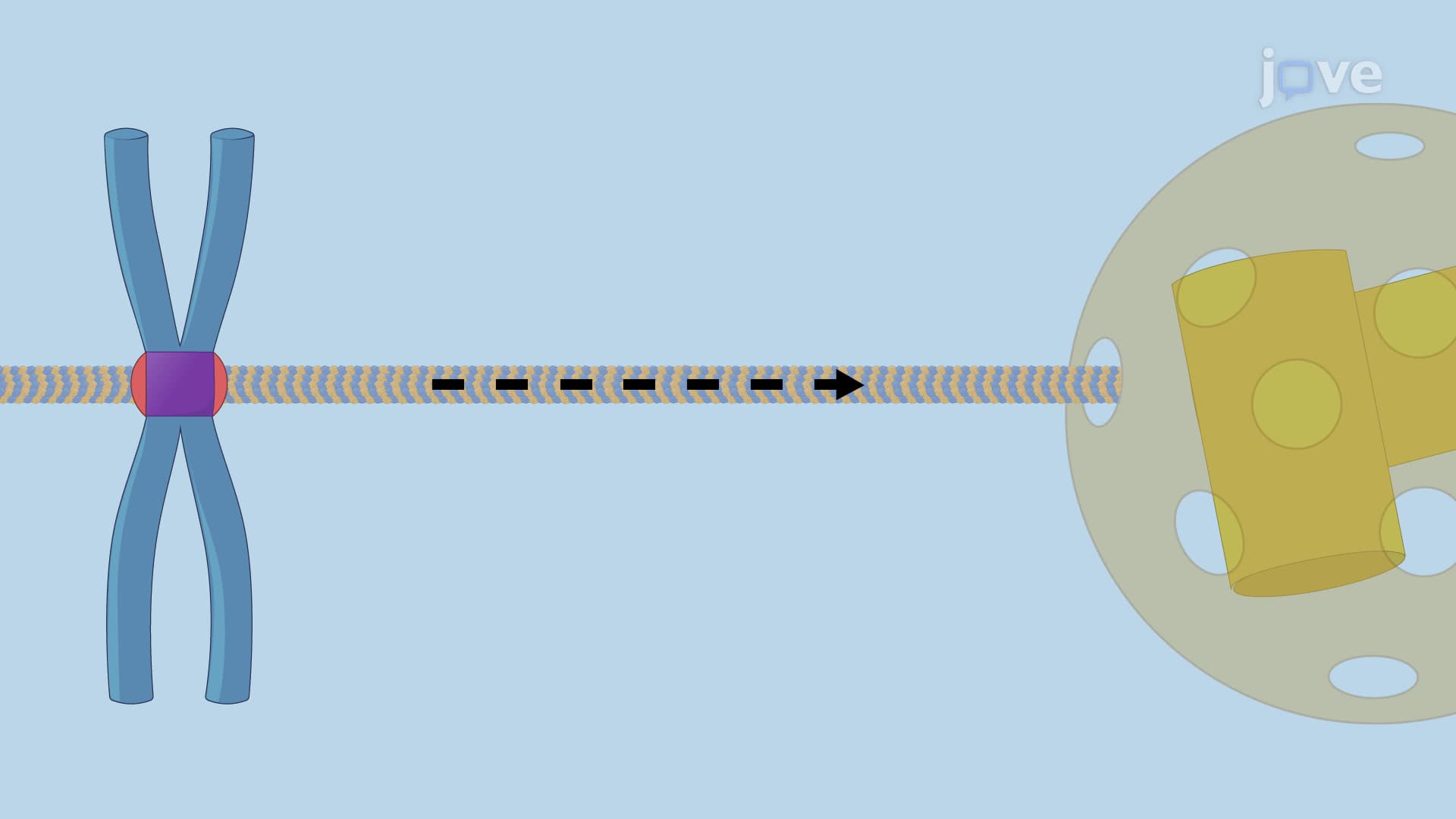
The anaphase promoting complex (APC/C) functions as one of biology's most sophisticated quality control mechanisms, ensuring that cell division proceeds only when conditions are optimal. This large protein complex acts as a ubiquitin ligase-an enzyme that tags other proteins for destruction by attaching ubiquitin molecules to them. Think of APC/C as a cellular demolition crew that knows exactly which buildings (proteins) need to be torn down and when.
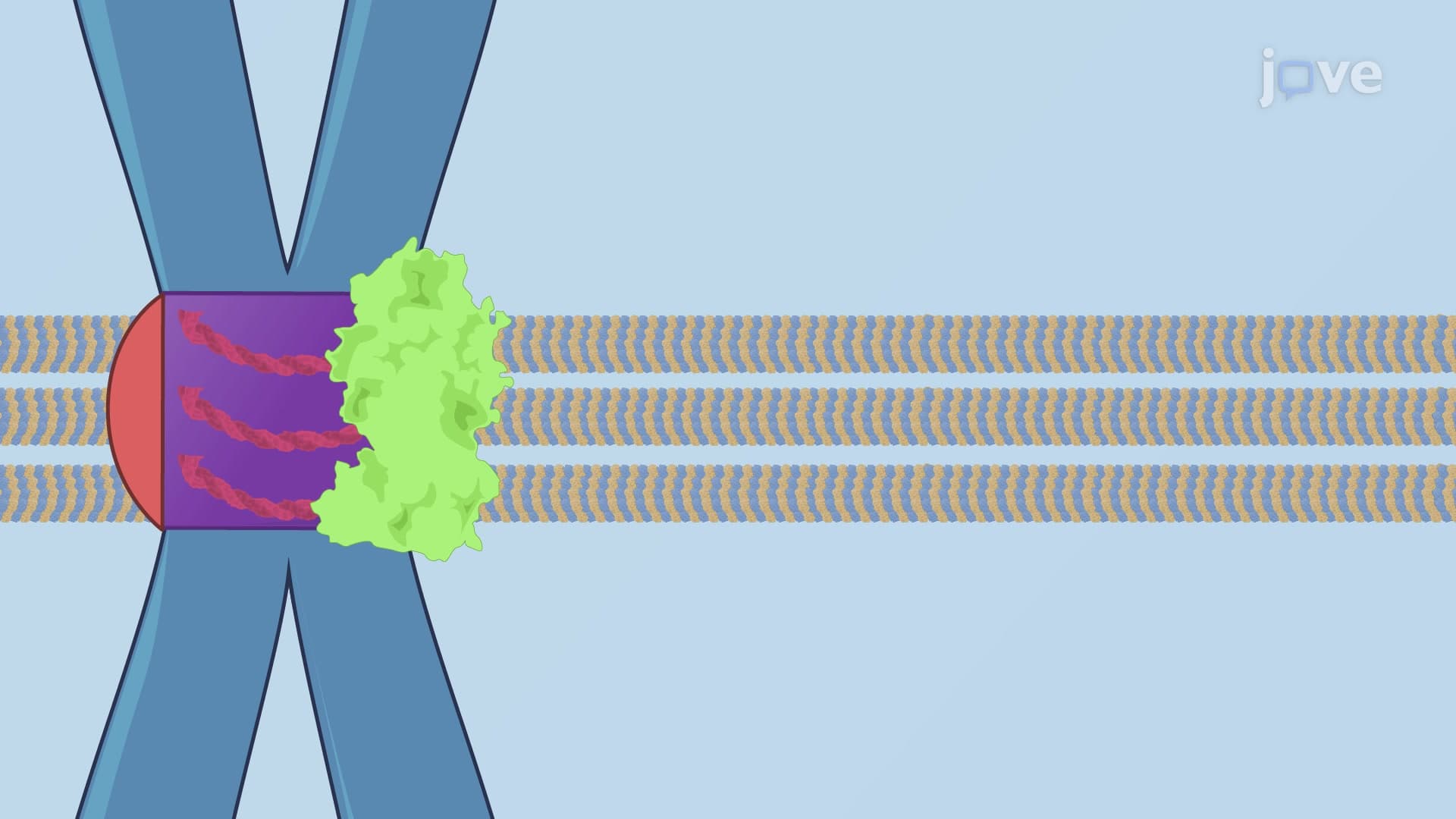
The anaphase promoting complex remains dormant until activated by a crucial protein called Cdc20. This activation represents a critical checkpoint in cell division, similar to how air traffic controllers must give clearance before planes can take off. When Cdc20 binds to APC/C, it transforms the complex into an active enzyme capable of recognizing and tagging specific target proteins. Students preparing for the AP Biology exam should remember that this activation step prevents premature chromosome separation, which could lead to genetic abnormalities.
Once activated, APC/C specifically targets two families of regulatory proteins: S-cyclins and M-cyclins. These cyclins normally bind to and activate cyclin-dependent kinases (CDKs), the enzymes that drive cells through different phases of division. By ubiquitinating these cyclins, APC/C marks them for destruction by the proteasome-the cell's protein recycling center. This process is analogous to removing the keys from a car engine; without cyclins, CDKs cannot function, effectively shutting down the molecular machinery that was driving cell division forward.
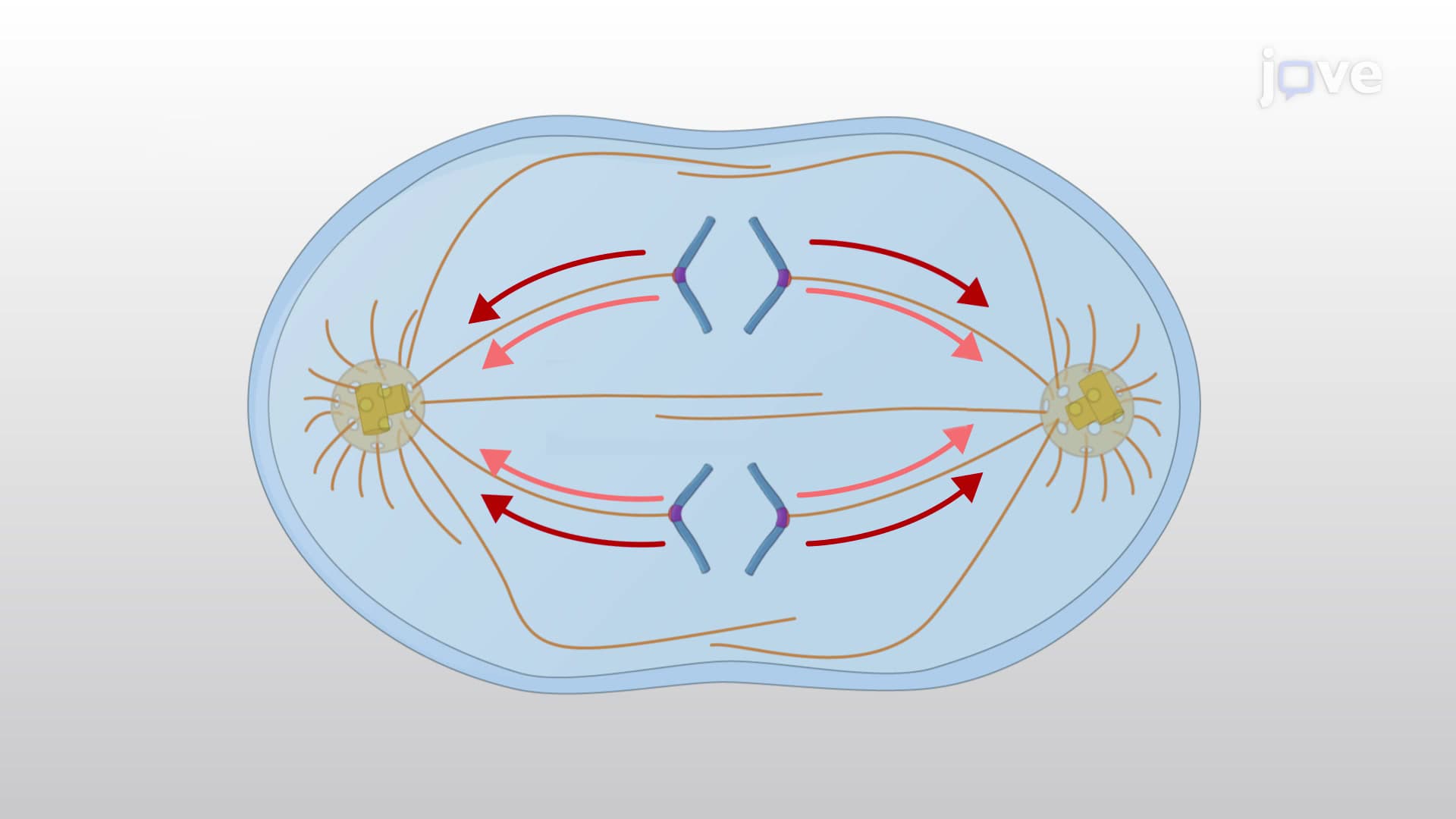
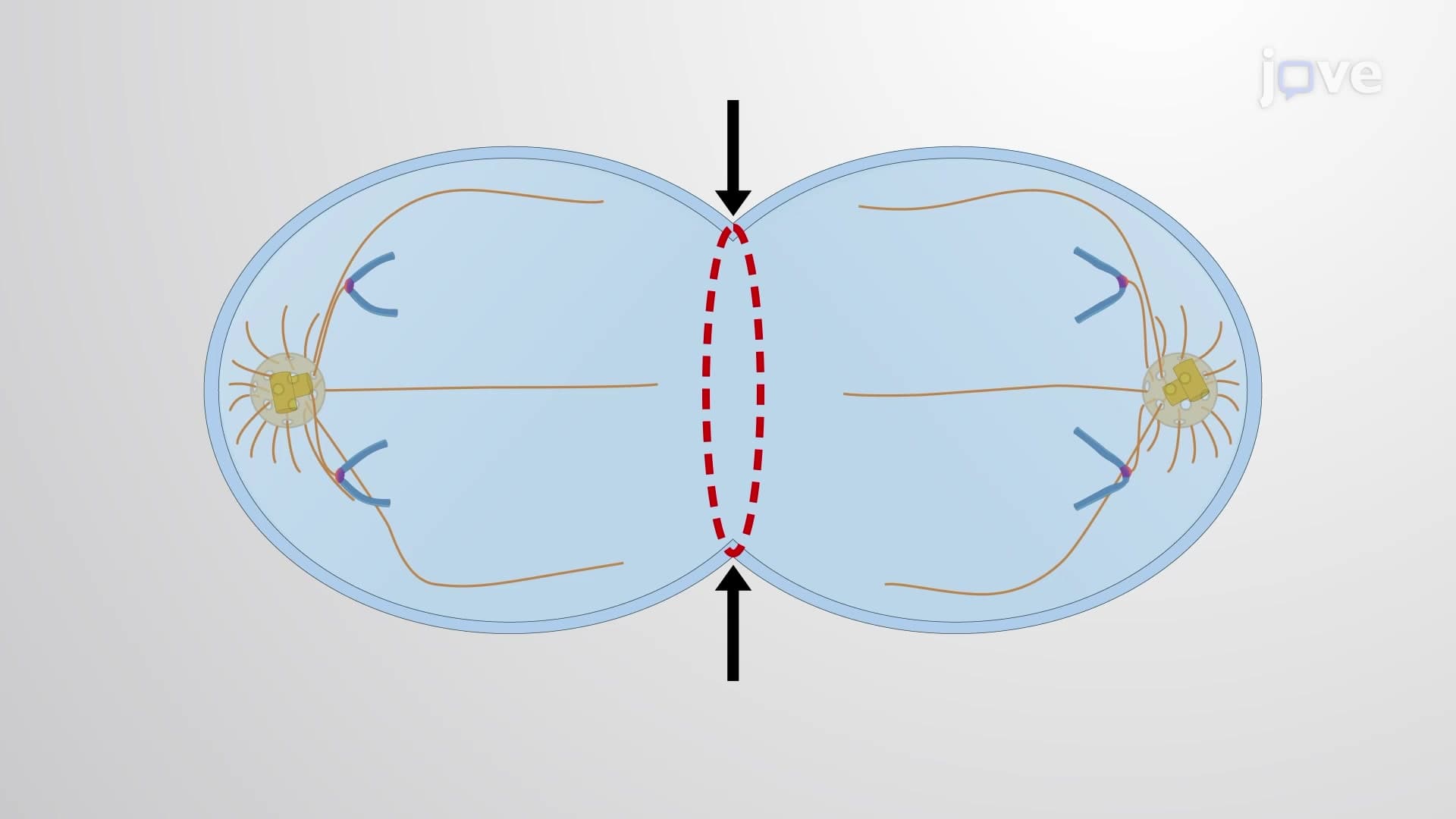
The destruction of cyclins by APC/C has cascading effects throughout the cell. With CDK activity eliminated, cellular phosphatases-enzymes that remove phosphate groups from proteins-can now reverse the phosphorylation events that CDKs had created. This dephosphorylation is essential for anaphase completion, as it allows proteins to return to their pre-division states and enables proper chromosome segregation. Medical students studying for the MCAT often find it helpful to remember that this phosphatase activity is like hitting an "undo" button on many of the cellular changes that occurred during earlier phases of division.
Related Micro-courses