Loading video…


 18 Concepts
 101K views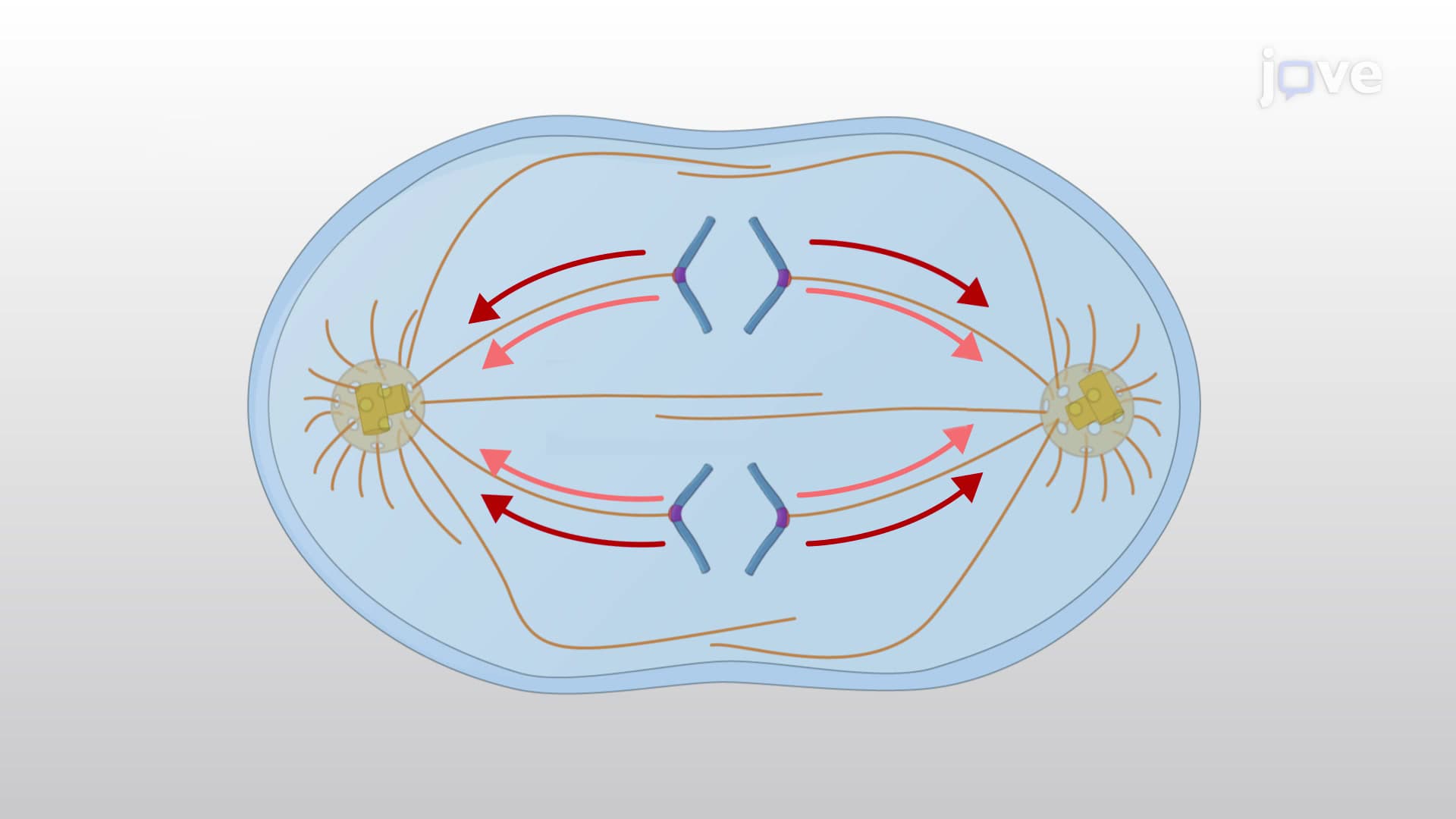

Video Summary: What Is Anaphase a and B
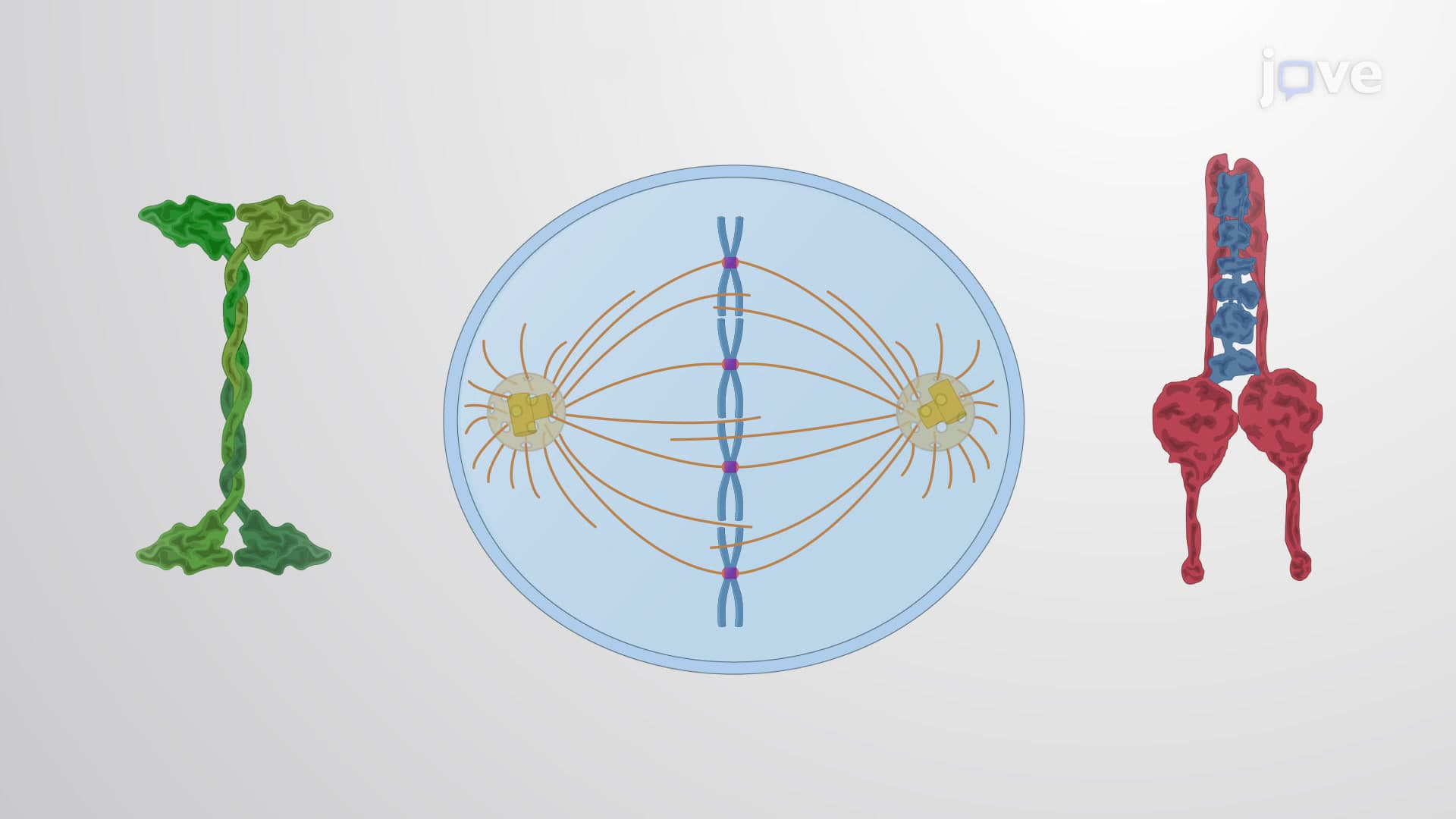
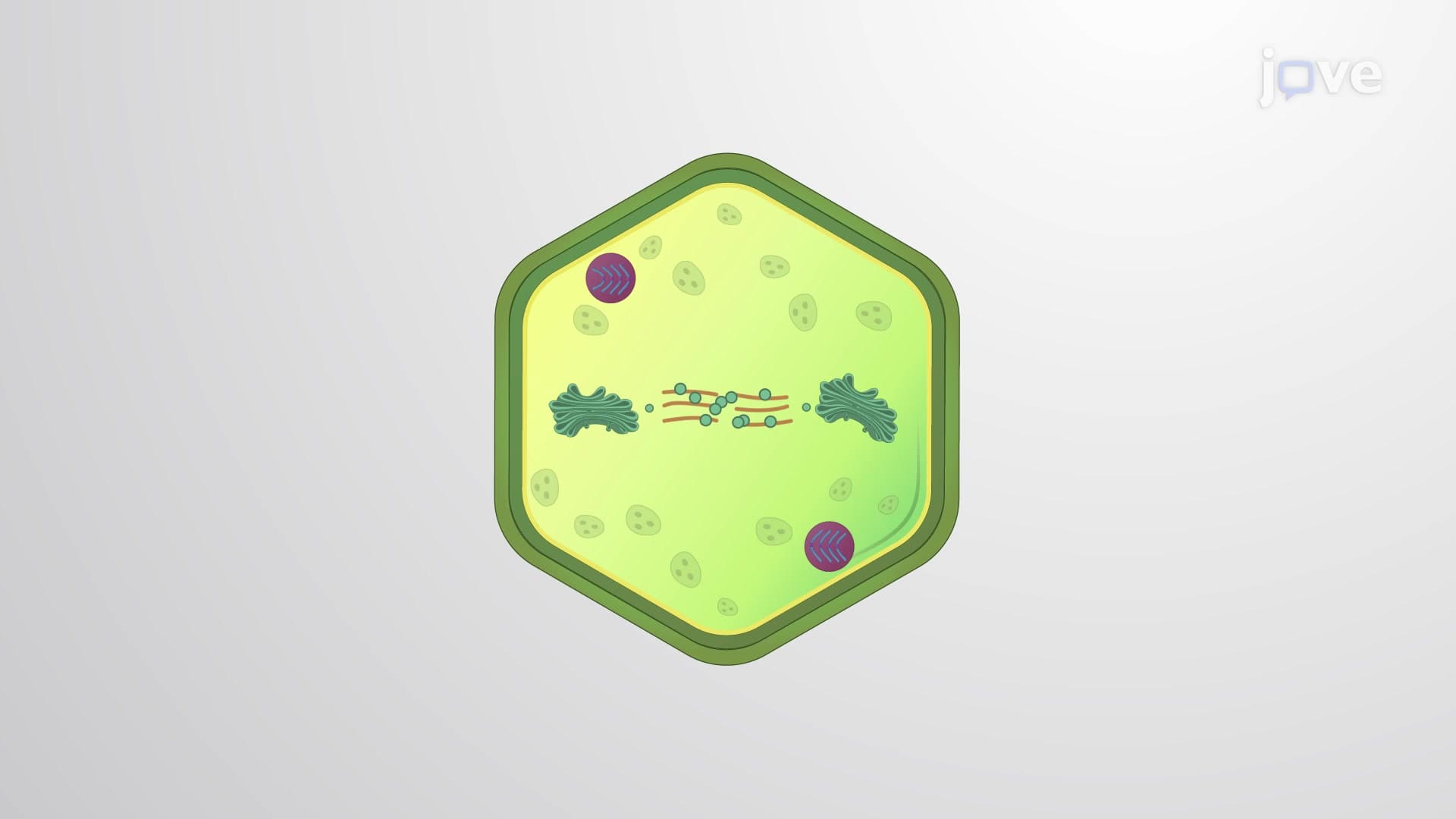
Ever wondered how your body ensures each new cell gets exactly the right chromosomes? Anaphase A and B are the two critical phases that orchestrate this precise cellular division process during mitosis. Think of it like a highly coordinated dance where chromosomes must separate and move to opposite ends of the cell-similar to how medical students at Harvard Medical School learn about cell division errors that can lead to cancer. Watch the full video on JoVE Coach to master this concept with expert-led visuals and step-by-step explanations.
What is Anaphase A and B? These represent two fundamental phases of chromosome segregation that ensure accurate distribution of genetic material during cell division. This process is critical for maintaining genetic stability in all dividing cells, from the rapidly dividing cells in a healing wound to the controlled division of stem cells in bone marrow transplant procedures at major US medical centers like Mayo Clinic.
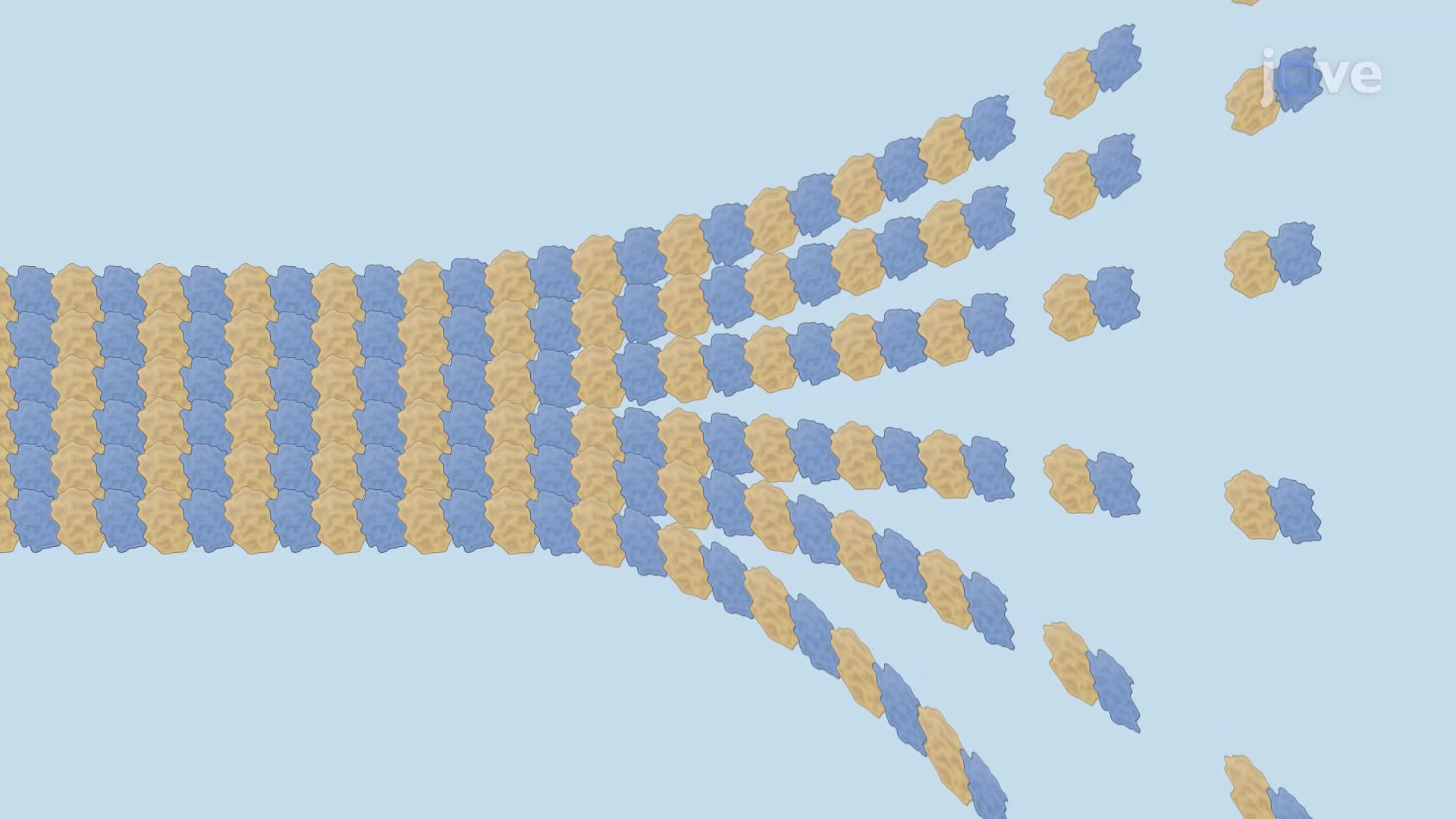
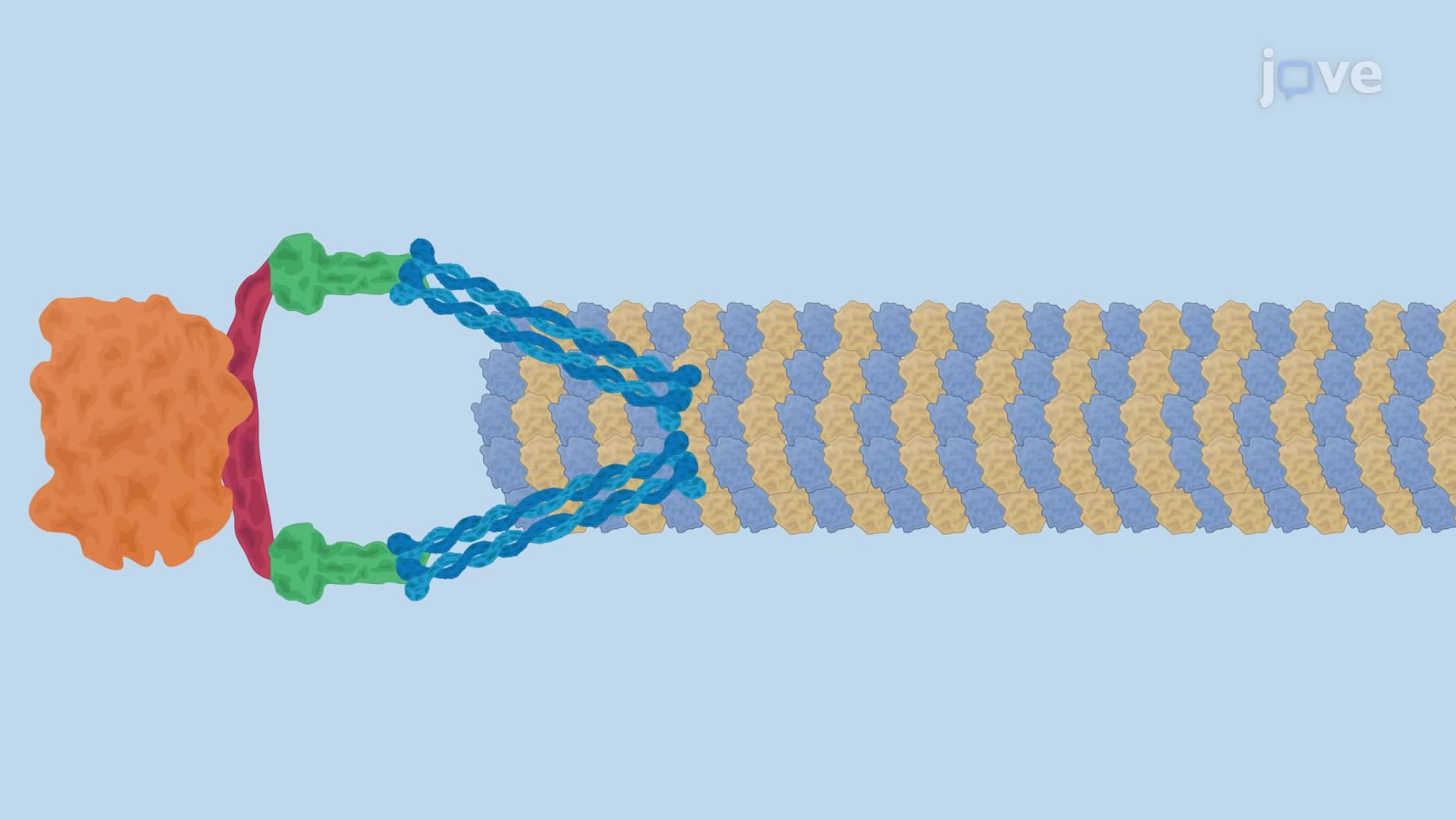
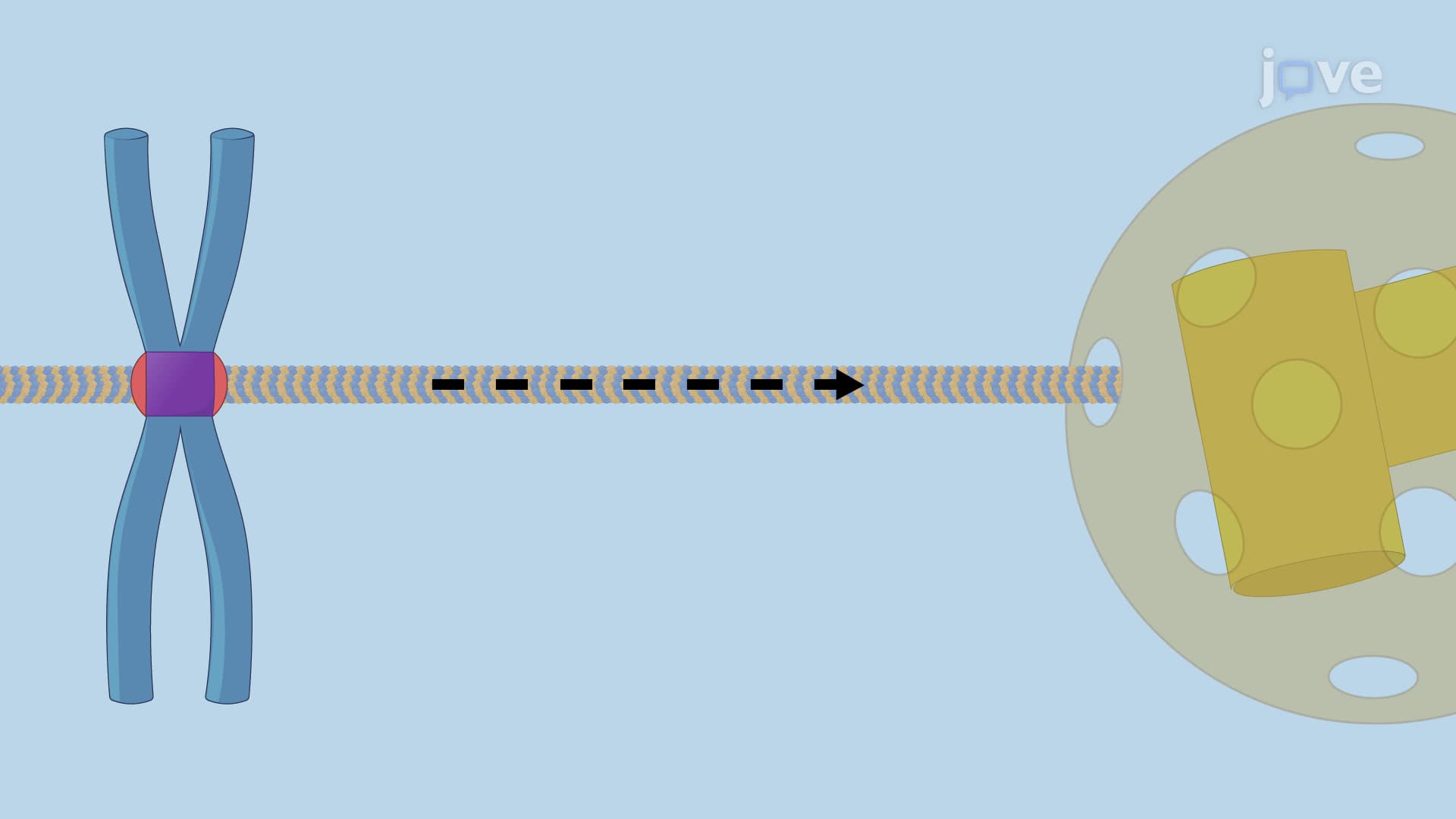
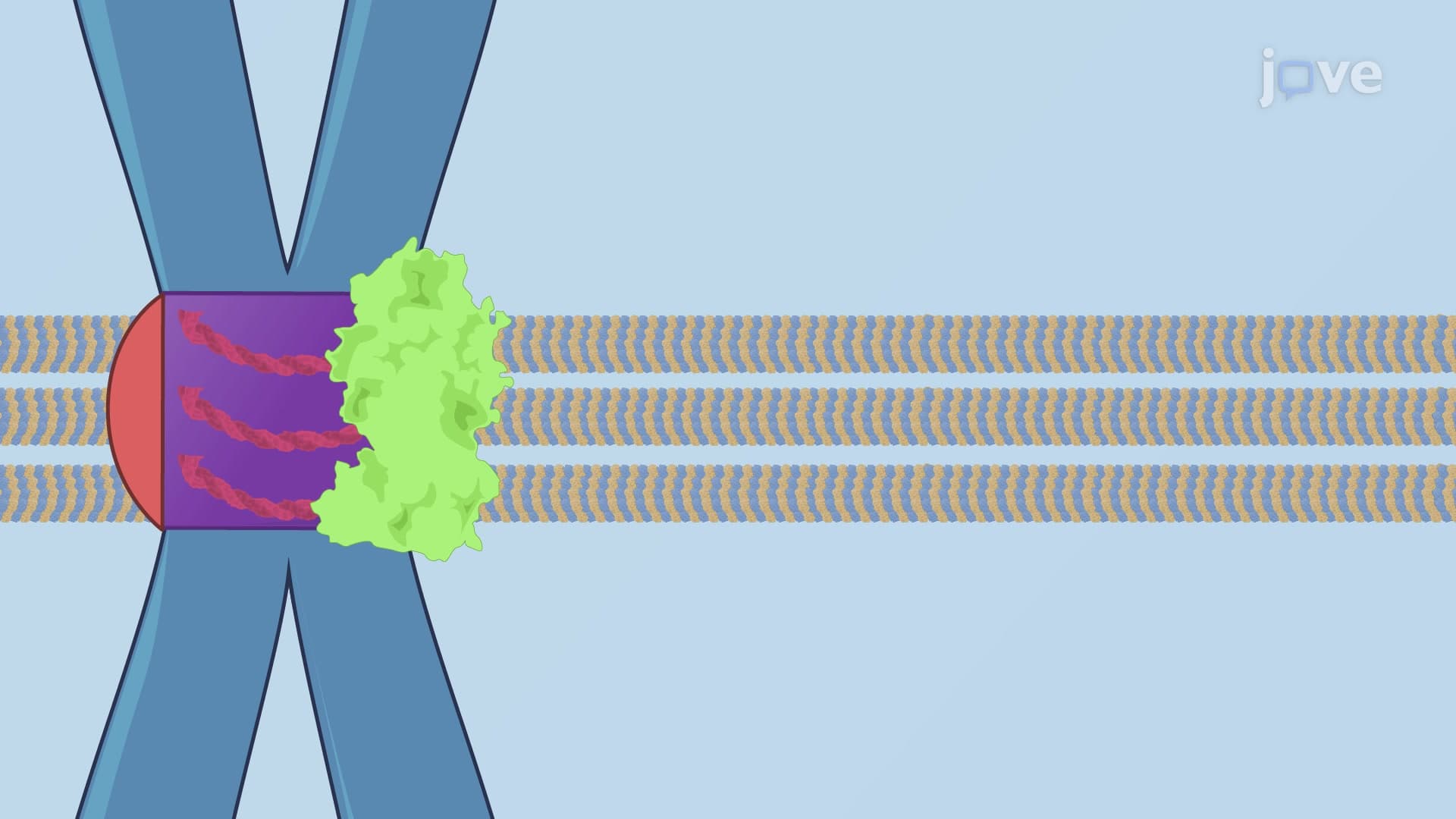
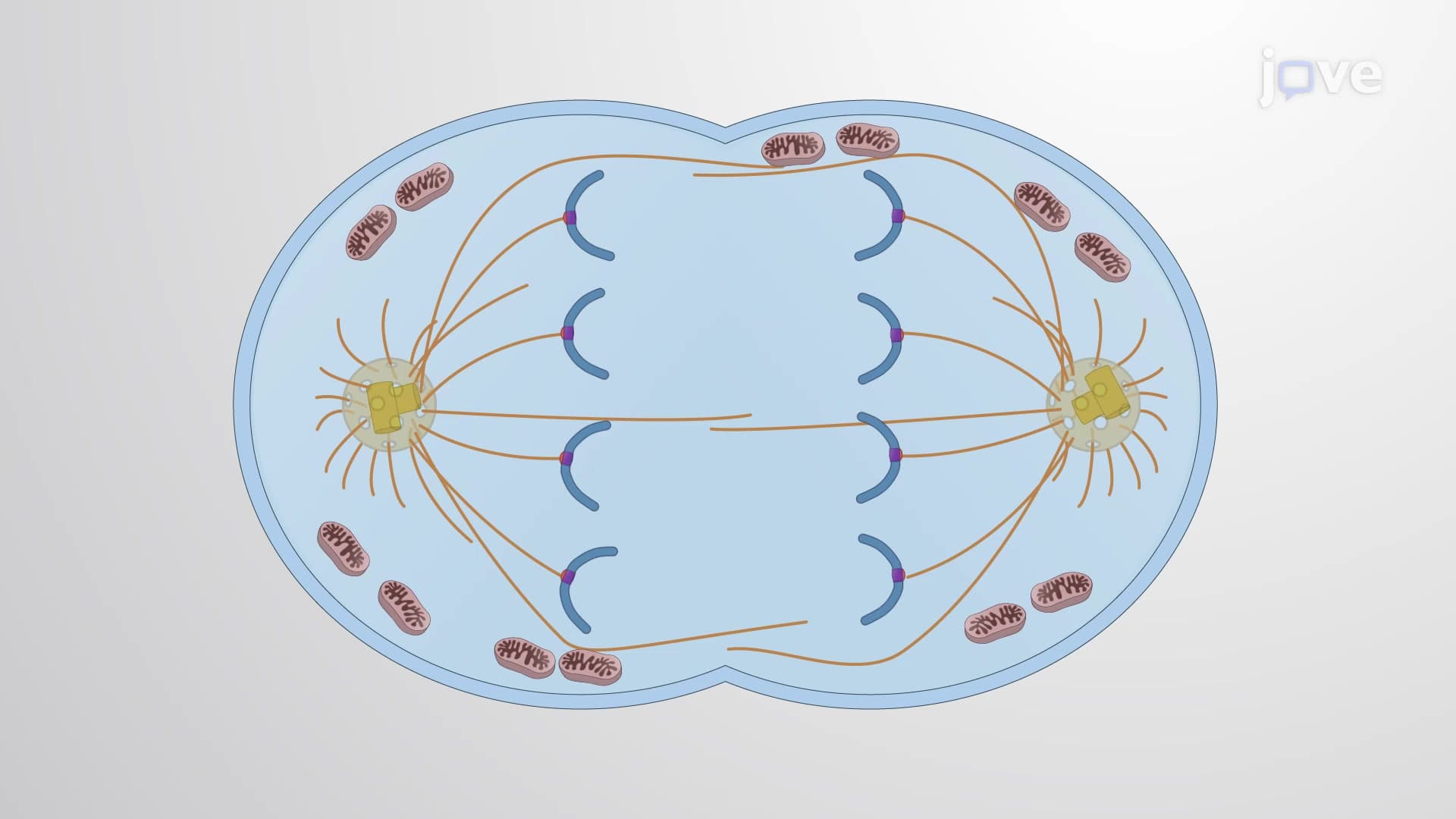
Anaphase A begins when sister chromatid cohesion is lost, triggering chromosome separation. Two primary forces drive chromosome movement toward spindle poles. First, microtubule plus-end depolymerization at kinetochores creates a "pulling" force as the attachment points literally disassemble. Second, microtubule flux generates additional poleward force through minus-end depolymerization. These combined forces effectively "reel in" chromosomes like fishing lines, shortening kinetochore microtubules and ensuring each daughter cell receives one copy of every chromosome.
This mechanism is frequently tested on the MCAT Biology section, where students must understand the molecular basis of chromosome movement. AP Biology students often encounter questions about the consequences of anaphase errors, such as nondisjunction leading to conditions like Down syndrome.
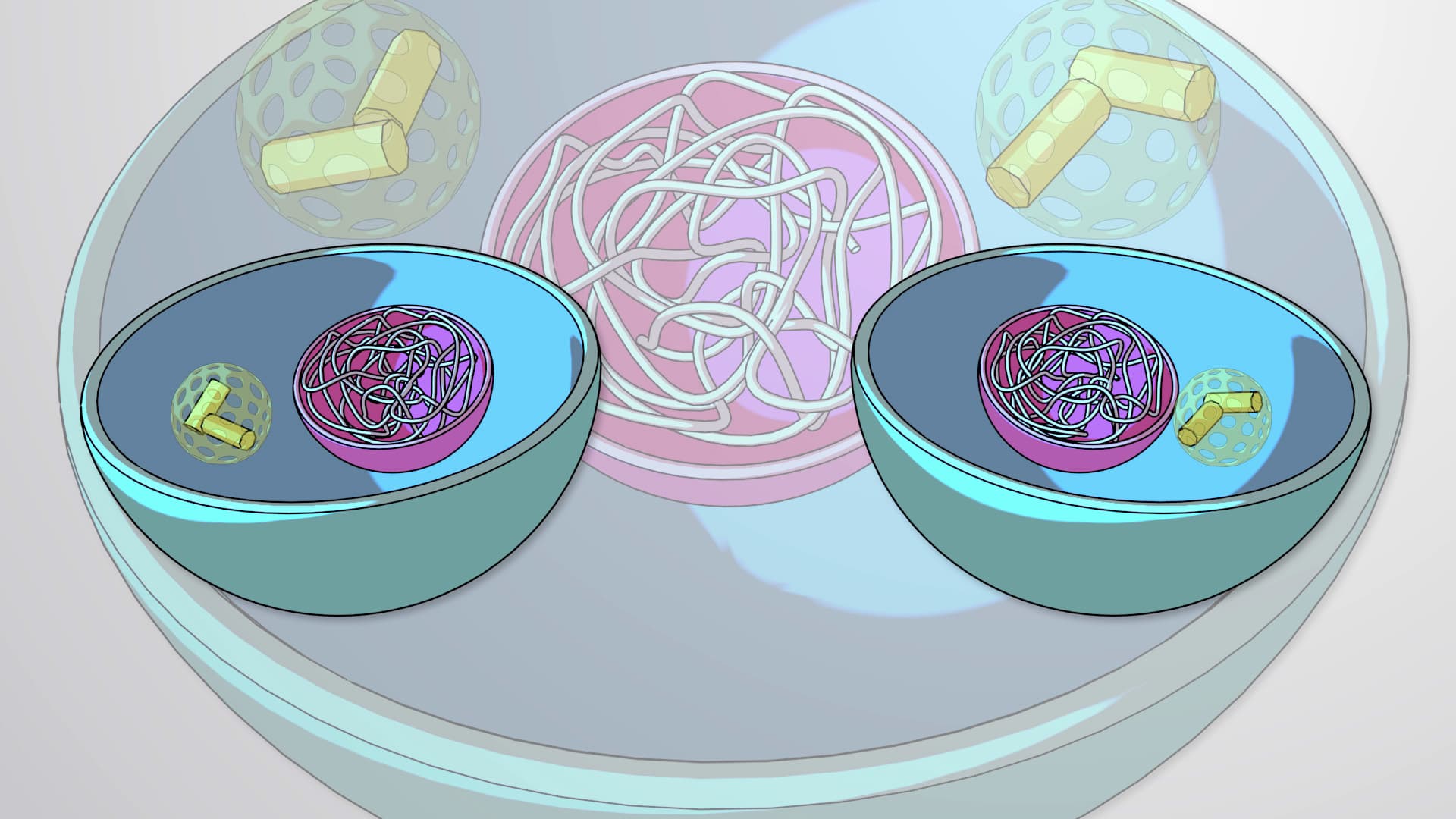
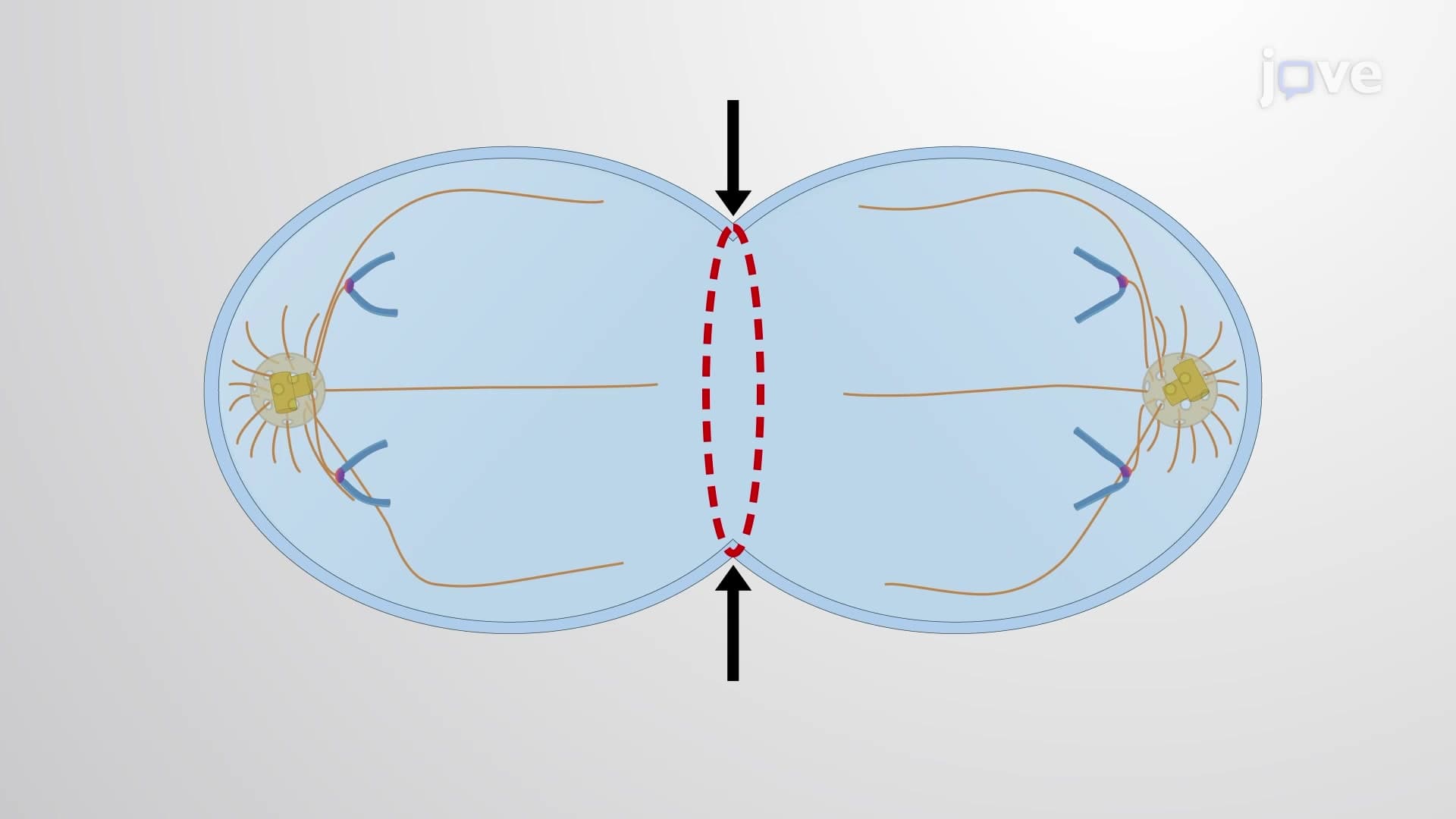
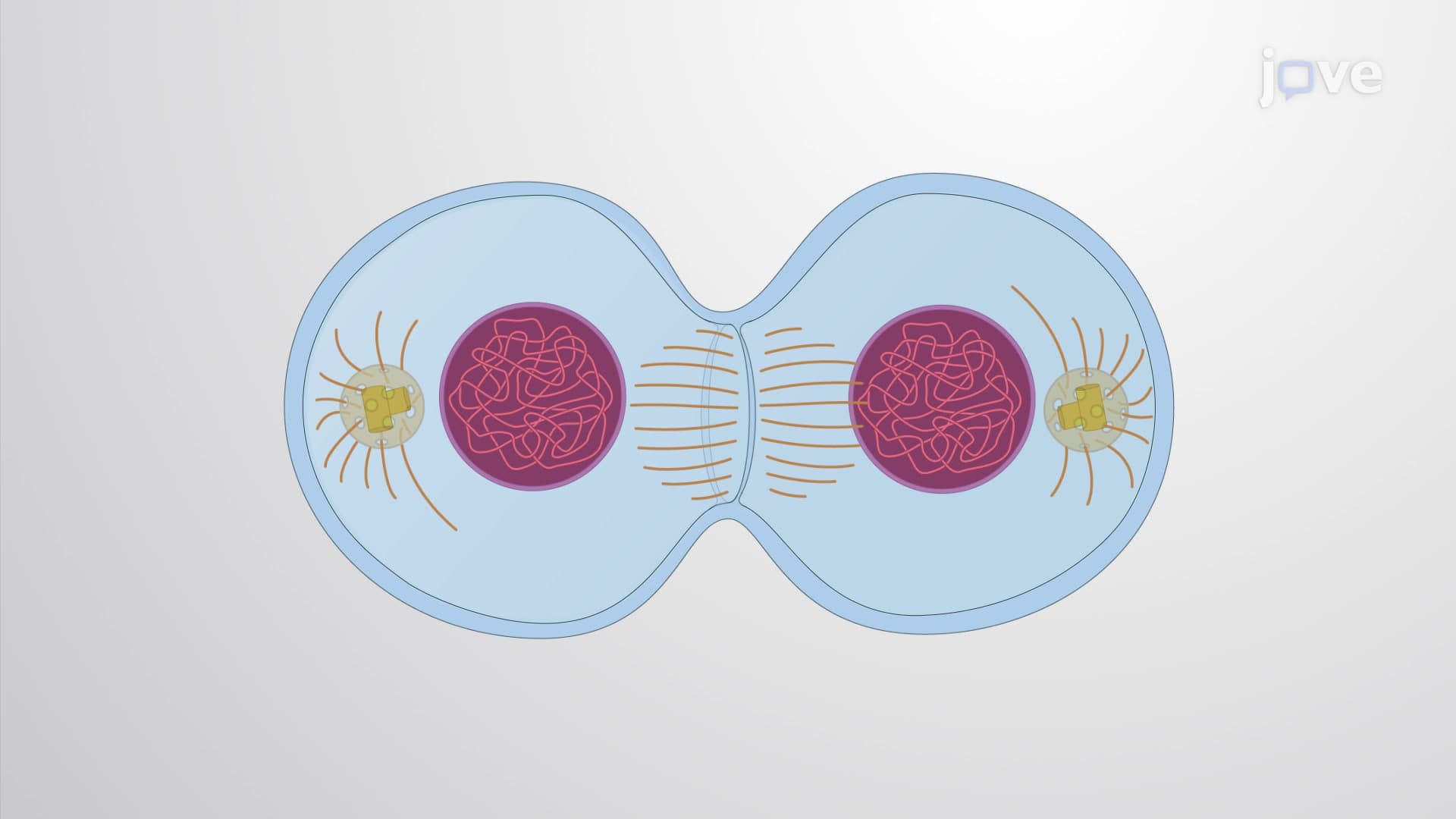
As Anaphase A progresses, Anaphase B simultaneously begins, focusing on separating the spindle poles to elongate the entire spindle apparatus. This phase relies on two distinct motor protein systems working in coordination.
Kinesin-5 motor proteins function as molecular "pushers" by cross-linking overlapping interpolar microtubules at their plus ends. These motors generate outward forces that physically push spindle poles apart, similar to how two people might push against each other while holding a rope between them.
Dynein motor proteins serve as molecular "pullers" by connecting astral microtubules to the cell cortex. These minus-end-directed motors generate inward pulling forces that help draw spindle poles toward opposite sides of the cell.
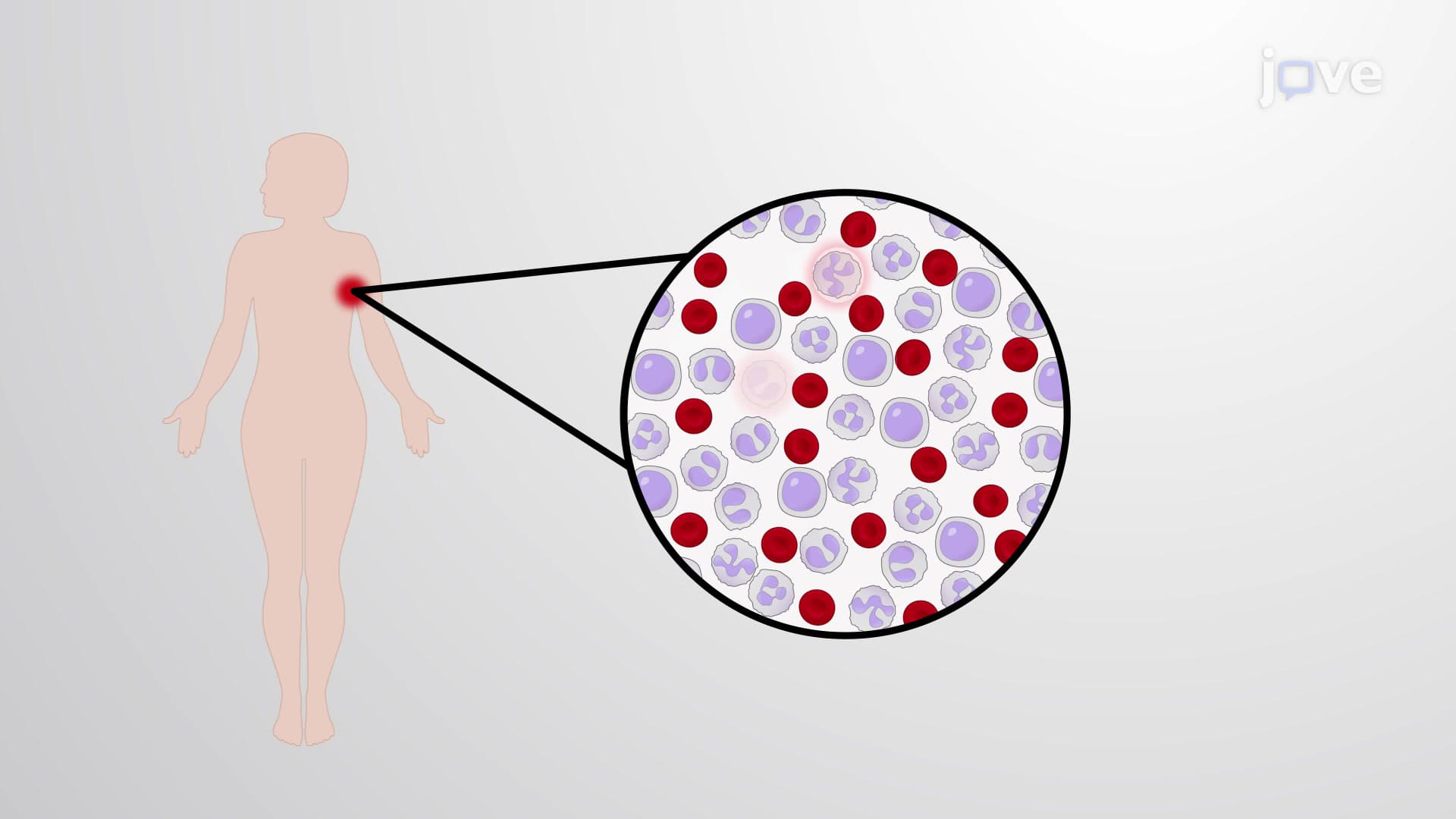
Understanding anaphase mechanisms is crucial for comprehending cancer biology and genetic disorders. Oncology researchers at institutions like MD Anderson Cancer Center study how anaphase defects contribute to chromosomal instability in tumor cells. Many chemotherapy drugs, including taxanes used in breast cancer treatment, specifically target microtubule dynamics during anaphase to prevent cancer cell division.
Related Micro-courses