Loading subject page…


101,001 views

Video Summary: What Is Mitosis and Cytokinesis
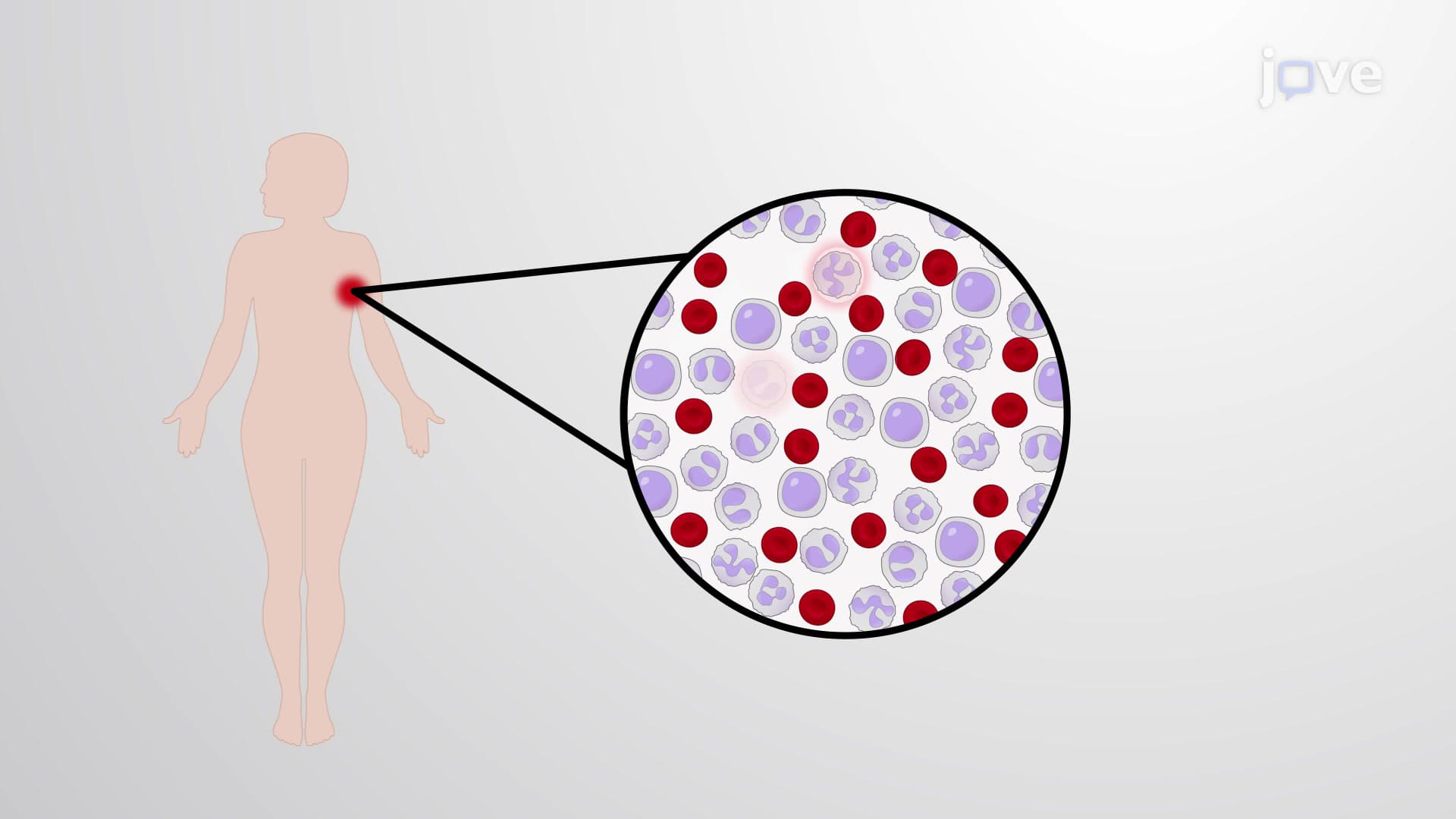
Every second, millions of cells in your body divide to replace damaged tissue-from healing a scraped knee to growing new hair. Mitosis cytokinesis explained reveals how a single cell creates two identical copies through precise chromosome distribution and cytoplasm division. Consider how skin cells multiply rapidly after a burn injury at Johns Hopkins Hospital, demonstrating what is mitosis and cytokinesis in tissue repair. Watch the full video on JoVE Coach to master this concept with expert-led visuals and step-by-step explanations.
Mitosis and cytokinesis biology represents one of life's most precisely orchestrated events. While often studied together, these processes serve distinct functions: mitosis distributes duplicated chromosomes equally, while cytokinesis physically separates the cell into two independent units. This coordination ensures that each daughter cell receives identical genetic information-a requirement for multicellular organisms like humans.
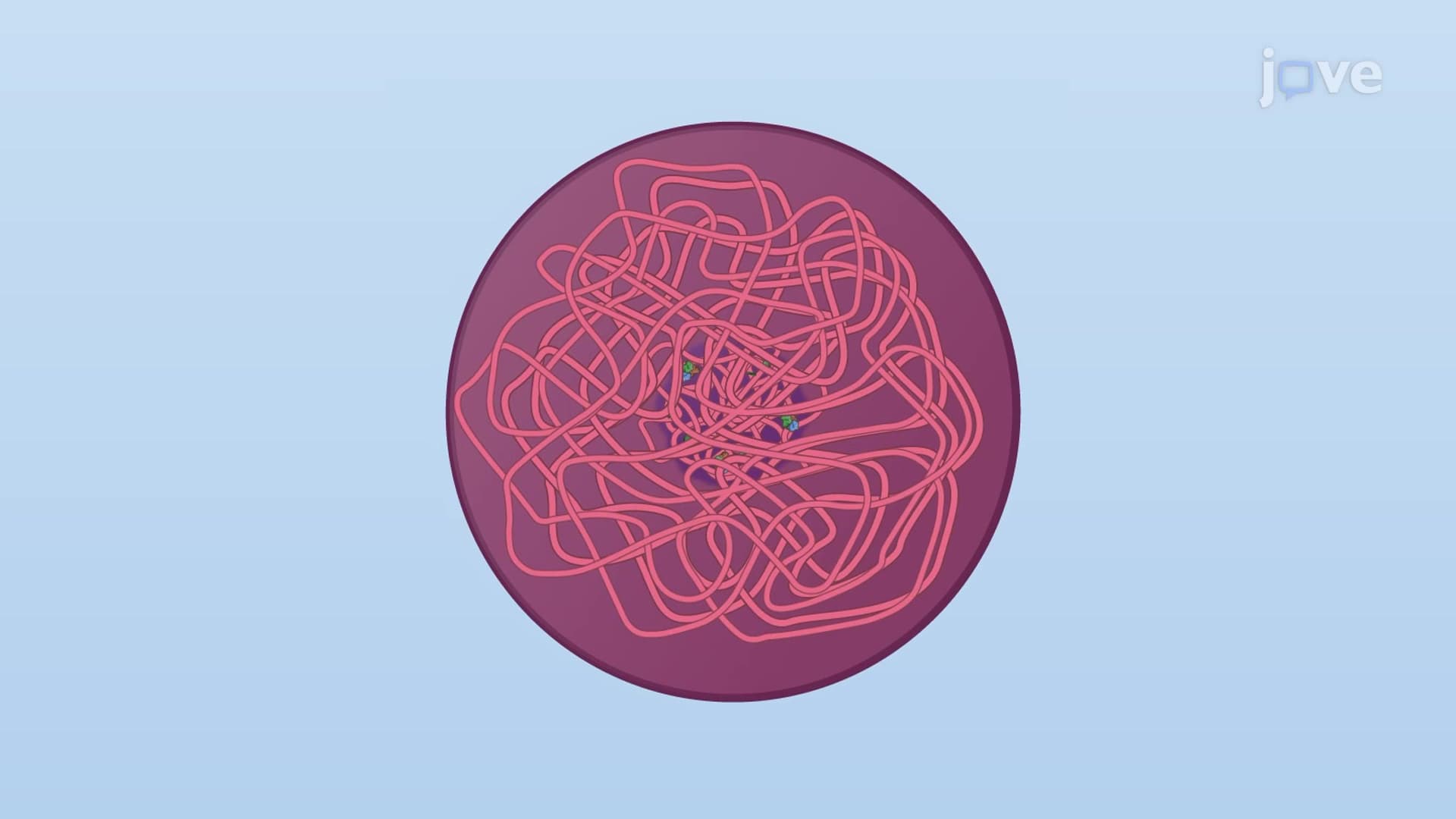
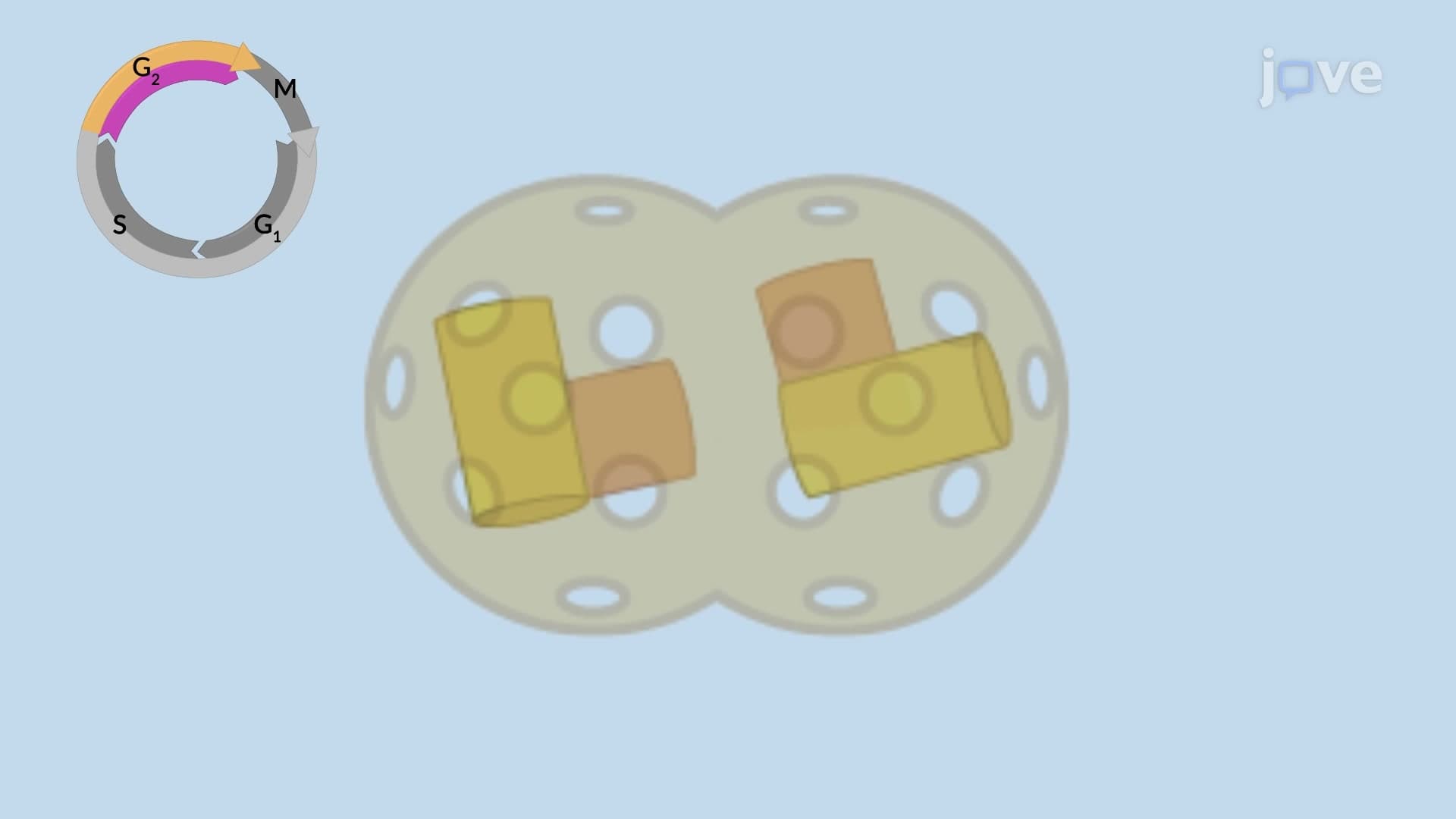
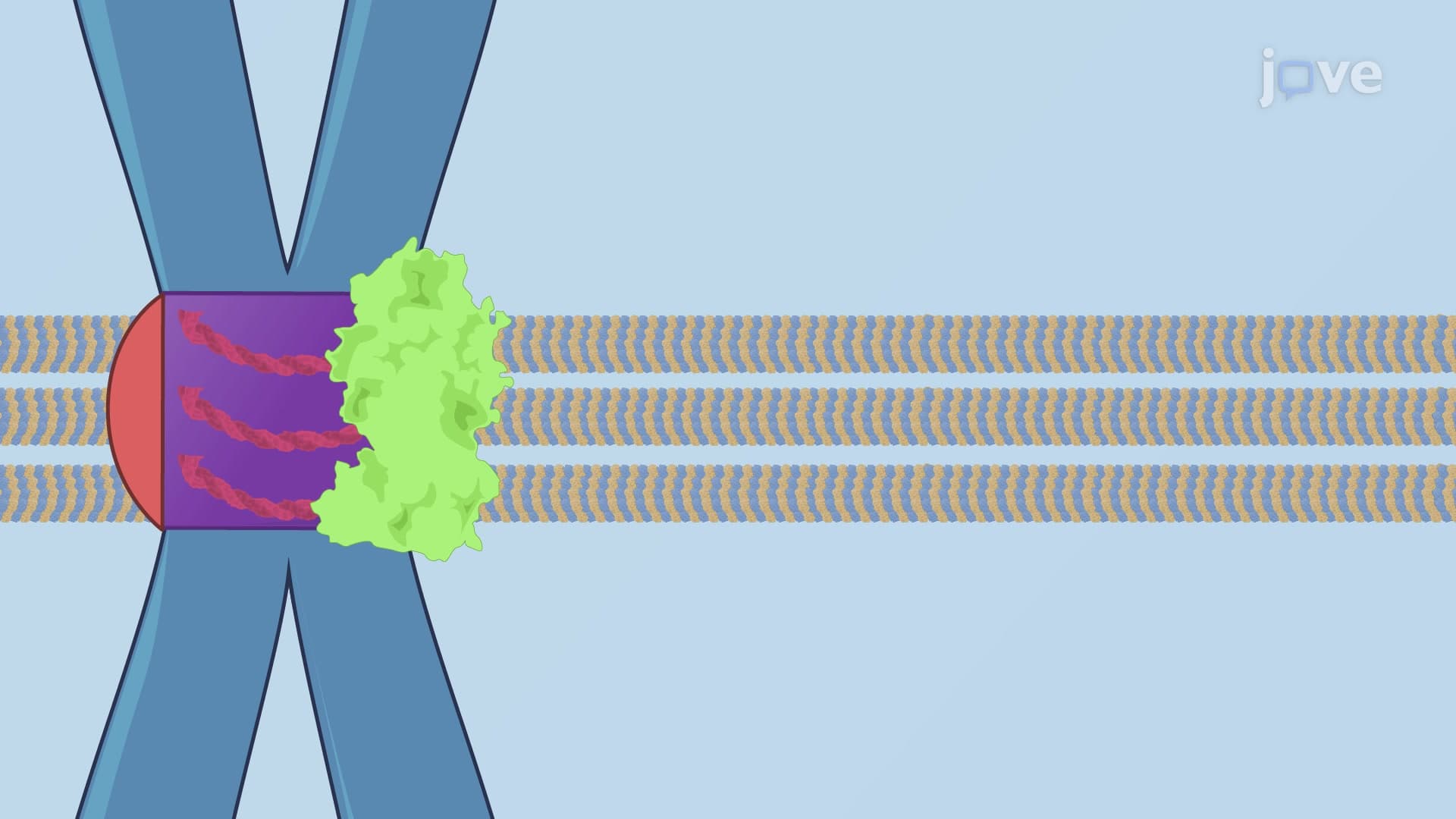
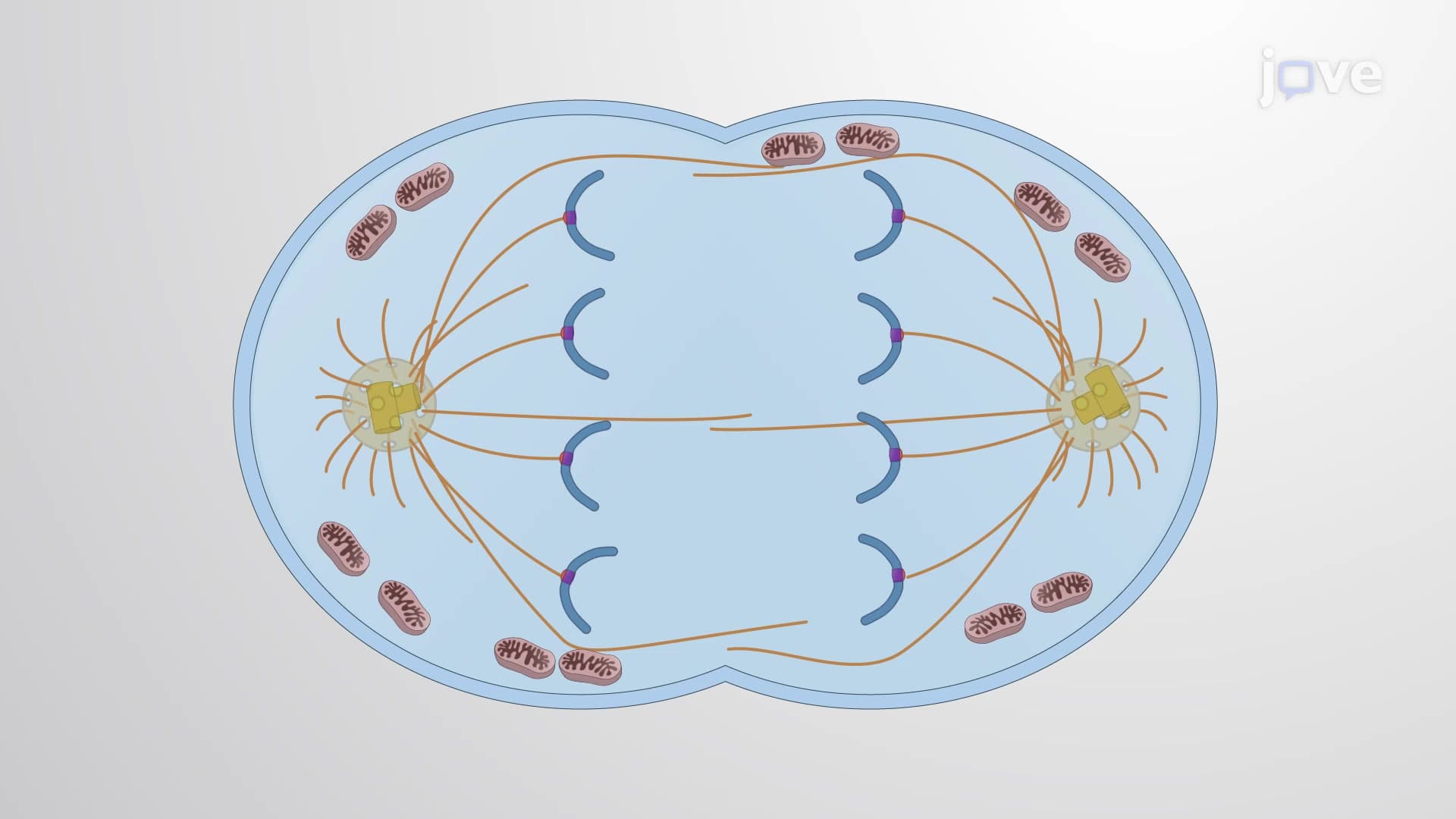
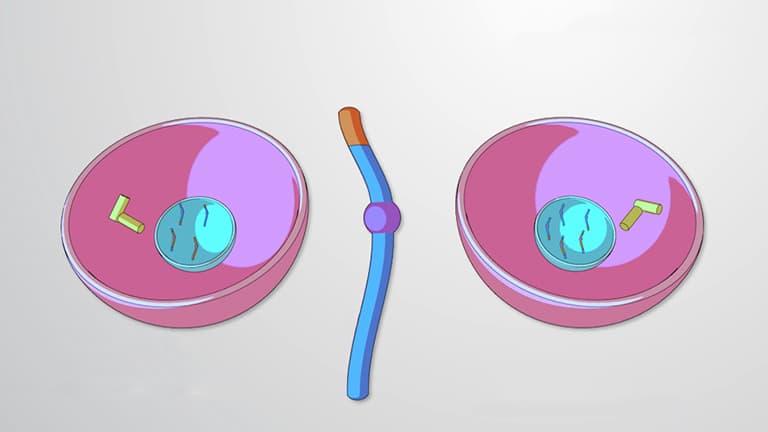
Prophase metaphase anaphase telophase occur in strict sequence, each triggered by specific molecular signals. During prophase, chromosomes condense and become visible under microscopy-a phenomenon first observed by German anatomist Walther Flemming in 1879. The nuclear envelope dissolves as mitotic spindle formation begins from centrosomes.
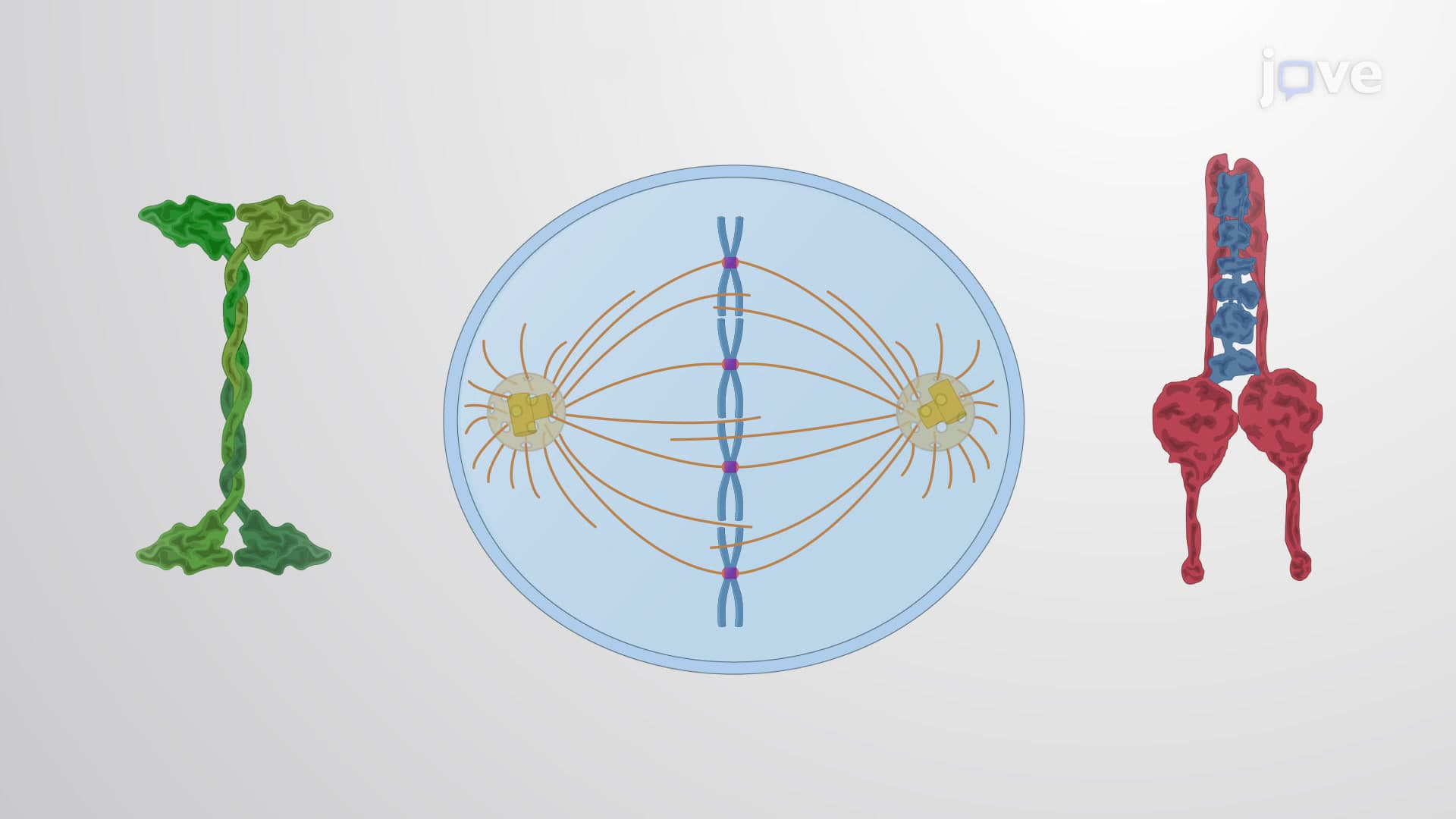
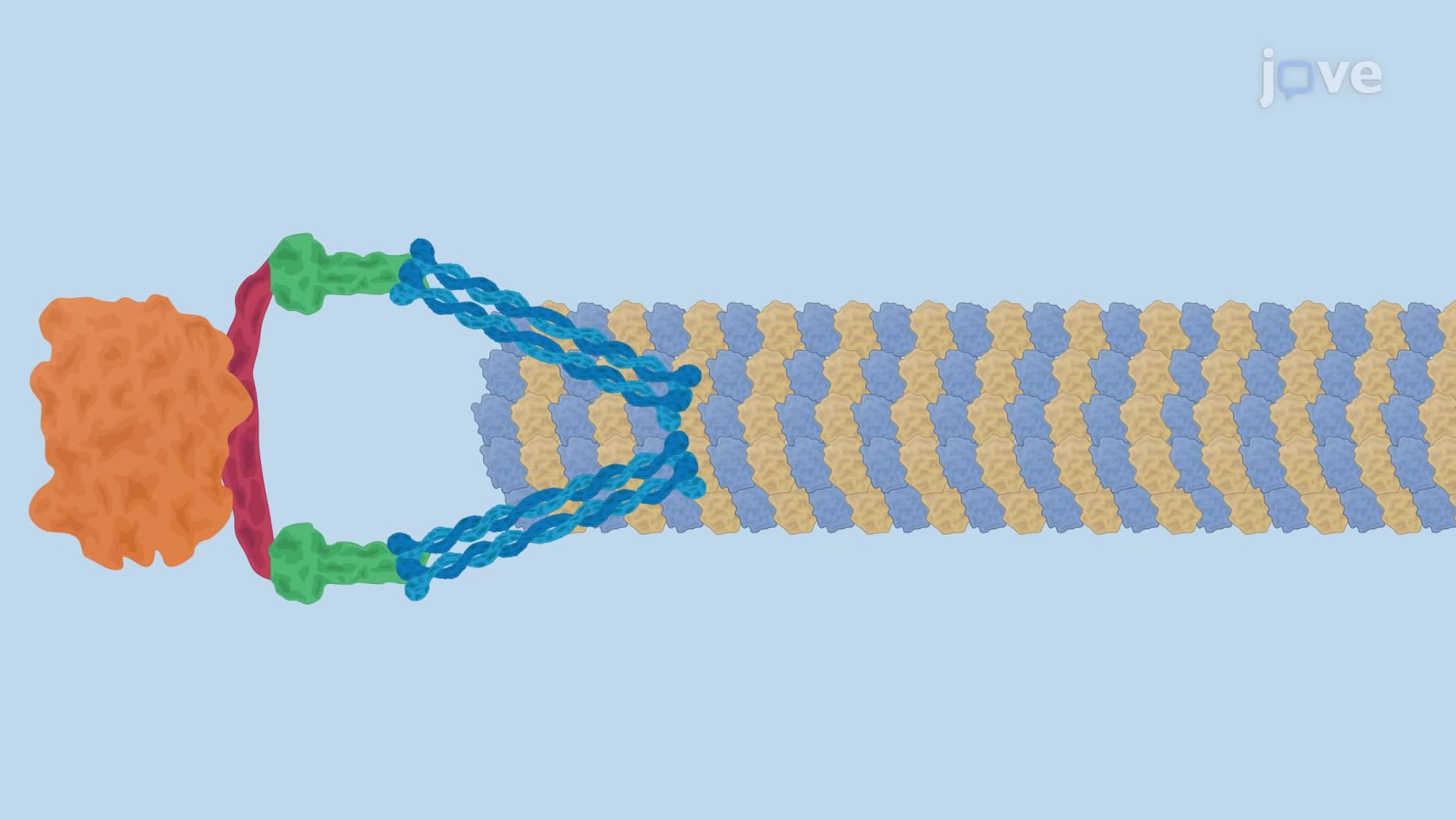
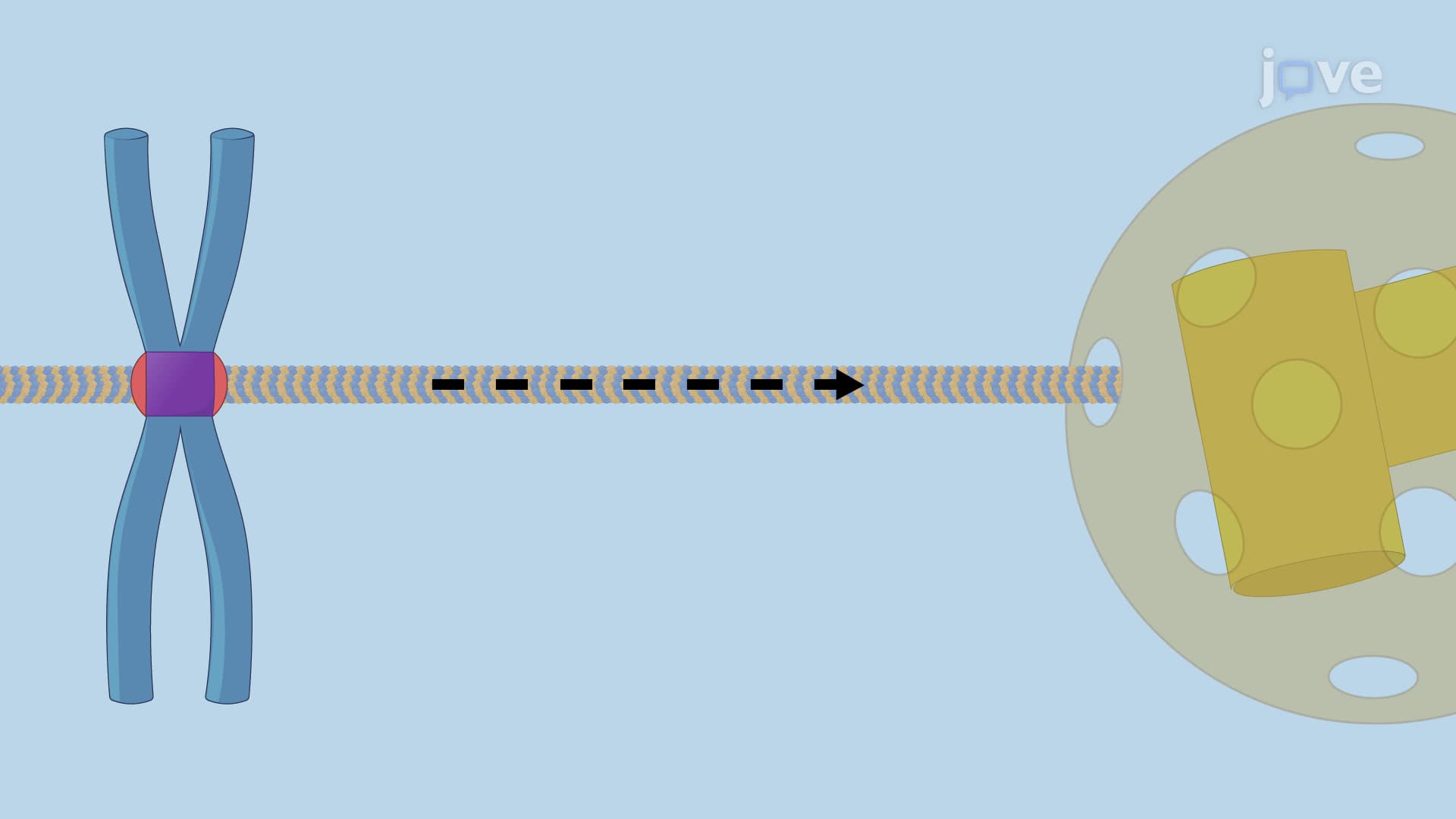
Metaphase represents the critical checkpoint where chromosomes align at the cell's equator. The spindle assembly checkpoint prevents progression until every chromosome attaches properly to spindle fibers-a quality control mechanism that prevents aneuploidy. Students preparing for the AP Biology exam should remember that metaphase alignment ensures equal chromosome distribution.
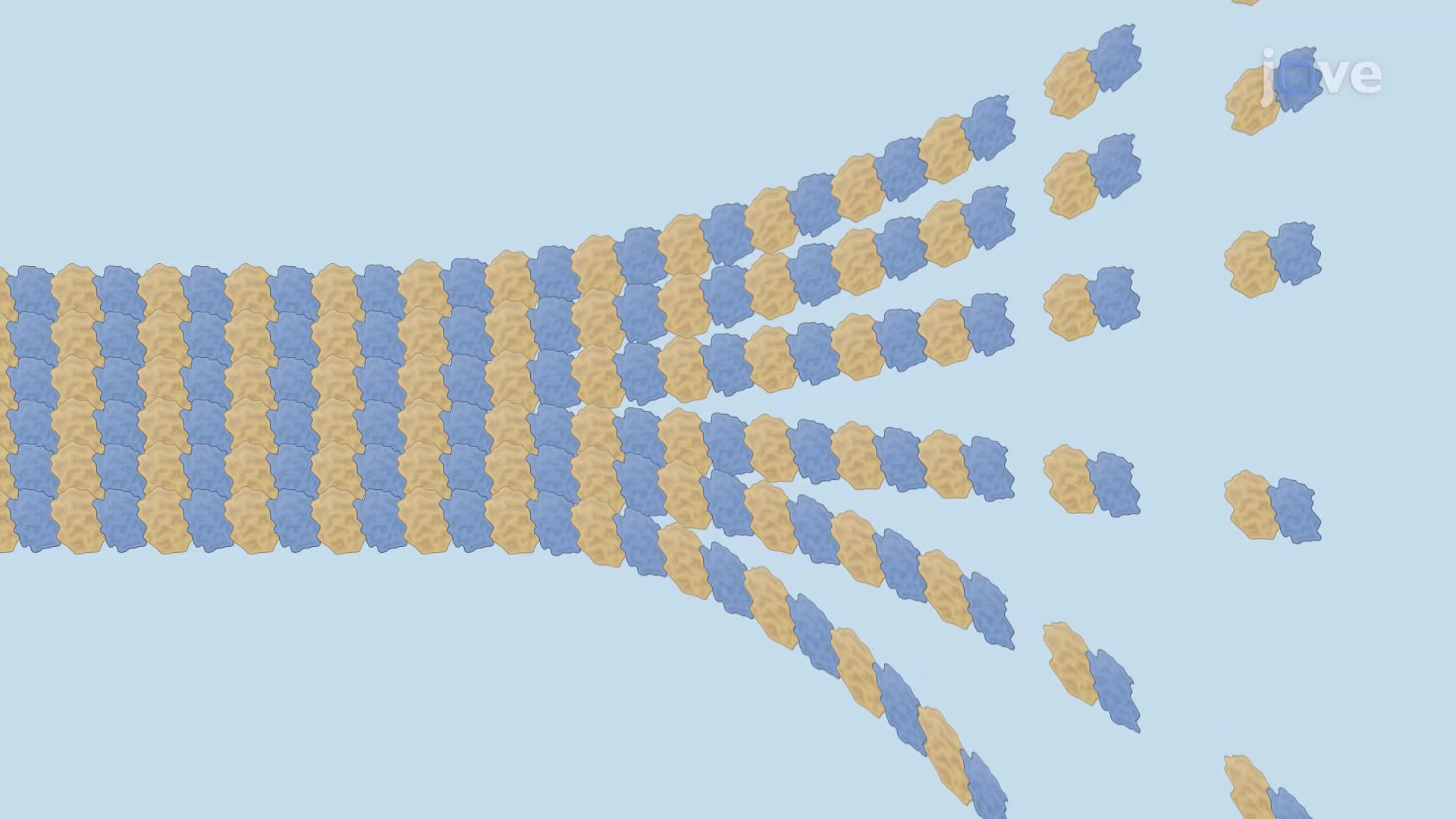
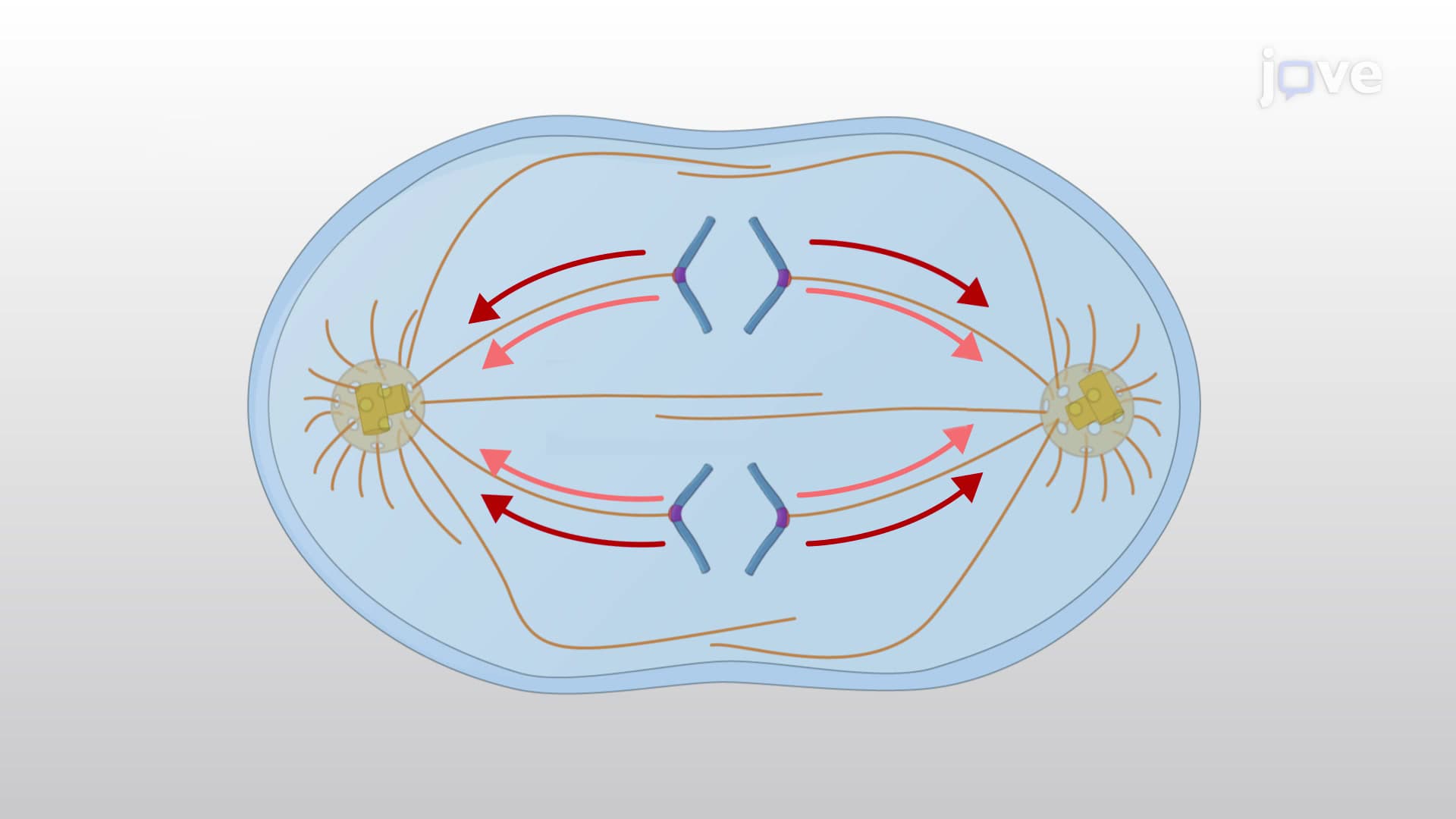
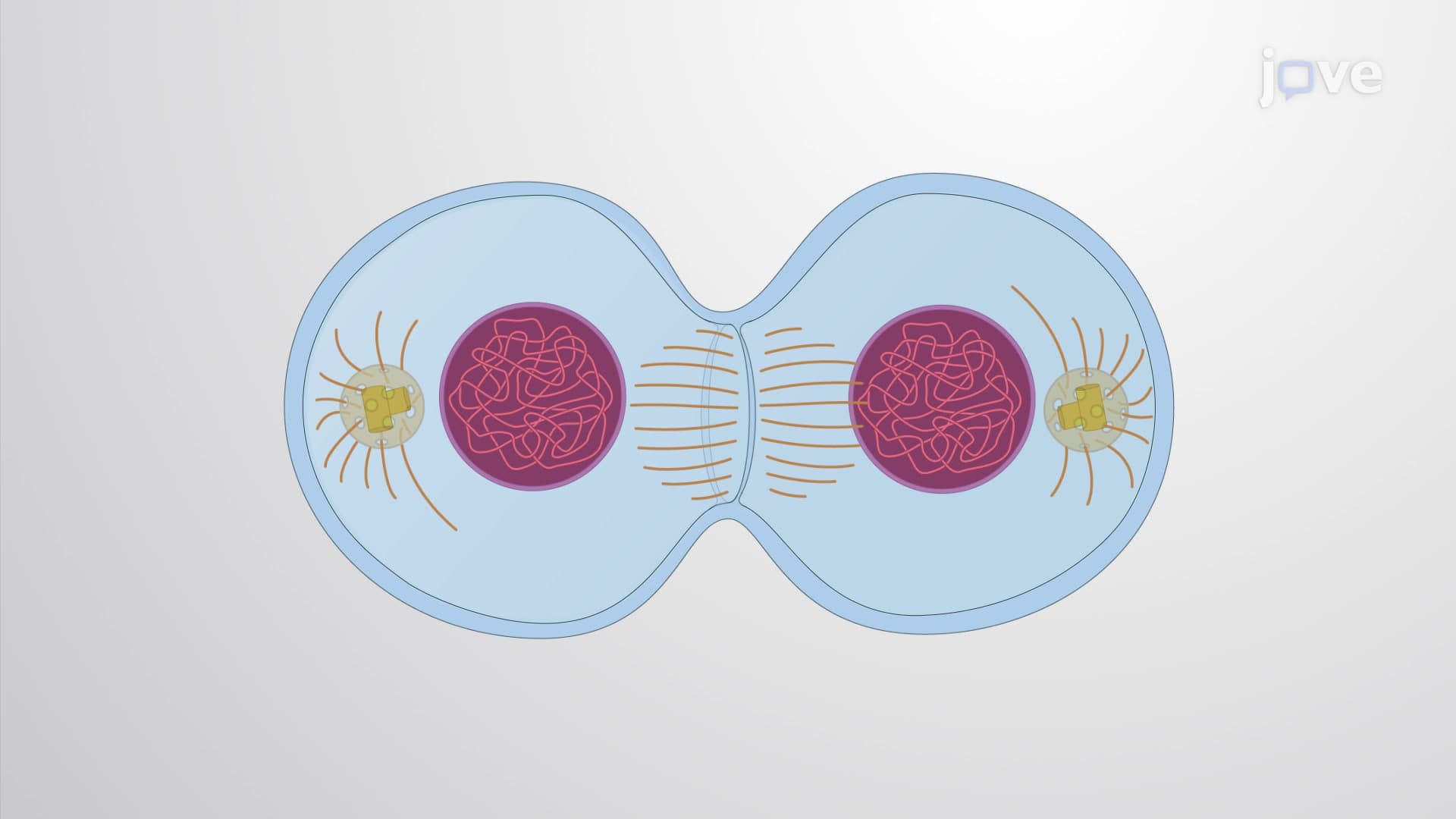
Anaphase triggers sister chromatid separation through separase enzyme activity, while telophase reverses prophase events by reforming nuclear envelopes around each chromosome set. These stages are frequently tested on the MCAT, particularly regarding molecular mechanisms and checkpoint controls.
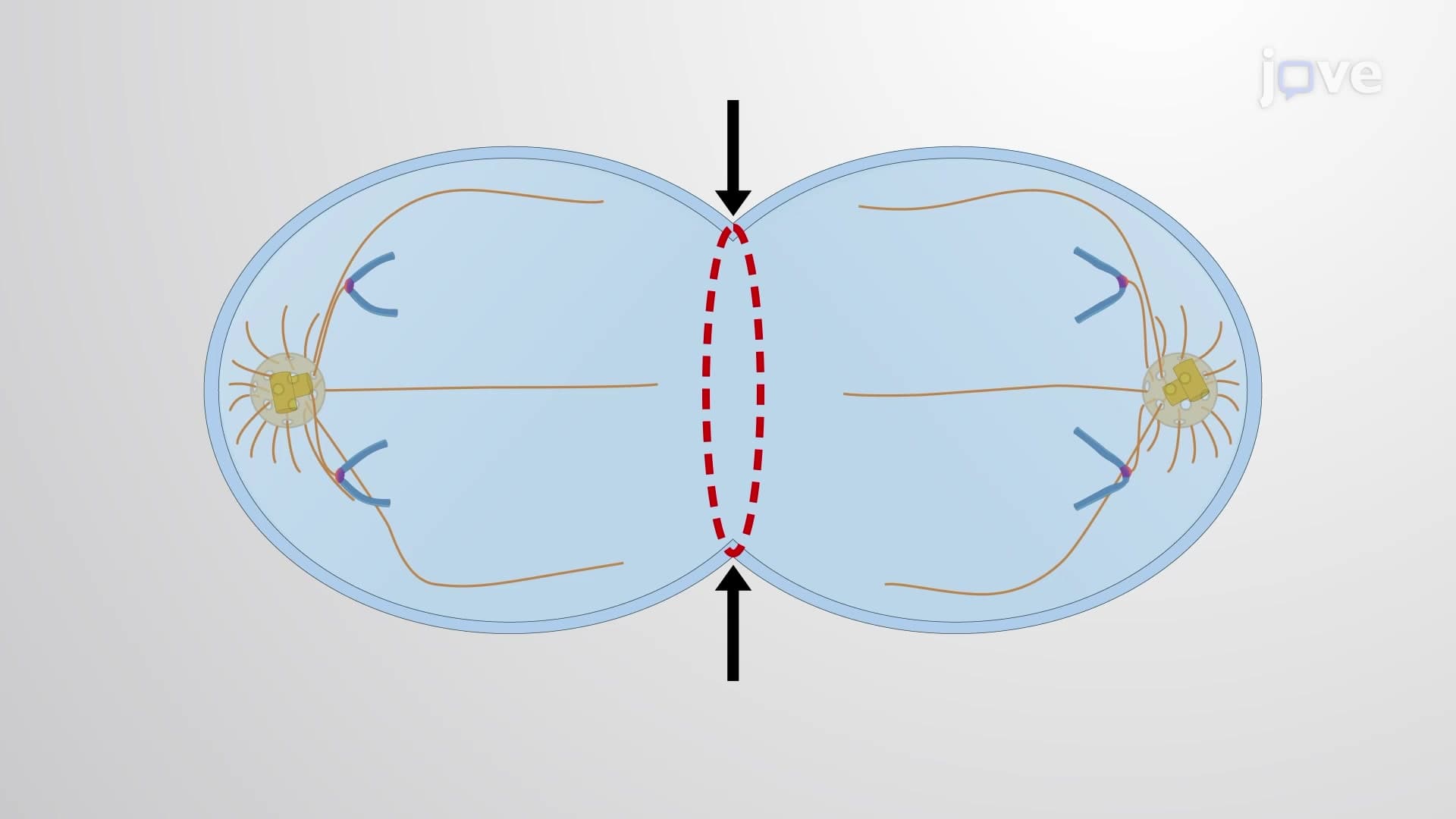
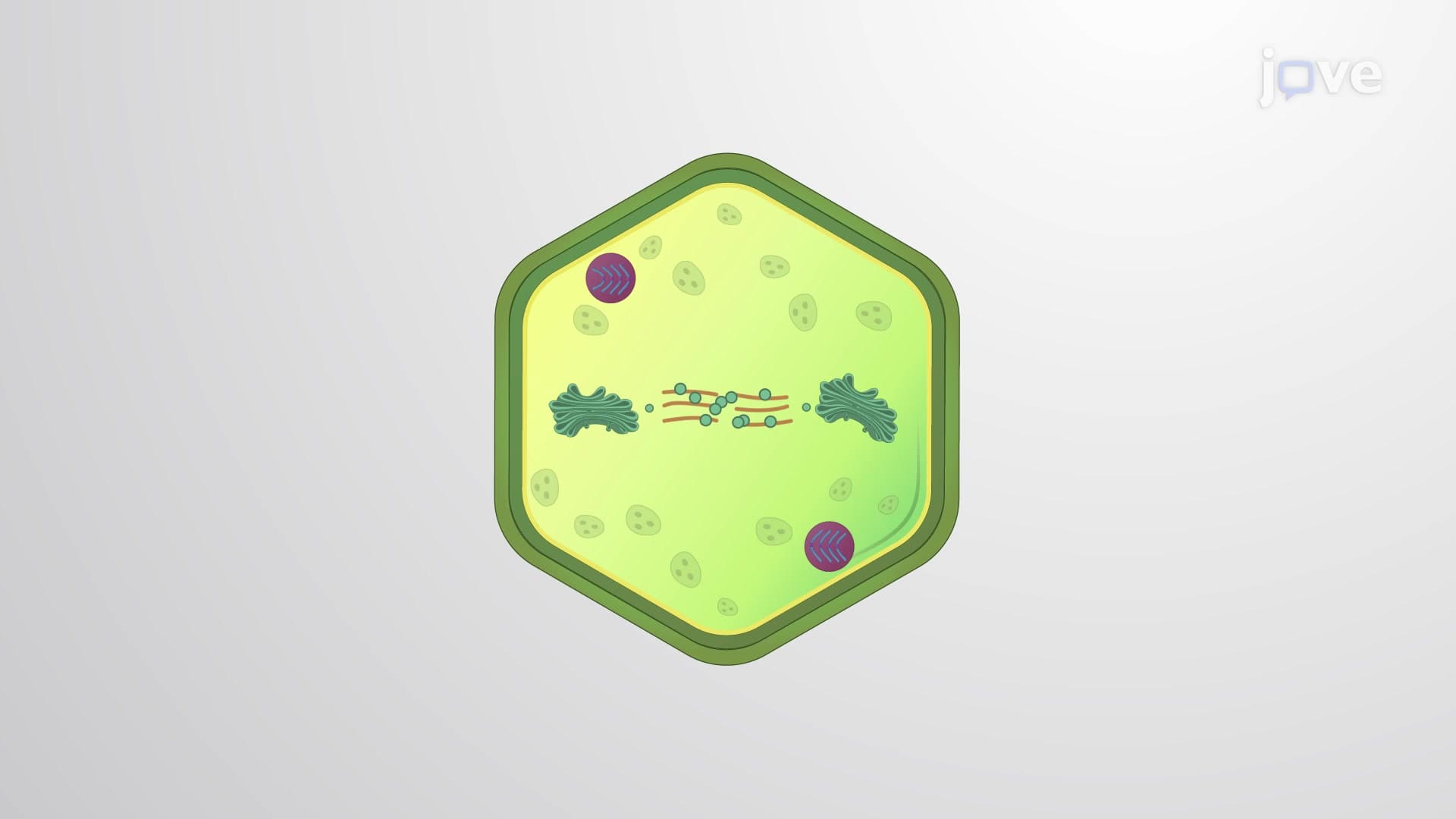
Cytokinesis cleavage furrow formation begins during late anaphase in animal cells. Actin and myosin filaments assemble into a contractile ring at the cell's equator, gradually pinching the cytoplasm until complete separation occurs. This process differs significantly from plant cell cytokinesis, which involves cell plate formation-a distinction commonly tested in college cell biology courses.
The timing coordination between mitosis and cytokinesis prevents multinucleated cells or unequal cytoplasm distribution. Errors in this coordination contribute to cancer cell characteristics, making these pathways important therapeutic targets at institutions like MD Anderson Cancer Center.
Chromosome segregation mitosis errors contribute to genetic disorders and cancer development. Pharmaceutical companies now target mitotic kinases like Aurora and Polo-like kinases in chemotherapy drugs. Understanding these mechanisms helps pre-med students grasp how cellular processes connect to disease pathology-knowledge essential for MCAT success and medical school preparation.
Related Micro-courses