Loading subject page…


101,001 views

Video Summary: What Is Duplication of Chromatin Structure
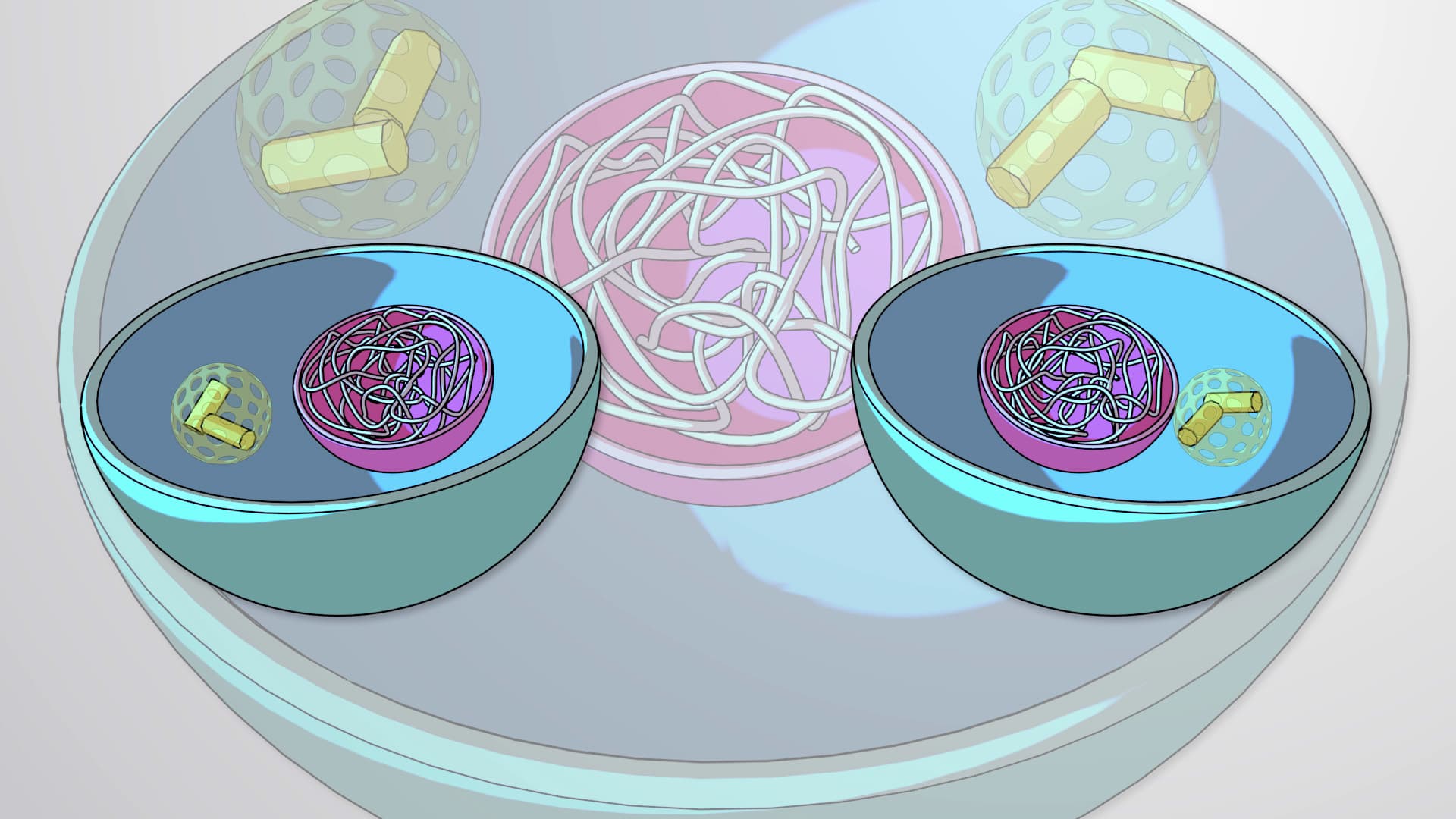
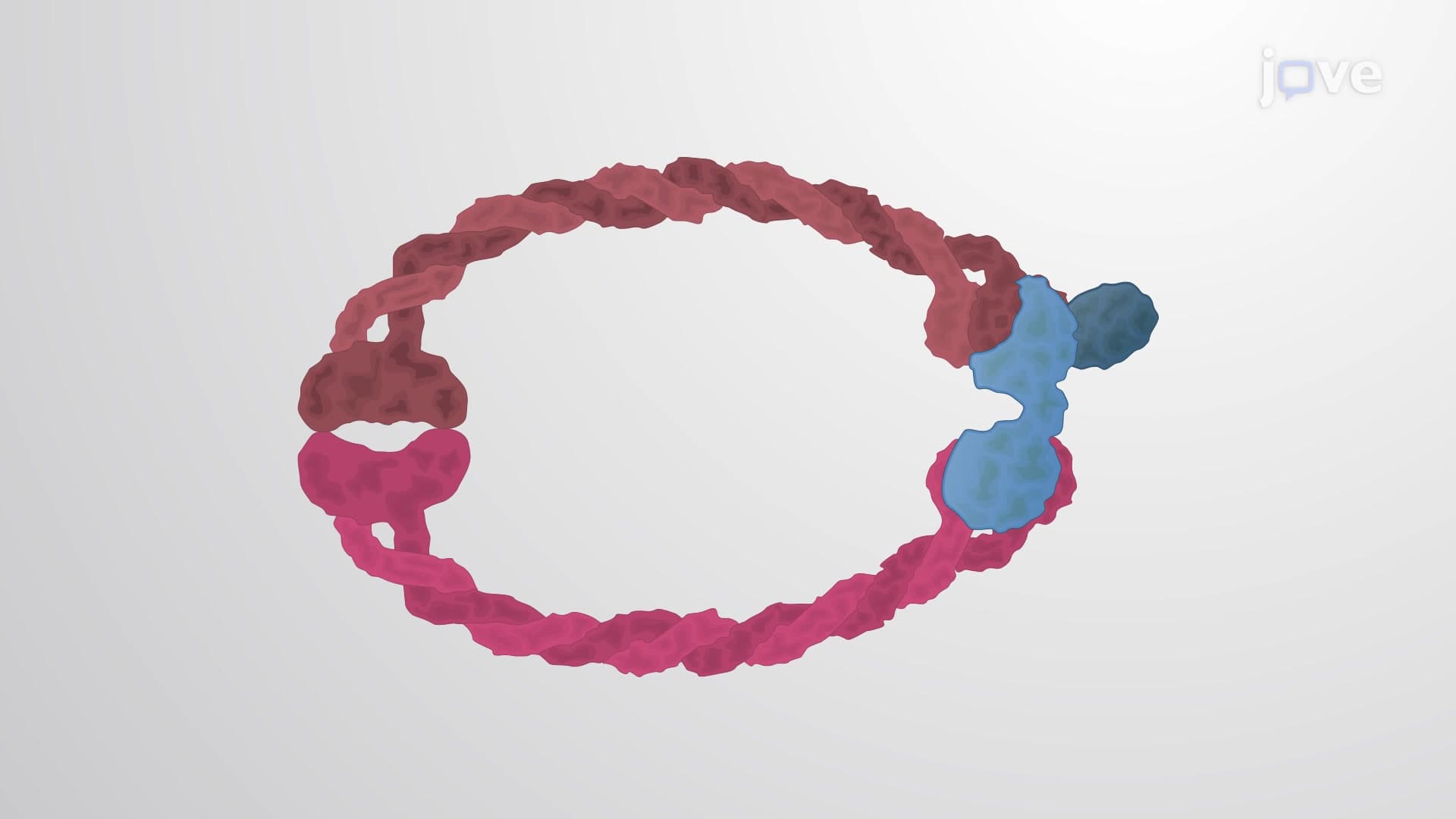
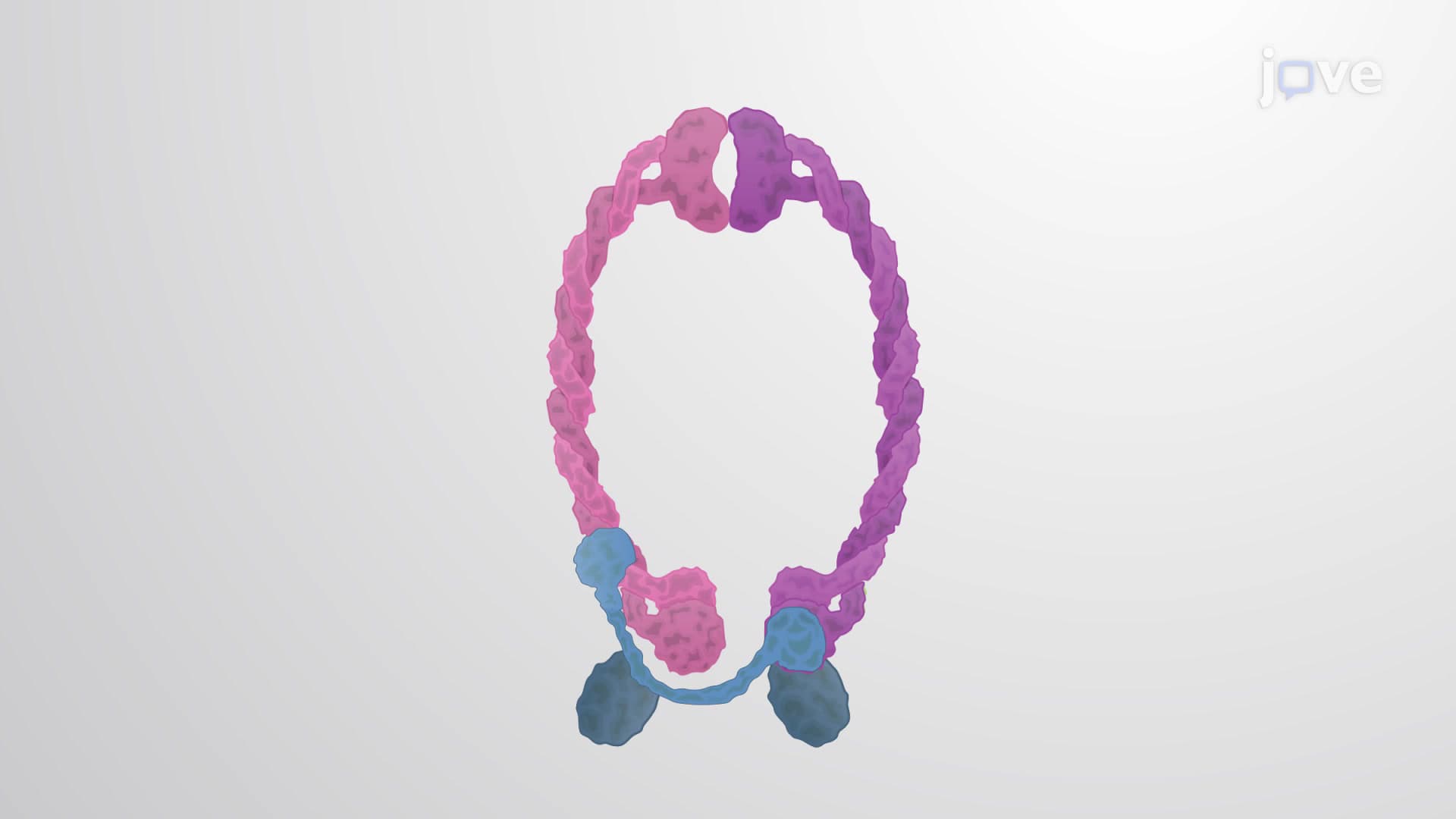
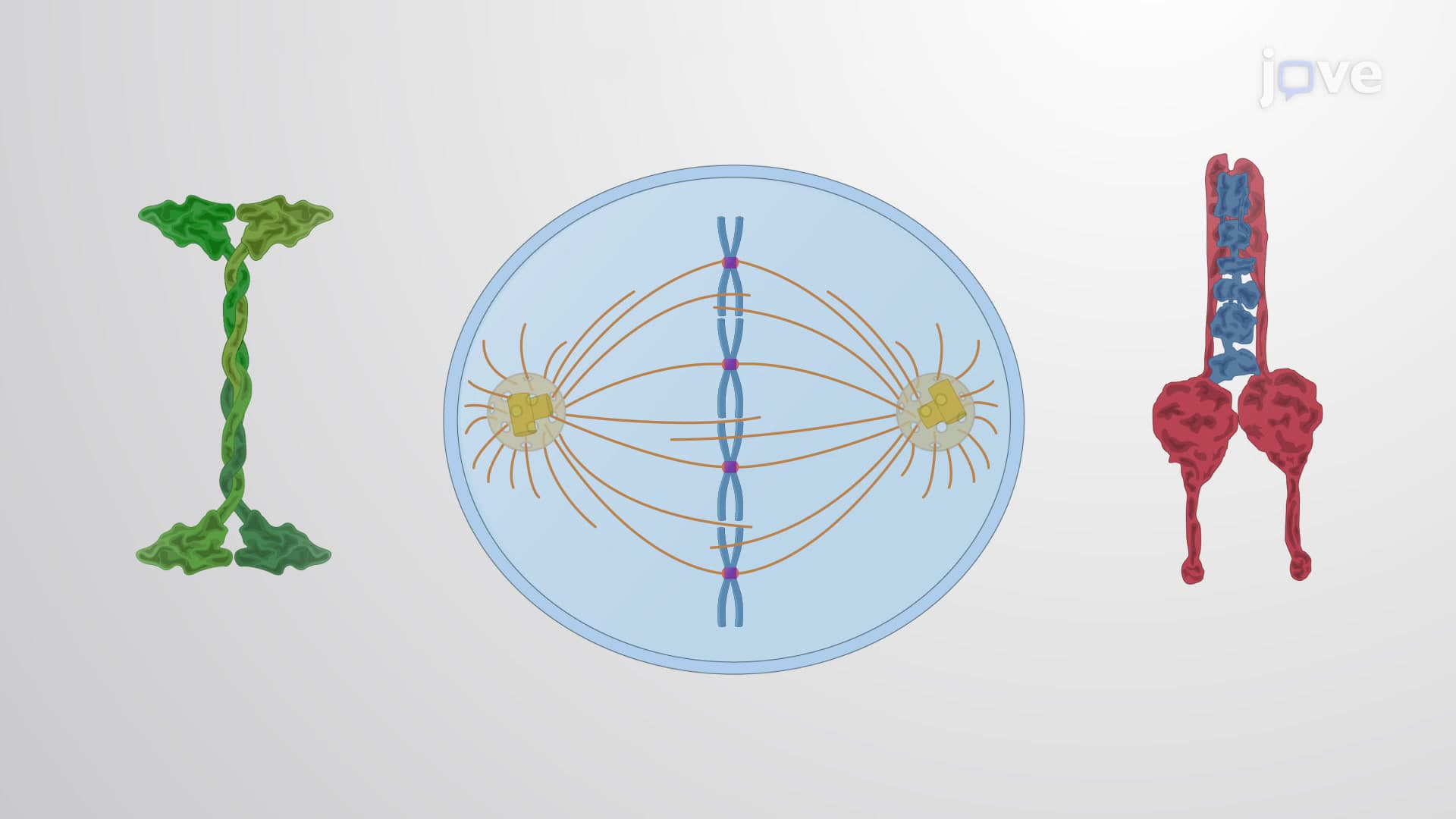
Ever wonder how your cells ensure that each new cell contains identical genetic instructions? The duplication of chromatin structure is the remarkable process that copies not just DNA, but the entire packaging system that controls gene activity. Consider how the National Institutes of Health studies genetic disorders-scientists must understand how chromatin structure affects gene expression patterns passed from parent to daughter cells. This process involves duplicating DNA along with histone proteins and maintaining the precise organization of heterochromatin and euchromatin regions. Watch the full video on JoVE Coach to master this concept with expert-led visuals and step-by-step explanations.
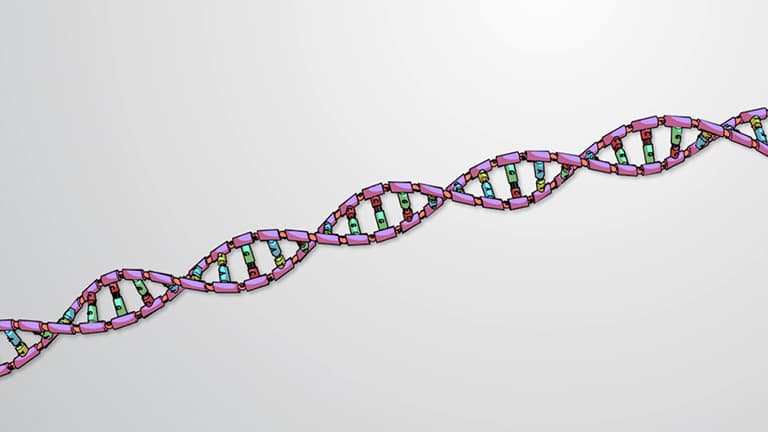
The duplication of chromatin structure represents one of biology's most sophisticated copying mechanisms. Unlike simple DNA replication, this process must faithfully reproduce the entire three-dimensional organization that packages genetic material in eukaryotic cells. Chromatin consists of DNA wrapped around histone octamers (nucleosomes), along with numerous regulatory proteins that control gene accessibility and expression patterns.
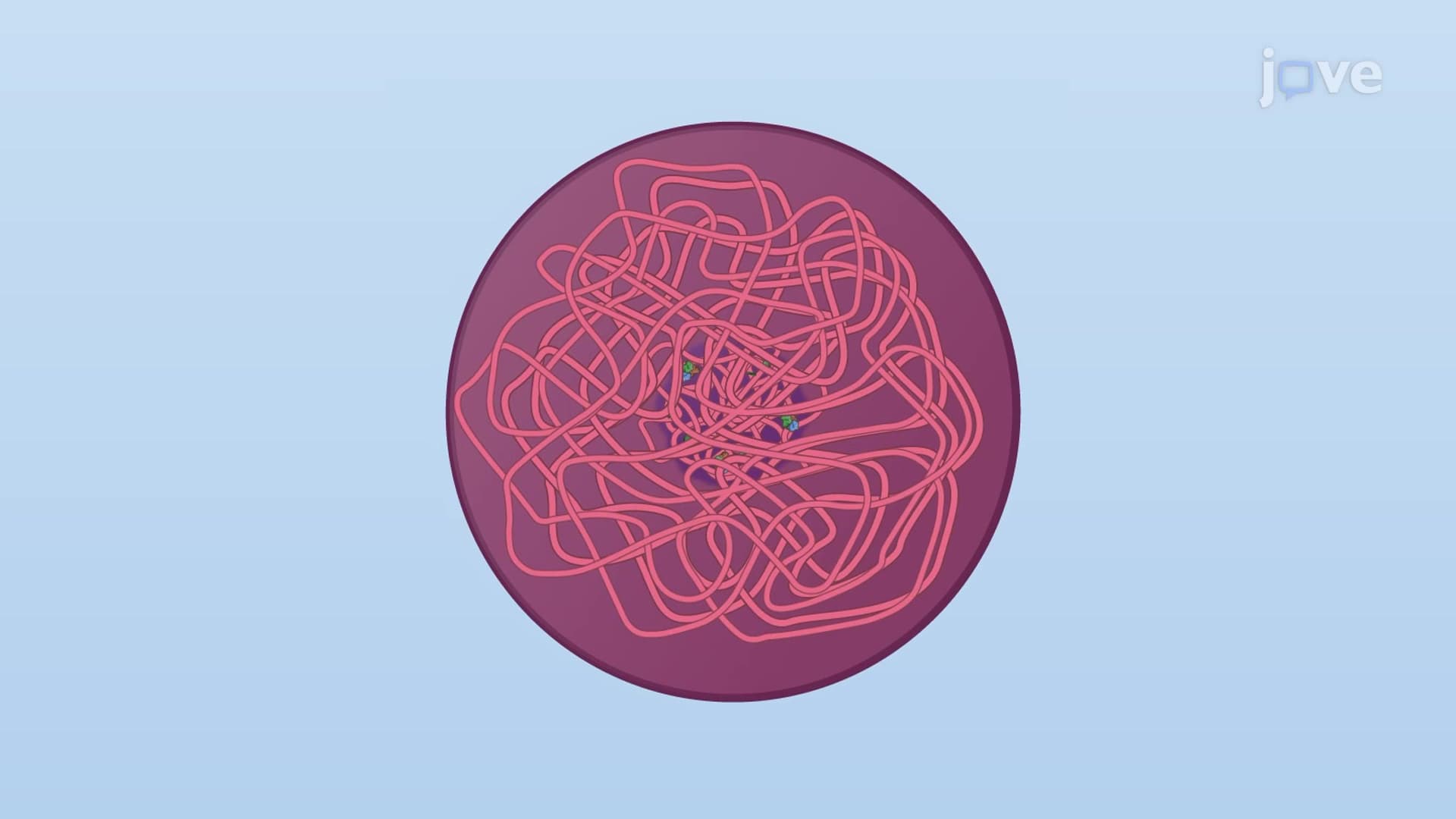
Chromatin organization occurs at multiple hierarchical levels. The primary level involves DNA wrapping around histone proteins to form nucleosomes, creating a "beads on a string" appearance. These nucleosomes then coil into higher-order structures, forming loops and domains that ultimately condense into visible chromosomes during cell division. This packaging allows approximately 6 feet of DNA to fit within a nucleus only 10 micrometers in diameter-equivalent to fitting 25 miles of thread into a tennis ball.
The duplication process must preserve distinct chromatin states. Heterochromatin represents tightly packed, transcriptionally inactive regions, while euchromatin consists of loosely packed, transcriptionally active areas. Consider the X-chromosome inactivation studied extensively at institutions like Stanford University-one X chromosome becomes heterochromatic in female cells, and this silenced state must be maintained through cell divisions. The duplication machinery ensures daughter cells inherit the same gene expression patterns.
Understanding chromatin duplication proves crucial for AP Biology students studying cell cycle regulation and gene expression. On the MCAT, questions frequently address how chromatin modifications affect transcription and inheritance patterns. Medical schools like Harvard Medical School emphasize this concept when teaching genetic disorders-many diseases result from failures in maintaining proper chromatin structure during cell division, leading to altered gene expression patterns in specific tissues.
Related Micro-courses