Loading subject page…

- Molecular Biology
- Cell Division
- Cohesins
Micro-course: Cell Division
101,001 views
Learn key concepts and earn your certificate.
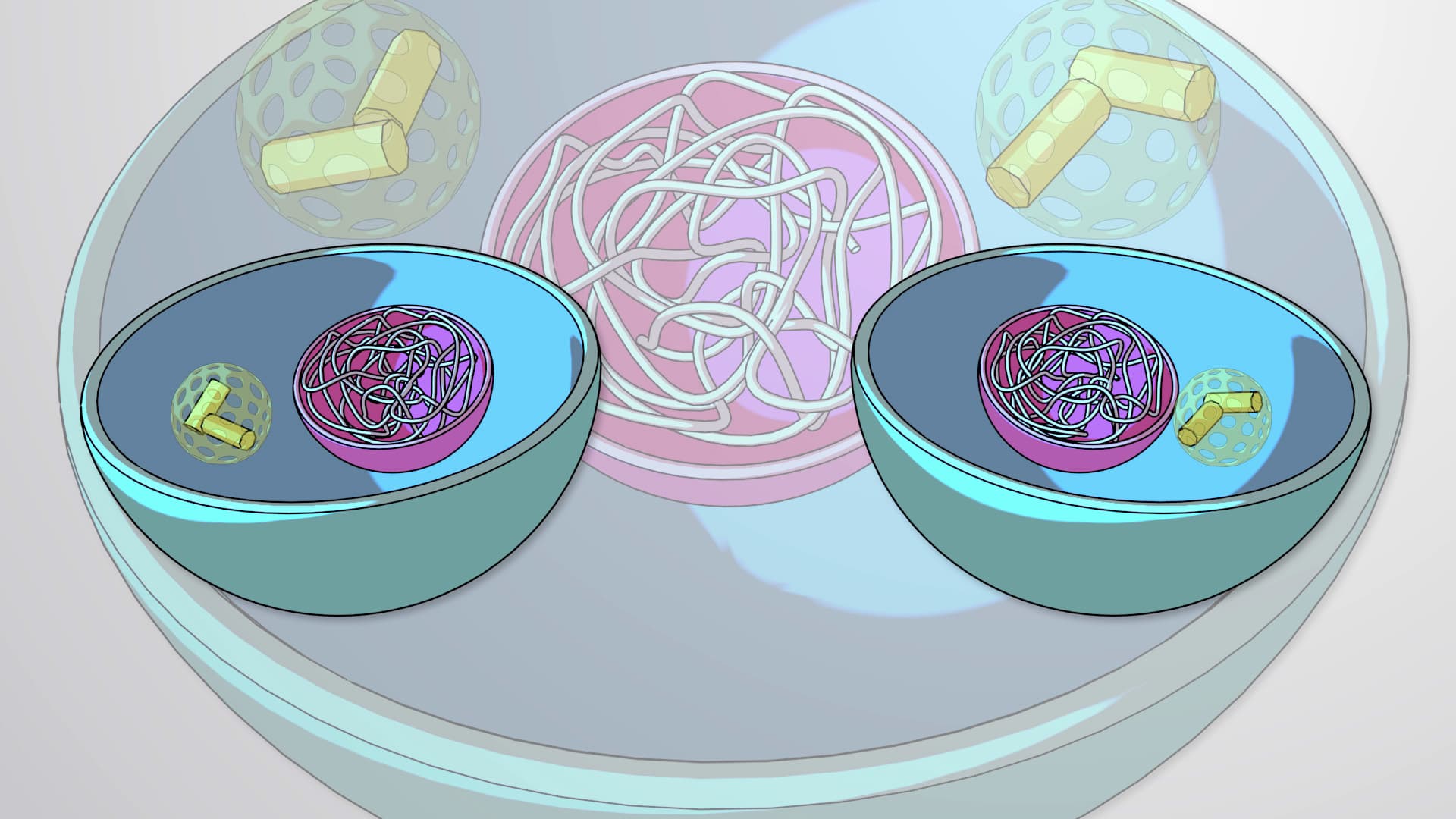

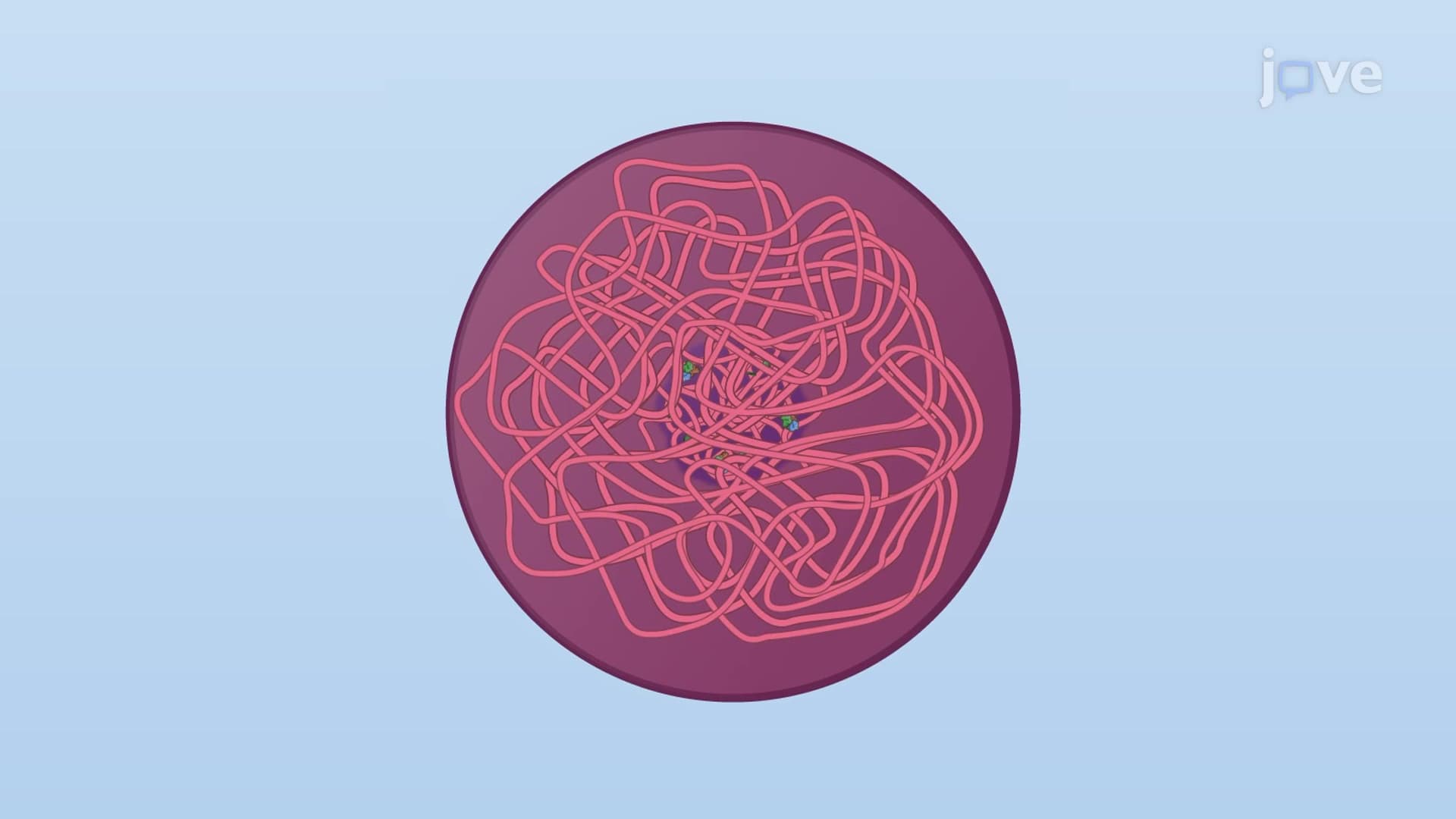
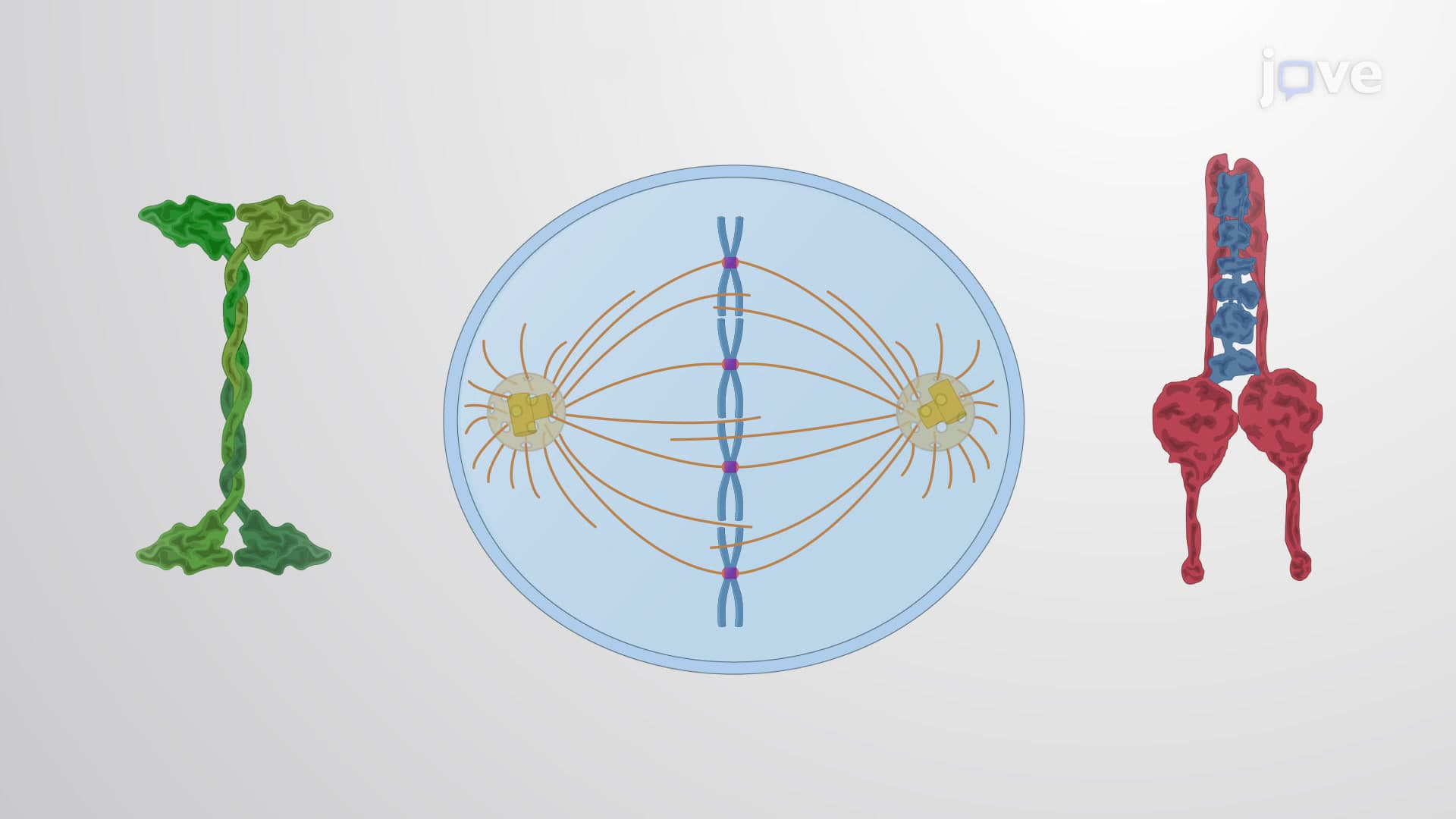
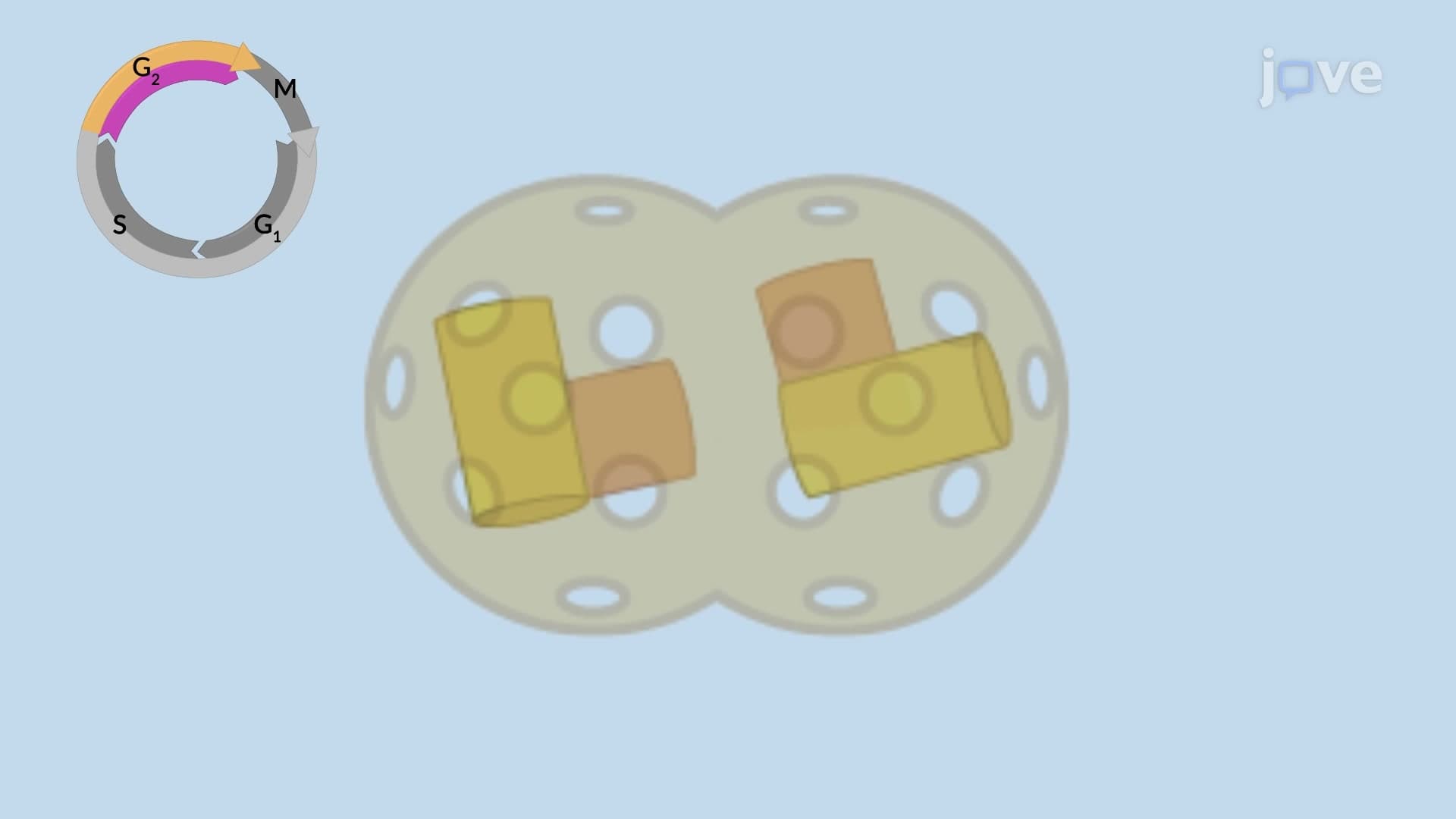
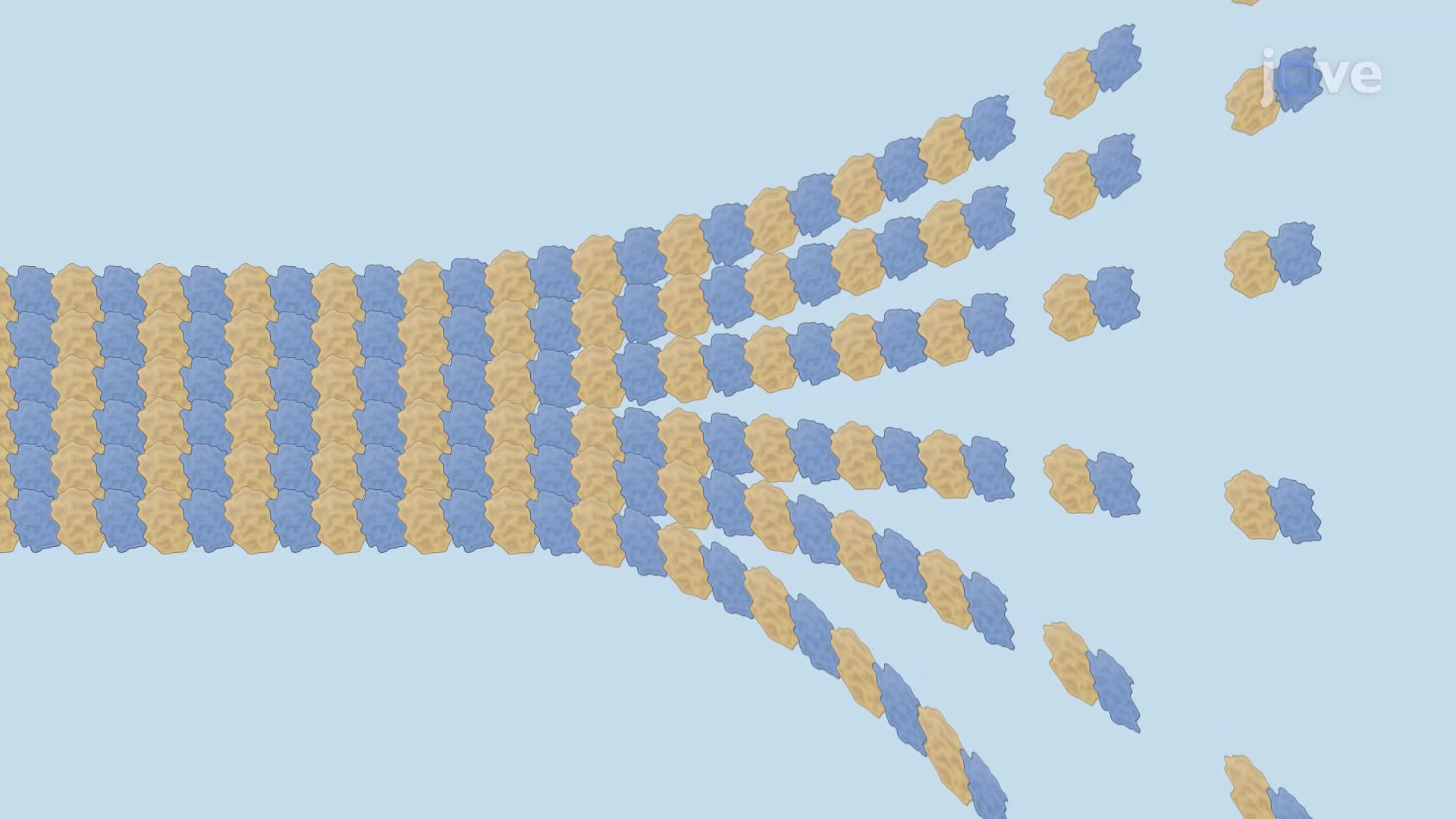

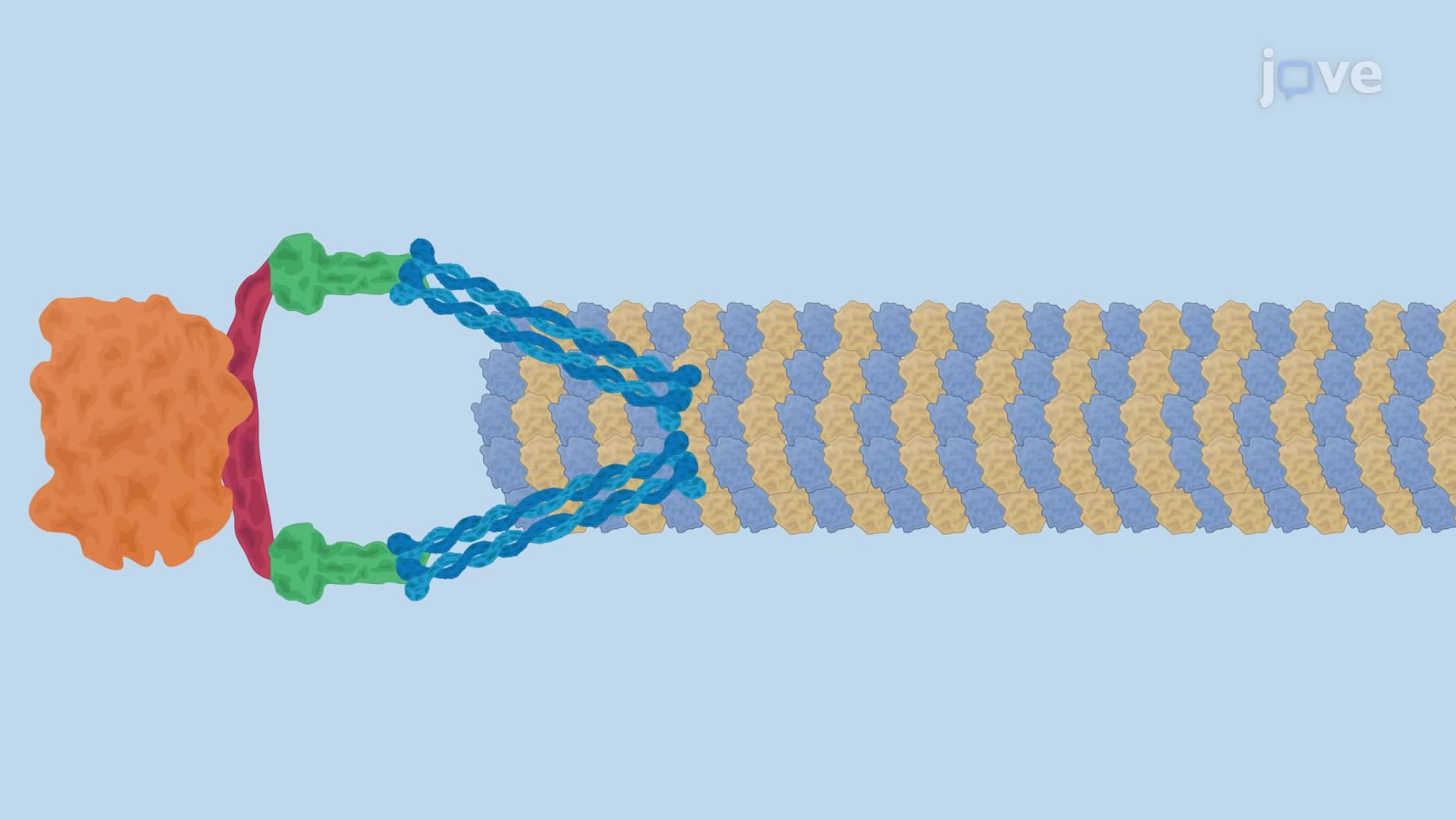

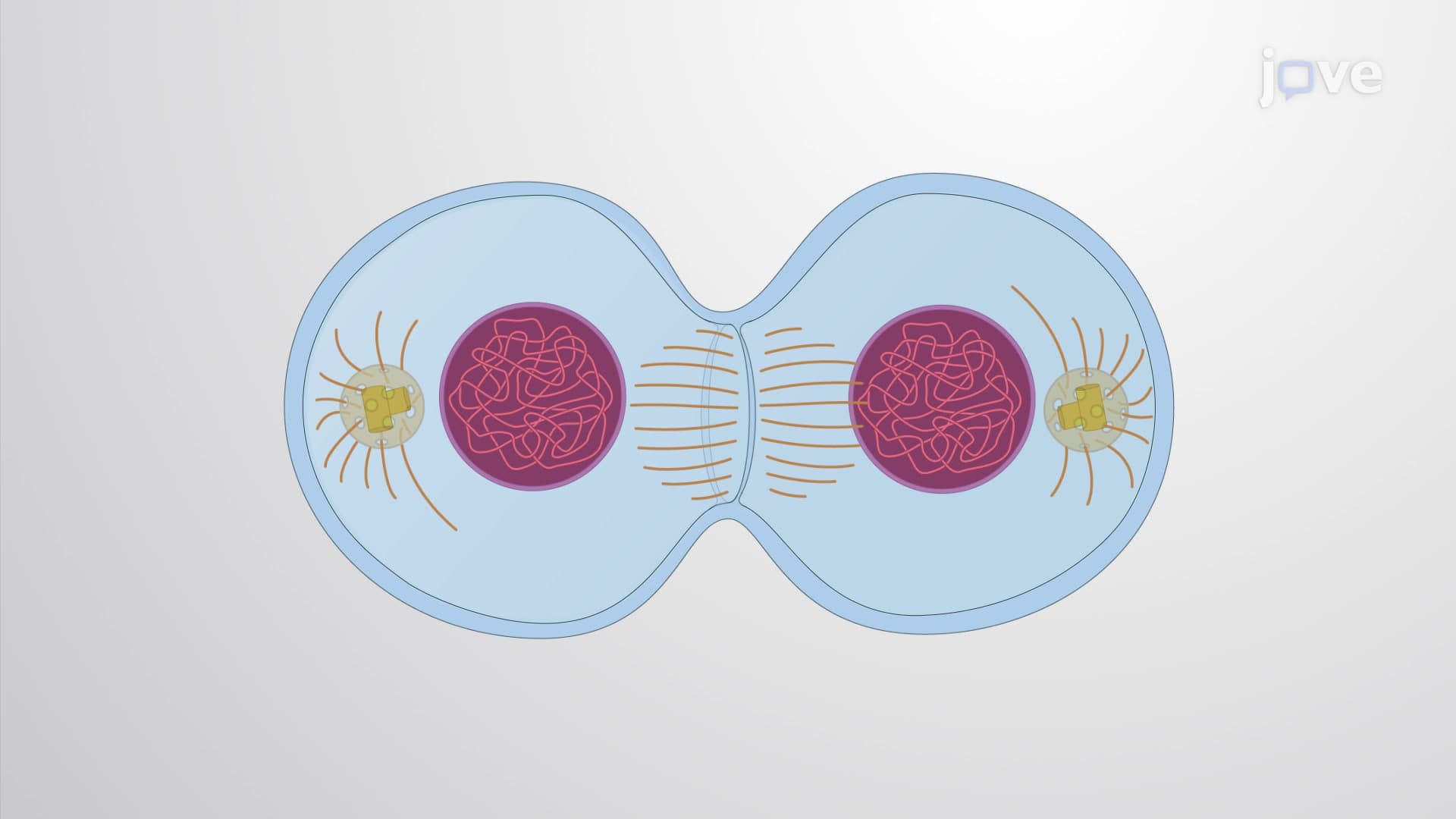
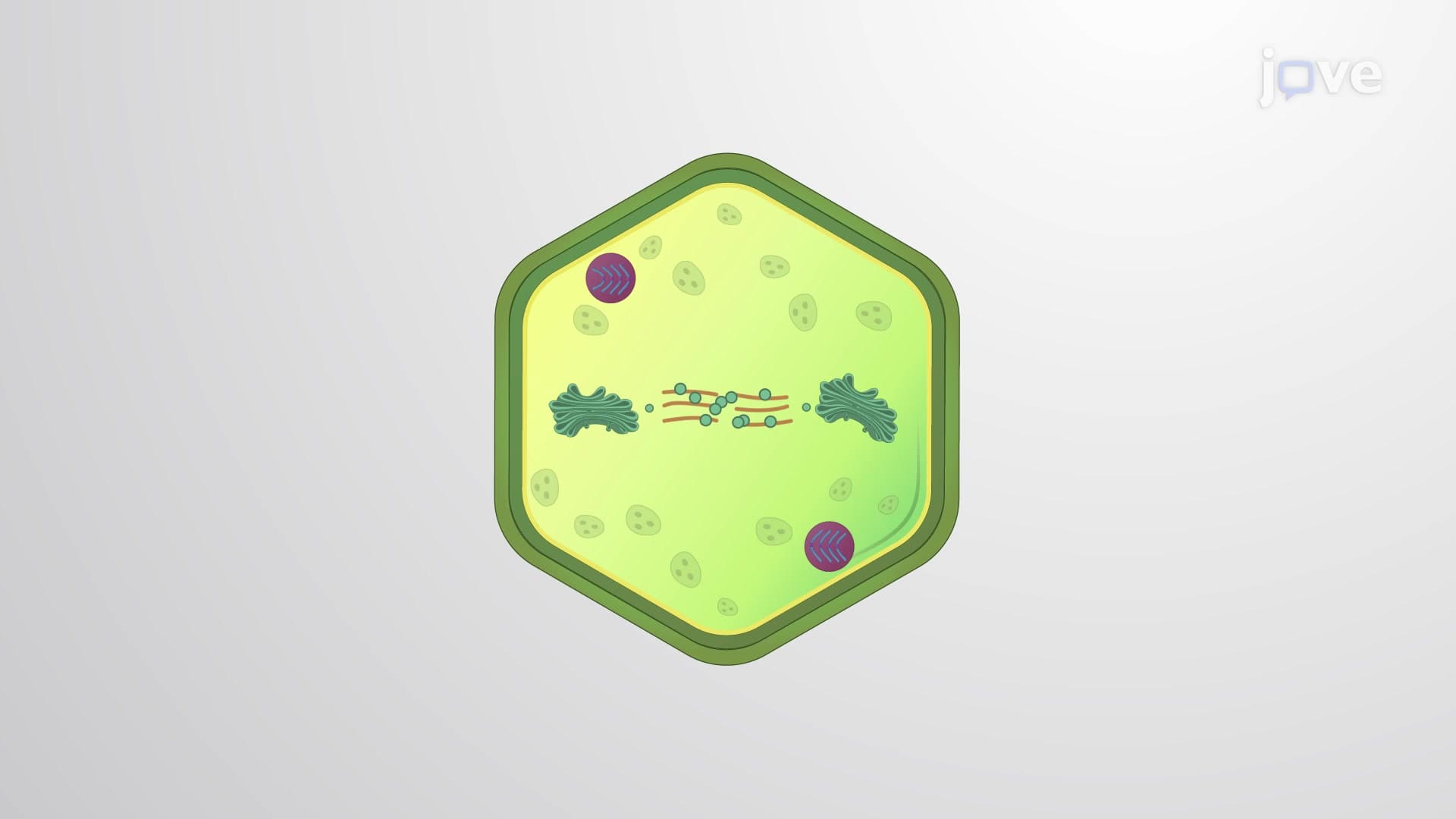
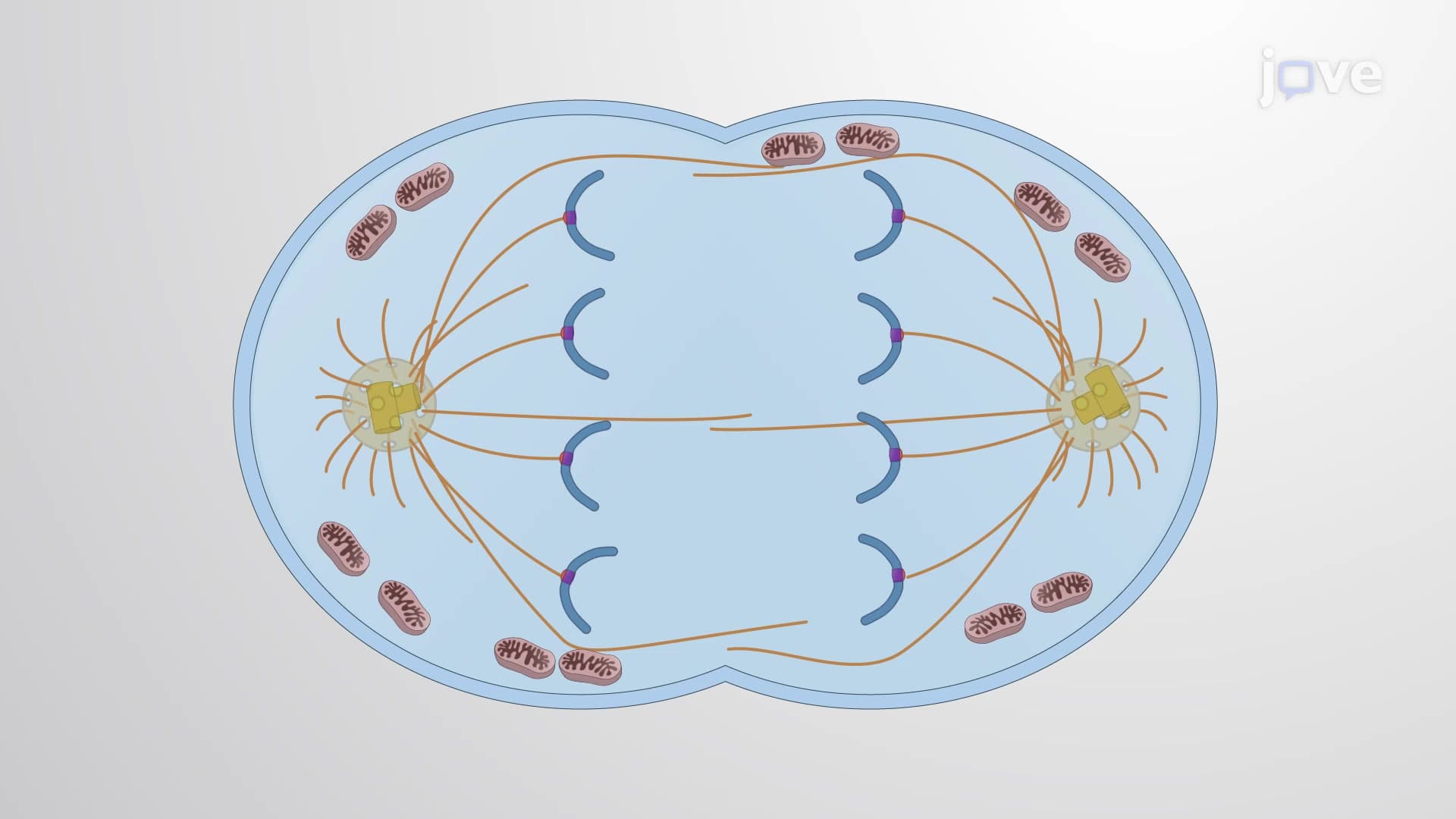

Cohesins

00:00
02:20
Video Summary: What are Cohesins
Ever wondered how your chromosomes stay perfectly paired during cell division? Cohesins are the molecular "glue" that keeps sister chromatids together after DNA replication, ensuring accurate chromosome distribution to daughter cells. Without these protein complexes, cells at Johns Hopkins Medical School labs show massive chromosomal instability leading to cancer. What are cohesins and how do they orchestrate this critical cellular process? Watch the full video on JoVE Coach to master this concept with expert-led visuals and step-by-step explanations.
- Understand what are cohesins and their essential role in maintaining sister chromatid cohesion during cell division
- Identify the four key subunits of cohesin complexes (Smc1, Smc3, Scc1, and Scc3) and their specific functions
- Analyze the ring-like structure of cohesins and how they clamp around sister chromatids at multiple chromosomal locations
- Compare the differential removal of cohesins during mitosis, from chromosomal arms versus centromeric regions
- Evaluate the timing of cohesin dissociation and its relationship to separase enzyme activity during anaphase
- Apply knowledge of cohesin function to predict consequences of cohesin mutations in human genetic disorders
- Recognize the connection between proper cohesin function and accurate chromosome segregation in mitosis
- Explore real-world implications of cohesin dysfunction in cancer development and chromosomal instability syndromes
What are Cohesins: The Molecular Velcro of Cell Division
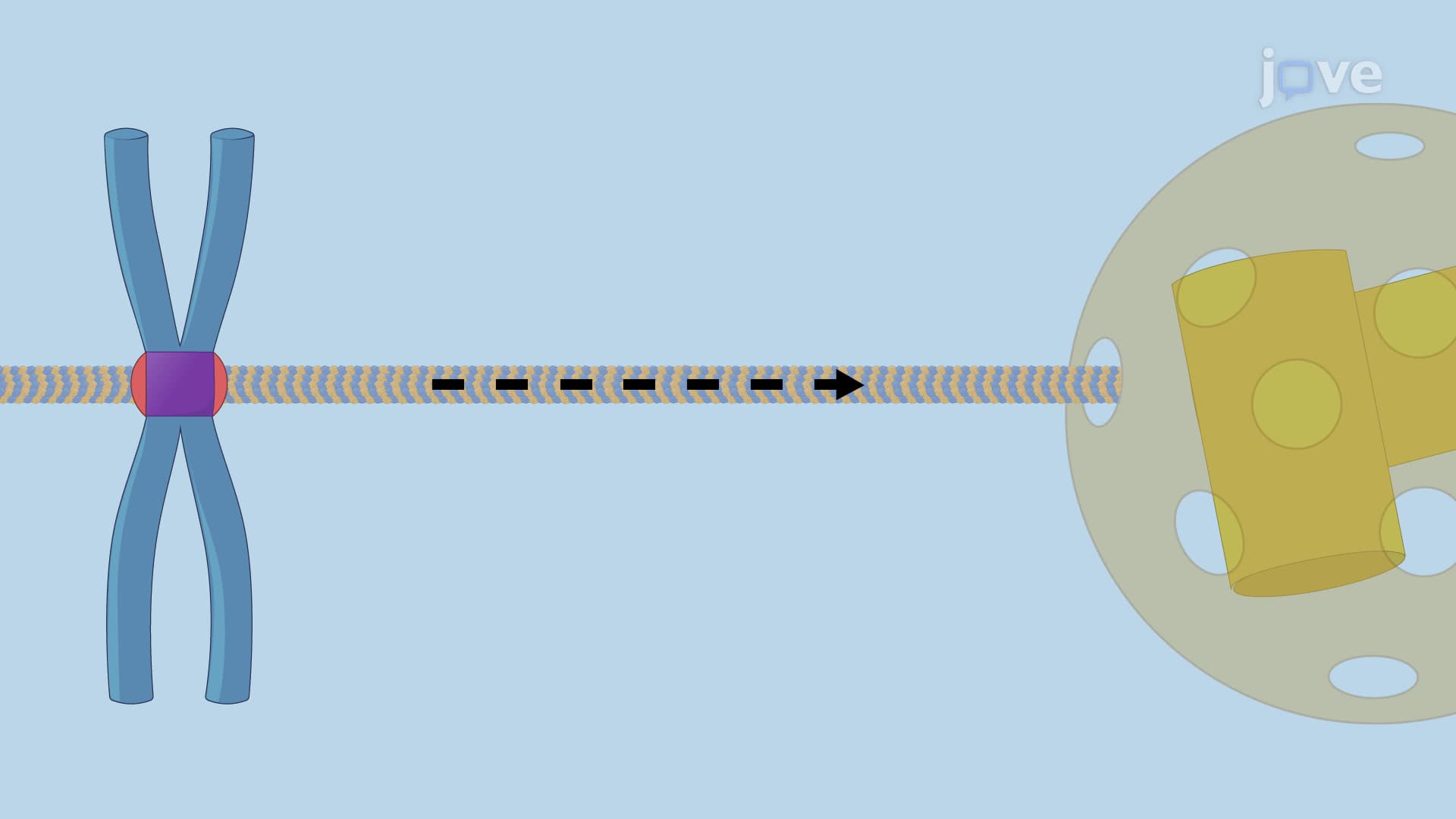
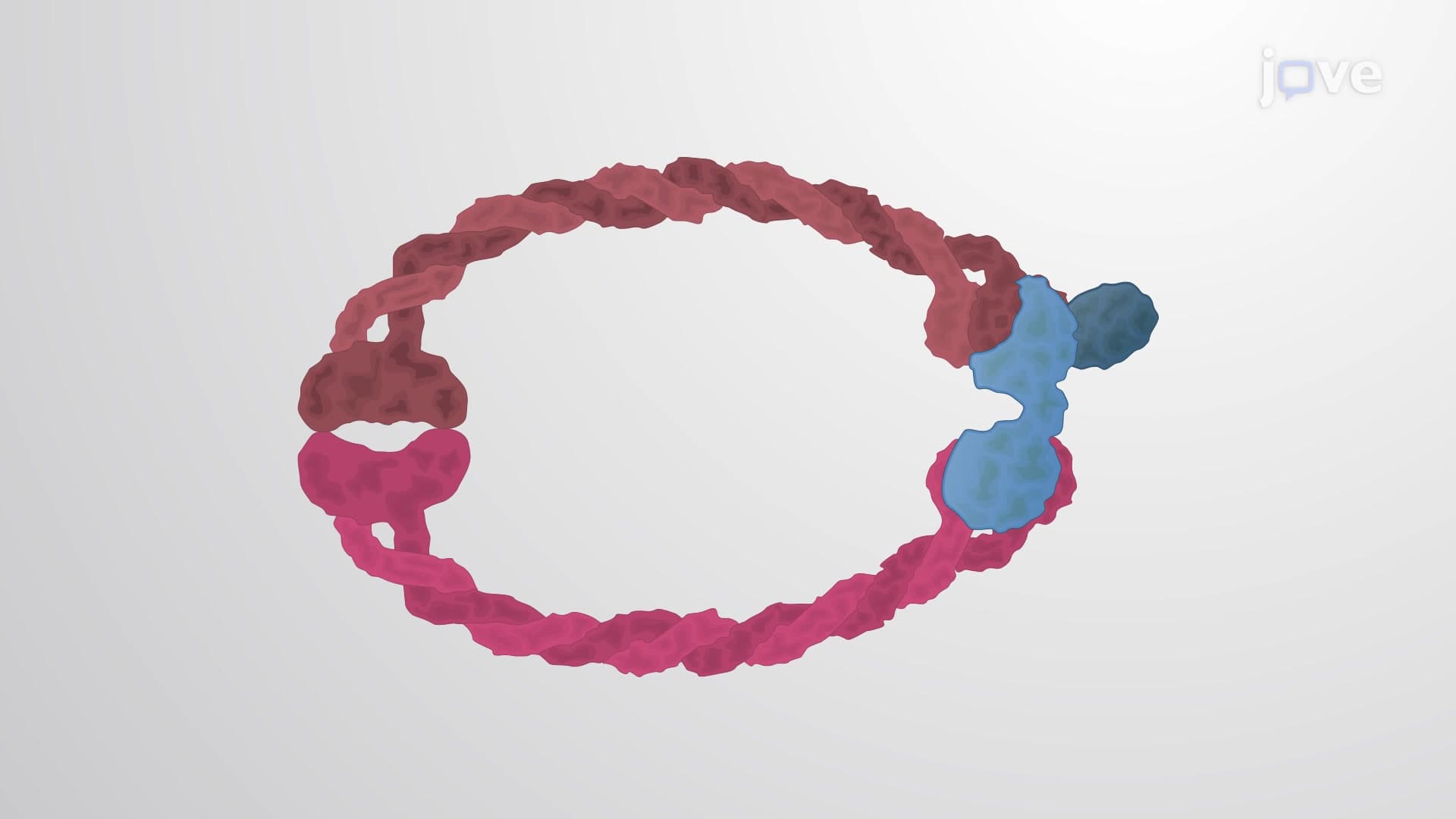
Cohesins represent one of biology's most elegant solutions to a fundamental challenge: how to keep duplicated chromosomes together until the precise moment they need to separate. These protein complexes function as molecular clamps, encircling sister chromatids like rings around paired sticks, maintaining chromosome integrity throughout the cell cycle.
Structural Architecture of Cohesin Complexes
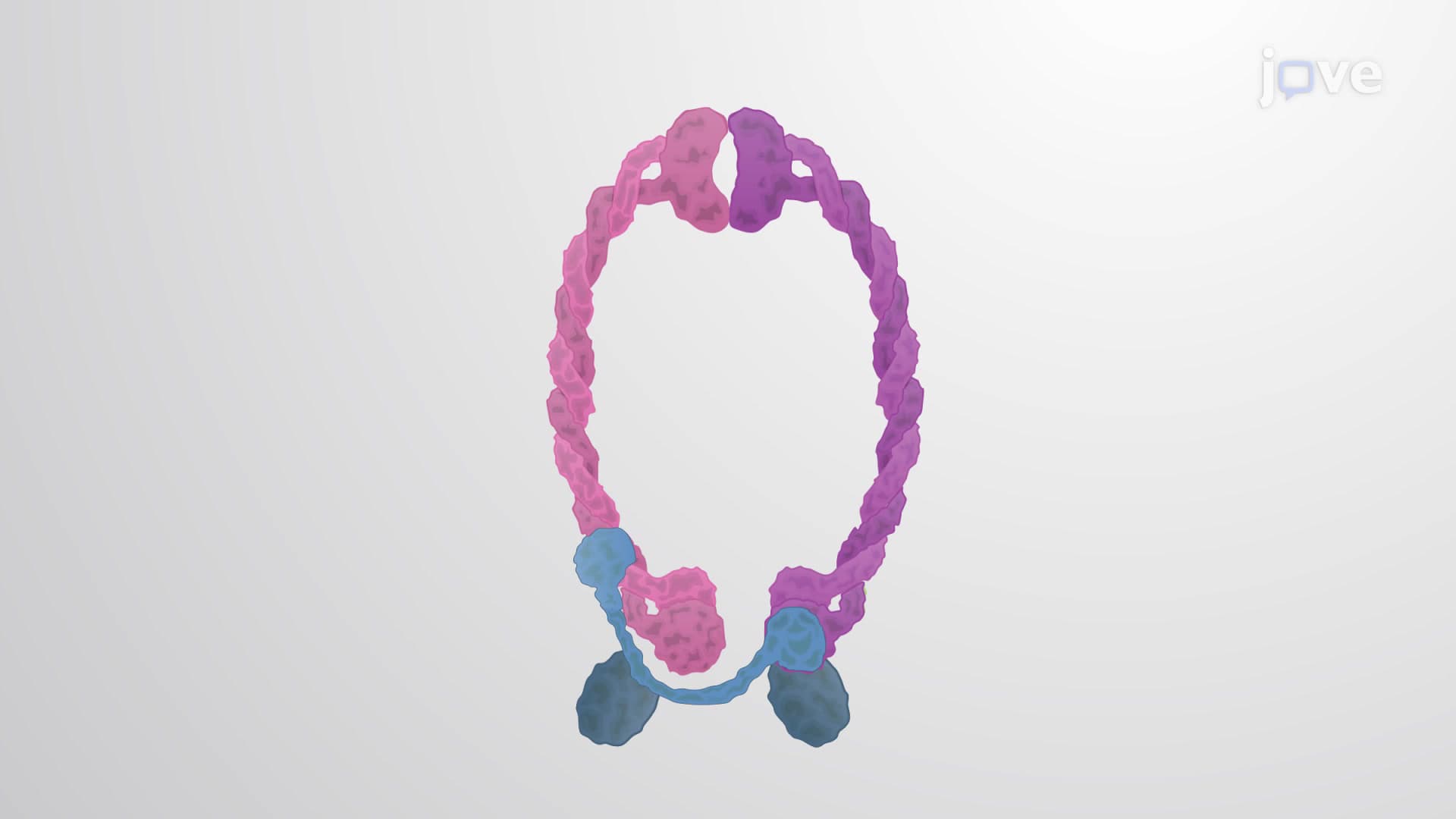
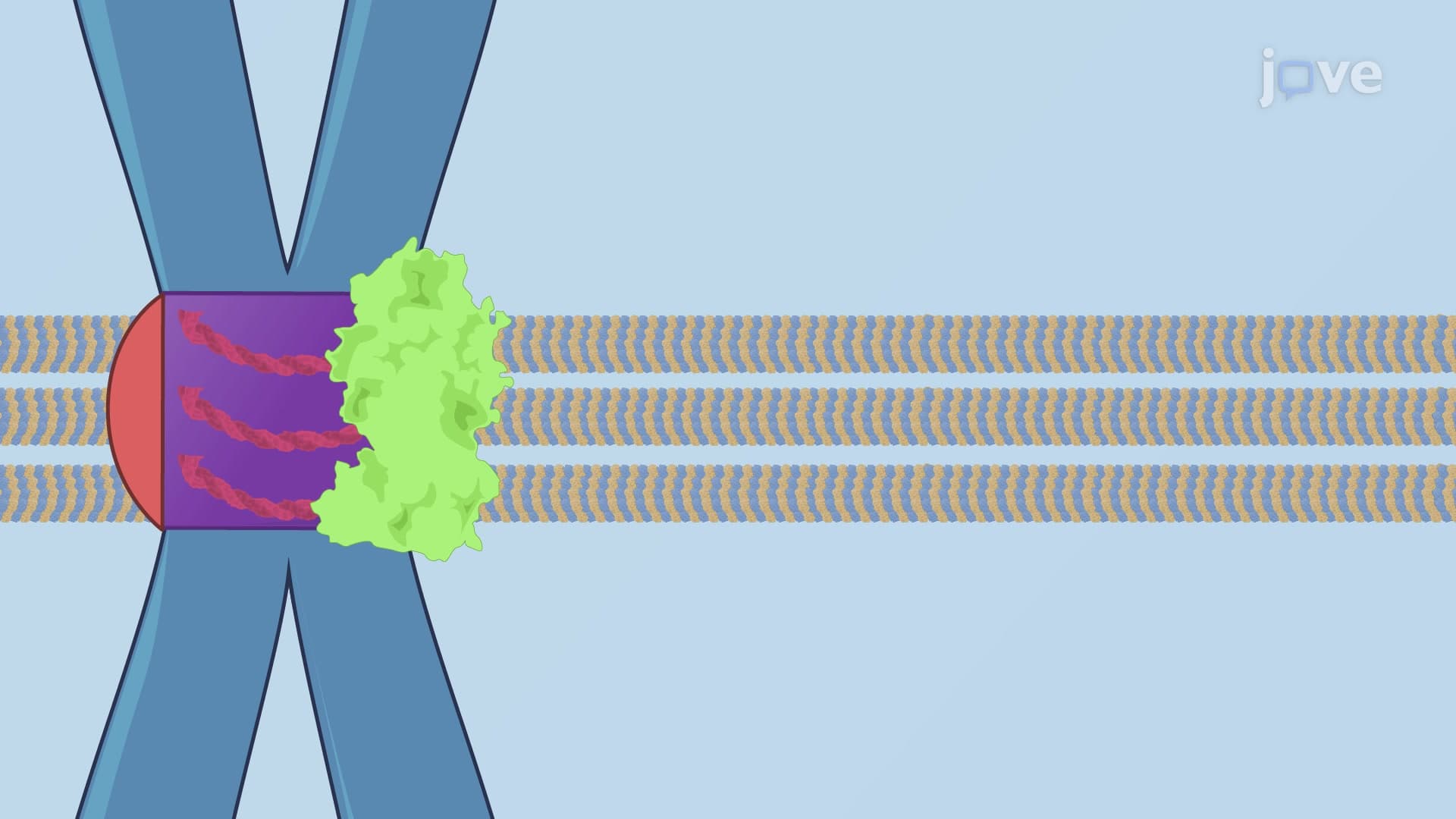
The cohesin complex exhibits a sophisticated four-subunit architecture that enables its ring-forming capability. The Smc1 and Smc3 proteins serve as the structural backbone, each featuring long coiled-coil domains with hinge regions that directly interact with each other. At the opposite ends, ATPase head domains provide the energy-dependent mechanisms for cohesin loading and unloading. The Scc1 and Scc3 subunits complete the ring by bridging the Smc1 and Smc3 head domains, creating a topologically closed structure that entraps sister chromatids.
This ring structure isn't rigid-the hinge domain acts like a molecular gate, opening to allow chromosome loading during S-phase and closing to secure the sister chromatids. Students preparing for the MCAT or AP Biology exams should understand that this dynamic structure represents a key example of protein conformational changes driving biological function.
Temporal Regulation During Mitosis
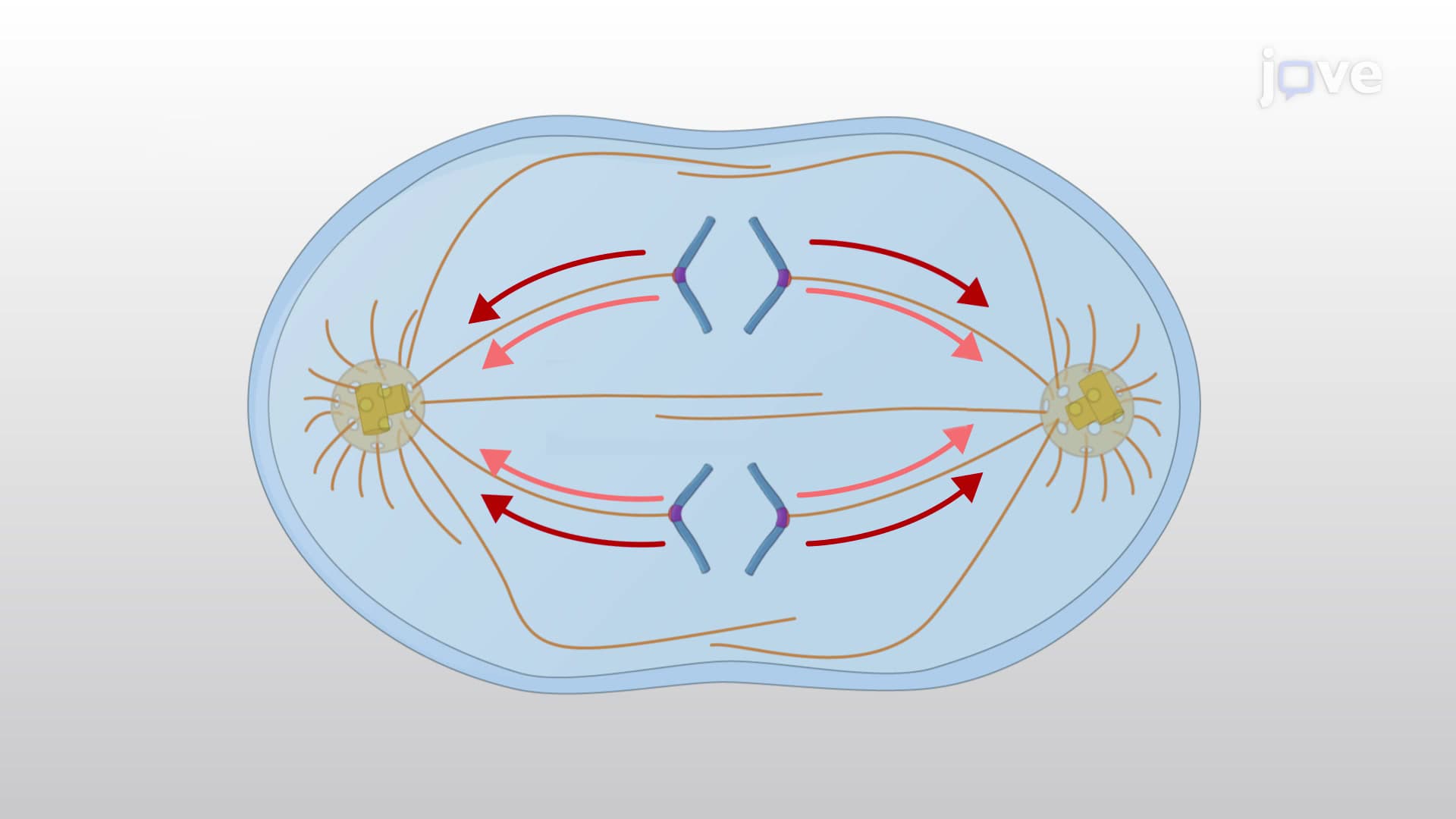
The timing of cohesin removal follows a carefully orchestrated pattern crucial for accurate chromosome segregation. During prophase, cohesins are selectively removed from chromosomal arms while remaining at centromeres-a process called "cohesion fatigue." This differential removal allows sister chromatids to separate along their arms while maintaining connection at their centers, facilitating proper spindle attachment.
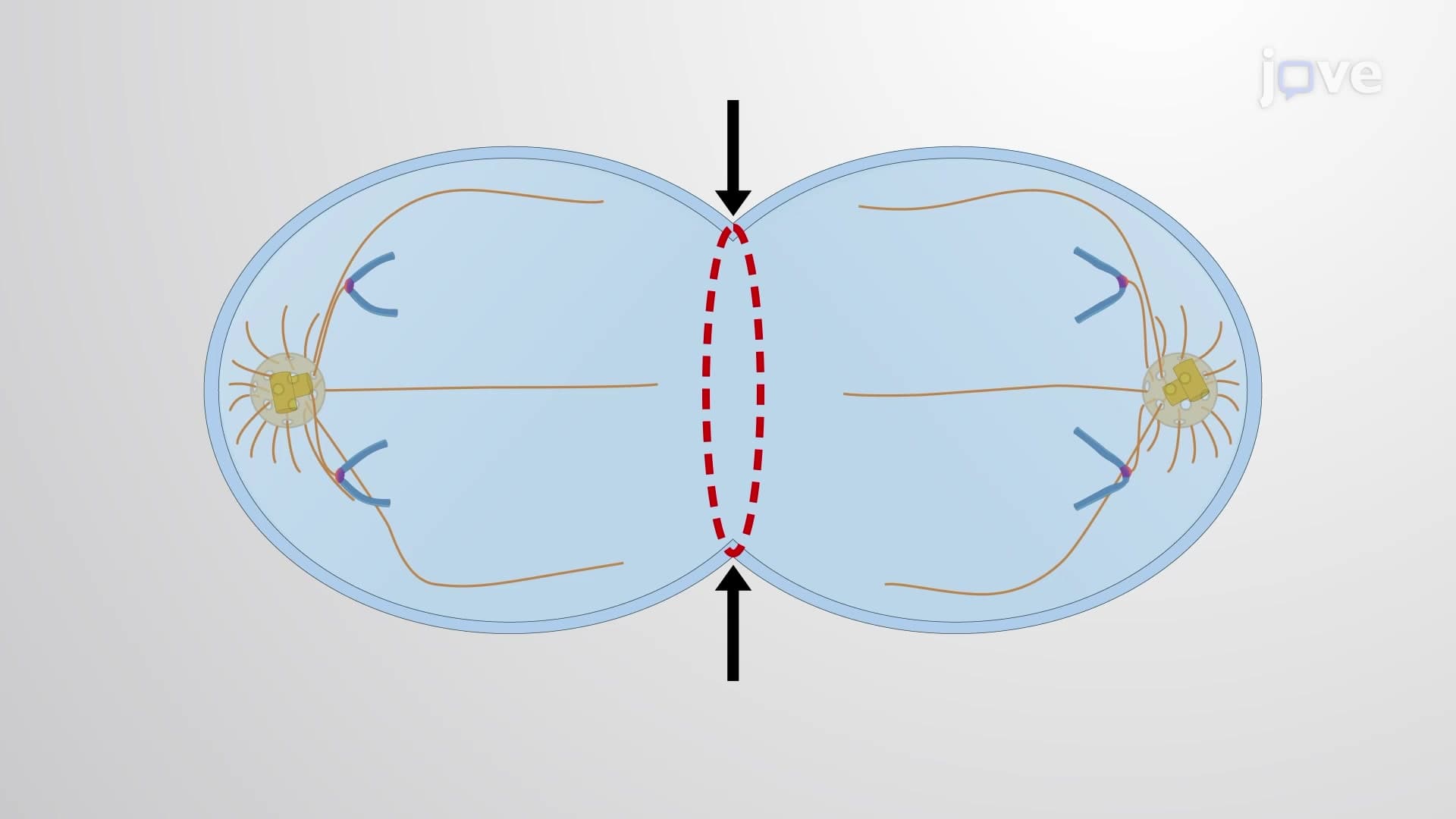
Research at institutions like the University of California demonstrates that premature cohesin loss leads to chromosomal instability, a hallmark of many cancers. The protease separase acts as the molecular scissors, cleaving the Scc1 subunit precisely at anaphase onset, ensuring synchronized sister chromatid separation.
Clinical and Research Applications
Understanding cohesin function has profound implications for human health. Cohesin mutations cause Cornelia de Lange syndrome, characterized by developmental delays and distinctive facial features. In cancer research, cohesin dysfunction contributes to the genomic instability that drives tumor progression. Students studying for the USMLE Step 1 should recognize cohesins as critical guardians of chromosomal stability, with their malfunction contributing to both inherited genetic disorders and acquired diseases like cancer.
Frequently Asked Questions
Cohesins are ring-shaped protein complexes that hold sister chromatids together after DNA replication during S-phase. They act like molecular clamps, preventing duplicated chromosomes from separating prematurely until the cell is ready to divide. This function is essential for accurate chromosome distribution to daughter cells and maintaining genomic stability.
The primary cohesin complex consists of four core subunits: Smc1, Smc3, Scc1, and Scc3. Smc1 and Smc3 are structural proteins with coiled-coil domains, while Scc1 and Scc3 complete the ring structure. Some specialized cohesins exist in meiosis with different subunit compositions, but the mitotic cohesin complex represents the most studied type.
MCAT questions often focus on cohesin function in cell cycle regulation, particularly their role in mitosis and connection to cancer biology. AP Biology exams typically test understanding of sister chromatid cohesion, the timing of cohesin removal, and how cohesin dysfunction affects cell division. Students should know the relationship between cohesins, separase, and anaphase progression.
College genetics exams frequently include questions about cohesin structure-function relationships, their role in chromosomal instability, and connections to human genetic disorders like Cornelia de Lange syndrome. Students are often asked to predict the consequences of specific cohesin mutations or explain how cohesin loading and unloading is regulated throughout the cell cycle.
Major cancer research centers like MD Anderson and Memorial Sloan Kettering study how cohesin mutations contribute to tumor development and progression. Cohesin dysfunction leads to chromosomal instability, allowing cancer cells to acquire additional mutations more rapidly. Understanding cohesins helps researchers develop targeted therapies and diagnostic tools for certain cancer types.
No advanced chemistry background is required to grasp cohesin concepts at the high school or introductory college level. Basic understanding of proteins, DNA structure, and cell division provides sufficient foundation. The key is focusing on the functional relationships rather than detailed biochemical mechanisms, making cohesins accessible to students with standard biology coursework.
Create acronyms linking structure to function: "SMC proteins are Strong Molecular Clamps" for Smc1 and Smc3, while "SCC proteins Secure Chromatid Connection" for Scc1 and Scc3. Focus on understanding the ring structure concept first, then layer on specific subunit roles. Practice drawing the cohesin complex and explaining its function in your own words.
After understanding cohesins, explore related chromosome dynamics including condensins (chromosome compaction), kinetochore proteins (spindle attachment), and cell cycle checkpoints (quality control mechanisms). These topics interconnect to provide a comprehensive understanding of how cells ensure accurate chromosome segregation during division.
Related Micro-courses