Loading subject page…


10 Concepts
11 Concepts
11 Concepts
17 Concepts
20 Concepts
16 Concepts
16 Concepts
21 Concepts
11 Concepts
15 Concepts
14 Concepts
21 Concepts
8 Concepts
15 Concepts
17 Concepts
19 Concepts
11 Concepts
18 Concepts
6 Concepts
21 Concepts
 14 Concepts
 138.5K Views
 Popular topics

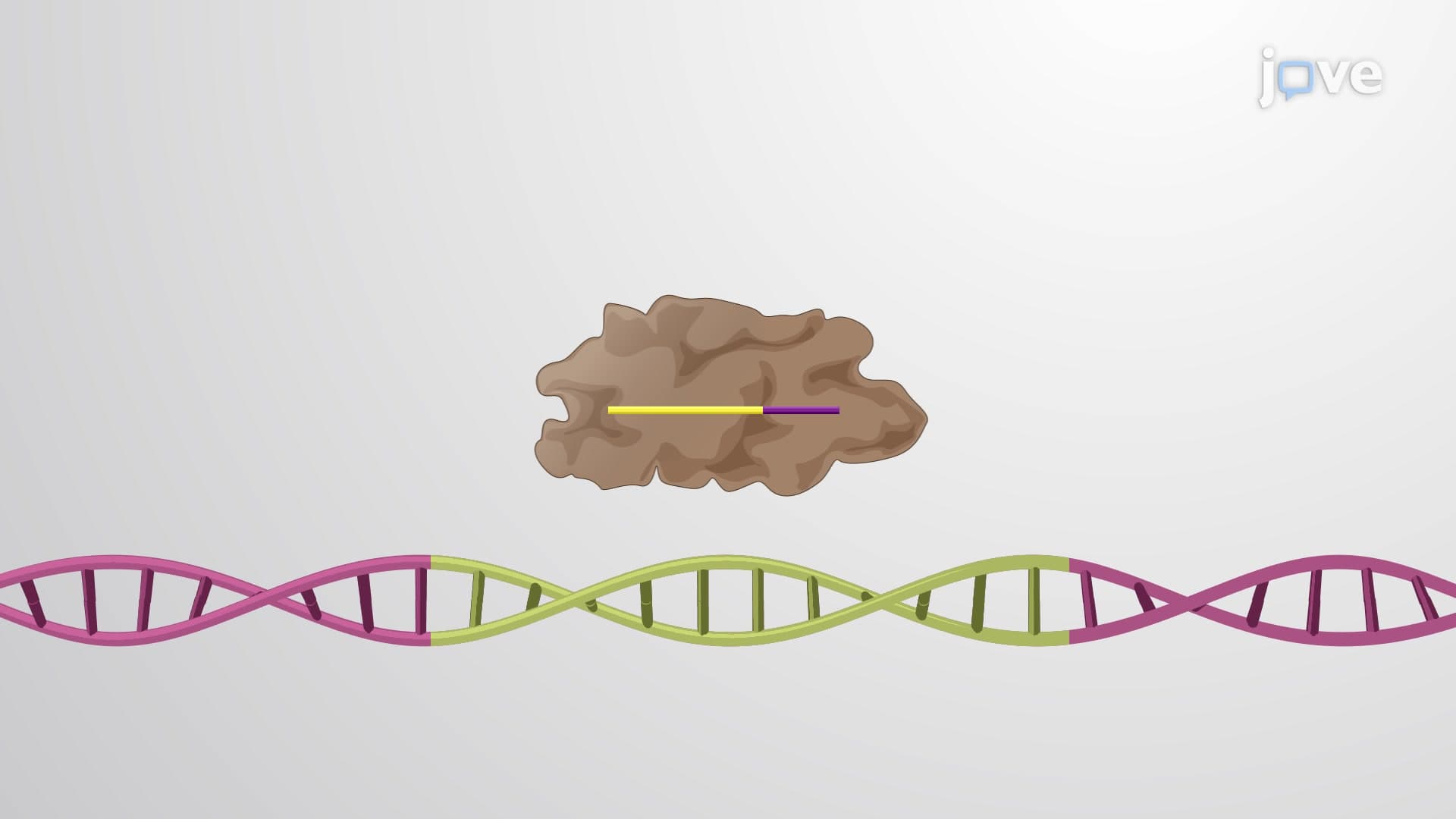
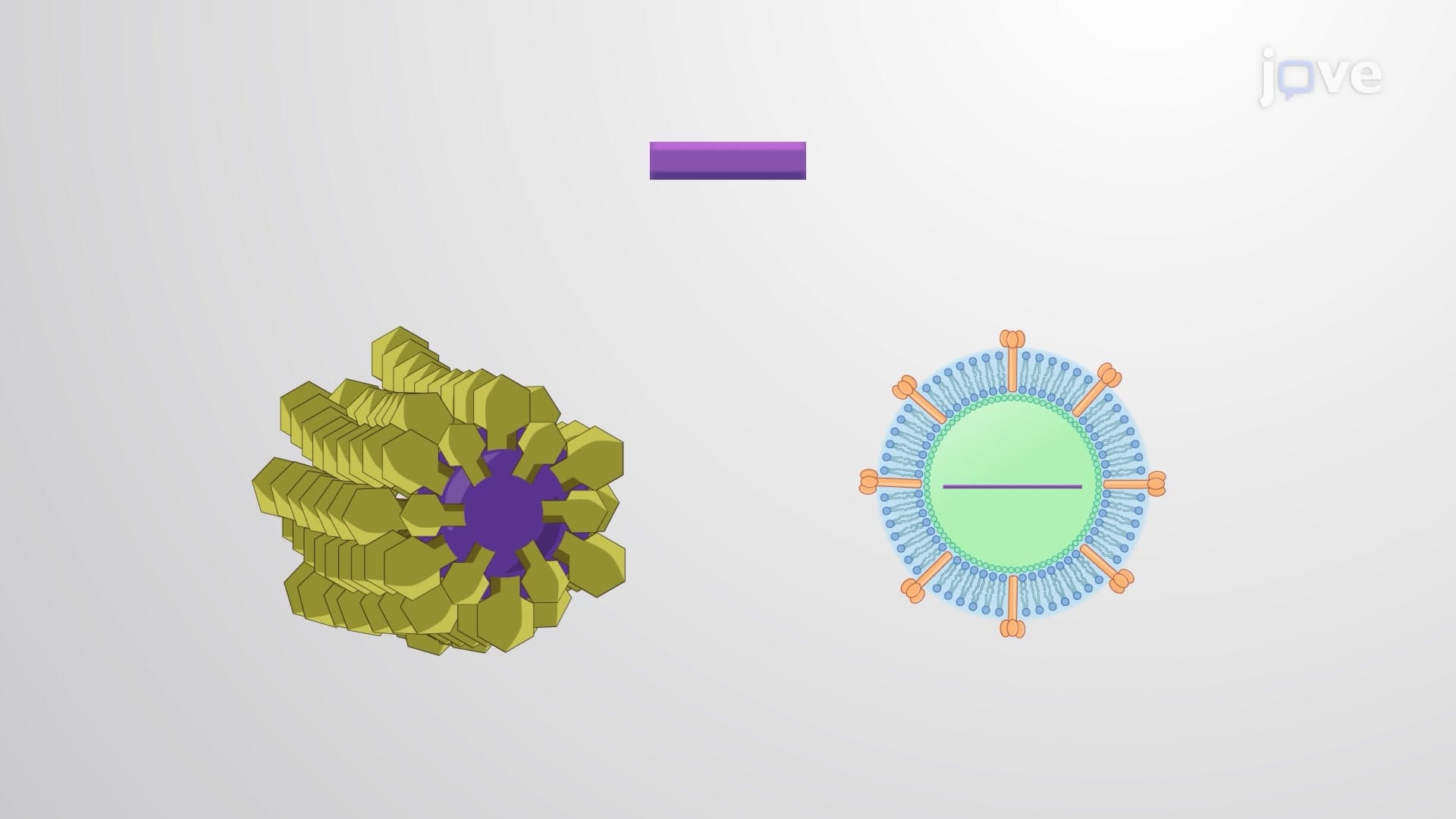

The roles of RNA extend far beyond protein synthesis, encompassing sophisticated regulatory mechanisms that control gene expression at multiple levels. From microRNAs silencing target genes to ribozymes catalyzing biochemical reactions, non-coding RNA functions demonstrate the diverse roles of RNA beyond protein coding. This comprehensive course, supported by JoVE Coach, explores these regulatory pathways essential for cellular homeostasis, development, and disease prevention.
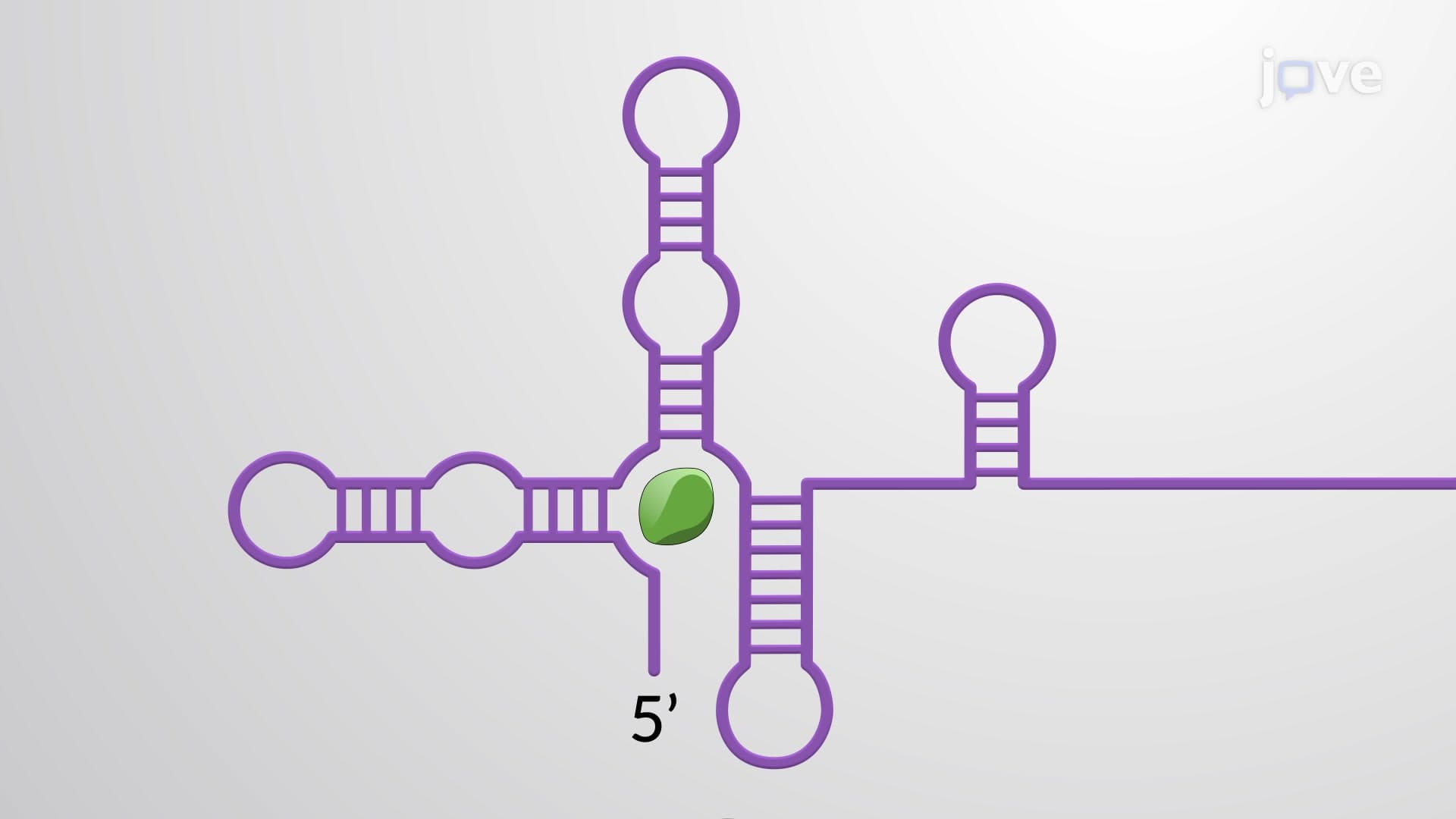
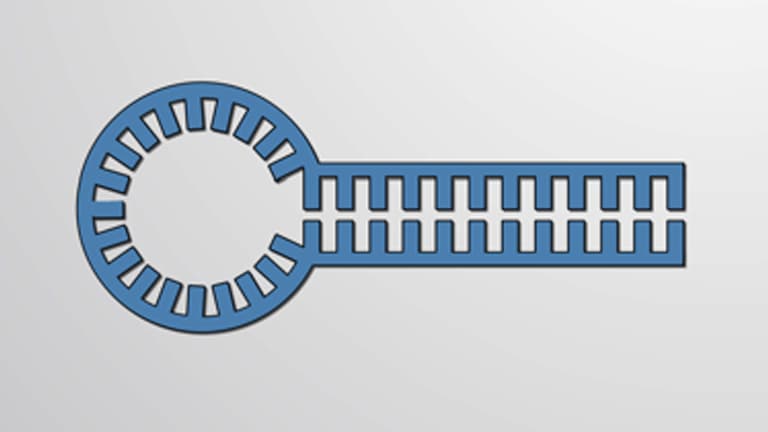
1. Prokaryotic Gene Regulation Through RNA Mechanisms: Transcriptional attenuation in the E. coli trp operon demonstrates how bacteria use RNA secondary structures to regulate amino acid synthesis. When tryptophan is abundant, ribosomes quickly translate through tryptophan codons, allowing formation of a terminator hairpin that stops transcription. During tryptophan scarcity, ribosome stalling permits anti-terminator formation, continuing transcription of biosynthetic enzymes. Riboswitches provide another regulatory layer, with aptamer domains binding specific metabolites like guanine or vitamin B12, causing conformational changes that affect downstream gene expression without requiring protein cofactors.
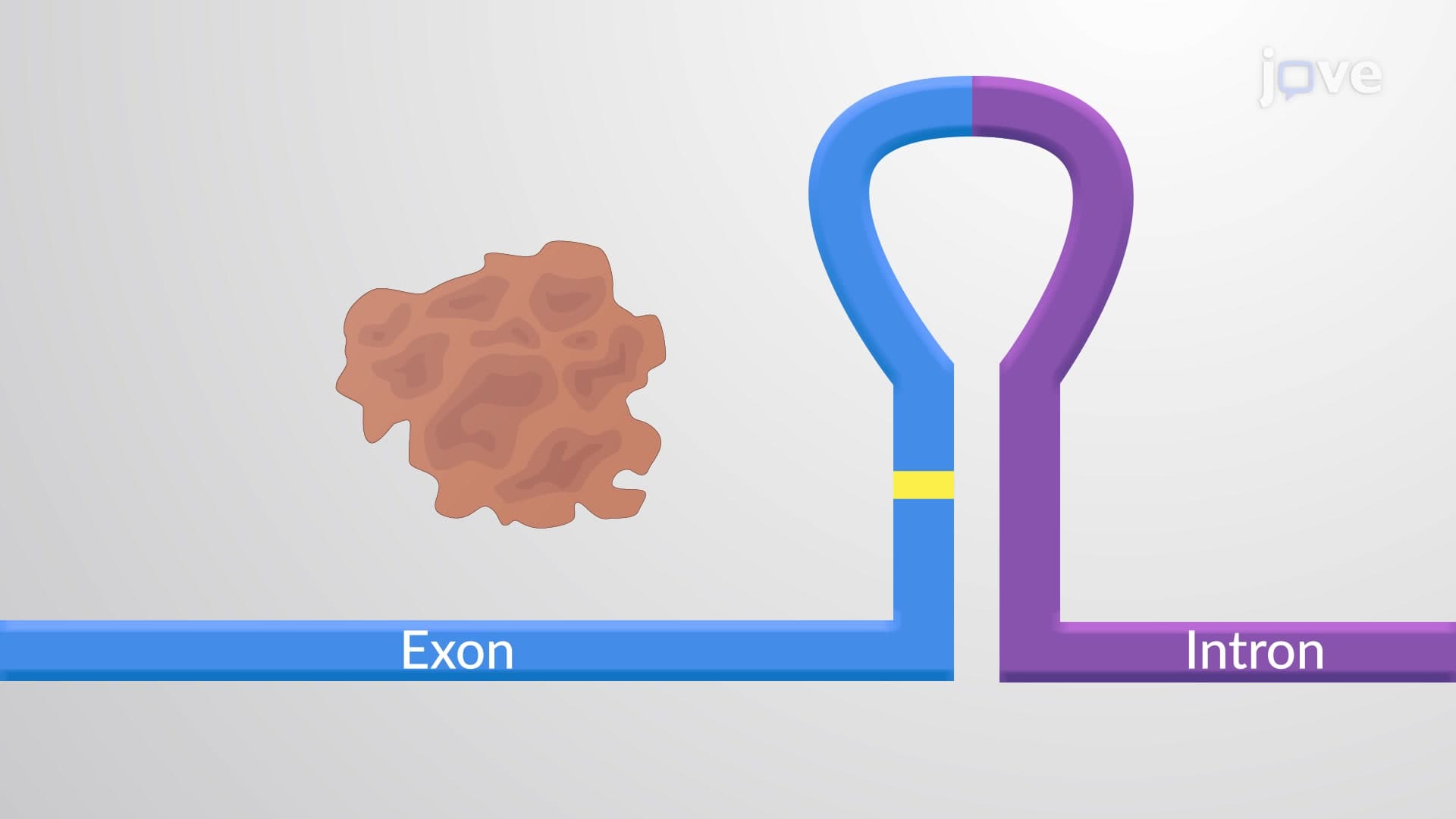
2. RNA Editing and Post-Transcriptional Modifications: RNA editing allows organisms to diversify protein products without altering genomic DNA sequences. In mammals, ADAR enzymes convert adenosine to inosine in glutamate receptor pre-mRNA, changing glutamine to arginine in the final protein and altering receptor function. Apolipoprotein B editing illustrates tissue-specific regulation, where intestinal cells produce a truncated ApoB-48 protein through cytidine-to-uridine editing that creates a premature stop codon, while liver cells produce full-length ApoB-100 protein from the same transcript.
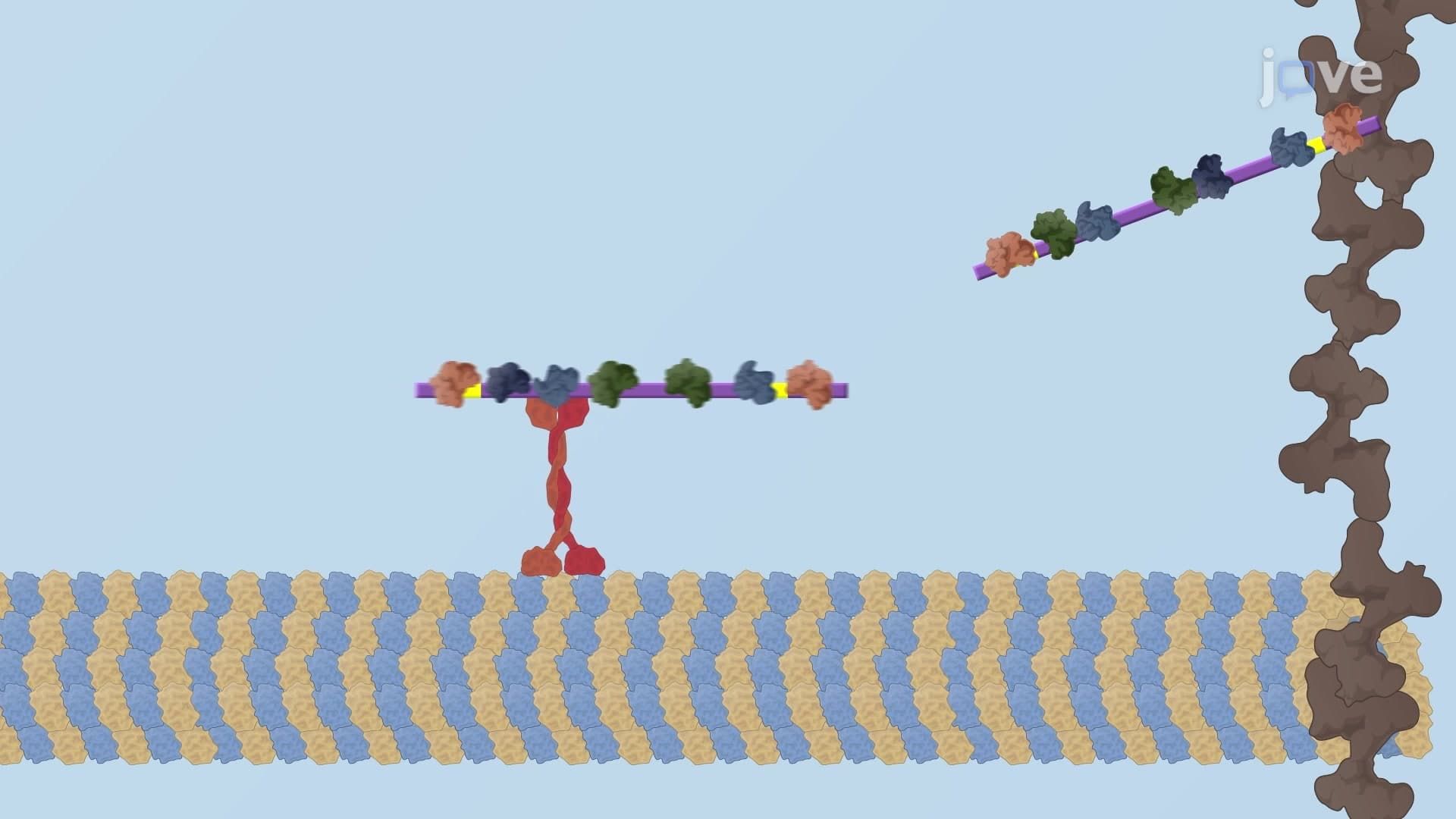
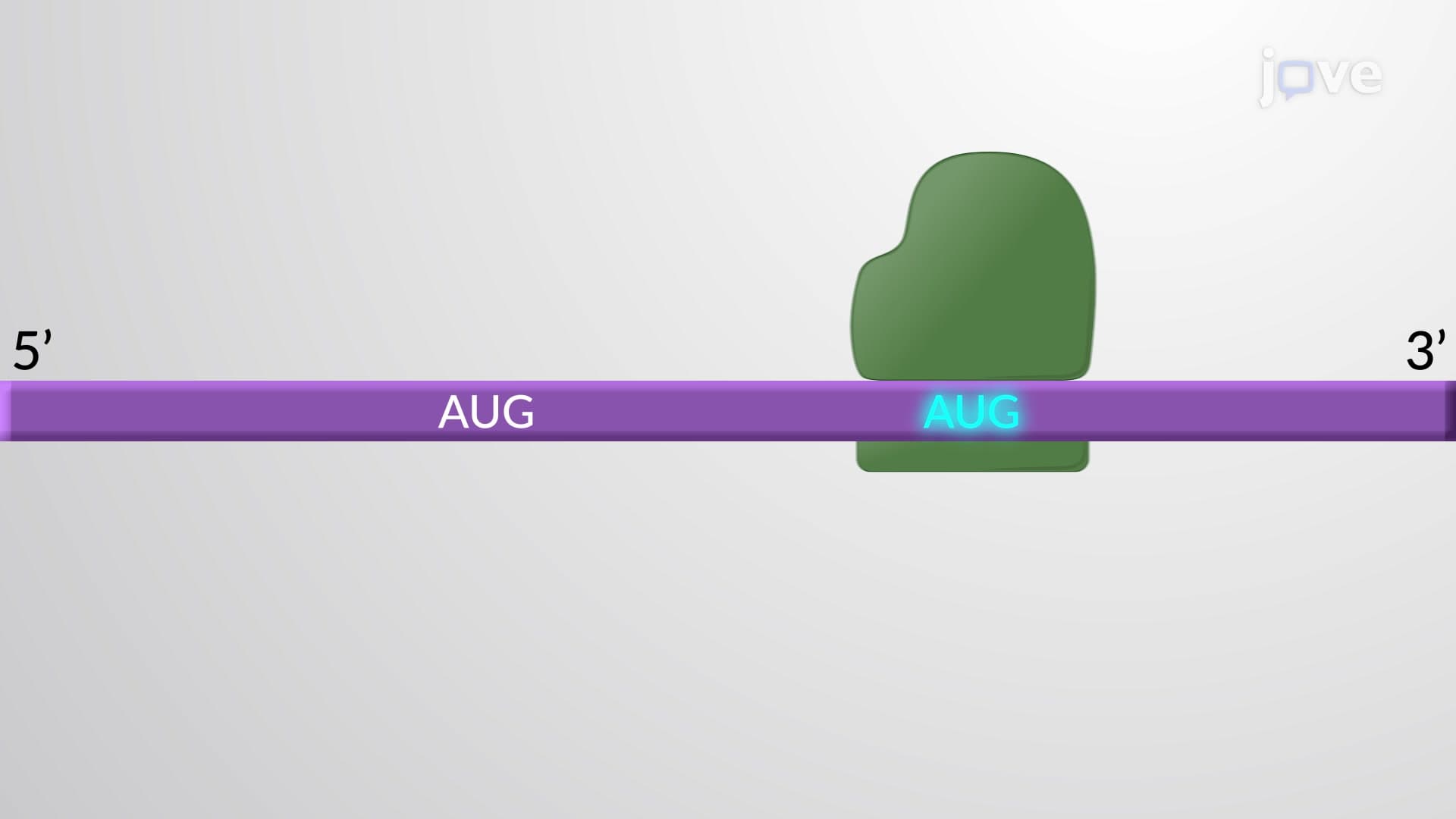
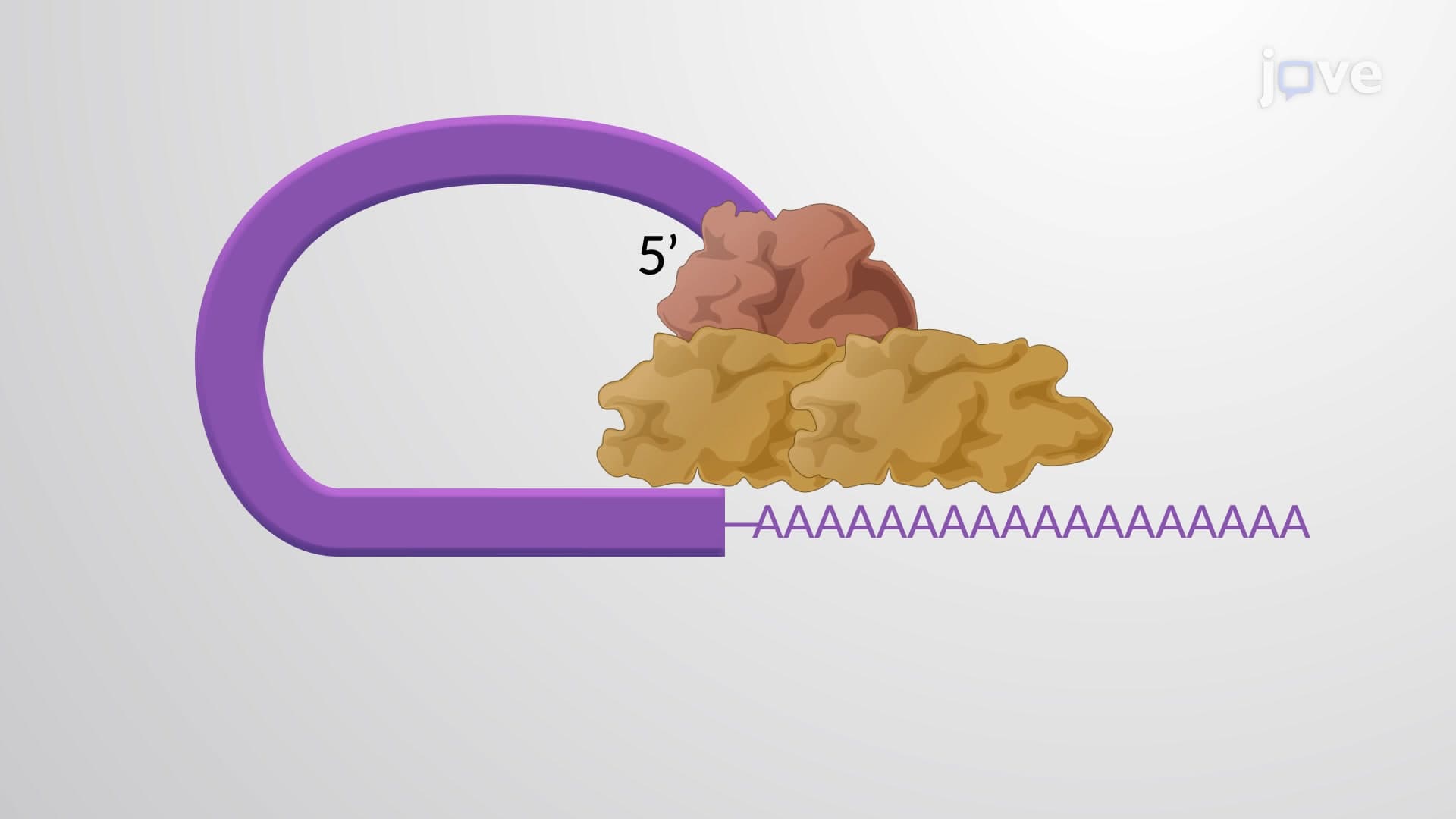
3. Regulated mRNA Localization and Translation Control: Eukaryotic cells precisely control where proteins are synthesized through mRNA localization mechanisms. Cis-acting zip-code sequences in mRNA 3' UTRs interact with trans-acting RNA-binding proteins to form ribonucleoprotein complexes. These complexes are transported along cytoskeletal networks to specific cellular locations before translation begins. Leaky scanning provides additional translational control, where optimal Kozak sequences (purine at -3, guanine at +4 relative to start codon) determine ribosome recognition efficiency, allowing production of protein variants from single transcripts.
4. Small Regulatory RNAs and Gene Silencing: MicroRNAs and siRNAs represent powerful gene regulatory mechanisms discovered through studies in C. elegans and other model organisms. These ~22-nucleotide RNAs guide RISC complexes to complementary mRNA sequences, causing translational repression or mRNA degradation. siRNAs can originate from viral infections, providing antiviral defense, or from repetitive genomic elements, promoting heterochromatin formation. piRNAs (24-32 nucleotides) specifically silence transposable elements in germline cells, preventing genomic instability that could affect future generations through amplification loops involving PIWI proteins.
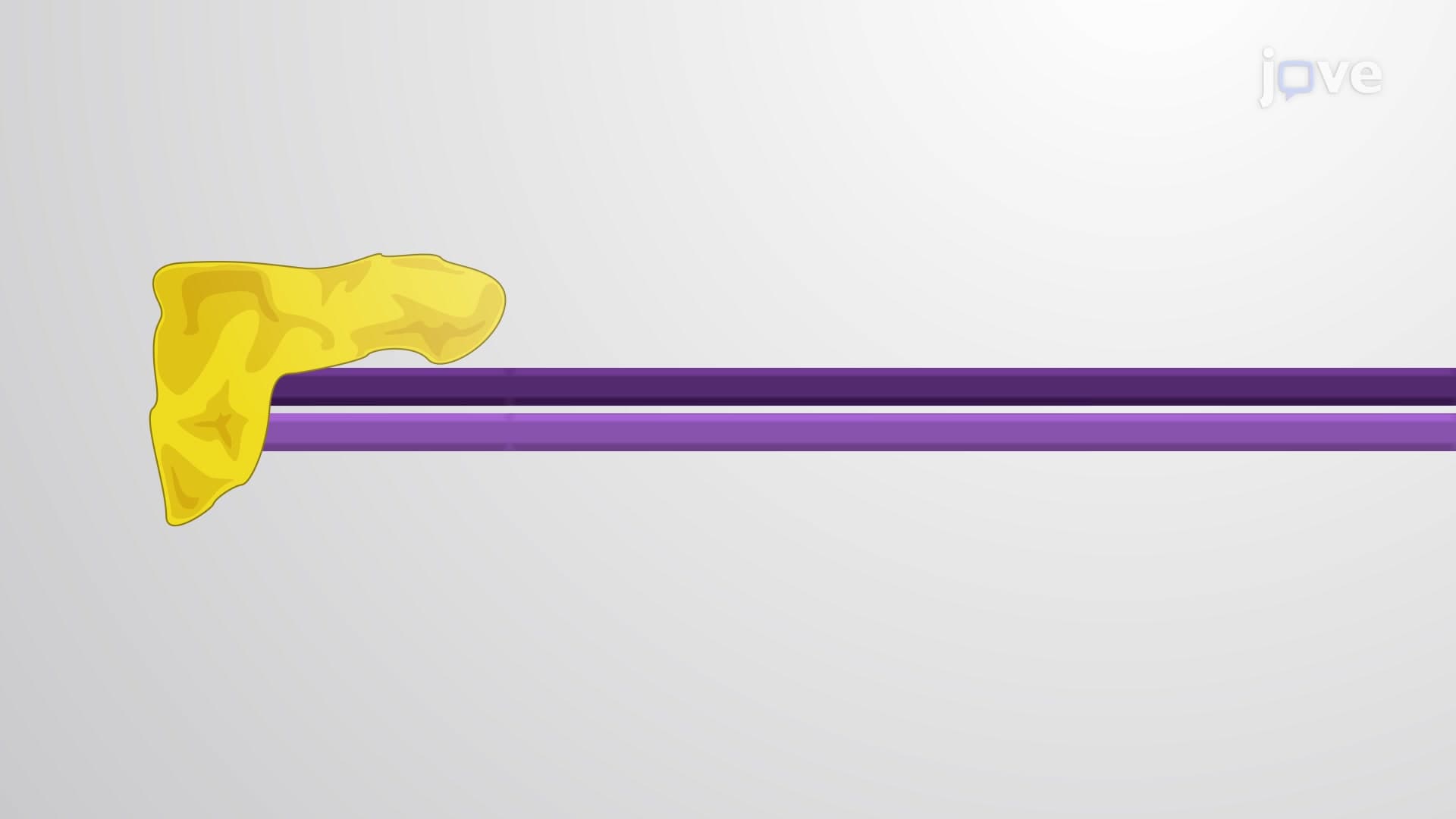
5. RNA Interference Mechanisms and Applications: RNA interference, discovered by Andrew Fire and Craig Mello, has revolutionized molecular biology research and therapeutic development. The pathway involves Dicer processing double-stranded RNA precursors into mature siRNAs or miRNAs, which then associate with Argonaute proteins in RISC complexes. This system is exploited in research for gene knockdown studies and holds therapeutic promise for treating viral infections, cancers, and genetic disorders. Understanding RNAi mechanisms has led to FDA-approved therapies like patisiran for hereditary transthyretin amyloidosis.
6. CRISPR-Cas Systems as Adaptive Immunity: Bacterial CRISPR-Cas systems provide adaptive immunity against bacteriophage infections through a three-step process: spacer acquisition, crRNA processing, and target cleavage. When bacteriophages attack, short DNA segments are incorporated into CRISPR arrays as spacers between palindromic repeats. These regions are transcribed and processed into crRNAs that guide Cas proteins to cleave matching viral DNA during subsequent infections. The programmable nature of this system has been adapted for genome editing applications, with CRISPR-Cas9 becoming a revolutionary tool for research and therapeutic development.
7. Long Non-Coding RNAs in Gene Regulation: Long non-coding RNAs (lncRNAs) over 200 nucleotides regulate gene expression through diverse mechanisms including scaffolding protein complexes, guiding chromatin-modifying enzymes, and sequestering regulatory molecules. Their rapid nuclear synthesis allows immediate responses to cellular signals. lncRNAs can act as molecular sponges, binding microRNAs to prevent their interaction with target mRNAs, or base-pair directly with complementary mRNA regions to affect splicing or translation. Emerging research links lncRNA dysregulation to cancer, neurological diseases, and developmental disorders.
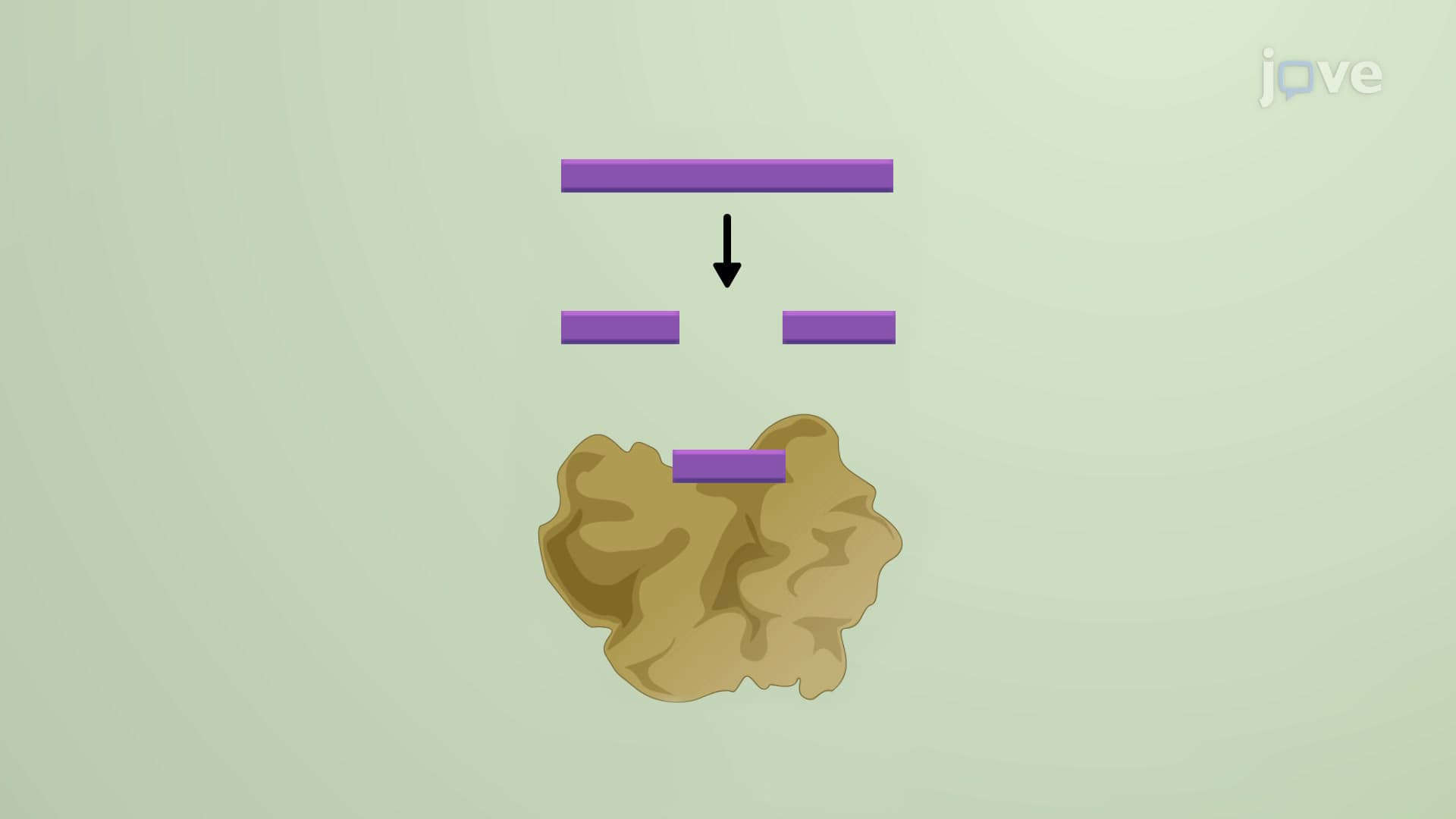
8. Catalytic RNA and Ribozymes: Ribozymes demonstrate RNA's catalytic capabilities, challenging the traditional protein-enzyme paradigm. Group I and II introns self-splice without protein assistance, while the 23S ribosomal RNA catalyzes peptide bond formation during protein synthesis. Small ribozymes like hammerhead structures in plant viruses undergo self-cleavage to process viral genomes. RNase P processes tRNA precursors in bacteria. These naturally occurring ribozymes primarily catalyze phosphoryl transfer reactions, though laboratory-synthesized ribozymes can perform diverse chemical transformations, supporting RNA World hypothesis theories about early life evolution.