Loading concepts…


10 Concepts
11 Concepts
11 Concepts
17 Concepts
20 Concepts
16 Concepts
16 Concepts
21 Concepts
11 Concepts
15 Concepts
14 Concepts
21 Concepts
8 Concepts
15 Concepts
17 Concepts
19 Concepts
11 Concepts
18 Concepts
6 Concepts
21 Concepts
 16 Concepts
 268.6K Views
 Popular topics
DNA repair mechanisms are essential cellular processes that maintain genomic integrity by correcting various types of DNA damage. This comprehensive course explores critical repair pathways including base excision repair, nucleotide excision repair, and homologous recombination, alongside genetic recombination processes like transposition. Students will analyze real-world applications from cancer biology to evolutionary genetics through JoVE Coach's interactive learning platform.
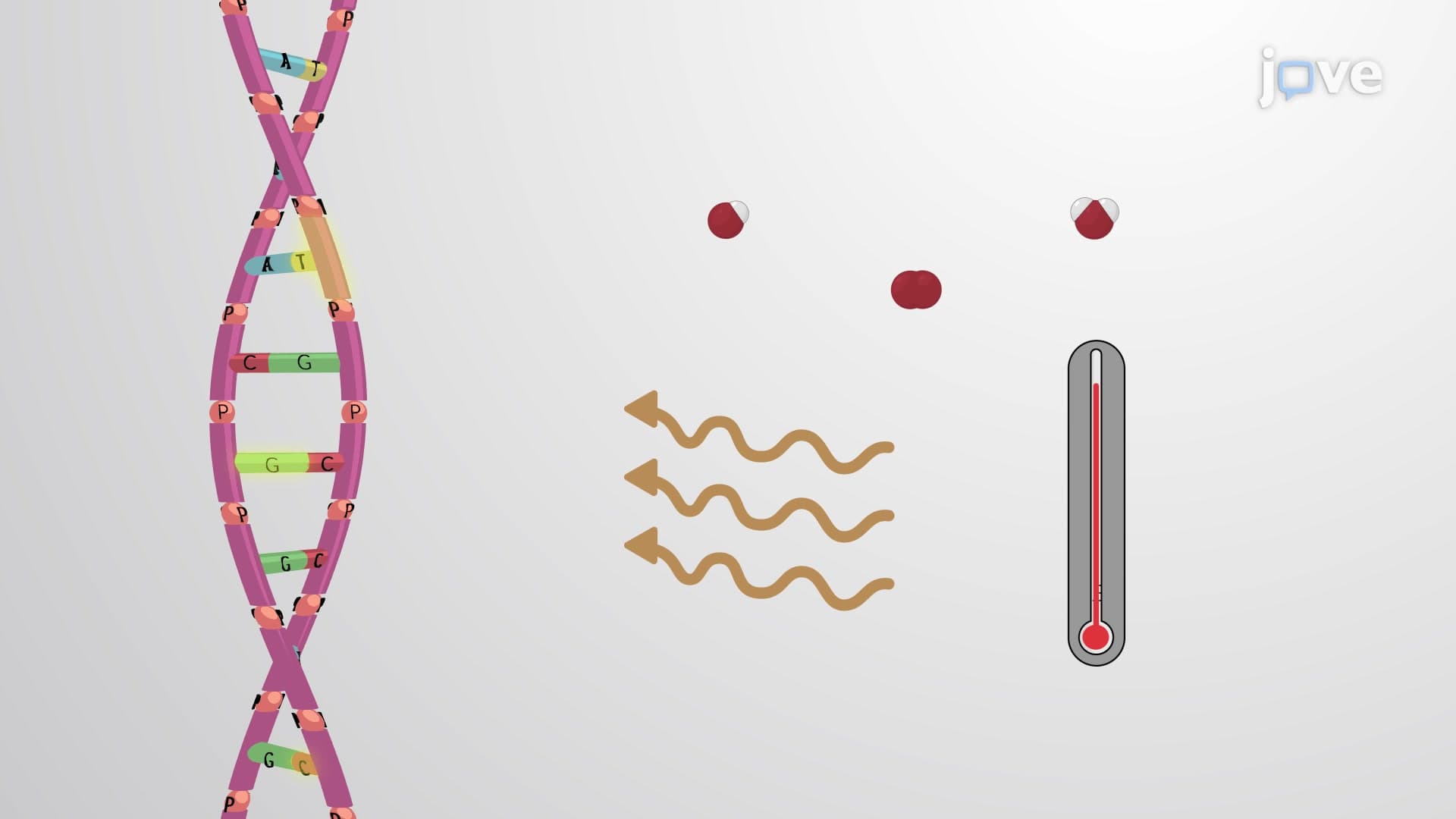
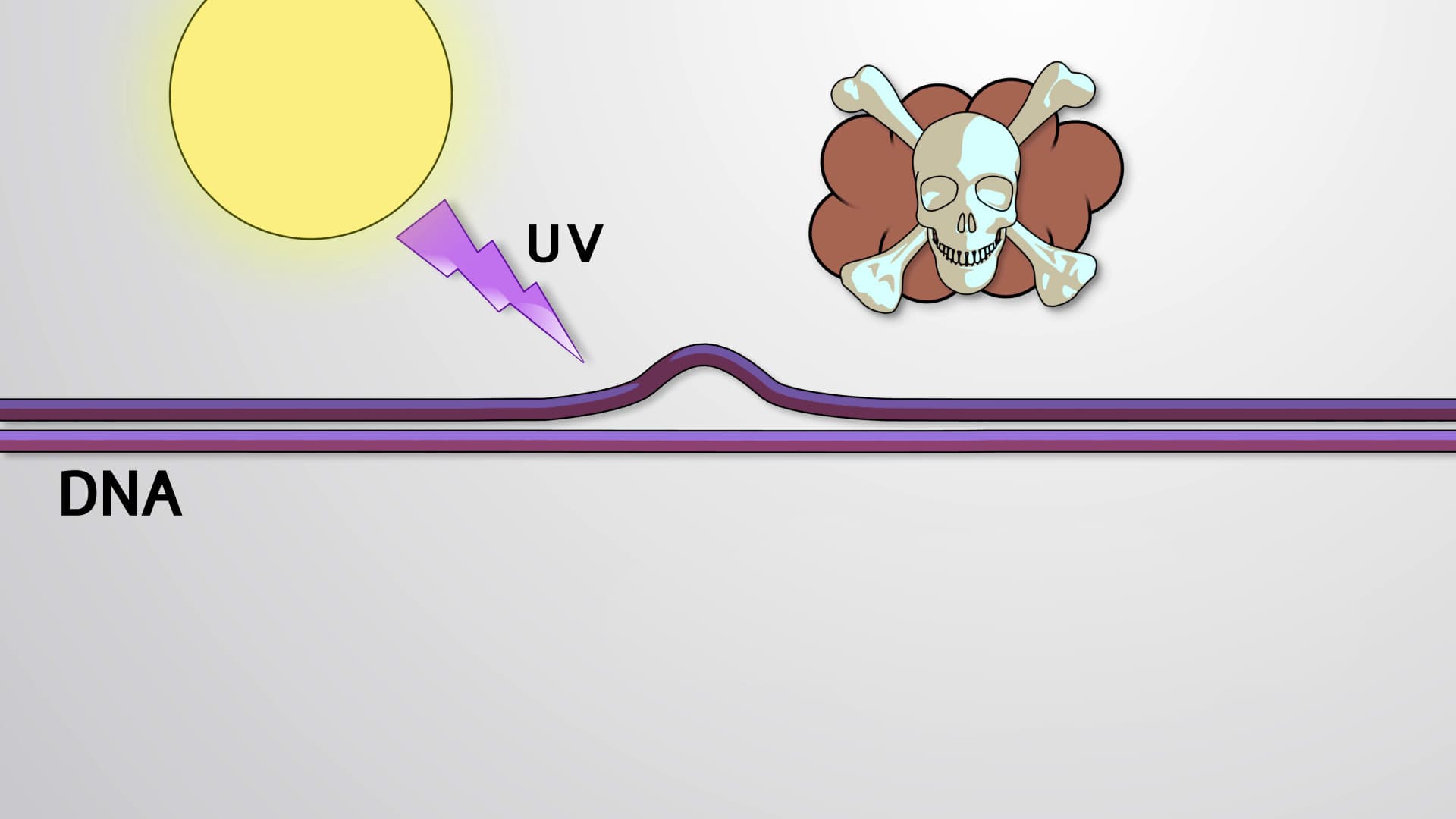
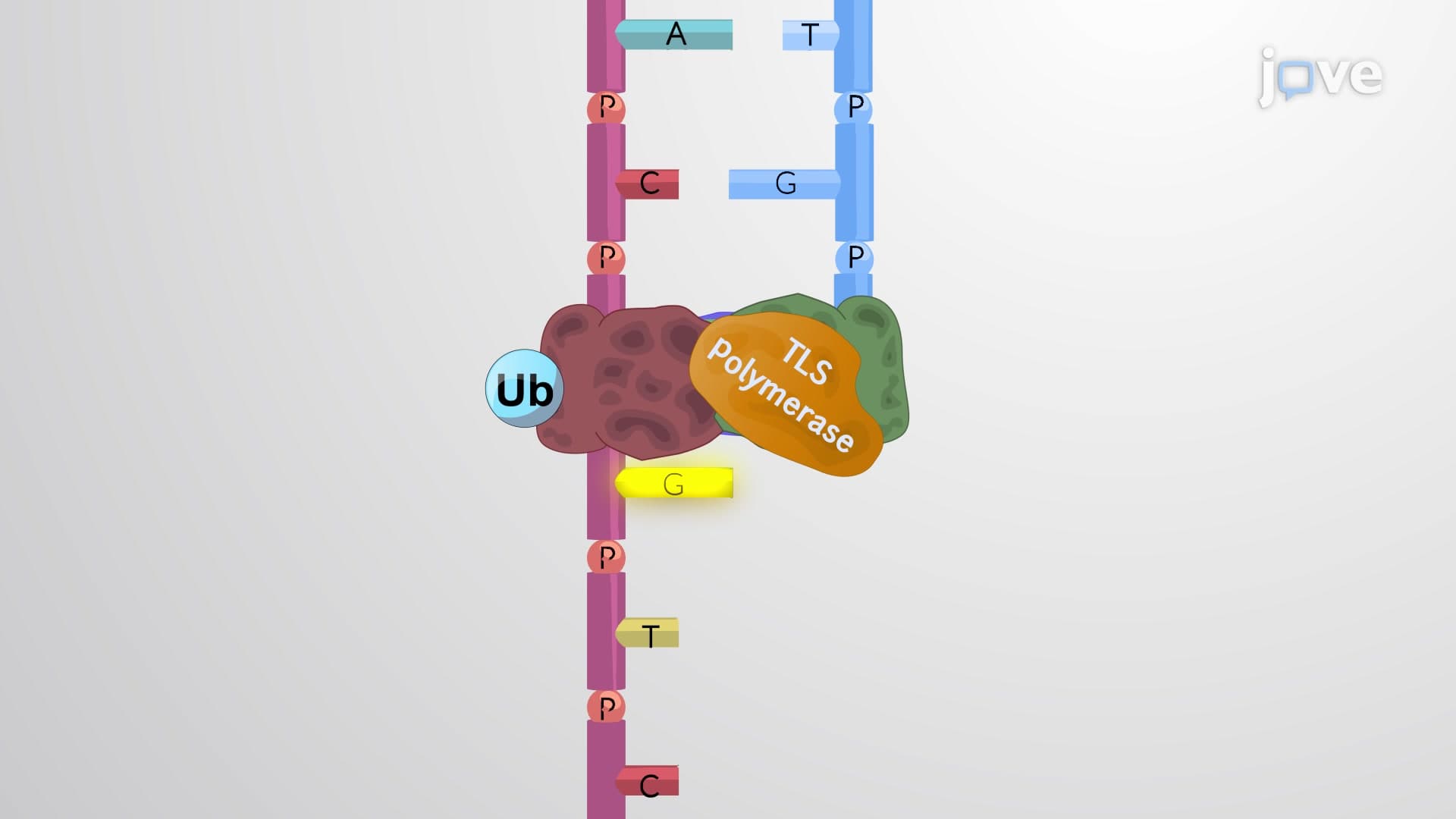
1. Types of DNA Damage and Cellular Responses Cells constantly face DNA damage from environmental factors like UV radiation, chemical mutagens, and normal metabolic processes. Spontaneous damage includes cytosine deamination converting to uracil, depurination creating abasic sites, and oxidative damage from cellular respiration. The double-stranded nature of DNA provides redundancy, allowing one strand to serve as a template for repairing damage in the complementary strand. Understanding these damage types is crucial for comprehending diseases like skin cancer from UV exposure and age-related cellular dysfunction.
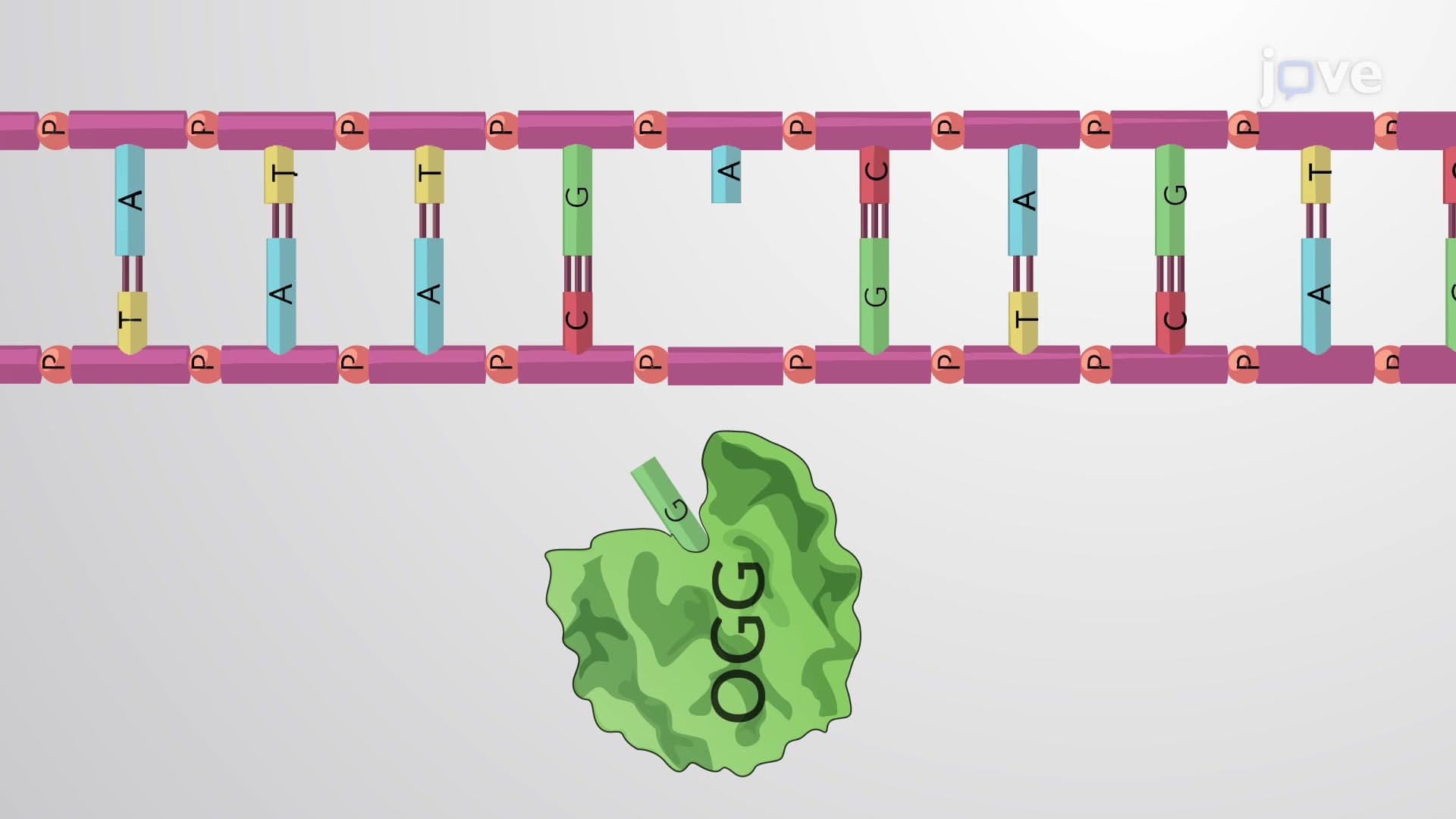
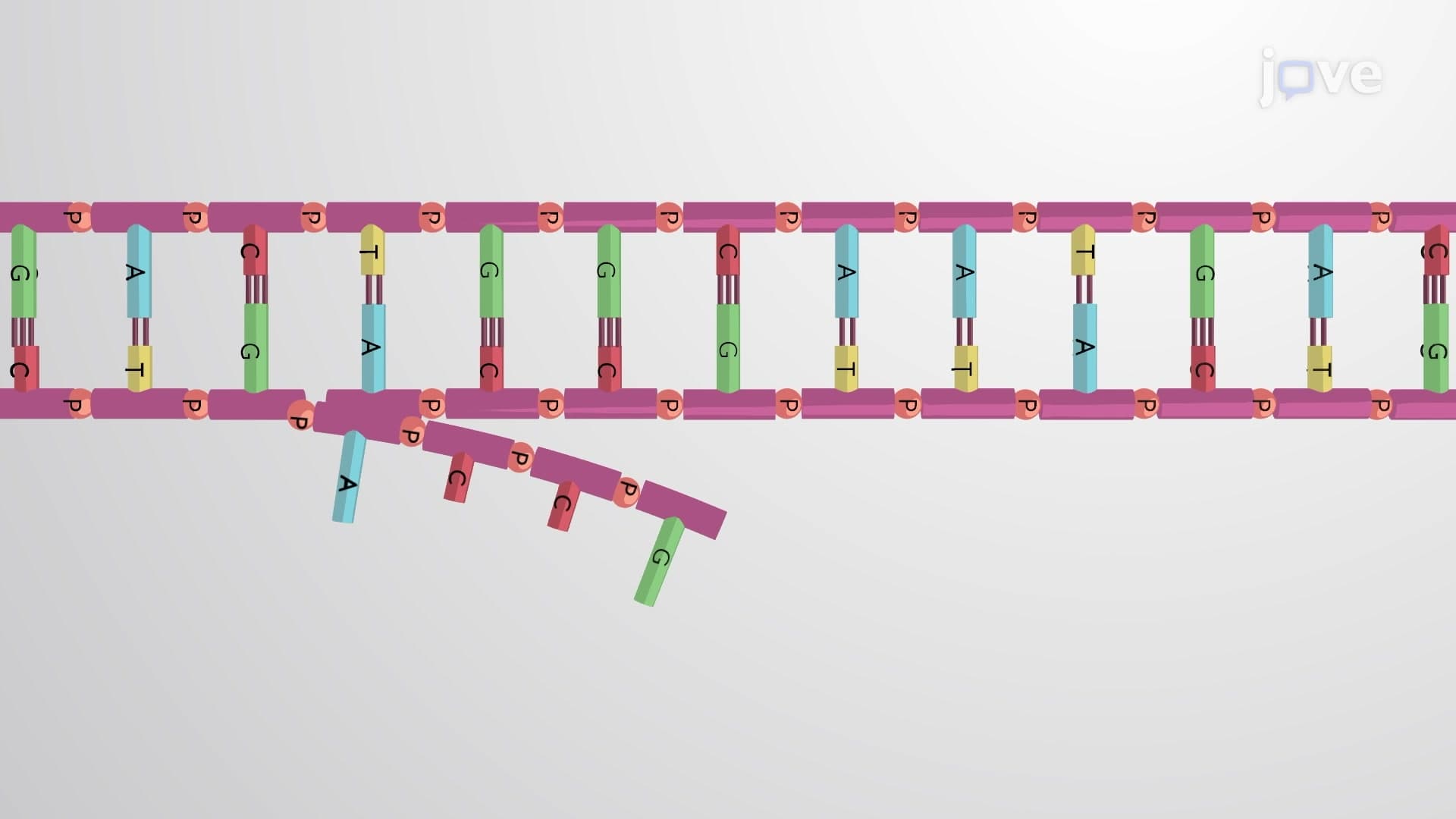
2. Base Excision Repair (BER) Pathways Base excision repair corrects small, non-helix-distorting lesions through a coordinated enzyme cascade. DNA glycosylases recognize and remove damaged bases, creating abasic sites that AP endonuclease processes by cleaving the sugar-phosphate backbone. DNA polymerase fills the gap using the complementary strand as template, while DNA ligase seals the nick. Long-patch BER removes several nucleotides and involves PCNA and FEN1 endonuclease. Defects in BER contribute to colorectal cancer and neurodegenerative diseases, making this pathway medically significant.
3. Nucleotide Excision Repair and Disease Connections Nucleotide excision repair removes bulky, helix-distorting lesions like thymine dimers caused by UV radiation and chemical adducts from carcinogens. The process involves damage recognition, local DNA unwinding by helicases, dual incision by endonucleases, gap filling, and ligation. Patients with xeroderma pigmentosum have defective NER genes, leading to extreme UV sensitivity and high skin cancer rates. This connection demonstrates how DNA repair defects directly cause human disease, particularly relevant in sunny regions of the United States.
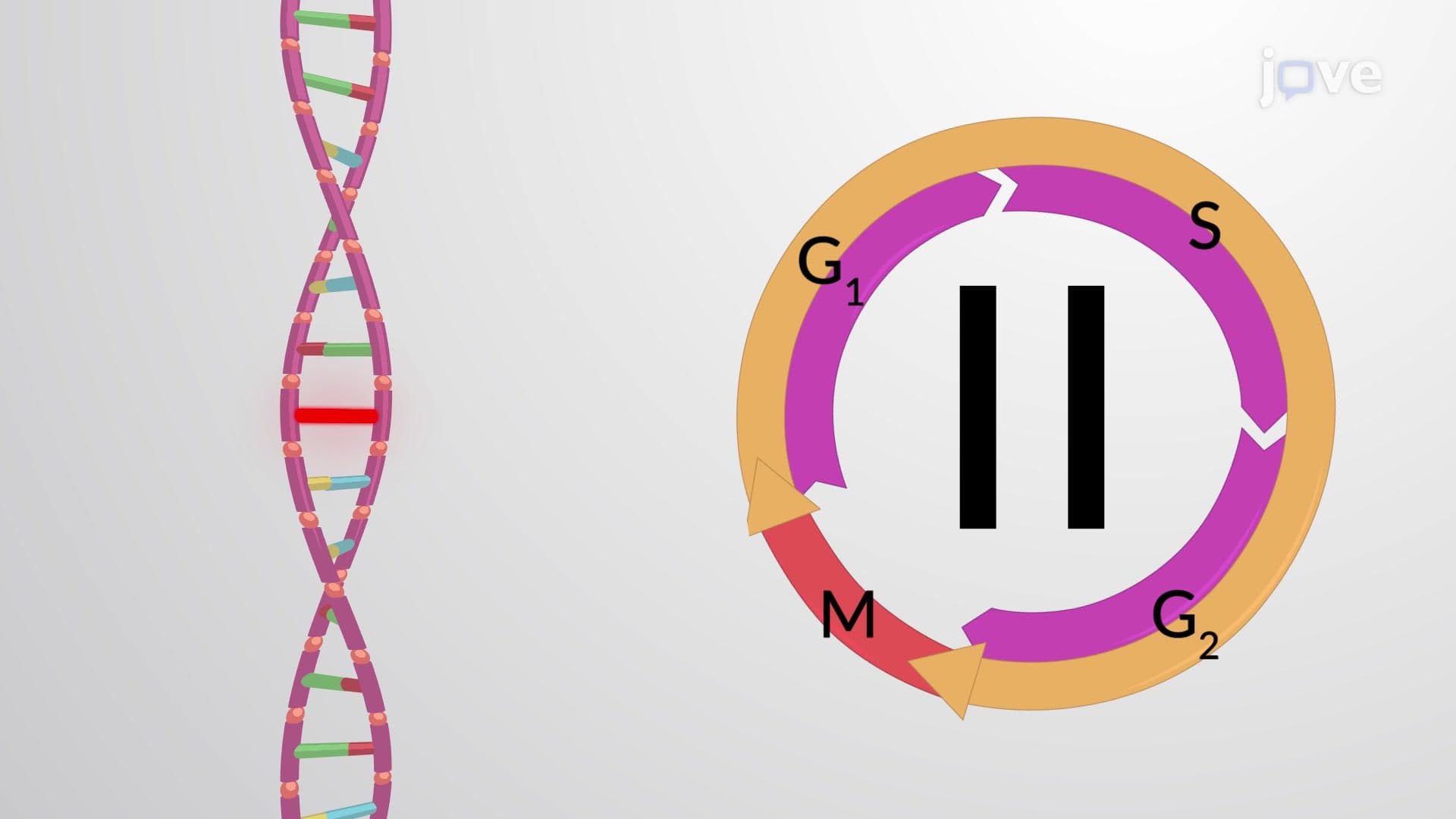
4. DNA Damage Checkpoints and Cell Cycle Control Cells monitor DNA integrity through checkpoint mechanisms involving ATM and ATR kinases that detect double-strand breaks and replication fork stalling, respectively. These kinases phosphorylate downstream targets including Chk1, Chk2, and p53, ultimately preventing cell cycle progression until damage is repaired. The p53 pathway, often called the "guardian of the genome," can trigger cell death if damage is irreparable. Mutations in these checkpoint genes, particularly p53, are found in over 50% of human cancers, highlighting their critical role in preventing malignant transformation.
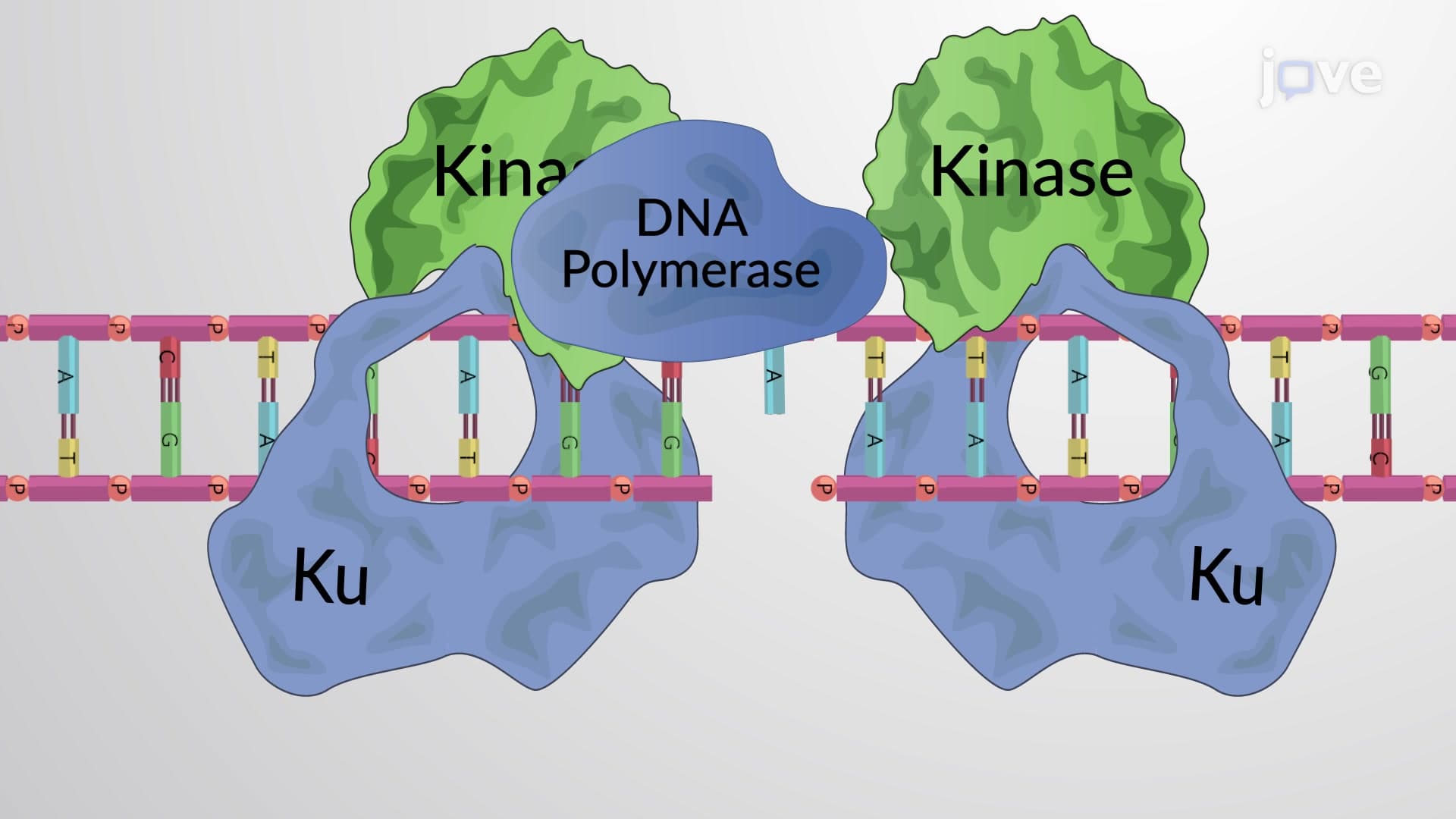
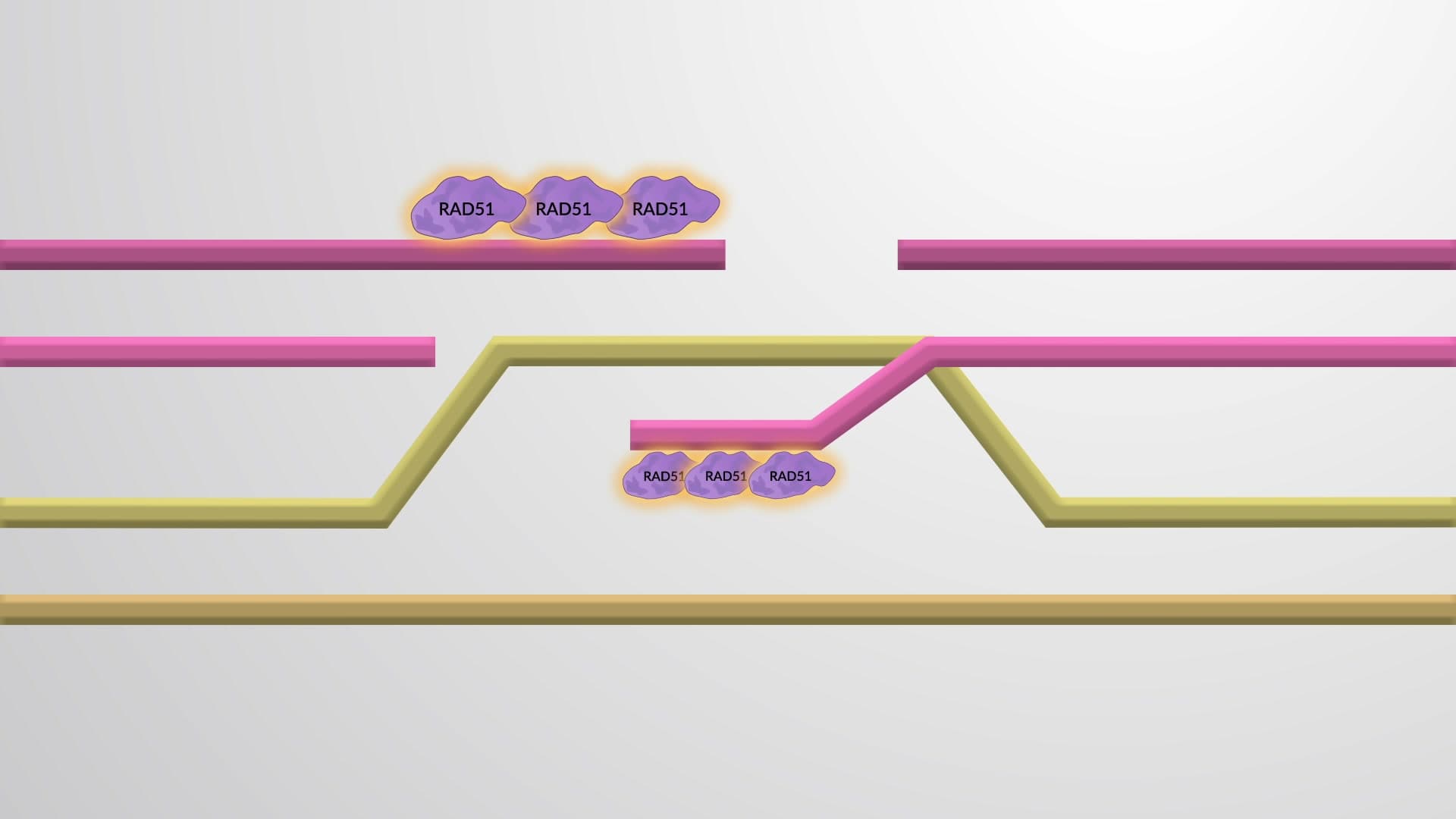
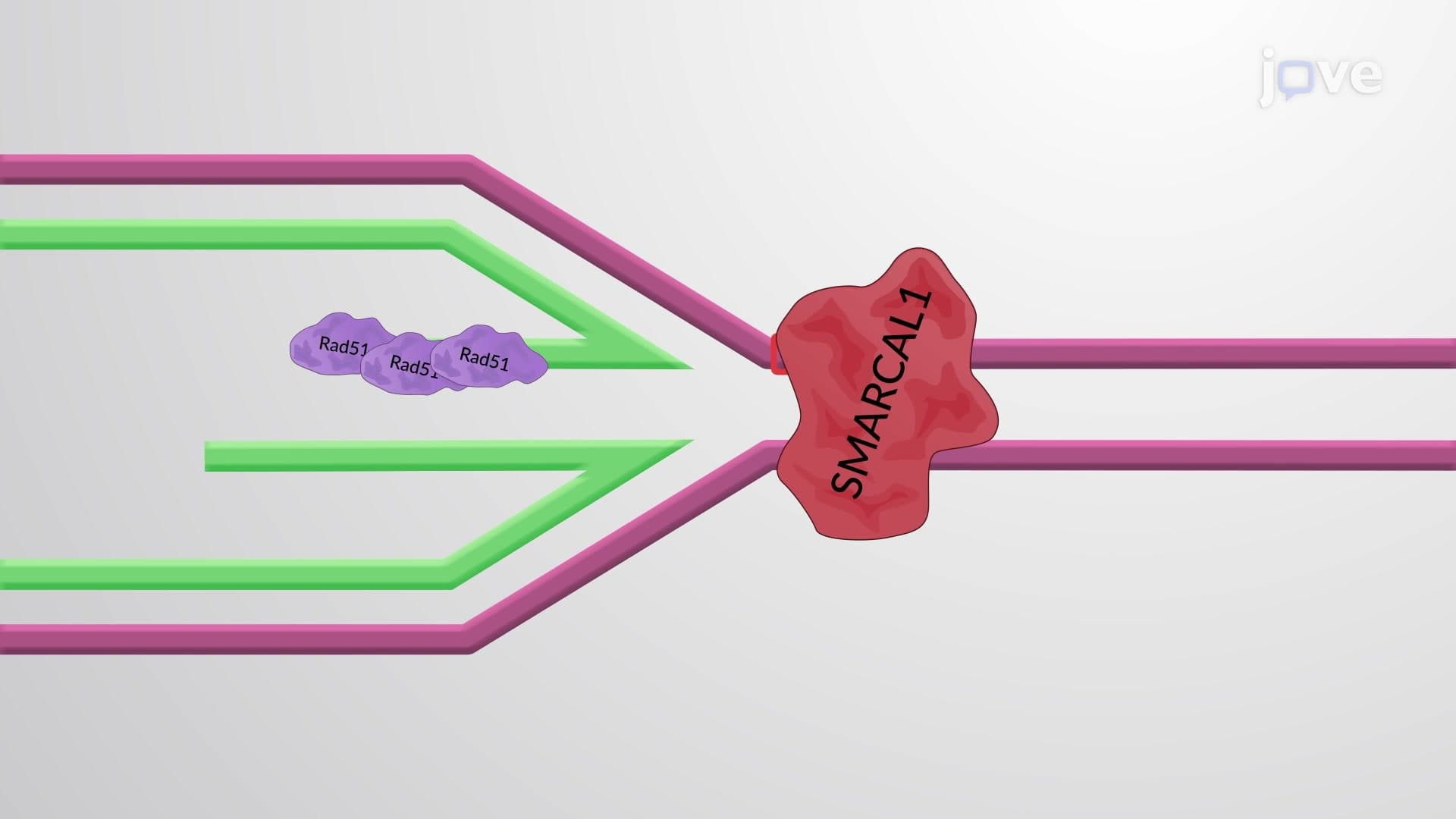
5. Homologous Recombination in DNA Repair Homologous recombination accurately repairs double-strand breaks using sister chromatids as templates. The process begins with end resection by MRN complex, followed by Rad51 filament formation and strand invasion. This creates displacement loops and Holliday junctions that are resolved to restore intact chromosomes. Defects in homologous recombination genes like BRCA1 and BRCA2 dramatically increase breast and ovarian cancer risk, leading to preventive surgeries and targeted therapies. Understanding this pathway is essential for genetic counseling and personalized cancer treatment approaches.
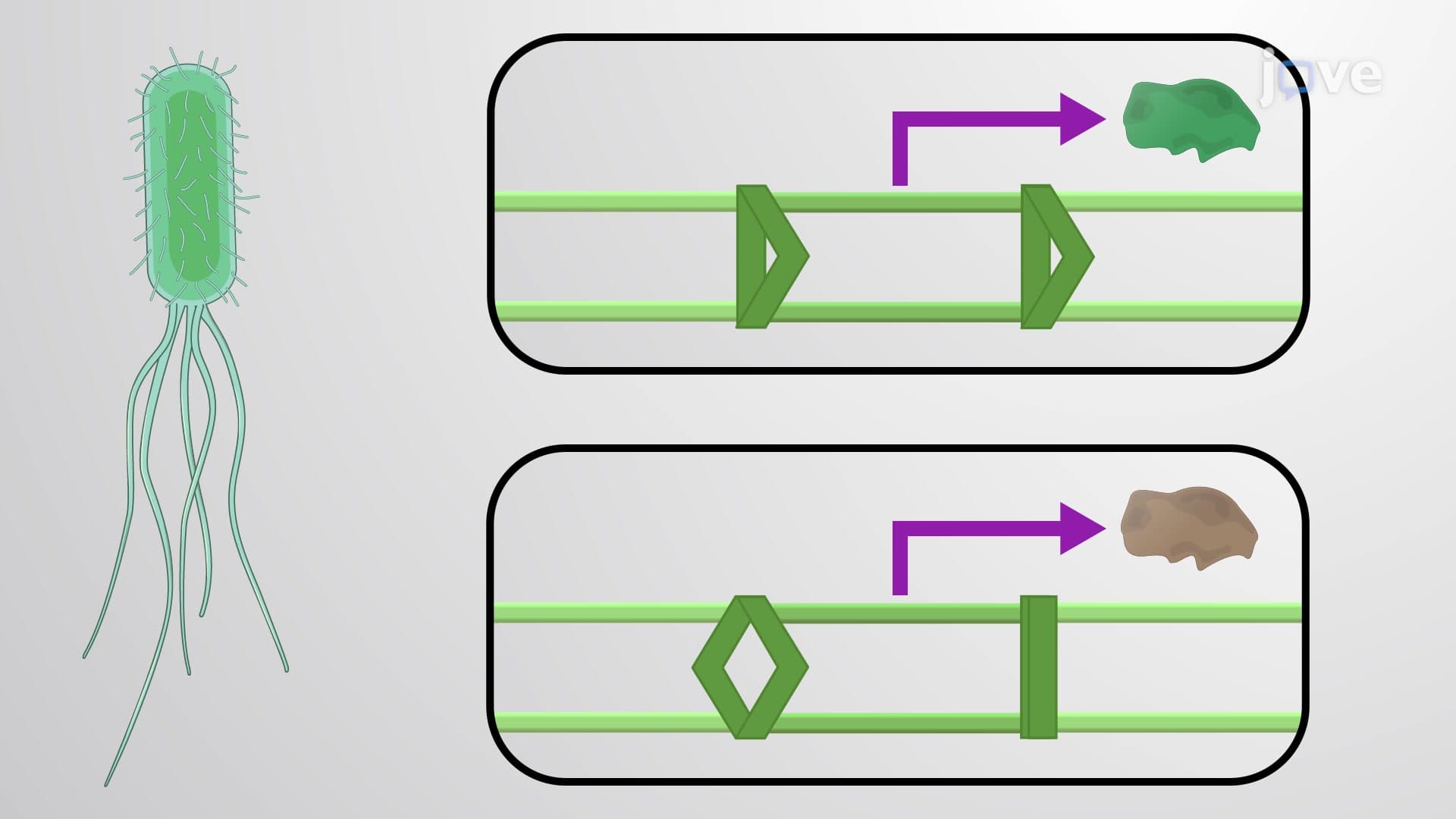
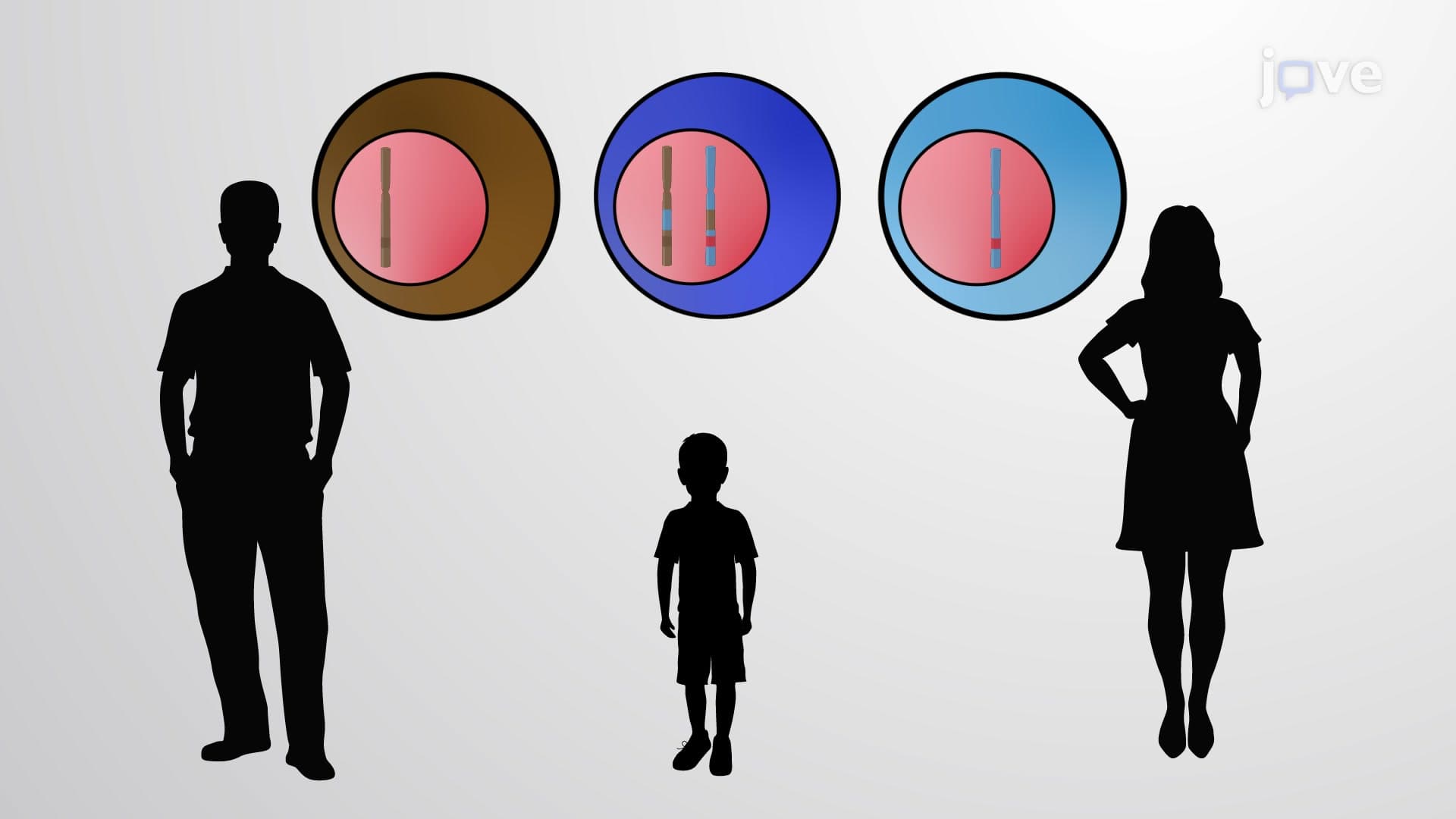
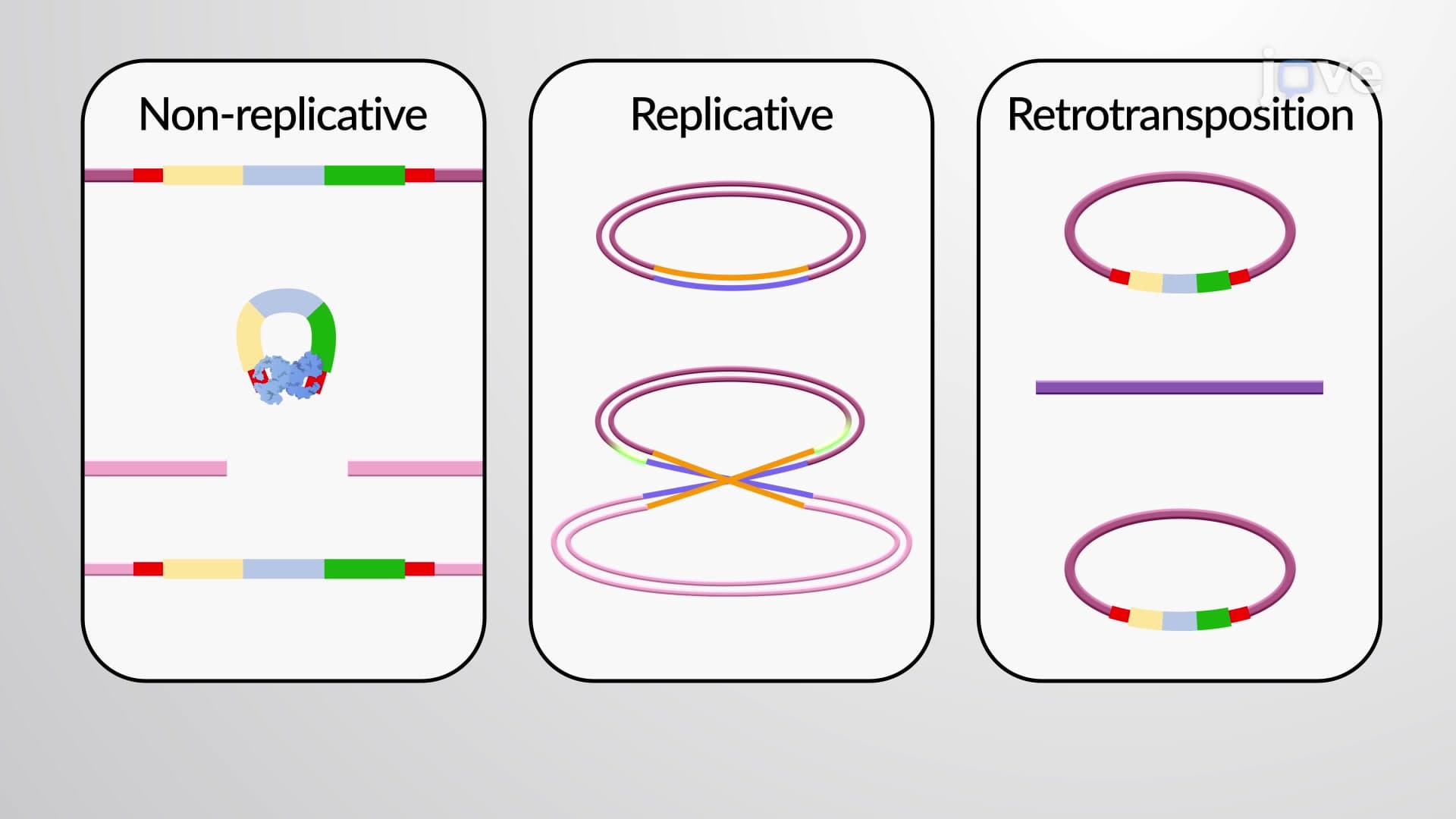
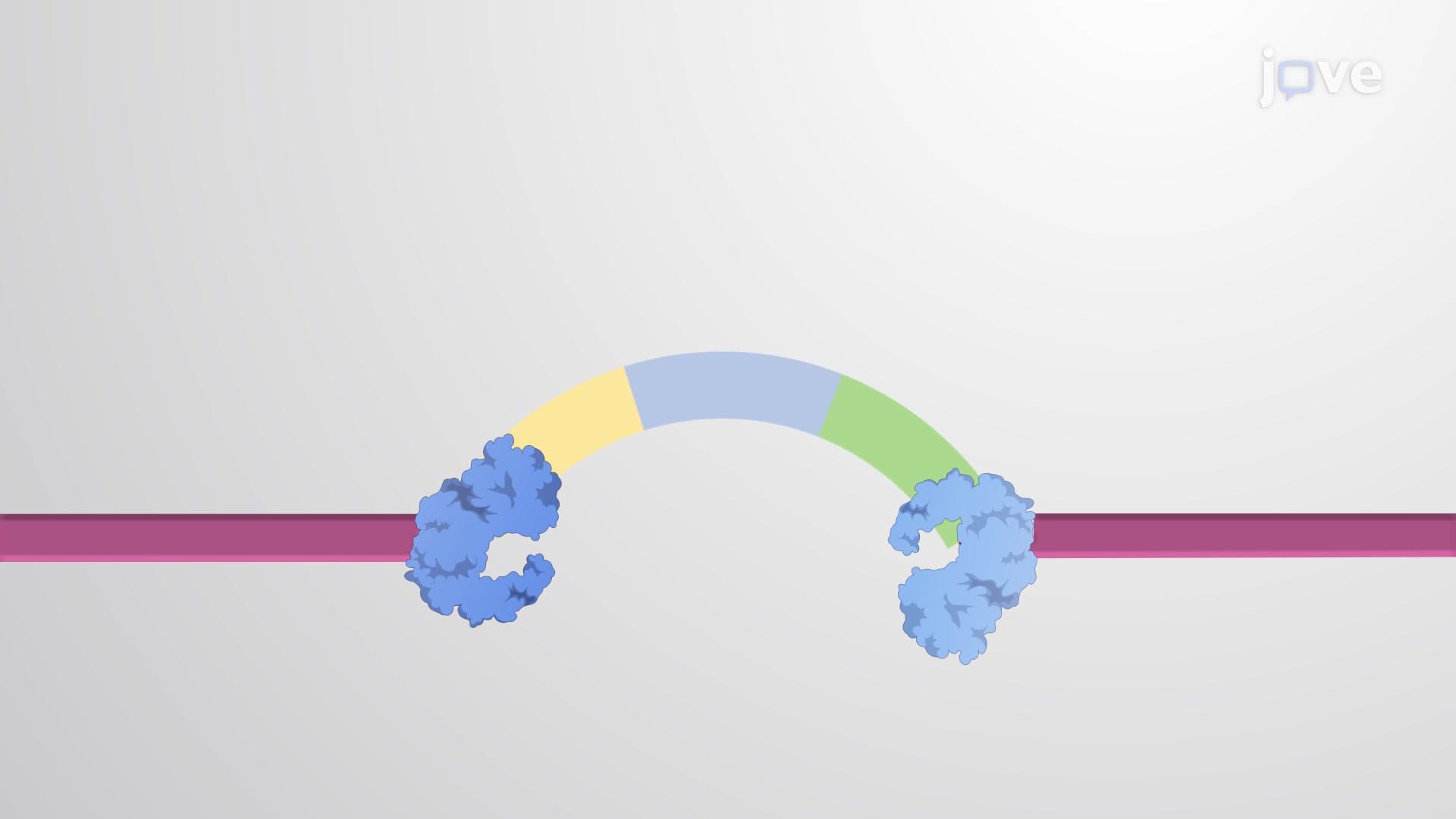
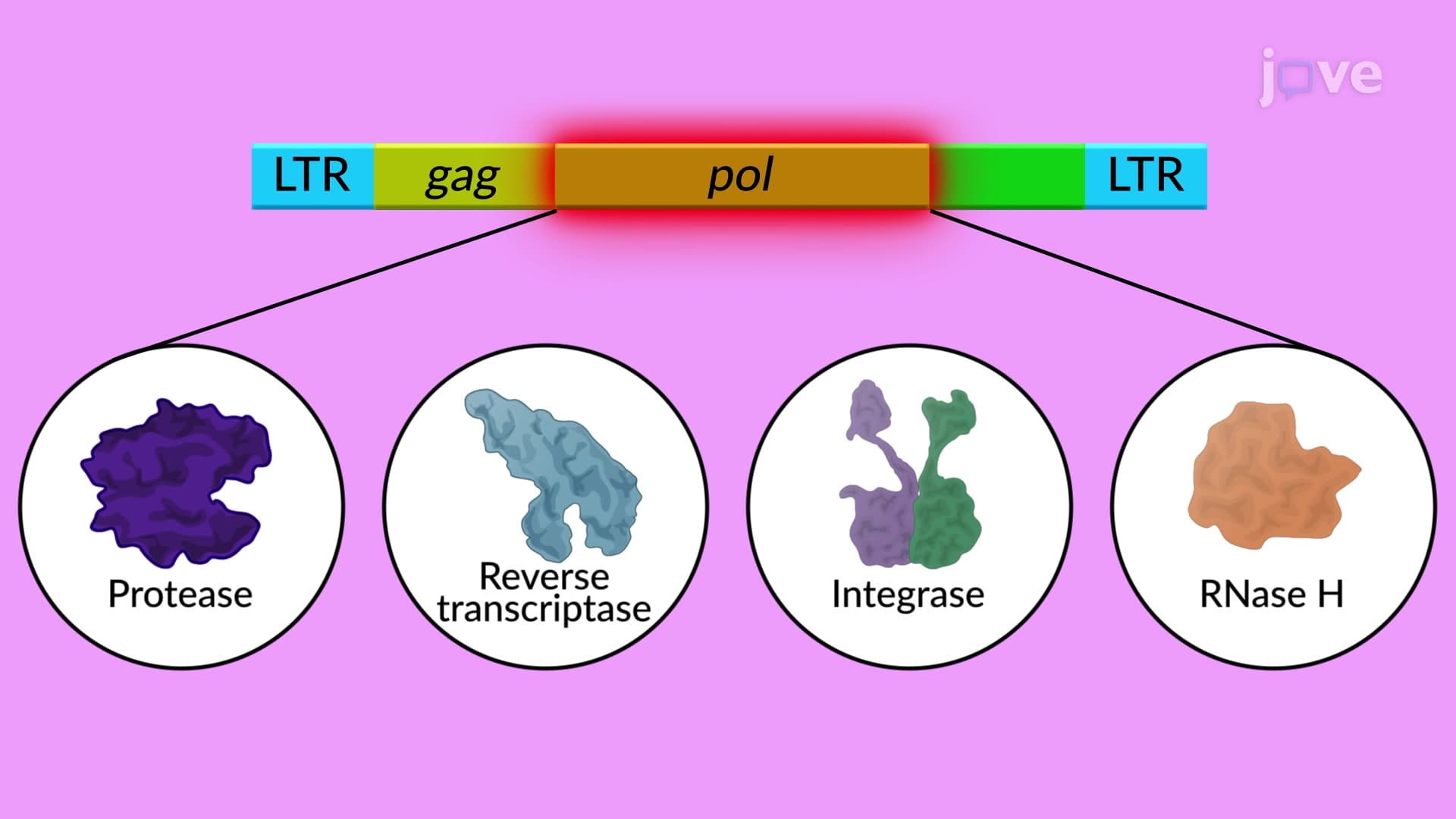
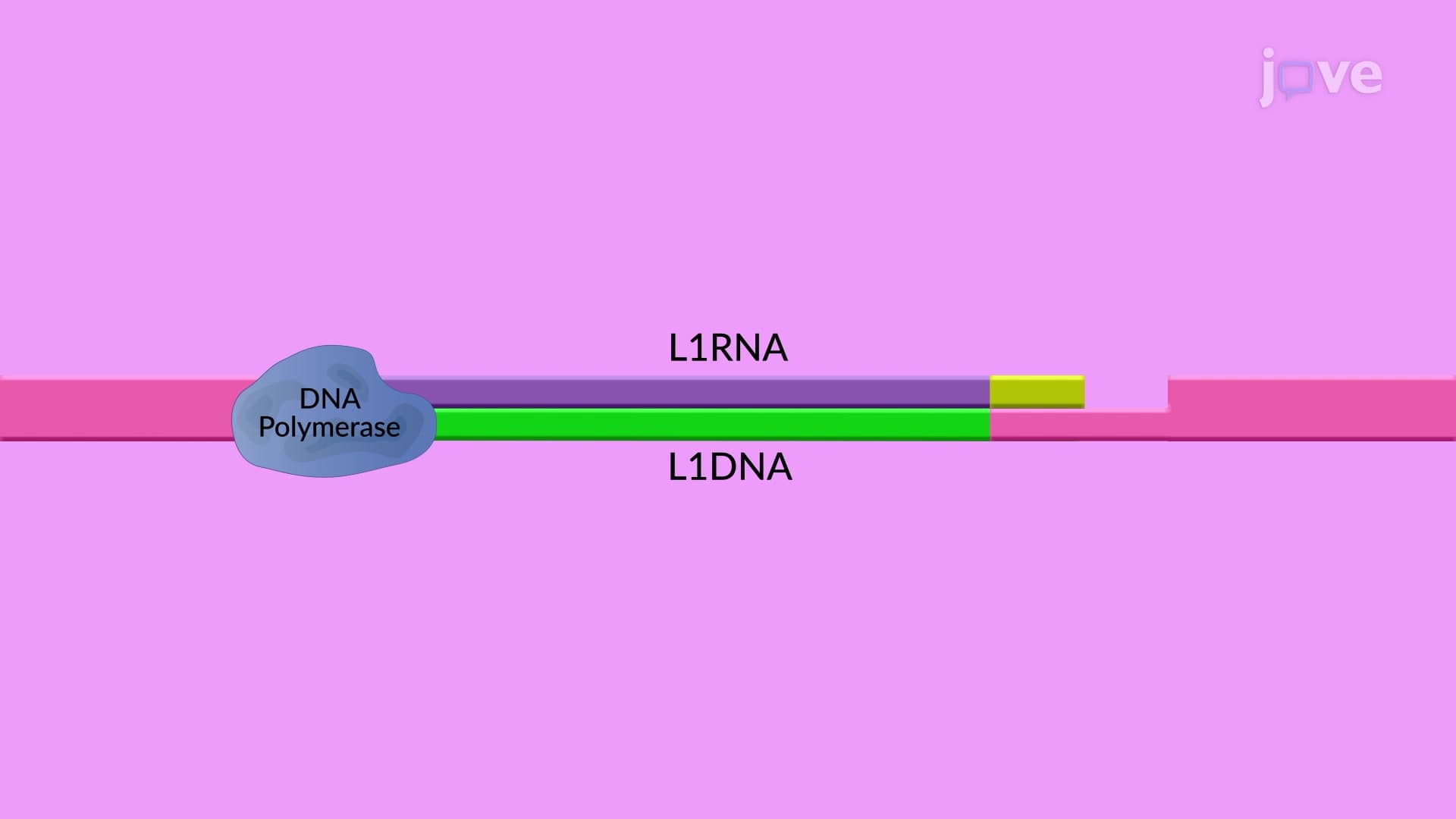
6. Transposable Elements and Genome Evolution Transposable elements comprise significant portions of eukaryotic genomes (44% of human genome) and move through cut-and-paste or copy-and-paste mechanisms. DNA transposons use transposase enzymes and terminal inverted repeats for movement, while retrotransposons employ reverse transcription. These elements can disrupt gene function, create new regulatory sequences, or provide raw material for evolution. Transposon activity contributes to genetic diversity but also causes disease when insertions disrupt essential genes, demonstrating the double-edged nature of genomic plasticity.