Loading subject page…


10 Concepts
11 Concepts
11 Concepts
17 Concepts
20 Concepts
16 Concepts
16 Concepts
21 Concepts
11 Concepts
15 Concepts
14 Concepts
21 Concepts
8 Concepts
15 Concepts
17 Concepts
19 Concepts
11 Concepts
18 Concepts
6 Concepts
21 Concepts
 11 Concepts
 236.9K Views
 Popular topics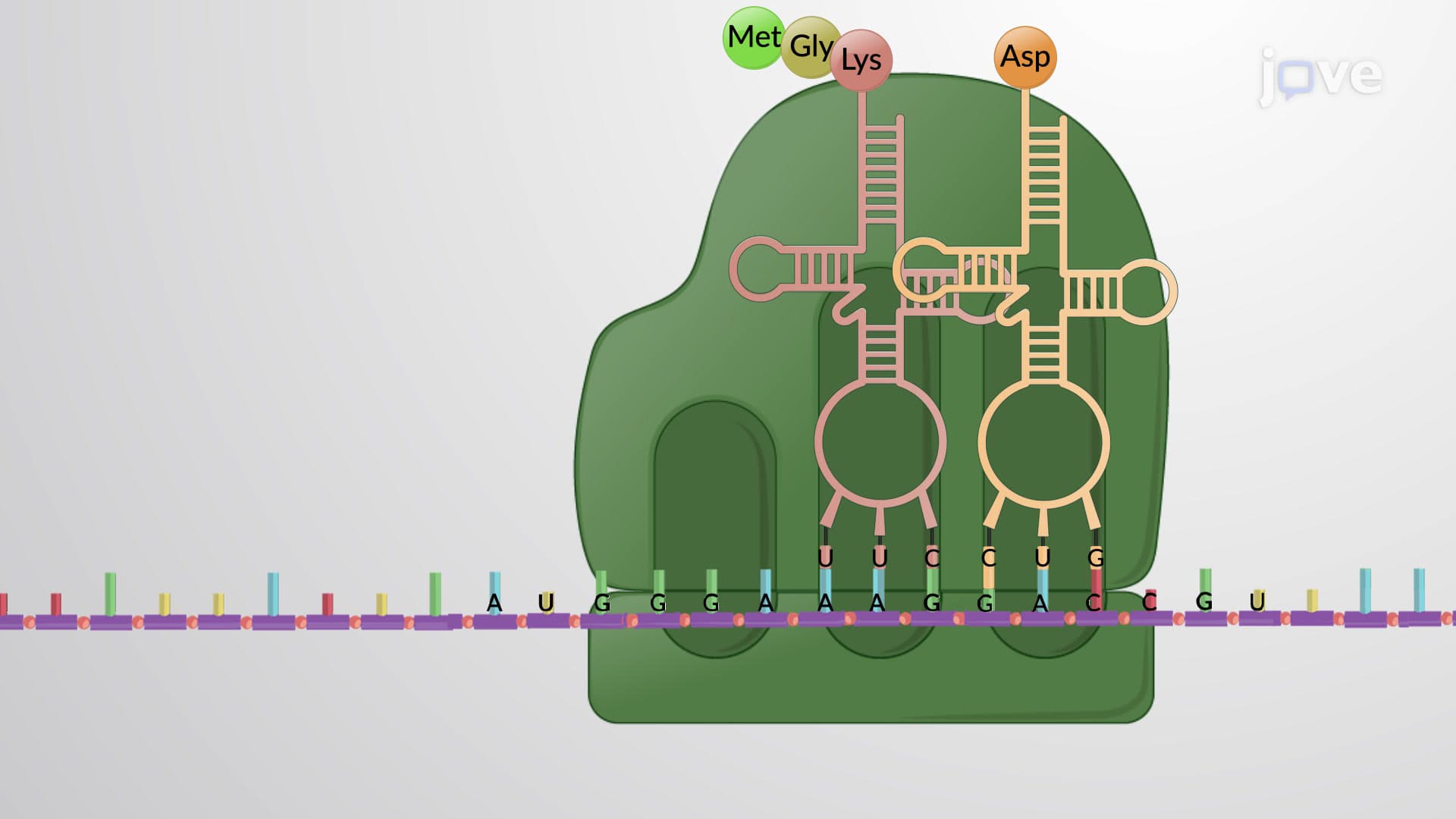





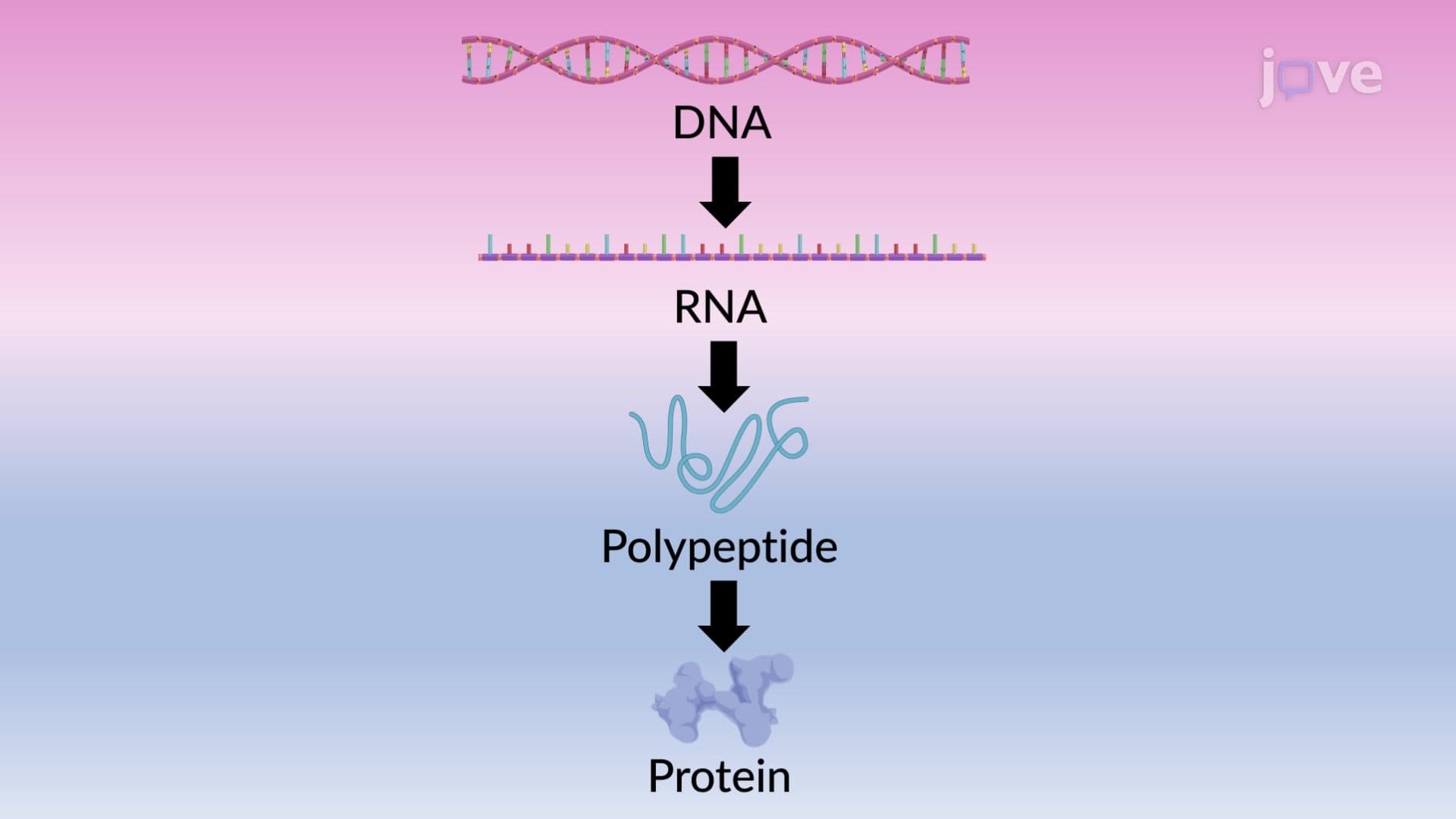
Translation: RNA to protein is the fundamental cellular process where ribosomes decode messenger RNA sequences to synthesize proteins. This sophisticated mechanism involves precise coordination between mRNA, transfer RNA, and ribosomal machinery to convert genetic information into functional polypeptides. Understanding protein synthesis ribosomes is crucial for students pursuing careers in medicine, biotechnology, and molecular research. JoVE Coach provides comprehensive coverage of this essential biological process with applications to US medical education and research.
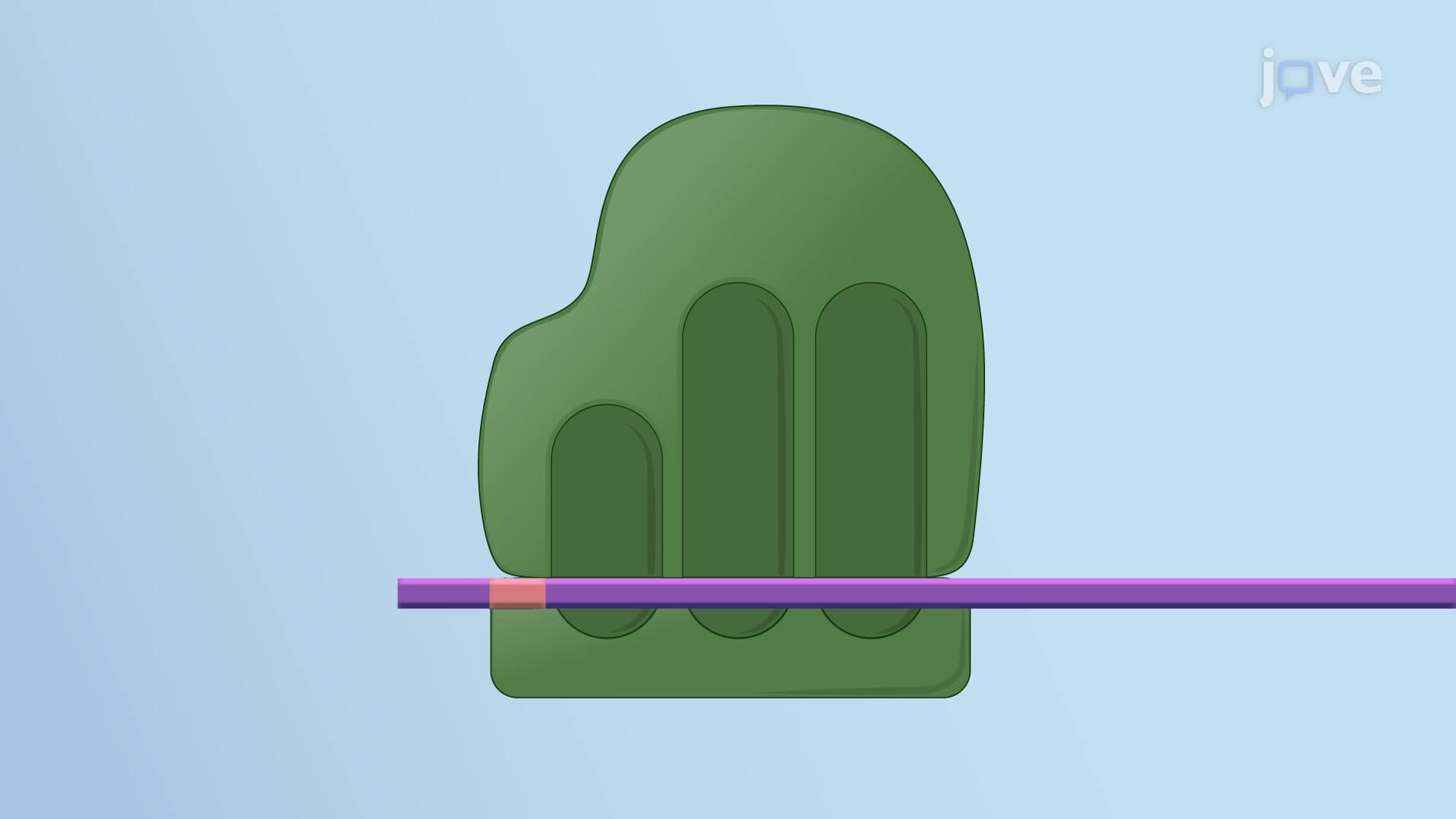
1. Translation Machinery and Ribosome Structure Ribosomes are sophisticated molecular machines consisting of large and small subunits composed of ribosomal RNA and proteins. The small subunit reads mRNA sequences while the large subunit catalyzes peptide bond formation. In humans, ribosomes can be free-floating in the cytoplasm or bound to the endoplasmic reticulum, forming rough ER essential for protein secretion. This knowledge applies directly to understanding how pharmaceutical companies develop antibiotics that specifically target bacterial ribosomes without affecting human protein synthesis, such as streptomycin and chloramphenicol used in US hospitals.
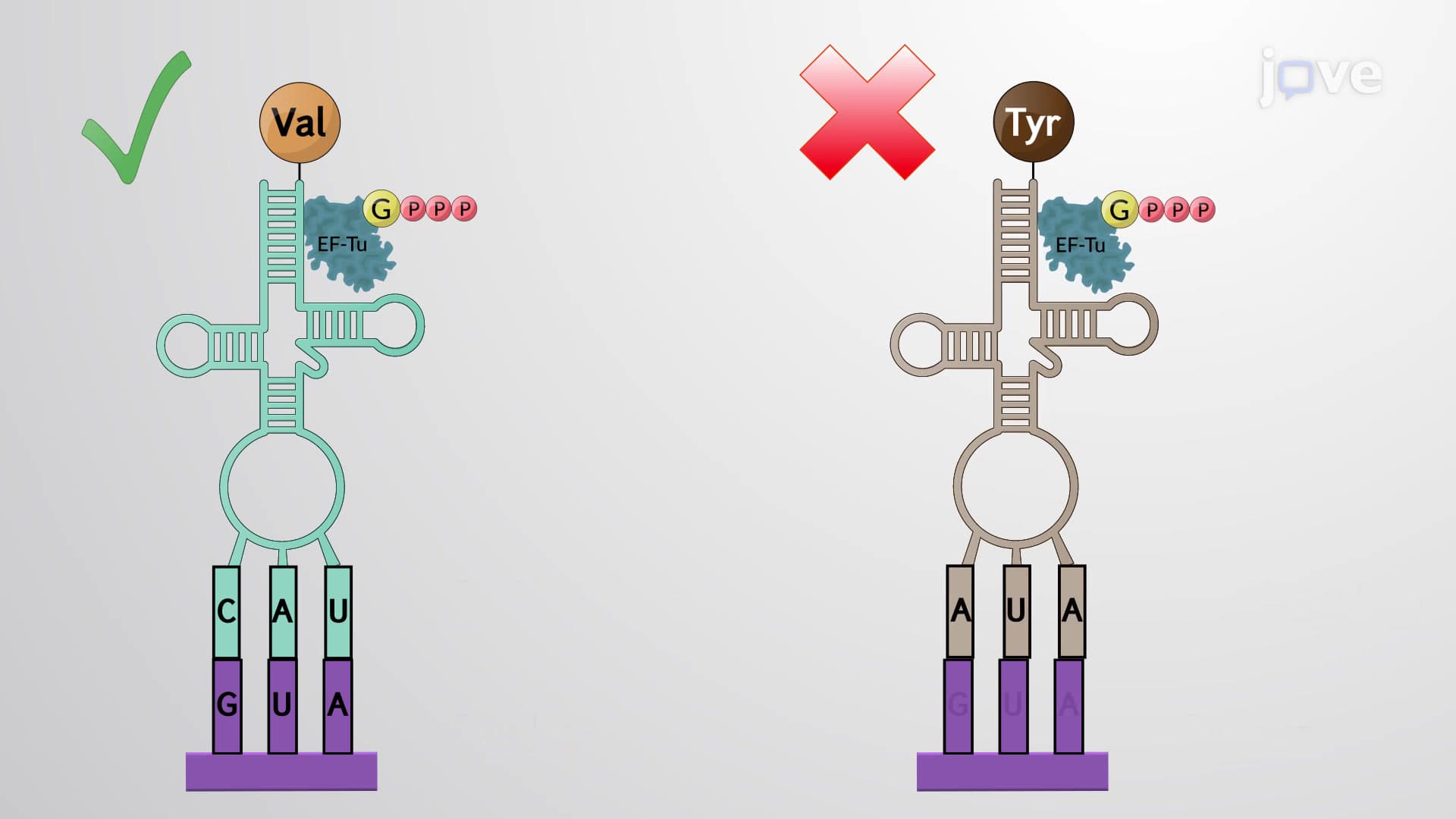
2. tRNA Activation and Aminoacyl-tRNA Synthetases Transfer RNA molecules must be charged with their corresponding amino acids through aminoacyl-tRNA synthetases. These enzymes use a two-step mechanism involving ATP to activate amino acids and attach them to specific tRNA molecules. The wobble base pairing at the third codon position allows 20 different tRNAs to recognize all 61 sense codons. Proofreading mechanisms ensure accuracy, with editing sites that hydrolyze incorrectly charged tRNAs. This process is fundamental to genetic diseases studied in US medical schools, where mutations in synthetases can cause neurological disorders like Charcot-Marie-Tooth disease.
3. Translation Initiation Mechanisms Translation initiation requires precise recognition of start codons to establish the correct reading frame. In eukaryotes, the process involves multiple initiation factors (eIFs) that recognize the 5' cap and poly(A) tail of mRNA, followed by ribosome scanning to locate the AUG start codon. Bacterial systems use Shine-Dalgarno sequences for ribosome binding. Errors in initiation can lead to frame-shift mutations causing diseases like Duchenne muscular dystrophy, frequently discussed in US medical education. Understanding this mechanism is crucial for developing gene therapy approaches currently being tested in American clinical trials.
4. Translation Elongation and Accuracy Control During elongation, aminoacyl-tRNAs enter the ribosomal A-site, undergo two rounds of proofreading, and participate in peptide bond formation. Elongation factors EF-Tu and EF-G in bacteria (EF1 and EF2 in eukaryotes) ensure accuracy through GTP hydrolysis-coupled conformational changes. The ribosome performs induced-fit mechanisms to verify correct codon-anticodon pairing. This system maintains translation fidelity at approximately one error per 10,000 amino acids incorporated. Medical students studying for the USMLE learn how certain antibiotics exploit differences between bacterial and human elongation factors to treat infections without harming patient cells.
5. Translation Termination and Quality Control Translation terminates when stop codons (UAA, UAG, UGA) are recognized by release factors rather than tRNAs. In eukaryotes, RF1 and RF3 coordinate polypeptide release and ribosome recycling through GTP hydrolysis. Nonsense-mediated mRNA decay (NMD) serves as a quality control mechanism, detecting premature stop codons through exon junction complex positioning. This pathway prevents production of truncated proteins that could be harmful to cells. Understanding NMD is essential for US genetic counselors, as approximately 30% of inherited diseases result from nonsense mutations that trigger this decay pathway.
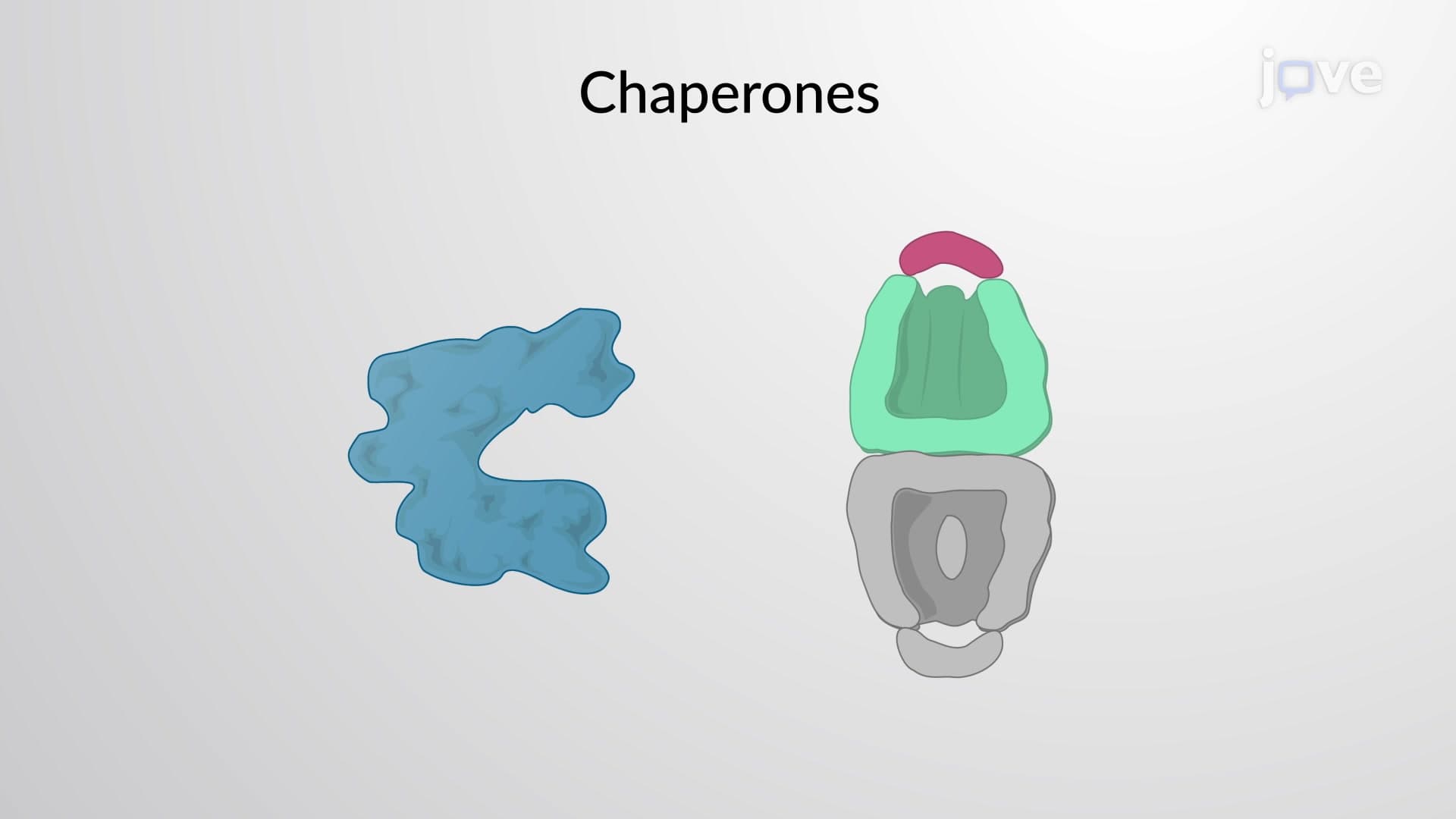
6. Protein Folding and Molecular Chaperones Newly synthesized polypeptides require assistance from molecular chaperones, particularly Hsp70 and Hsp60 families, to achieve proper folding. Chaperones recognize exposed hydrophobic patches and prevent protein aggregation through ATP-dependent cycles. The GroEL/GroES system in bacteria and TRiC complex in humans provide isolated chambers for protein folding. Misfolded proteins contribute to diseases like Alzheimer's and Parkinson's, extensively studied in US research institutions. Pharmaceutical companies are developing chaperone-targeting drugs, with several compounds currently in FDA clinical trials for treating protein misfolding disorders.
7. Protein Degradation and Ubiquitin-Proteasome System Cells regulate protein levels through the ubiquitin-proteasome pathway, where E3 ligases mark target proteins with ubiquitin for degradation. The 26S proteasome recognizes polyubiquitinated proteins and degrades them into peptides through ATP-dependent mechanisms. This system controls cell cycle progression, removes damaged proteins, and responds to cellular stress. Understanding proteasome function is crucial for cancer research, as many chemotherapy drugs like bortezomib (approved by FDA) inhibit proteasome activity. Medical students learn how proteasome dysfunction contributes to neurodegenerative diseases prevalent in aging American populations.