- Molecular Biology
- Cell Proliferation
Micro-courses:20

Cell Proliferation
1. What is the Cell Cycle?
2. Interphase
3. The Cell Cycle Control System
4. Positive Regulator Molecules
5. Inhibition of Cdk Activity
6. S-Cdk Initiates DNA Replication
7. M-Cdk Drives Transition Into Mitosis
8. Mitogens and the Cell Cycle
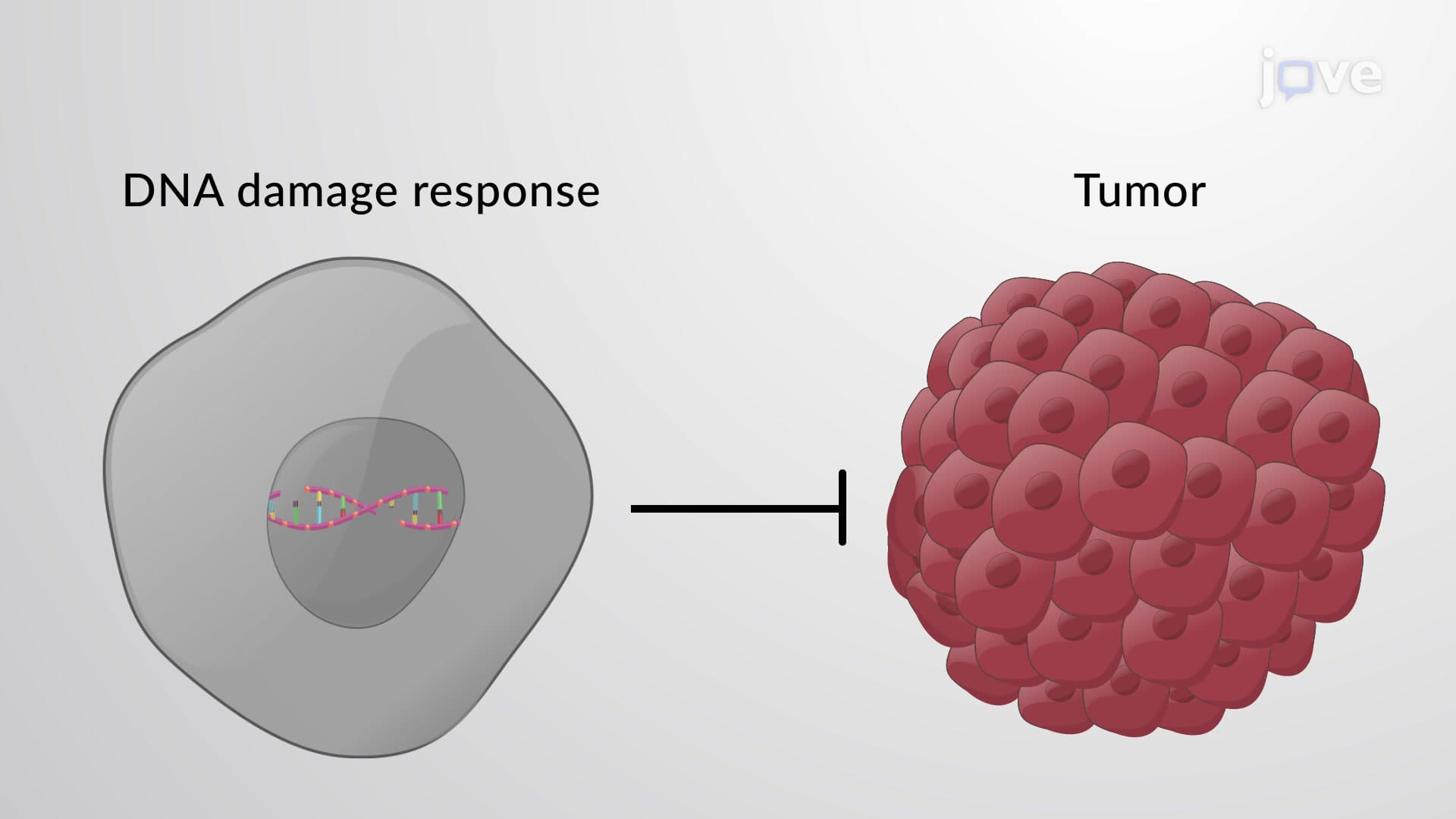
9. Replicative Cell Senescence
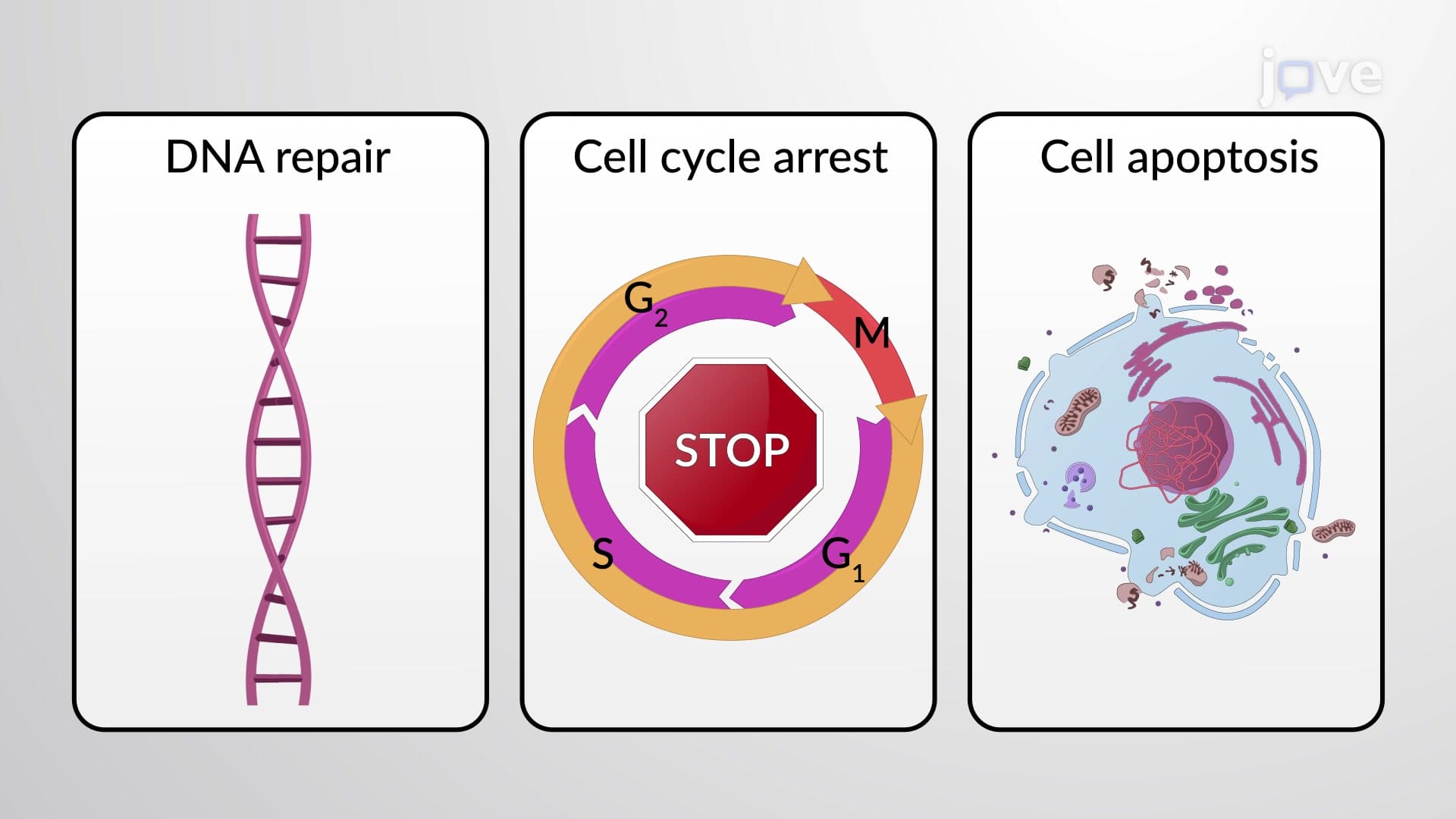
10. Abnormal Proliferation
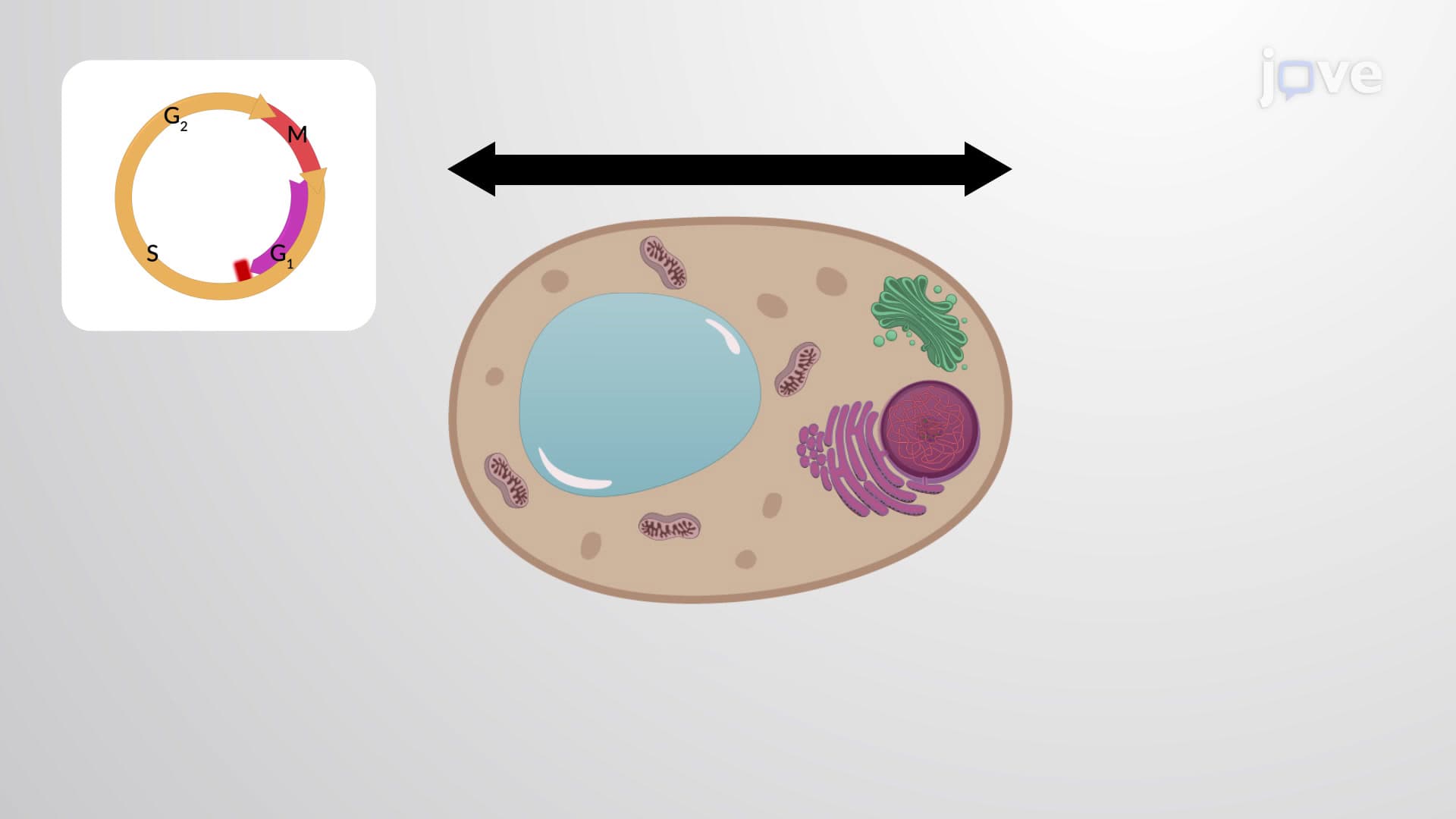
11. Cells Coordinate Growth and Proliferation
Cell proliferation is the fundamental process by which cells grow, replicate their DNA, and divide to produce new cells. This tightly regulated mechanism involves complex molecular machinery including cyclins, CDKs, and tumor suppressor proteins that control progression through distinct cell cycle phases. Understanding cell proliferation is crucial for studying cancer development, tissue repair, and developmental biology applications in US healthcare and research institutions. JoVE Coach provides comprehensive coverage of these essential cellular mechanisms.
- Understand the four main phases of the cell cycle and their specific functions
- Learn how cyclins and cyclin-dependent kinases regulate cell cycle progression
- Identify key checkpoints that prevent errors during DNA replication and cell division
- Explore how mitogens trigger cell division in multicellular organisms
- Analyze the role of tumor suppressor proteins in preventing abnormal cell growth
- Apply knowledge of telomeres and cellular senescence to aging research
- Understand how cells coordinate growth with proliferation to maintain proper size
- Learn mechanisms that lead to cancer when cell cycle control fails
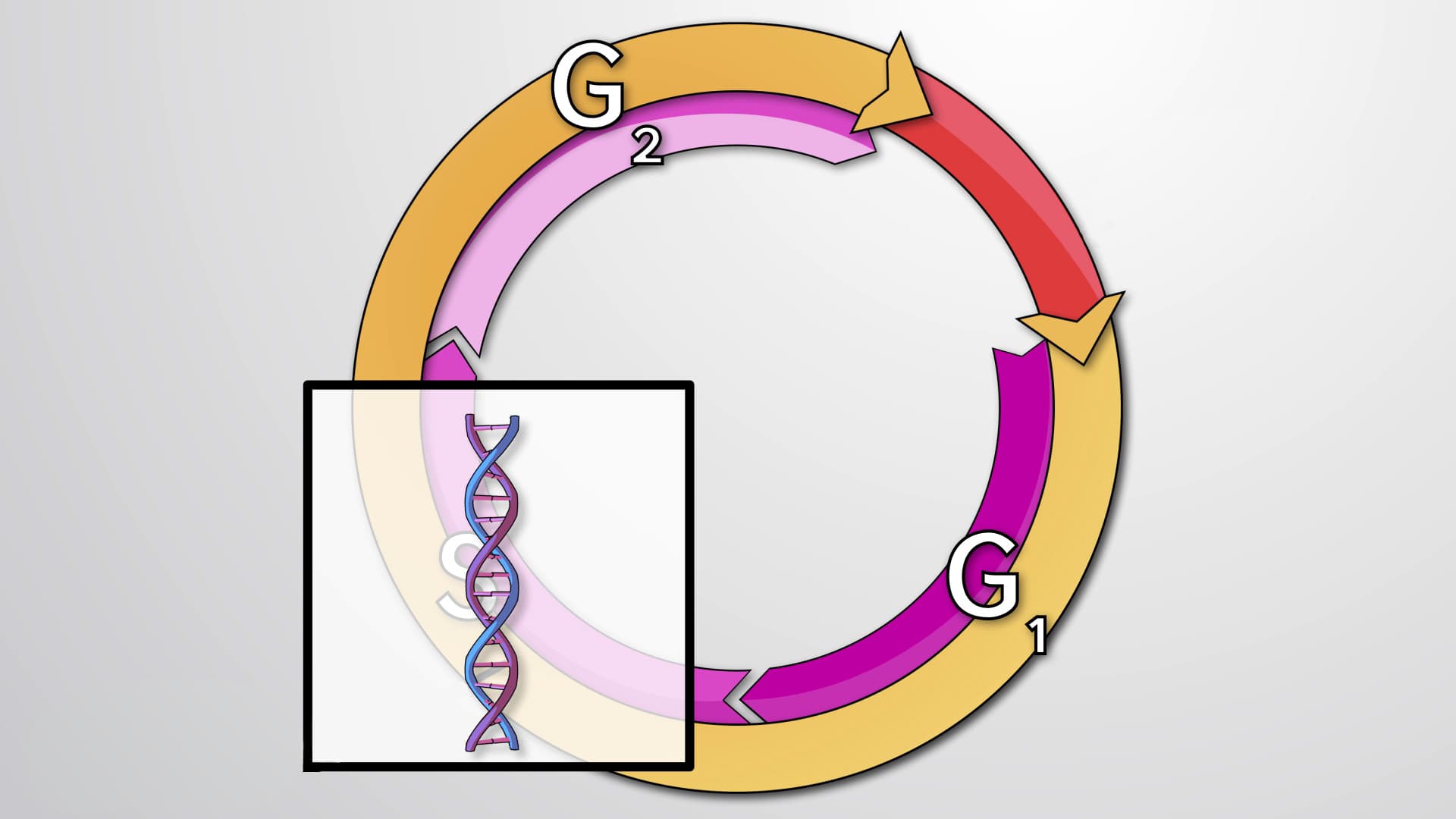
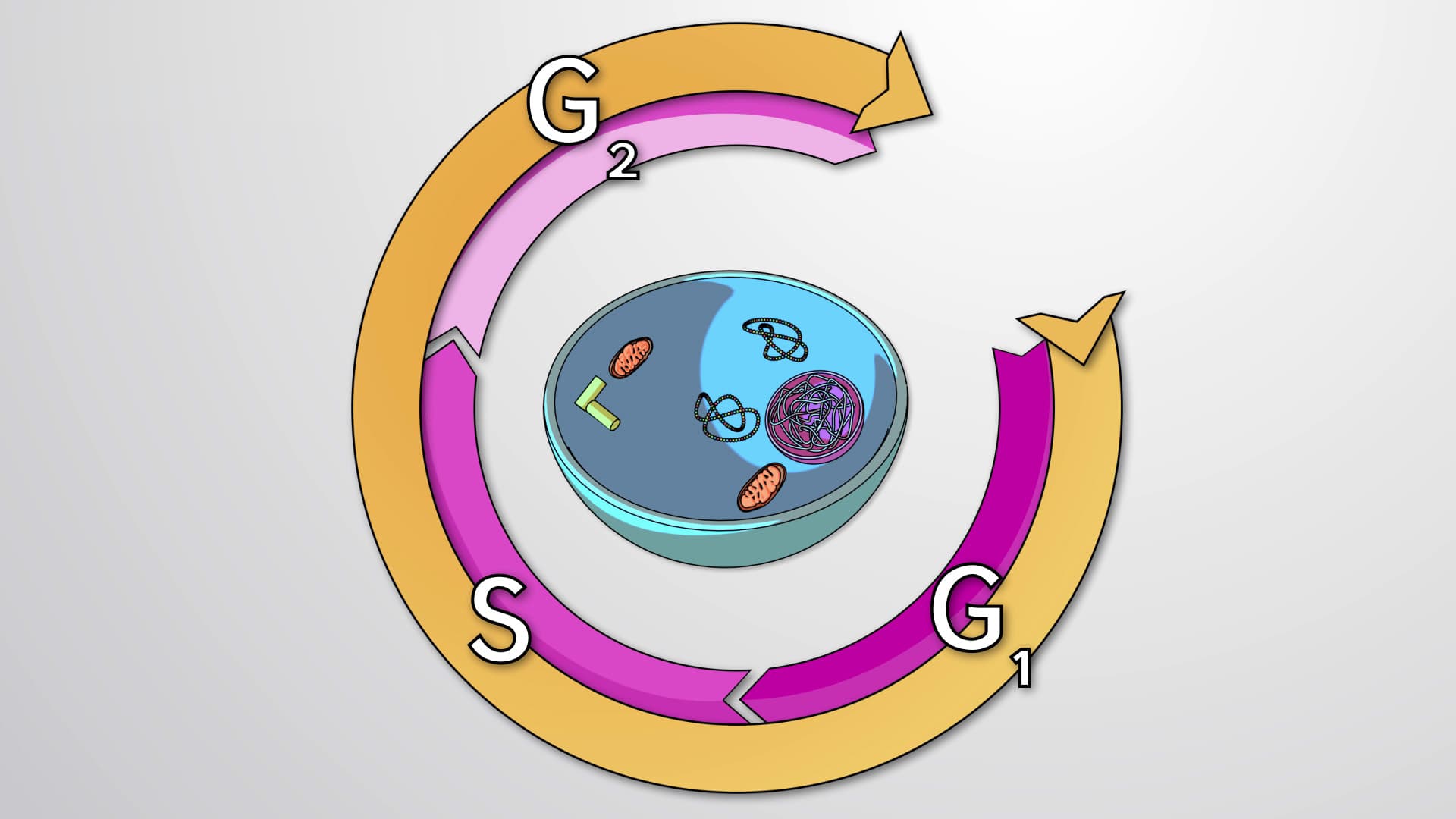
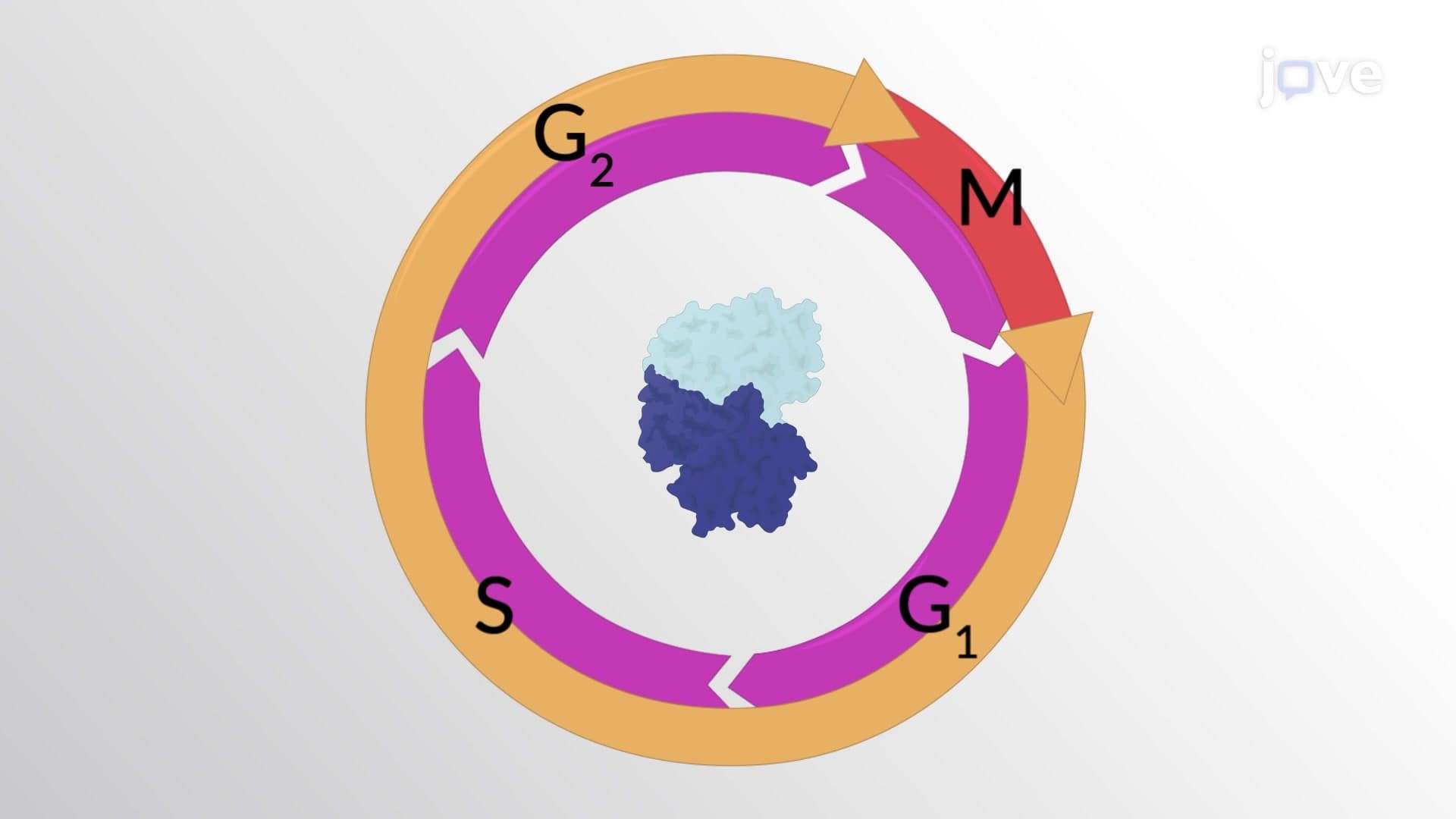
1. Cell Cycle Phases and Progression: The cell cycle consists of four distinct phases: G1 (Gap 1), S (Synthesis), G2 (Gap 2), and M (Mitosis). During G1, cells grow and prepare for DNA replication by accumulating necessary proteins and organelles. The S phase involves precise duplication of the entire genome using DNA polymerases, helicases, and other replication machinery. G2 serves as a quality control phase where cells verify DNA integrity before entering mitosis. This ordered progression ensures accurate transmission of genetic material to daughter cells, preventing mutations that could lead to cancer or cell death.
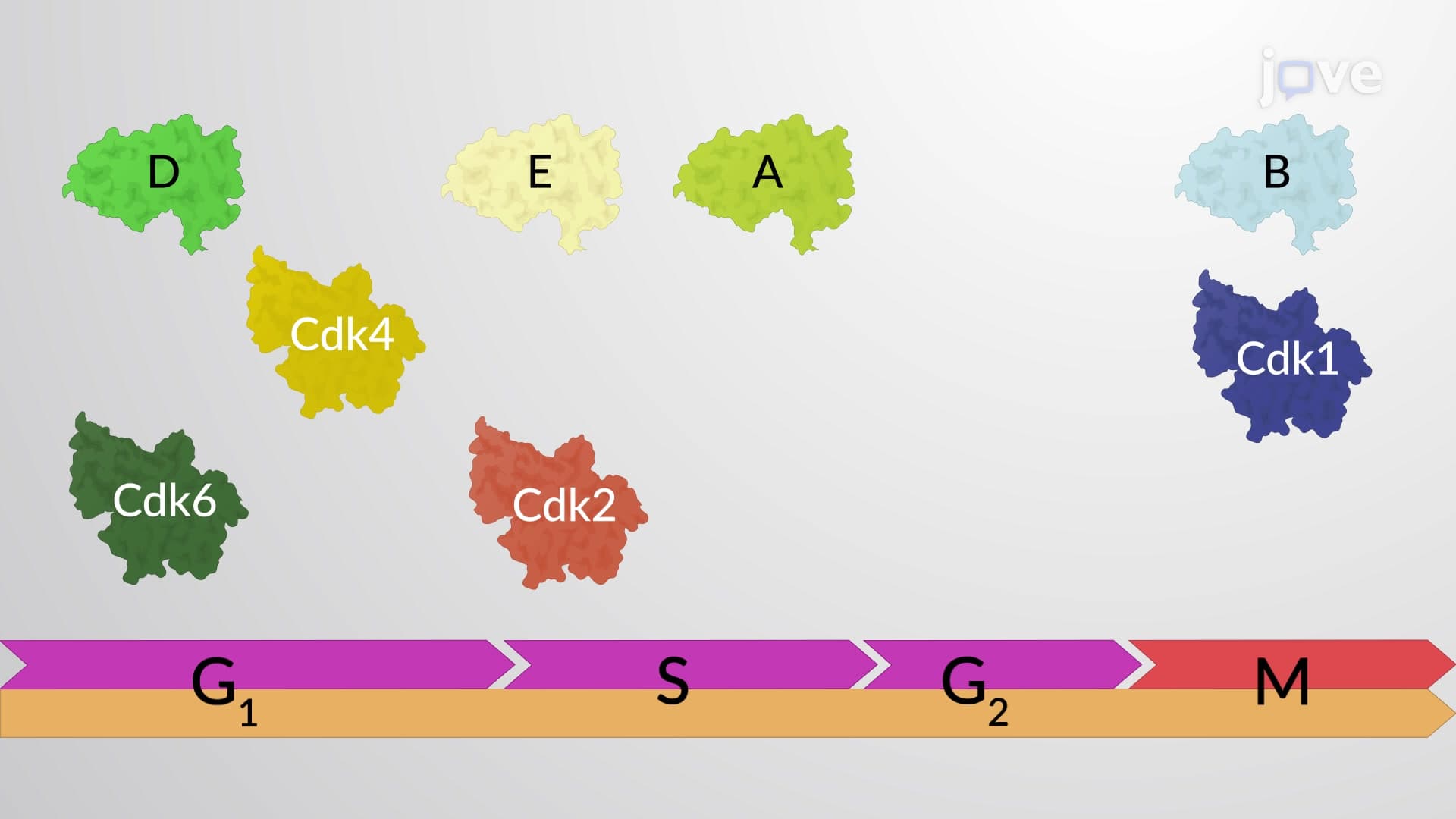
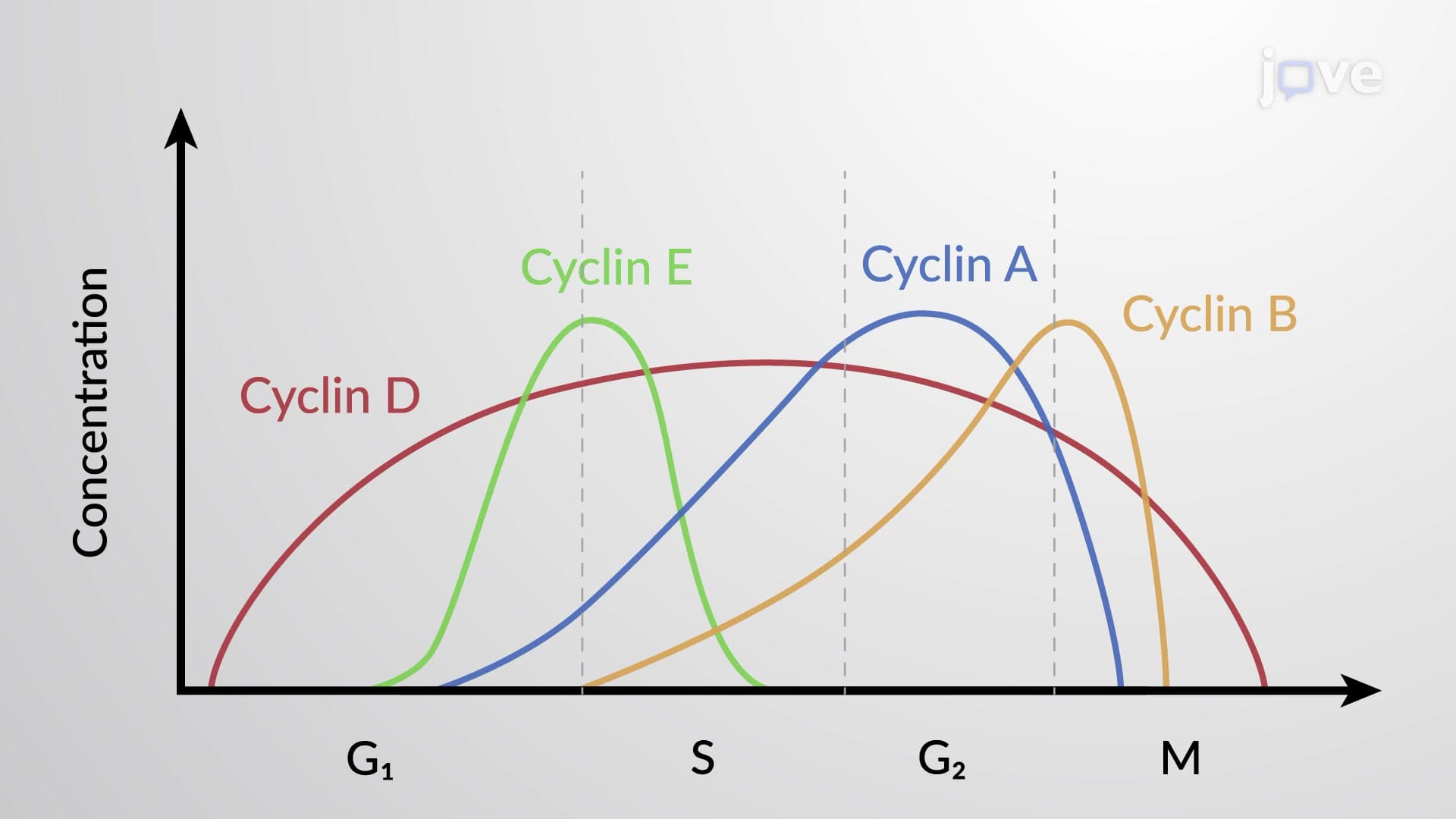
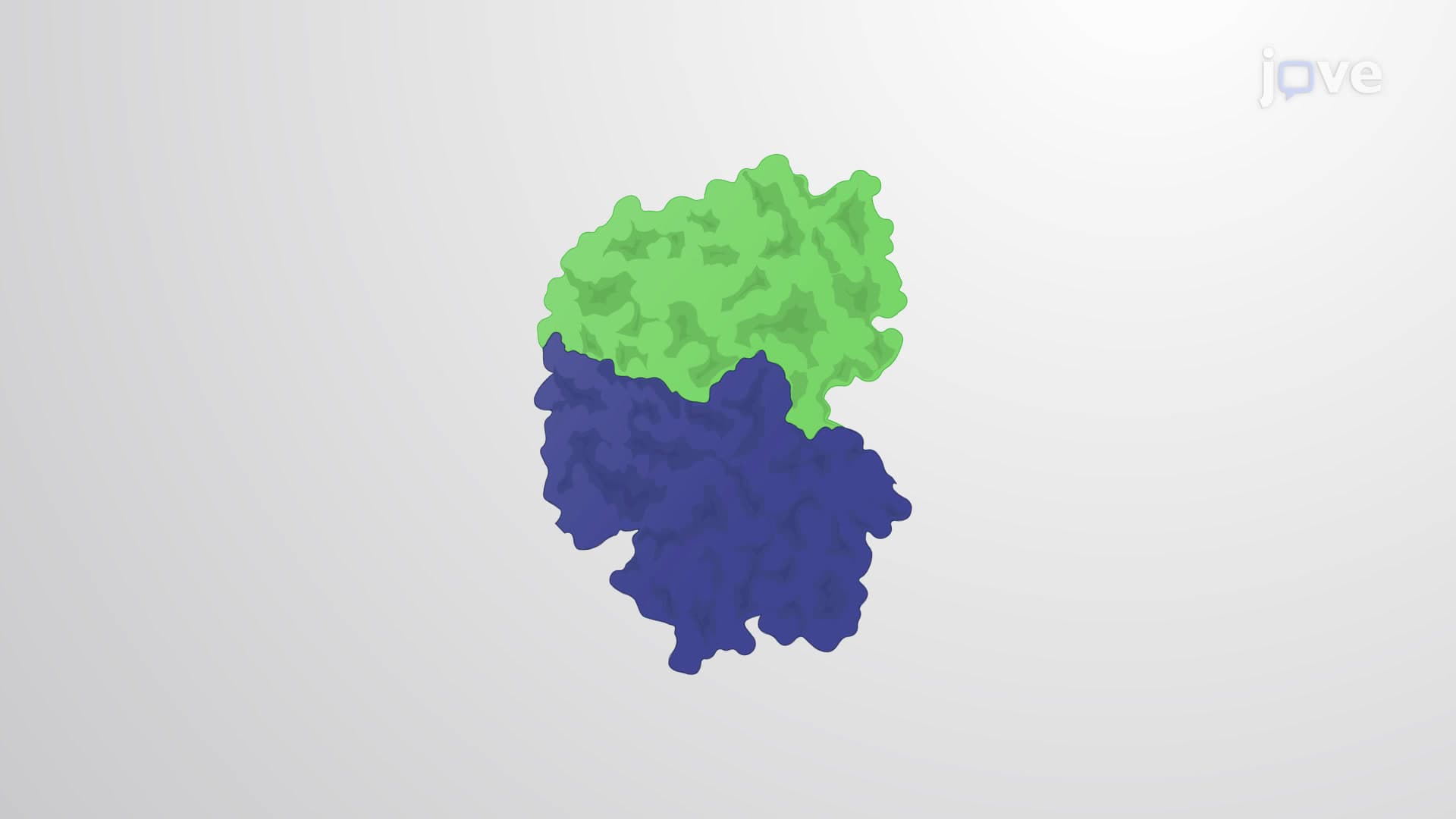
2. Cyclin-Dependent Kinase Regulation: Cell cycle progression is controlled by cyclins and cyclin-dependent kinases (CDKs) that form active complexes at specific phases. G1/S cyclins (cyclin E) bind to Cdk2 to trigger DNA replication, while M cyclins (cyclin B) activate Cdk1 to initiate mitosis. CDK activity is regulated through multiple mechanisms including cyclin degradation, inhibitory phosphorylation by Wee1 kinase, and binding of CDK inhibitors like p21 and p27. This multilayered control system ensures cells only progress when conditions are appropriate for successful division.
3. Cell Cycle Checkpoints and Quality Control: Three major checkpoints monitor cell cycle fidelity: the G1/S checkpoint verifies adequate cell size and DNA integrity, the G2/M checkpoint ensures complete DNA replication, and the spindle checkpoint confirms proper chromosome attachment during mitosis. These surveillance mechanisms prevent cells with damaged DNA or incomplete replication from dividing. When irreparable damage is detected, cells undergo apoptosis (programmed cell death) rather than passing mutations to daughter cells, protecting organism health.
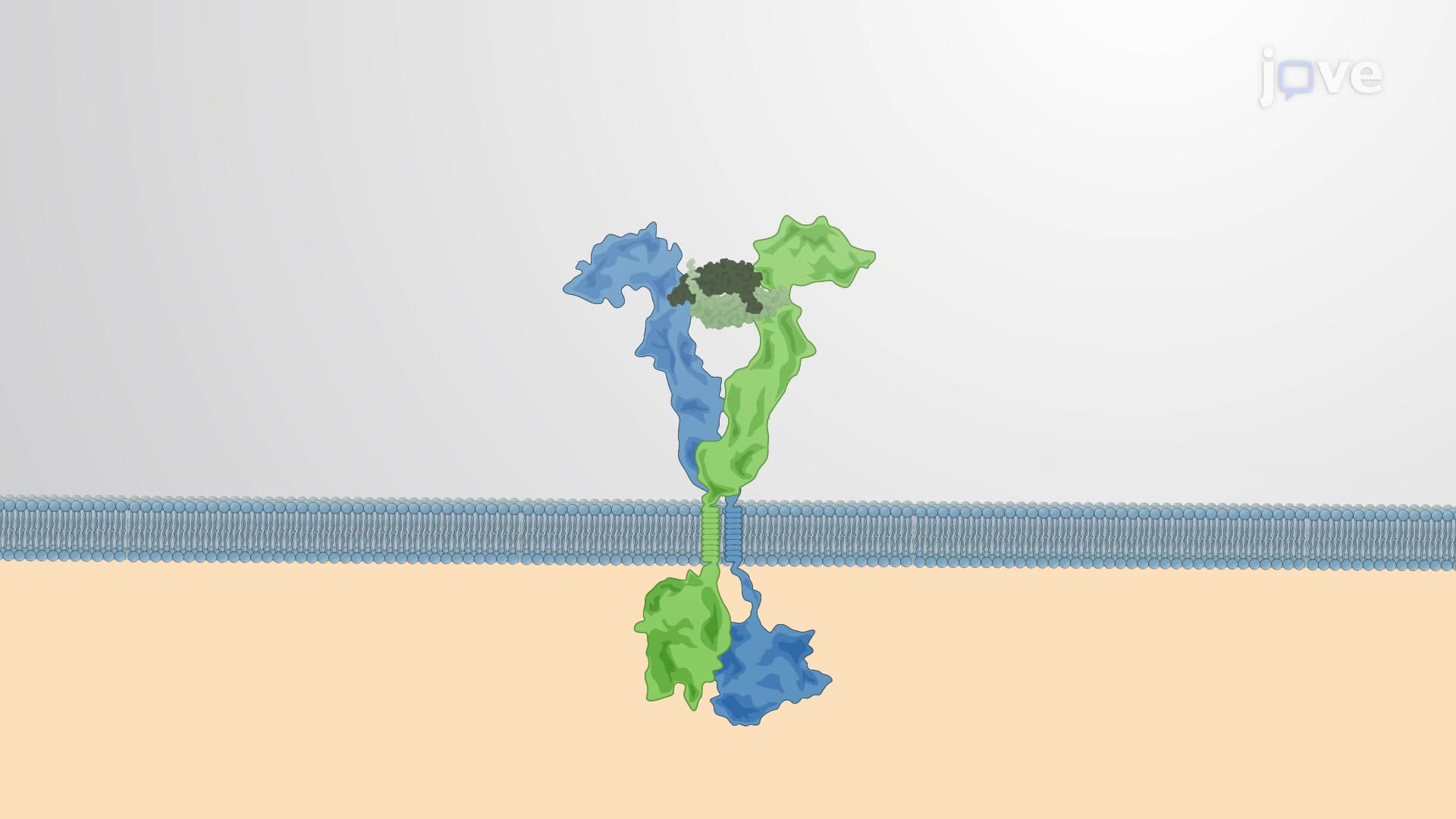
4. Mitogen Signaling and Growth Factor Control: In multicellular organisms, cell division is triggered by external signals called mitogens, such as platelet-derived growth factor (PDGF) released during tissue injury. Mitogens bind to receptor tyrosine kinases, activating MAP kinase cascades that ultimately increase expression of G1 cyclins and release the E2F transcription factor from Rb protein inhibition. This external control ensures cells divide only when needed for tissue maintenance, repair, or development, preventing unnecessary proliferation.
5. Tumor Suppressor Mechanisms: The p53 protein acts as a critical tumor suppressor by monitoring cellular stress and DNA damage. Under normal conditions, Mdm2 protein keeps p53 levels low through ubiquitin-mediated degradation. However, cellular stress or oncogene activation (like Myc overexpression) triggers Arf protein to sequester Mdm2, allowing p53 accumulation. Active p53 then induces DNA repair pathways, cell cycle arrest, or apoptosis to prevent proliferation of potentially cancerous cells. Loss of p53 function contributes to many human cancers.
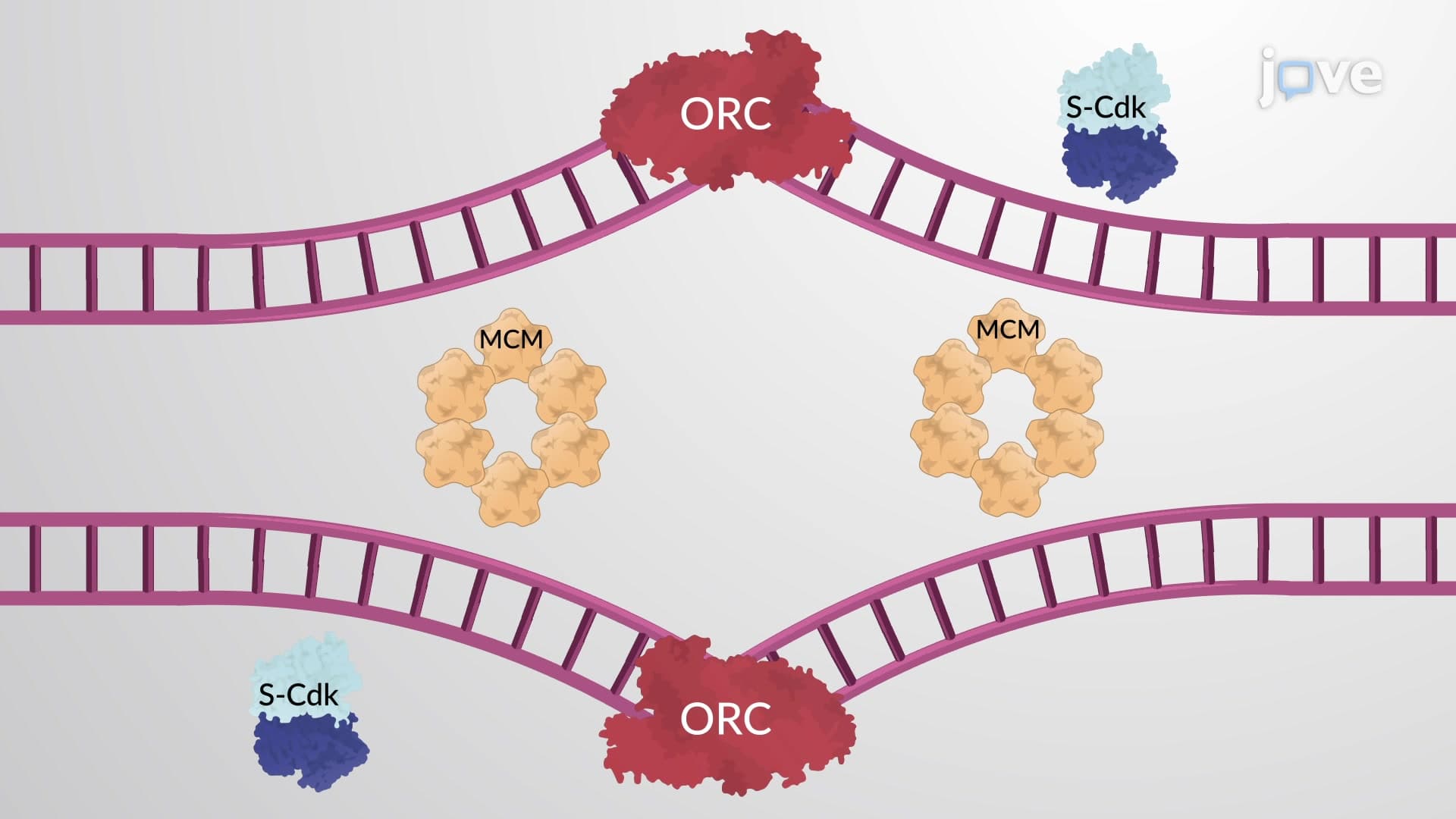
6. DNA Replication Control by S-CDK: S-phase CDKs initiate DNA replication by phosphorylating origin recognition complexes and recruiting replication machinery including MCM helicases and DNA polymerases. Importantly, S-CDKs also prevent re-replication by degrading licensing factors like Cdc6 and Cdt1, ensuring each DNA segment replicates only once per cell cycle. This prevents gene amplification and chromosomal instability that could lead to cancer development.
7. Cellular Senescence and Telomere Biology: Most human cells undergo replicative senescence after 25-50 divisions due to progressive telomere shortening. Telomeres protect chromosome ends from degradation and fusion, but shorten with each division due to DNA polymerase limitations. When telomeres become critically short, the DNA damage response is activated, triggering permanent cell cycle arrest. This mechanism limits cancer development but also contributes to aging-related tissue dysfunction in organs like skin, blood, and intestines.
Frequently Asked Questions
Checkpoint failure can lead to genomic instability and cancer development. For example, if the G1/S checkpoint fails, cells with damaged DNA proceed to replicate, potentially creating mutations. Similarly, spindle checkpoint defects cause chromosome missegregation, leading to aneuploidy (abnormal chromosome numbers) commonly seen in cancer cells.
Cancer cells typically acquire mutations in tumor suppressor genes like p53 or Rb, or overexpress oncogenes like Myc. These changes disable checkpoint controls, allowing cells to proliferate despite DNA damage or inappropriate growth signals. Many cancers also reactivate telomerase to bypass senescence limits.
Focus on understanding cyclin-CDK complexes, cell cycle checkpoints, p53 function, and how growth factors regulate proliferation. The MCAT frequently tests knowledge of cancer biology, particularly how normal cell cycle controls become disrupted. Also review telomere biology and cellular senescence mechanisms.
AP Biology emphasizes mitosis phases, cyclin-CDK regulation, and checkpoint controls. Students should understand how external signals like growth factors influence cell division, and how mutations in cell cycle genes contribute to cancer. The exam often includes data interpretation questions about cell cycle timing and regulation.
Understanding proliferation control is crucial for growing replacement tissues in laboratory settings. Researchers manipulate growth factor signaling and cell cycle regulators to promote controlled cell division for tissue repair. For example, controlling stem cell proliferation is essential for treating conditions like Parkinson's disease or diabetes.
Cell proliferation involves multiple interconnected regulatory pathways with similar-sounding protein names (cyclins, CDKs, checkpoints). Students often struggle with the temporal relationships between different phases and the complex feedback mechanisms. The key is understanding the overall logic: cells must grow, replicate DNA accurately, and divide safely.
Create timeline diagrams showing when specific cyclins and CDKs are active throughout the cell cycle. Practice drawing checkpoint decision trees showing what happens when cells detect problems. Use active recall to explain how cancer cells bypass each control mechanism, and connect molecular details to real-world examples like chemotherapy targets.
Cell proliferation knowledge is fundamental for understanding cancer diagnosis and treatment. Many chemotherapy drugs target rapidly dividing cells by interfering with DNA replication or mitosis. Understanding normal proliferation also helps explain why certain tissues (bone marrow, intestines, hair follicles) are particularly sensitive to cancer treatments.
This microcourse includes 11 concept videos that walk you through the building blocks of Molecular Biology. Each video is short, about 2 minutes, so you can cover a full topic during a coffee break or between classes. The full sequence starts with What is the Cell Cycle? and ends with Cells Coordinate Growth and Proliferation.
The playlist moves from big-picture ideas to the precise vocabulary used in Molecular Biology. Early videos introduce What is the Cell Cycle?, Interphase, and The Cell Cycle Control System. The middle of the series focuses on Inhibition of Cdk Activity, S-Cdk Initiates DNA Replication, and M-Cdk Drives Transition Into Mitosis. The final stretch covers Mitogens and the Cell Cycle, Replicative Cell Senescence, Abnormal Proliferation, and Cells Coordinate Growth and Proliferation.
The natural next step is Cell Division. From there, you can move to Meiosis and Cancer. Once you finish those, the full Molecular Biology curriculum of 20 microcourses on JoVE Coach opens up, taking you from foundational concepts to advanced systems.
Related Subjects

