Loading subject page…

- Molecular Biology
- Cell Proliferation
- Cells Coordinate Growth and Proliferation
Micro-course: Cell Proliferation
72,601 views
Learn key concepts and earn your certificate.

Cells Coordinate Growth and Proliferation

00:00
02:36
Video Summary: Cells Coordinate Growth and Proliferation Explained
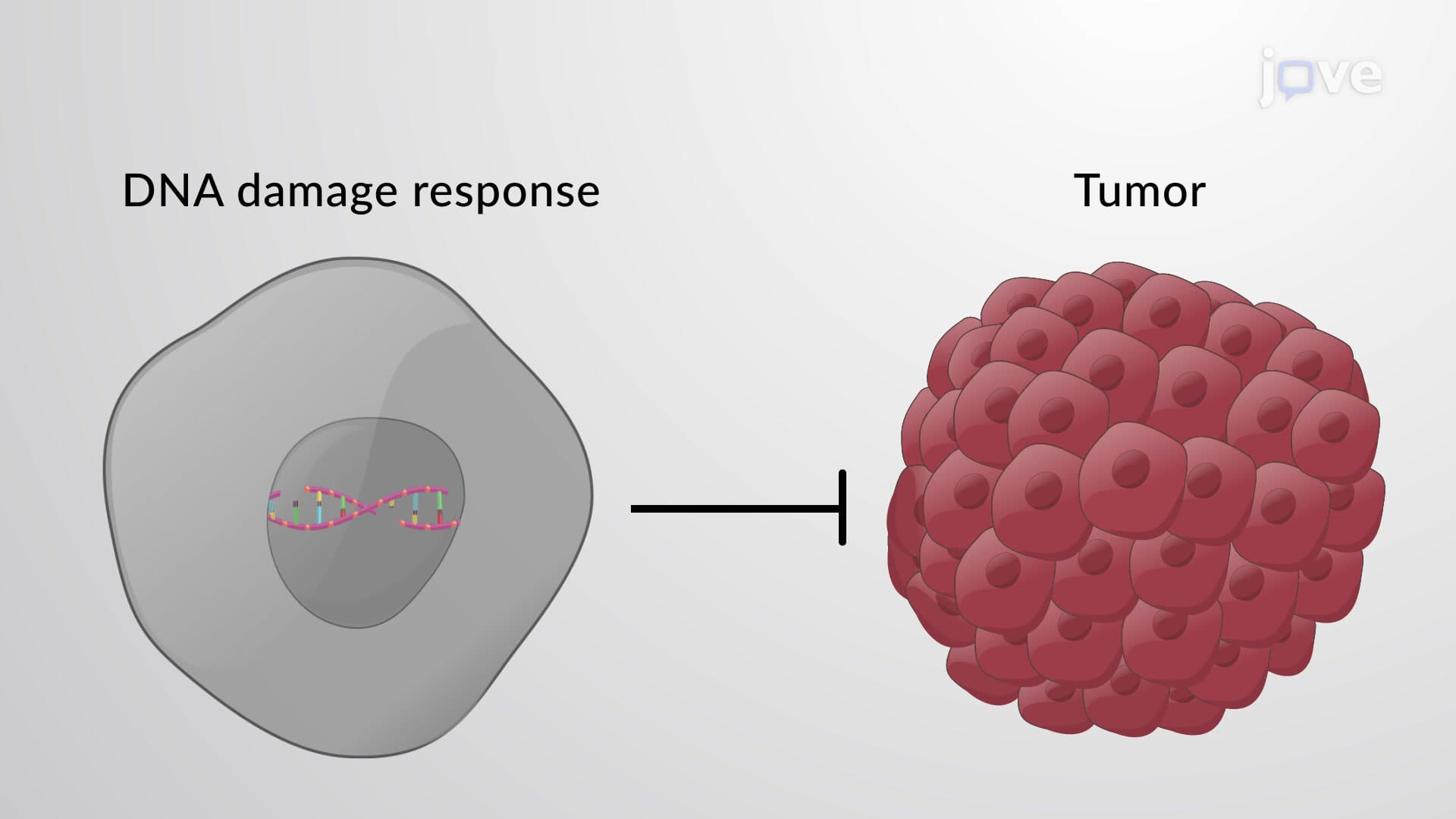
Why don't our cells grow indefinitely large like balloons? Cells coordinate growth and proliferation through sophisticated molecular checkpoints that prevent cellular chaos. Consider how cancer cells at MD Anderson Cancer Center lose this coordination, leading to uncontrolled growth. Normal cells use size-sensing proteins like Cln3 to monitor their dimensions and trigger division at precisely the right moment. This intricate process, called Cells Coordinate Growth And Proliferation Explained, ensures daughter cells maintain optimal size for nutrient transport and survival. Watch the full video on JoVE Coach to master this concept with expert-led visuals and step-by-step explanations.
- Understand how Cells Coordinate Growth And Proliferation Explained mechanisms prevent nutrient starvation in oversized cells
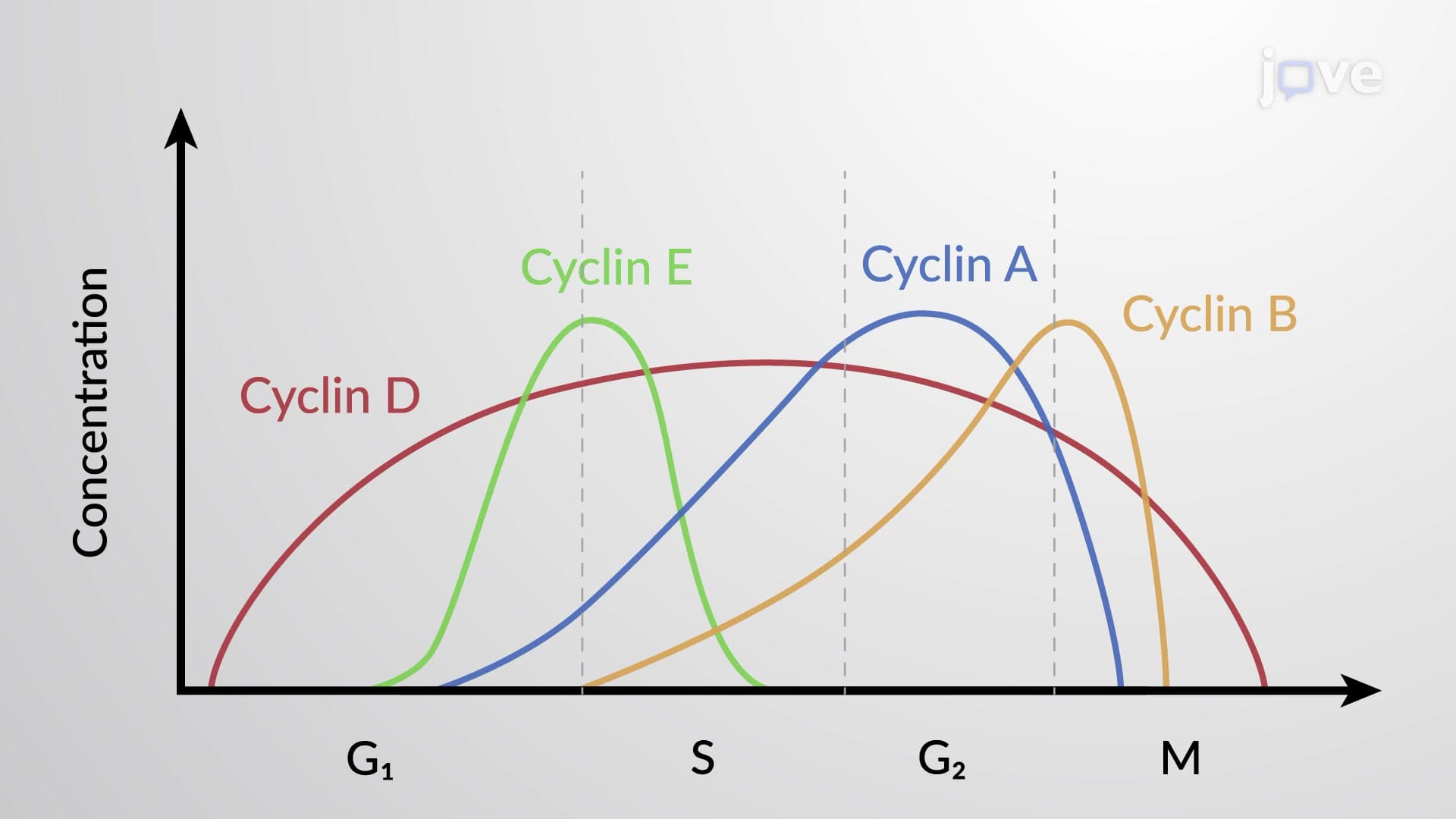
- Identify the critical G1/S and G2/M checkpoints where cells assess their readiness for division
- Analyze the role of sizer proteins like Cln3 in detecting when cells reach optimal size for division
- Compare asymmetric division patterns in budding yeast mother and daughter cells
- Evaluate how transcription factors SBF and MBF control cell cycle progression timing
- Apply knowledge of Whi5 repressor protein function in preventing premature cell division
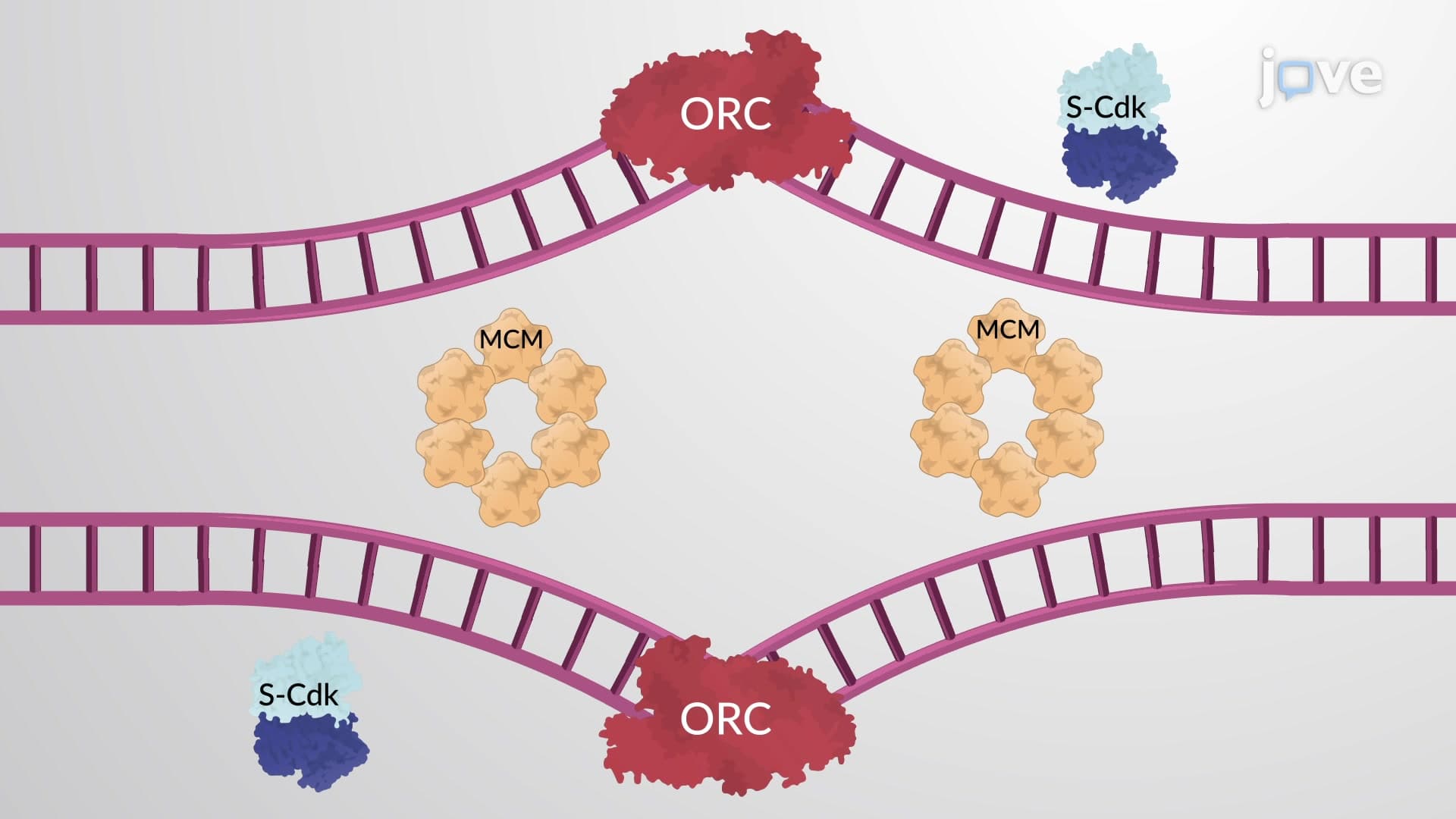
- Recognize the phosphorylation cascade that activates DNA replication and bud formation
- Explore size homeostasis as a fundamental principle maintaining cellular health across generations
How Cells Coordinate Growth And Proliferation Through Size Control
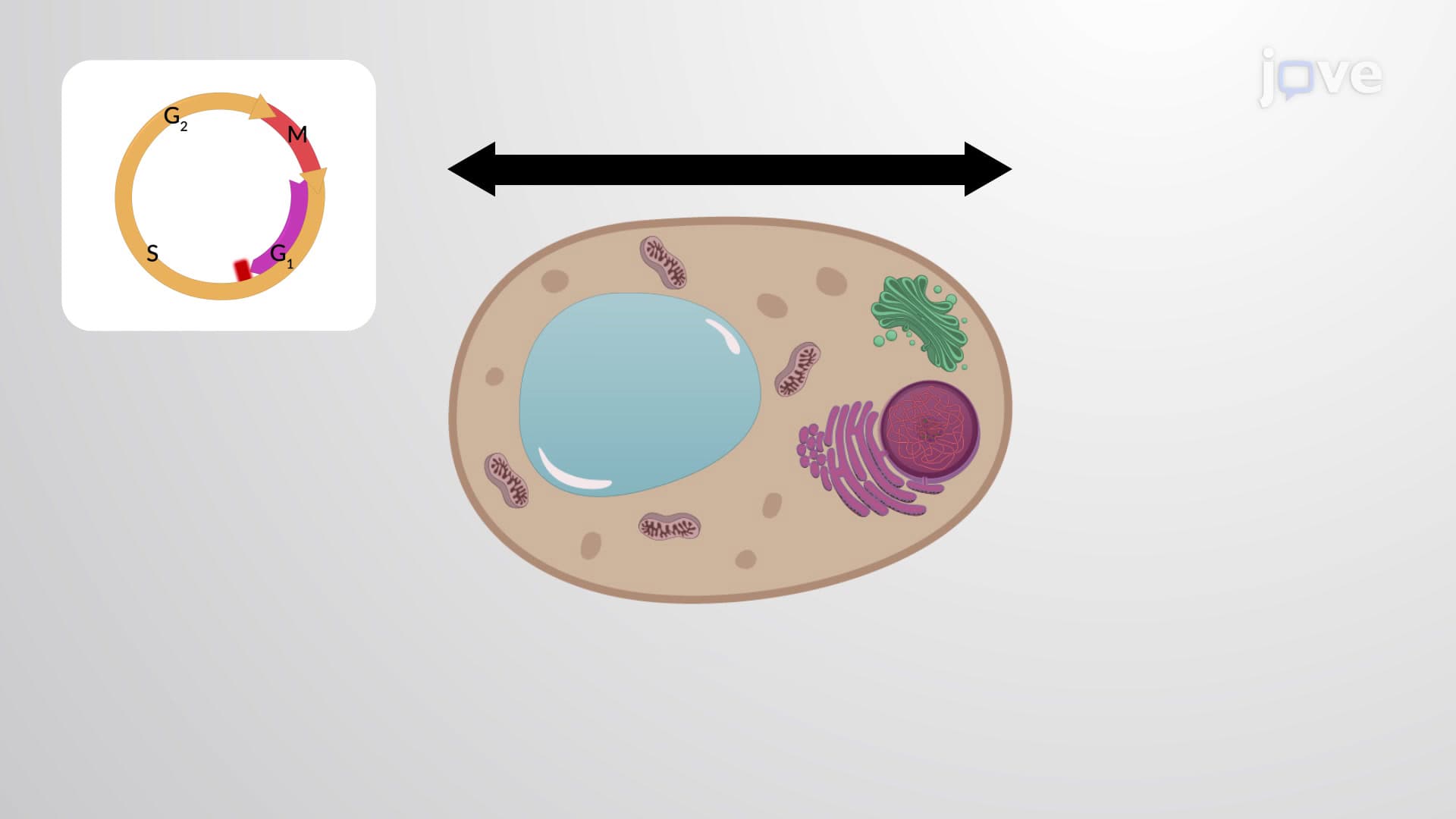
Cell size regulation represents one of biology's most elegant quality control systems. Unlike a manufacturing assembly line that produces identical products, cells must grow to appropriate dimensions before dividing, ensuring each daughter cell receives adequate resources for survival. This coordination prevents the cellular equivalent of a logistics nightmare-imagine trying to deliver supplies across a warehouse that's too large for efficient transport.
Molecular Checkpoints: The Cell's Internal Quality Inspectors
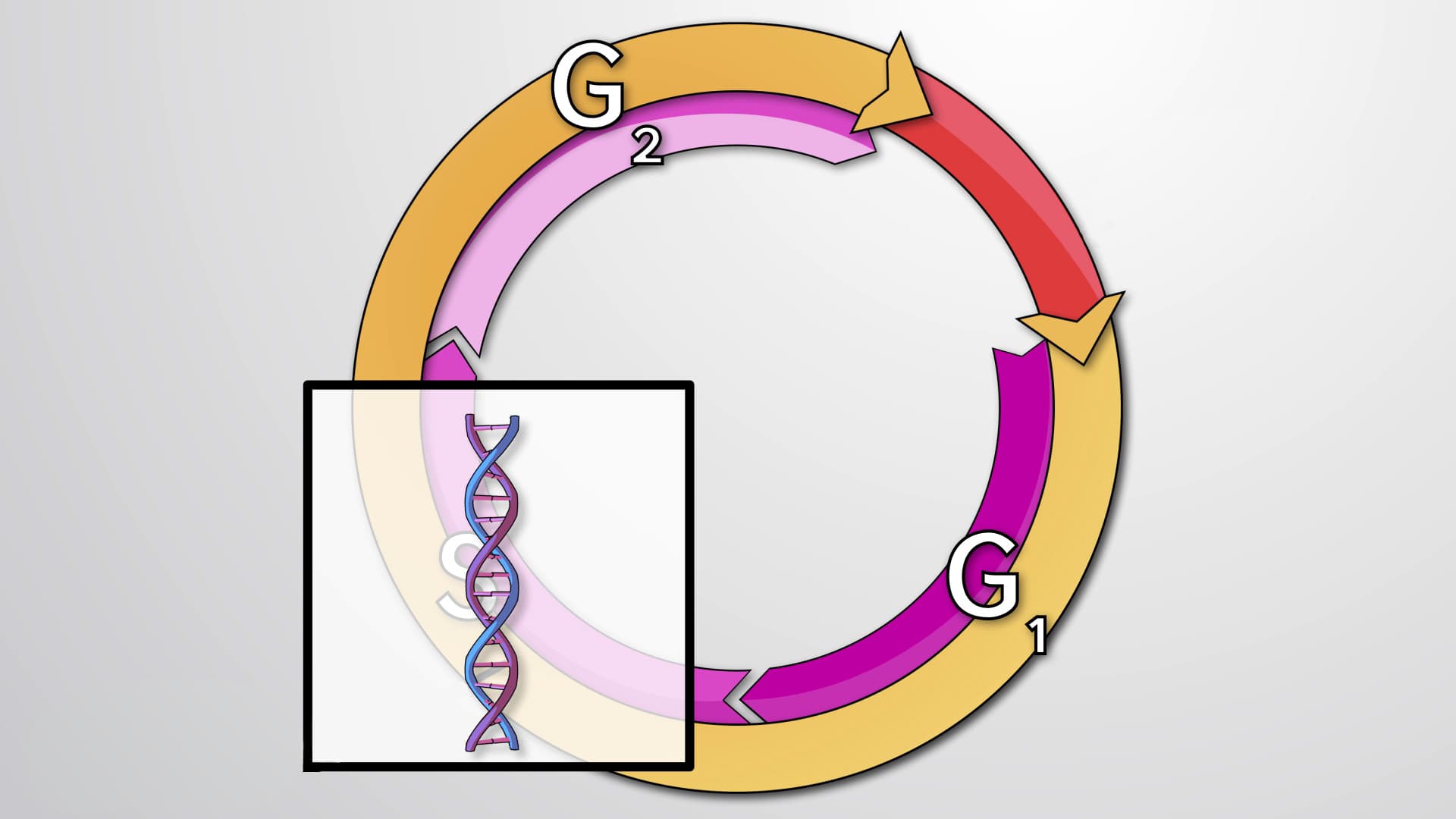
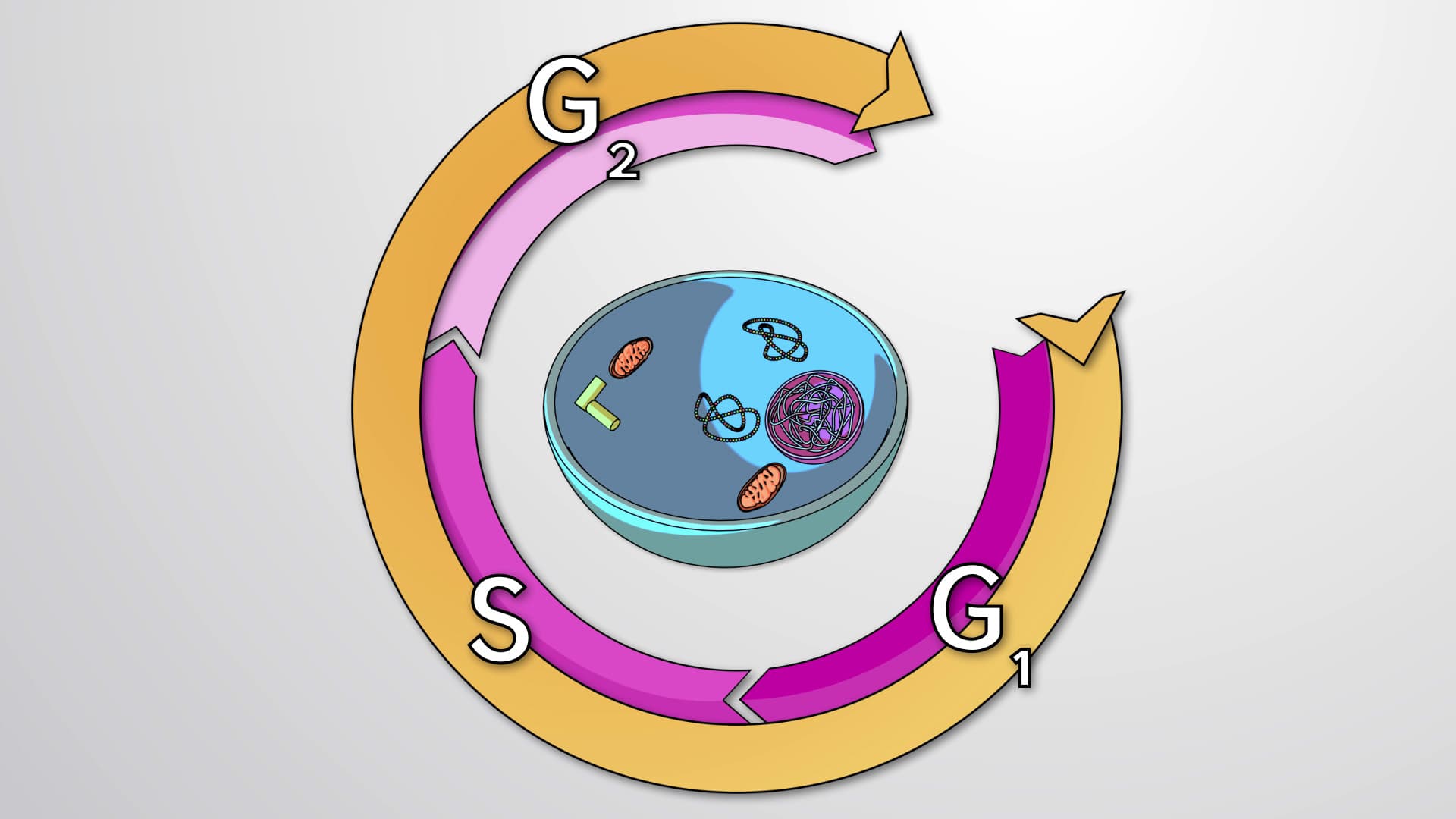
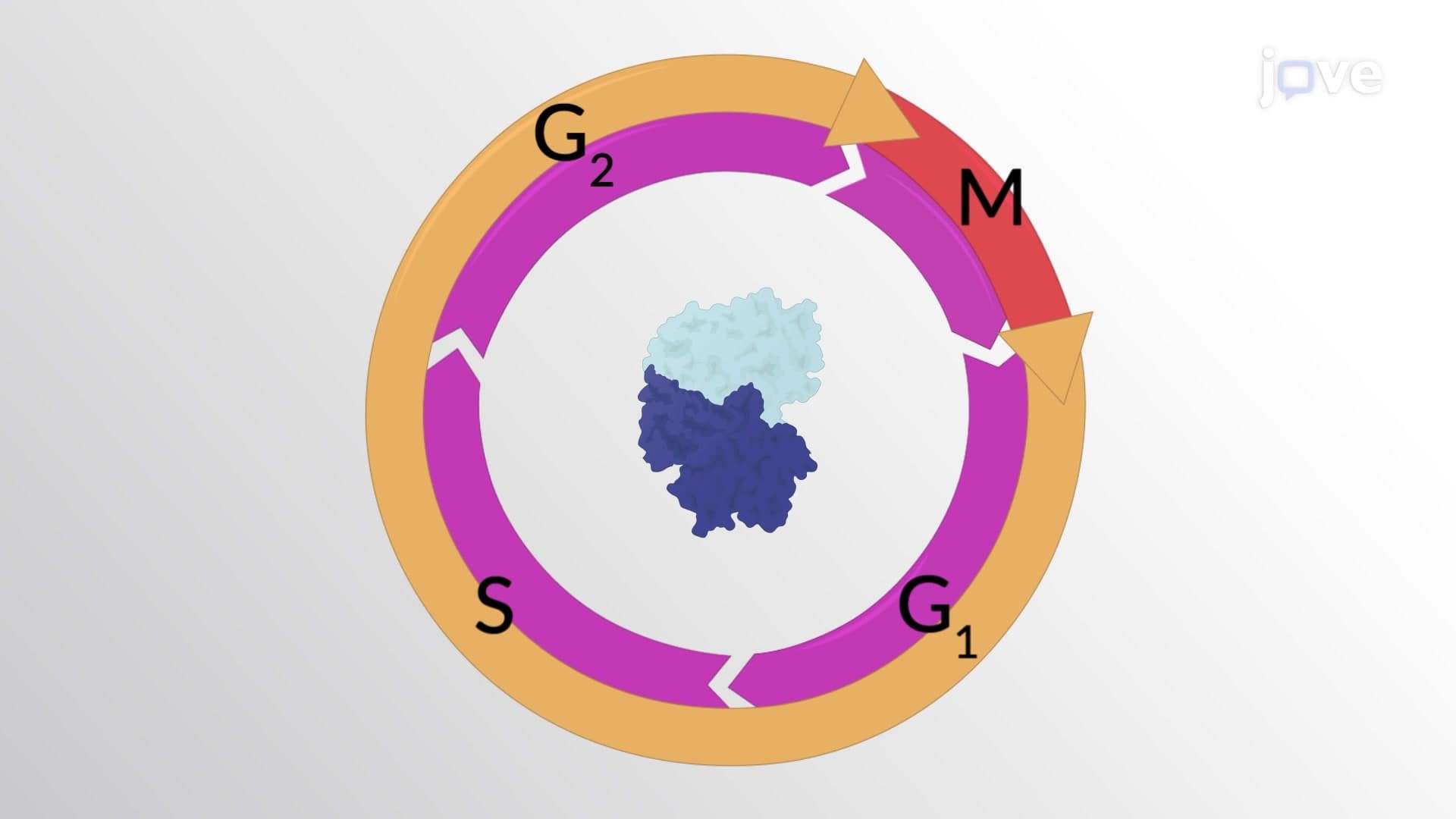
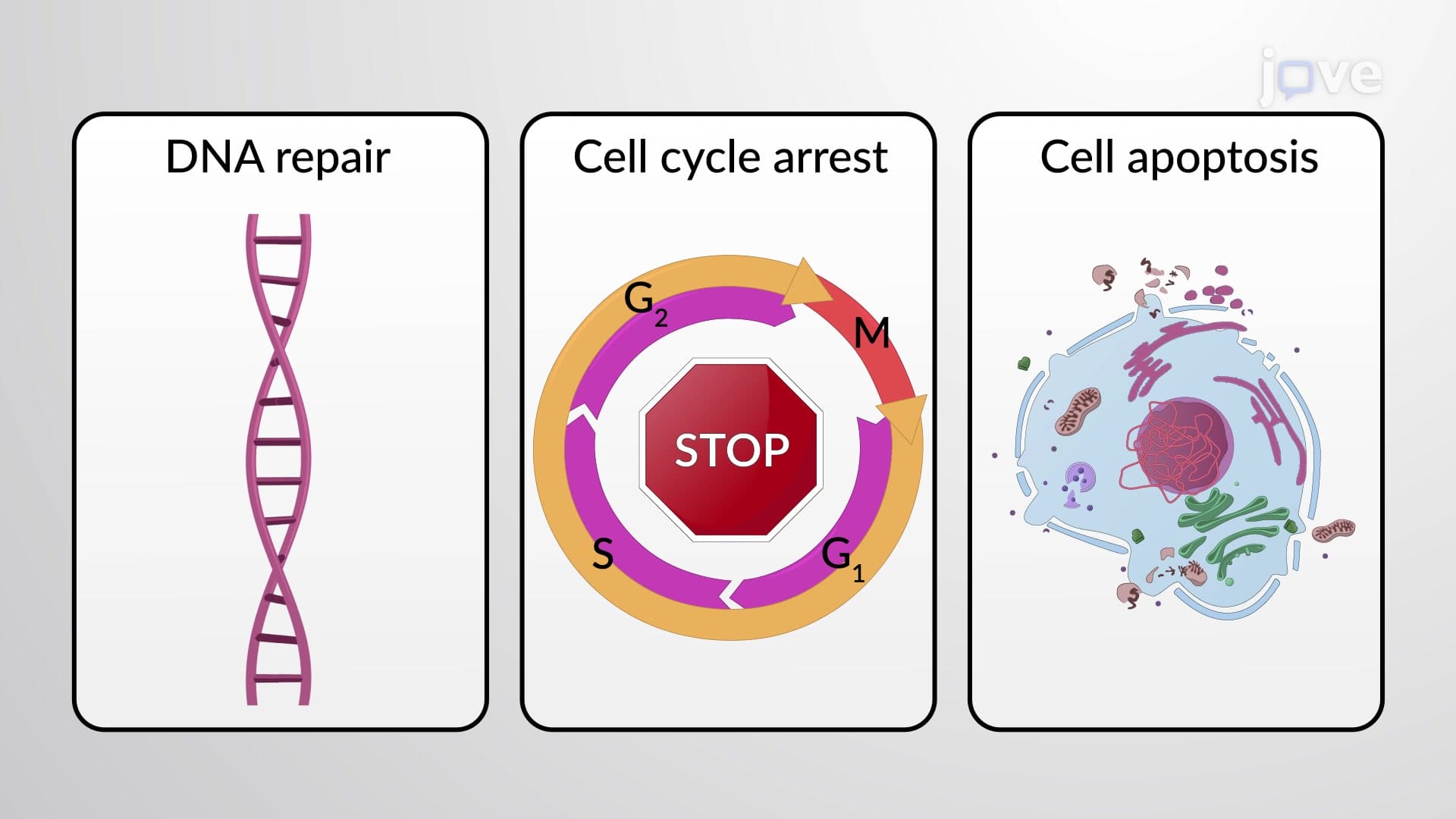
Cells employ sophisticated checkpoint systems at specific cell cycle transitions, particularly the G1/S boundary where DNA replication begins and the G2/M transition leading to mitosis. These checkpoints function like airport security-thoroughly screening each cell before allowing passage to the next phase. In human cells, similar checkpoint proteins ensure proper coordination, which becomes crucial when studying cancer biology in courses like AP Biology or college cell biology.
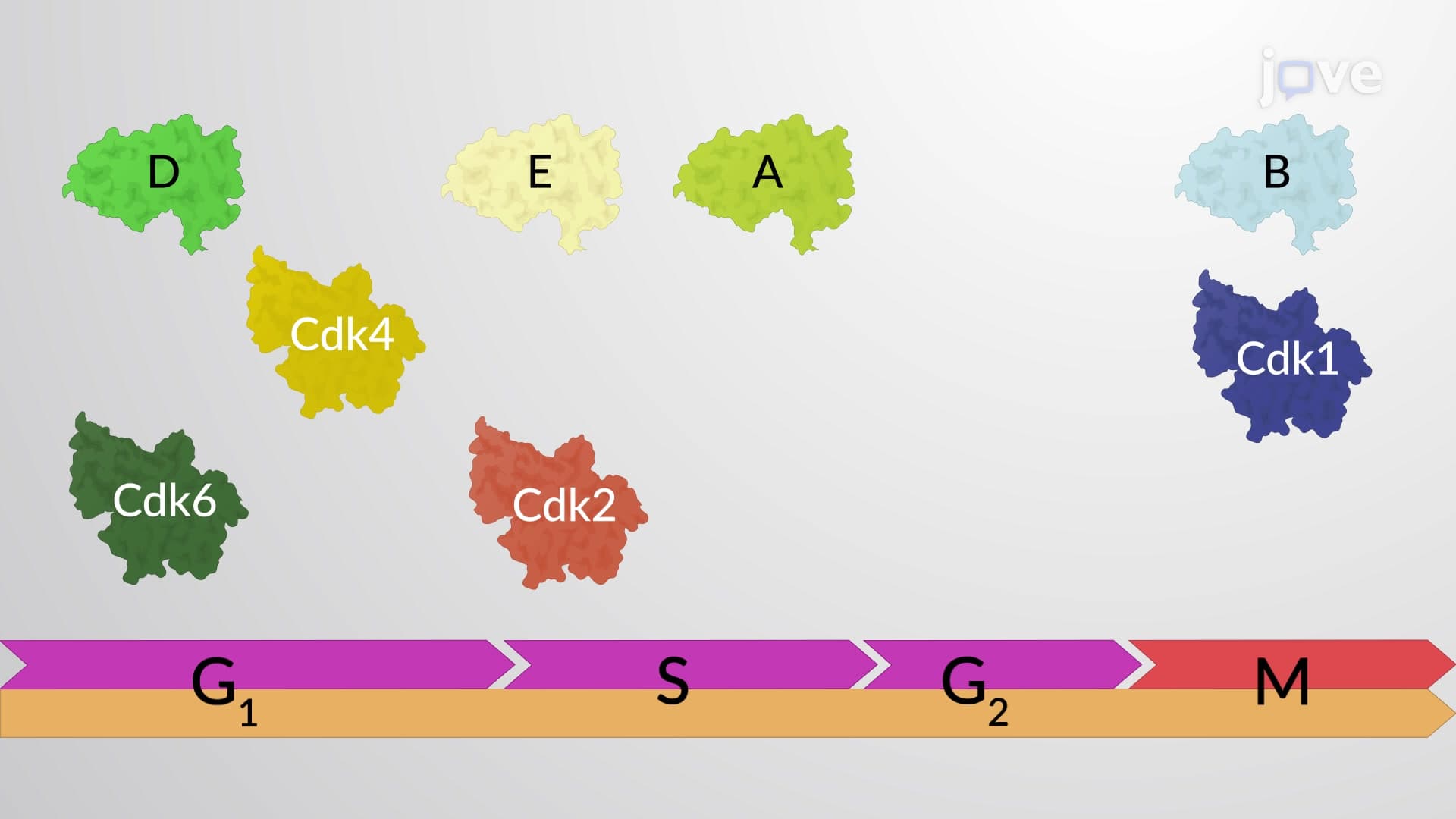
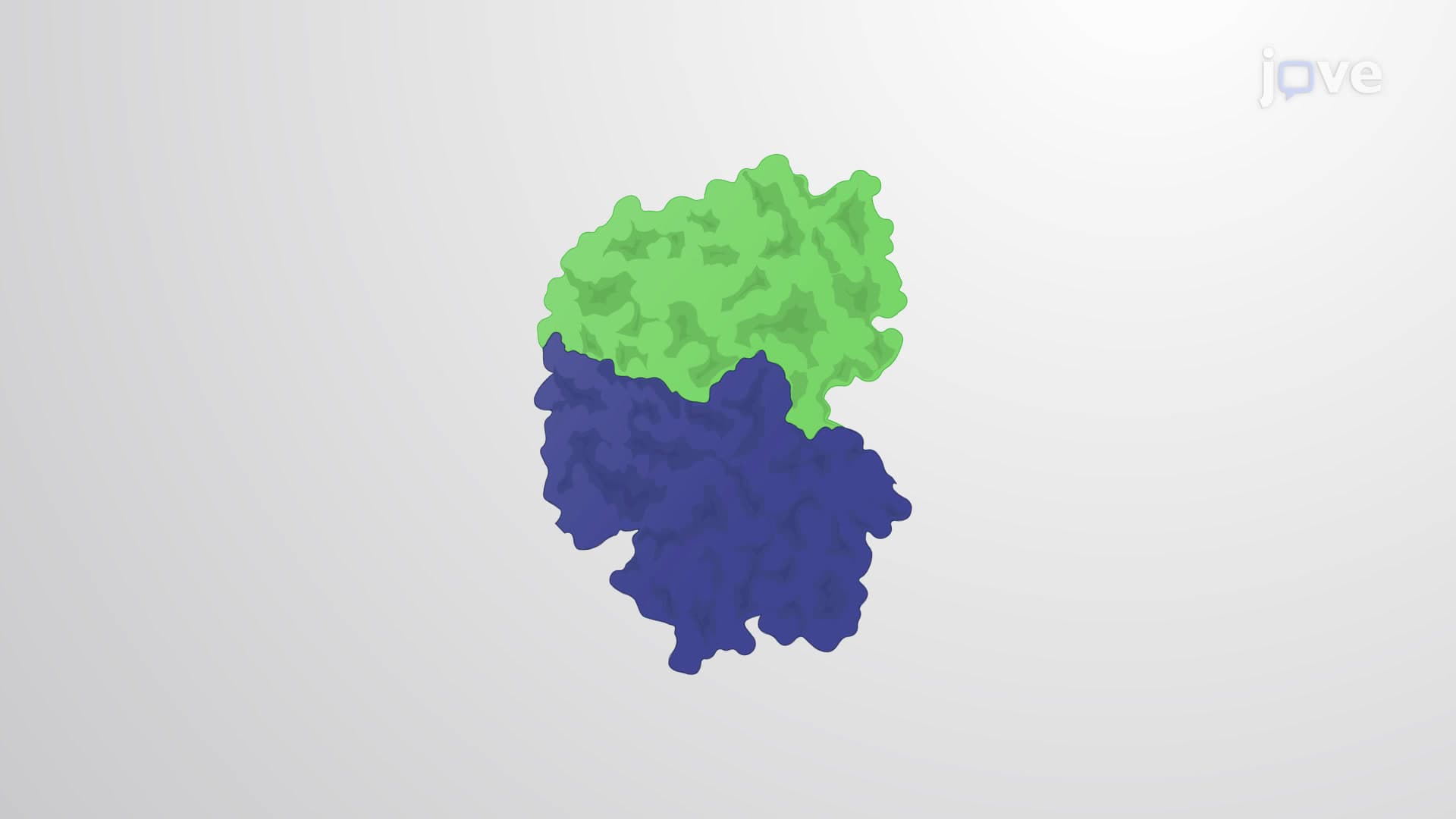
The checkpoint mechanism involves three key molecular players working in sequence. First, the repressor protein Whi5 acts like a molecular brake, binding to transcription factors SBF and MBF to prevent premature cell cycle progression. Second, the sizer protein Cln3 functions as a cellular measuring tape, accumulating proportionally with cell size. Finally, when Cln3 reaches critical concentration, it partners with Cdk1 kinase to phosphorylate Whi5, releasing the molecular brake and triggering division.
Real-World Applications in Medical Research
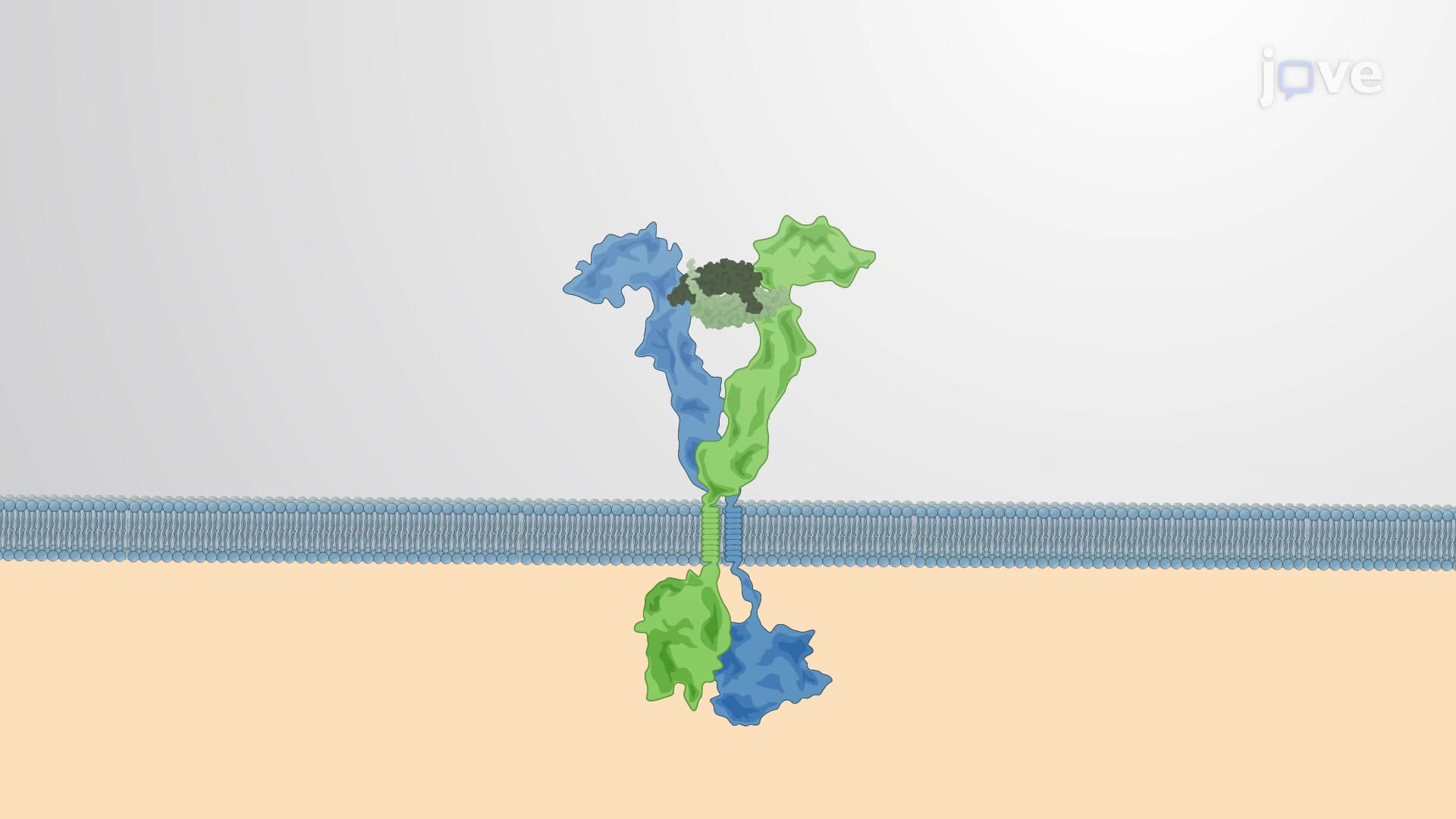
Understanding cellular growth coordination has profound implications for medical research at institutions like the National Institutes of Health. Cancer researchers study how cells lose this coordination, leading to uncontrolled proliferation-a hallmark of malignancy. For instance, breast cancer cells often have defective size checkpoints, allowing them to divide regardless of optimal size requirements.
This knowledge proves essential for MCAT preparation, where students must understand how normal cellular controls become disrupted in disease states. College students studying this concept should focus on the cause-and-effect relationships: oversized cells → inefficient nutrient transport → activation of size checkpoints → coordinated division timing → maintenance of optimal cell populations.
The budding yeast model system demonstrates these principles clearly because mother and daughter cells start with different sizes yet achieve coordination through differential checkpoint timing, making it an excellent example for AP Biology free-response questions about cellular regulation mechanisms.
Frequently Asked Questions
Cells coordinate growth and proliferation through molecular checkpoints that ensure proper cell size before division occurs. This coordination prevents cells from becoming too large for efficient nutrient transport, which would cause cellular starvation and death. The process maintains optimal cell populations while ensuring each daughter cell receives adequate resources for survival.
This concept frequently appears on AP Biology exams in questions about cell cycle regulation and molecular control mechanisms. Students should focus on the cause-and-effect relationships between cell size, checkpoint proteins, and division timing. Practice explaining how disrupted coordination leads to cancer, as this connection often appears in free-response questions about cellular regulation failures.
MCAT questions typically focus on checkpoint mechanisms, cyclin-CDK complexes, and how coordination failures lead to cancer. Expect questions connecting normal size homeostasis to tumor suppressor gene function. The exam emphasizes understanding molecular pathways rather than memorizing protein names, so focus on how phosphorylation cascades control cell cycle progression.
Researchers at institutions like Johns Hopkins and Mayo Clinic study how cancer cells lose normal growth coordination. They examine checkpoint protein mutations that allow uncontrolled division regardless of cell size. This research leads to targeted therapies that restore normal coordination or exploit coordination failures specifically in cancer cells while sparing healthy tissue.
Not at all-this concept builds on basic cell cycle knowledge covered in introductory biology courses. Start with understanding that cells need optimal size for function, then learn how molecular signals detect and respond to size changes. The key is connecting abstract molecular mechanisms to concrete outcomes like preventing cellular starvation or maintaining healthy tissue.
Create flowcharts showing the molecular pathway from cell size detection through checkpoint activation to division. Practice explaining how each protein contributes to coordination using specific examples like Cln3 concentration changes or Whi5 phosphorylation. Focus on cause-and-effect relationships rather than memorizing isolated facts, as exam questions test conceptual understanding over rote memorization.
Students should study cancer cell biology to understand how coordination failures lead to disease, then explore tissue-level growth control including contact inhibition and growth factors. Advanced students can examine stem cell regulation, where coordination becomes even more complex as cells balance self-renewal with differentiation signals in maintaining tissue homeostasis.
Related Micro-courses


