Loading subject page…


72,601 views

Video Summary: What Is Inhibition of Cdk Activity
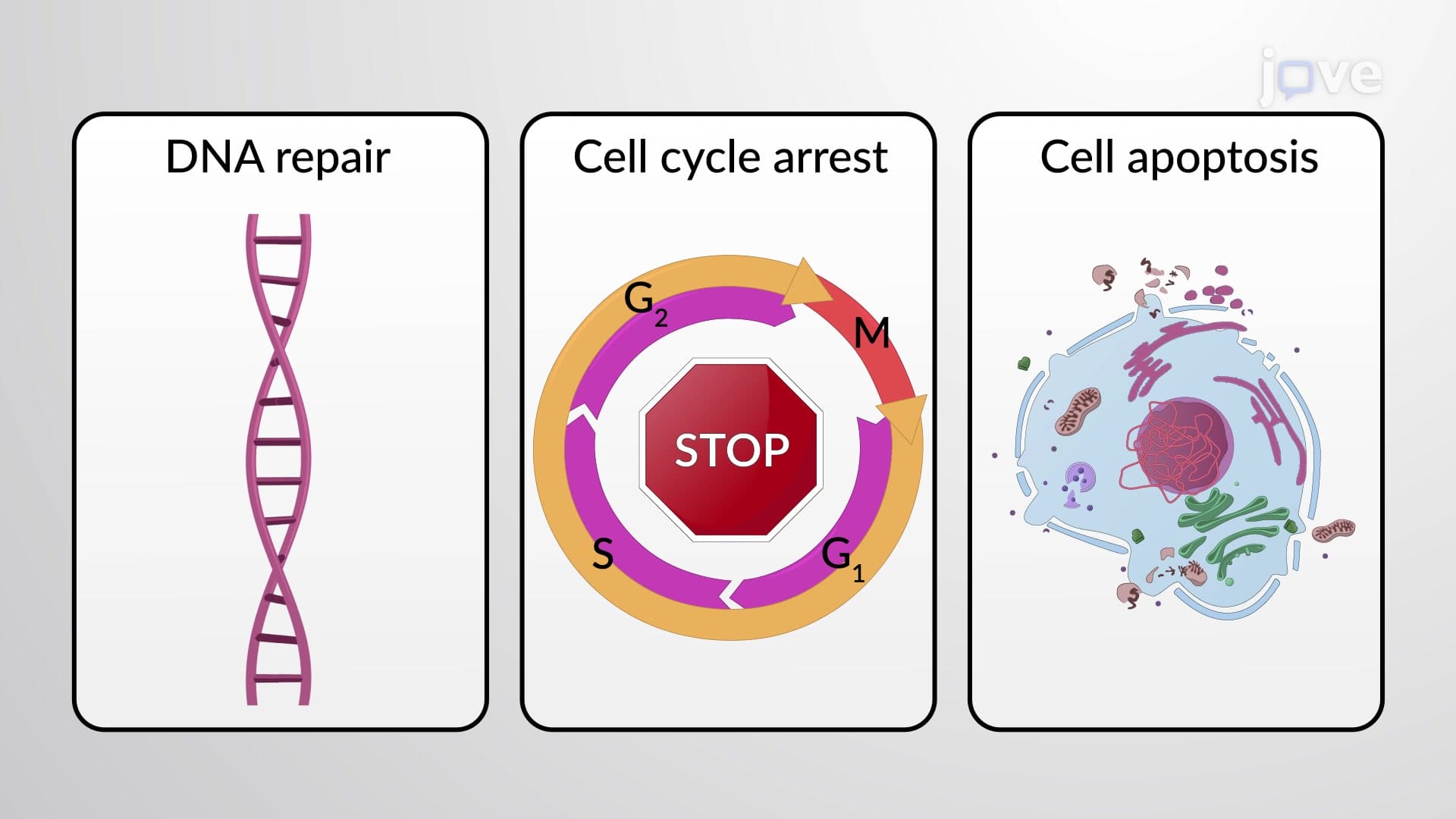
Did you know that cancer often develops when cellular "brakes" fail to stop? Inhibition of cdk activity serves as the cell's critical control system, preventing uncontrolled growth that leads to tumors. This regulatory mechanism involves proteins like p53 (famously called the "guardian of the genome") working to halt cell division when DNA damage occurs-a process extensively studied at cancer research centers like MD Anderson in Texas. What is inhibition of cdk activity becomes essential knowledge for understanding how cells maintain healthy growth patterns. Watch the full video on JoVE Coach to master this concept with expert-led visuals and step-by-step explanations.
Inhibition of cdk activity represents one of biology's most sophisticated quality control mechanisms. Cyclin-dependent kinases (Cdks) function as molecular engines driving cell division, but without proper regulation, these engines would race out of control, potentially causing cancer. Think of Cdk inhibition as a car's braking system-essential for safe operation and preventing catastrophic accidents.
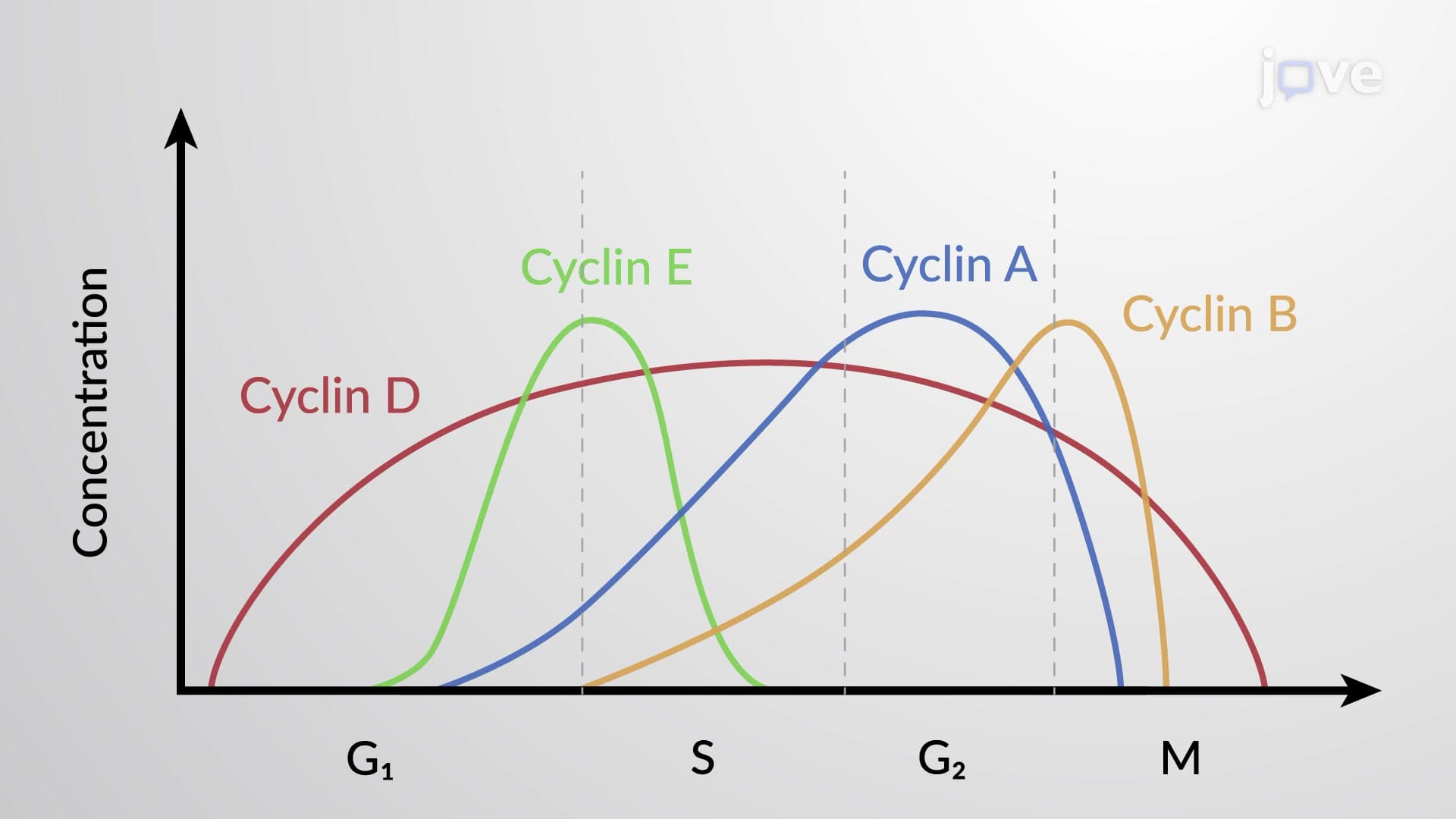
The first mechanism involves cyclin degradation, where the cell systematically destroys cyclin proteins at specific cell cycle phases. Since Cdks require cyclin binding for activation, this degradation effectively shuts down Cdk activity. This process resembles removing a key from an ignition-without the cyclin "key," the Cdk "engine" cannot start.
Inhibitory phosphorylation represents the second control mechanism. The Wee1 kinase adds phosphate groups to Cdk's active site, directly blocking its enzymatic function. This modification acts like a safety lock, preventing premature cell cycle progression until conditions are optimal.
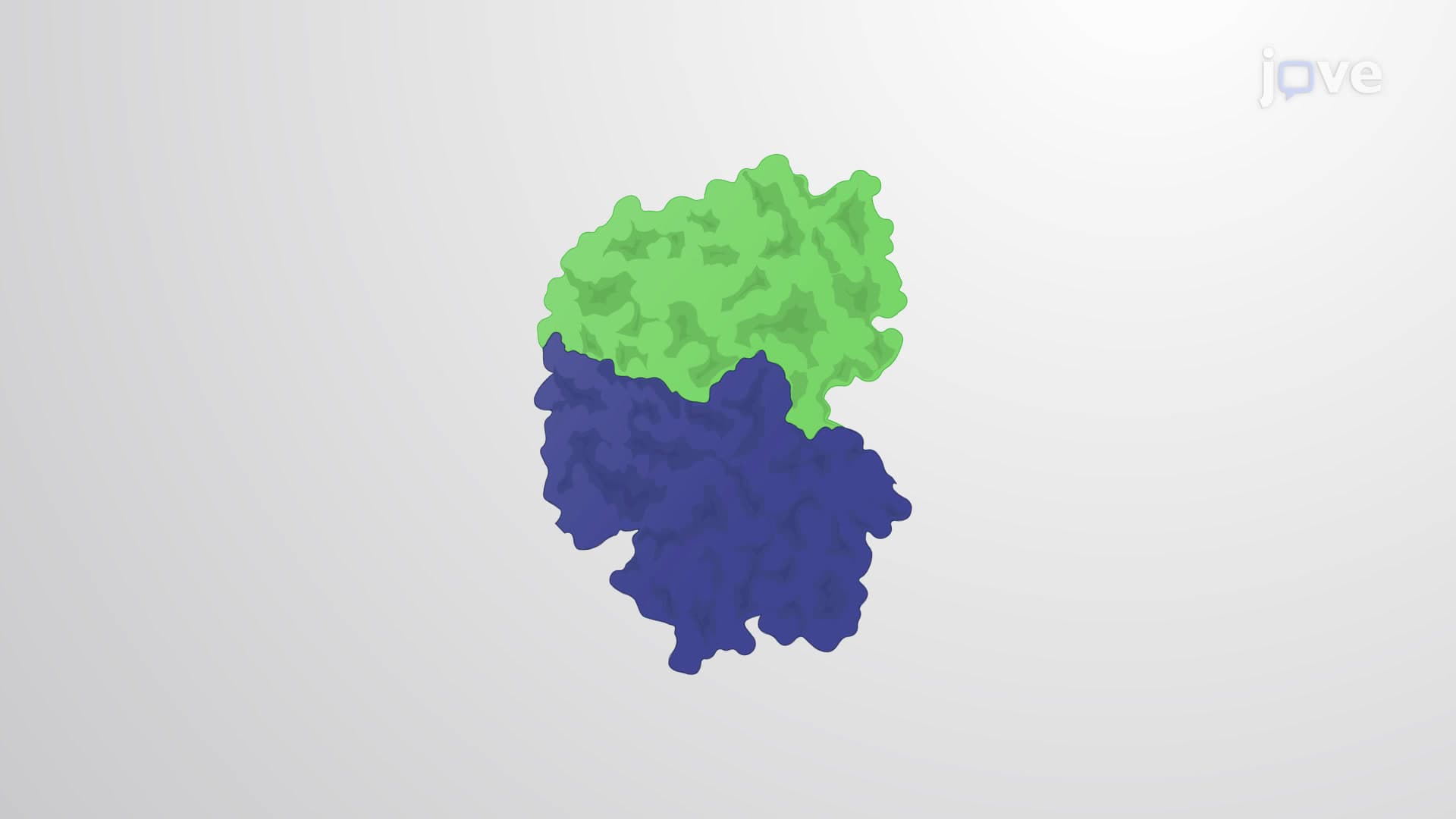
The third mechanism involves Cdk inhibitor proteins (CKIs) that bind directly to cyclin-Cdk complexes, causing conformational changes that disable their activity. These molecular inhibitors include p16, p21, and p27-each responding to different cellular stresses.
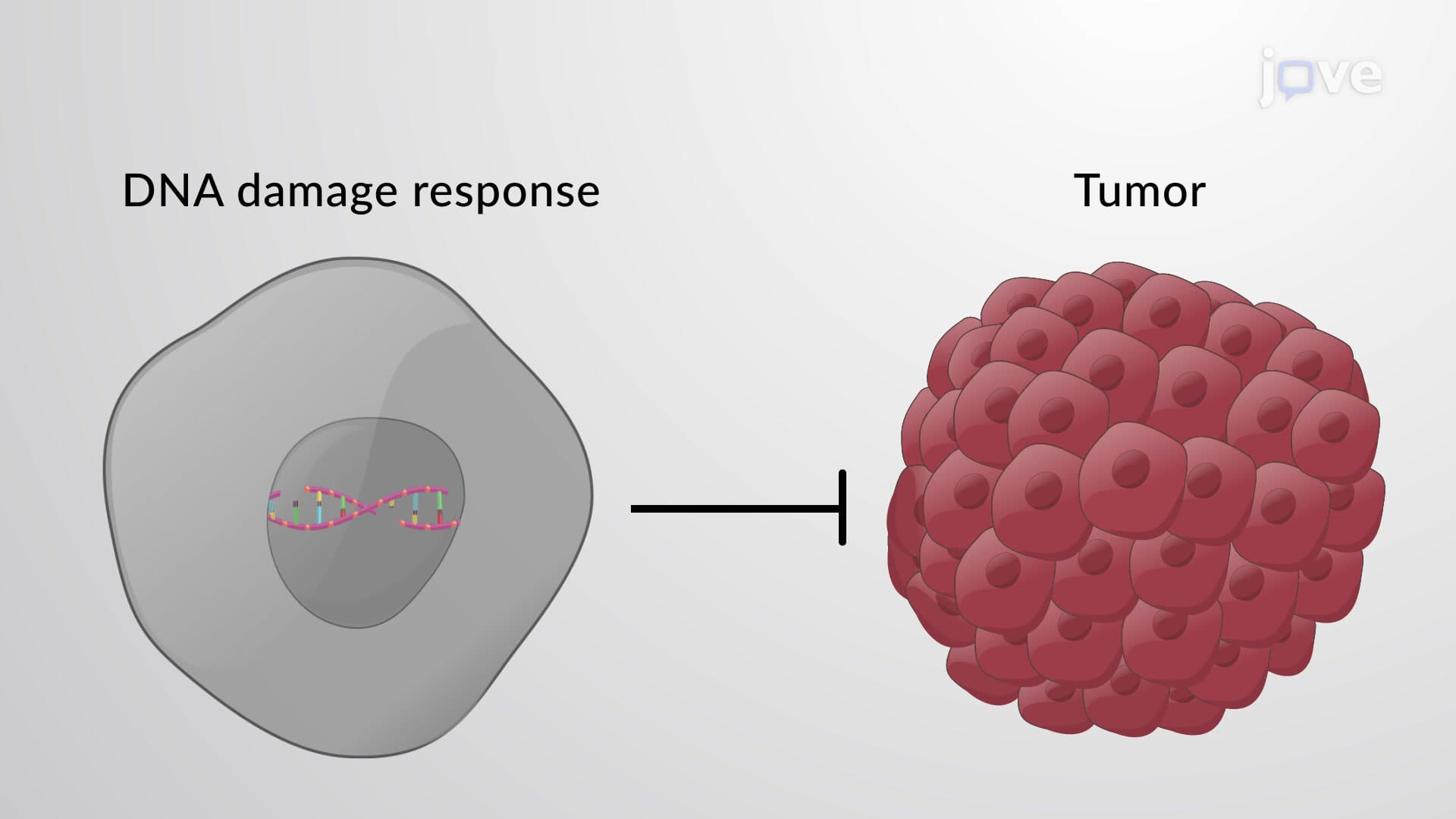
Understanding Cdk inhibition proves crucial for medical applications. The tumor suppressor p53, often mutated in cancers, activates p21 to halt cell division when DNA damage occurs. This knowledge has led pharmaceutical companies like Pfizer and Merck to develop CDK4/6 inhibitors (such as Palbociclib) for breast cancer treatment-drugs that essentially restore the cell's natural braking system.
For students preparing for the MCAT or AP Biology exams, remember that Cdk inhibition questions often focus on checkpoint control. The G1/S checkpoint, regulated by p21 and p27, frequently appears in multiple-choice questions asking about cellular responses to stress conditions.
When cells experience stress-whether from DNA damage, insufficient nutrients, or crowded growth conditions-different CKIs respond appropriately. The p27 protein monitors resource availability, halting S phase entry when nutrients are scarce. Meanwhile, p16 responds to DNA damage by completely dismantling cyclin-Cdk complexes. This coordinated response ensures that only healthy, well-prepared cells proceed through division, maintaining tissue integrity throughout an organism's lifetime.
Related Micro-courses