Loading subject page…

- Molecular Biology
- Cell Proliferation
- What is the Cell Cycle?
Micro-course: Cell Proliferation
72,601 views
Learn key concepts and earn your certificate.

What is the Cell Cycle?

00:00
01:04
Video Summary: The Cell Cycle Definition
Did you know your body creates about 25 million new cells every second? The cell cycle definition biology encompasses the orderly sequence of events that governs how cells grow and divide to replace damaged tissue and support growth. In the United States, understanding this process is crucial for medical students studying cancer biology at institutions like Johns Hopkins University, where researchers investigate how cell cycle disruption leads to tumor formation. The cell cycle definition reveals four distinct phases that ensure accurate DNA replication and proper cell division. Watch the full video on JoVE Coach to master this concept with expert-led visuals and step-by-step explanations.
- Understand the cell cycle definition and identify its four main phases: G1, S, G2, and M phase
- Identify the specific molecular events occurring during interphase (G1, S, G2) versus mitotic phase
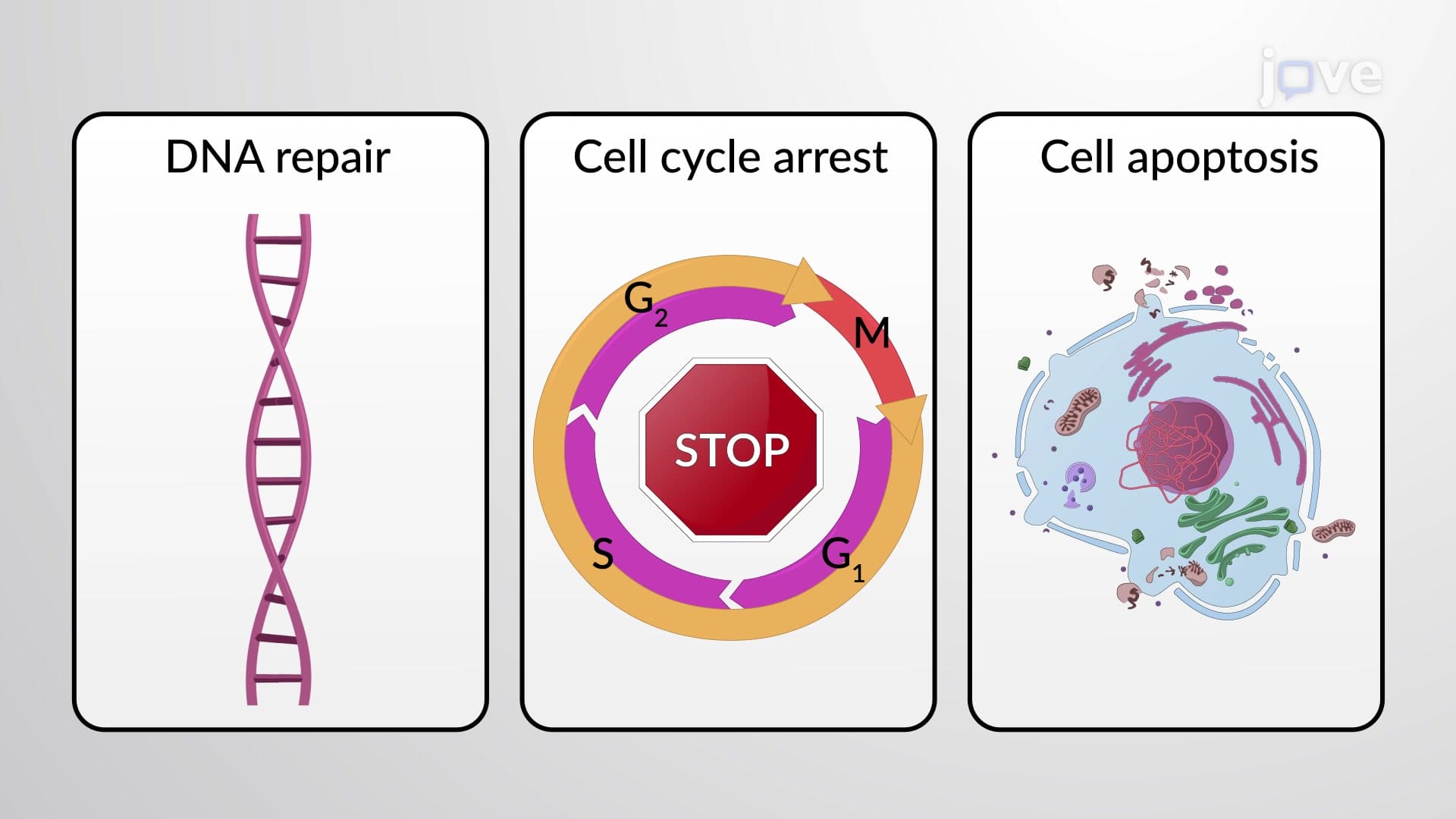
- Analyze how cell cycle checkpoints prevent errors in DNA replication and chromosome separation
- Compare the functions of cyclins, CDKs, and tumor suppressor proteins in cell cycle regulation
- Evaluate the consequences of cell cycle dysregulation in cancer development and genetic disorders
- Apply knowledge of cell cycle timing to predict cellular responses to DNA damage or growth signals
- Recognize the historical significance of radioactive labeling experiments in discovering cell cycle phases
- Explore connections between cell cycle control and therapeutic approaches in cancer treatment
Understanding the Cell Cycle Definition in Modern Biology
The cell cycle definition biology describes a highly regulated series of molecular events that orchestrate cellular growth and division. This fundamental process ensures that genetic material is accurately duplicated and distributed to daughter cells, maintaining genomic stability across generations. For students preparing for the MCAT or AP Biology exams, mastering cell cycle concepts provides essential knowledge for understanding both normal physiology and disease mechanisms.
The Four Phases of Cell Cycle Progression
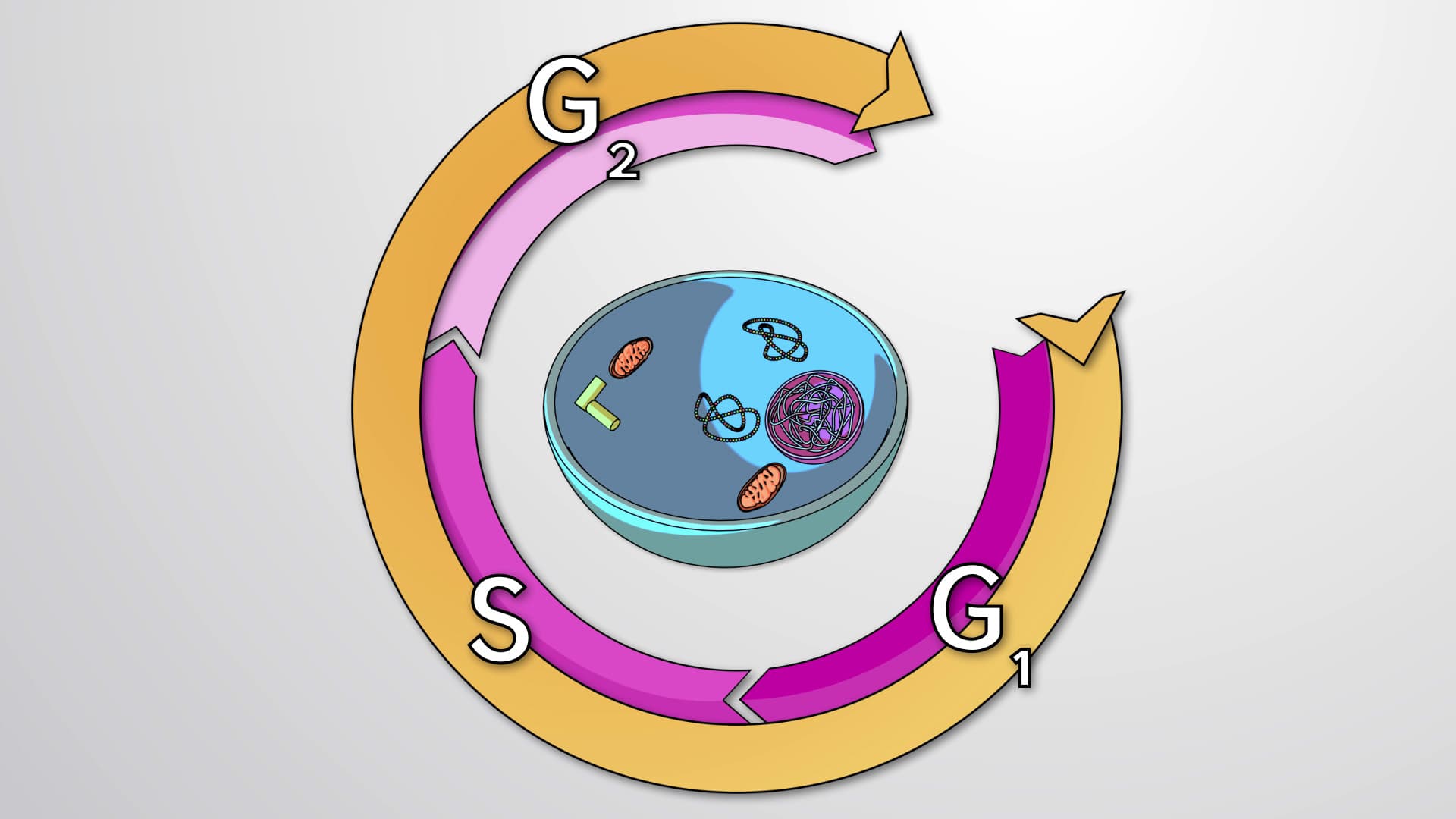
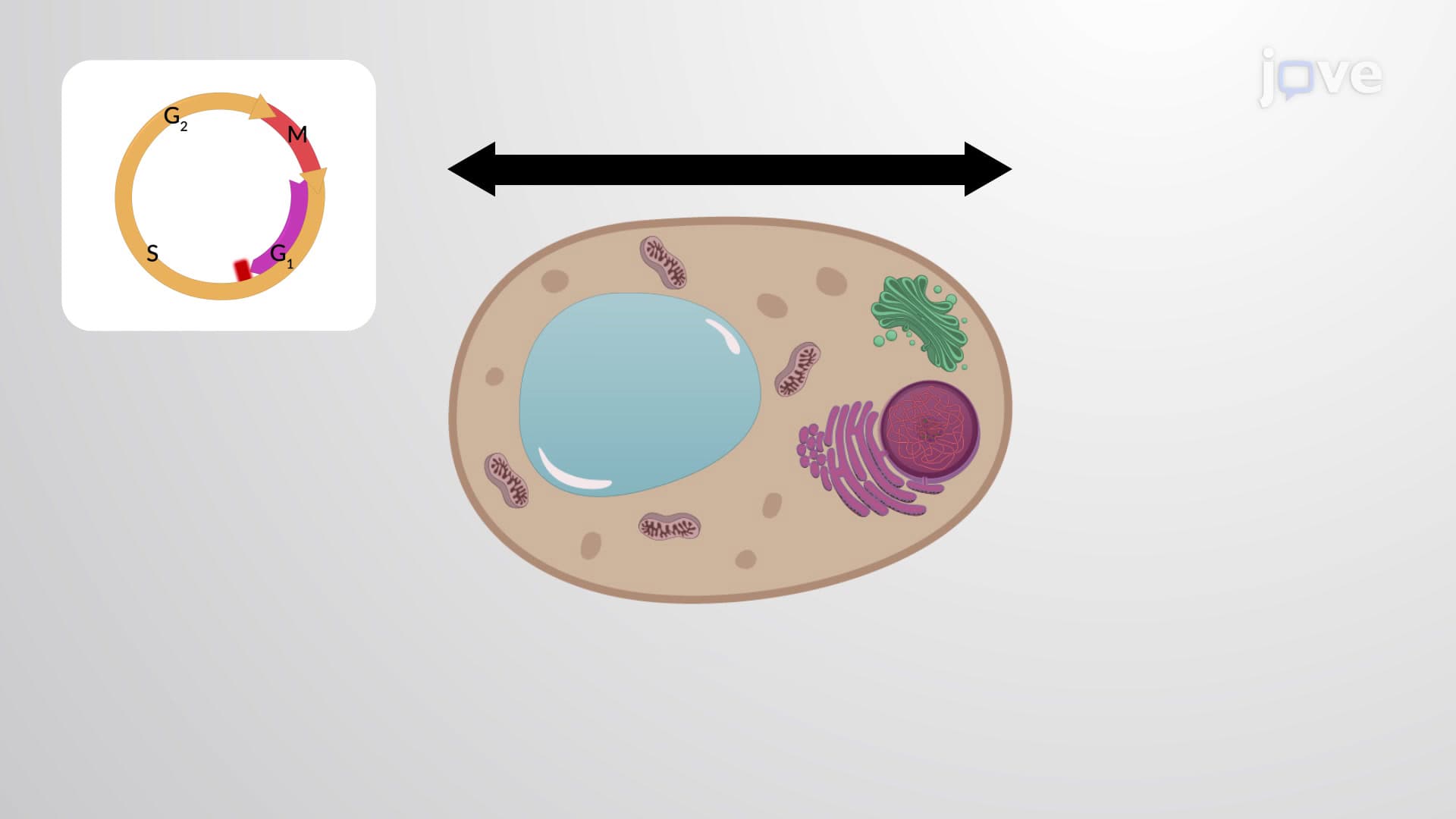
The cell cycle stages follow a predictable sequence beginning with G1 phase, where cells accumulate nutrients and synthesize proteins required for DNA replication. During this growth phase, cells must pass the G1/S checkpoint, also called the restriction point, which monitors cell size, nutrient availability, and DNA integrity. Students at universities like MIT study how growth factor signaling pathways regulate this critical decision point.
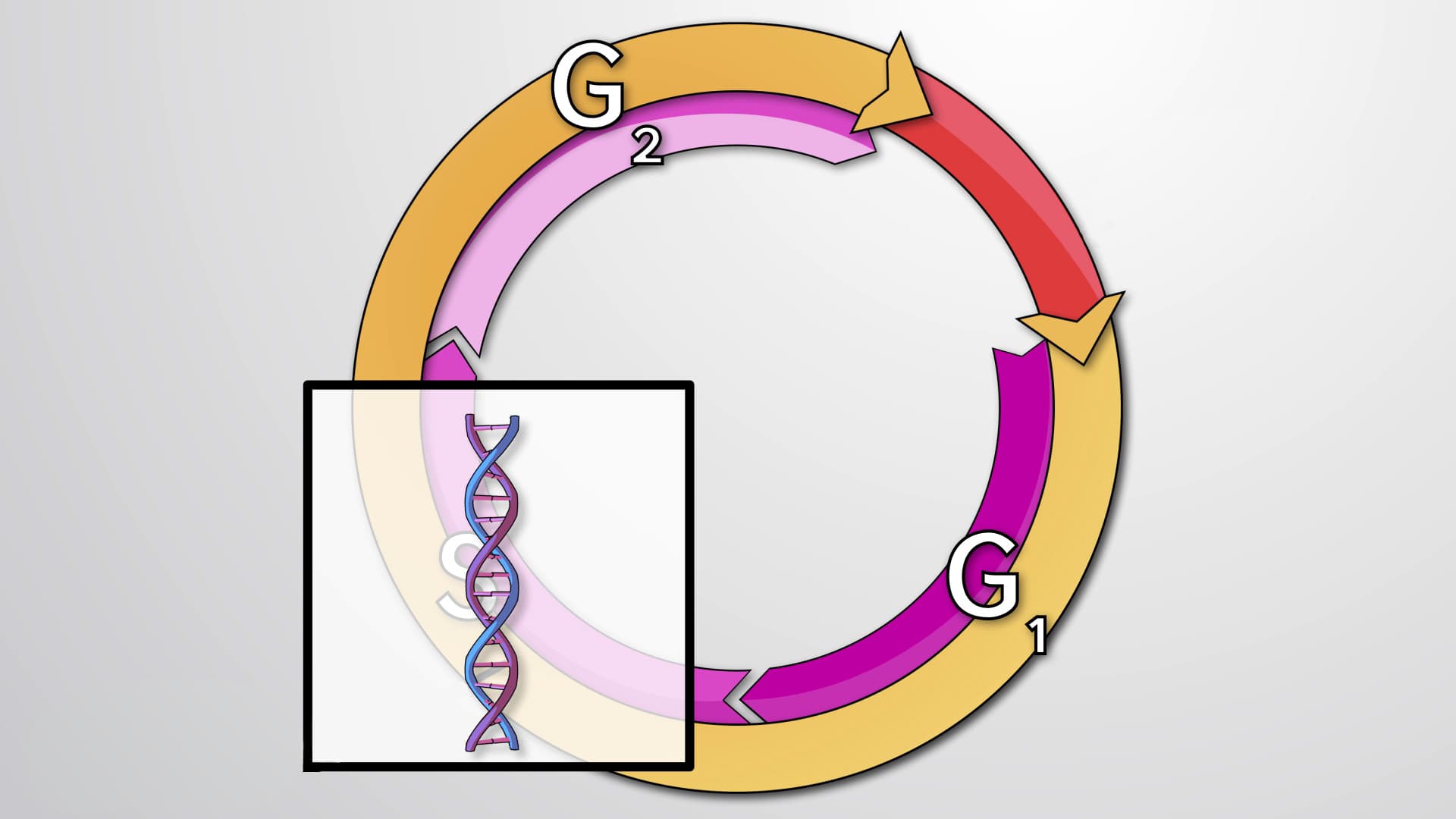
The S phase represents the synthesis period when DNA replication machinery duplicates the entire genome. This process requires precise coordination of DNA polymerases, helicases, and other replication proteins to ensure faithful copying without errors. Following S phase, cells enter G2, a second growth phase focused on protein synthesis and organelle duplication in preparation for mitosis.
Molecular Regulation and Clinical Significance
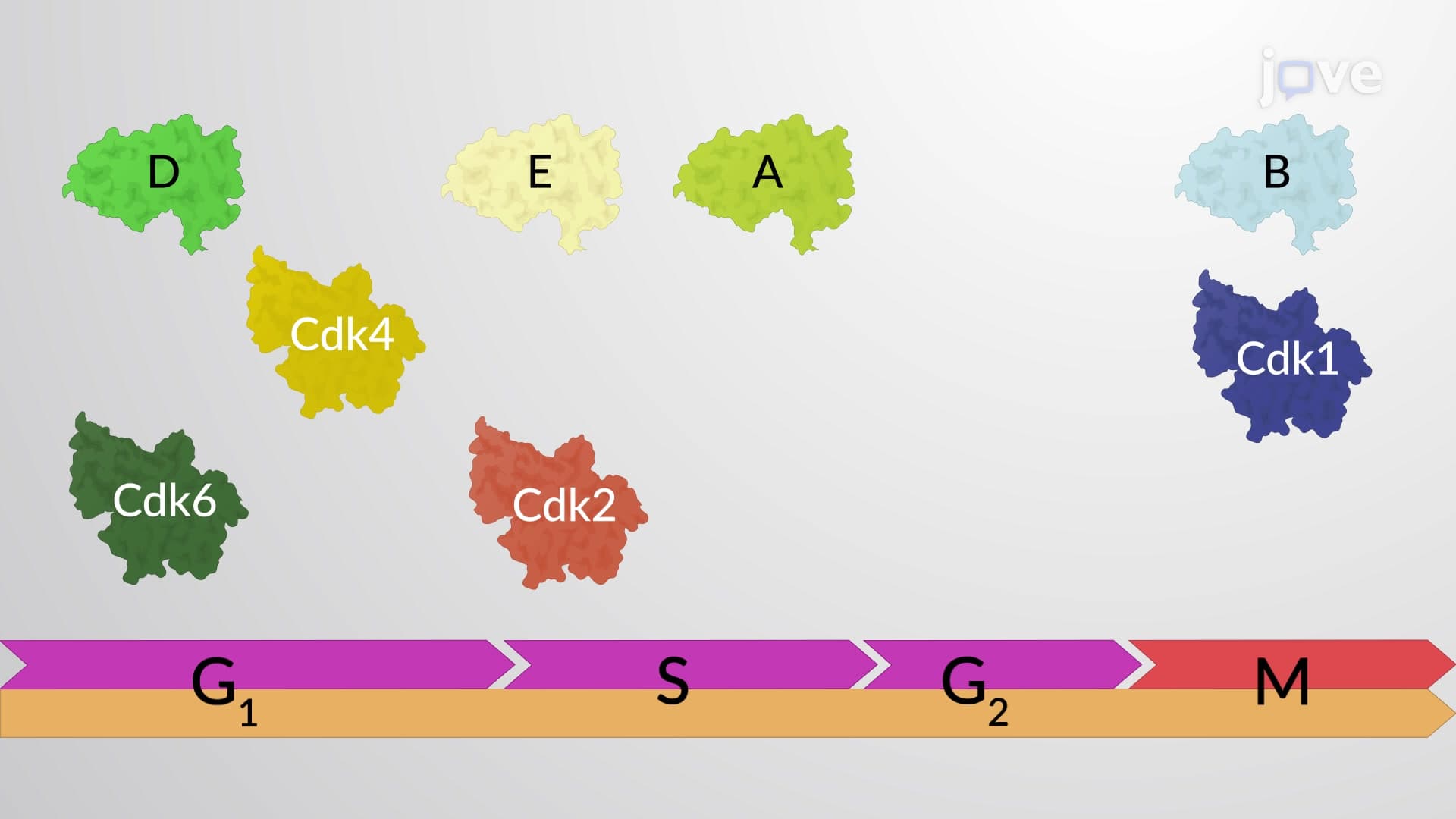
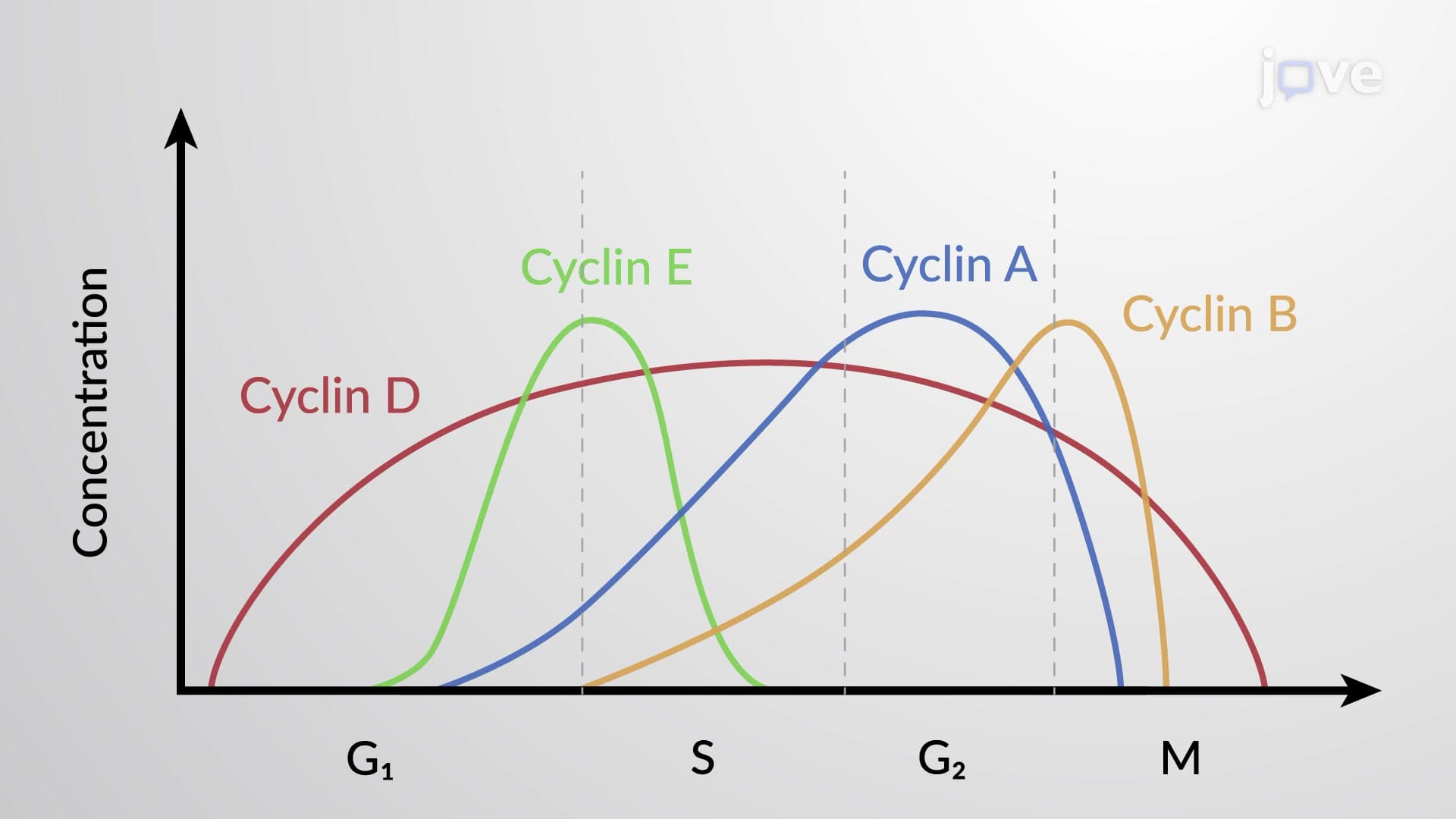
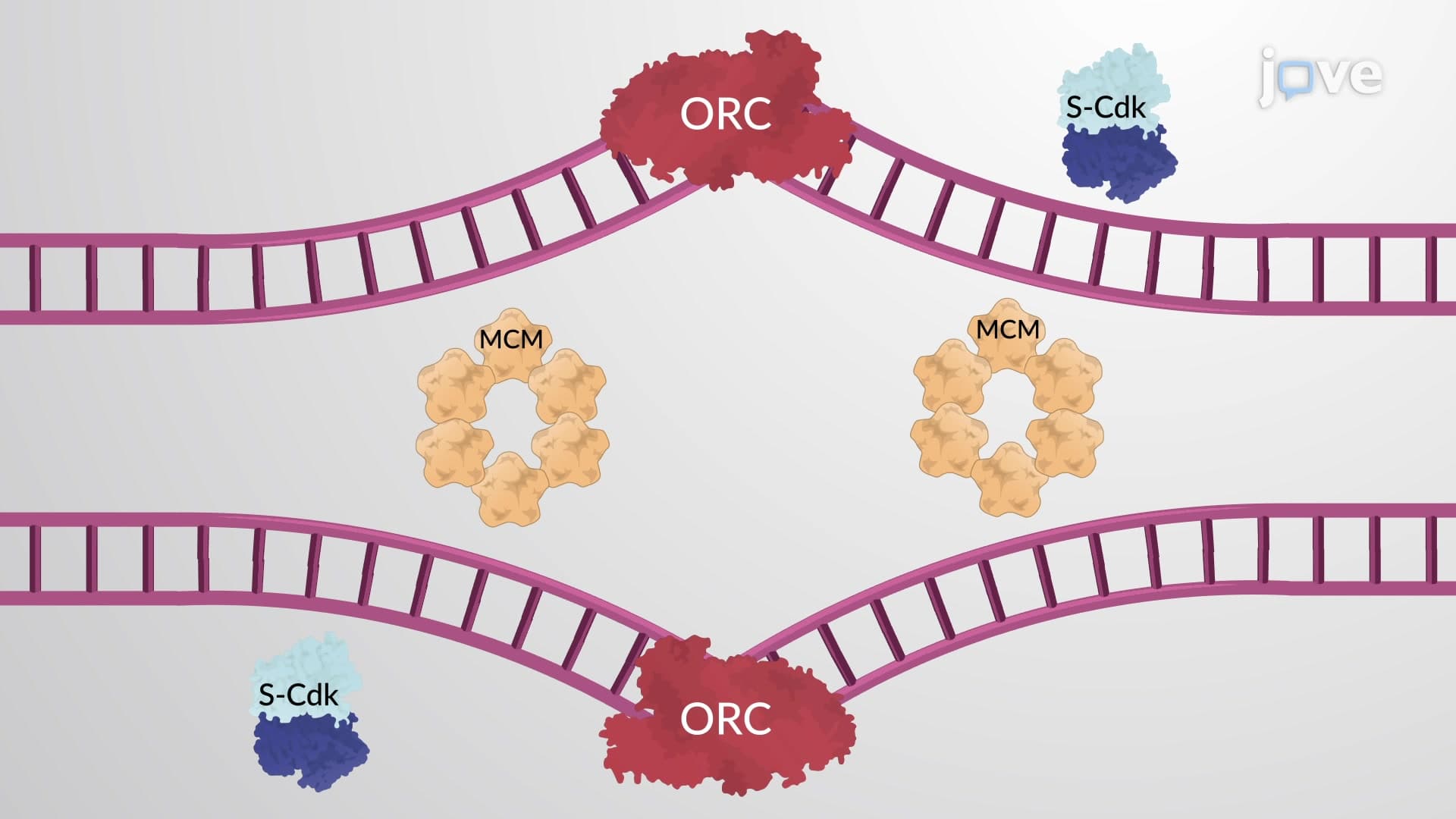
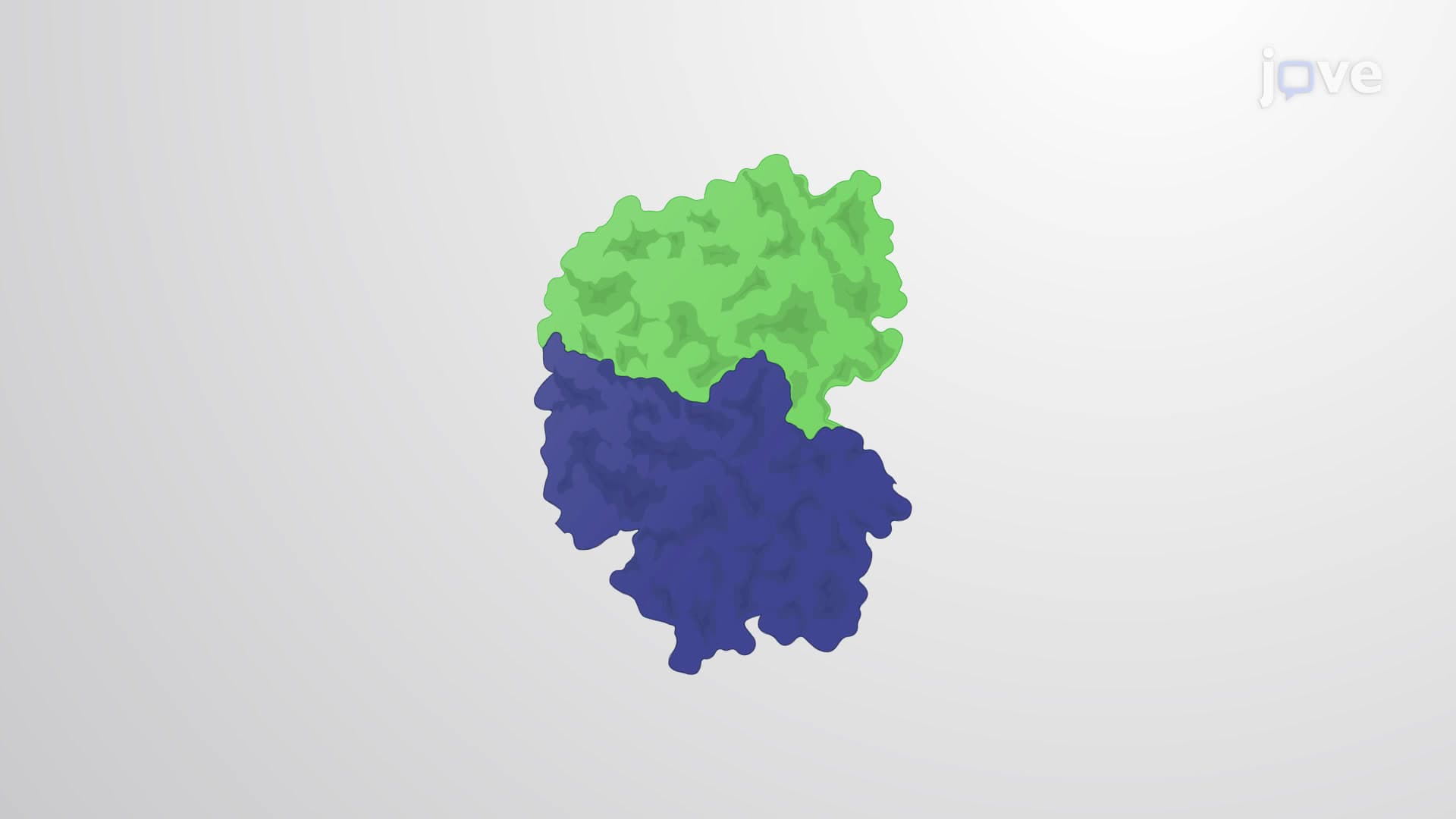
Cell cycle regulation involves sophisticated molecular machinery including cyclin proteins that accumulate and degrade in phase-specific patterns, cyclin-dependent kinases (CDKs) that phosphorylate target proteins, and checkpoint proteins like p53 that halt progression when problems are detected. The p53 tumor suppressor, often called the "guardian of the genome," exemplifies how cells prevent cancer development through rigorous quality control mechanisms.
Understanding these regulatory networks proves essential for medical students studying oncology at institutions like Harvard Medical School, where researchers investigate how mutations in cell cycle genes contribute to cancer development. For example, retinoblastoma protein (Rb) mutations disable G1/S checkpoint control, leading to uncontrolled cell proliferation in various tumor types.
Real-World Applications in Medicine and Research
Cell cycle knowledge directly impacts clinical practice and drug development. Chemotherapy agents like 5-fluorouracil target S-phase cells, while others like paclitaxel arrest cells in mitosis. Students preparing for the USMLE must understand how these mechanisms enable selective cancer cell targeting while minimizing damage to normal tissues.
Frequently Asked Questions
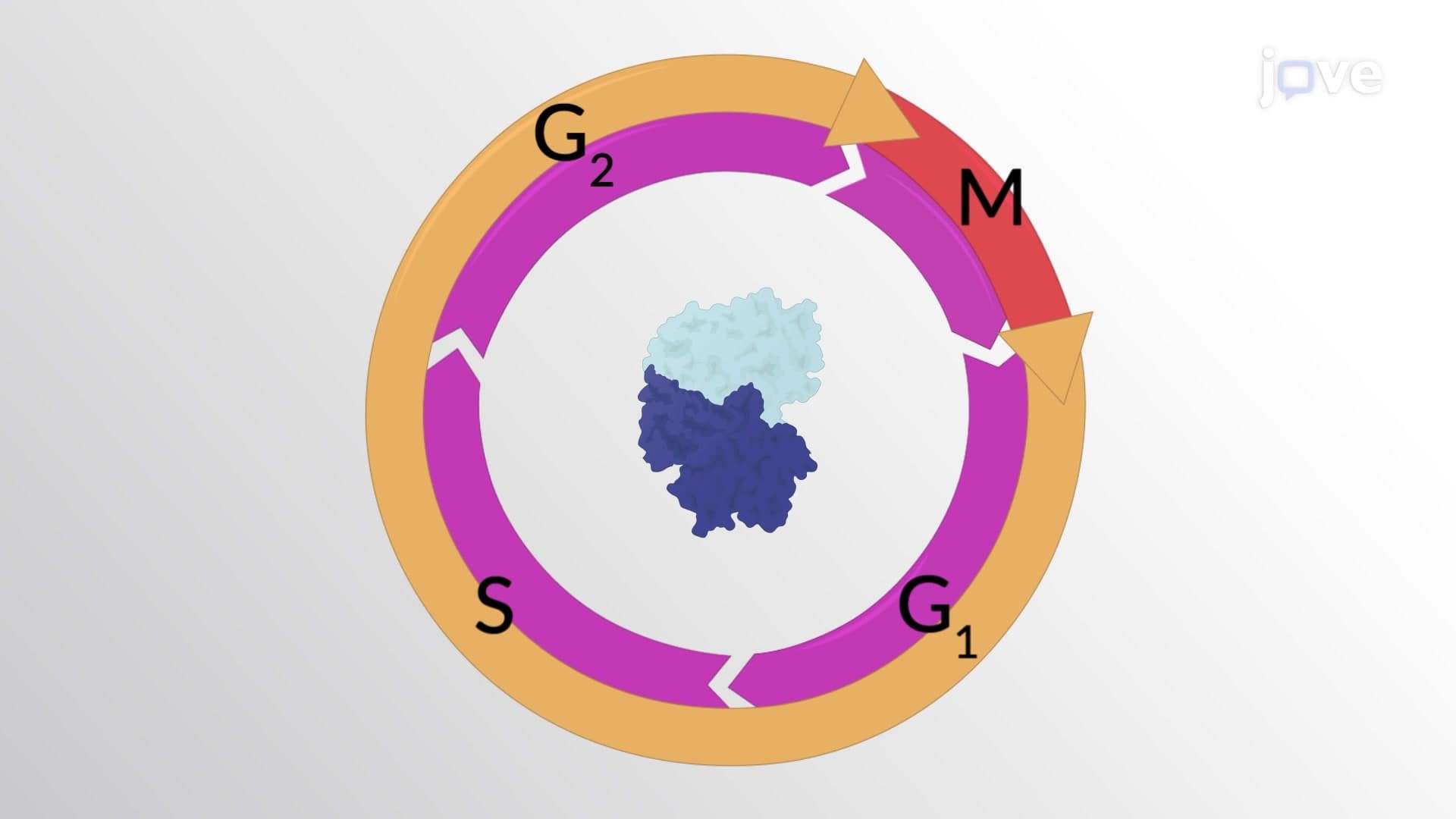
The cell cycle definition describes the ordered sequence of events that cells undergo to grow and divide into two daughter cells. It consists of four main phases: G1 (growth), S (DNA synthesis), G2 (preparation for division), and M (mitosis). This process ensures accurate transmission of genetic information from parent to daughter cells.
MCAT and AP Biology exams frequently test cell cycle knowledge through questions about phase-specific events, checkpoint regulation, and cancer biology. Students encounter scenarios involving cyclin/CDK interactions, p53 function, and mitotic spindle formation. Practice identifying which cellular processes occur during specific phases and understanding how mutations disrupt normal cell cycle control.
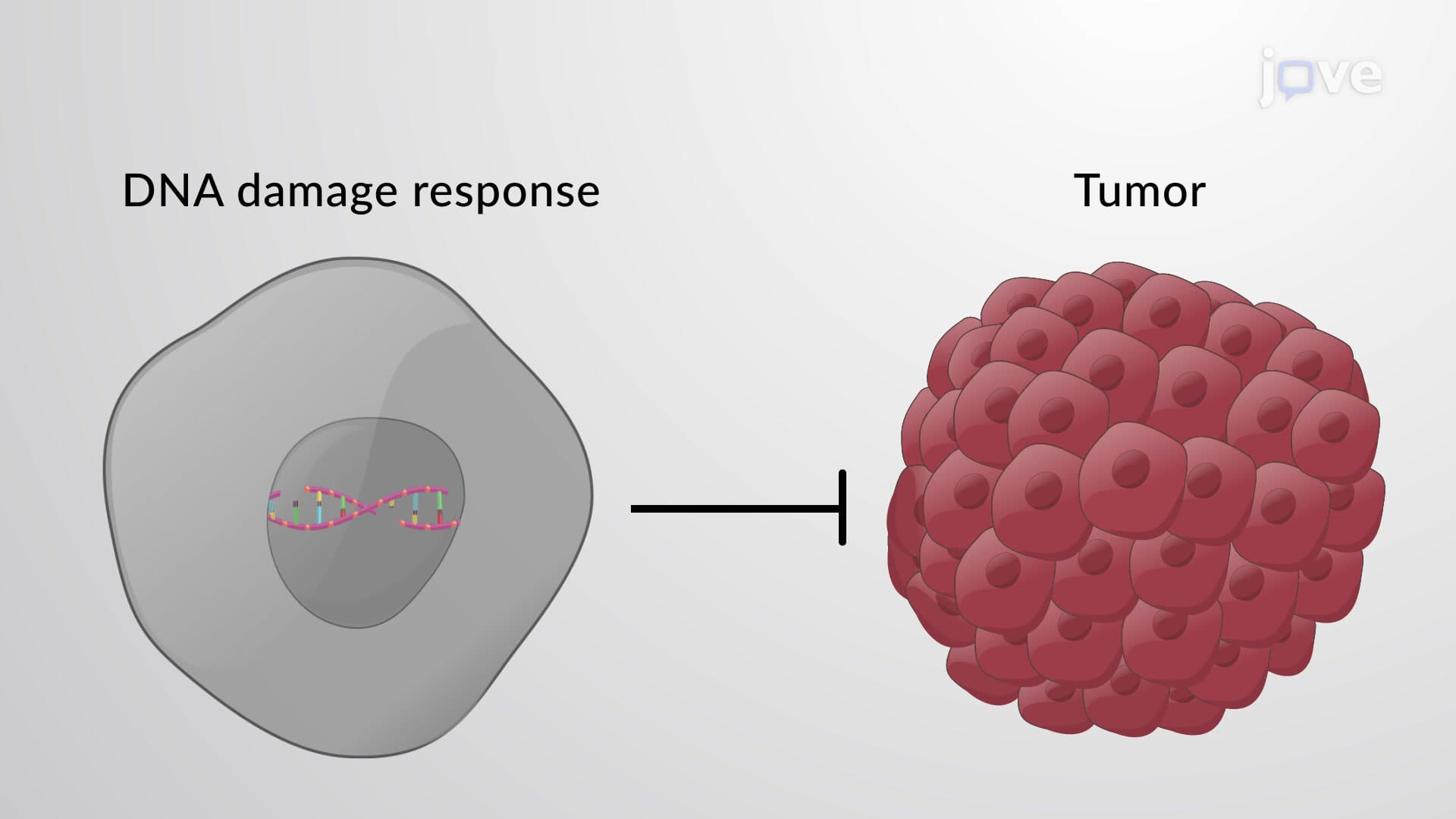
Cancer develops when cell cycle checkpoints fail, allowing cells with damaged DNA to continue dividing uncontrollably. In the United States, oncologists at cancer centers like MD Anderson use this knowledge to design targeted therapies that exploit cell cycle vulnerabilities in tumor cells. Understanding these mechanisms helps explain why cancer cells resist normal growth controls.
The cell cycle concept is very manageable for high school students with basic biology knowledge. Start by understanding that cells must grow (G1), copy their DNA (S), prepare for division (G2), and then divide (M phase). Focus on the big picture first, then add molecular details gradually as you build confidence with the foundational concepts.
Use the mnemonic "Go Synthesis Go Mitosis" for G1-S-G2-M phases, and remember that interphase includes G1, S, and G2. Create concept maps linking each phase to its key events: G1 (growth and G1/S checkpoint), S (DNA replication), G2 (protein synthesis and G2/M checkpoint), and M (nuclear and cellular division). Practice with diagrams showing cyclin levels throughout the cycle.
Cell cycle understanding provides foundation knowledge for cancer biology, developmental biology, genetics, and molecular biology courses. It connects to DNA replication mechanisms, protein synthesis regulation, and signal transduction pathways. Students find this knowledge essential for advanced topics like stem cell biology and tissue engineering.
After understanding basic cell cycle phases, explore advanced topics like epigenetic regulation of cell division, stem cell cycle control, and therapeutic targeting of cell cycle machinery. Study specific cyclins (cyclins D, E, A, B) and their CDK partners, then investigate how cancer cells evade normal checkpoint controls.
Different cell types have varying cell cycle durations based on their functional requirements and differentiation status. For example, intestinal epithelial cells in the human digestive tract divide rapidly (every 24-48 hours) to replace worn-out cells, while neurons rarely divide after development. This variation reflects tissue-specific needs for cell replacement and repair.
Related Micro-courses


