Loading subject page…

- Molecular Biology
- Cell Proliferation
- S-Cdk Initiates DNA Replication
Micro-course: Cell Proliferation
72,601 views
Learn key concepts and earn your certificate.

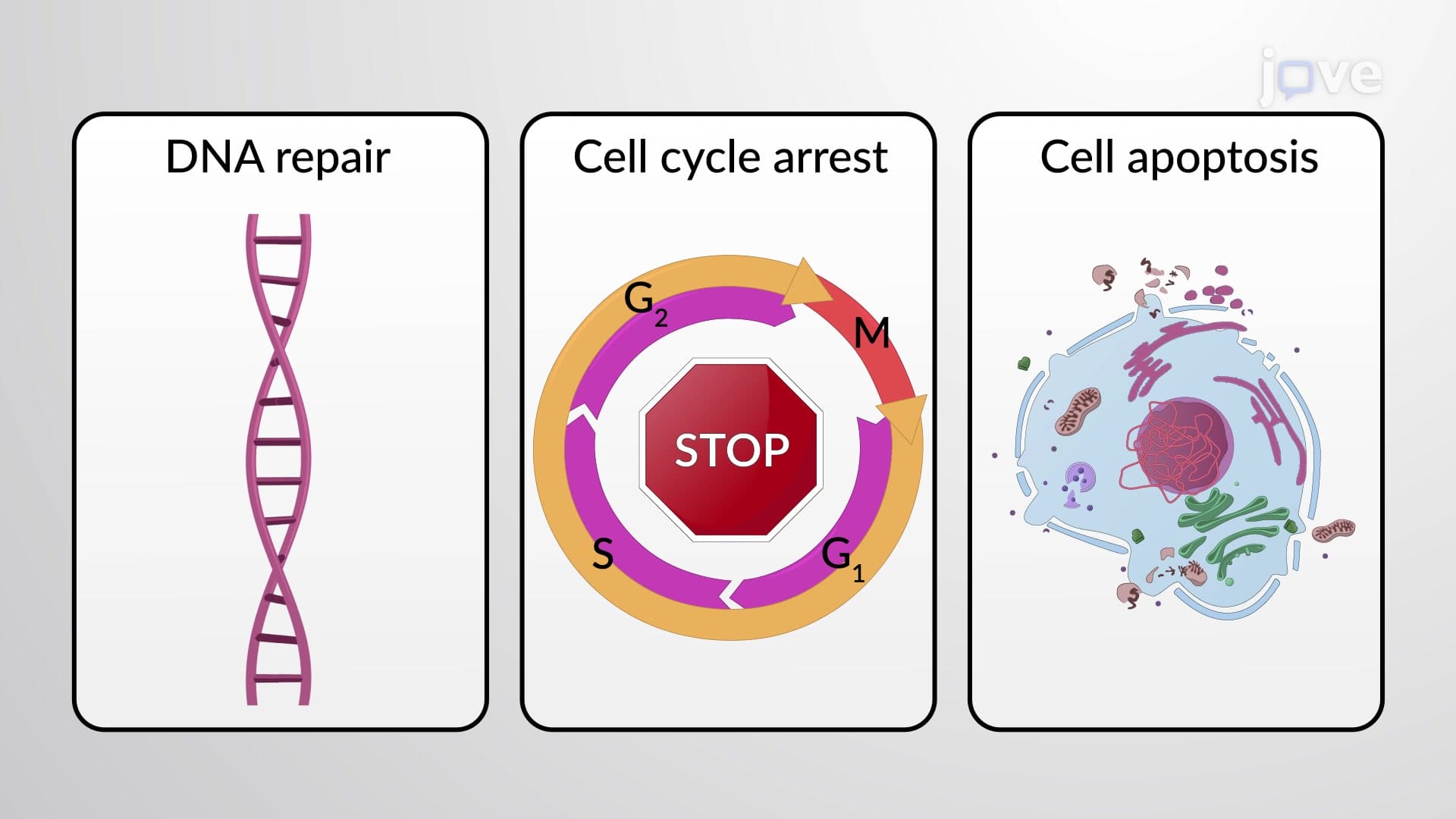
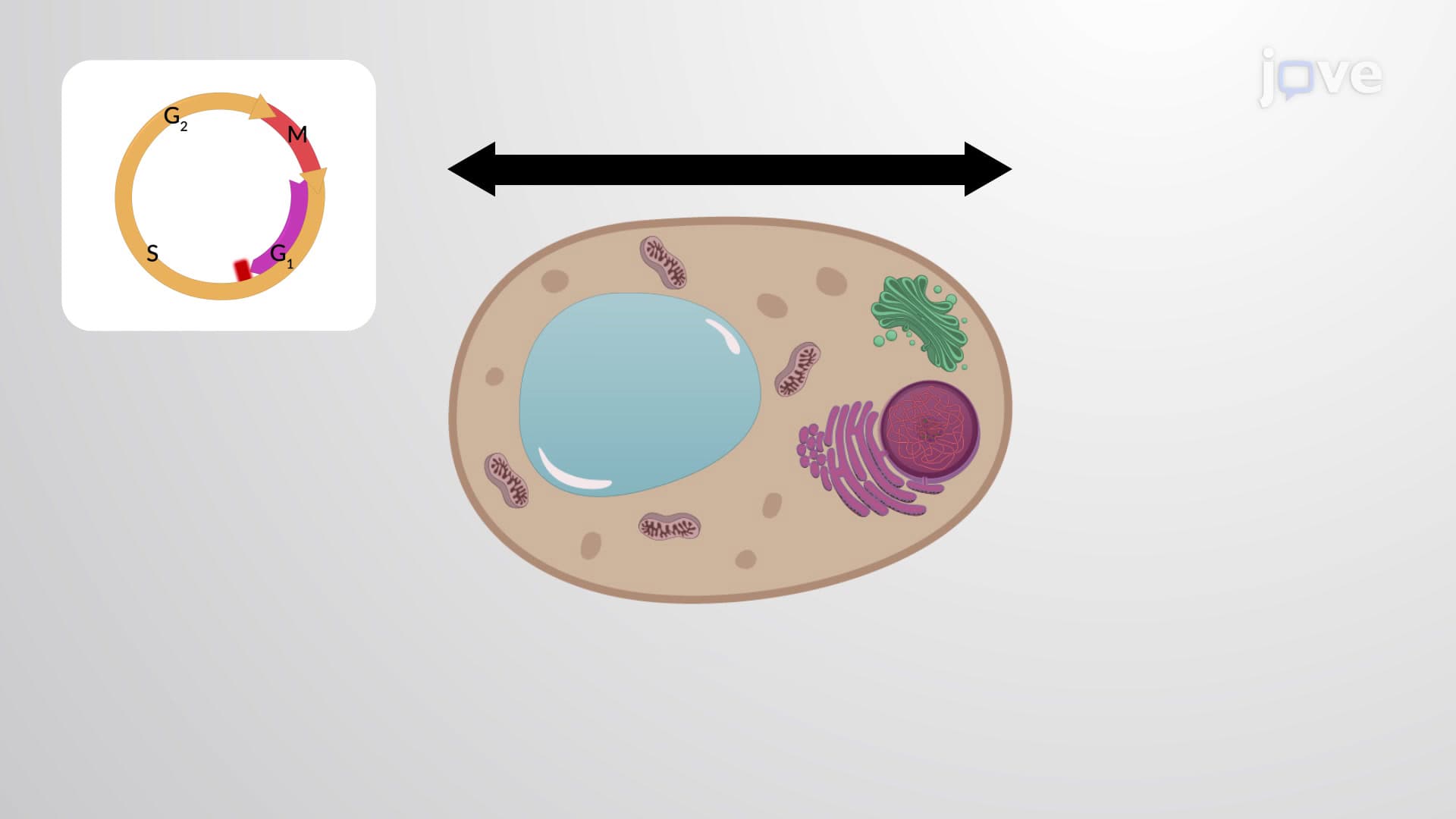
S-Cdk Initiates DNA Replication

00:00
02:38
Video Summary: S Cdk Initiates DNA Replication Explained
What keeps cancer cells from spinning out of control during DNA copying? S CDK initiates DNA replication with precision timing that prevents the genetic chaos seen in tumors. This cellular checkpoint system works like quality control in pharmaceutical manufacturing-companies like Pfizer rely on similar multi-step verification processes to ensure drug safety. Understanding how S CDK initiates DNA replication reveals the elegant molecular machinery that maintains genomic stability in every human cell. Watch the full video on JoVE Coach to master this concept with expert-led visuals and step-by-step explanations.
- Understand how S CDK initiates DNA replication during the S-phase of the cell cycle and prevents re-replication errors
- Identify the key regulatory proteins (Cdc6, Cdt1, MCM) that form pre-replicative complexes before replication begins
- Analyze the phosphorylation cascade that activates DNA helicases and recruits DNA polymerase for replication initiation
- Compare the assembly and disassembly phases of origin recognition complexes throughout the cell cycle
- Evaluate how S-CDK prevents genomic instability by ensuring DNA replication occurs only once per cell cycle
- Apply knowledge of cell cycle checkpoints to understand cancer biology and therapeutic targets
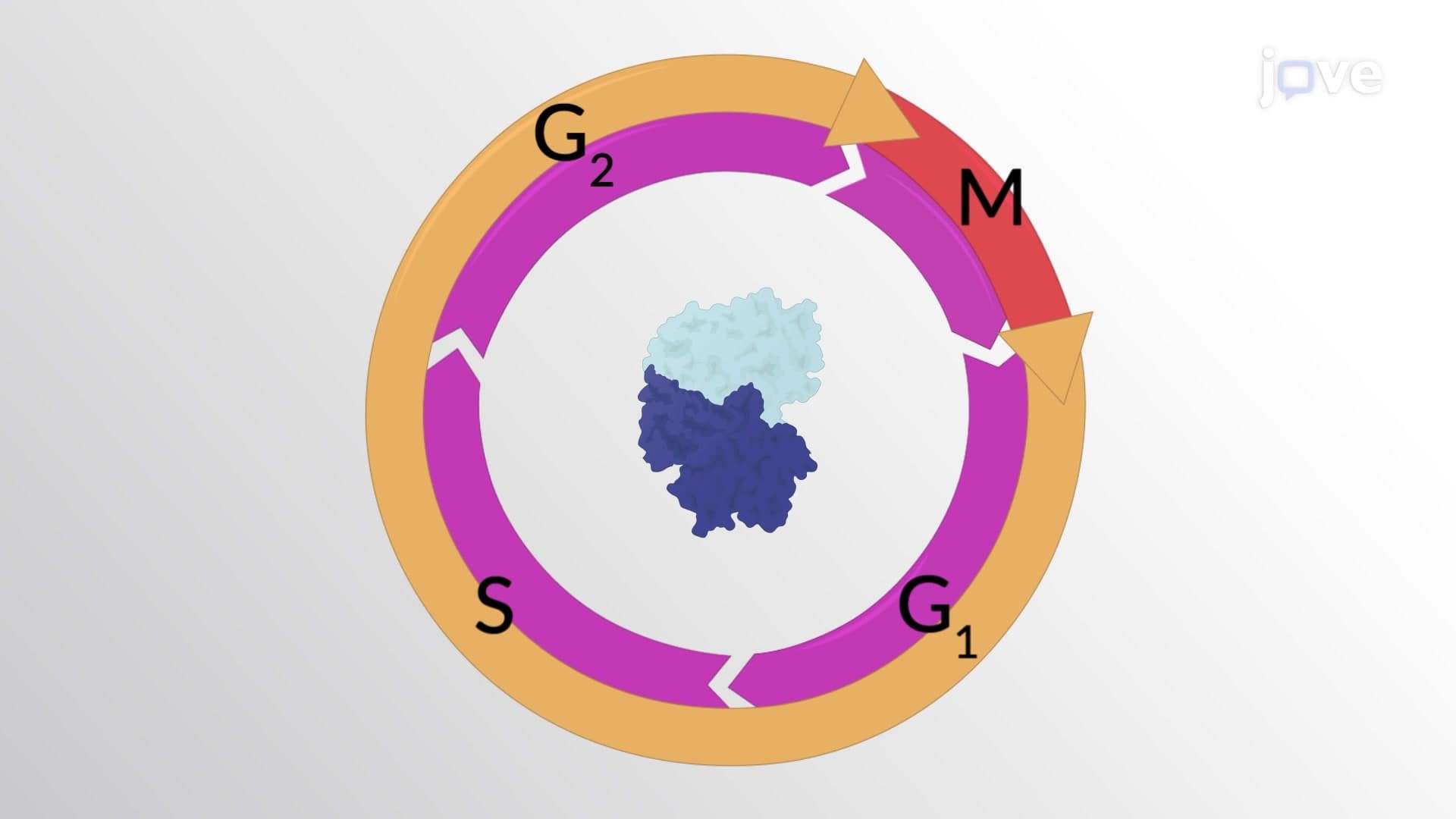
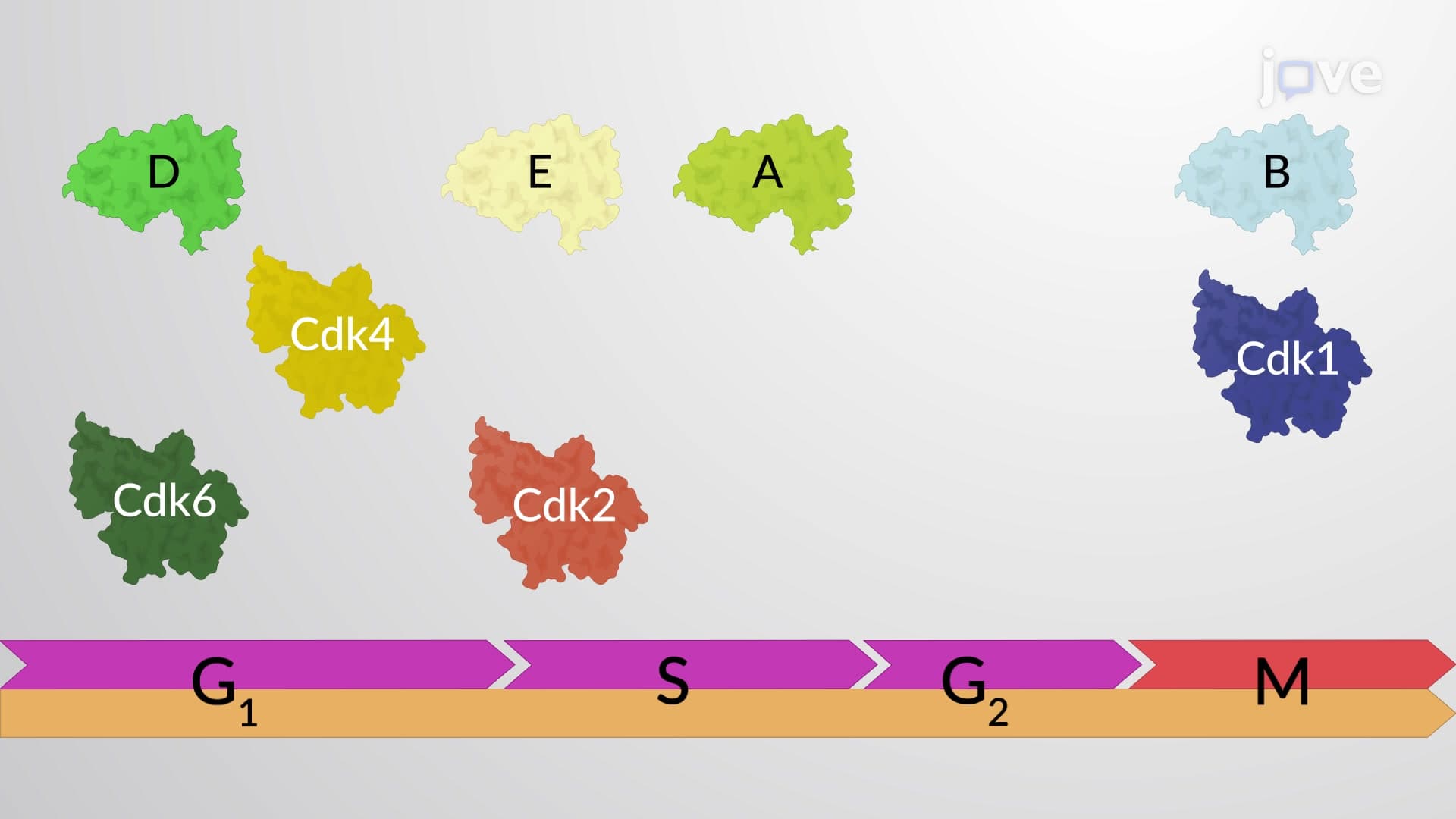
- Recognize the relationship between cyclin-dependent kinases and cell cycle progression control
- Explore the molecular mechanisms that coordinate DNA replication timing with cell division
How S CDK Initiates DNA Replication: The Master Controller
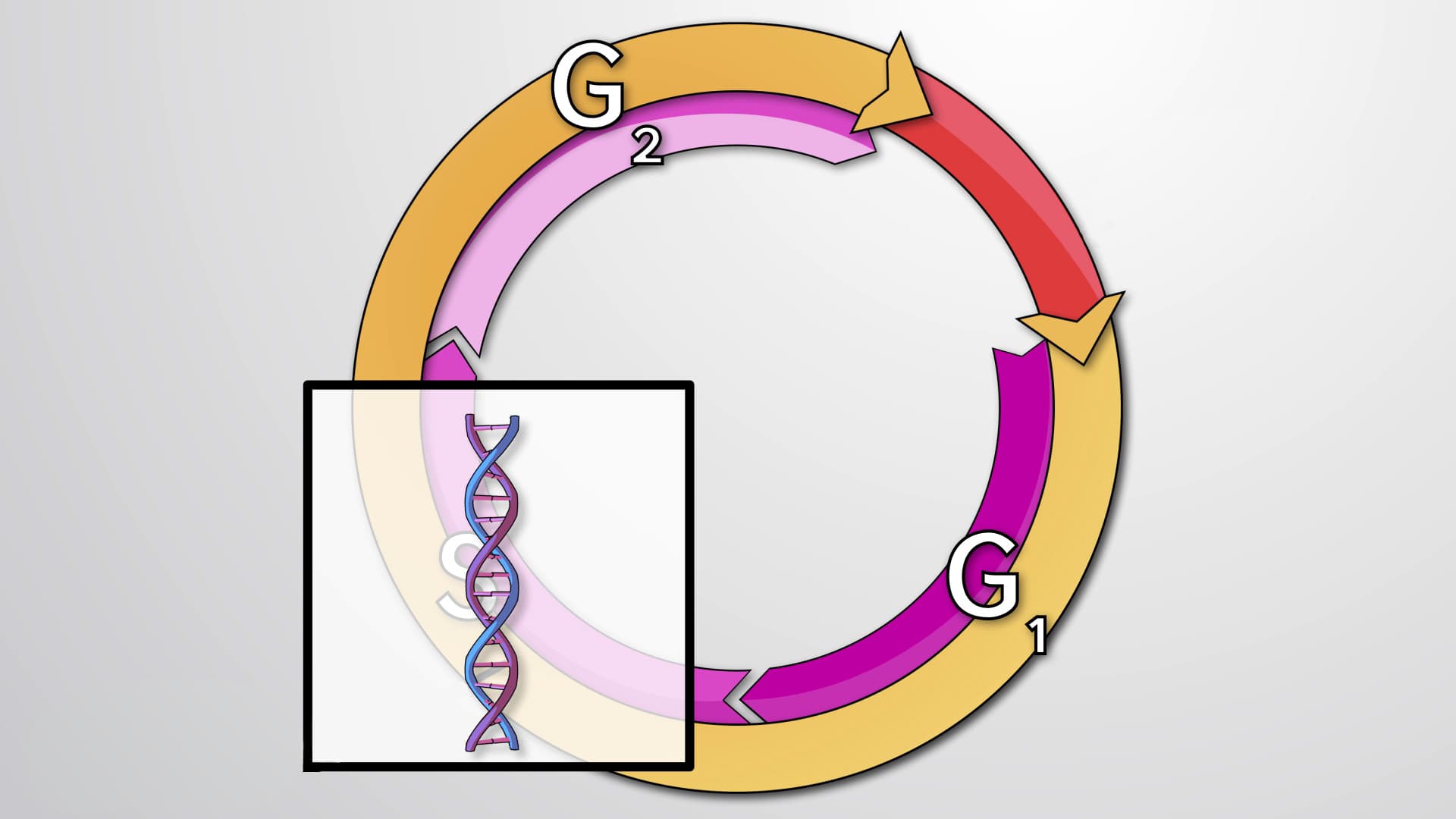
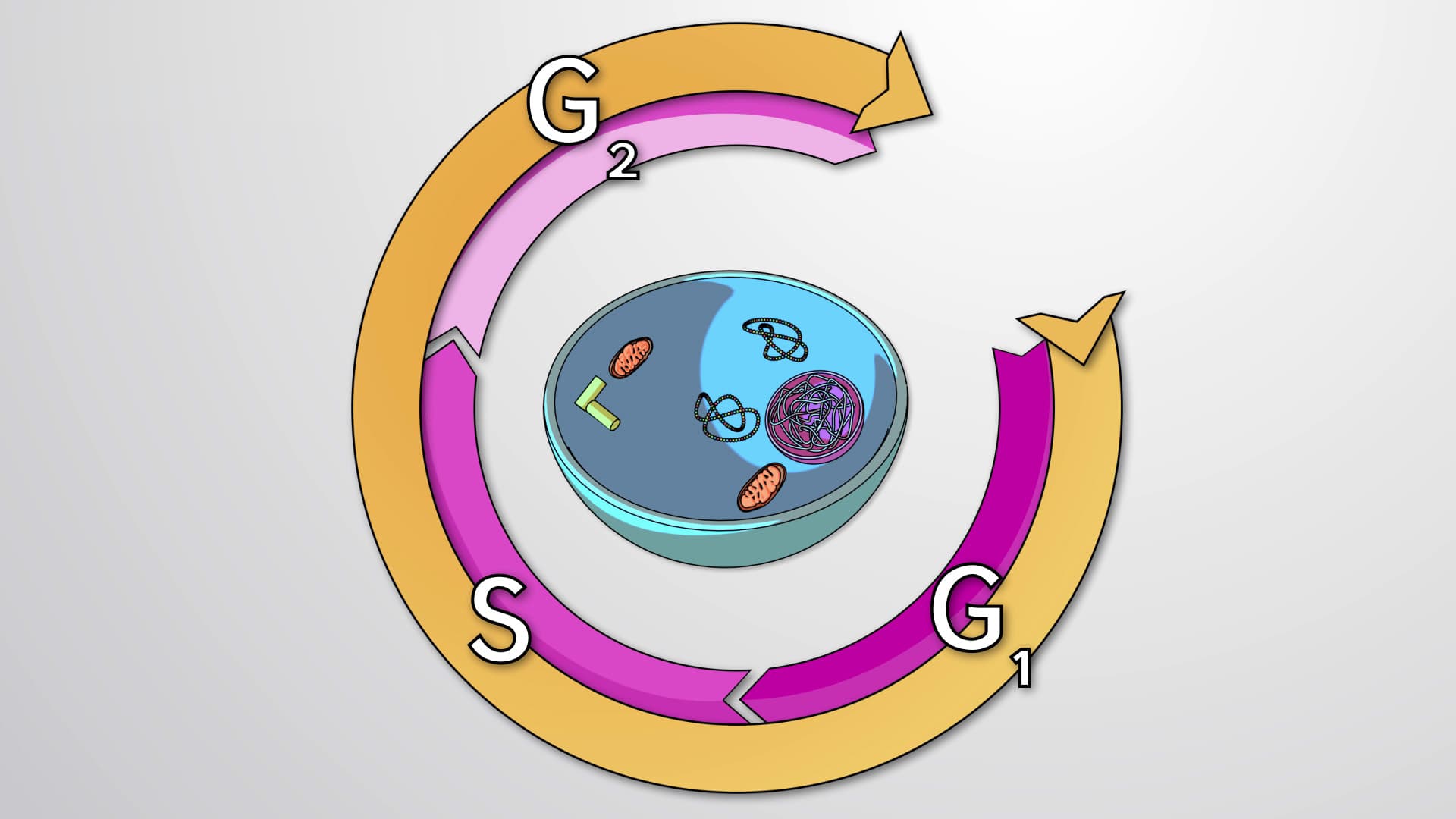
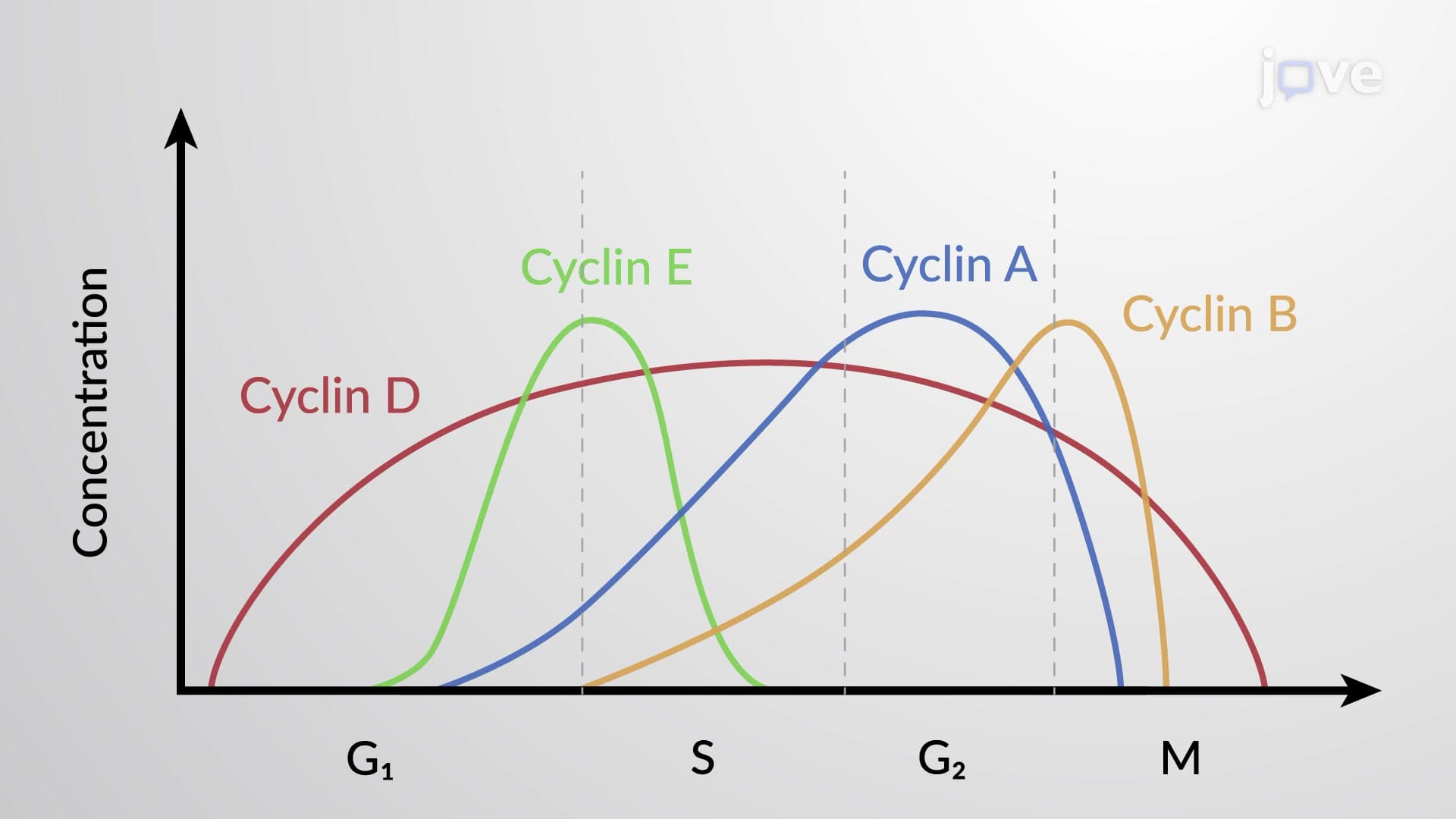
The process of how S CDK initiates DNA replication represents one of biology's most sophisticated quality control systems. During the S-phase of the cell cycle, cells must duplicate their entire genome with extraordinary precision-a task comparable to copying the entire Library of Congress without a single error. S-phase cyclin-dependent kinases (S-CDKs) serve as the master controllers, ensuring this replication happens exactly once per cell cycle.
Pre-Replication Complex Assembly: Setting the Stage
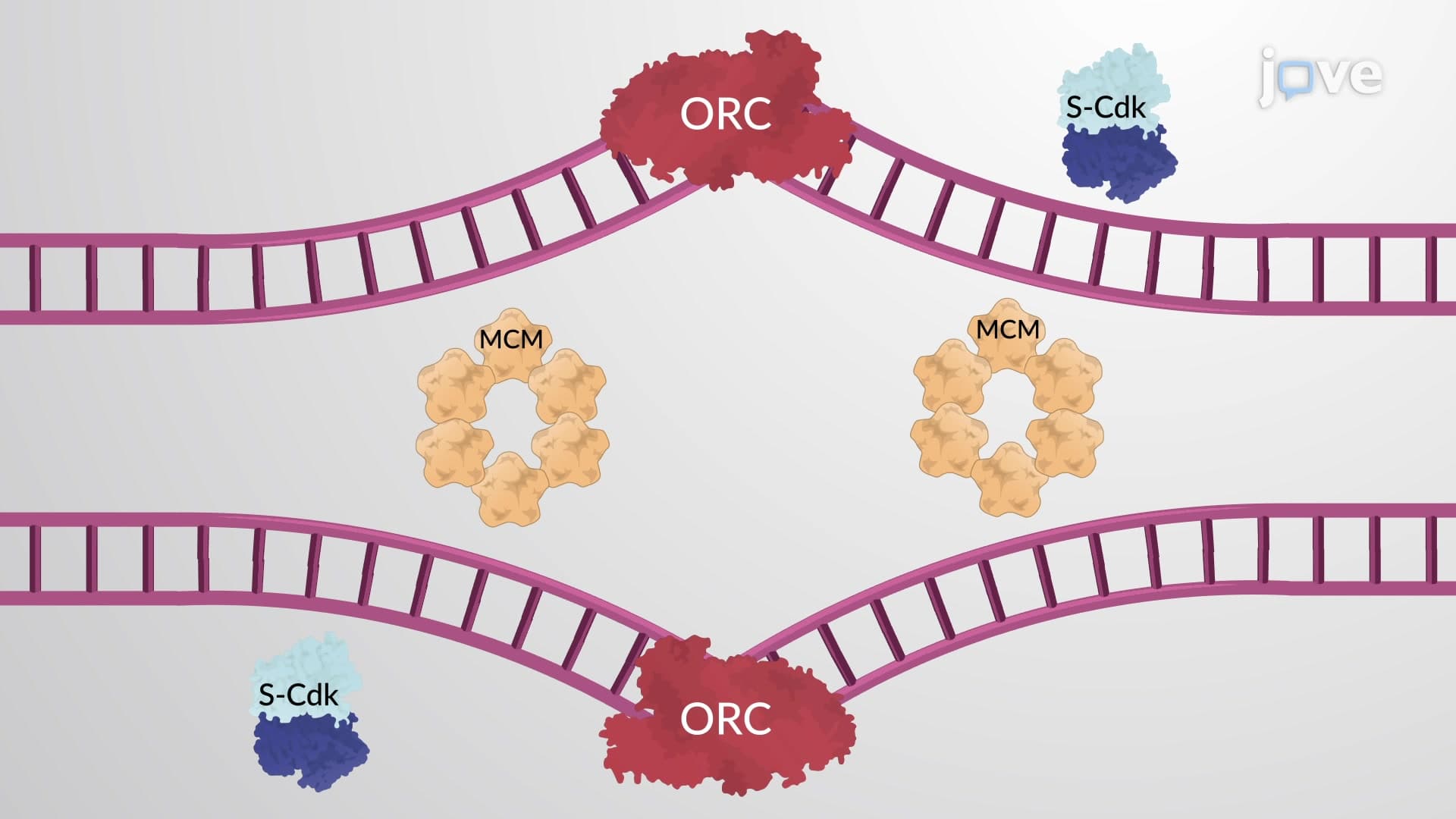
Before S CDK initiates DNA replication, cells must prepare replication origins during the G1 phase. Origin Recognition Complexes (ORCs) first bind to specific DNA sequences, creating molecular landing pads. The regulatory proteins Cdc6 and Cdt1 then recruit MCM (minichromosome maintenance) proteins, forming inactive ring-shaped complexes around the DNA. These pre-replicative complexes (pre-RCs) function like loaded springs, ready to initiate replication when triggered.
This preparation phase is crucial for preventing the genetic instability seen in cancer cells. Students preparing for the MCAT or AP Biology exam should understand that pre-RC formation occurs only during G1, when CDK activity is low. This timing ensures that replication origins are "licensed" for just one round of DNA synthesis.
The S-CDK Activation Cascade: Triggering Replication
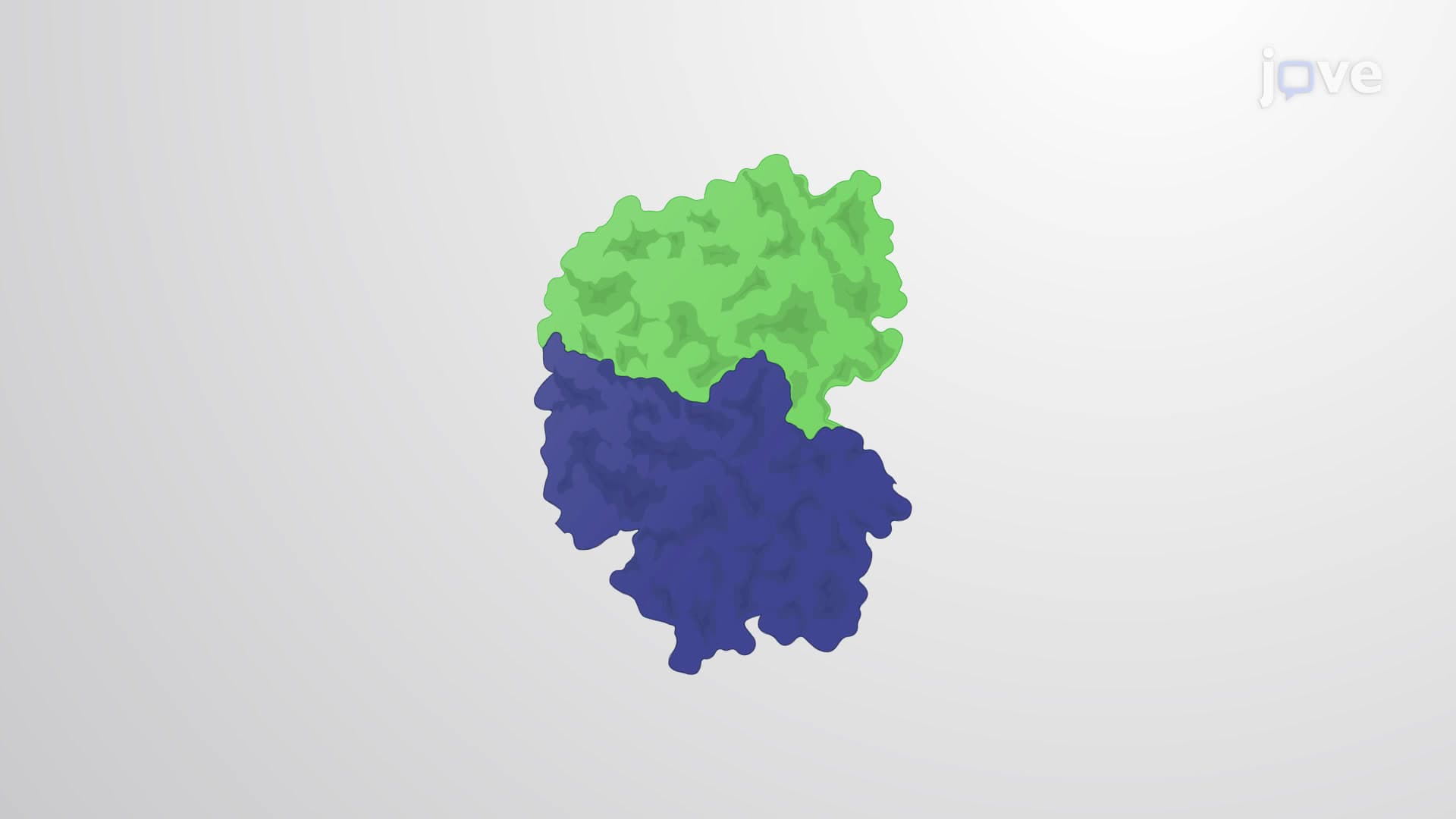
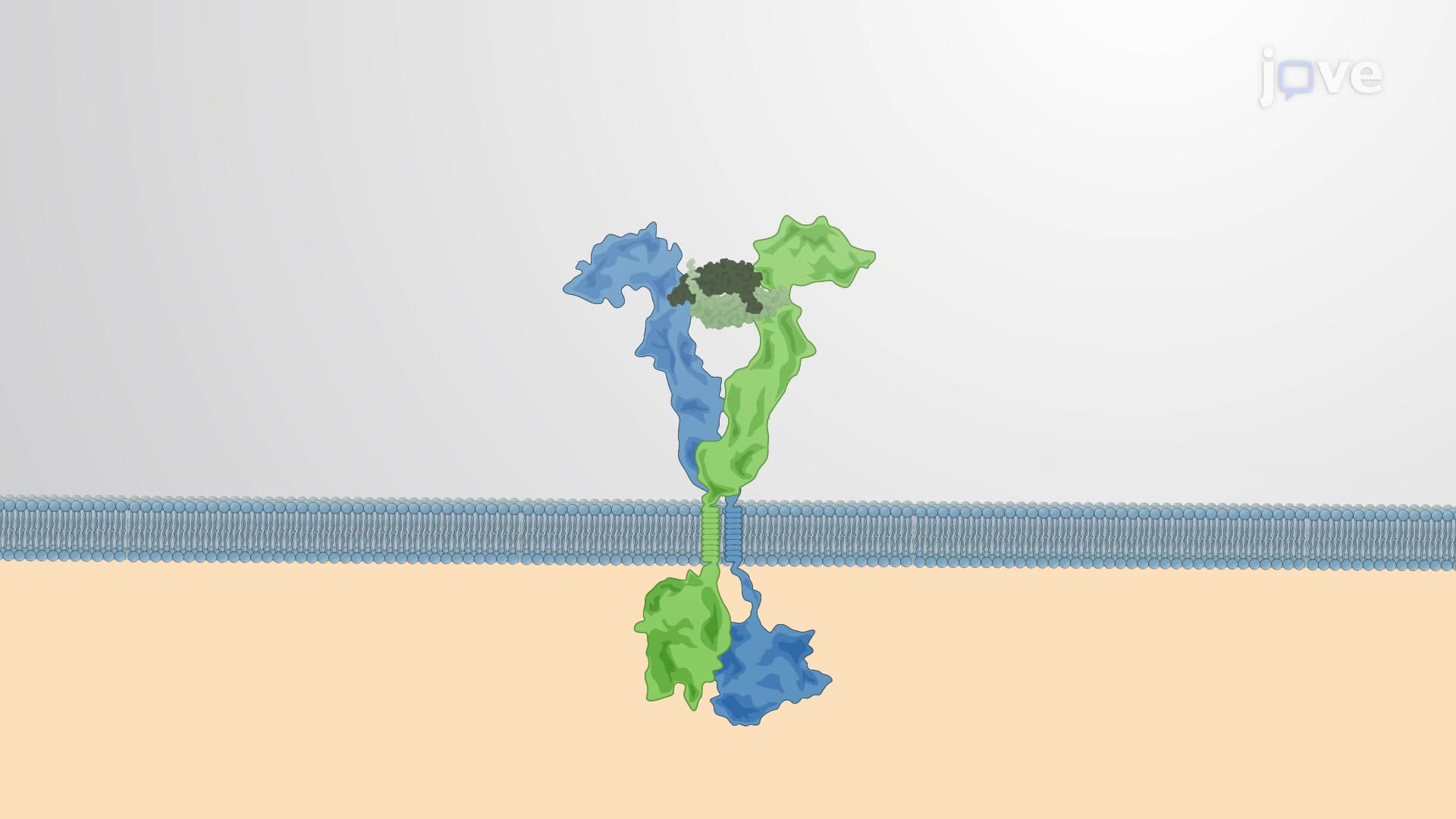
When cells enter S-phase, S CDK initiates DNA replication through a carefully orchestrated phosphorylation cascade. Activated S-CDKs phosphorylate specific initiator proteins, which then recruit helicase activator complexes. These activators transform the dormant MCM helicases into active DNA-unwinding machines, creating the replication forks that DNA polymerases require.
This process mirrors the sequential safety checks in nuclear power plants-multiple independent systems must activate in the correct order. For college students studying cell biology, understanding this cascade helps explain why chemotherapy drugs targeting cell cycle checkpoints can selectively kill rapidly dividing cancer cells.
Preventing Re-Replication: The Lock-Out Mechanism
Perhaps most critically, S CDK initiates DNA replication while simultaneously preventing re-replication at the same origins. After initiating replication, S-CDKs phosphorylate Cdc6 and Cdt1, marking them for degradation and dismantling the pre-RCs. When DNA replication completes, S-CDKs also phosphorylate the MCM helicases, triggering their nuclear export.
This dual function-initiation and inhibition-prevents the gene amplification events that drive cancer progression. Students encountering this concept in undergraduate biochemistry courses should recognize how this mechanism maintains the precise 2n to 4n chromosome number progression essential for normal cell division.
Frequently Asked Questions
S CDK initiates DNA replication as the master regulatory system that triggers and controls DNA copying during S-phase of the cell cycle. This process ensures each chromosome is duplicated exactly once before cell division, preventing genetic errors that could lead to cancer or cell death. The system coordinates the activation of DNA helicases, recruitment of DNA polymerase, and prevention of re-replication through precise protein phosphorylation cascades.
MCAT questions often test S CDK mechanisms in the context of cancer biology, asking how checkpoint failures lead to genomic instability. AP Biology exams typically focus on the relationship between cyclin-CDK complexes and cell cycle phases, including how S-CDK prevents re-replication. Students should understand both the molecular details (phosphorylation cascades) and broader concepts (cell cycle control) for comprehensive exam preparation.
USMLE Step 1 frequently tests S CDK concepts within cancer pathogenesis, particularly how checkpoint defects contribute to tumor development. The exam emphasizes understanding how cell cycle dysregulation leads to uncontrolled proliferation, making S-CDK mechanisms essential for pathology questions. Students should connect these molecular mechanisms to clinical scenarios involving rapidly dividing tissues and chemotherapy targets.
Major cancer centers like MD Anderson and Memorial Sloan Kettering use CDK inhibitors as targeted therapies for certain cancers. Drugs like palbociclib (Pfizer) specifically target CDK4/6, while research continues on S-CDK-specific inhibitors to prevent cancer cells from completing DNA replication. Understanding these mechanisms helps explain why chemotherapy preferentially affects rapidly dividing cancer cells over normal tissues.
Basic understanding of protein structure and phosphorylation reactions provides sufficient background for grasping S CDK mechanisms. High school AP Chemistry or introductory college biochemistry covers the necessary concepts of enzyme regulation and protein modifications. The key is focusing on the biological function-how phosphorylation changes protein behavior-rather than detailed chemical mechanisms.
Create a timeline connecting G1 preparation (pre-RC assembly) → S-phase activation (S-CDK phosphorylation) → replication initiation (helicase activation) → completion (component degradation and export). Use the analogy of a manufacturing assembly line with quality control checkpoints to remember the sequential nature and built-in safety mechanisms that prevent errors.
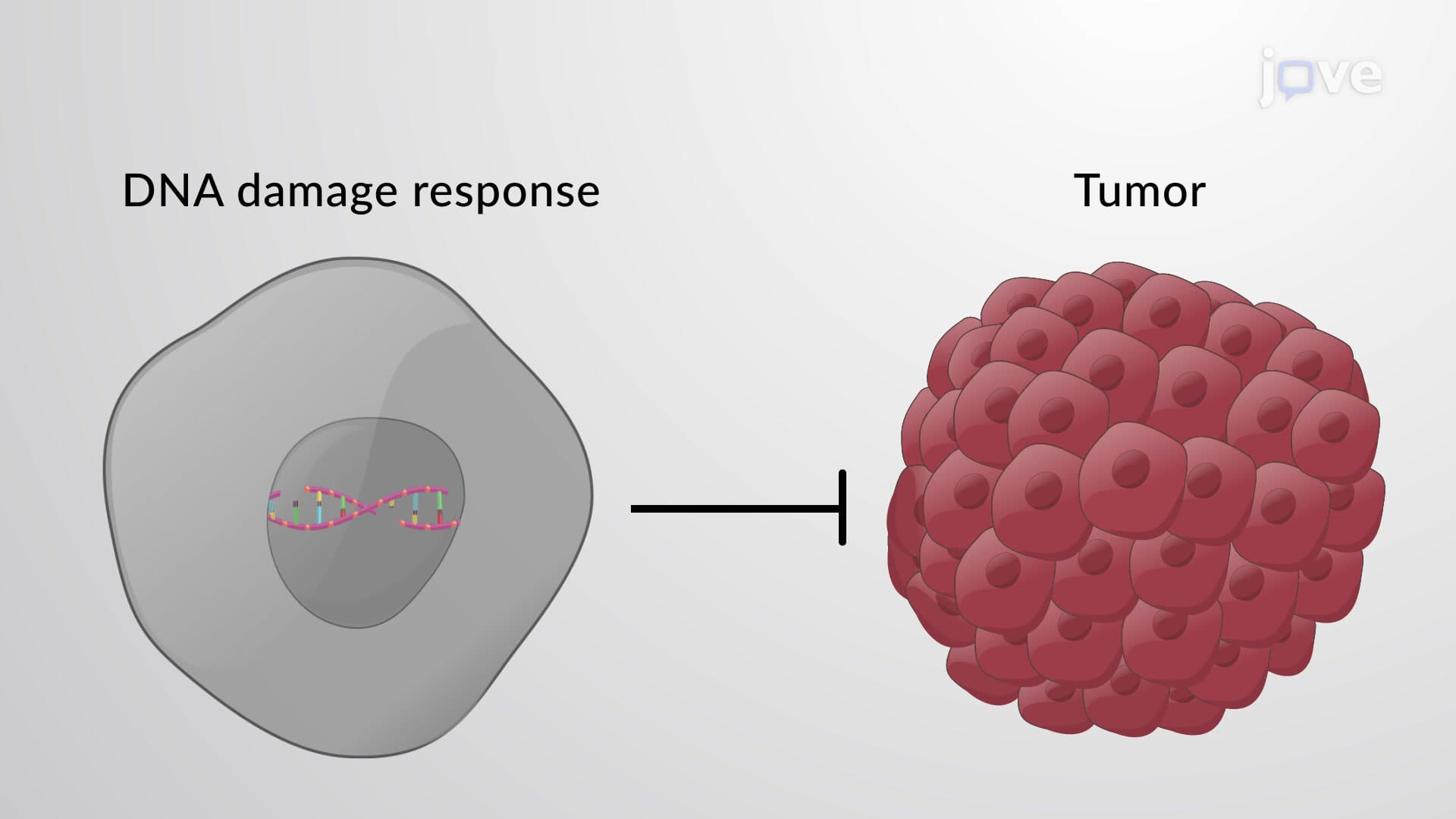
Explore other cell cycle checkpoints (G1/S, spindle, and G2/M checkpoints) to understand comprehensive cell cycle control. Study p53 tumor suppressor pathways and their connection to DNA damage responses, then examine how oncogenes and tumor suppressors interact with CDK regulation. This progression builds toward understanding cancer biology and therapeutic interventions targeting cell cycle machinery.
Related Micro-courses


