- Molecular Biology
- Genomes and Evolution
Micro-courses:20

Genomes and Evolution
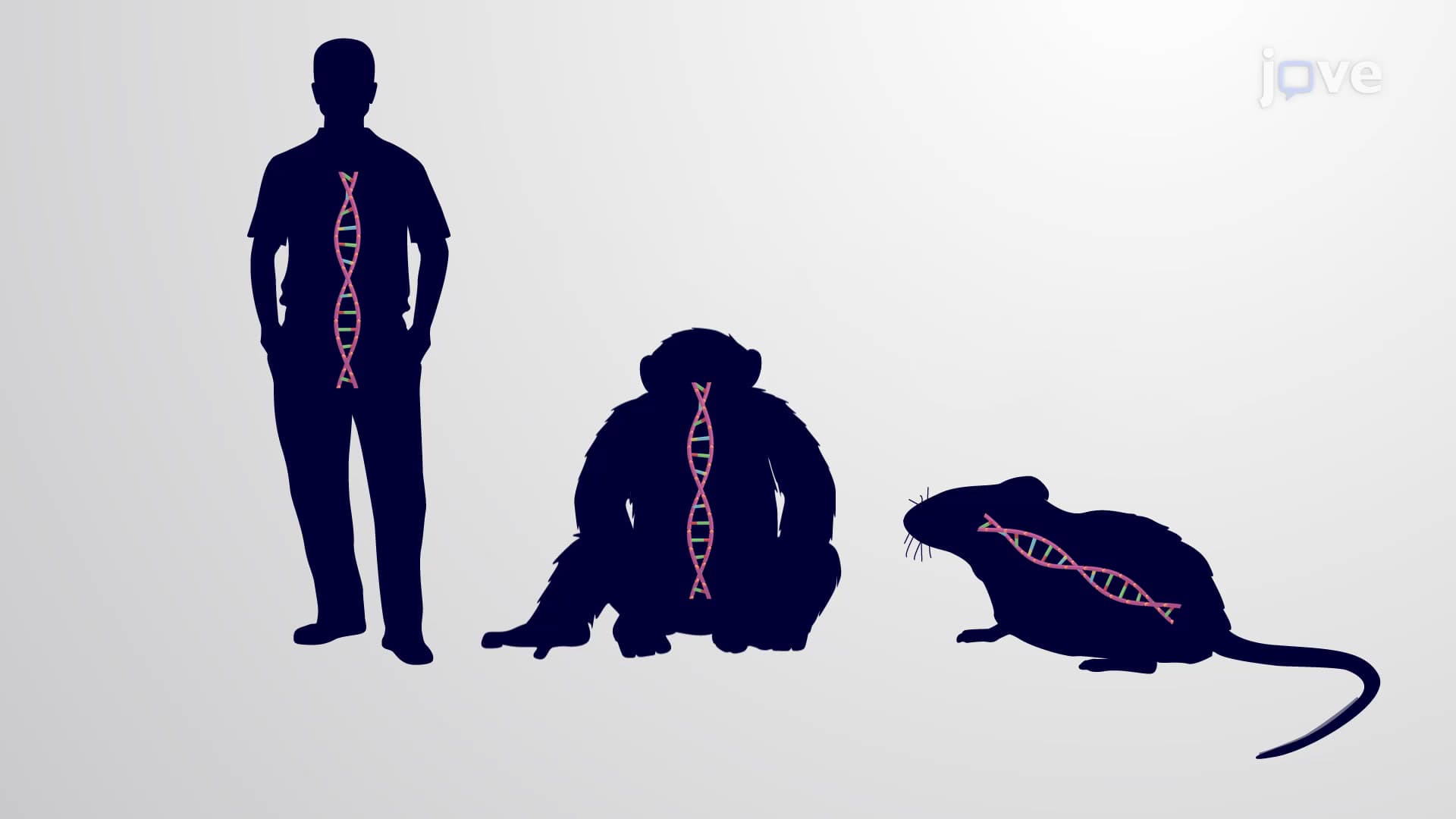
1. Evolutionary Relationships through Genome Comparisons
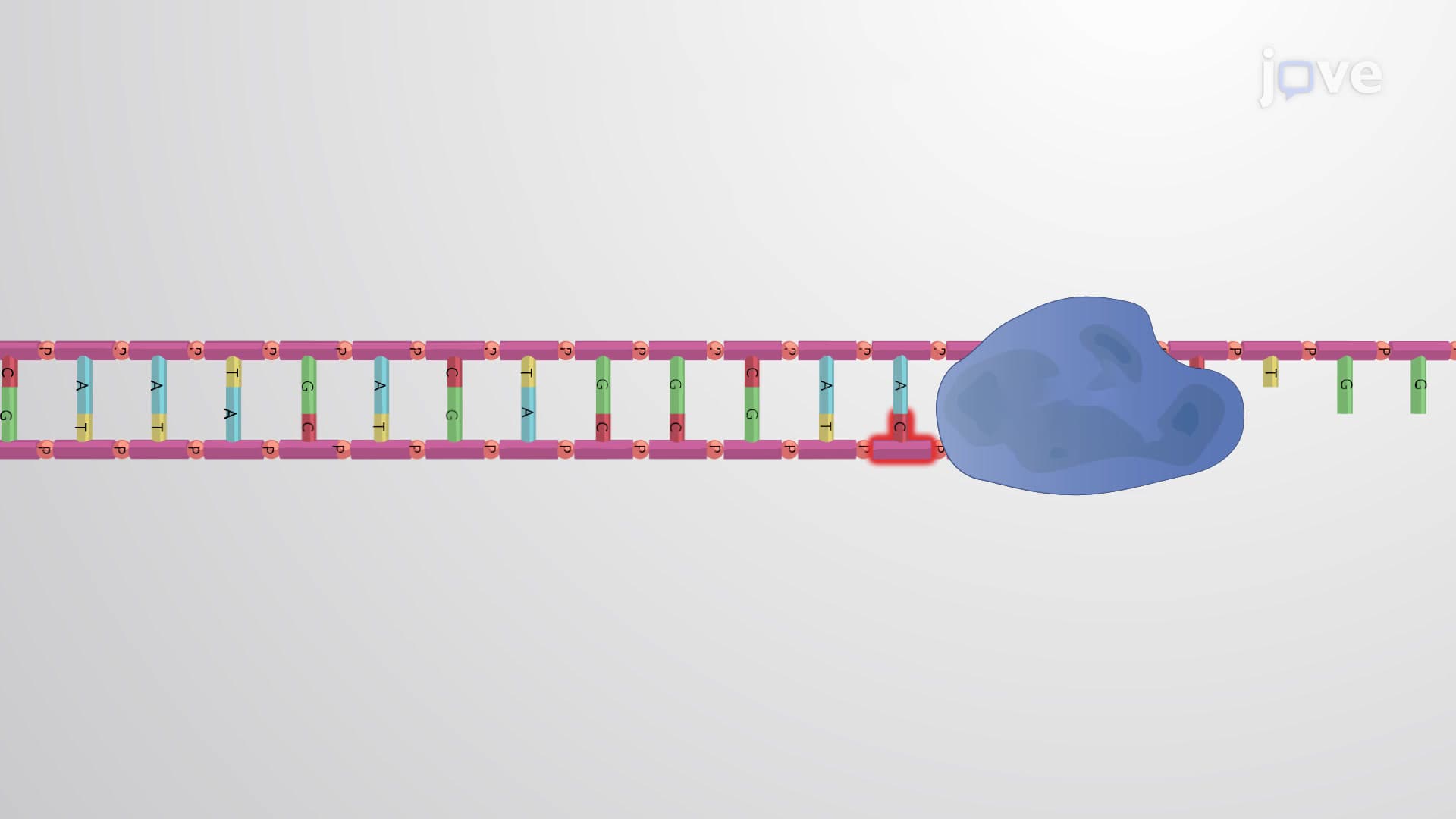
2. Genome Copying Errors
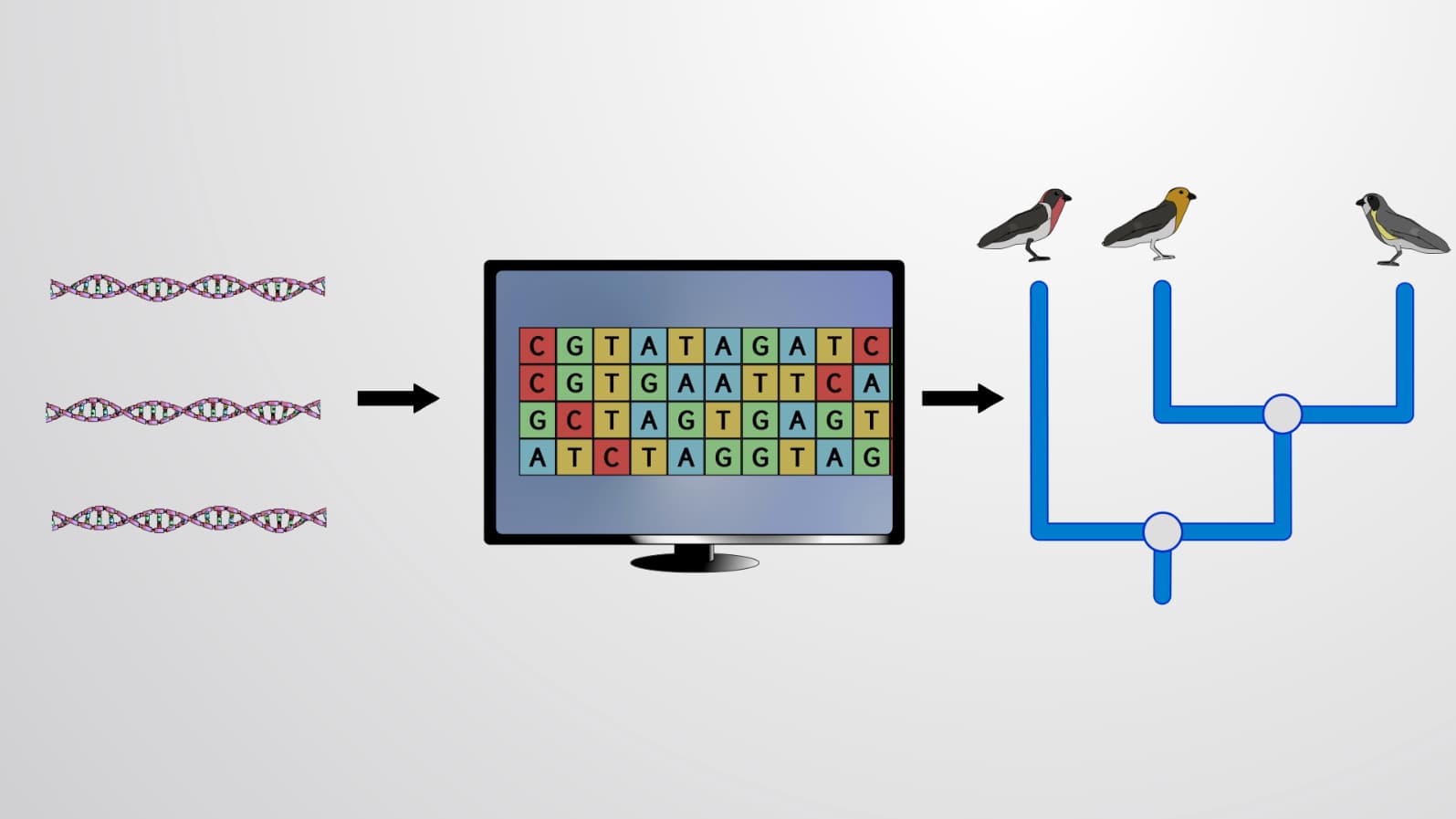
3. Phylogenetic Trees
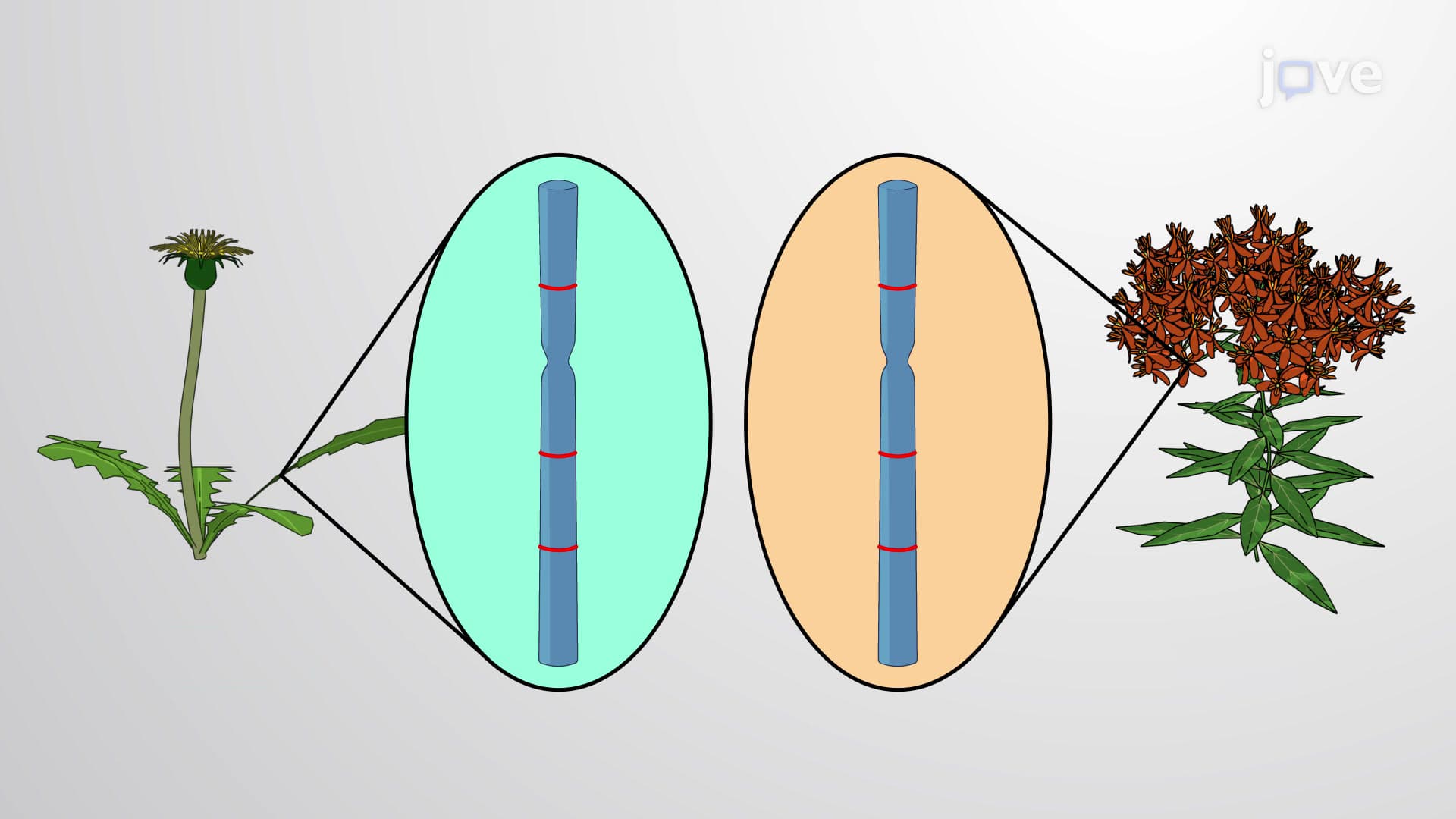
4. Synteny and Evolution
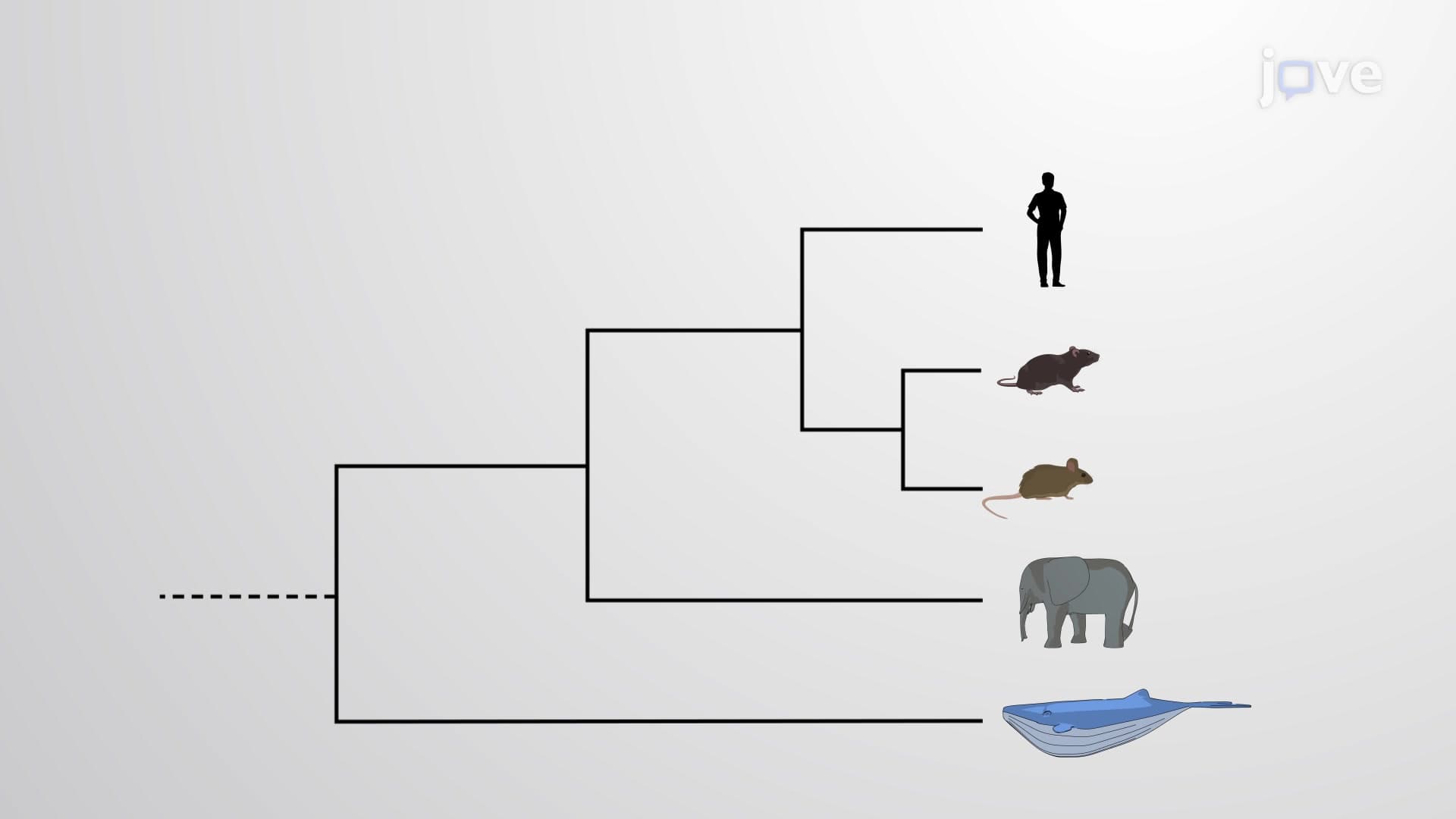
5. Multi-species Conserved Sequences
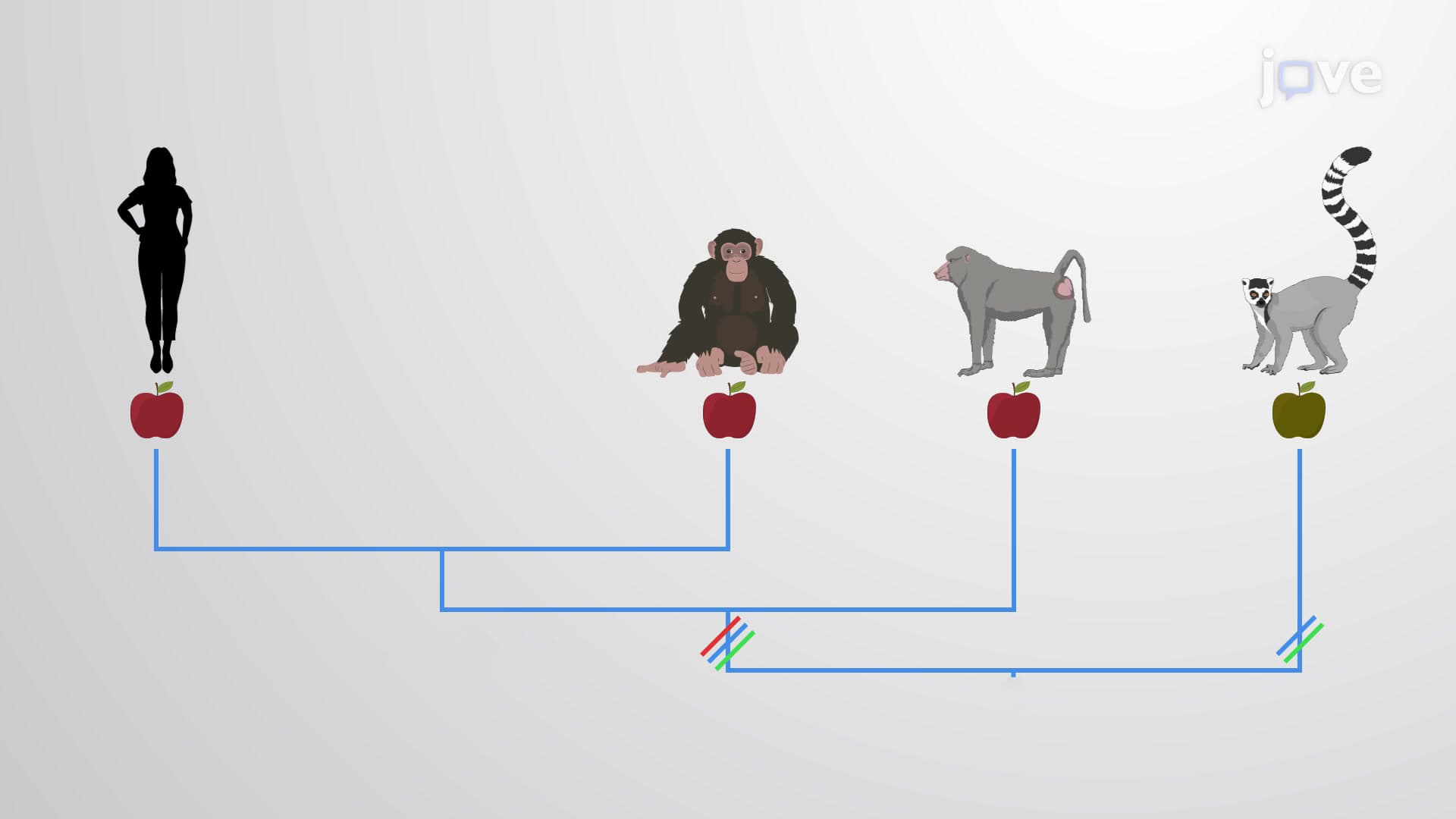
6. Gene Duplication and Divergence
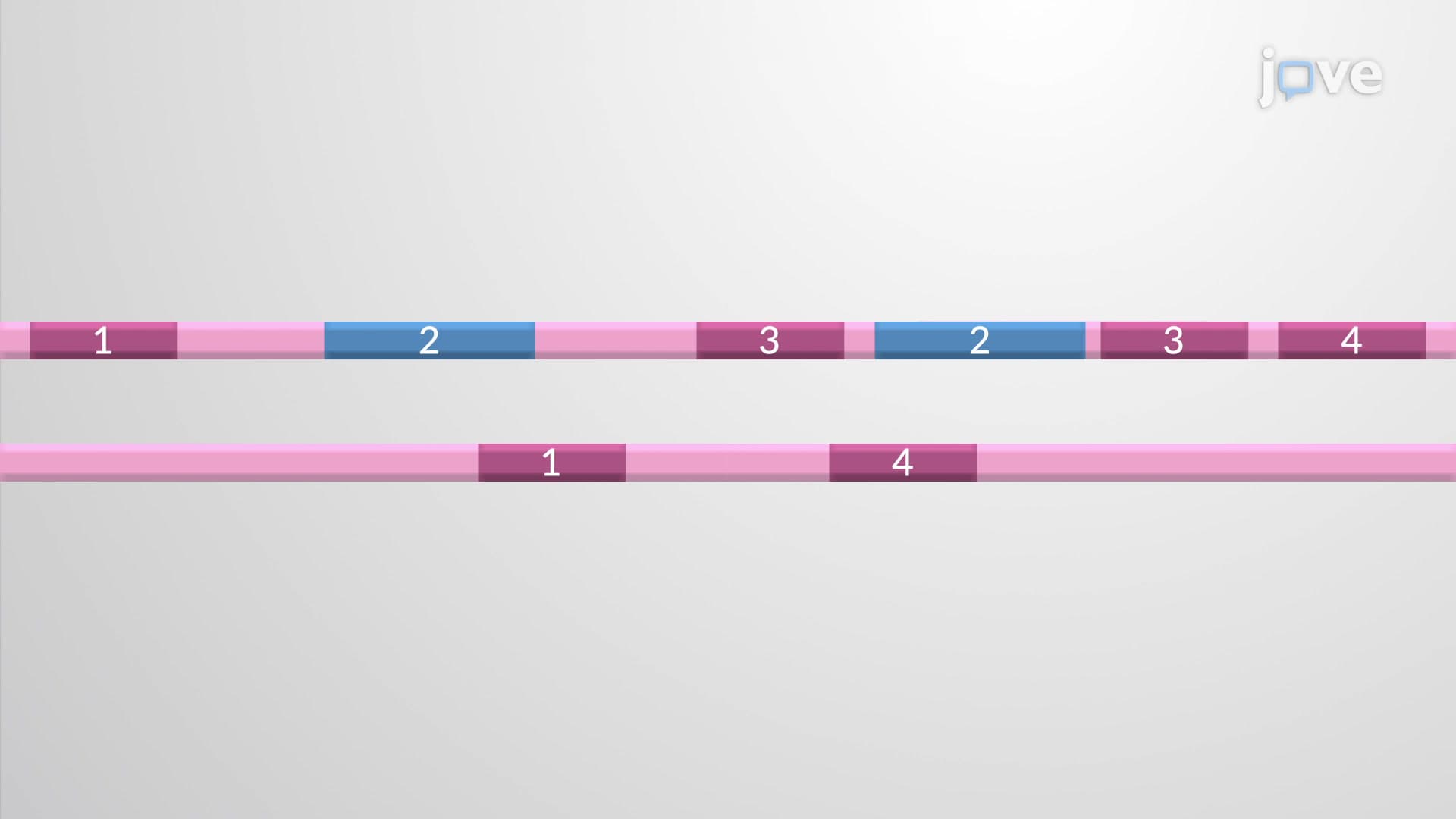
7. Exon Recombination
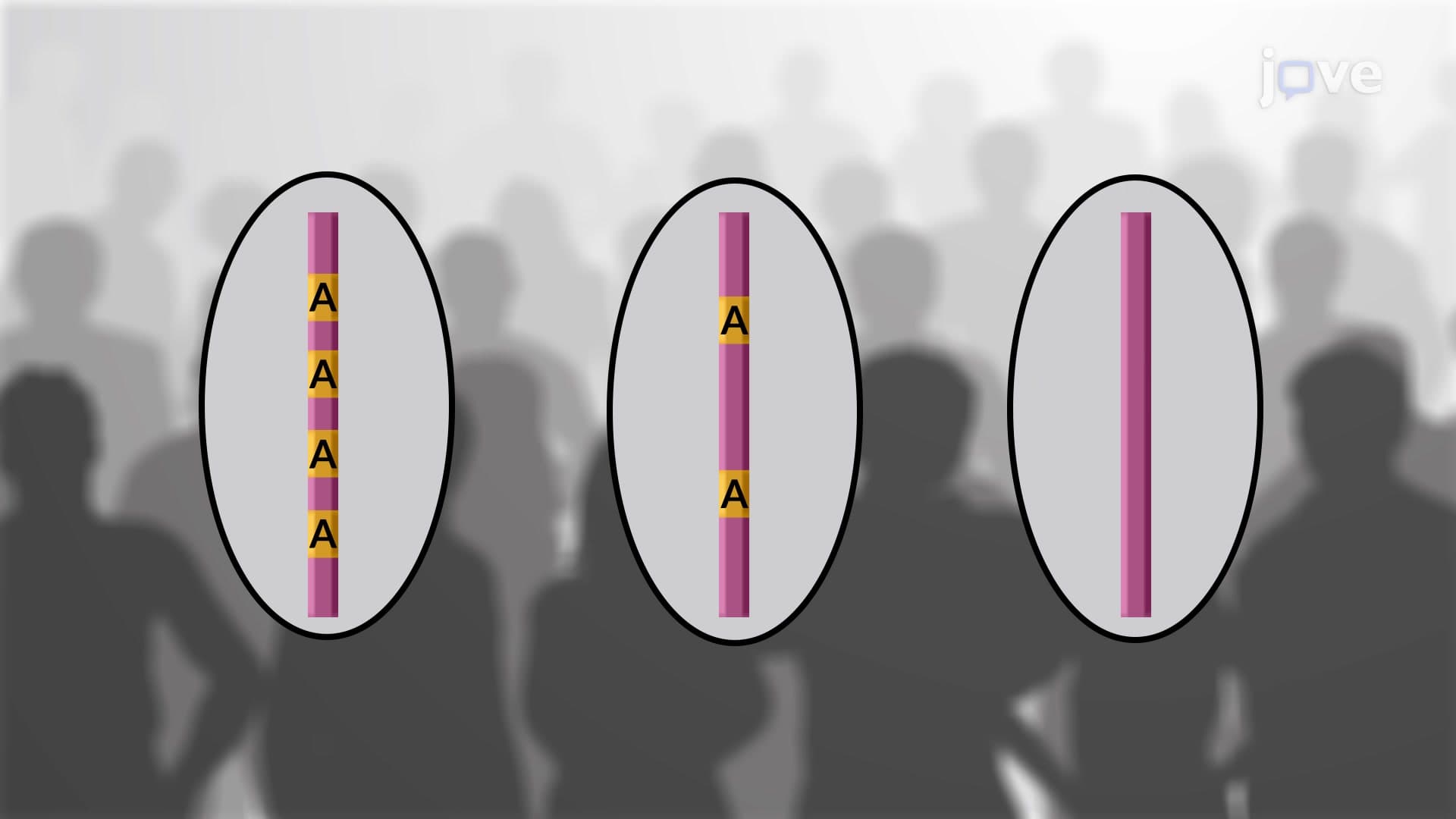
8. Comparing Copy Number Variations and SNPs
Genomes serve as the blueprint for life, containing all genetic information that shapes organisms and drives evolutionary change. This comprehensive course explores how comparative genomics reveals evolutionary relationships through DNA analysis, examining genome copying errors, phylogenetic trees, and structural variations. From gene duplication to synteny mapping, students will discover how genomes evolve over time through mechanisms like exon recombination and chromosomal rearrangements. JoVE Coach provides visual demonstrations of bioinformatics techniques essential for understanding modern evolutionary biology and genomic medicine applications in the United States.
- Understand how comparative genomics reveals evolutionary relationships between species
- Analyze genome copying errors and their role in creating genetic diversity
- Interpret phylogenetic trees to trace evolutionary history and species divergence
- Explore synteny patterns that show conserved chromosomal organization across species
- Identify multi-species conserved sequences and their functional significance
- Examine gene duplication mechanisms and how they drive evolutionary innovation
- Apply knowledge of exon recombination in creating novel gene structures
- Compare copy number variations (CNVs) and single nucleotide polymorphisms (SNPs) in population genetics
1. Evolutionary Relationships Through DNA Comparison Traditional classification systems based on physical characteristics have been revolutionized by DNA sequencing technology. Modern phylogenetic analysis uses genetic similarities and differences to construct evolutionary trees, with humans sharing 99.9% genetic similarity within our species but significantly less with other organisms like chimpanzees and mice. Bioinformatics combines statistics, mathematical modeling, and computer science to analyze genetic data through methods ranging from single-gene molecular phylogeny to whole-genome sequencing (WGS). American research institutions like the National Center for Biotechnology Information (NCBI) maintain databases supporting these comparative analyses.
2. Genome Copying Errors and Mutation Mechanisms During human cell division, DNA polymerase enzymes copy over 3 billion base pairs with remarkable accuracy, yet errors occur approximately once per 100,000 bases. These mutations include single nucleotide changes (like the GAG to GTG substitution causing sickle cell anemia in African American populations), insertions, and deletions (indels) that can cause diseases like cystic fibrosis. While most errors are corrected by proofreading mechanisms, some escape repair and contribute to genetic diversity. Beneficial mutations, such as those conferring antibiotic resistance in bacteria, demonstrate how copying errors can provide survival advantages under specific environmental pressures.
3. Phylogenetic Tree Construction and Analysis Phylogenetic trees represent evolutionary relationships through branching diagrams based on shared ancestry, using methods including distance-based approaches like Neighbor-Joining, maximum parsimony, maximum likelihood, and Bayesian inference. These computational tools, developed at American universities and research centers, help scientists understand evolutionary history, speciation timing, and divergence events. Applications include taxonomy classification, comparative genomics research, and epidemiological tracking of pathogen evolution during disease outbreaks. The molecular clock hypothesis allows researchers to estimate when species diverged by analyzing mutation rates in conserved genes.
4. Synteny and Chromosomal Evolution Synteny describes the conservation of gene order and chromosomal organization across different species, providing insights into evolutionary relationships. Despite 85 million years of divergence, humans and tree shrews maintain conserved syntenic blocks between human chromosome 10 and tree shrew chromosome 16, indicating shared ancestral chromosomes. American primatologists have used synteny analysis to reconstruct the likely karyotype of the common ancestor of all primates, showing how chromosomal rearrangements, fusions, and breakages facilitated speciation. These conserved syntenic segments serve as evolutionary landmarks, helping scientists understand how modern genomes arose from ancestral forms.
5. Multi-Species Conserved Sequences and Functional Significance Thousands of DNA segments remain virtually unchanged across species like humans, rats, and mice since their common mammalian ancestor, with most being non-coding conserved non-genic sequences (CNGs). Ultra-conserved sequences, numbering over 5,000 between human, rat, and mouse genomes, are approximately 100 bases long and highly preserved across lineages. While their exact functions remain mysterious, these sequences likely serve as gene expression regulators, chromosome organizers, or sources of regulatory RNAs. Human Accelerated Regions (HARs) near neural development genes underwent rapid changes 6 million years ago, contributing to human brain evolution and cognitive advancement.
6. Gene Duplication and Evolutionary Innovation Gene duplication creates paralogous genes that can evolve through three main pathways: pseudogene formation (one copy becomes non-functional), sub-functionalization (both copies partition original function), or neo-functionalization (one copy acquires new function). The evolution of human hemoglobin from primitive single-chain globin demonstrates sub-functionalization, while fetal β-globin exemplifies neo-functionalization. Tricolor vision in humans resulted from duplication and neo-functionalization of the green opsin gene into a red opsin gene, distinguishing old world monkeys, apes, and humans from dichromatic early primates. These mechanisms drive evolutionary complexity and adaptation to new environmental challenges.
7. Exon Recombination and Gene Structure Evolution Exon recombination creates novel gene combinations through non-homologous recombination or retrotransposition, contributing to genetic diversity and disease. Chronic granulomatous disease in American patients often involves non-homologous recombination between exons 8 and 11 of the CYBB gene, duplicating exons 9 and 10 and reducing NADPH oxidase activity. The Jingwei gene in African Drosophila evolved 2.5 million years ago when Adh mRNA reverse-transcribed and recombined with Ynd gene exons, creating a fusion protein with dual functions in testis development and alcohol metabolism. These processes demonstrate how genetic recombination generates evolutionary novelty.
8. Genomic Variations: CNVs and SNPs in Human Populations Copy number variations (CNVs) involve DNA segments larger than 1 kilobase that can be duplicated or deleted, affecting gene dosage and phenotypes. European-Americans and Asians show higher AMY1 gene copy numbers due to starch-rich diets, while Rhesus blood group variations demonstrate population-specific CNV patterns. Single nucleotide polymorphisms (SNPs) occur approximately once every 1,000 nucleotides, with population frequencies above 1% qualifying as true SNPs. These variations contribute to disease susceptibility, including diabetes, cancer, and sickle cell anemia in African American populations, making genomic variation studies crucial for personalized medicine approaches in American healthcare systems.
Frequently Asked Questions
Scientists use comparative genomics to analyze DNA similarities and differences between species, employing bioinformatics tools to construct phylogenetic trees. Methods include comparing single genes (molecular phylogeny), multiple housekeeping genes (MLST), or entire genomes (whole-genome sequencing). The degree of genetic similarity indicates evolutionary closeness - humans share 99.9% similarity within our species but progressively less with more distantly related organisms.
DNA polymerase makes approximately 1 error per 100,000 base pairs during replication, including single nucleotide substitutions, insertions, and deletions (indels). While most errors are corrected by proofreading mechanisms, some persist and contribute to genetic diversity. Harmful mutations can cause diseases like sickle cell anemia or cystic fibrosis, while beneficial mutations may confer advantages like antibiotic resistance in bacteria.
MCAT students should focus on phylogenetic tree interpretation, mutation mechanisms, gene duplication pathways (pseudogenes, sub-functionalization, neo-functionalization), and genomic variations (CNVs and SNPs). Understanding how comparative genomics reveals evolutionary relationships and the role of conserved sequences in genome organization are also crucial. Practice analyzing case studies involving human genetic diseases and population genetics.
Synteny reveals conserved gene order and chromosomal organization across species, indicating shared evolutionary history. Even after millions of years of divergence, related species maintain syntenic blocks that trace back to common ancestors. Scientists use synteny mapping to reconstruct ancestral karyotypes and understand how chromosomal rearrangements, fusions, and breakages drove speciation and genome evolution.
CNVs involve large DNA segments (>1 kilobase) that can be duplicated or deleted, affecting gene copy numbers and potentially altering phenotypes. SNPs are single nucleotide changes occurring approximately once every 1,000 base pairs. CNVs can dramatically affect gene expression levels, while SNPs typically have more subtle effects unless they occur in critical coding regions or regulatory sequences.
Multi-species conserved sequences represent DNA segments unchanged across millions of years, indicating critical biological functions. Human Accelerated Regions (HARs) are conserved sequences that underwent rapid changes during human evolution, particularly near neural development genes. These changes contributed to enhanced brain development and cognitive abilities that distinguish humans from other primates, demonstrating how rare mutations in conserved regions drive major evolutionary transitions.
Genomic variations like CNVs and SNPs contribute to disease susceptibility, drug responses, and population-specific health patterns. For example, AMY1 gene copy number affects starch metabolism efficiency, while specific SNPs influence diabetes and cancer risk. Understanding these variations enables personalized medicine approaches, allowing healthcare providers to tailor treatments based on individual genetic profiles and population ancestry.
Create concept maps connecting genome structure, mutation mechanisms, and evolutionary outcomes. Practice interpreting phylogenetic trees and synteny maps using real examples from human and model organism studies. Use active recall to explain gene duplication pathways and their evolutionary significance. Work through genetics problems involving CNVs and SNPs to understand their population-level effects. Connect molecular mechanisms to observable phenotypes and disease examples to reinforce understanding.
This microcourse includes 8 concept videos that walk you through the building blocks of Molecular Biology. Each video is short, about 3 minutes, so you can cover a full topic during a coffee break or between classes. The full sequence starts with Evolutionary Relationships through Genome Comparisons and ends with Comparing Copy Number Variations and SNPs.
The playlist moves from big-picture ideas to the precise vocabulary used in Molecular Biology. Early videos introduce Evolutionary Relationships through Genome Comparisons, Genome Copying Errors, and Phylogenetic Trees. The middle of the series focuses on Multi-species Conserved Sequences, Gene Duplication and Divergence, and Exon Recombination. The final stretch covers Comparing Copy Number Variations and SNPs.
The natural next step is Cell Signaling Pathways. From there, you can move to Studying DNA and RNA, Analyzing Gene Expression and Function, and Cell Proliferation. Once you finish those, the full Molecular Biology curriculum of 20 microcourses on JoVE Coach opens up, taking you from foundational concepts to advanced systems.
Related Subjects

