Loading subject page…

- Molecular Biology
- Genomes and Evolution
- Genome Copying Errors
Micro-course: Genomes and Evolution
54,808 views
Learn key concepts and earn your certificate.

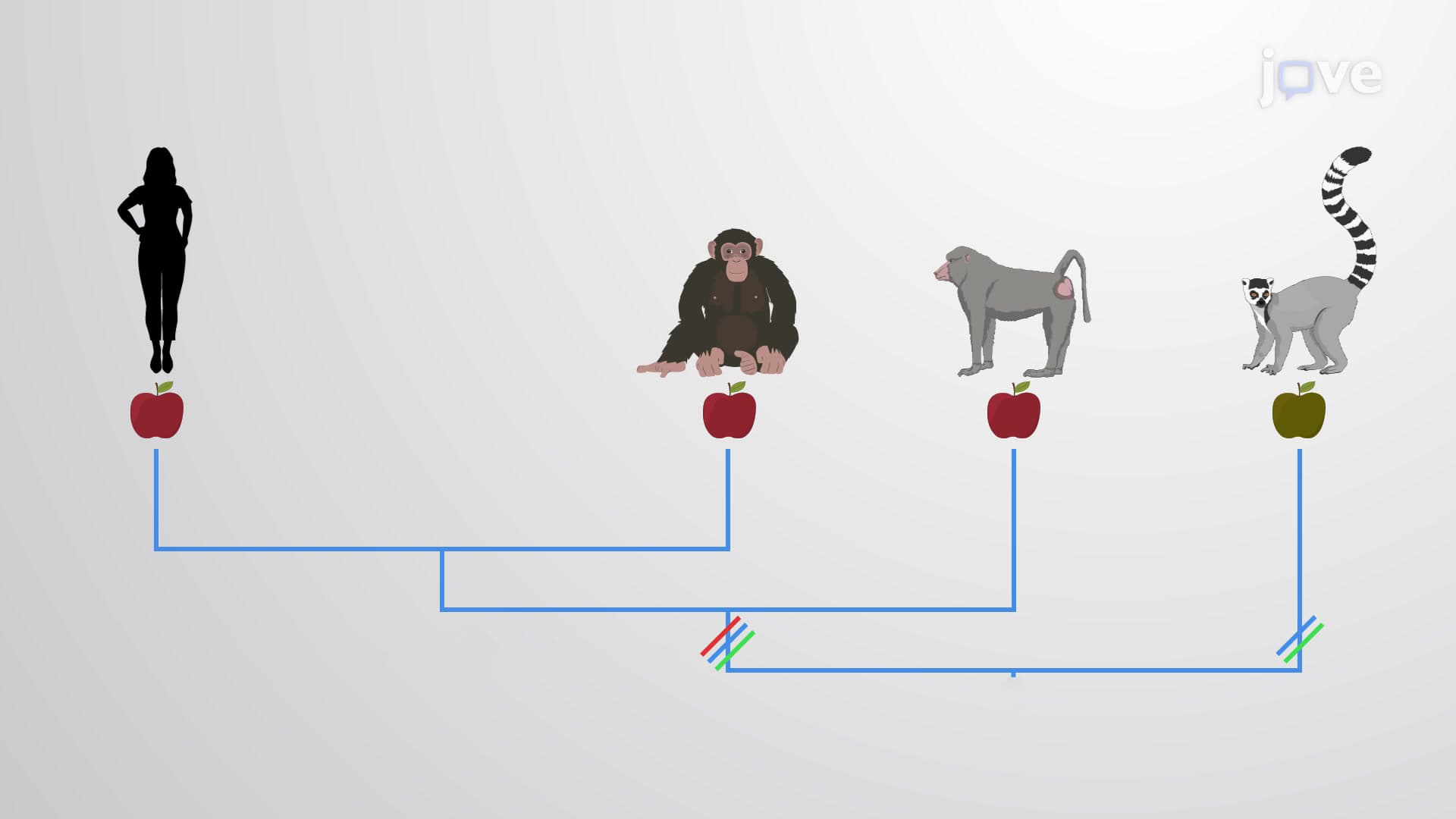

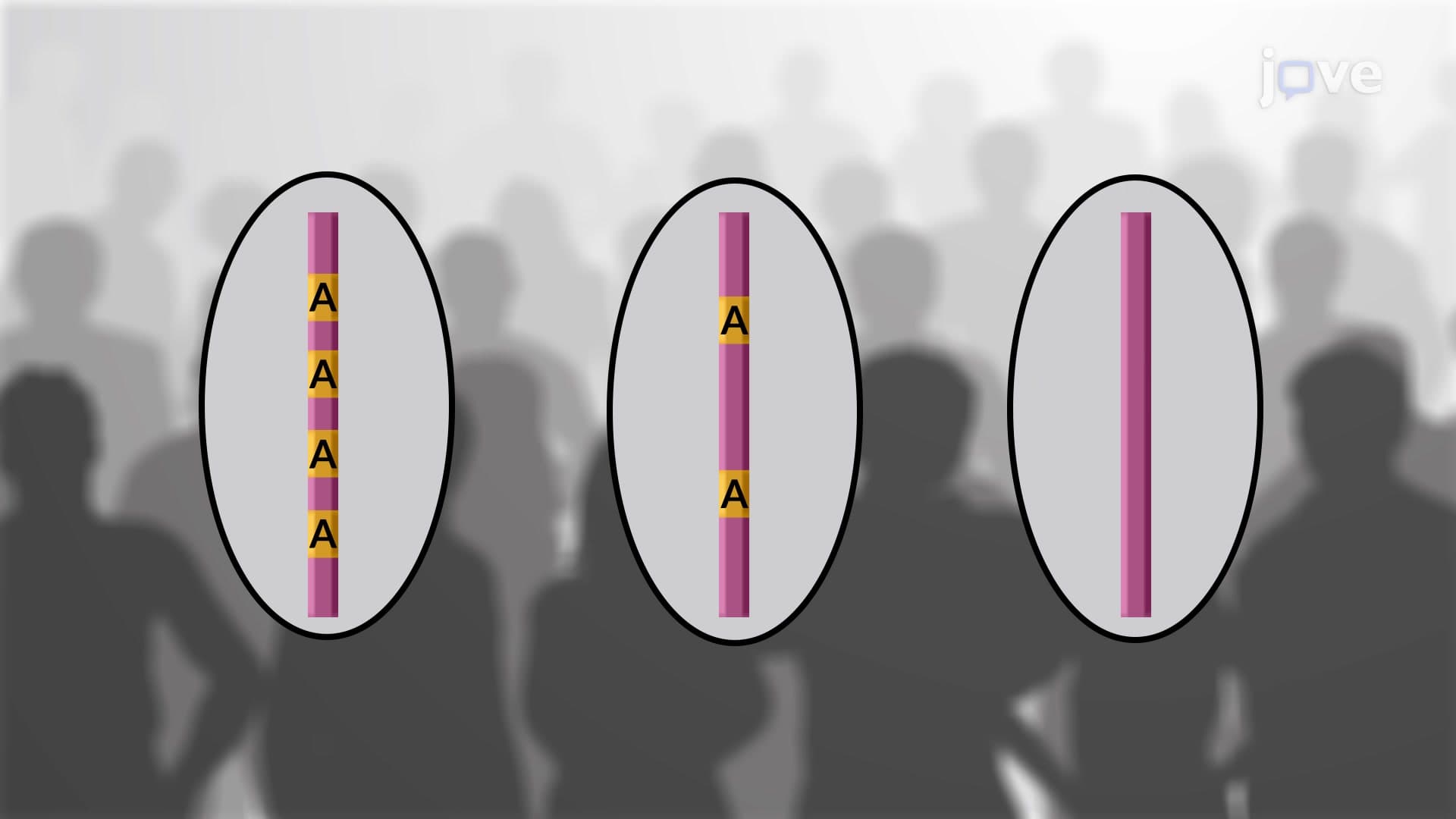
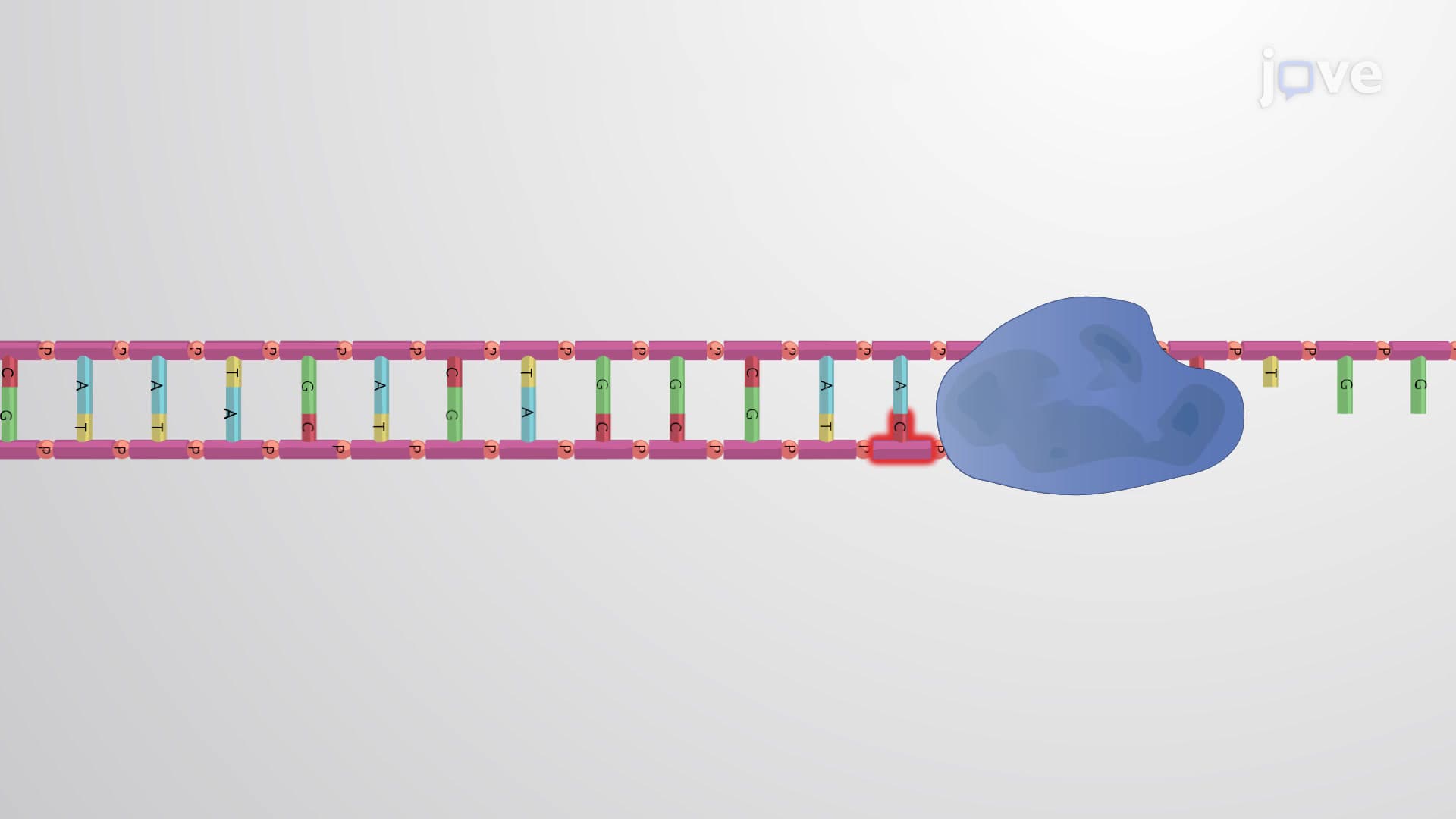
Genome Copying Errors

00:00
02:46
Video Summary: What are Genome Copying Errors
Did you know that every time your cells divide, DNA copying machines make mistakes in roughly 1 out of every 100,000 genetic letters? Genome copying errors occur when DNA polymerase enzymes incorrectly duplicate the 3 billion base pairs in human cells during cell division. These molecular typos can lead to serious conditions like sickle cell anemia, affecting thousands of Americans each year. Understanding what are genome copying errors reveals how these microscopic mistakes shape human health and disease. Watch the full video on JoVE Coach to master this concept with expert-led visuals and step-by-step explanations.
- Understand what are genome copying errors and how DNA polymerase enzymes create mistakes during cell division
- Identify the main types of genome copying errors, including base substitutions and indel mutations
- Analyze how single nucleotide changes can cause genetic diseases like sickle cell anemia and cystic fibrosis
- Compare the frequencies of different mutation types and their cellular repair mechanisms
- Evaluate why most genome copying errors are corrected by proofreading and repair systems
- Apply knowledge of mutation effects to understand antibiotic resistance in bacterial populations
- Recognize that genome copying errors can be neutral, harmful, or beneficial to organisms
- Explore how DNA repair mechanisms prevent most copying errors from becoming permanent mutations
Understanding Genome Copying Errors: The Molecular Basis
Genome copying errors represent inevitable mistakes that occur during DNA replication, despite the remarkable precision of cellular machinery. When human cells undergo division, DNA polymerase enzymes face the monumental task of accurately copying over 3 billion base pairs. This process maintains an impressive fidelity rate, yet the sheer scale of genetic information being duplicated means that errors occasionally slip through quality control mechanisms.
Types of Genome Copying Errors and Their Mechanisms
The types of genome copying errors fall into distinct categories based on their molecular nature. Point mutations involve the substitution of one nucleotide for another, such as when cytosine incorrectly pairs with adenine instead of guanine. These single-letter changes might seem minor, but they can have profound consequences. The classic example occurs in the beta-globin gene, where a single GAG-to-GTG substitution causes sickle cell disease, affecting approximately 100,000 Americans.
Indel mutations represent another major category, involving the insertion or deletion of nucleotides. These errors prove particularly dangerous because they can shift the reading frame of genes, fundamentally altering protein sequences downstream from the mutation site. Cystic fibrosis, which affects about 30,000 Americans, often results from such frameshift mutations in the CFTR gene, leading to defective chloride transport proteins.
Cellular Defense Systems Against Copying Errors
Despite the potential for catastrophic consequences, cells have evolved sophisticated mechanisms to minimize genome copying errors. DNA polymerase enzymes possess intrinsic proofreading ability, immediately detecting and correcting most mismatched nucleotides during replication. Additional mismatch repair systems scan newly synthesized DNA for errors that escape initial proofreading.
This multilayered approach reduces the error rate to approximately 1 mistake per 100,000 to 1 million base pairs-a remarkable achievement considering the speed and complexity of DNA replication. Students preparing for the MCAT or AP Biology exams should understand that these repair mechanisms represent critical checkpoints preventing genetic instability.
Evolutionary Perspectives on Genome Copying Errors
Interestingly, not all genome copying errors prove harmful. Many mutations remain neutral, having no significant impact on organism function. Some mutations even confer survival advantages, as demonstrated by antibiotic resistance in bacteria. When fluoroquinolone antibiotics target bacterial DNA gyrase, random mutations in gyrase genes can create enzyme variants that resist antibiotic binding, allowing bacteria to survive treatment.
This principle applies broadly across biology and helps explain how organisms adapt to changing environments. College students studying genetics should appreciate that genome copying errors, while potentially dangerous, also drive evolutionary innovation and species adaptation.
Frequently Asked Questions
Genome copying errors are mistakes that occur when DNA polymerase enzymes duplicate genetic information during cell division. These molecular typos happen roughly once per 100,000 base pairs copied. Most errors get corrected by cellular repair systems, but some can cause genetic diseases or beneficial traits like antibiotic resistance.
MCAT questions often test understanding of mutation mechanisms, DNA repair pathways, and disease causation like sickle cell anemia. AP Biology exams frequently ask about mutation types, their effects on protein function, and evolutionary consequences. Students should know specific examples like CFTR mutations in cystic fibrosis and be able to predict mutation effects on protein structure.
Focus on connecting molecular mechanisms to disease examples using concept maps linking mutation types to specific genetic conditions. Practice drawing DNA replication with error incorporation and repair. Create comparison tables of different mutation types, their frequencies, and cellular responses for quick review before exams.
Genome copying errors impact everyone through genetic diseases, cancer development, and antibiotic resistance affecting public health. Understanding these concepts helps you make informed decisions about genetic testing, personalized medicine, and family planning. This knowledge also appears in MCAT, nursing entrance exams, and health science prerequisites.
Single nucleotide changes cause sickle cell disease in about 100,000 Americans, while CFTR mutations lead to cystic fibrosis in roughly 30,000 people. Huntington's disease results from repeat expansion mutations affecting thousands of families. Understanding these connections helps explain inheritance patterns and disease prevalence in different populations.
Basic understanding of nucleotide structure and base pairing suffices for most introductory courses. Focus on biological concepts rather than detailed chemical mechanisms. High school chemistry knowledge about hydrogen bonding and molecular interactions provides adequate background for understanding mutation formation and repair processes.
Explore DNA repair mechanisms in detail, including mismatch repair and nucleotide excision repair pathways. Study cancer biology to understand how accumulated mutations drive tumor development. Learn about genetic counseling and molecular diagnostics to see practical applications of mutation knowledge in healthcare settings.
These exams focus on basic genetics concepts including mutation types, inheritance patterns, and disease causation. Questions often present clinical scenarios involving genetic diseases and ask about underlying molecular mechanisms. Practice identifying mutation types from DNA sequences and predicting their effects on protein function and patient health.
Yes, beneficial mutations drive evolution and adaptation to environmental changes. Antibiotic resistance in bacteria, lactose tolerance in adult humans, and high-altitude adaptations in populations like those in Colorado all result from advantageous copying errors. Most mutations remain neutral, neither helping nor harming organisms significantly.
Related Micro-courses

15 Concepts

17 Concepts
19 Concepts