Loading subject page…
- Molecular Biology
- DNA and Chromosome Structure
Molecular Biology
All Micro-courses:20

1.
DNA, Cells, and Evolution
10 Concepts
2.
Biochemistry of the Cell
11 Concepts
3.
Protein Structure
11 Concepts
4.
Protein Function
17 Concepts
5.
DNA and Chromosome Structure
20 Concepts
6.
DNA Replication
16 Concepts
7.
DNA Repair and Recombination
16 Concepts
8.
Transcription: DNA to RNA
21 Concepts
9.
Translation: RNA to Protein
11 Concepts
10.
Gene Expression
15 Concepts
11.
Additional Roles of RNA
14 Concepts
12.
Mendelian Genetics
21 Concepts
13.
Genomes and Evolution
8 Concepts
14.
Cell Signaling Pathways
15 Concepts
15.
Studying DNA and RNA
17 Concepts
16.
Analyzing Gene Expression and Function
19 Concepts
17.
Cell Proliferation
11 Concepts
18.
Cell Division
18 Concepts
19.
Meiosis
6 Concepts
20.
Cancer
21 Concepts
DNA and Chromosome Structure
 20 Concepts
 286.2K Views
 Popular topics
Concepts: 20
00:58
33.2K views
02:05
24.6K views
02:07
14.8K views
02:40
24.7K views

02:31
9.7K views
02:33
17.7K views

02:10
13.2K views

02:54
10.1K views
02:21
18.6K views
01:17
10.9K views
02:32
6.7K views
02:32
14.9K views
02:25
8.8K views
01:51
8.2K views
02:04
10.5K views

02:30
4.6K views
03:17
6.9K views
01:01
8.1K views
02:35
24.1K views
02:38
15.9K views
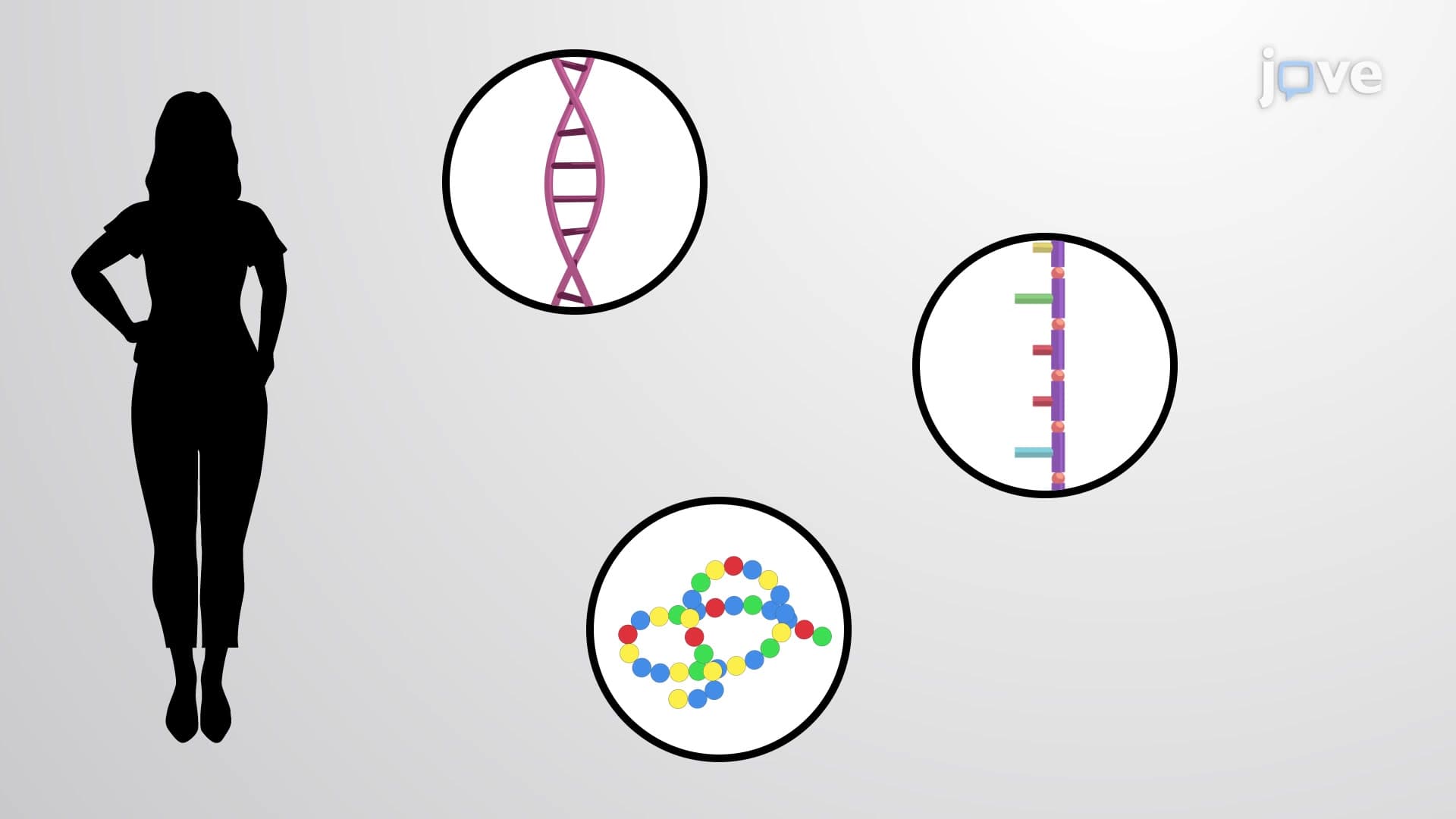
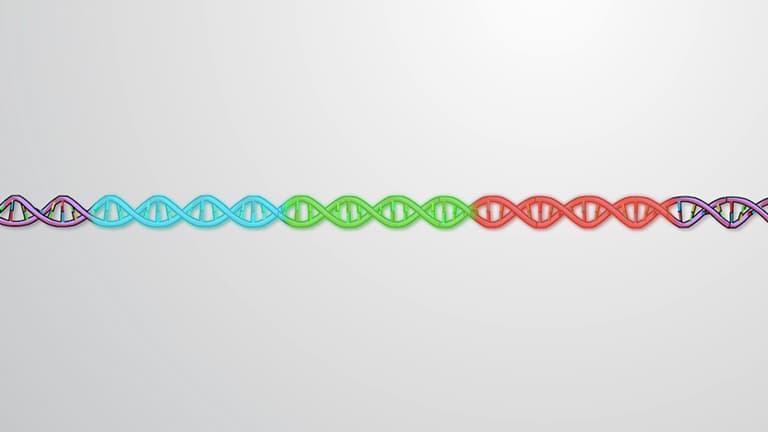
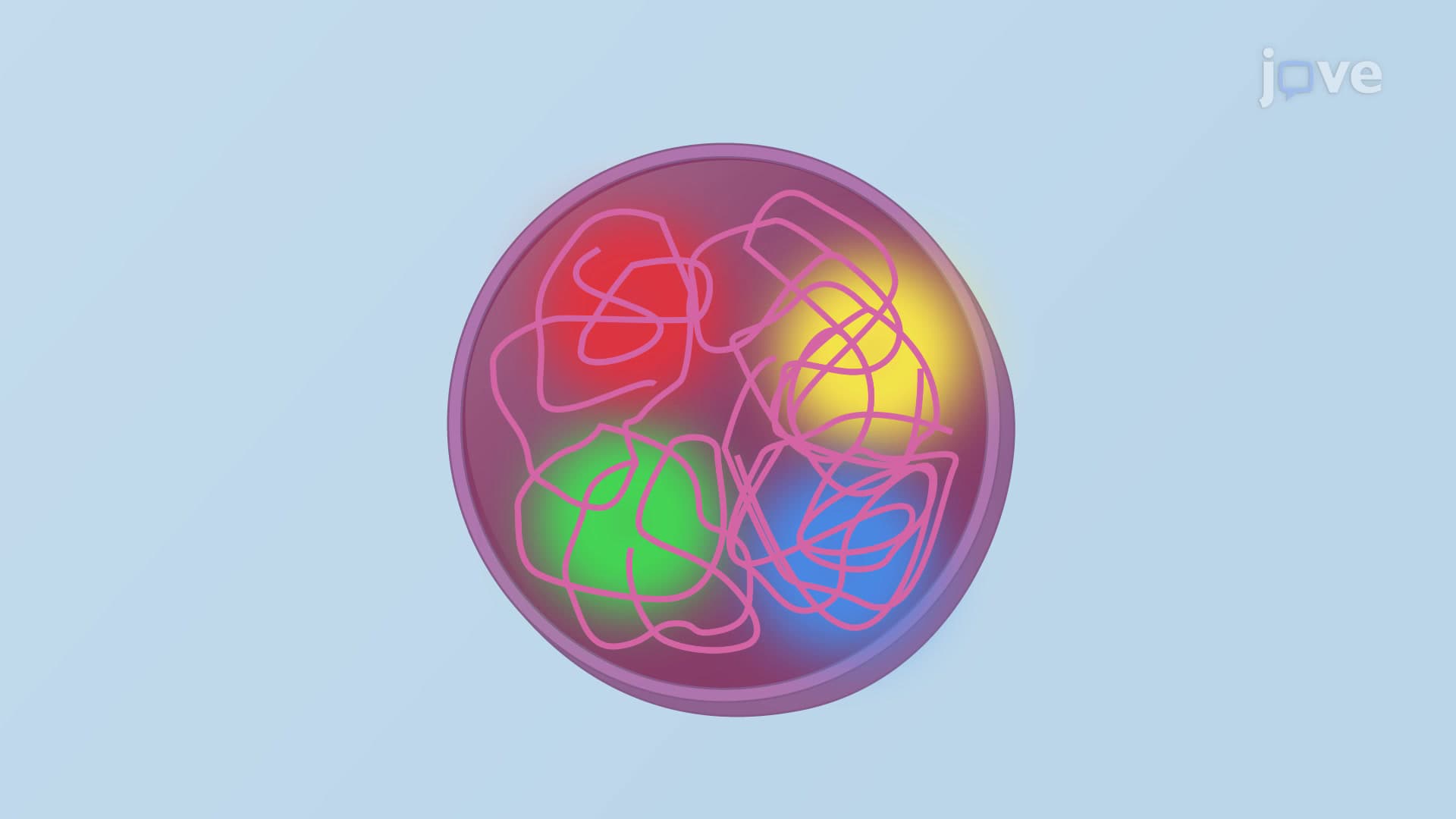
DNA and chromosome structure represents one of molecular biology's most fundamental concepts, examining how genetic material is organized from nucleotides to complete chromosomes. This comprehensive exploration covers DNA packaging mechanisms, chromatin dynamics, chromosome morphology, and regulatory systems that control gene accessibility. Students discover how 2 meters of DNA compacts into microscopic nuclei through nucleosome formation, histone modifications, and higher-order chromatin structures. JoVE Coach provides essential insights into karyotyping techniques used in US clinical laboratories and research institutions.
- Understand the hierarchical organization of DNA from double helix to condensed chromosomes
- Learn nucleosome structure and the role of histone proteins in DNA packaging
- Identify different chromosome types and their structural components including centromeres and telomeres
- Explore chromatin remodeling complexes and their ATP-dependent mechanisms
- Analyze histone modifications and the histone code system
- Apply karyotyping principles for chromosome analysis and genetic disorder diagnosis
- Understand euchromatin versus heterochromatin organization and gene expression control
- Examine position-effect variegation and chromosomal rearrangement consequences
- Learn specialized chromosome structures like lampbrush and polytene chromosomes
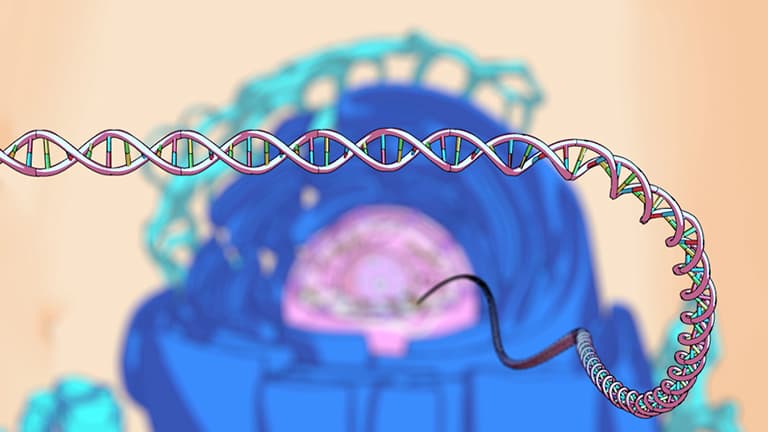
1. DNA Double Helix and Complementary Base Pairing The Watson-Crick model established DNA's fundamental structure featuring antiparallel strands forming a right-handed double helix. Complementary base pairing between purines (adenine, guanine) and pyrimidines (cytosine, thymine) enables each strand to serve as a template during replication. This structural foundation supports heredity through precise information transfer from parent to daughter cells. Understanding these principles helps explain genetic disorders like sickle cell anemia, where single nucleotide changes alter protein function. The four-nucleotide alphabet ultimately determines the 20-amino acid protein language through the genetic code.
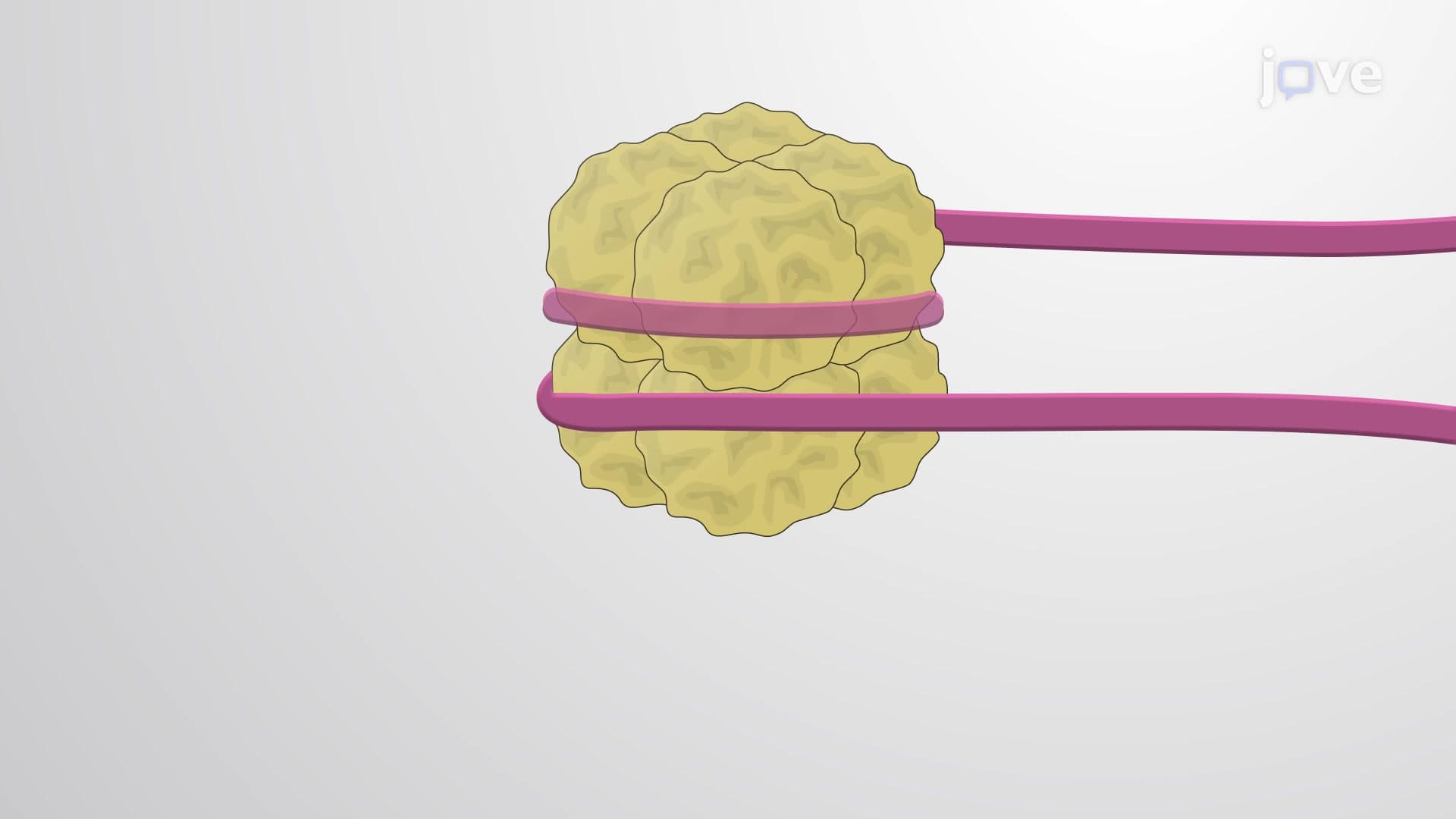
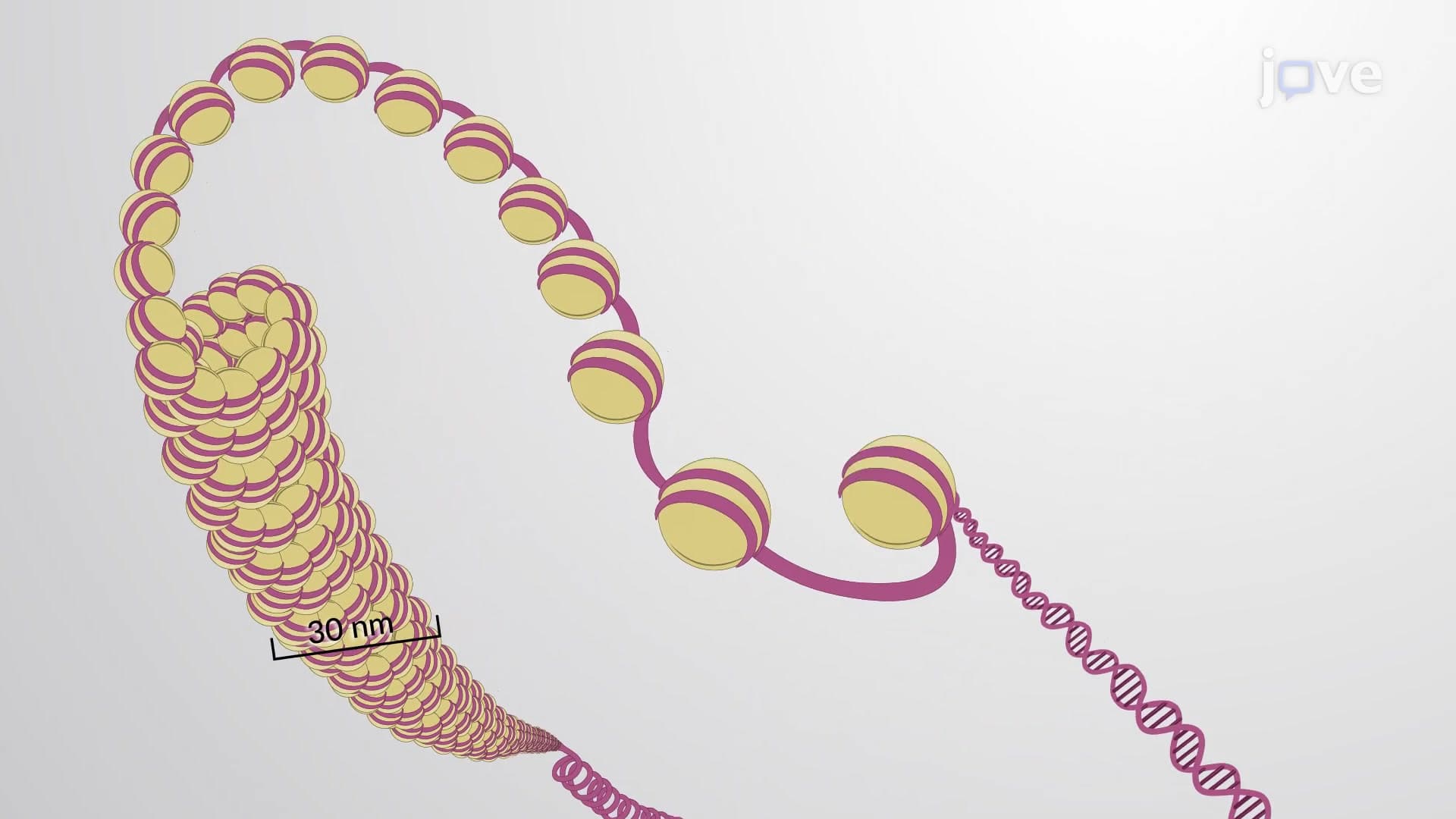
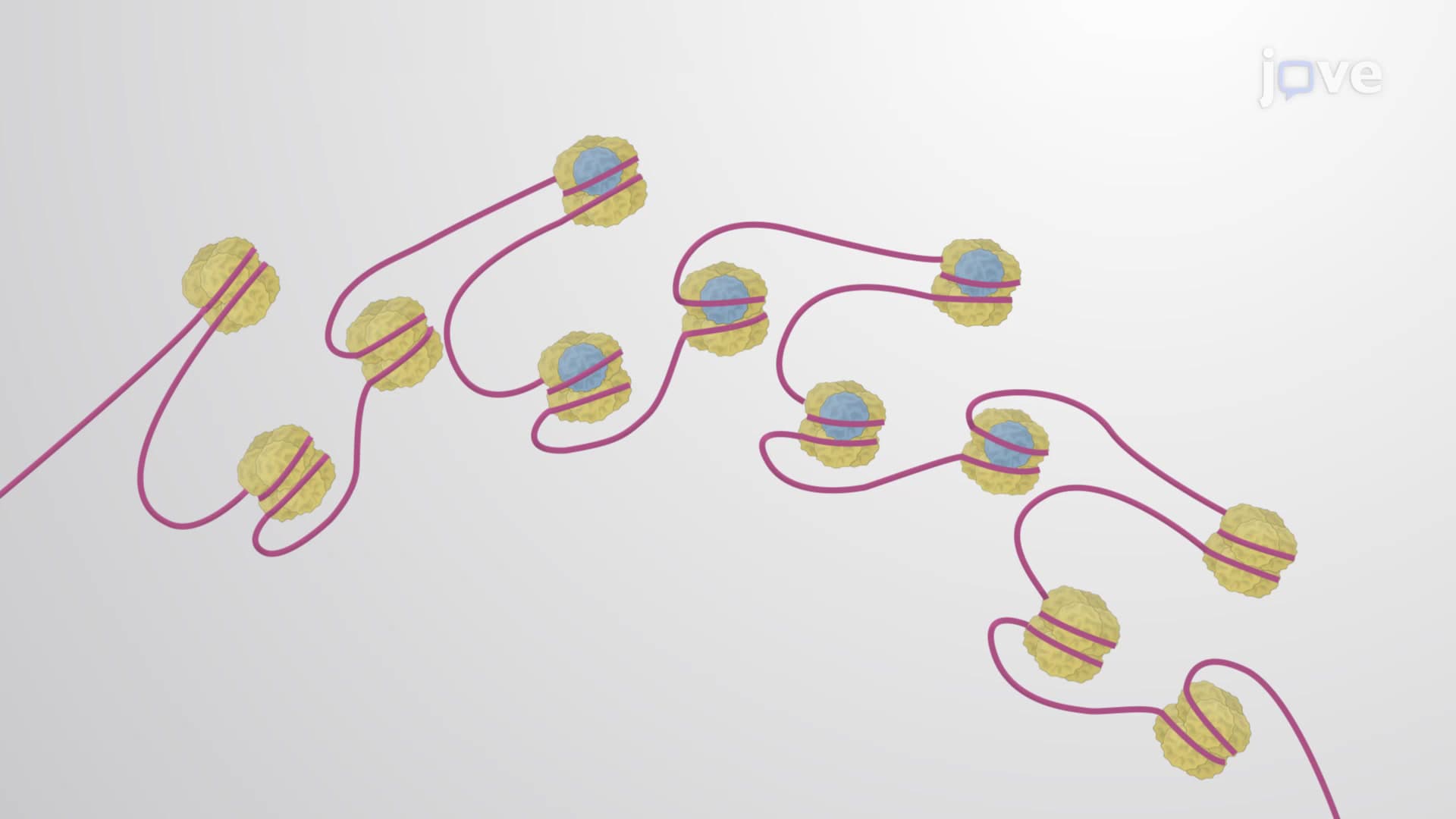
2. Nucleosome Structure and Histone Proteins Nucleosomes represent the basic packaging units of eukaryotic DNA, consisting of 147 base pairs wrapped around histone octamers containing H2A, H2B, H3, and H4 proteins. The nucleosome core particle achieves initial DNA compaction while maintaining accessibility for cellular processes. Histone H1 acts as a linker, further organizing nucleosomal arrays into higher-order structures. Positively charged histone tails neutralize DNA's negative charges and facilitate internucleosome interactions. This organization reduces DNA length threefold, essential for fitting human chromosomes into cell nuclei approximately 100,000 times smaller than extended DNA molecules.
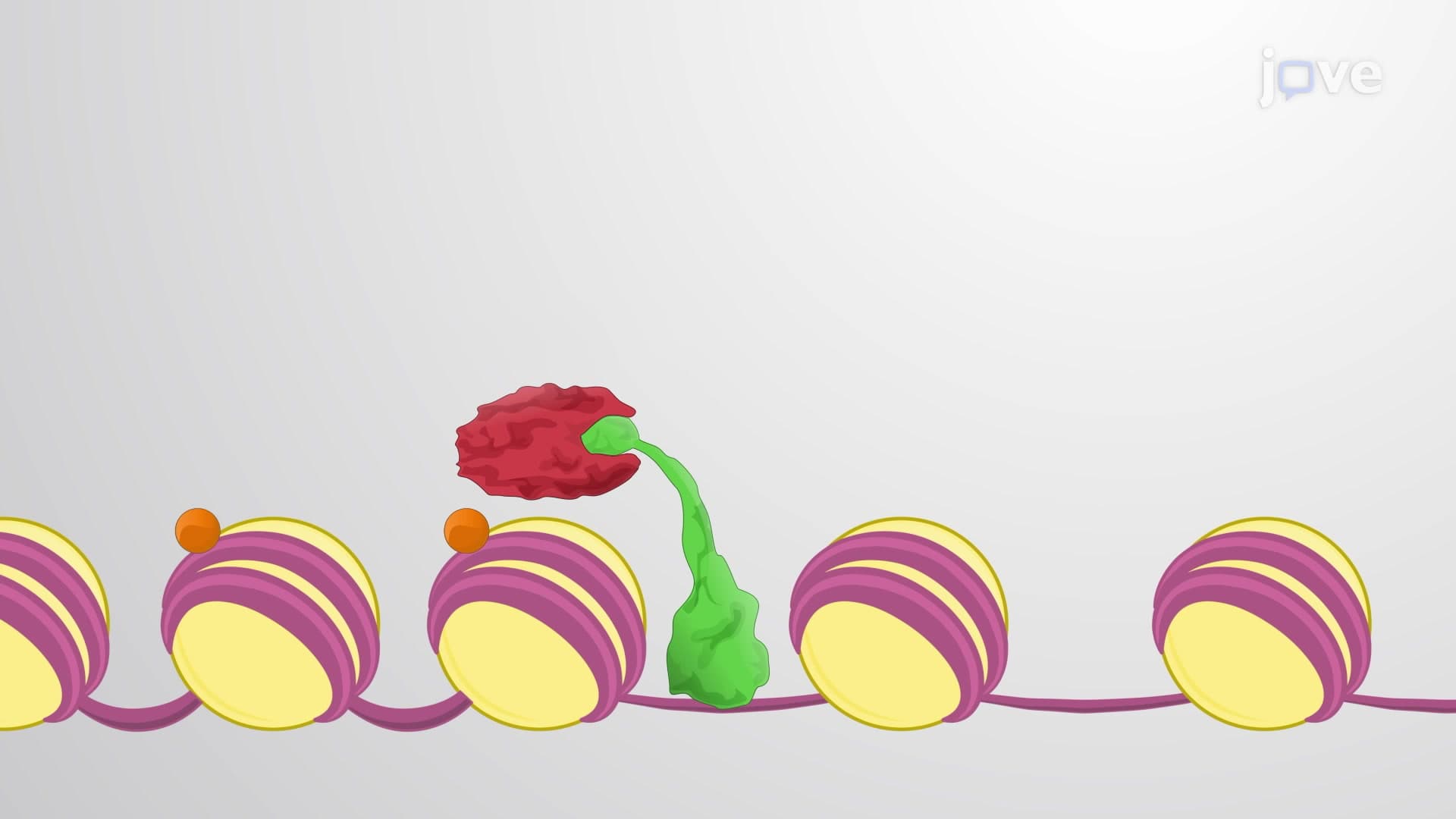
3. Chromatin Remodeling and Gene Accessibility ATP-dependent chromatin remodeling complexes dynamically alter nucleosome positioning to regulate gene expression. These molecular machines use energy from ATP hydrolysis to slide, eject, or exchange histones, creating accessible DNA regions for transcription factors and RNA polymerase. The loop-bulge propagation model explains how remodeling complexes move nucleosomes along DNA without complete dissociation. This process is crucial for cellular responses to environmental changes, development, and disease progression. Cancer research at institutions like MD Anderson frequently targets chromatin remodeling pathways for therapeutic intervention.
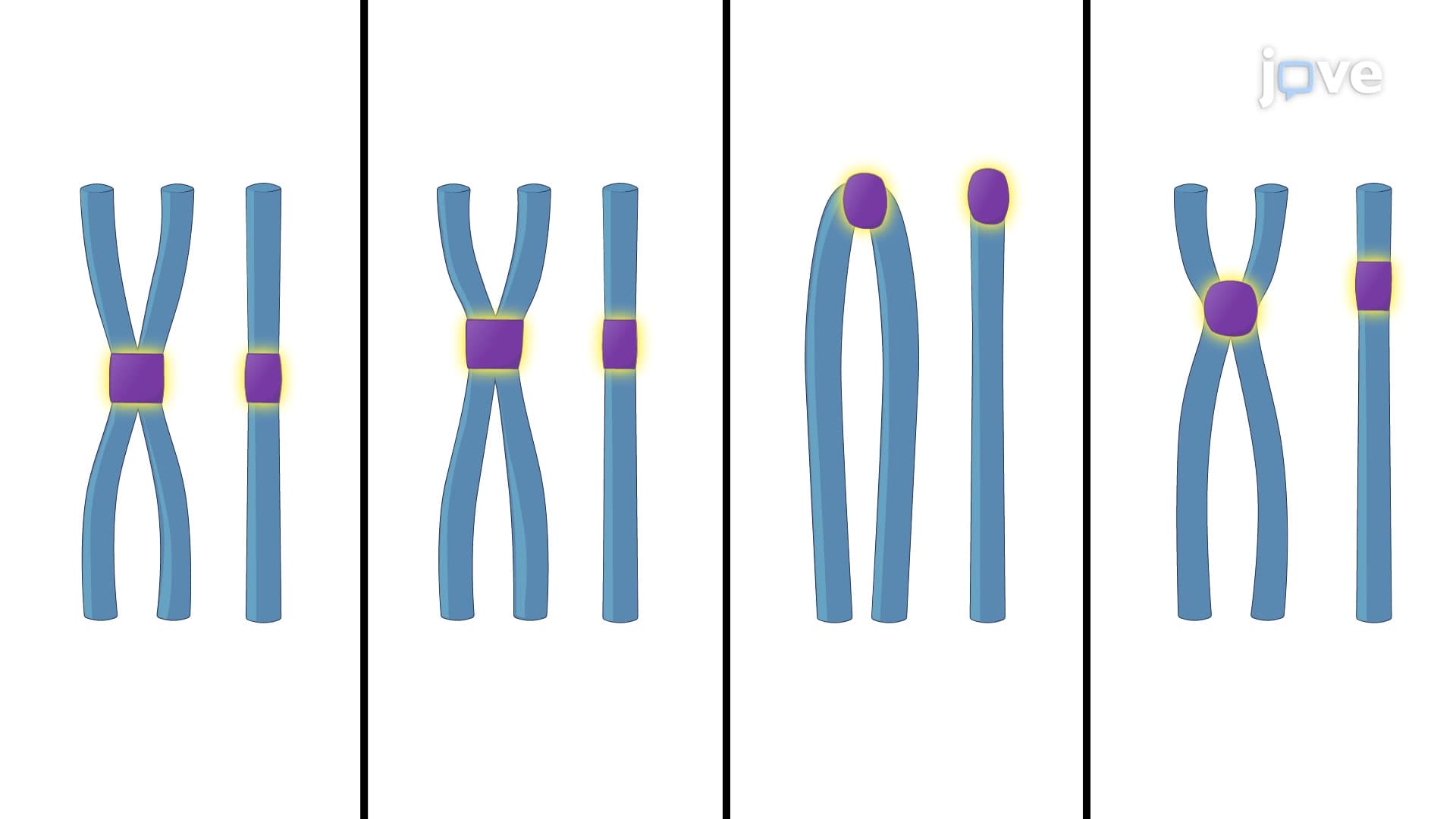
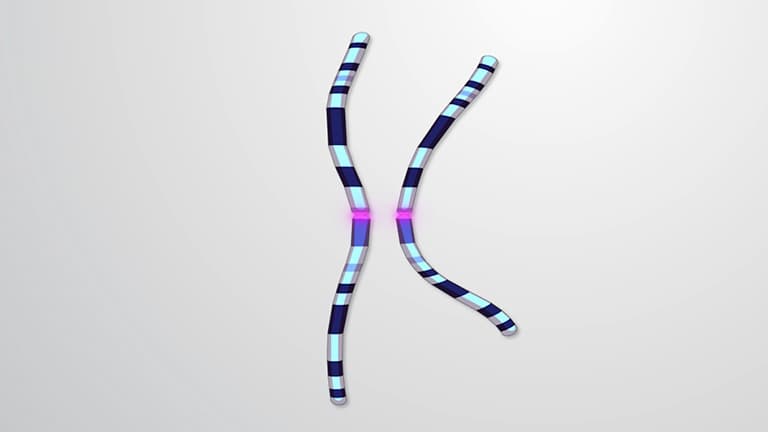
4. Chromosome Structure and Components Functional eukaryotic chromosomes require three essential elements: centromeres for sister chromatid cohesion and spindle attachment, telomeres for end protection, and multiple replication origins for efficient DNA synthesis. Chromosome morphology varies based on centromere position, creating metacentric, submetacentric, acrocentric, and telocentric configurations. Human chromosomes contain approximately 30,000 replication origins, enabling complete genome duplication within S phase. Telomeres consist of repetitive TTAGGG sequences that prevent chromosome degradation, with telomerase enzyme maintaining these structures in stem cells and cancer cells.
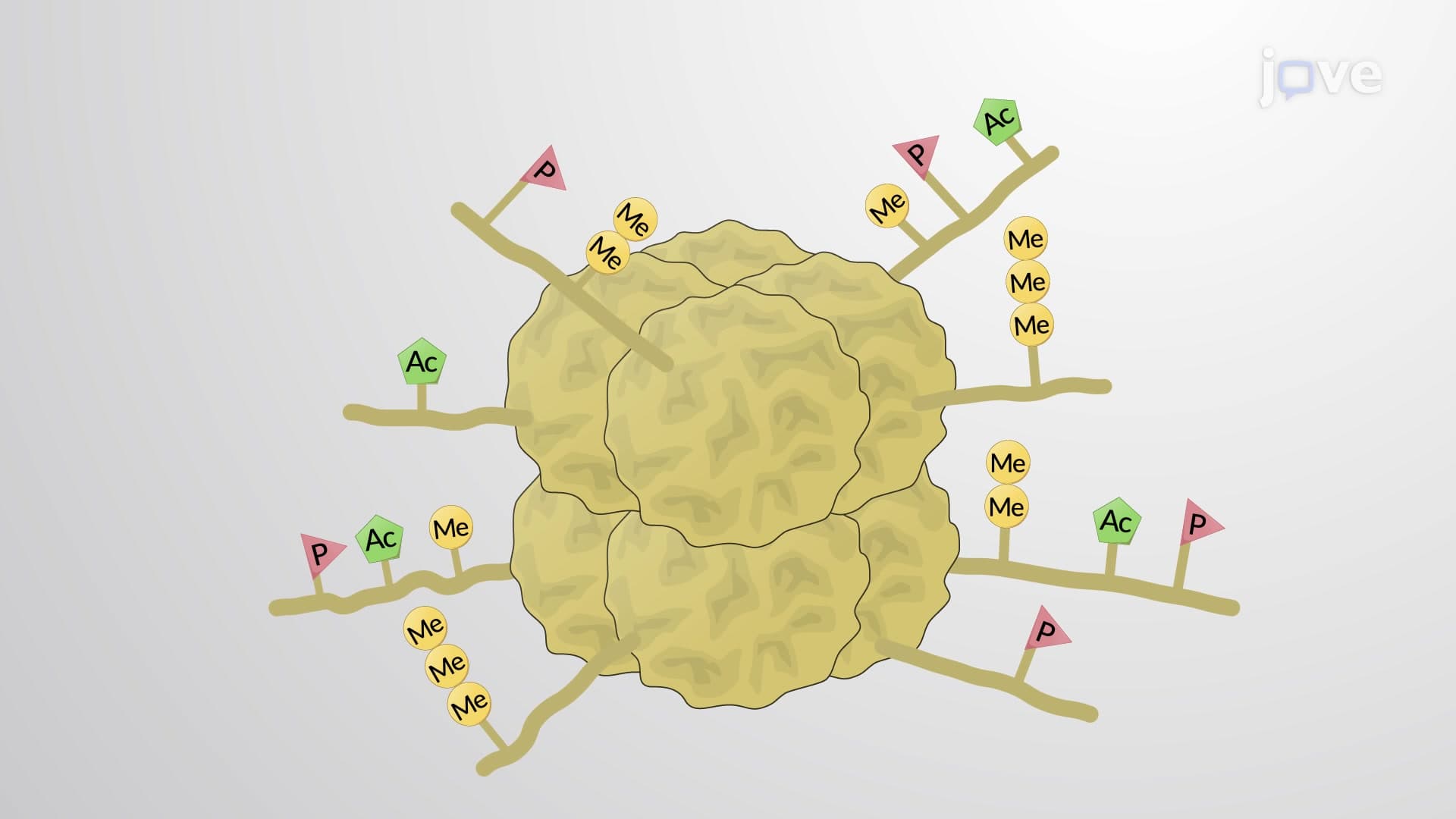
5. Histone Modifications and Epigenetic Regulation The histone code encompasses specific combinations of chemical modifications on histone tails that regulate chromatin structure and gene expression. Writer enzymes add modifications (methylation, acetylation, phosphorylation), eraser enzymes remove them, and reader proteins interpret these signals. Different modification patterns promote gene activation, silencing, or chromatin compaction. For example, H3K4me3 marks active promoters while H3K9me3 indicates heterochromatin formation. Understanding epigenetic mechanisms has revolutionized cancer treatment, with FDA-approved drugs like 5-azacytidine targeting DNA methylation in US oncology practices.
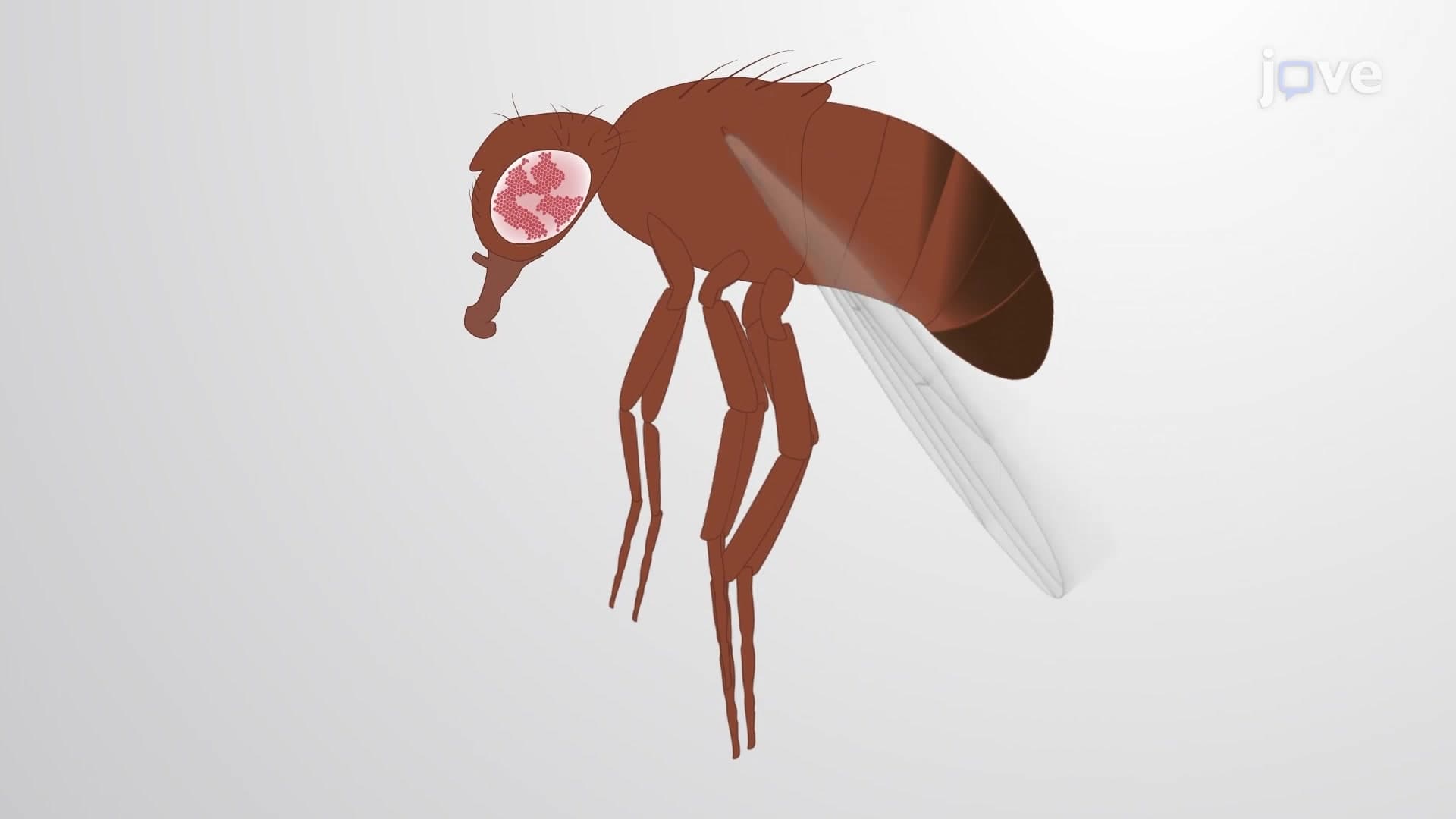
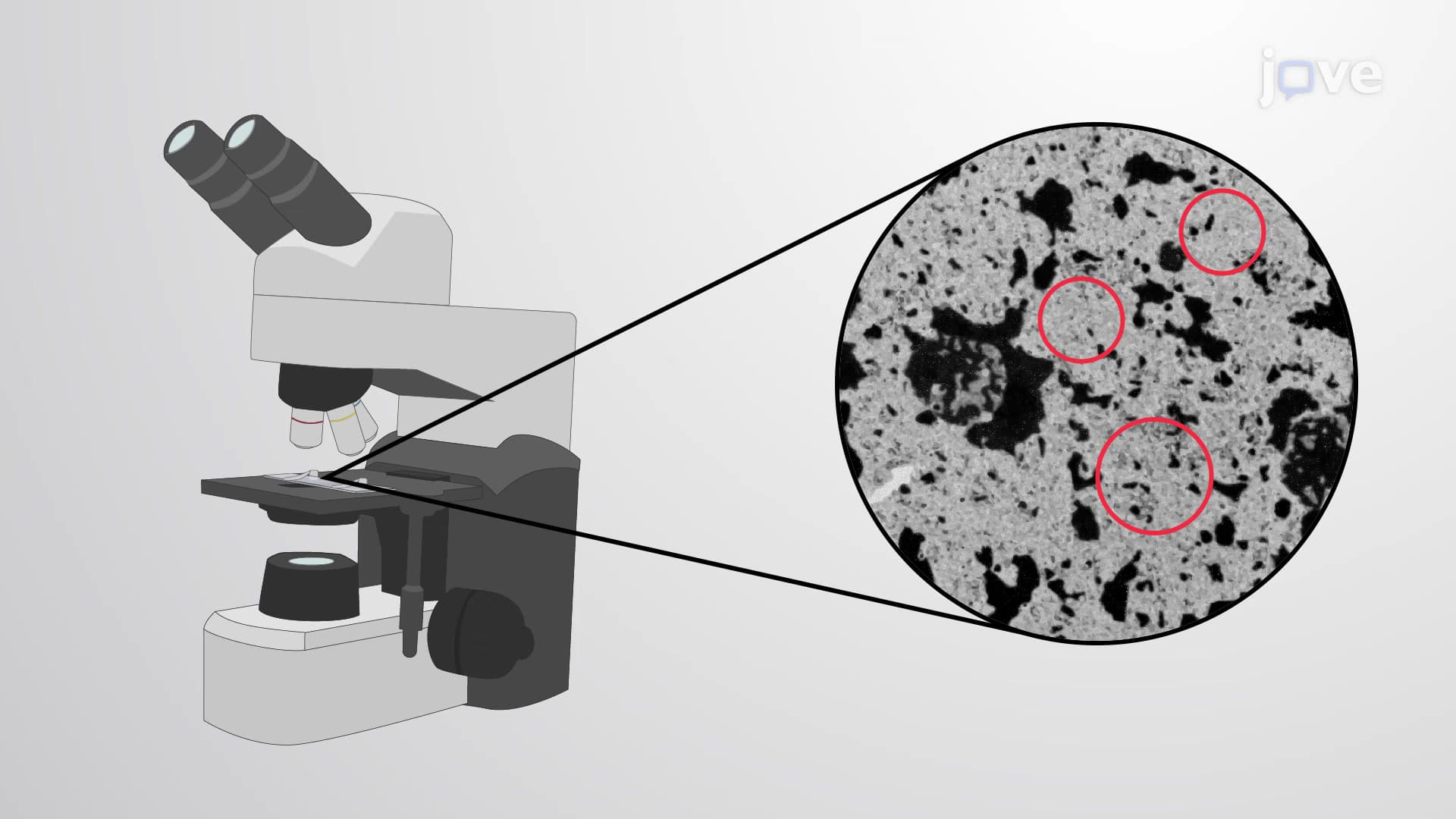
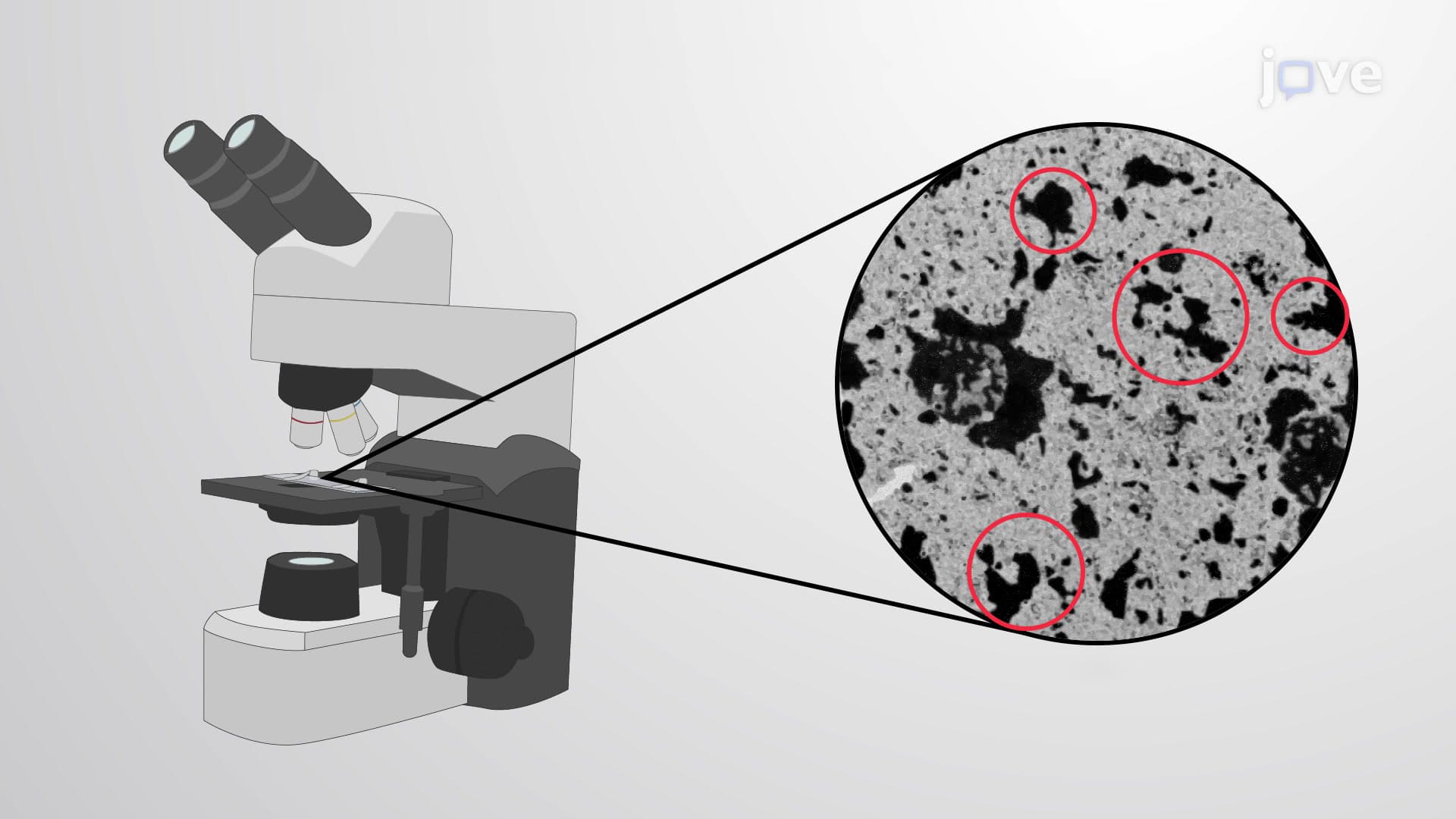
6. Euchromatin versus Heterochromatin Organization Chromatin exists in two primary states with distinct structural and functional properties. Euchromatin remains relatively open, gene-rich, and transcriptionally active, while heterochromatin stays highly condensed, gene-poor, and largely silent. Barrier sequences prevent inappropriate heterochromatin spreading into euchromatic regions, maintaining stable gene expression patterns. Position-effect variegation demonstrates how chromosomal rearrangements can relocate genes near heterochromatin, causing variable silencing. This phenomenon, first discovered in Drosophila white-eye mutants, now explains various human genetic disorders involving chromosomal translocations.
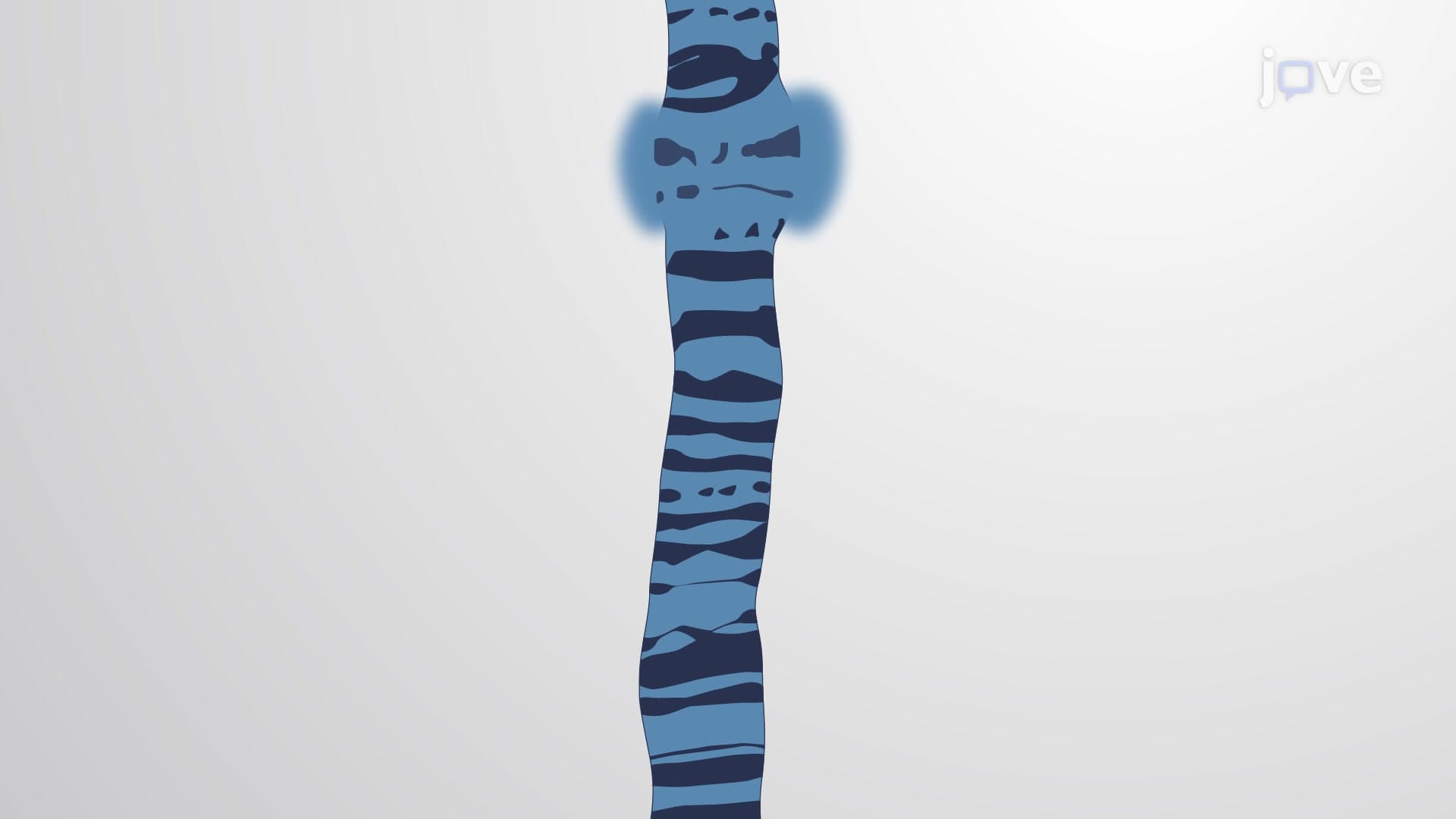
7. Karyotyping and Clinical Applications Karyotyping involves analyzing metaphase chromosomes to detect numerical and structural abnormalities associated with genetic disorders. The technique uses Giemsa staining to produce characteristic G-banding patterns that enable chromosome identification and abnormality detection. Clinical applications include diagnosing Down syndrome (trisomy 21), Turner syndrome (45,X), and various cancer-associated translocations like the Philadelphia chromosome in chronic myeloid leukemia. Modern cytogenetics laboratories in US hospitals combine traditional karyotyping with advanced techniques like fluorescence in situ hybridization (FISH) for precise genetic diagnosis and treatment planning.
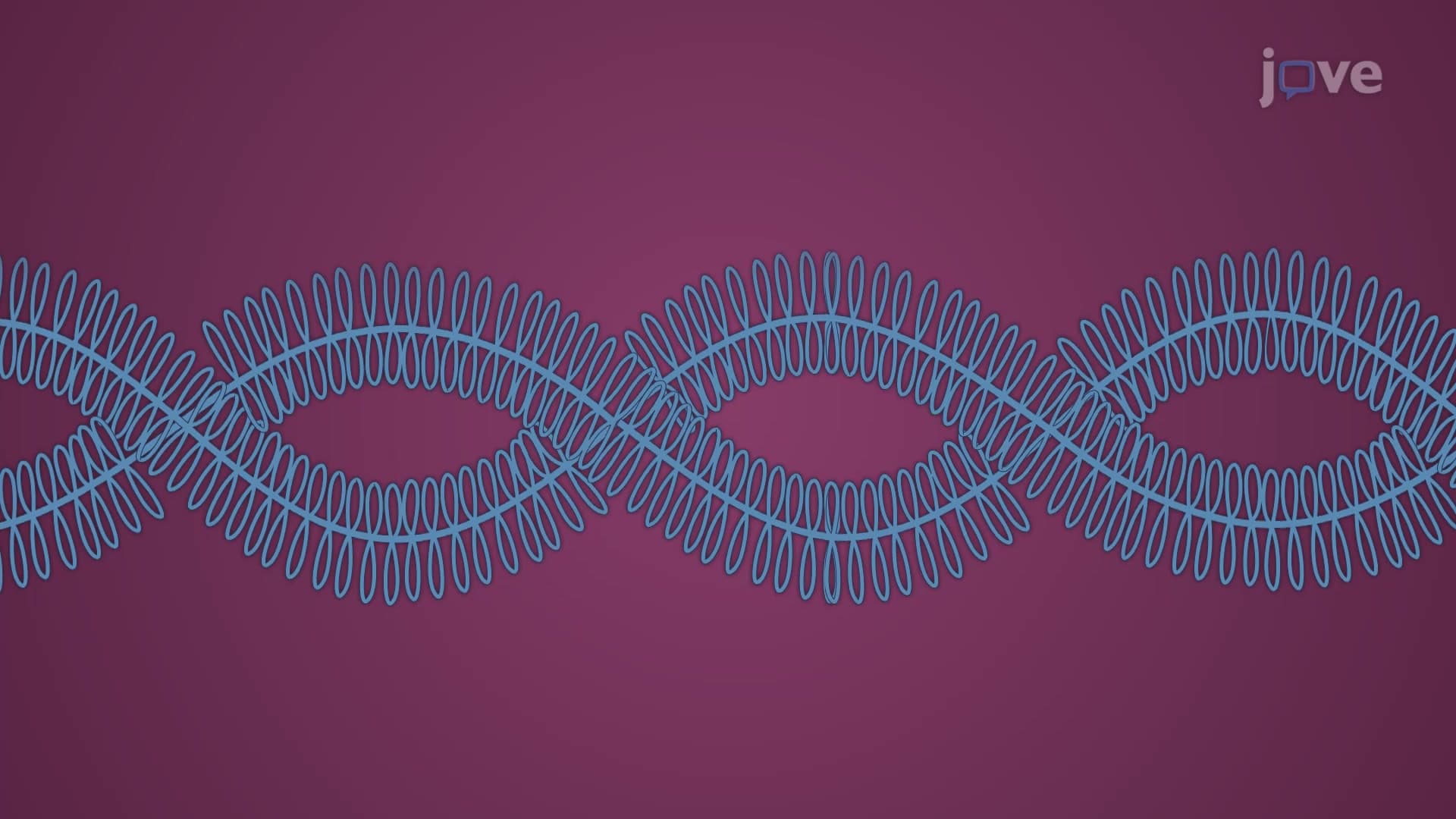
8. Specialized Chromosome Structures Unique chromosome configurations reveal important biological processes and provide research advantages. Lampbrush chromosomes in amphibian oocytes display extended lateral loops with active transcription, offering insights into gene expression regulation. Polytene chromosomes in Drosophila salivary glands show banding patterns that correlate with gene locations, facilitating genetic mapping studies. These specialized structures have contributed significantly to understanding chromosome organization principles applicable to human genetics. Research at institutions like Cold Spring Harbor Laboratory continues utilizing these models for fundamental discoveries in chromosome biology.