Loading subject page…
- Molecular Biology
- Meiosis
Molecular Biology
All Micro-courses:20

1.
DNA, Cells, and Evolution
10 Concepts
2.
Biochemistry of the Cell
11 Concepts
3.
Protein Structure
11 Concepts
4.
Protein Function
17 Concepts
5.
DNA and Chromosome Structure
20 Concepts
6.
DNA Replication
16 Concepts
7.
DNA Repair and Recombination
16 Concepts
8.
Transcription: DNA to RNA
21 Concepts
9.
Translation: RNA to Protein
11 Concepts
10.
Gene Expression
15 Concepts
11.
Additional Roles of RNA
14 Concepts
12.
Mendelian Genetics
21 Concepts
13.
Genomes and Evolution
8 Concepts
14.
Cell Signaling Pathways
15 Concepts
15.
Studying DNA and RNA
17 Concepts
16.
Analyzing Gene Expression and Function
19 Concepts
17.
Cell Proliferation
11 Concepts
18.
Cell Division
18 Concepts
19.
Meiosis
6 Concepts
20.
Cancer
21 Concepts
Meiosis
 6 Concepts
 204K Views
 Popular topics
Concepts: 6
01:36
28.2K views
03:09
43K views
02:02
48.3K views

02:57
63.6K views

01:34
12.4K views
01:29
8.5K views
Meiosis is the specialized sexual reproduction cell division process that creates four genetically unique haploid gametes from a single diploid cell. This two-stage division (meiosis I and II) enables genetic diversity through crossing over and independent assortment, making it essential for species survival and evolution. JoVE Coach provides comprehensive coverage of meiotic mechanisms, from chromosome pairing to gamete formation, with applications in genetics, medicine, and reproductive biology across American educational curricula.
- Understand the fundamental purpose of meiosis in sexual reproduction and genetic diversity
- Learn the detailed stages of meiosis I and meiosis II, including prophase I substages
- Identify key differences between meiosis and mitosis in chromosome behavior and outcomes
- Explore crossing over mechanisms and their role in genetic recombination
- Analyze independent assortment and its contribution to genetic variation
- Apply knowledge of nondisjunction to understand chromosomal disorders
- Understand gamete formation in animals and spore production in plants
- Examine the molecular machinery controlling meiotic division processes
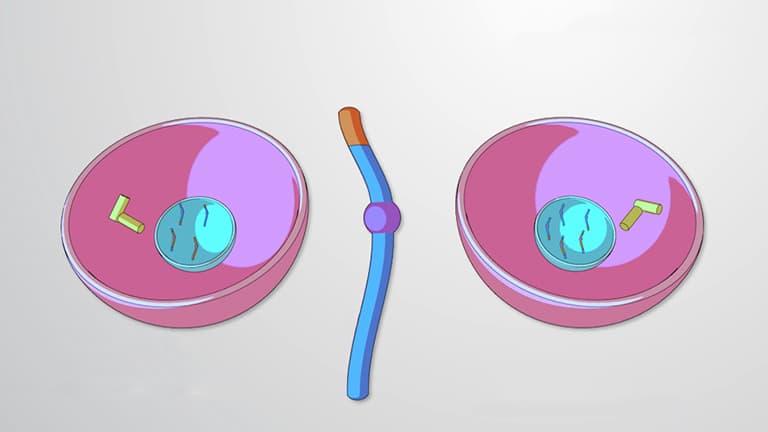
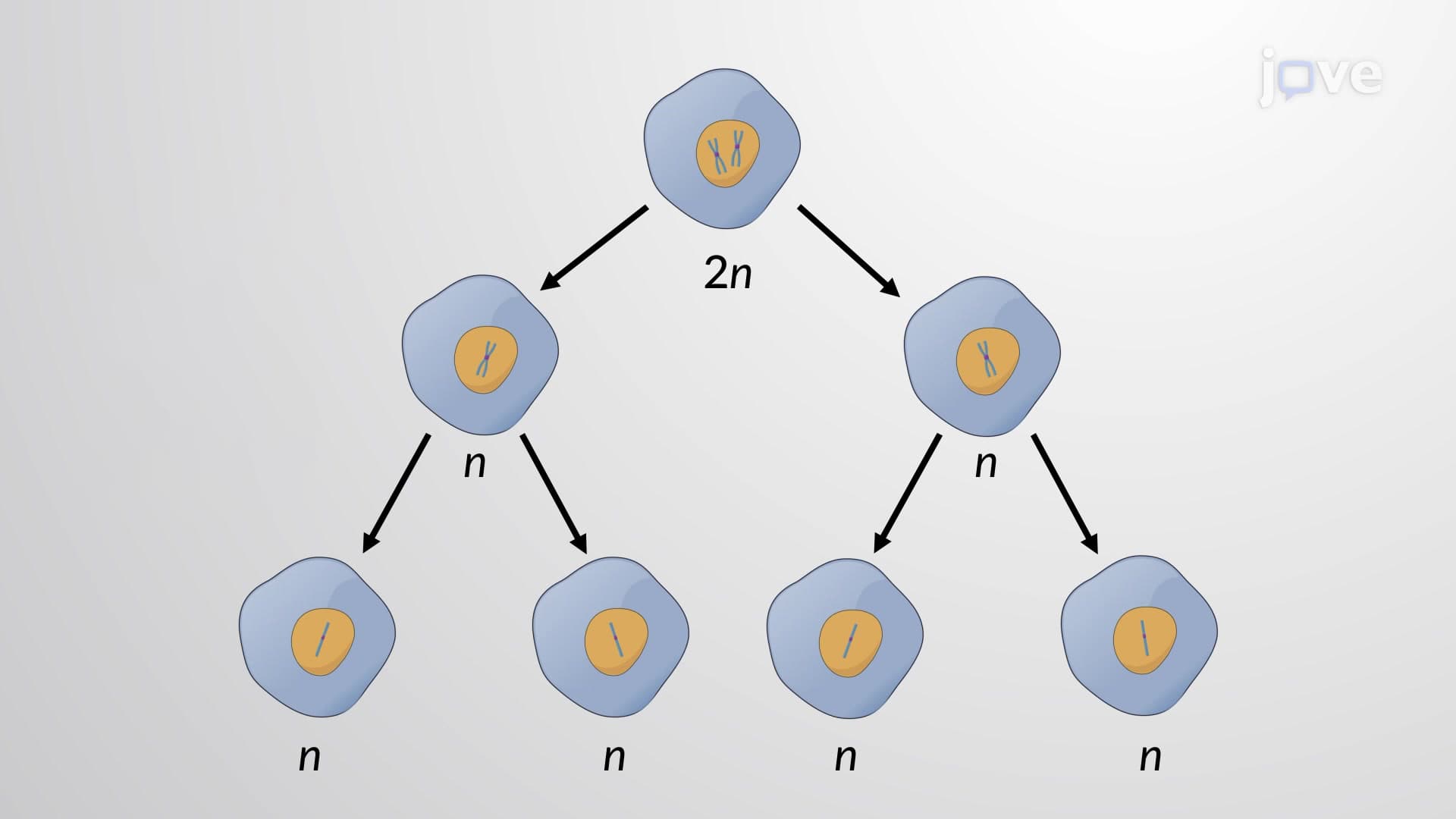
1. Meiosis Overview and Significance: Meiosis serves as the cornerstone of sexual reproduction, reducing diploid cells (46 chromosomes in humans) to haploid gametes (23 chromosomes). This reductional division maintains species chromosome numbers across generations while promoting genetic diversity essential for evolution and adaptation. Unlike mitosis, which produces identical cells for growth and repair, meiosis creates genetically unique reproductive cells. The process occurs in specialized germ cells within reproductive organs-ovaries produce eggs through oogenesis, while testes generate sperm through spermatogenesis. Understanding meiosis is fundamental to genetics education and appears prominently on standardized exams like the AP Biology test and MCAT.
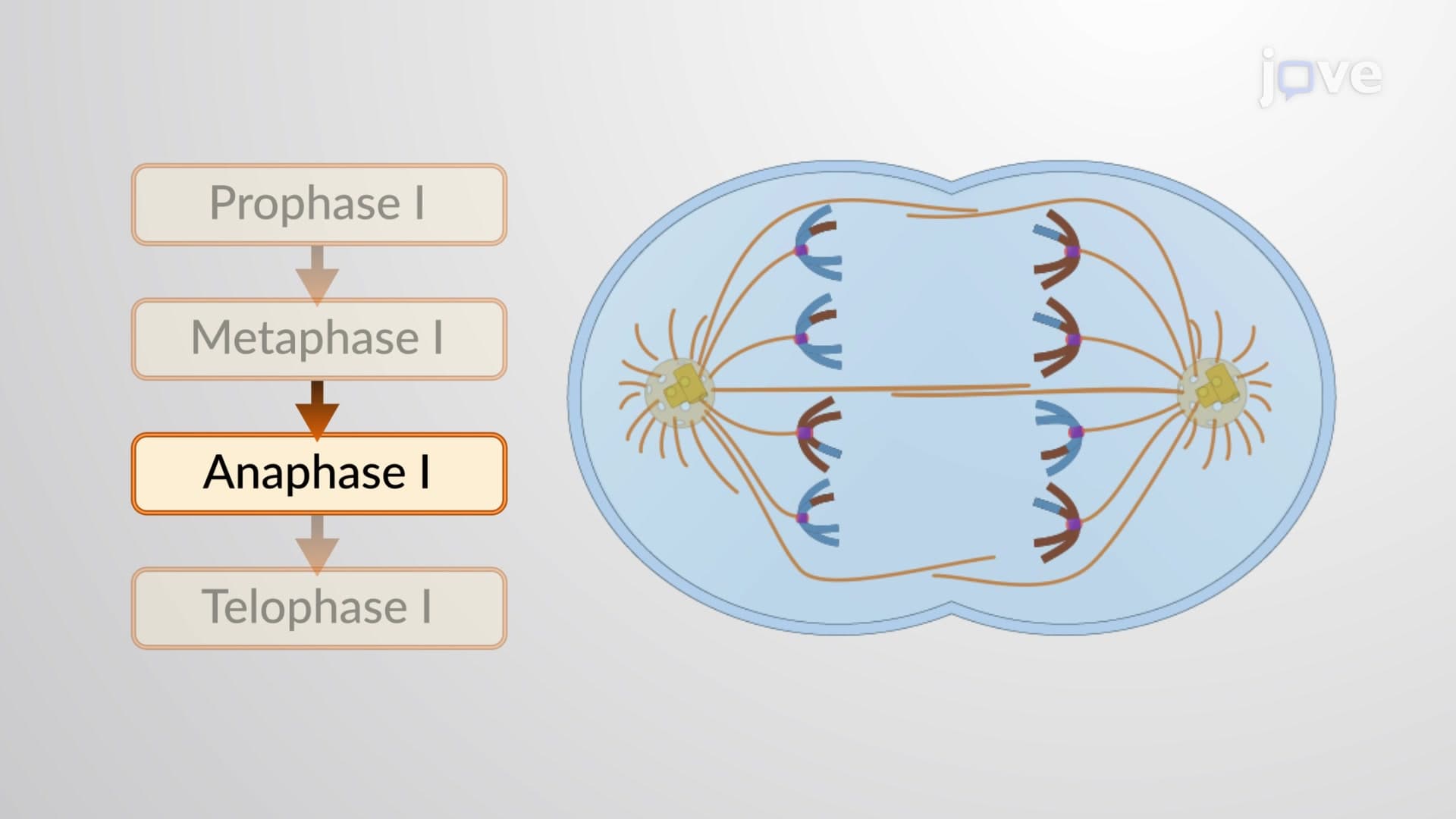
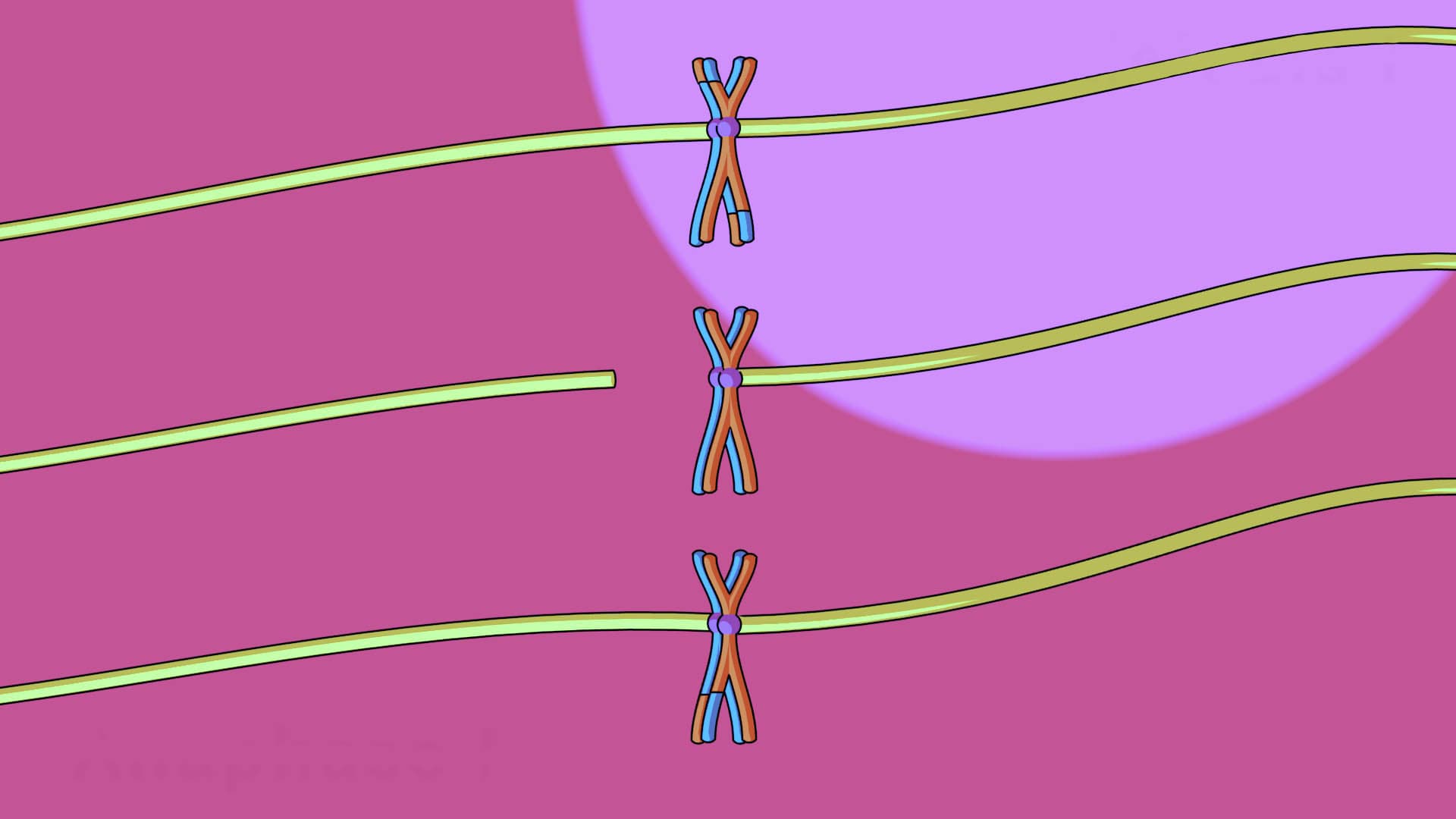
2. Meiosis I: The Reductional Division: Meiosis I represents the first major division, featuring five distinct prophase I substages: leptotene (chromosome condensation), zygotene (homolog pairing), pachytene (crossing over), diplotene (chiasmata formation), and diakinesis (nuclear envelope breakdown). During metaphase I, homologous chromosome pairs align randomly at the cell equator, enabling independent assortment that creates 2²³ possible combinations in human gametes. Anaphase I separates whole chromosomes rather than sister chromatids, distinguishing it from mitotic anaphase. This division reduces chromosome number from diploid to haploid while maintaining sister chromatid attachment. Telophase I completes the division with nuclear reformation and cytokinesis, producing two genetically distinct haploid cells.
3. Meiosis II: The Equational Division: Meiosis II resembles mitosis but operates on haploid cells following a brief interkinesis period without DNA replication. The four stages-prophase II, metaphase II, anaphase II, and telophase II-separate sister chromatids that are non-identical due to prior crossing over events. Unlike mitotic sister chromatids, these chromatids carry different genetic information, contributing further to gametic diversity. Anaphase II separation of chromatids creates the final haploid products, while independent assortment during this division adds another layer of genetic variation. The process culminates with four genetically unique haploid cells capable of fertilization, each containing half the parental chromosome complement essential for sexual reproduction.
4. Crossing Over and Genetic Recombination: Crossing over during pachytene of prophase I involves precise DNA breakage and rejoining between non-sister chromatids of homologous chromosomes. Key enzymes including Spo11 create double-strand breaks, while recombinases facilitate strand exchange through homologous recombination pathways. Chiasmata mark crossover points where genetic material exchanges, creating new allele combinations not present in parental chromosomes. This process averages 1-3 crossovers per chromosome pair in humans, generating approximately 64 trillion possible genetic combinations per individual. Crossing over frequencies enable genetic mapping techniques used in research and medical diagnostics. The mechanism ensures proper chromosome segregation while maximizing genetic diversity crucial for species adaptation and evolutionary success.
5. Meiosis vs. Mitosis: Critical Distinctions: Fundamental differences distinguish meiosis from mitosis beyond simple cell number outcomes. Mitosis produces two identical diploid cells through a single four-stage division, while meiosis creates four genetically unique haploid cells through two consecutive divisions. Prophase I's extended duration and complexity contrasts sharply with mitosis's brief prophase lacking homolog pairing or recombination. Chromosome alignment differs significantly-individual chromosomes align during mitotic metaphase, while homologous pairs align during meiotic metaphase I. Cohesin protein behavior varies between processes, with mitosis removing all cohesins simultaneously versus meiosis I's selective arm cohesin removal. These distinctions reflect each process's biological purpose: mitosis for growth and repair, meiosis for reproduction and genetic diversity.
6. Nondisjunction and Chromosomal Disorders: Nondisjunction errors occur when chromosomes fail to separate properly during either meiotic division, resulting in gametes with incorrect chromosome numbers (aneuploidy). Maternal age significantly increases nondisjunction risk, particularly for Down syndrome (trisomy 21), where failure of chromosome 21 separation creates gametes with extra or missing chromosomes. Other common disorders include Turner syndrome (45,X) and Klinefelter syndrome (47,XXY), demonstrating sex chromosome nondisjunction consequences. These errors can occur during meiosis I (homolog nonseparation) or meiosis II (sister chromatid nonseparation), each producing distinct aneuploid patterns. Understanding nondisjunction mechanisms is crucial for genetic counseling, prenatal diagnosis, and comprehending reproductive biology's clinical implications in American healthcare systems.