- Molecular Biology
- Gene Expression
Micro-courses:20

Gene Expression
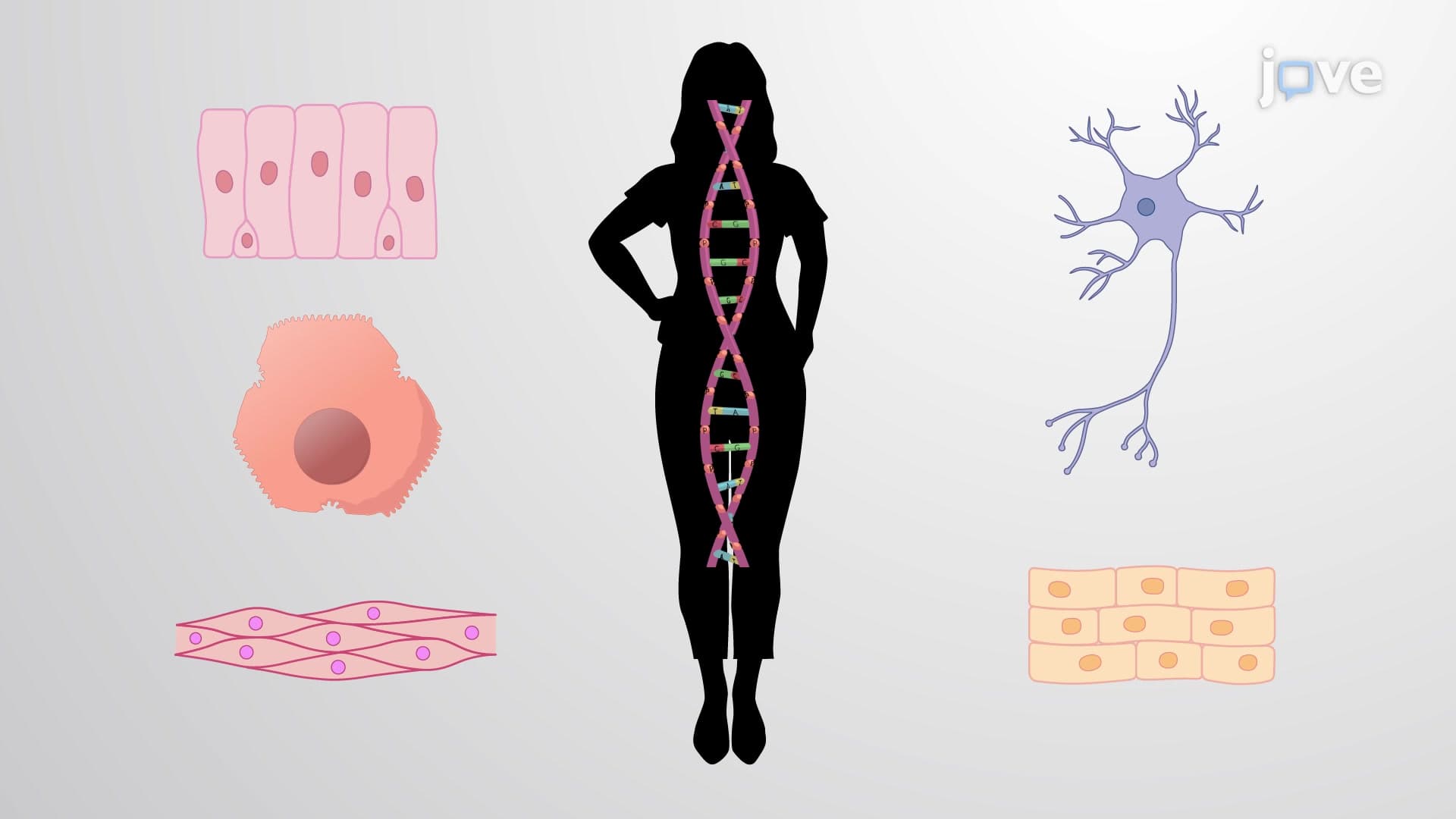
1. Cell Specific Gene Expression
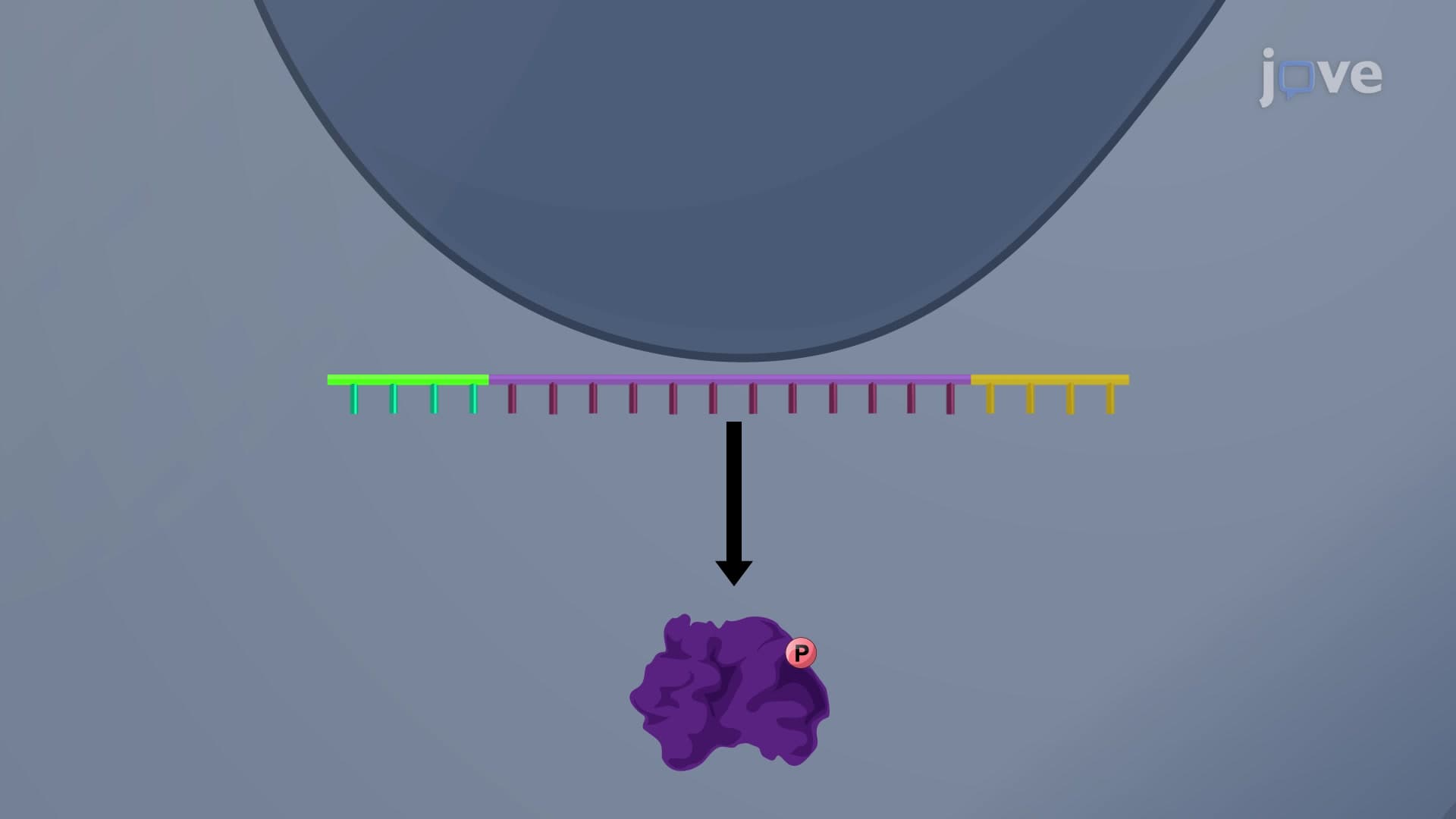
2. Regulation of Expression Occurs at Multiple Steps
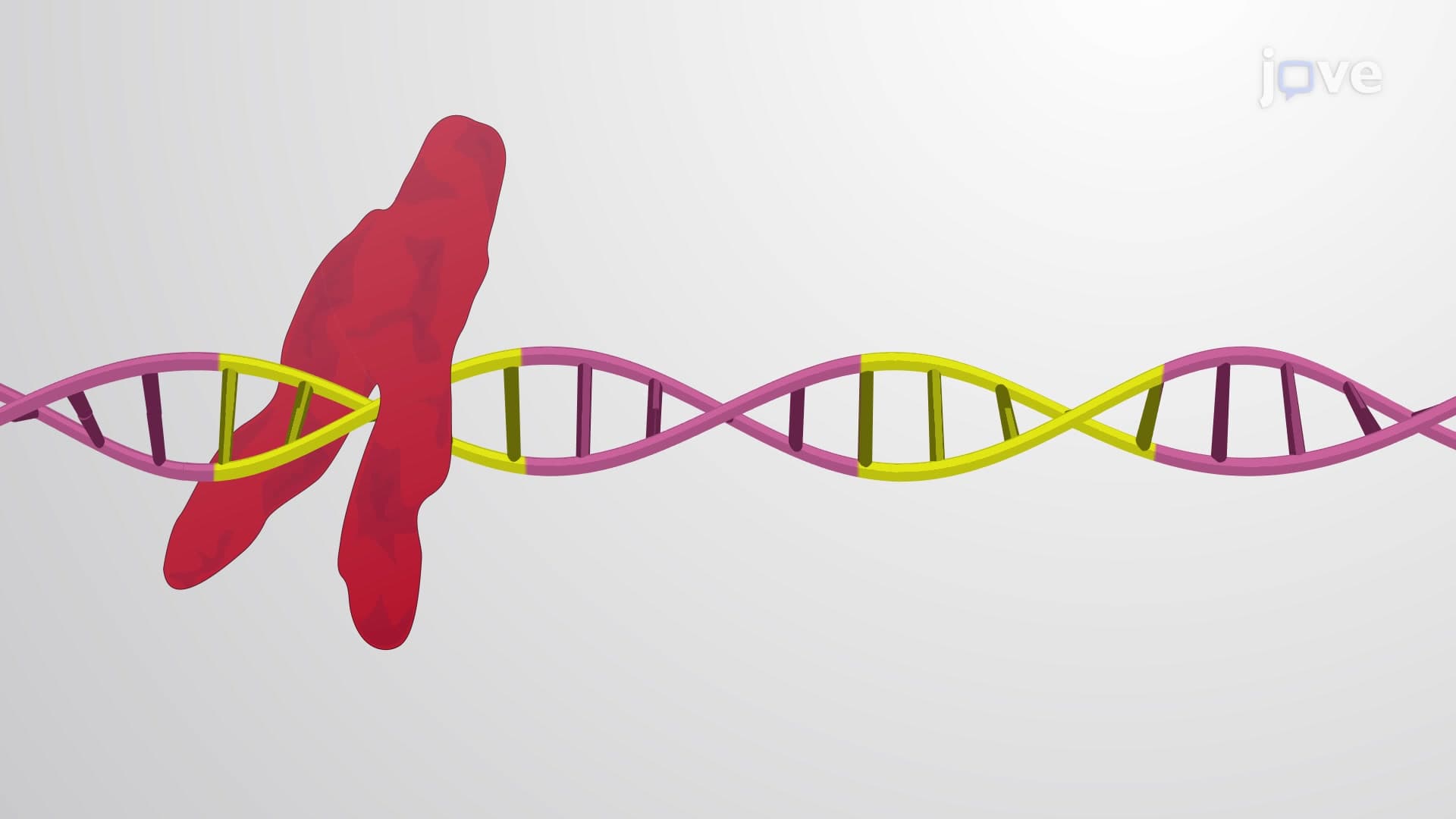
3. Cis-regulatory Sequences
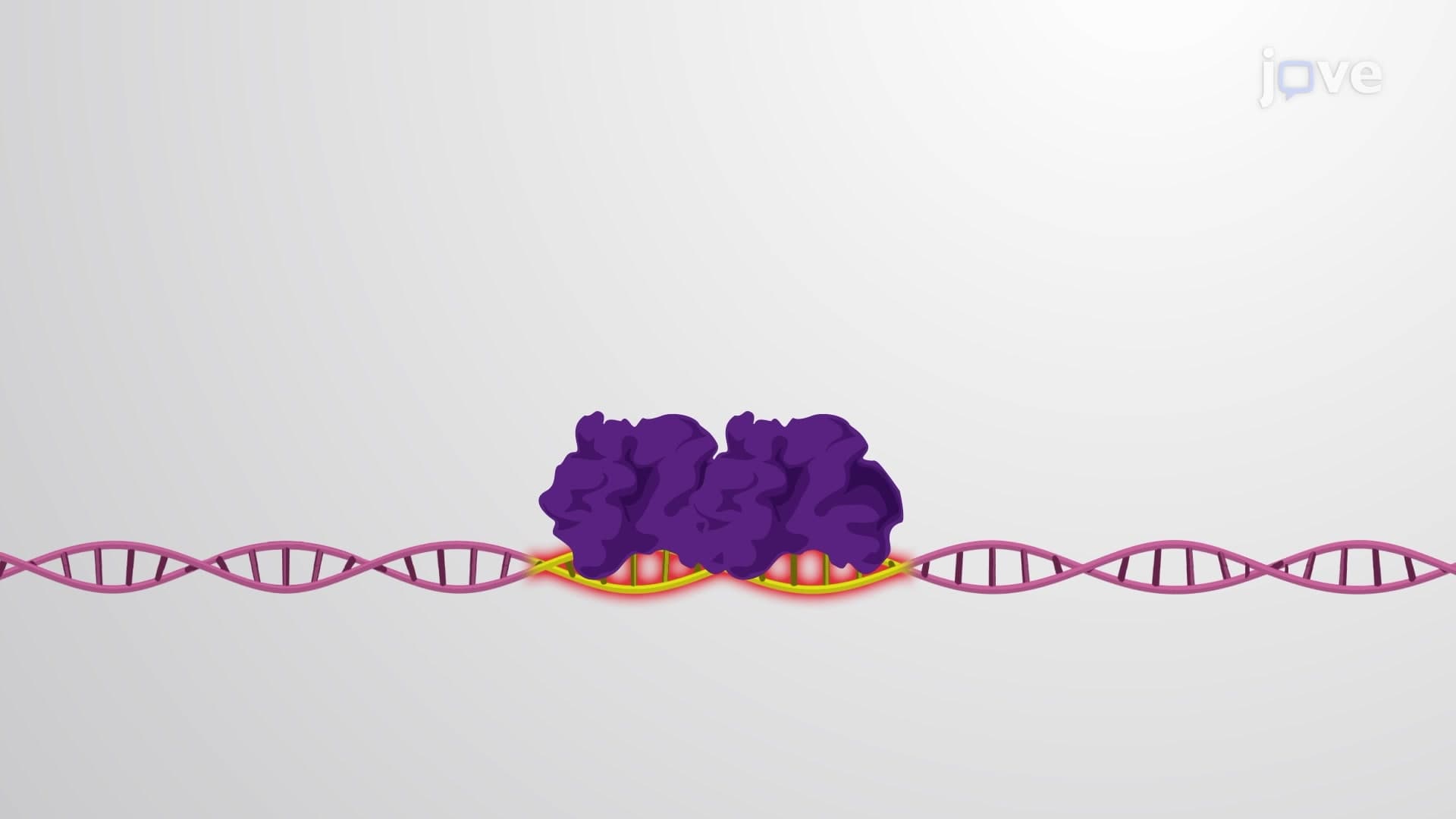
4. Cooperative Binding of Transcription Regulators
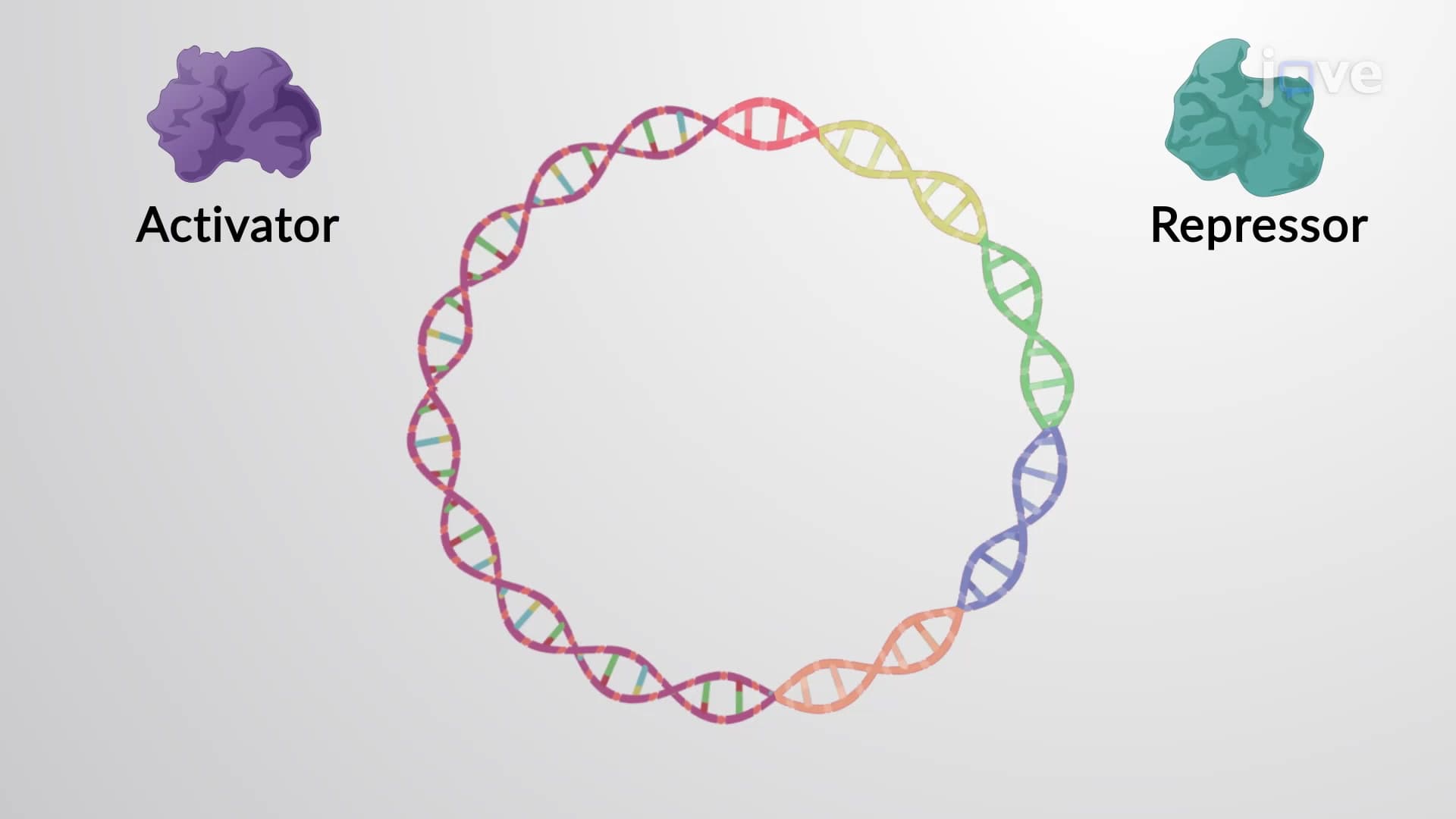
5. Prokaryotic Transcriptional Activators and Repressors
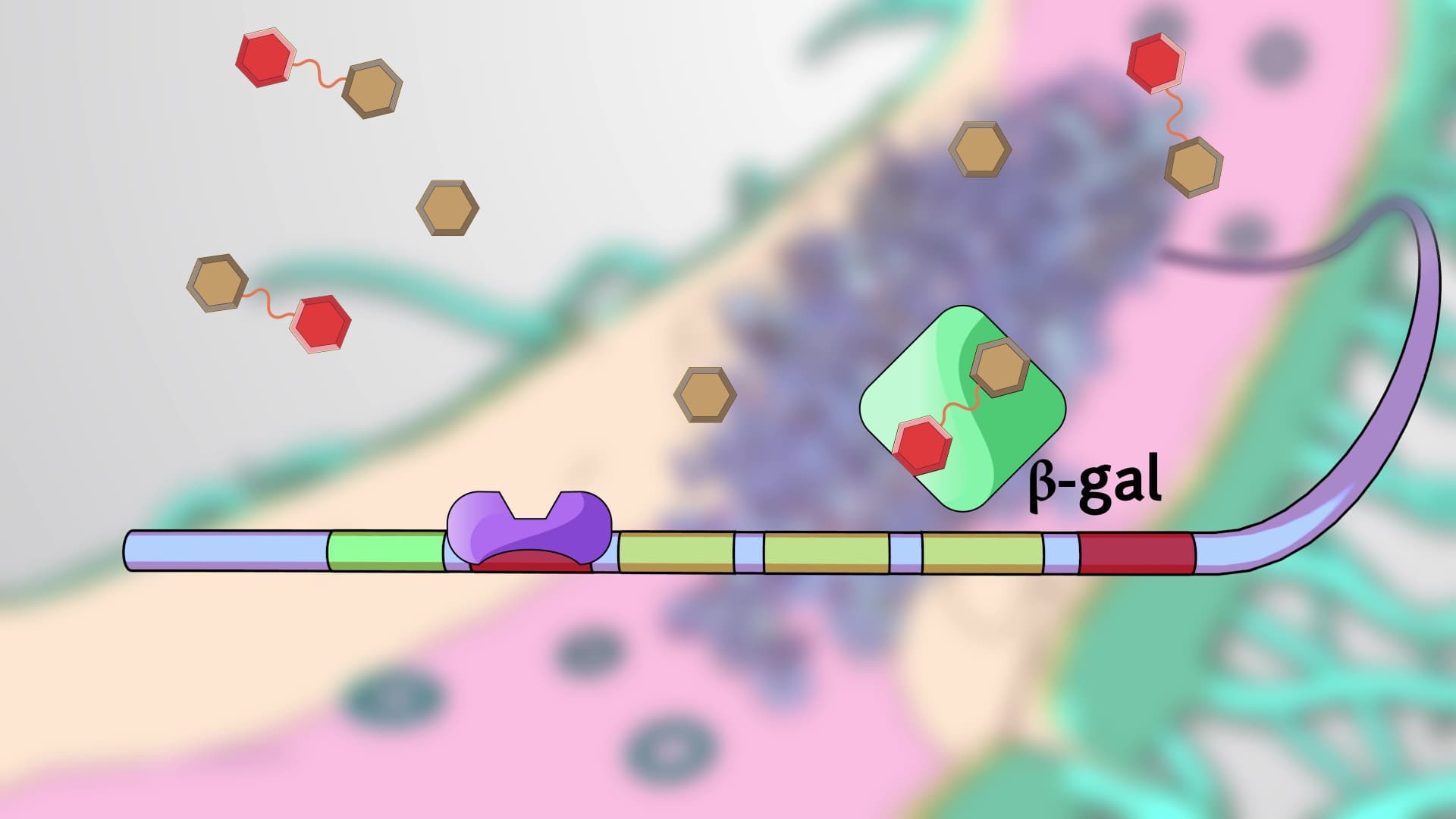
6. Operons
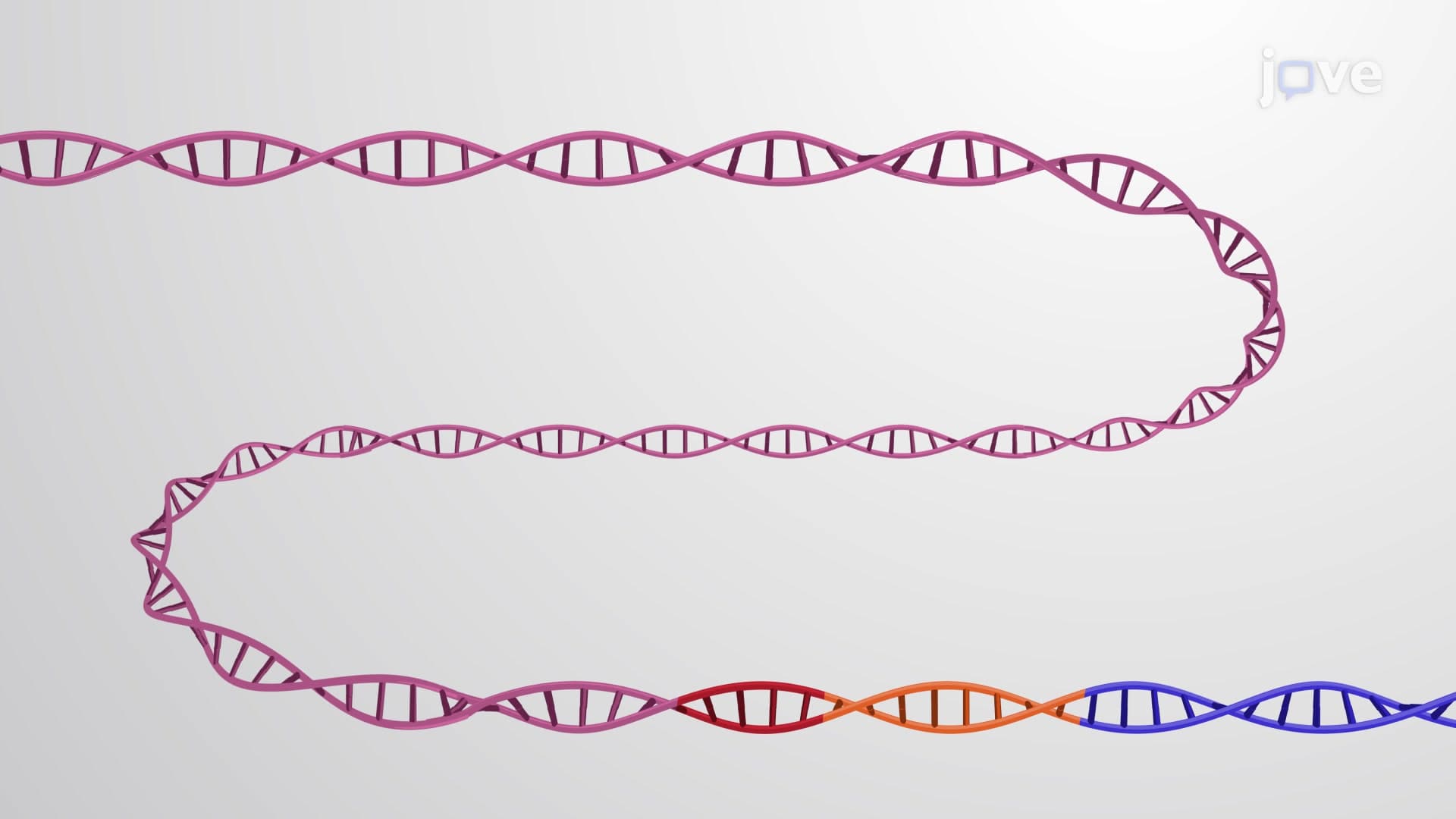
7. The Eukaryotic Promoter Region
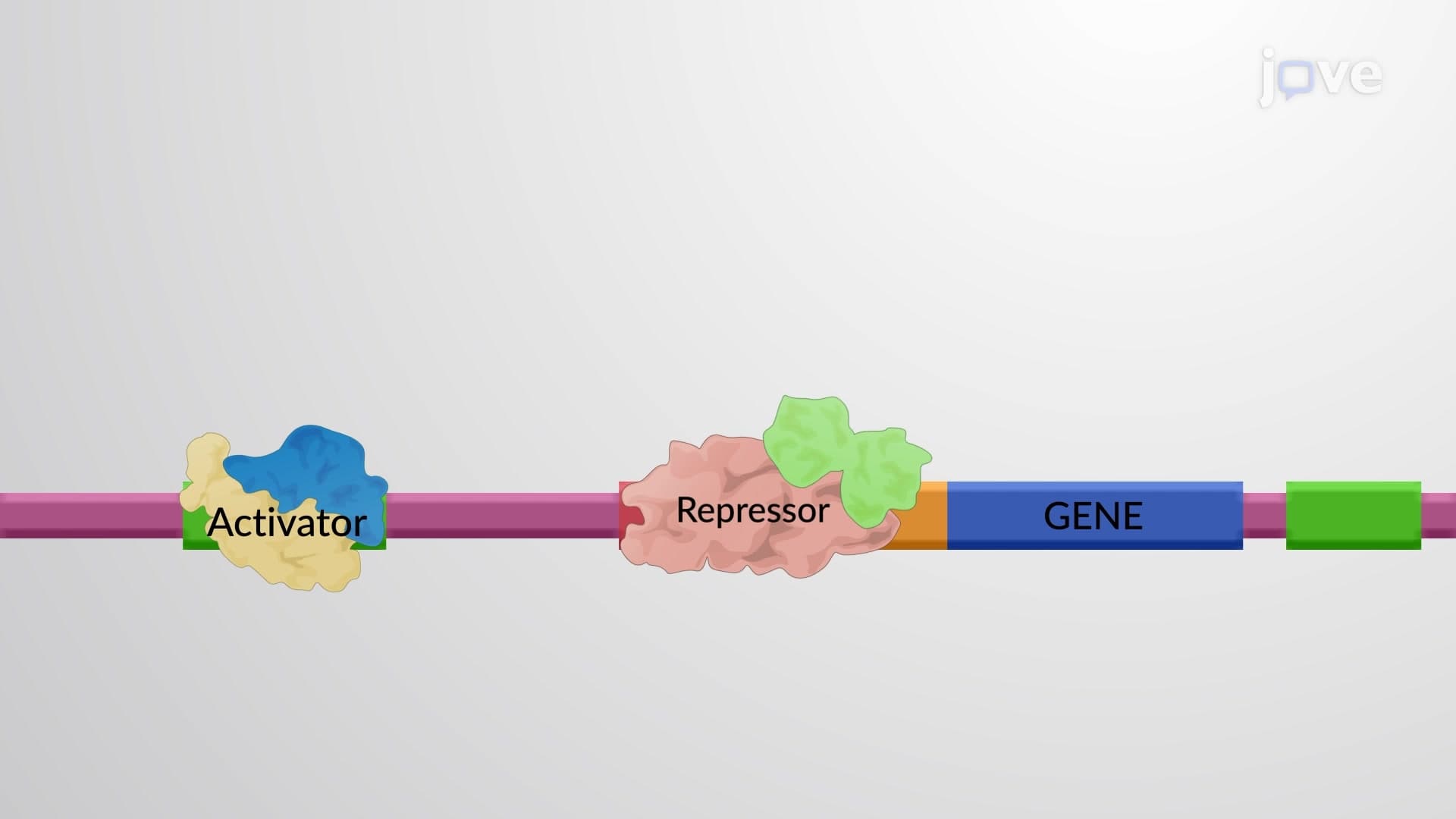
8. Co-activators and Co-repressors
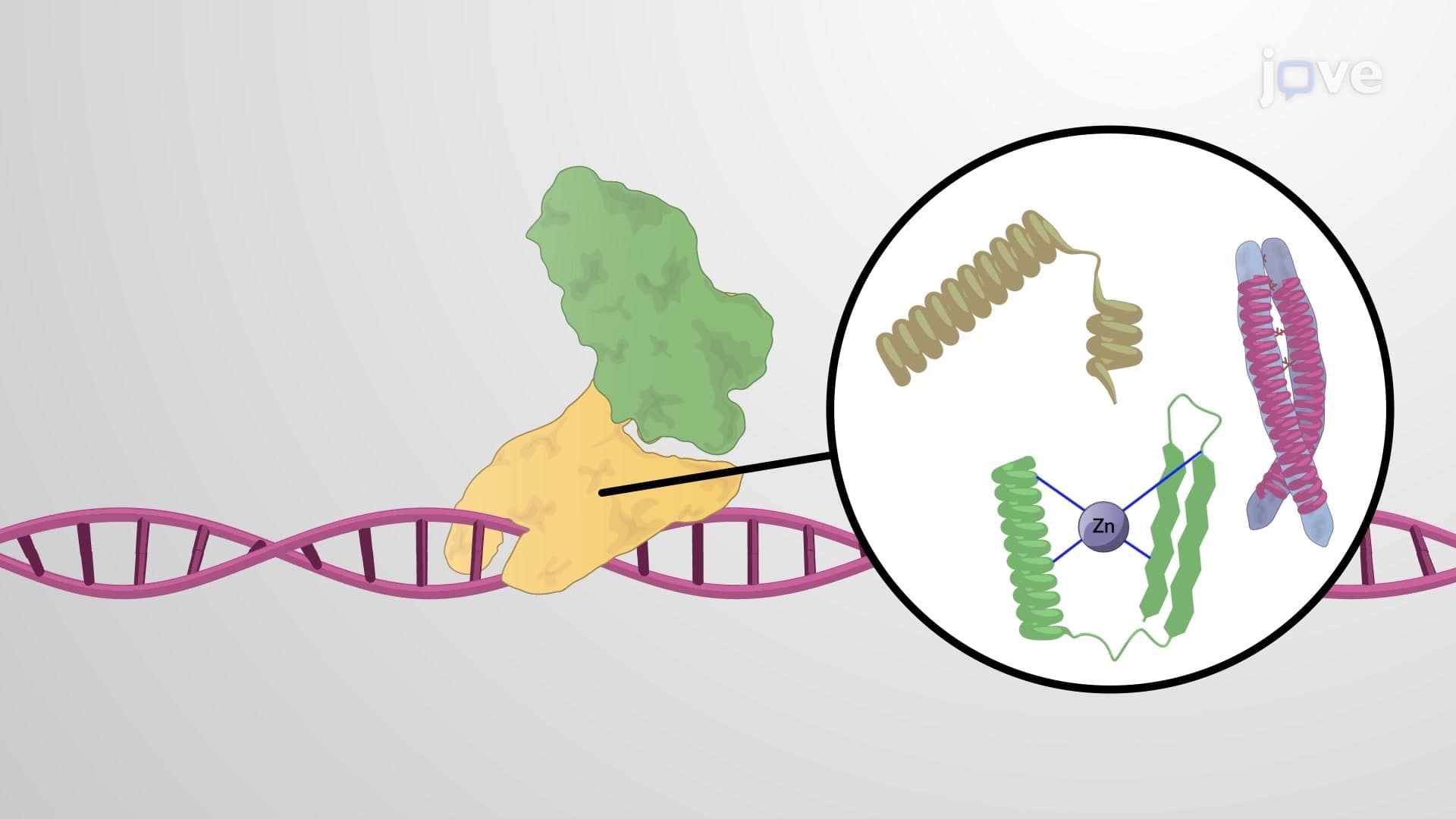
9. Eukaryotic Transcription Activators
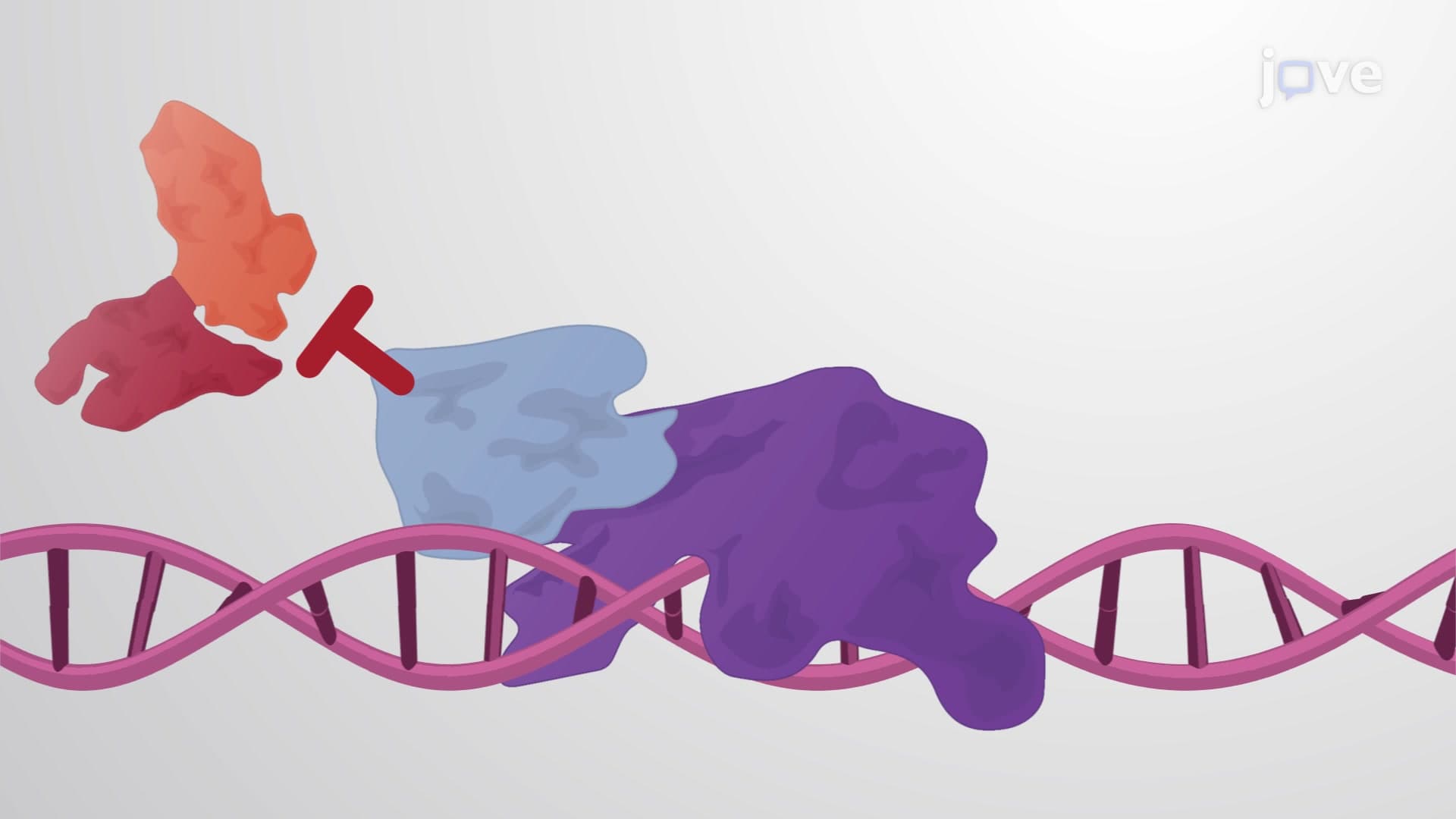
10. Eukaryotic Transcription Inhibitors
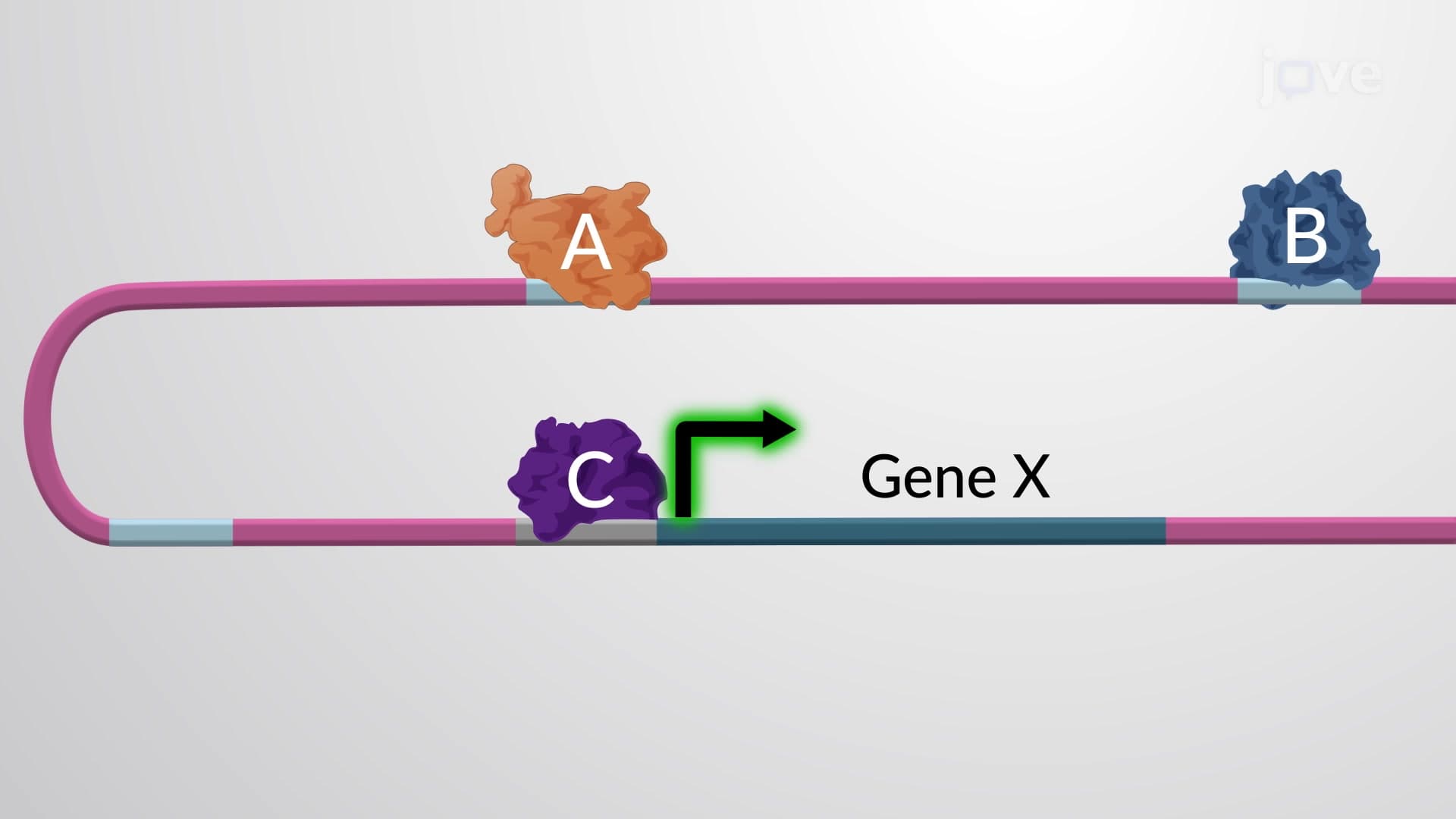
11. Combinatorial Gene Control
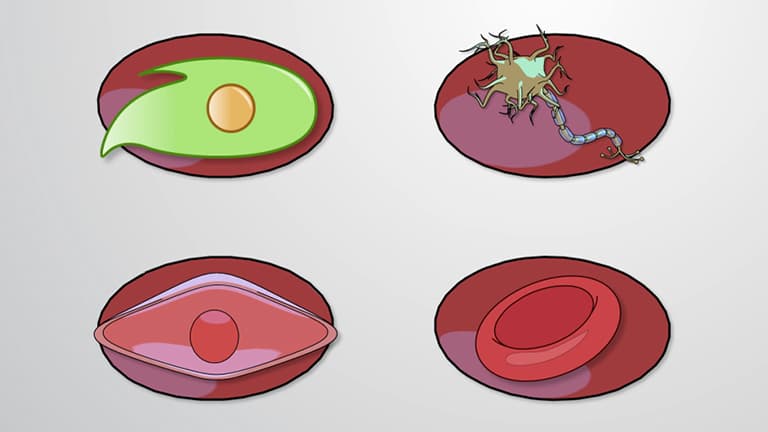
12. Induced Pluripotent Stem Cells
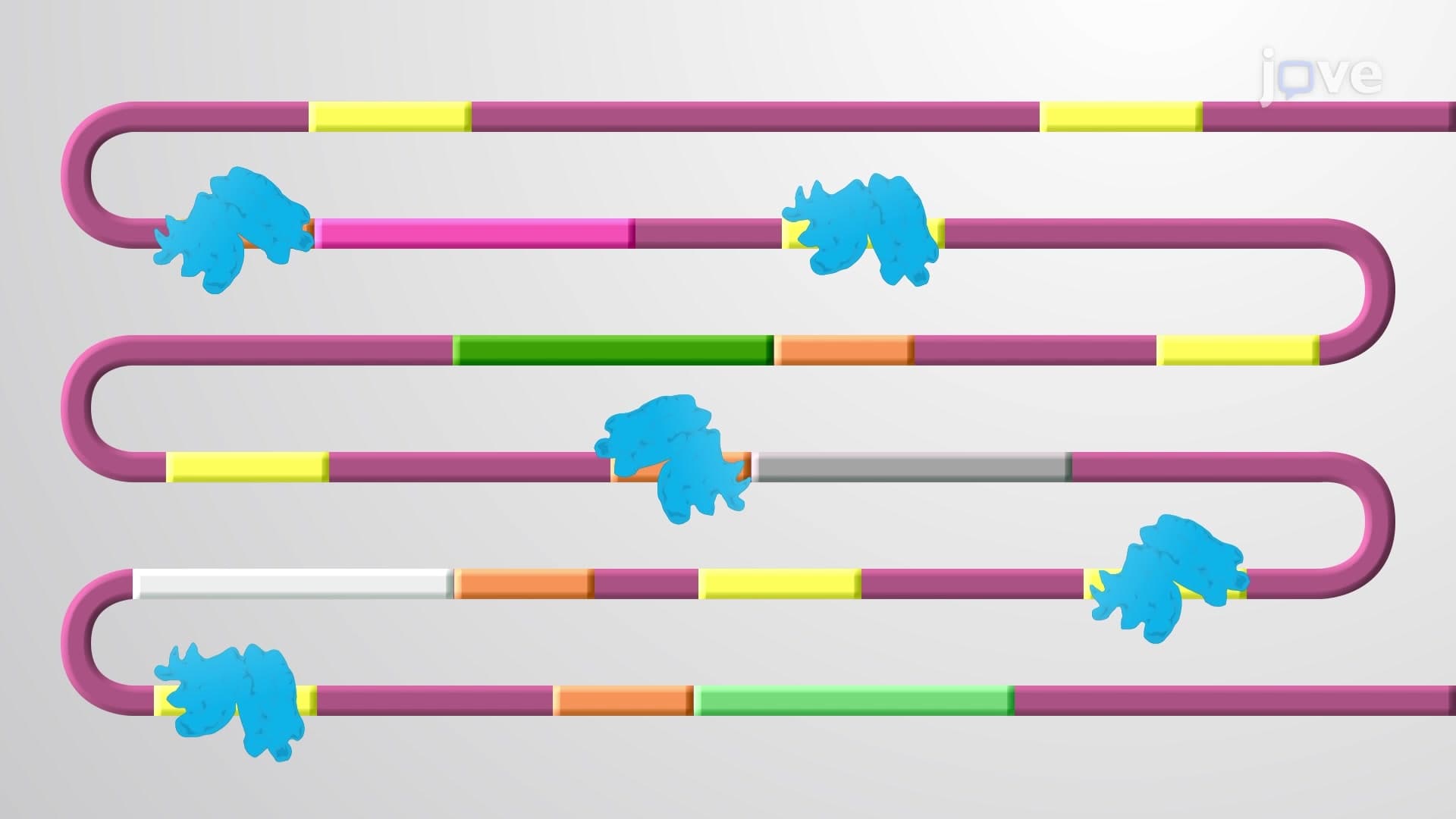
13. Master Transcription Regulators
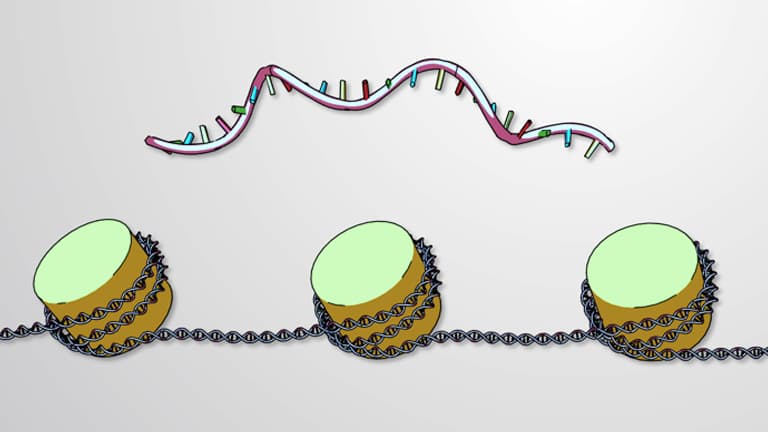
14. Epigenetic Regulation
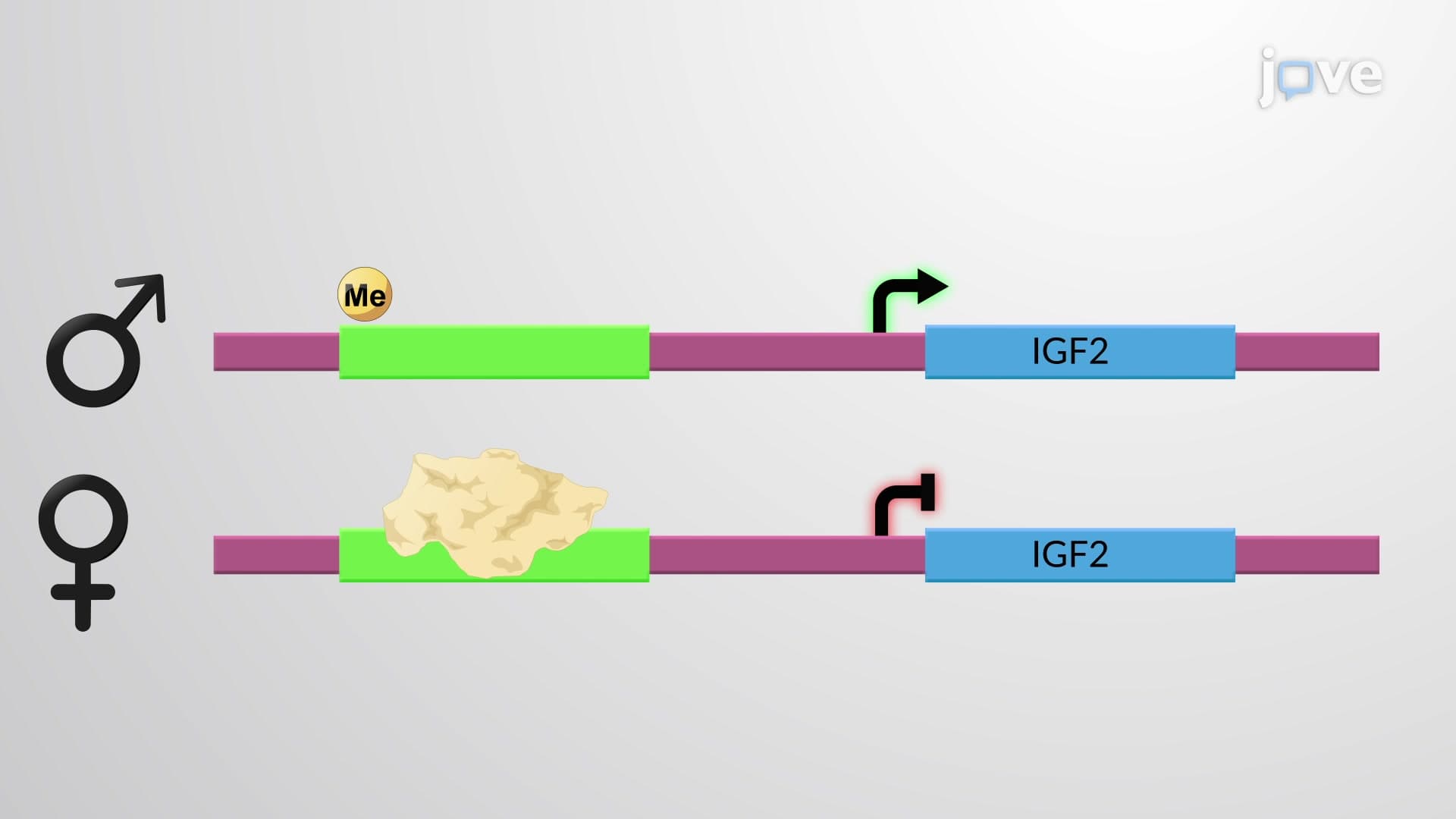
15. Genomic Imprinting and Inheritance
Gene expression is the fundamental biological process by which genetic information stored in DNA is converted into functional proteins through transcription and translation biology. This comprehensive course explores how cells precisely control gene expression through multiple regulatory mechanisms, including transcriptional control, RNA processing, and epigenetic modifications. From understanding the central dogma to examining real-world applications like personalized medicine and biotechnology innovations used by companies like Genentech and Moderna, JoVE Coach provides essential knowledge for mastering this cornerstone concept in molecular biology.
- Understand the central dogma and the flow of genetic information from DNA to RNA to protein
- Learn the molecular mechanisms of transcription, RNA processing, and translation
- Identify different types of RNA molecules and their specific functions in gene regulation
- Explore how transcription factors control gene expression in prokaryotes and eukaryotes
- Analyze epigenetic modifications and their impact on gene expression patterns
- Apply knowledge of operons and regulatory sequences to understand bacterial gene control
- Understand how cells achieve tissue-specific gene expression during development
- Learn about RNA interference and microRNA-mediated gene silencing mechanisms
1. Central Dogma and Gene Expression Overview - The fundamental principle describing information flow from DNA to RNA to protein forms the foundation of molecular biology. This process involves transcription, where genetic information is copied from DNA into messenger RNA, followed by translation, where ribosomes decode mRNA to synthesize proteins. Understanding this pathway is essential for comprehending how genetic mutations can affect protein function and lead to diseases like sickle cell anemia or cystic fibrosis, commonly studied in US medical schools and tested on standardized exams.
2. Transcription and RNA Synthesis - Transcription involves RNA polymerase enzymes copying specific DNA sequences into RNA molecules. In eukaryotes, RNA polymerase II transcribes protein-coding genes, while prokaryotic transcription is simpler with a single RNA polymerase. The process requires promoter sequences, transcription factors, and precise regulatory mechanisms. Examples include how insulin gene transcription is activated in pancreatic beta cells or how stress response genes are upregulated during cellular damage, concepts frequently examined in MCAT and medical school curricula.
3. RNA Processing and Modification - Pre-mRNA undergoes extensive processing in eukaryotes, including 5' capping, 3' polyadenylation, and splicing to remove introns. These modifications ensure mRNA stability, nuclear export, and translation efficiency. Alternative splicing allows one gene to produce multiple protein variants, explaining how humans can have over 20,000 proteins from approximately 20,000 genes. Defects in RNA processing cause diseases like spinal muscular atrophy, making this topic relevant for clinical studies and standardized medical examinations.
4. Types of RNA and Their Functions - Beyond mRNA, cells contain transfer RNA (tRNA) for amino acid delivery, ribosomal RNA (rRNA) for protein synthesis, and regulatory RNAs including microRNAs and long non-coding RNAs. Each RNA type has distinct structures and functions essential for cellular processes. For instance, tRNA molecules have characteristic cloverleaf secondary structures that enable specific amino acid recognition, while microRNAs regulate gene expression post-transcriptionally, concepts crucial for understanding developmental biology and disease mechanisms tested in US academic programs.
5. Transcription Factors and Gene Regulation - Transcription factors are proteins that bind specific DNA sequences to activate or repress gene transcription. They contain DNA-binding domains and regulatory domains that interact with other proteins. Examples include tumor suppressor p53, which activates DNA repair genes, or MyoD, which initiates muscle cell differentiation programs. Understanding transcription factor function is essential for comprehending cancer biology, developmental disorders, and therapeutic targets, making this topic central to pre-med education and medical licensing examinations.
6. Prokaryotic Gene Regulation and Operons - Bacterial genes are often organized in operons, clusters of genes transcribed together under single promoter control. The lac operon serves as a classic example, demonstrating how bacteria respond to environmental lactose availability through repressor and activator proteins. The trp operon illustrates negative feedback regulation when tryptophan is abundant. These regulatory systems exemplify efficiency in prokaryotic gene expression and provide foundational knowledge for biotechnology applications and microbiological studies in US educational curricula.
7. Eukaryotic Gene Regulation Complexity - Eukaryotic gene regulation involves multiple levels of control, including chromatin structure, enhancers, silencers, and combinatorial transcription factor interactions. Cell-specific gene expression patterns enable tissue differentiation, such as liver-specific albumin production or neuron-specific neurotransmitter synthesis. Hormonal regulation, like insulin's effect on glucose metabolism genes, demonstrates environmental responsiveness. This complexity underlies developmental biology, endocrinology, and personalized medicine approaches studied in advanced biology and medical programs.
8. Epigenetic Regulation and Inheritance - Epigenetic modifications, including DNA methylation and histone modifications, control gene expression without altering DNA sequence. These changes can be inherited through cell divisions and sometimes across generations. Examples include X-chromosome inactivation in female mammals or genomic imprinting affecting growth factor genes. Environmental factors like diet or stress can influence epigenetic patterns, linking lifestyle to gene expression changes. This emerging field has implications for cancer therapy, aging research, and precision medicine initiatives in US healthcare systems.
Frequently Asked Questions
Transcription occurs in the nucleus where DNA is copied into mRNA, while translation happens in the cytoplasm where ribosomes read mRNA to synthesize proteins. Think of transcription as copying a recipe from a cookbook, and translation as following that recipe to cook the meal.
Gene expression is heavily tested on the MCAT, particularly in the Biological and Biochemical Foundations section. You'll encounter questions about the central dogma, transcriptional regulation, RNA processing, and epigenetic modifications. Understanding these concepts helps with genetics, cell biology, and molecular biology passages.
Focus on the central dogma, transcriptional regulation, operons (especially lac and trp), RNA processing, and basic epigenetic concepts. The AP Biology exam frequently includes free-response questions about gene regulation mechanisms and how mutations affect protein synthesis and cellular function.
Medical schools emphasize gene expression in pathology, pharmacology, and genetics courses. Understanding how diseases like cancer involve dysregulated gene expression, how medications can affect transcriptional programs, and how genetic counseling requires knowledge of inheritance patterns makes this topic clinically relevant.
While all cells contain identical DNA, they express different subsets of genes based on transcription factor combinations, epigenetic modifications, and signaling pathways. For example, liver cells express alcohol dehydrogenase for detoxification, while neurons express ion channels for electrical signaling, enabling specialized cellular functions.
The complexity arises from multiple regulatory layers occurring simultaneously—transcriptional control, RNA processing, post-transcriptional regulation, and protein modifications. Additionally, these processes are interconnected and context-dependent, requiring integration of molecular mechanisms with physiological outcomes.
Create concept maps linking DNA → RNA → protein pathways, practice drawing regulatory mechanisms like operons, use active recall with flashcards for key terms, and work through practice problems that integrate multiple regulatory levels. Focus on understanding mechanisms rather than memorizing isolated facts.
Gene expression knowledge is fundamental for developing therapeutic proteins, designing gene therapies, creating genetically modified organisms, and developing diagnostic tests. Companies like Genentech, Moderna, and Illumina rely on these principles for drug development, vaccine production, and genomic technologies that drive innovation in healthcare and agriculture.
This microcourse includes 15 concept videos that walk you through the building blocks of Molecular Biology. Each video is short, about 2 minutes, so you can cover a full topic during a coffee break or between classes. The full sequence starts with Cell Specific Gene Expression and ends with Genomic Imprinting and Inheritance.
The playlist moves from big-picture ideas to the precise vocabulary used in Molecular Biology. Early videos introduce Cell Specific Gene Expression, Regulation of Expression Occurs at Multiple Steps, and Cis-regulatory Sequences. The middle of the series focuses on Prokaryotic Transcriptional Activators and Repressors, Operons, and The Eukaryotic Promoter Region. The final stretch covers Co-activators and Co-repressors, Eukaryotic Transcription Activators, Eukaryotic Transcription Inhibitors, Combinatorial Gene Control, Induced Pluripotent Stem Cells, Master Transcription Regulators, and Genomic Imprinting and Inheritance.
The natural next step is Additional Roles of RNA. From there, you can move to Mendelian Genetics, Genomes and Evolution, and Cell Signaling Pathways. Once you finish those, the full Molecular Biology curriculum of 20 microcourses on JoVE Coach opens up, taking you from foundational concepts to advanced systems.
Related Subjects

